Byblos Market
Byblos Market sits on Veterans Memorial Boulevard in Metairie, operating as a market-format expression of the Levantine culinary tradition that has shaped the suburb's food culture for decades. Connected to the Byblos restaurant operation, it serves a community with deep Lebanese and Syrian roots rather than a transient dining audience. For prepared food, pantry staples, and Middle Eastern cooking taken seriously, it occupies a distinct position in Jefferson Parish's independent food scene.
Pearl is the En Primeur Club membership app — saves, bookings, and concierge access live there. Same editors, same standards.
- Address
- 2020 Veterans Memorial Blvd, Metairie, LA 70006
- Phone
- +15048379777
- Website
- byblosrestaurants.com
- Directions
- Get directions
 Saves & bookings on Pearl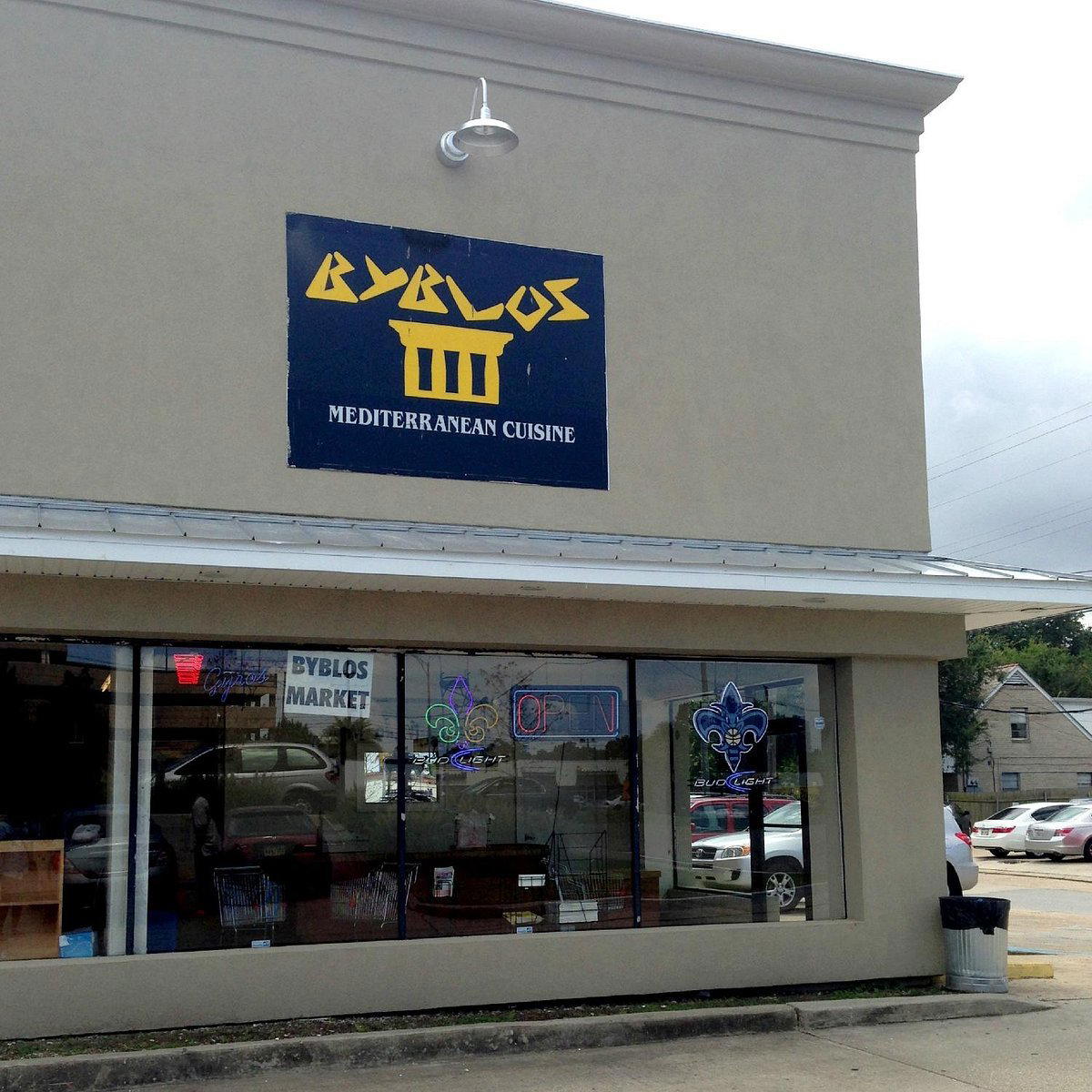
Veterans Memorial Boulevard and the Middle Eastern Table
Veterans Memorial Boulevard runs through Metairie like a commercial spine, lined with strip malls, chain restaurants, and the kind of regional independents that have served Jefferson Parish for decades. It is not a destination corridor in the way that Magazine Street or Frenchmen Street draw visitors from across the city, but that is precisely what gives it a different kind of credibility. The restaurants that survive here do so on repeat local business, not tourist traffic. Byblos Market, at 2020 Veterans Memorial Blvd, sits inside that context: a Middle Eastern dining address on a boulevard where longevity is earned through neighbourhood relevance rather than press cycles.
Middle Eastern food has a longer and more layered presence in Greater New Orleans than most dining guides acknowledge. Lebanese, Syrian, and broader Levantine communities have shaped the city's food culture for well over a century, and the suburbs absorbed a significant portion of that population as Metairie expanded through the mid-twentieth century. The result is a corridor where hummus, kibbeh, and shawarma are not novelties but staples with generational roots. Byblos Market operates in that tradition, sharing the Byblos name with its restaurant counterpart across the city (see the full Byblos listing for context on how the two relate) and functioning as a market-format expression of the same culinary identity.
What the Market Format Signals
The distinction between a Levantine restaurant and a Levantine market matters more than it might seem. Markets of this type typically serve prepared food alongside retail grocery — imported pantry goods, fresh bread, spices sold by weight, and house-made components like labne or stuffed grape leaves. The format is common in cities with established Arab-American communities: Dearborn in Michigan, Bay Ridge in Brooklyn, Anaheim in California. In Metairie, where the Levantine dining scene is smaller and more dispersed, a market format fills a specific gap between full-service dining and home cooking. Customers who want to eat in, take out, or stock their own kitchens can be served by the same operation.
This contrasts with the high-formality end of American dining, where venues like Le Bernardin in New York City, The French Laundry in Napa, or Atomix in New York City operate around fixed formats and reservation architecture. The market model is structurally different: it is walk-in-oriented, transactional in the leading sense, and built around community access rather than occasion dining. That is not a lesser ambition — it is a different one, and it maps directly onto how Levantine food has always functioned as a cuisine of hospitality and everyday sustenance rather than performance.
Metairie's Dining Dispersal and Where This Fits
Metairie's restaurant scene is genuinely plural. Within a short drive of this address you can find Italian at A Tavola, Greek at Acropolis Cuisine, Brazilian-inflected cooking at Beraca Restaurant, and Italian café culture at Caffe Caffe. The suburb does not have a single dominant food identity the way that parts of New Orleans proper do. What it has instead is a layered immigrant food culture that has built up over decades, less visible to outside coverage but consistent in quality and community purpose.
In that context, a Levantine market on Veterans Memorial is not an outlier, it is a logical piece of a larger picture. New Orleans's own culinary tradition, anchored by venues like Emeril's in New Orleans, draws heavily on French, West African, Spanish, and Caribbean influences. Metairie's food character is built differently, through the accumulation of suburban immigrant communities rather than a single foundational cuisine. Both are valid registers of place.
The Levantine Table in an American Suburb
Levantine cooking, the broad family that covers Lebanese, Syrian, Palestinian, and Jordanian traditions, has characteristics that make it well-suited to a market format. The cuisine is built around shared plates, preserved and pickled components, flatbreads, and proteins that hold well for transport. A fattoush stays structured. A properly made hummus travels. Kibbeh, whether fried or baked, is at its finest in the window immediately after cooking but is still coherent an hour later. This is food designed for generosity and volume, not for the precision of à la minute plating.
That functional logic has made Levantine formats durable in American suburban contexts from Dearborn to Dallas. The question in any given market is whether the sourcing and technique hold to a standard that reflects the cuisine's actual depth, or whether the format collapses into a lowest-common-denominator approximation. The presence of Byblos Market within the broader Byblos operation in Metairie suggests a connected supply chain and consistent culinary standards rather than a standalone venture built on loose affiliations.
Across American dining more broadly, there is renewed editorial attention on market-format ethnic dining as a category that punches above its formal weight. Operations like these, at cities far from the major media markets, are rarely covered by the publications that track Blue Hill at Stone Barns in Tarrytown, Smyth in Chicago, or Providence in Los Angeles. That gap is a documentation problem, not a quality problem. The Levantine table in Metairie has been feeding families for decades without needing a Michelin audit to confirm its value.
Planning Your Visit
Byblos Market is located at 2020 Veterans Memorial Blvd in Metairie, easily reachable by car from central New Orleans in roughly twenty to twenty-five minutes depending on traffic on the I-10 corridor. Veterans Memorial is a high-traffic arterial road with strip-mall parking, so access is direct.
At a Glance
- Casual
- Casual Hangout
Current opening hours
- Monday
- 11 AM–8 PM
- Tuesday
- 11 AM–8 PM
- Wednesday
- 11 AM–8 PM
- Thursday
- 11 AM–8 PM
- Friday
- 11 AM–8 PM
- Saturday
- 11 AM–8 PM
- Sunday
- Closed
Hours can change for holidays and private events. Last verified .
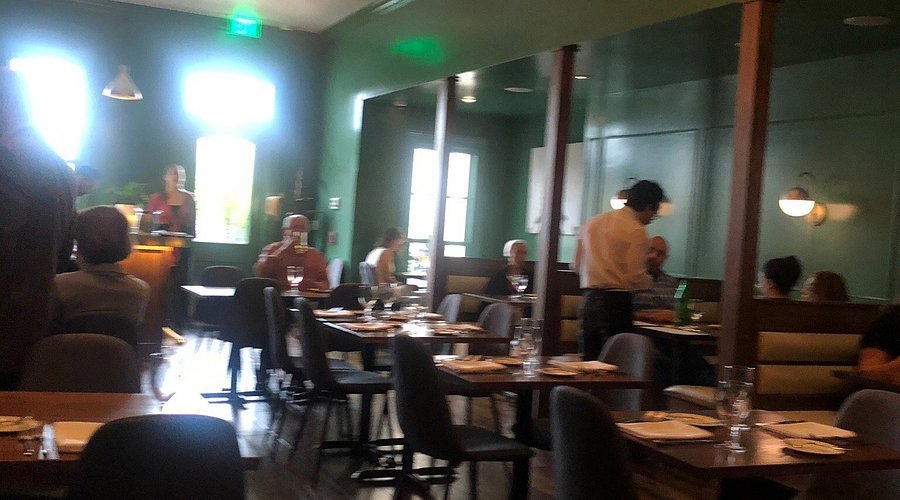
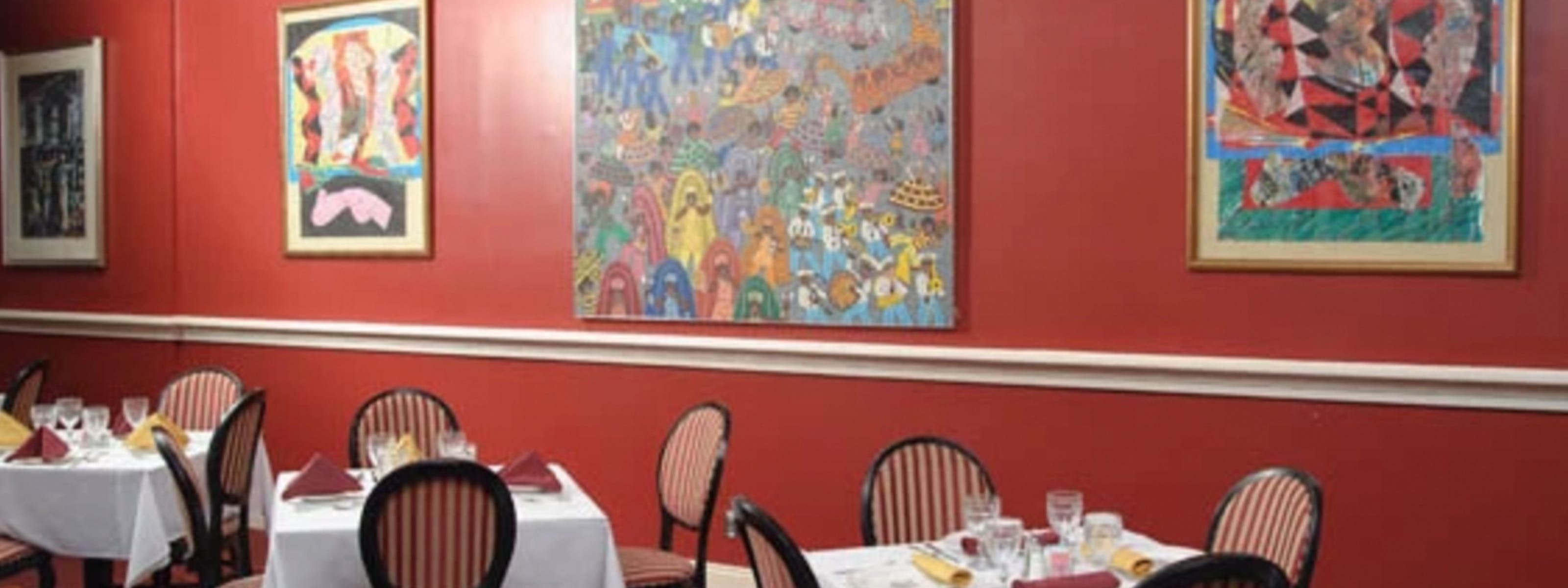
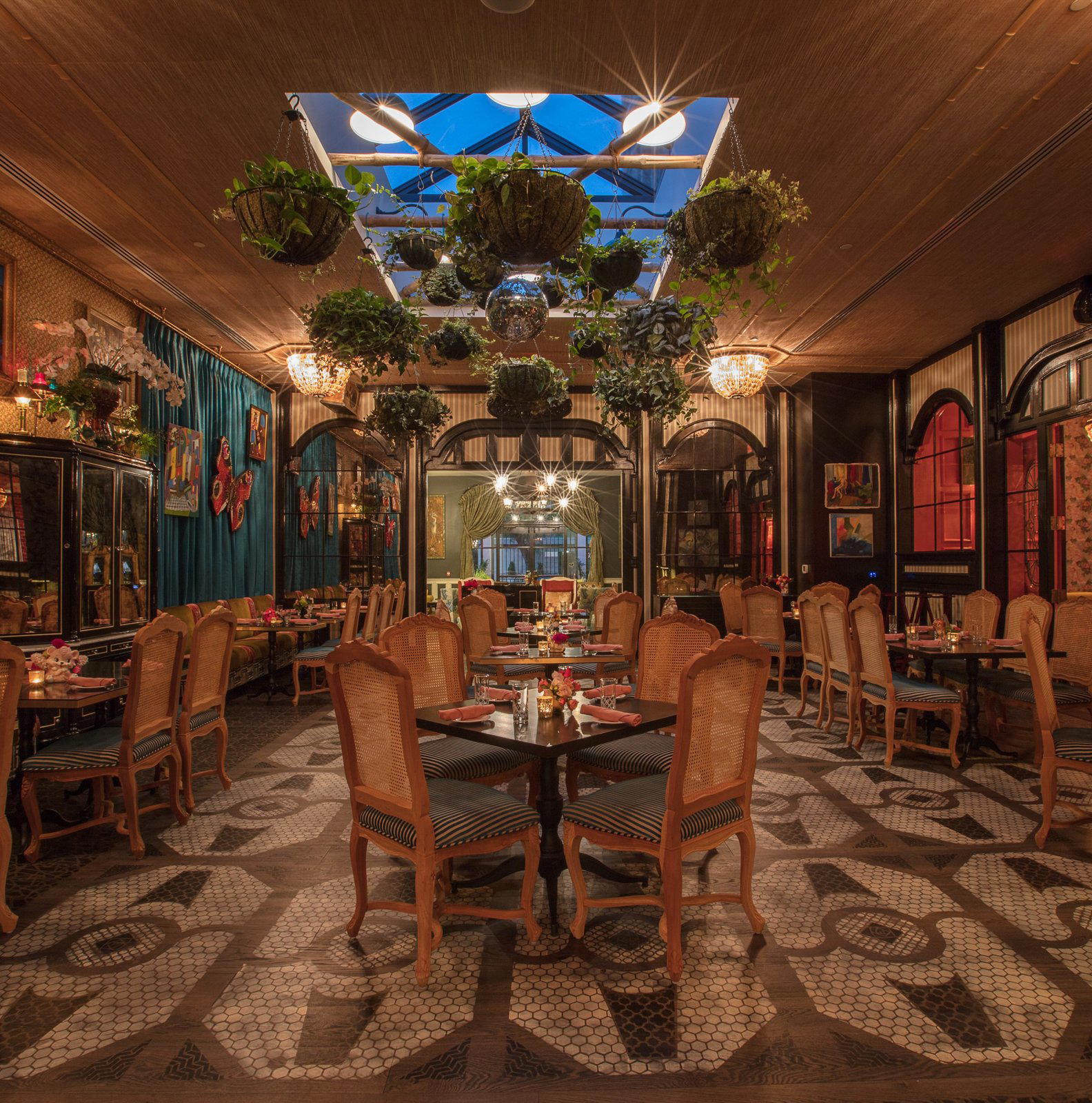
Fun, casual atmosphere with fresh, high-quality Mediterranean ingredients.
Know Before You Go
- Getting there
- 2020 Veterans Memorial Blvd, Metairie, LA 70006