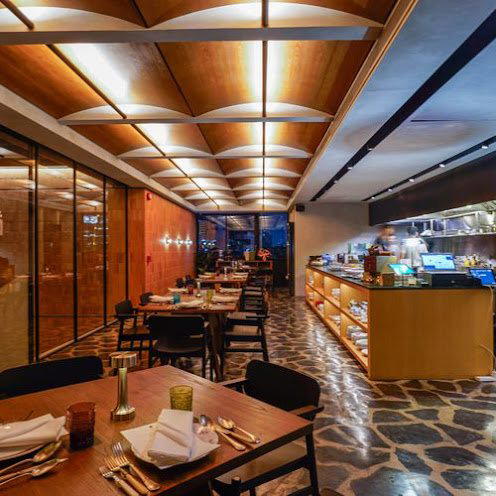
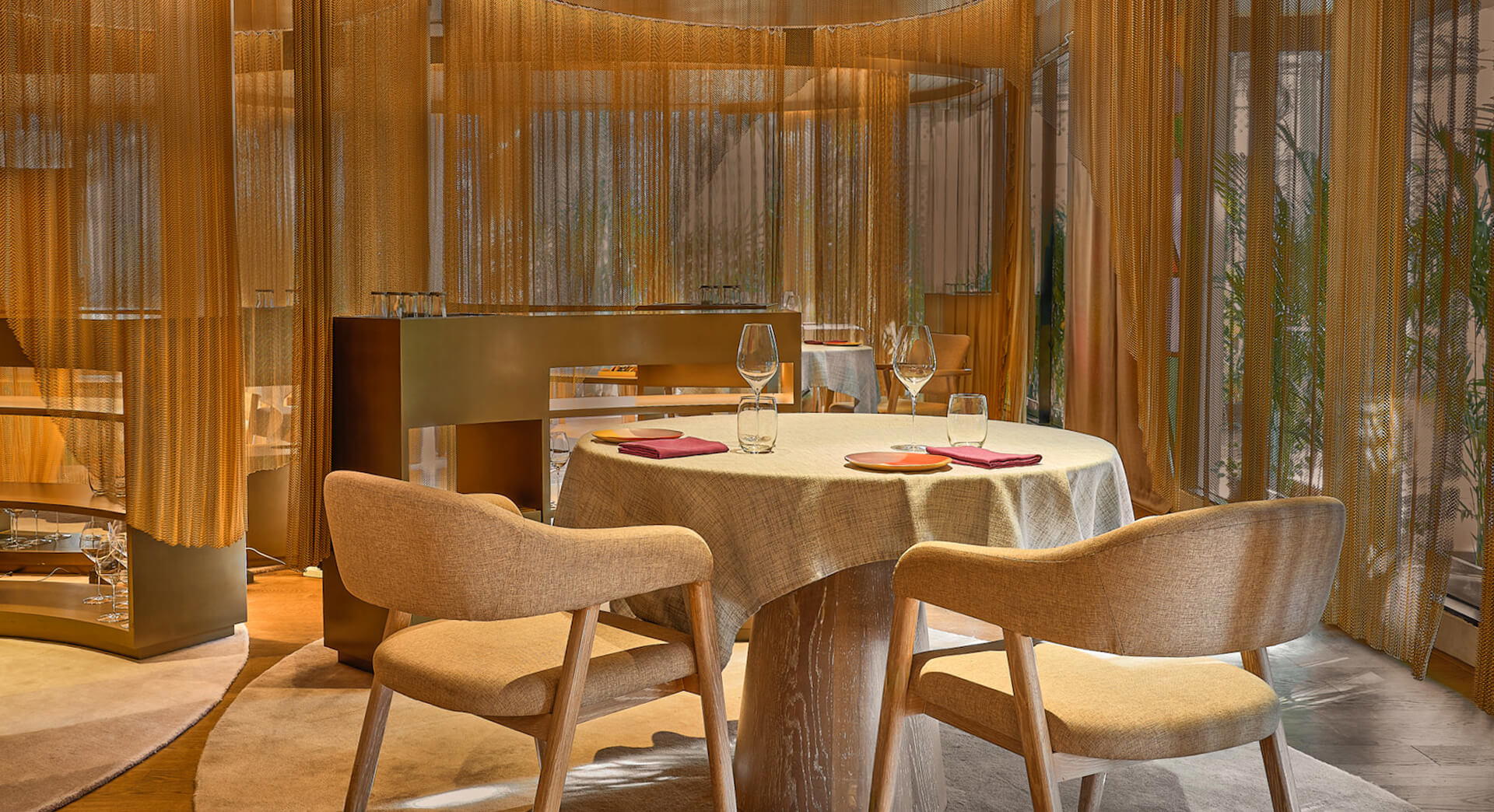
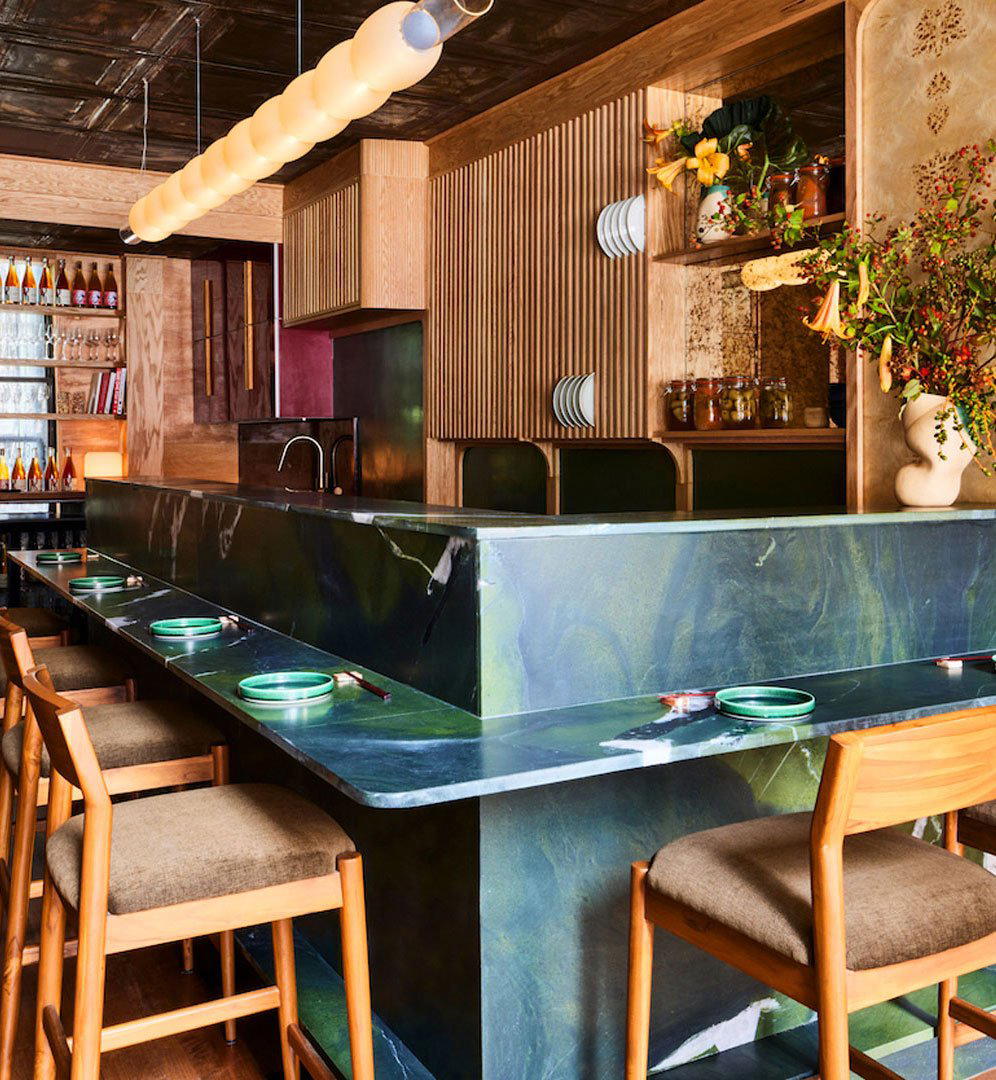
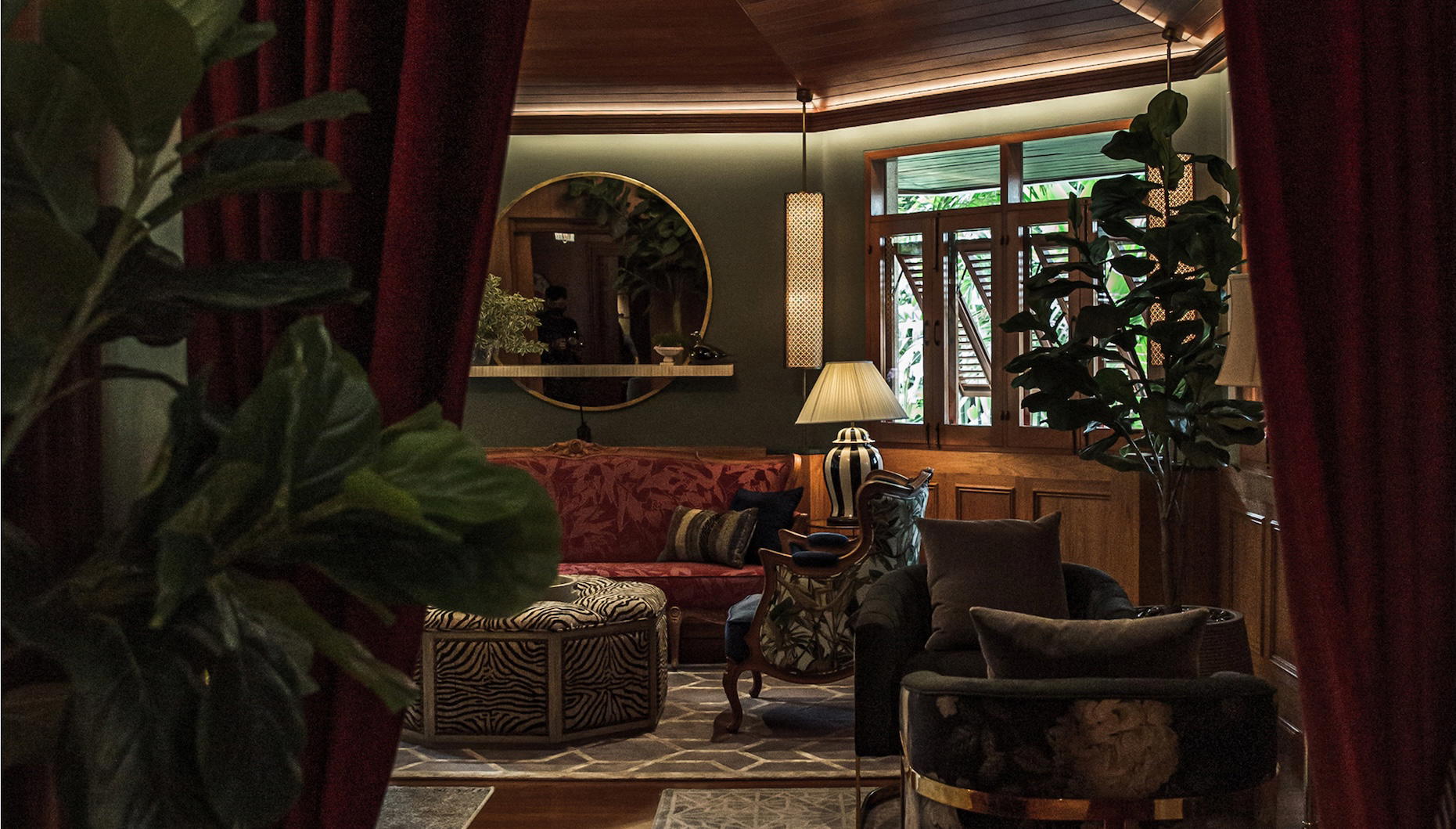
On a quiet soi in On Nut, Haawm is one of Bangkok's more closely watched modern Thai restaurants, holding 81 points in the 2026 La Liste rankings after climbing from 78.5 the year prior. The kitchen works within a contemporary Thai framework, and a near-perfect Google score across early reviews suggests the format is landing with precision. On Nut's distance from the central fine-dining corridor makes the address itself a statement.

On Nut's Quiet Soi and What It Signals
Bangkok's serious dining addresses have historically clustered in Silom, Sukhumvit's mid-stretch, and the riverside. The emergence of a La Liste-ranked modern Thai restaurant on Soi On Nut 25 — a residential lane in Suan Luang, well south of the city's established fine-dining corridor — says something specific about where the city's culinary ambition is now spreading. Haawm occupies that address not as an anomaly but as part of a broader pattern: kitchens prioritising focus and neighbourhood calm over proximity to hotel foot traffic and expense-account crowds.
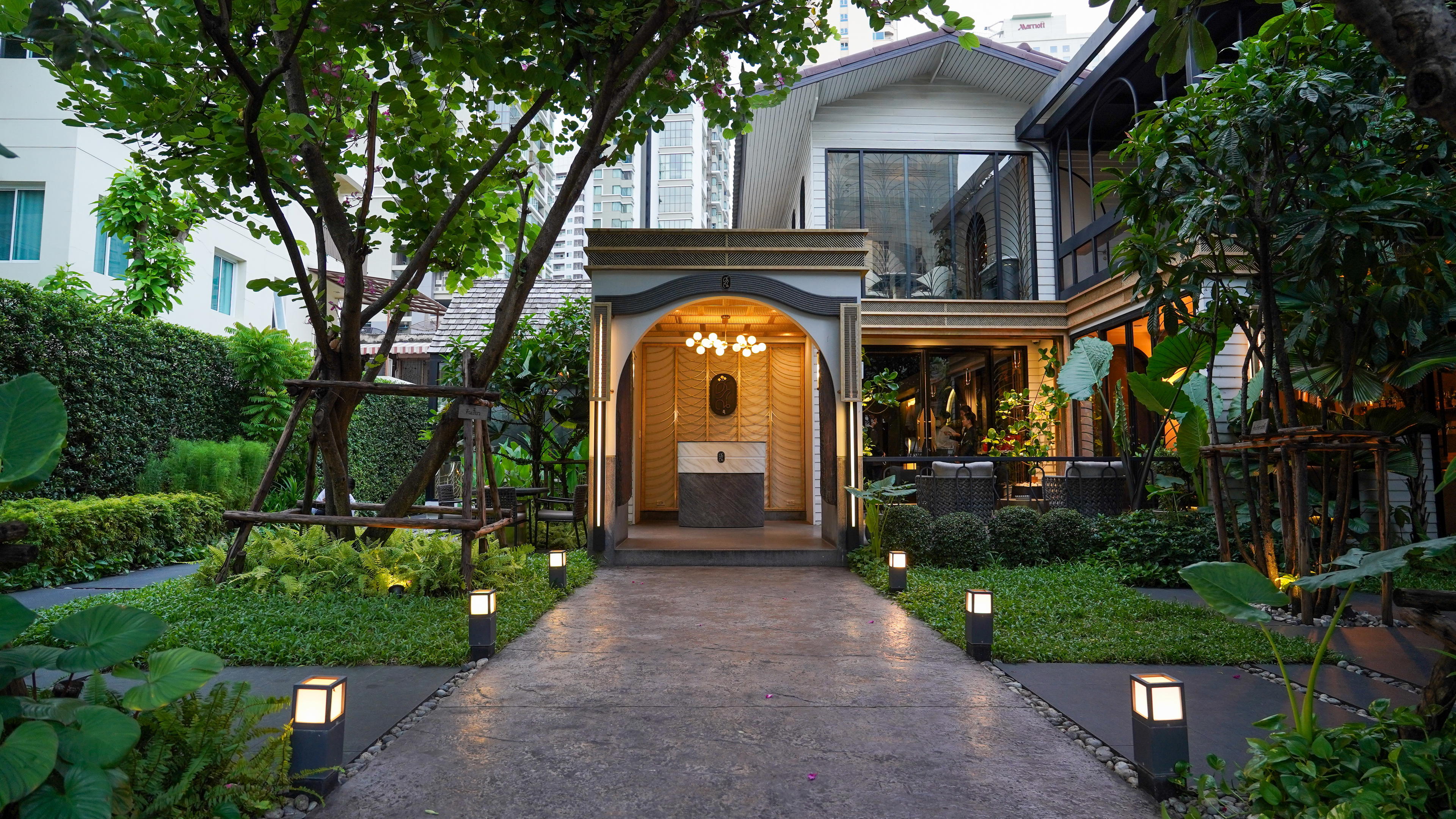
Arriving on Soi On Nut 25, the immediate environment is domestic rather than commercial. The contrast between the setting and what the kitchen is attempting inside is part of the experience's texture. This is a pattern that appears at other serious addresses across Southeast Asia: the deliberate choice of an unpretentious location as a signal that the cooking, not the address, is the draw. For comparison, Sorn (Southern Thai) made Soi Somkid work on the strength of its three Michelin stars; Haawm is making a similar argument from the opposite end of the city.
La Liste Recognition and What 81 Points Represents
La Liste's global ranking methodology aggregates scores from multiple international guides, weighting them against local critical consensus. An 81-point score in the 2026 edition , up from 78.5 in 2025 , places Haawm inside a tier of restaurants that La Liste considers consistently strong but not yet at the upper echelon occupied by multi-starred flagships. The year-on-year gain of 2.5 points is meaningful: La Liste scores tend to be conservative, and upward movement of that scale within a single cycle suggests the kitchen is building rather than consolidating.
For context within Bangkok's modern Thai field, the restaurants clustered at the leading of La Liste's Thai entries tend to carry Michelin recognition alongside their aggregate scores. Baan Tepa (Thai contemporary) holds two Michelin stars and operates in the same broad category. Haawm's La Liste score without a corresponding Michelin citation places it in an interesting interim position: recognised by the aggregator before full critical consensus has formed. That gap tends to close in one direction or the other within a few years.
A Google rating of 4.9 across 64 reviews is a secondary data point, but 64 reviews at that score suggests a small, attentive dining room rather than a high-volume operation. The consistency implied by that figure aligns with what La Liste's scoring methodology rewards: repeatability and precision over spectacle.
Menu Architecture: How Modern Thai Constructs Its Argument
Modern Thai kitchens in Bangkok have developed two broad menu architectures. The first , exemplified by restaurants in the Southern Thai tradition , builds around regional specificity, using the menu as a document of a particular Thai culinary geography. The second uses Thai ingredients and flavour logic as the foundation for a contemporary tasting format that speaks to international fine-dining conventions while remaining grounded in local produce and technique.
Haawm operates within that second tradition. Without confirmed menu data, the specific dishes cannot be described here, but the cuisine classification of Thai Modern and the La Liste recognition together suggest a kitchen working in the tasting-menu format that Bangkok's most-watched contemporary Thai restaurants have increasingly adopted. That format carries its own structural logic: the sequence matters as much as individual courses, and the menu's internal argument , how flavours build, contrast, and resolve across its length , is where the kitchen makes or loses its case.
This approach places Haawm in a different competitive set from the city's international fine-dining rooms. Sühring (German) and Côte by Mauro Colagreco (Mediterranean, Modern Cuisine) are making arguments about European culinary traditions transplanted to Bangkok. Gaa (Modern Indian, Indian) operates at the intersection of Indian flavour and contemporary technique. Haawm's argument is Thai-rooted and locally grounded, which means it is competing directly with Bangkok's serious Thai kitchens for the same critical attention and the same kind of diner.
Placing Haawm in Thailand's Wider Fine-Dining Map
Bangkok concentrates most of Thailand's recognised fine dining, but the national picture is broader. AKKEE in Pak Kret and PRU in Phuket demonstrate that serious kitchen ambition is distributed across the country, while Aeeen in Chiang Mai and Angeum in Phra Nakhon Si Ayutthaya extend that geography into the north and the historic heartland. Haawm sits within Bangkok's version of this: a restaurant making a case for modern Thai cooking at a serious level, from an address that most visiting diners would not instinctively consider.
The La Liste ranking gives Haawm an international reference point that connects it, at least by methodology, to globally recognised kitchens. Le Bernardin in New York City and Atomix in New York City operate within the same La Liste framework at considerably higher scores, but the comparison is useful for understanding what the ranking is measuring: consistency, technique, and the kind of critical visibility that comes from sustained quality rather than a single standout season.
Planning a Visit
Haawm is located at 290 Soi On Nut 25, Suan Luang, Bangkok 10250. The On Nut BTS station provides the most practical public transit access to the neighbourhood, with Soi On Nut 25 a short taxi or motorbike taxi ride from the station exit. The residential character of the area means the approach is quieter than central Bangkok's dining strips, and arriving with time to find the address is sensible. Given the Google score's implication of a small and attentive operation, booking ahead is the correct approach; specific booking method and hours are not confirmed in available data and should be verified directly with the restaurant before visiting. For a broader view of where Haawm sits within Bangkok's dining options, our full Bangkok restaurants guide maps the city's current field. Those visiting Bangkok for longer should also consult our full Bangkok hotels guide, our full Bangkok bars guide, and our full Bangkok experiences guide for a complete picture of the city.
What Should I Order at Haawm?
Haawm's cuisine classification is Thai Modern, and La Liste's recognition across two consecutive years points to a kitchen with consistent technical output. The format appears to be a structured tasting sequence, which means the full menu is the correct way to experience the kitchen's argument rather than selecting individual dishes. Specific dish data is not available for confirmation here, so arriving without fixed expectations and trusting the kitchen's sequencing is the most informed approach. For frame of reference on how Bangkok's serious Thai kitchens construct their menus, Baan Tepa (Thai contemporary) and Sorn (Southern Thai) represent the upper tier of the city's Thai fine-dining offer, and both use the tasting format as their primary structure. Haawm's La Liste score places it in conversation with that tier even if it has not yet accumulated the same critical infrastructure.
Need a table?
Our members enjoy priority alerts and concierge-led booking support for the world's most difficult tables.
Access the Concierge