Hôtel Du Tcheng T'ai

Hôtel Du Tcheng T'ai is a Shijiazhuang dining address recognized by the Black Pearl Restaurant Guide 2026 with one diamond. In a city better known for northern Chinese staples than international restaurant tourism, that signal places it in the small group of rooms worth treating as a planned meal rather than a casual stop.

Pearl is the En Primeur Club membership app — saves, bookings, and concierge access live there. Same editors, same standards.
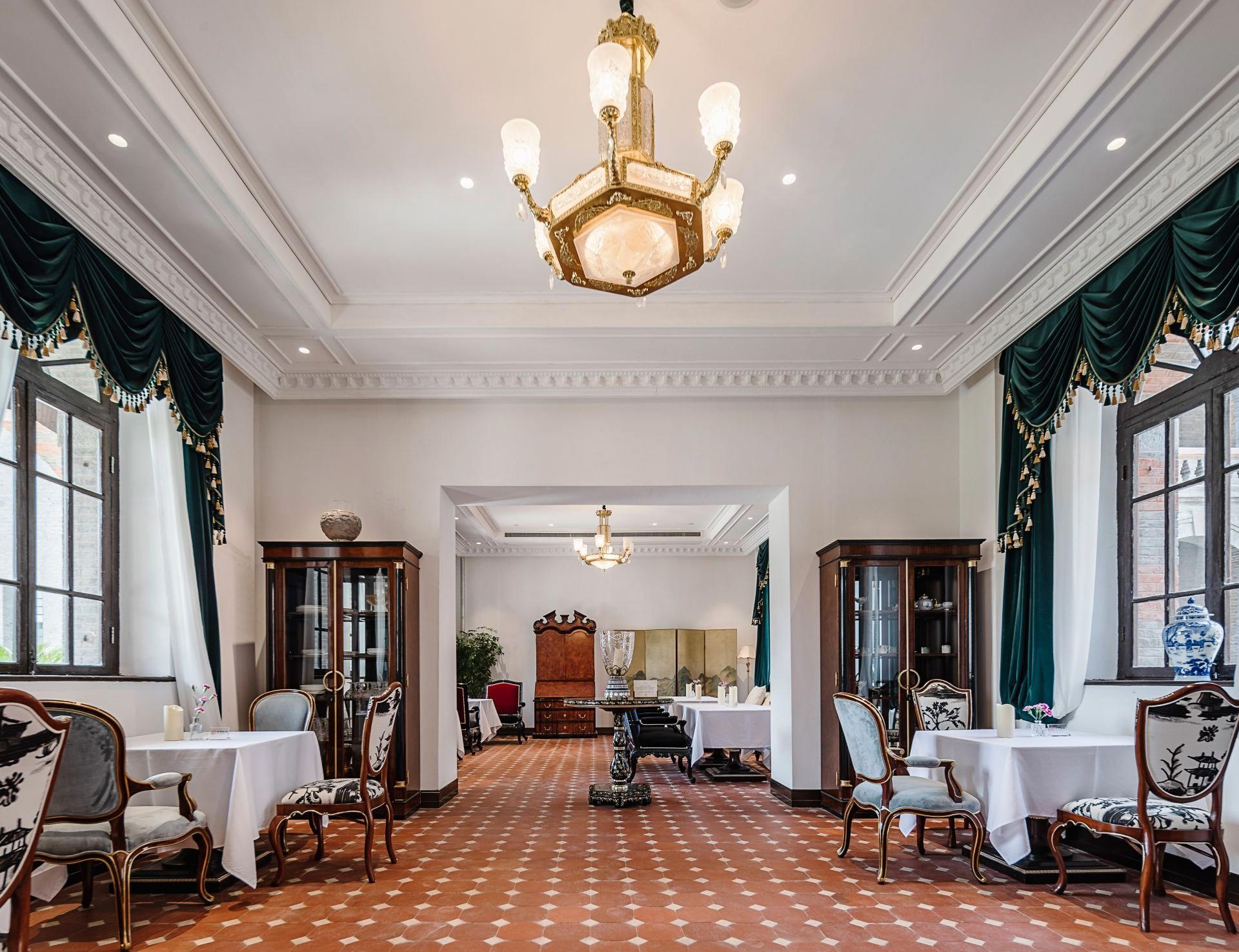
Shijiazhuang dining has a different rhythm from China’s coastal restaurant capitals. The city sits in Hebei, close enough to Beijing to feel its gravitational pull, but its table culture is grounded in northern wheat, banquet etiquette, regional hospitality, and the practical appetites of a provincial capital. Hôtel Du Tcheng T'ai belongs in that context: not as a trophy address detached from place, but as a marker of how higher-end Chinese dining is being codified outside the usual first-tier circuits.
Hebei dining, seen through a Black one-diamond lens
The Black Restaurant Guide 2026 lists Hôtel Du Tcheng T'ai among its one-diamond restaurants, a useful signal in a market where international awards coverage is thinner than in Beijing, Shanghai, Hong Kong, or Macau. In Shijiazhuang, that recognition matters because it gives visiting diners a verified anchor in a dining scene that can otherwise be difficult to read from the outside.
Northern Chinese food culture is often misunderstood by travellers who arrive expecting the seafood delicacy of the lower Yangtze or the precision plating associated with Cantonese luxury rooms. Hebei’s culinary identity is broader and earthier: wheat-based staples, braised textures, banquet dishes, seasonal vegetables, and the influence of court, merchant, and home-style traditions that travelled along the Beijing-Tianjin-Hebei corridor. A restaurant carrying Black one-diamond recognition in this setting is not just selling polish; it is participating in the formalization of regional Chinese dining for a national audience.
That distinction is important. China’s premium restaurant culture has become increasingly guide-driven, but the value of a guide signal changes by city. In Shanghai or Beijing, awards help separate many already visible dining rooms. In Shijiazhuang, a one-diamond listing functions more like a map pin for intent: this is a meal to plan around if the trip includes serious regional dining, especially for travellers who want Chinese restaurant culture beyond the usual coastal itinerary.
The room belongs to a banquet city, not a tasting-menu capital
Shijiazhuang is not built around the Western tasting-menu grammar that dominates many international luxury dining conversations. The city’s stronger reference point is the Chinese dining room as a social and ceremonial space: meals ordered for the table, dishes paced around conversation, and hospitality measured through abundance, timing, and the fluency of service rather than theatrical minimalism. Hôtel Du Tcheng T'ai should be read through that tradition.
That makes the restaurant more relevant for travellers interested in how Chinese dining hierarchies work on the ground. A Black one-diamond room in a provincial capital speaks to a different kind of ambition than a chef-counter format in Tokyo or a tasting-menu restaurant in Copenhagen. The pressure is not only technical; it is cultural. The kitchen and floor have to satisfy local expectations around generosity and ceremony while meeting a national guide’s demand for consistency.
The name may read to outsiders like a hotel dining room, but the editorial question is larger than format. In many Chinese cities, serious restaurants often sit inside hotels, clubs, mansions, or multi-room hospitality complexes rather than street-front dining rooms. That placement can signal privacy, hosted meals, business entertaining, and family occasions. For visitors, it also means the meal may feel less like a casual restaurant discovery and more like an introduction to how status dining operates in the city.
How to place it in a Shijiazhuang itinerary
For travellers building a food-led route through Hebei’s capital, the restaurant is strongest as a planned Chinese dining appointment rather than a spontaneous meal between sightseeing stops. The draw is the combination of Shijiazhuang context and Black recognition: a guide-validated dining room in a city where outside visitors have fewer reliable reference points.
The more useful comparison is not with a single peer restaurant, but with China’s wider geography of destination dining. Coastal Cantonese rooms, Sichuan kitchens, Jiangnan heritage restaurants, and northern banquet houses all express different ideas of luxury. A Shijiazhuang address with one-diamond recognition gives the itinerary a Hebei counterweight, especially for diners who already understand the better-documented circuits in larger cities.
Use the broader EP Club city pages to frame the trip rather than treating one meal as the whole story: Our full Shijiazhuang restaurants guide, Our full Shijiazhuang hotels guide, Our full Shijiazhuang bars guide, Our full Shijiazhuang wineries guide, and Our full Shijiazhuang experiences guide help place the meal within the city rather than isolating it as a checklist stop. Nearby Shijiazhuang dining coverage also includes Guanfu Mansion Cuisine.
Readers mapping Chinese dining beyond Hebei can also use EP Club’s wider restaurant index for contrast across regions and formats: #8 in Chengdu, 100 Century Avenue Cantonese in Shanghai, 167 Shan Hai Li in Fuzhou, 1913 in Hangzhou, 1927 Dong Yuan Si Chu in Xiamen, 1949 - Duck de Chine in Beijing, 1980烧肉粽 in 厦门市, 57号窑烤披萨咖啡馆 in 温州市, 8 1/2 Otto e Mezzo Bombana (Macau) in Macau, 90 Seconds in Shenzhen, Jōdo Saké Bar in Los Angeles, and Onigiri Time in Pasadena.
The editorial case is clear: this is a Shijiazhuang restaurant with a credible national guide signal, useful for travellers who care about how Chinese regional dining reads outside the dominant luxury corridors. Treat it as a cultural meal, not just a reservation.
Comparable venues nearby, for context on price, style, and recognition.
| Venue | Cuisine | Price | Notes |
|---|---|---|---|
| Hôtel Du Tcheng T'ai | Historic French-style hotel bistro with Western cuisine and Chinese afternoon tea | $$ | Xinhua District |
| Guanfu Mansion Cuisine | Dining | Not listed | Shijiazhuang |
| Alinta | Modern Australian Bistro with Asian Influences | $$ | Xuhui |
| Maojia Restaurant | Authentic Hunan Chinese | $$ | 大唐飲食街 |
| 德利私厨 | Private Kitchen | Not listed | Panyushi |
| Village Cafe | Contemporary International Cafe | $$ | Sanlitun |
Recognition history
Dated appearances from independent guides and award organizations, with the underlying list record or original source where available.
Black Pearl 1 Diamond
Black Pearl
Continue exploring
More in Shijiazhuang
Restaurants in Shijiazhuang
Browse all →
Hotels in Shijiazhuang
Browse all →
At a Glance
- Romantic
- Classic
- Elegant
- Well Known
- Intimate
- Whimsical
- Date Night
- Celebration
- Group Dining
- Special Occasion
- Casual Hangout
- Brunch
- Design Destination
- Historic Building
- Hotel Restaurant
- Garden
- Courtyard
- Private Dining
- Craft Cocktails
- Garden
Refined and nostalgic, with a dark, warm-yellow lighting scheme in parts of the venue, classic French-heritage interiors, and a photogenic garden that evoke the feeling of a Republic of China–era mansion or train-station salon, popular for dates and stylish afternoon tea.