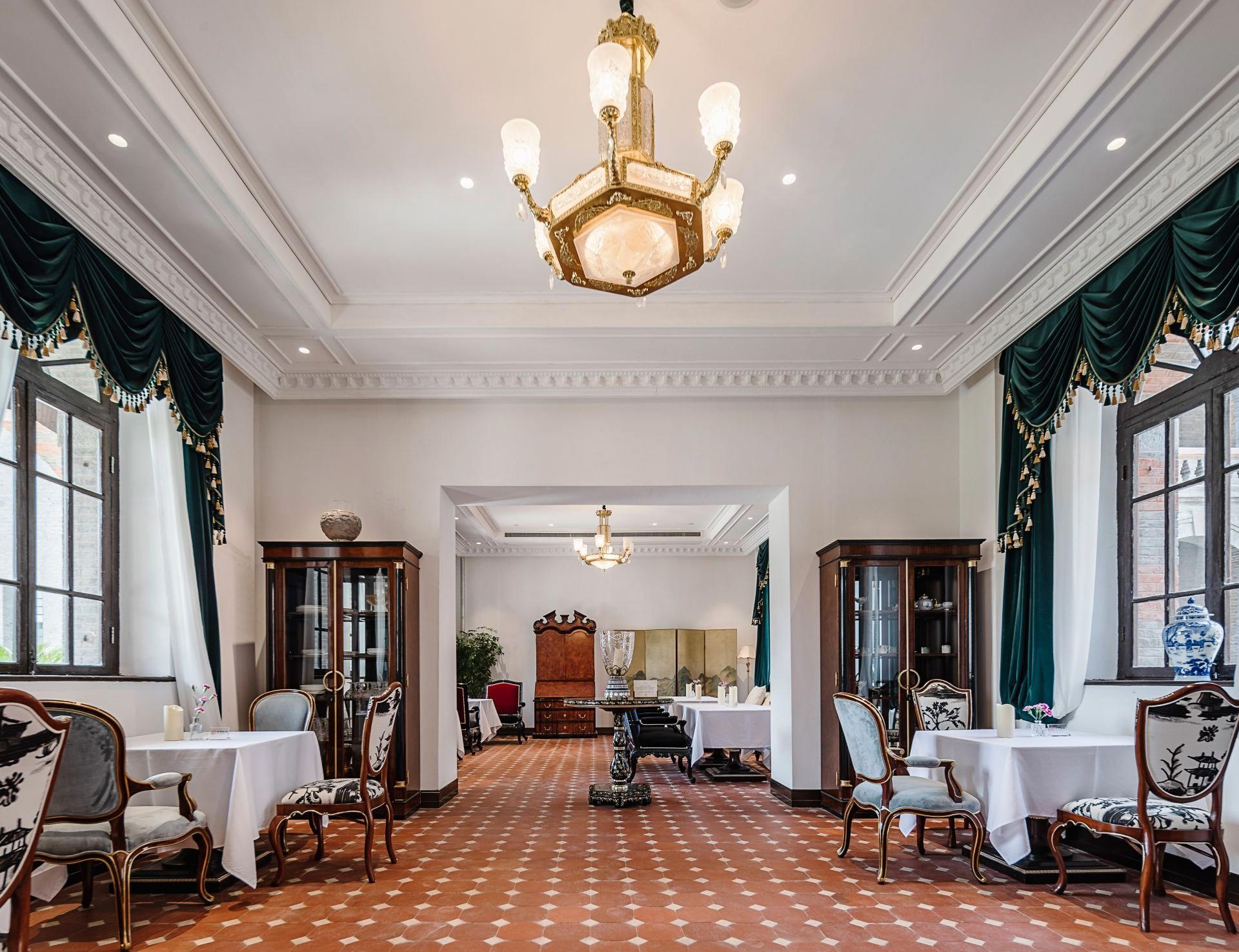
Guanfu Mansion Cuisine

Black Pearl 1 Diamond
Our verdict
Guanfu Mansion Cuisine gives Shijiazhuang a Black Pearl one-diamond address in a city better known for northern grain culture, banquet dining and Hebei produce than for export-facing fine dining. The interest here is not a named chef narrative but how a formal Chinese restaurant can turn regional sourcing, seasonality and official-dining codes into a sharper local argument.

Pearl is the En Primeur Club membership app, where members save venues, book tables and use the concierge.
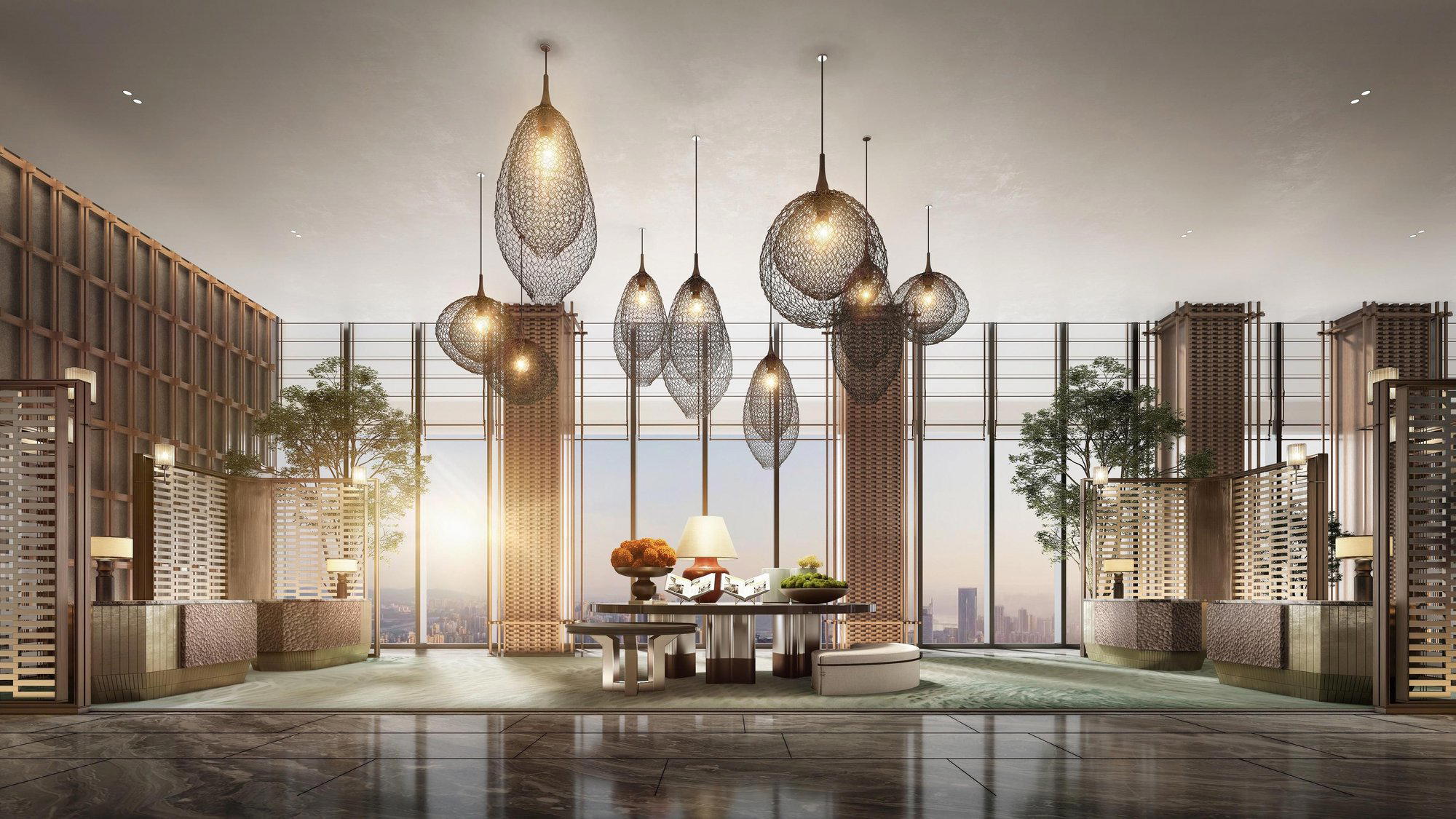
Approaching premium dining in Shijiazhuang is different from entering the polished restaurant districts of China’s larger coastal cities. The rhythm is less theatrical, more tied to hosting etiquette and the quiet expectation that the table should carry the weight of the occasion. Guanfu Mansion Cuisine sits inside that formal register: a room where the promise is not novelty for its own sake, but a controlled reading of occasion, hierarchy and local taste.
Shijiazhuang formality, formal-room discipline
Shijiazhuang does not trade on a single culinary shorthand. For visitors, that makes the restaurant’s broader setting matter more than menu slogans. In this part of China, refinement is often read through how a dining room handles pacing, service and the structure of a shared table. The value is not only in individual dishes, but in whether the meal feels composed enough for a serious occasion.
The Black Pearl guide named Guanfu Mansion Cuisine a 2026 one-diamond restaurant, a useful signal in a market where international guide coverage is uneven. Black Pearl recognition tends to reward Chinese dining formats that speak clearly to domestic luxury habits: dining comfort, service choreography and a table built for sharing. That matters in Shijiazhuang because the city’s premium dining scene has fewer globally legible reference points than larger coastal capitals. A one-diamond rating here functions less as decoration than as a marker that the restaurant has entered a national Chinese critical conversation.
The venue itself is the stronger lens than any unsupported chef biography. Without a public chef narrative leading the discussion, the sharper question is whether Guanfu Mansion Cuisine expresses Shijiazhuang formal dining with enough restraint to justify premium expectations. The stronger rooms edit: they let pacing, service and the shared-table format form a coherent experience rather than a long parade of status signals.
Why Shijiazhuang's dining context changes the reading
In larger Chinese dining cities, a Black Pearl diamond restaurant enters a crowded field of tasting menus, heritage houses and luxury-hotel dining rooms. In Shijiazhuang, the same recognition carries a different weight. The city’s restaurant culture is more closely tied to hosted meals and local hospitality than to international food tourism. That makes the measure of quality practical and social: can the room host a serious table, can the food feel rooted in its city without defensiveness, and can the format feel composed rather than merely expensive?
Guanfu Mansion Cuisine is therefore better read as part of Shijiazhuang’s maturing formal dining tier, not as a destination built around spectacle. The restaurant’s national recognition gives travelers a reason to consider a planned meal, particularly those interested in how inland provincial capitals are defining premium Chinese dining on their own terms. For another Shijiazhuang reference point, compare it with other dining in the city rather than reading it only through larger national markets.
Where it fits in a wider China dining itinerary
Travelers using Shijiazhuang as part of a wider China food route should treat this as a study in inland-city formality rather than a substitute for better-known dining circuits elsewhere in the country. For contrast across Chinese dining cities, EP Club’s wider restaurant coverage can be used generically to understand how different regions frame premium dining. The point of the comparison is geographic, not like-for-like: Shijiazhuang asks a different dining question, one grounded in hospitality, formal codes and a less performative version of luxury.
The editorial case is clear enough: Guanfu Mansion Cuisine is a useful table for travelers who care about how Chinese provincial capitals are shaping their own premium dining language. The Black Pearl one-diamond award supplies the external trust signal; the deeper interest is how a formal restaurant can carry a city’s identity without borrowing the grammar of larger restaurant markets.
Frequently asked questions
Has Guanfu Mansion Cuisine won any awards?
Guanfu Mansion Cuisine has received recognition including: Black Pearl 2026 one-diamond restaurant.
Is Guanfu Mansion Cuisine reservation-only?
Those details are not published. Guanfu Mansion Cuisine sits in a higher-attention tier than casual local dining. Check the venue's official channels for the latest details.
What do critics highlight about Guanfu Mansion Cuisine?
The clearest external signal is its Black Pearl 2026 one-diamond status. That points to a dining room judged against a national fine-dining standard, rather than a simple neighborhood restaurant in Shijiazhuang.
What if I have allergies at Guanfu Mansion Cuisine?
With no chef name or menu details listed, the safest approach is to flag allergies when arranging a visit to Guanfu Mansion Cuisine in Shijiazhuang. The Black Pearl one-diamond designation suggests a formal service setting, where careful communication matters.
Is Guanfu Mansion Cuisine okay with children?
There is no child-policy information in the public record. Given its Black Pearl 2026 one-diamond profile in Shijiazhuang, check the venue's official channels for the latest details.
What is the atmosphere like at Guanfu Mansion Cuisine?
Expect a formal dining room rather than a casual, drop-in spot. Guanfu Mansion Cuisine’s Black Pearl 2026 one-diamond listing places it in the polished end of Shijiazhuang dining.
How It Compares
Comparable venues nearby, for context on price, style, and recognition.
| Venue | Cuisine | Price | Awards | Notes |
|---|---|---|---|---|
| Guanfu Mansion CuisineThis venue (the venue you are viewing) | Dining | Not listed | Black Pearl 1 Diamond | Not listed |
| Hôtel Du Tcheng T'ai | Historic French-style hotel bistro with Western cuisine and Chinese afternoon tea | $20–30 | Black Pearl 1 Diamond | Xinhua District |
| Xi Kang Lu | Northeastern Chinese Dumplings | Not listed | Not listed | Jing'an |
| 刘长兴(卫岗店) | 南京传统手工饺子 | Not listed | Not listed | 卫岗/下马坊 |
| Canton 8 | Cantonese | $30–50 | Not listed | Huangpu |
| 肉肉大米 | Japanese-Style Hamburg Steak Rice Bowls | $10–20 | Not listed | 人民广场 |
Recognition history
Dated appearances from independent guides and award organizations, with the underlying list record or original source where available.
Black Pearl 1 Diamond
Black Pearl
Continue exploring