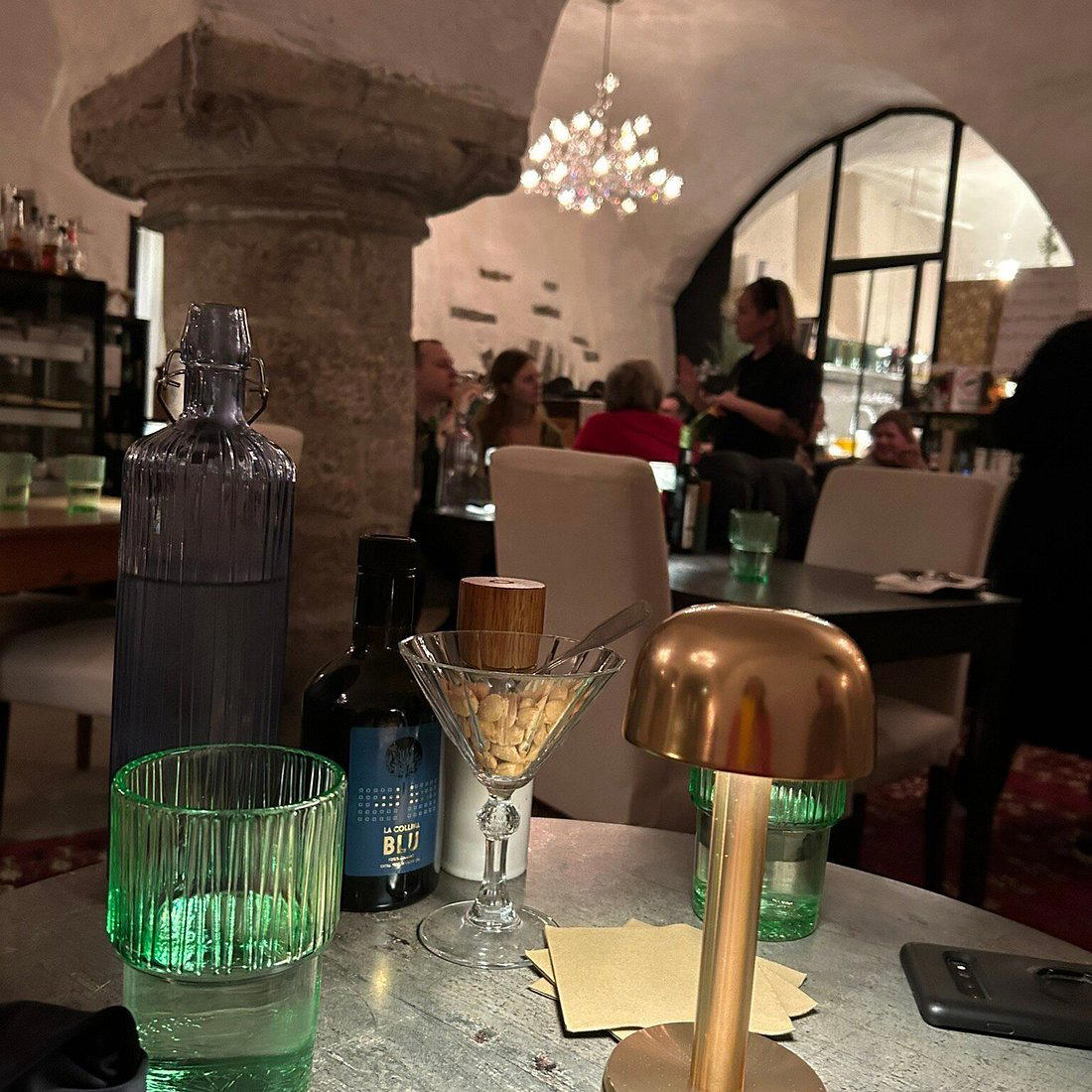
Gutekällaren occupies a medieval cellar in Visby's old town, bringing centuries of stone and shadow into contact with the contemporary Swedish table. The address alone, on Lilla Torggränd in the heart of the UNESCO-listed ring wall city, signals that the meal here is inseparable from its setting. Visby has few dining rooms that combine this depth of physical character with serious cooking.
Pearl is the En Primeur Club membership app — saves, bookings, and concierge access live there. Same editors, same standards.
- Address
- Lilla Torggränd 3, 621 56 Visby, Sweden
- Phone
- +46498210043
- Website
- gutekallaren.com
- Directions
- Get directions
 Saves & bookings on Pearl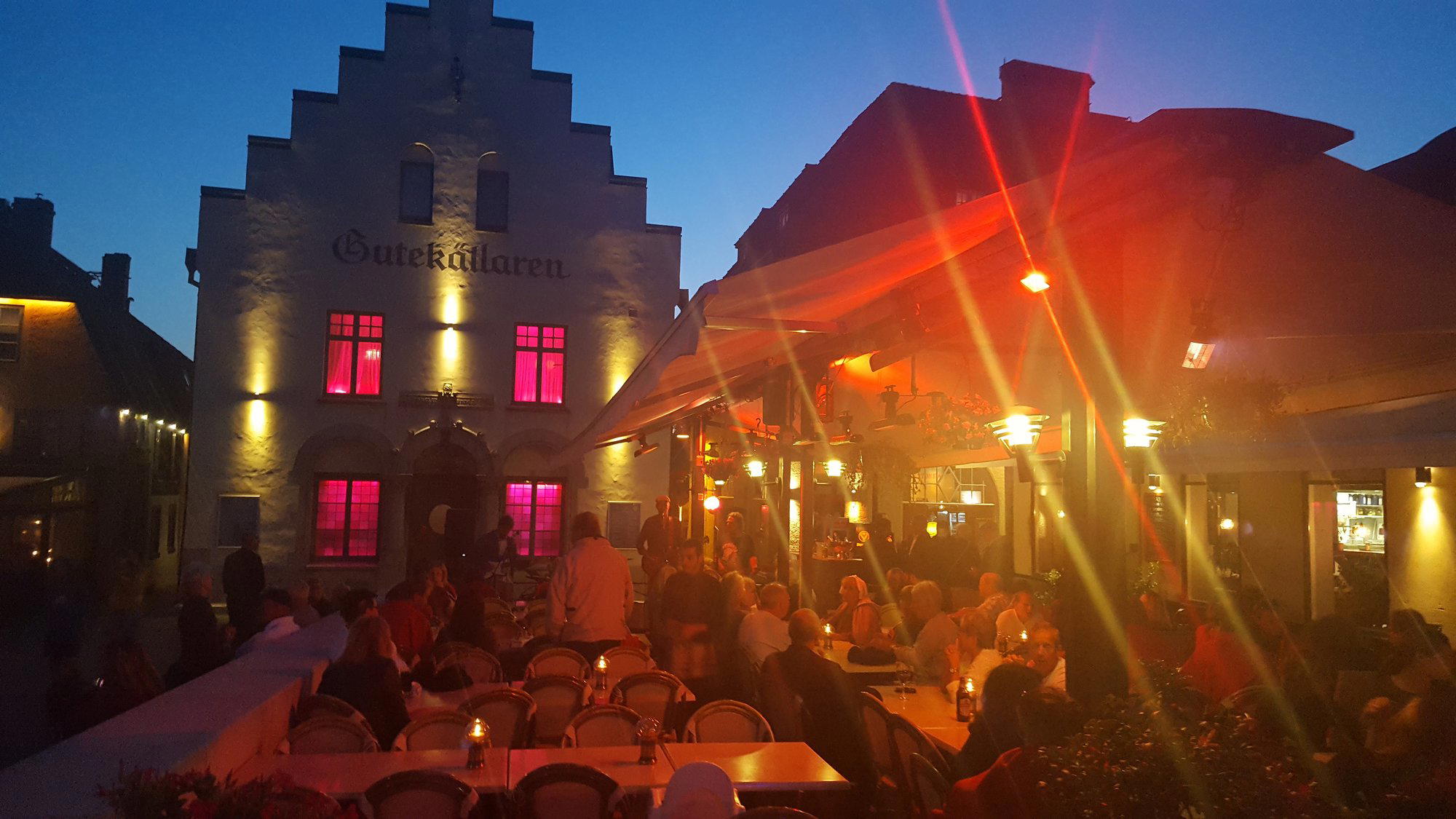
Stone, Ceremony, and the Swedish Table in Visby's Old Town
Visby operates on a different clock to mainland Sweden. The UNESCO-listed ring wall city on Gotland island receives a concentrated rush of visitors each summer, then contracts into a quieter, more local rhythm for the rest of the year. Dining here has always been shaped by that duality: kitchens must satisfy the seasonal surge while remaining credible to a year-round community that expects more than tourist-grade cooking. At Gutekällaren, the physical setting is not backdrop; it is the first argument the restaurant makes, and the meal that follows either honours that argument or falls short of it.
The Architecture of the Meal
Swedish dining ritual in its more formal register has a particular cadence: a measured opening, a progression through courses that respects seasonality and provenance, and a pacing that resists the tendency to rush. This is not a Nordic affectation, it reflects a culinary culture that, especially over the last two decades, has placed enormous weight on where ingredients come from and how they are handled. The leading rooms in Sweden, from Frantzén in Stockholm to Vollmers in Malmö, have made that provenance-first philosophy central to how a meal unfolds. Regional counterparts including VYN in Simrishamn, ÄNG in Tvååker, and Signum in Mölnlycke demonstrate that serious cooking is no longer confined to the country's urban centres.
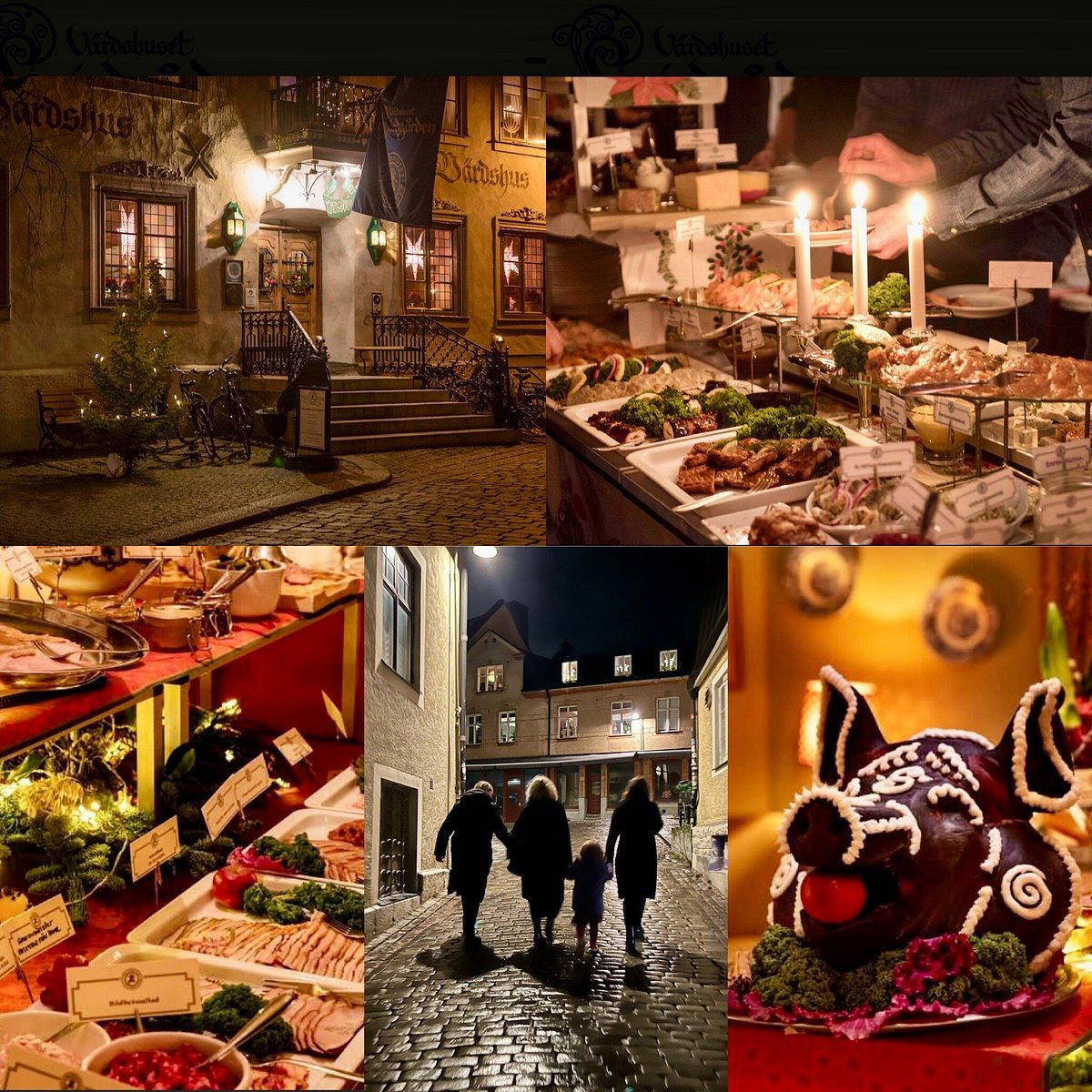
Gutekällaren sits within that broader pattern but with a specific Gotlandic inflection. The island's lamb, its saffron pancakes, and its proximity to Baltic seafood give a kitchen here a local pantry that is distinct from anything available on the mainland. When a Visby restaurant draws on that pantry with care, the meal becomes an argument for why Gotland specifically, not Sweden generally, deserves its own culinary identity.
What the Cellar Asks of You
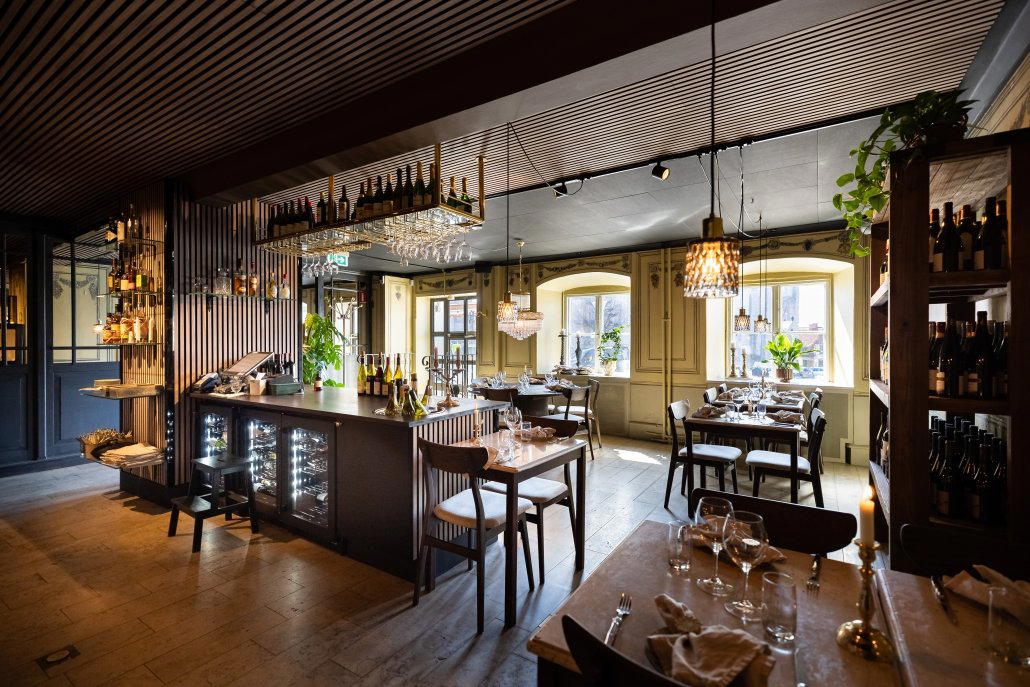
Entering a vaulted medieval cellar is a kind of preparation. The drop in temperature, the low arched ceilings, the quality of light that stone walls produce, all of it slows you down before the first course arrives. This is not incidental. Dining in a space with genuine historical mass tends to recalibrate expectations: the theatrics of the room do the work that some contemporary restaurants assign to plating alone. Elsewhere on Gotland, addresses like Munkkällaren work within a similar medieval fabric, while Värdshuset Lindgården takes a different approach, leaning into traditional Swedish inn character. The Visby dining scene, small as it is, covers a genuine range of registers, from the farmhouse sourcing philosophy at Lilla Bjers to the more relaxed coastal mode at Surfers Visby. Gutekällaren occupies the end of that spectrum where setting and ceremony converge most explicitly.
The ritual dimension of the meal matters here in a specific way. A cellar restaurant rewards guests who arrive without a schedule. The room does not encourage hurrying; the staff, in a well-run evening, will read that and pace accordingly. This is a pattern recognisable across serious European restaurants that operate in heritage spaces: the architecture becomes a silent co-author of the service tempo.
Gotland in the Glass and on the Plate
Gotland has developed a credible wine and craft beverage scene alongside its food culture. The island's climate, warmer and drier than much of Sweden, supports small-scale viticulture that has attracted attention from producers interested in what Baltic-influenced terroir can express. A cellar space like Gutekällaren is suited to a wine list that takes those local experiments seriously alongside more established Scandinavian and European selections. How comprehensively that opportunity is taken is one of the meaningful points of differentiation between Visby's better restaurants and its more ordinary ones.
For guests comparing options across the Swedish dining circuit, it is worth noting that Gotland's kitchen culture has found broader recognition in recent years. Restaurants elsewhere in Sweden that emphasise hyper-local sourcing, including Knystaforsen in Rydöbruk, PM & Vänner in Växjö, Adrian Restaurang in Borås, and Brasserie Park in Jonköping, sit within a national conversation about what Swedish regional cooking can achieve. Gotland contributes to that conversation from a position of genuine geographic and agricultural particularity. The island is not a smaller version of somewhere else; it has its own culinary logic, and a restaurant operating in a medieval Visby cellar has more reason than most to honour that logic. Internationally, the deliberate, course-by-course discipline that defines rooms like Le Bernardin in New York City or Atomix in New York City speaks to a similar commitment to pacing and intentionality, the details differ, but the respect for the guest's time is equivalent.
For anyone assembling a Visby itinerary, Restaurang Bolaget offers a useful contrast in tone, somewhat more contemporary and less reliant on setting as part of the offer. Reading Gutekällaren against that alternative clarifies what the cellar address is actually selling: not just dinner, but a particular kind of immersive, historically grounded evening that Visby, among few places in Sweden, is able to provide.
Planning Your Visit
Gutekällaren sits at Lilla Torggränd 3 in Visby's old town, within the ring wall and within walking distance of the city's main medieval landmarks. Visby's peak season runs from midsummer through August, when the city's population swells dramatically and restaurant tables across the island become competitive. Anyone intending to visit during that window should treat advance booking as necessary rather than optional, the better cellar addresses fill well ahead. Outside of summer, Visby operates at a markedly slower pace, and the experience of the old town, including its dining rooms, takes on a different, quieter character. The cellar format at Gutekällaren suits both seasons, but the contrast in atmosphere between a packed August evening and a calm October dinner is substantial enough to constitute two genuinely different experiences of the same address.
Cuisine Lens
Comparable venues nearby, for context on price, style, and recognition.
| Venue | Cuisine | Price | Notes |
|---|---|---|---|
| GutekällarenThis venue — the venue you are viewing | Swedish & Continental | $$ | Not listed |
| Surfers Visby | Classic Sichuan Chinese | $$ | innerstad |
| Vår Fru Visby | Modern Swedish Small Plates | $$ | Innerstaden |
| Lilla Bjers | Organic Swedish Farm-to-Table | $$$$ | Västerhejde |
| Munkkällaren | Swedish Scandinavian Tavern | $$ | Stora Torget |
| Restaurang Bolaget | French Bistro with Local Gotlandic Influences | $$$ | Stortorget |
Continue exploring
More in Visby
Restaurants in Visby
Browse all →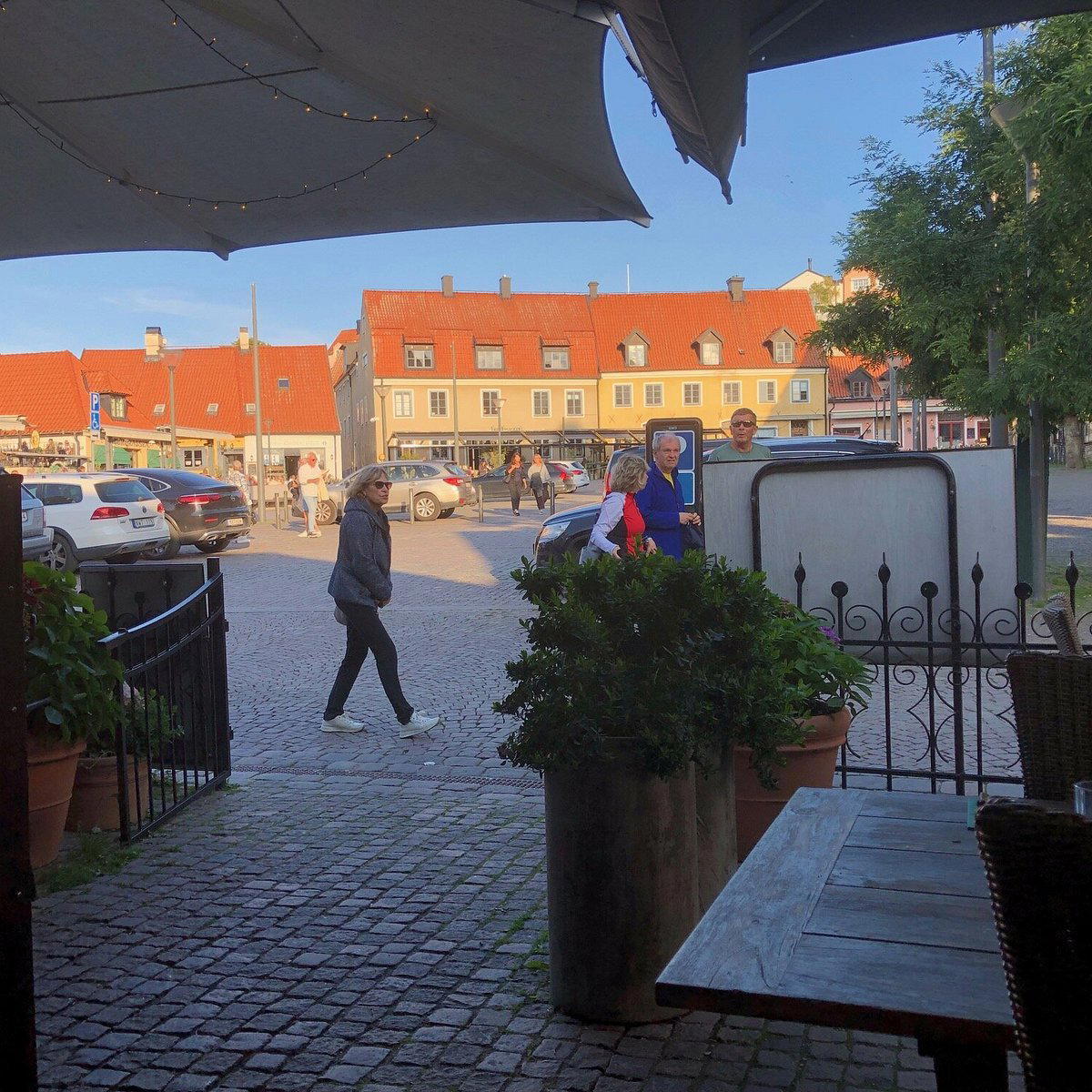
At a Glance
- Lively
- Energetic
- Casual Hangout
- Late Night
- Historic Building
Energetic and welcoming atmosphere that shifts from cozy dining to lively nightlife.