Argo
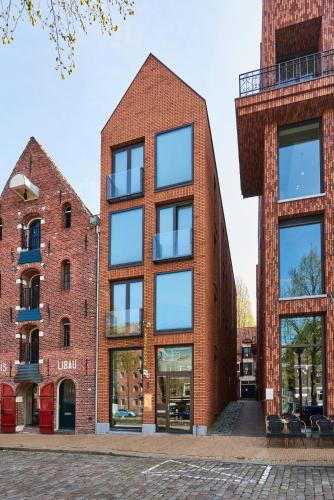
On Herestraat, one of Groningen's main commercial arteries, Argo occupies a position in the city's dining scene that rewards attention. The address places it within easy reach of the university quarter and the older canal-side neighbourhoods where Groningen's food culture has grown most confidently over the past decade. For visitors plotting a serious meal in the Dutch north, it belongs on the same shortlist as the city's established modern kitchens.
Pearl is the En Primeur Club membership app — saves, bookings, and concierge access live there. Same editors, same standards.
- Address
- Herestraat 91, 9711 LD Groningen, Netherlands
- Phone
- +31507210909
- Website
- argo-store.nl
- Directions
- Get directions
 Saves & bookings on Pearl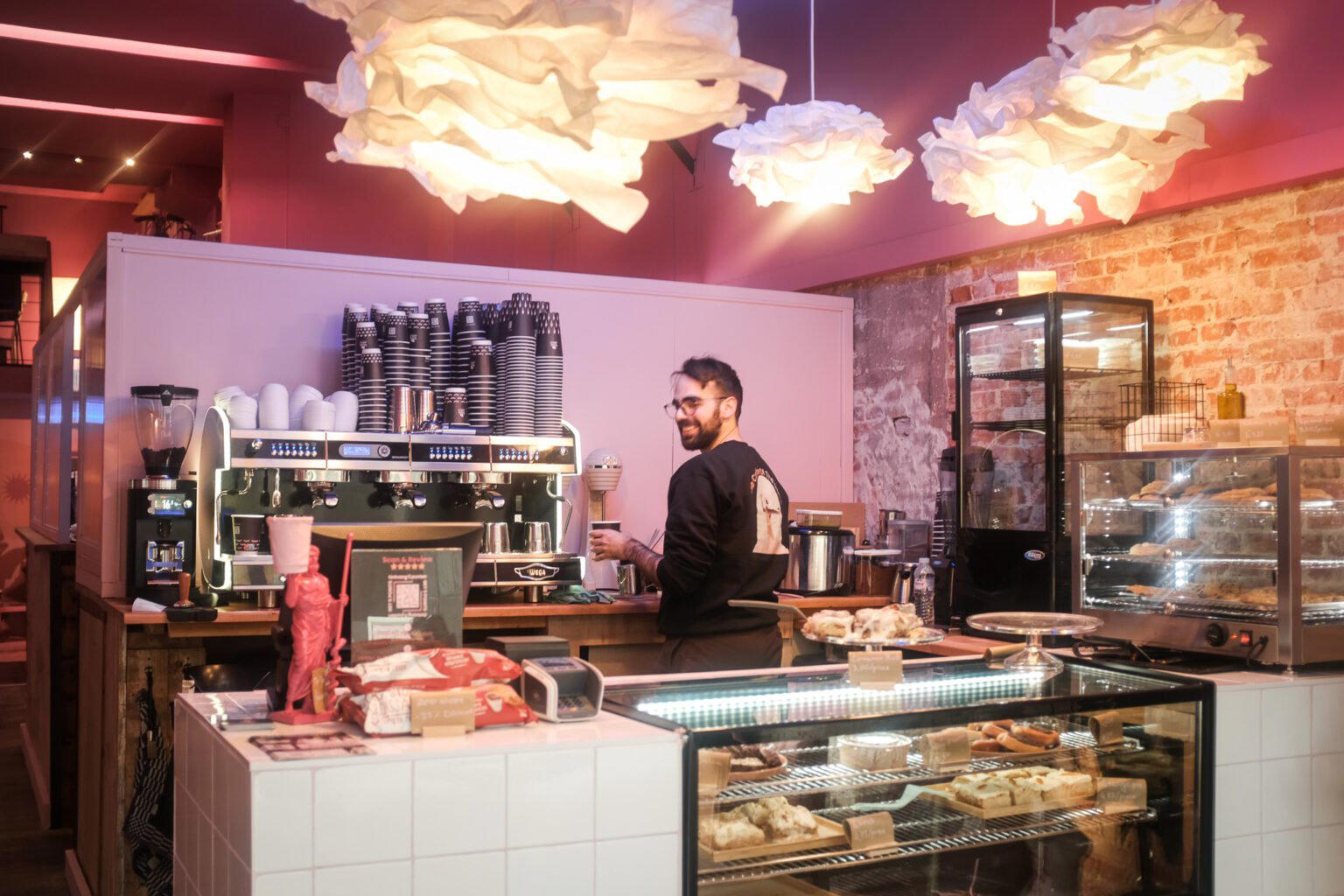
Herestraat and the Groningen Dining Context
Groningen's restaurant culture has moved in a direction common to mid-sized Dutch cities with strong university populations: away from generic brasserie formats and toward ingredient-led cooking that draws on the agricultural richness of the surrounding province. The city sits inside one of the Netherlands' most productive farming regions, and the better kitchens here have increasingly made that provenance visible on the plate. Herestraat 91, the address of Argo, places the restaurant at the southern end of the city's main shopping artery, close enough to the Binnenstad to capture foot traffic but sufficiently removed from the purely tourist-facing blocks to suggest a local audience is the primary constituency. Argo is a Greek cafe in Groningen with a casual dress code, walk-in-friendly policy, and an average spend of about $10 per person.
The addresses clustered around the Vismarkt and along the canal-facing streets tend to serve a different function from those slightly further south on Herestraat, where the clientele skews toward residents rather than visitors on day trips. Argo sits in that second category, which in practical terms means a room calibrated for repeat custom rather than one-time spectacle.
Ingredient Logic in the Dutch North
Groningen province produces dairy, grain, and root vegetables at scale, and the Wadden Sea coast to the north delivers seafood that rarely makes it into national distribution. Kitchens that take those supply chains seriously operate differently from those that default to the wholesale markets in Amsterdam or Rotterdam. The distance from the Randstad, often treated as a disadvantage for northern Dutch restaurants in terms of press attention, is actually a forcing function: you either build relationships with local producers or you import ingredients that arrive less fresh and at greater cost.
This is the competitive logic that separates serious kitchens in cities like Groningen, Zwolle, and Nijmegen from their counterparts in the major metropolitan centres. At De Nieuwe Winkel in Nijmegen, the plant-forward sourcing model has earned sustained national recognition. Further north, the kitchen culture in Groningen has developed its own version of that regional commitment, with farms and fisheries within an hour's drive supplying produce that doesn't need to travel through a central distribution hub.
Argo's position on Herestraat places it squarely within the tier of Groningen restaurants where that sourcing logic applies. Both of those kitchens have built reputations on disciplined sourcing combined with classical French frameworks, a combination that has proven more durable in the Dutch provinces than trend-led menus that age quickly.
Where Argo Sits Among Its Peers
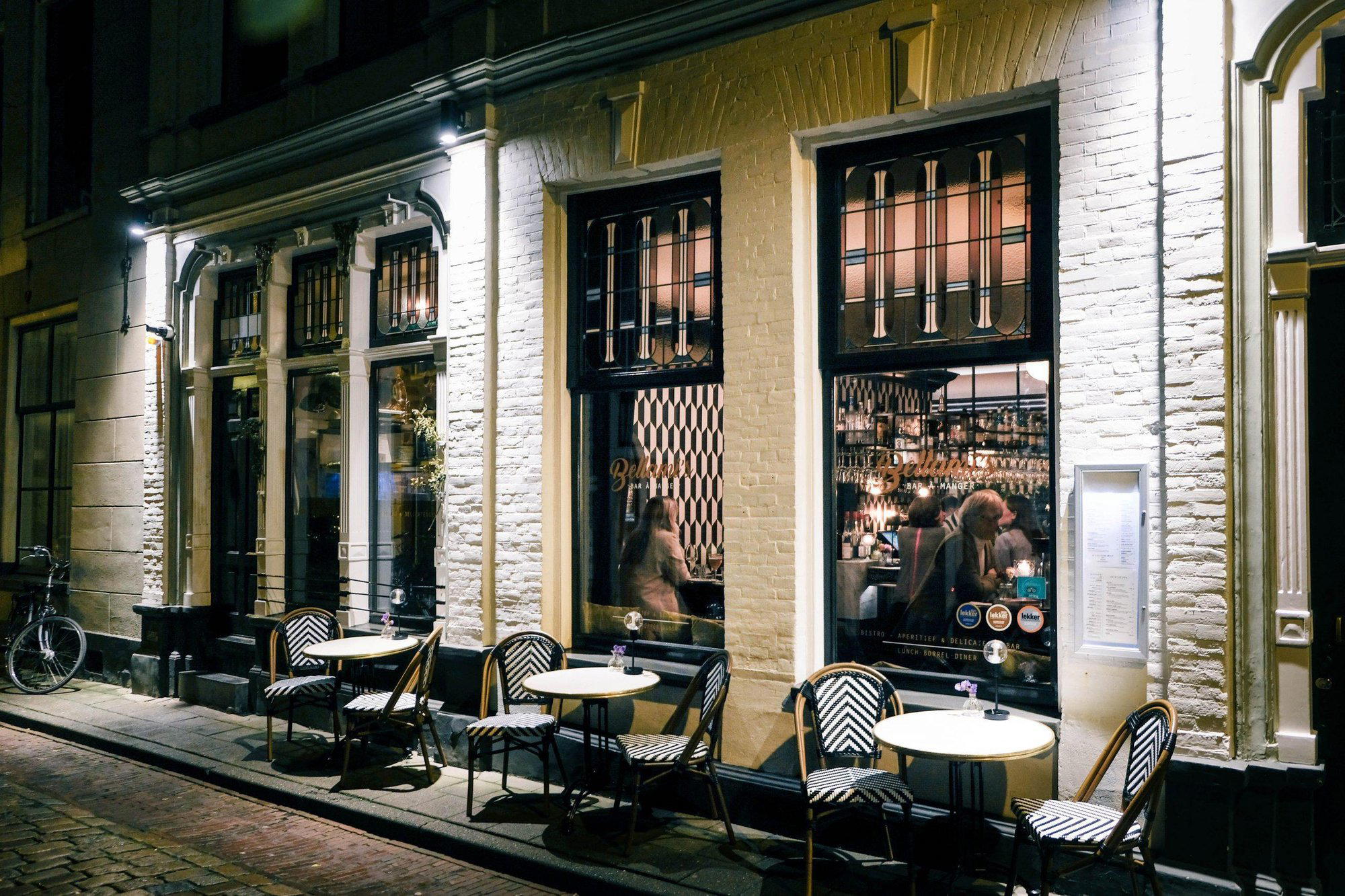
At the approachable end, Bellami's Bar à Manger and Bramble occupy the more casual, drop-in tier. Buurman&Buurman has carved out a neighbourhood identity distinct from the centre's more polished offerings. Moving up the register, Nassau operates in the Modern Cuisine category at the €€€ level, and Hanasato represents the Japanese tier at the same price point.
Within the Netherlands as a whole, the benchmark for province-based serious cooking includes addresses like De Librije in Zwolle and Inter Scaldes in Kruiningen, both of which have demonstrated that Michelin-level ambition outside the Randstad is commercially and critically viable. The model set by those kitchens, combining regional identity with technical rigour, has created a template that smaller addresses in cities like Groningen can adapt to their own scale. De Lindehof in Nuenen, Tribeca in Heeze, and De Groene Lantaarn in Staphorst all belong to that wider provincial cohort, demonstrating that interesting Dutch cooking increasingly happens away from Amsterdam.
Internationally, the ingredient-sourcing argument has been made most forcefully at places like Le Bernardin in New York City, where the sourcing of a single protein category has been developed into a complete culinary identity over decades, and Lazy Bear in San Francisco, where the format itself is built around the seasonal and geographical specificity of supply. Those are different scale and ambition levels from Groningen, but the underlying logic, that ingredient origin should be the first editorial decision in any serious kitchen, translates across formats and price tiers.
Planning a Visit to Argo
Herestraat runs south from the Vismarkt and is walkable from Groningen Centraal station in around fifteen minutes through the Binnenstad. The address at number 91 sits toward the southern stretch of the street. For visitors arriving by train from Amsterdam, the journey takes approximately two hours on direct intercity services, making Groningen a viable day-trip or short-break destination from the Randstad. Those combining Argo with other serious meals in the region should note that De Lindenhof in Giethoorn, Brut172 in Reijmerstok, De Bokkedoorns in Overveen, and De Treeswijkhoeve in Waalre are each within a few hours' drive and collectively make a case for the Dutch provinces as a serious touring circuit for food-focused travel.
How It Stacks Up
Comparable venues nearby, for context on price, style, and recognition.
| Venue | Cuisine | Price | Notes |
|---|---|---|---|
| ArgoThis venue — the venue you are viewing | Greek Cafe | $ | Not listed |
| Florentin | Mediterranean & Middle Eastern Fusion | $$ | Ebbingekwartier |
| Mr Smith's Loft | International Street Food | $$ | Binnenstad-Zuid |
| Buurman&Buurman | Neapolitan Pizza | $$ | Korrewegwijk |
| Laberinto GastroTails | Modern Mediterranean GastroTails | $$$ | Martinitoren |
| De Betere Tijden | Modern Dutch | $$$ | Binnenstad-Zuid |
Continue exploring
More in Groningen
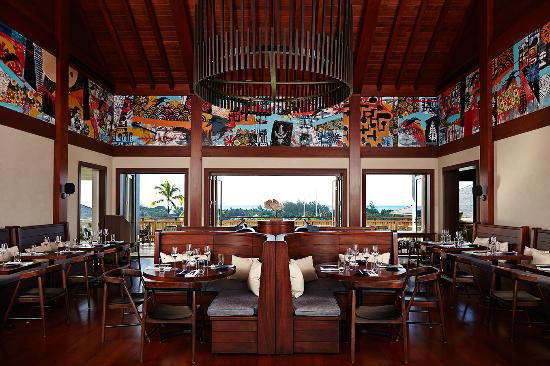
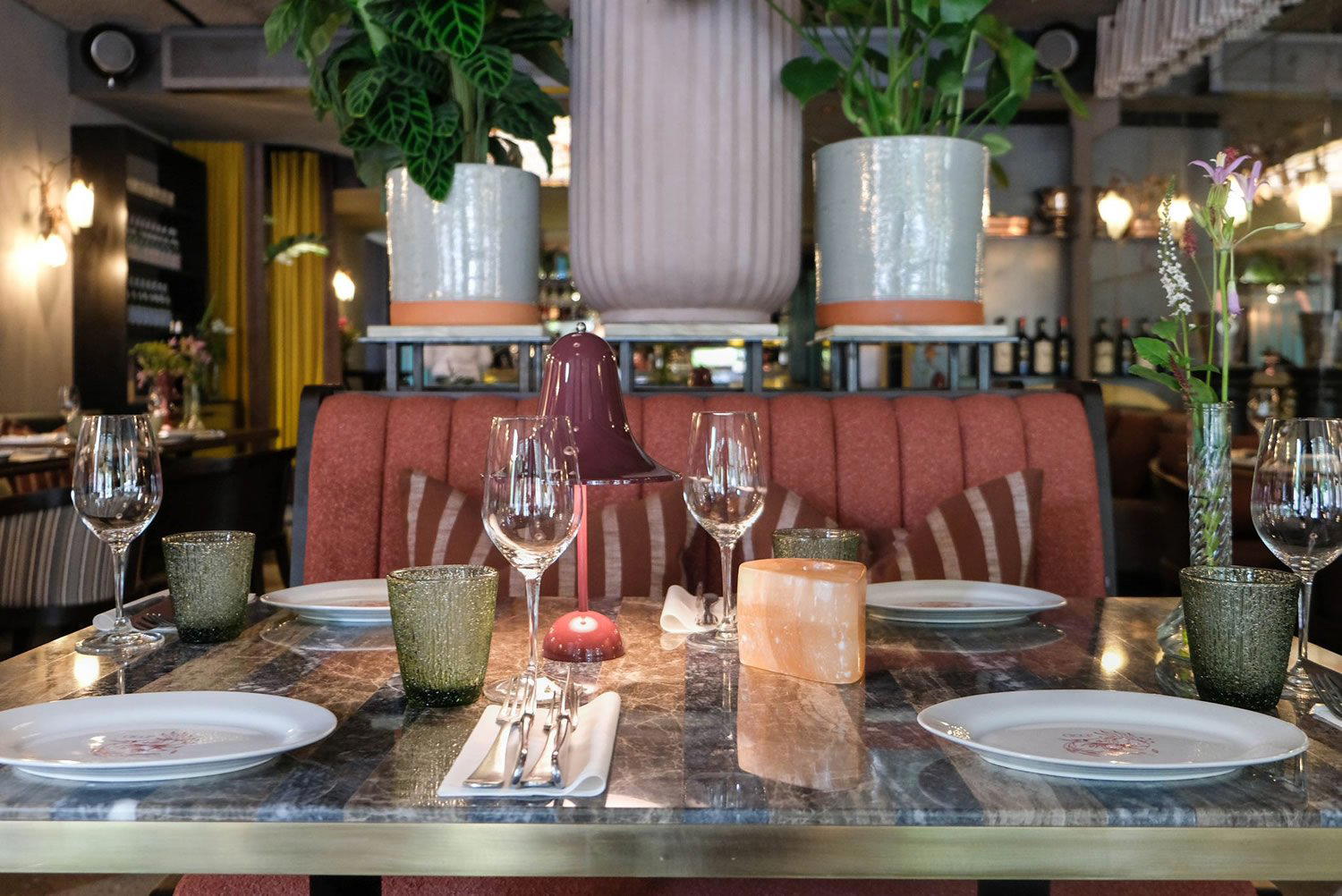
Restaurants in Groningen
Browse all →
Bars in Groningen
Browse all →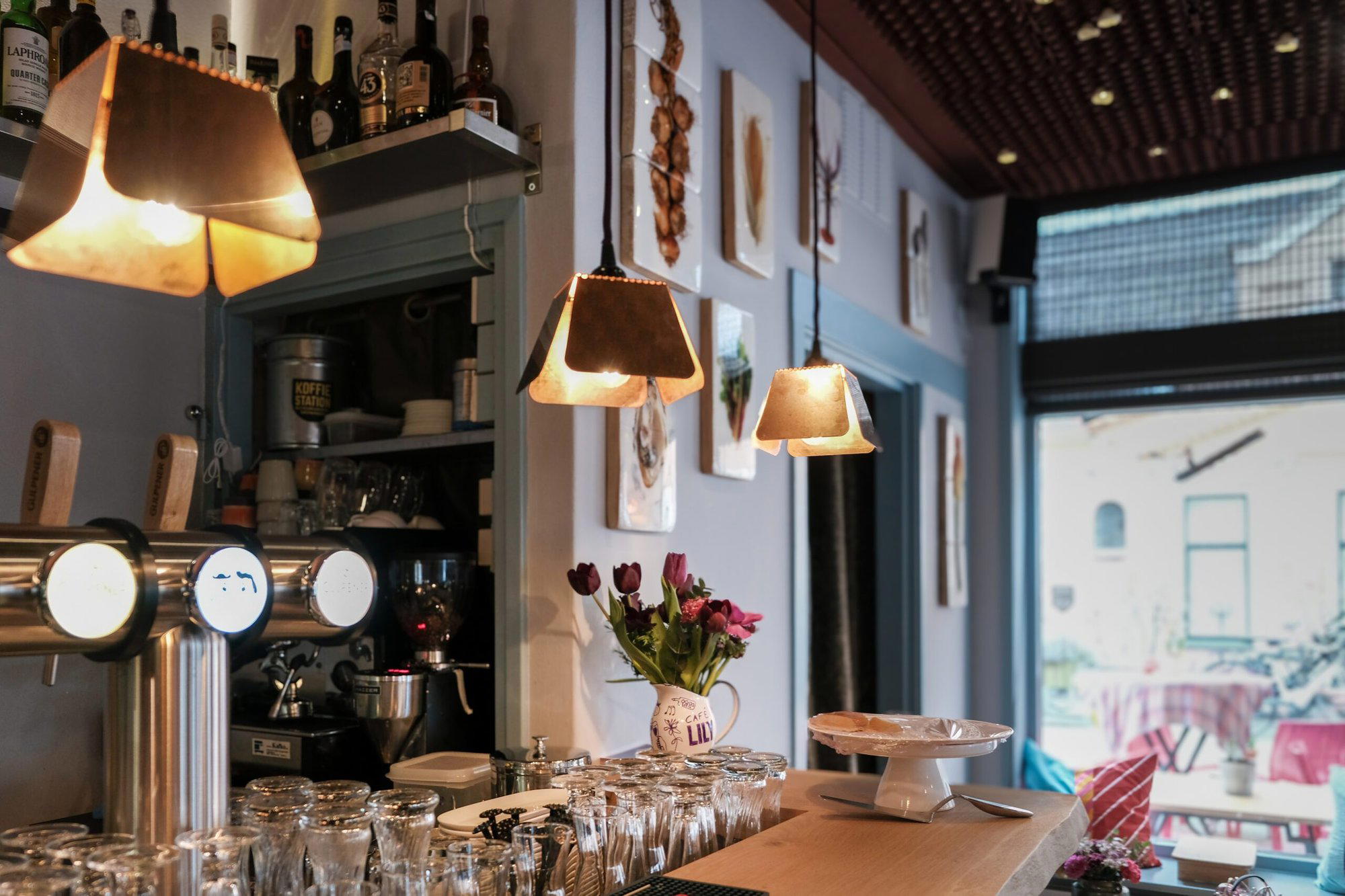
Hotels in Groningen
Browse all →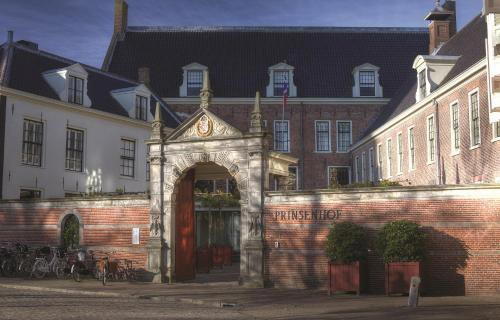
At a Glance
- Cozy
- Brunch
- Casual Hangout
Current opening hours
- Monday
- Closed
- Tuesday
- 10 AM–6:30 PM
- Wednesday
- 10 AM–6:30 PM
- Thursday
- 10 AM–6:30 PM
- Friday
- 10 AM–6:30 PM
- Saturday
- 10 AM–6:30 PM
- Sunday
- 10 AM–6:30 PM
Hours can change for holidays and private events. Last verified .
Colorful little spot with a quiet upstairs hideaway.