
World's 50 Best #35
Our verdict
Chez Dominique placed on the World's 50 Best Restaurants list six consecutive years between 2006 and 2011, reaching as high as #21 in 2009, making it one of the most decorated Nordic restaurants of its era. Located on Rikhardinkatu in central Helsinki, it operates under chef Brian Tondryk with a Danish cuisine framework that sits outside the dominant Finnish-forward narrative of the city's fine dining scene.

Pearl is the En Primeur Club membership app, where members save venues, book tables and use the concierge.
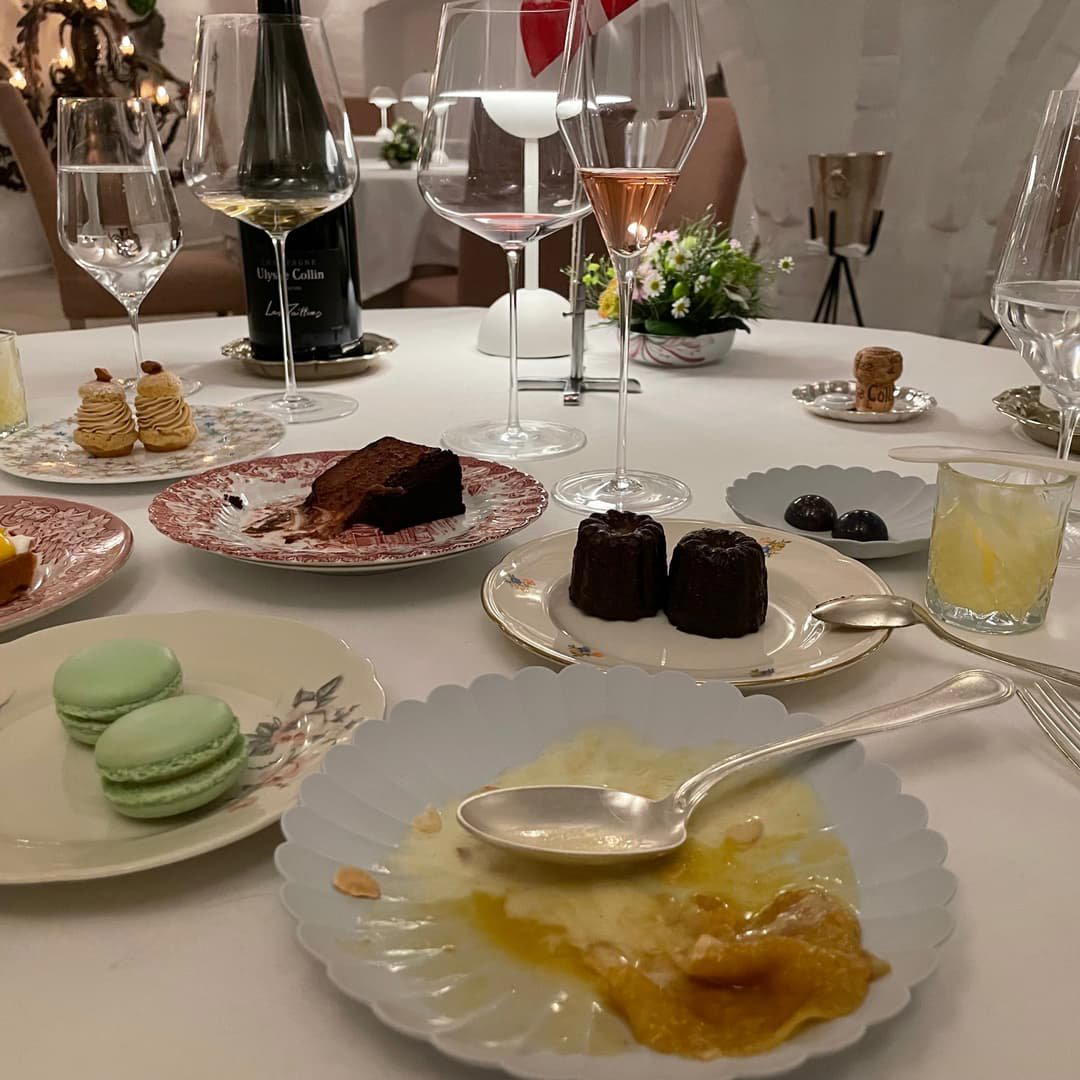
Helsinki in the Dark, at the Table
There is a reason Helsinki's most serious restaurants fill their seats regardless of whether daylight lasts three hours or twenty-two. Dining culture in this city is shaped by extremes that have no equivalent further south: the June white night when the sun barely dips below the horizon, and the February polar dark when even a lunch service begins and ends without a glimpse of natural light. These conditions do not merely affect mood. They structure the entire rhythm of a dining year, making the table a more deliberate and weighted social act than in cities where the light is predictable. The restaurants that endure across those two extremes tend to be the ones with something more than seasonal novelty to offer.
Chez Dominique, on Rikhardinkatu in central Helsinki, belongs to that category of endurance. Its consecutive appearances on the World's 50 Best Restaurants list from 2006 through 2011, reaching #21 in 2009, place it in a specific historical bracket: the generation of Nordic restaurants that built serious international recognition before Copenhagen's new-wave narrative had entirely absorbed the region's identity. At the time, ranking alongside peers such as Le Bernardin in New York or Atomix on a single global list carried weight that reflected genuine kitchen output rather than trend momentum.
Danish Cuisine in a Finnish City
The culinary framing at Chez Dominique is worth pausing on. In a city where the dominant fine dining vocabulary has moved toward explicitly Finnish terroir, foraging, and coastal provenance, a restaurant anchored in Danish cuisine occupies a distinct and deliberately cross-border position. Danish kitchen tradition, particularly at the fine dining tier, draws on a different larder logic than Finnish cooking: more emphasis on aged and cured preparations, a pastry and bread culture that carries its own formality, and a longer documented relationship with French classical technique than Finland's own tradition tends to claim.
This matters for the reader deciding where to eat in a city with increasingly strong Nordic options. Palace, holding two Michelin stars, represents the Finnish-modern high end. Grön and Olo, each with one Michelin star, operate in the New Nordic and Scandinavian modern registers respectively. Finnjävel Salonki pursues a different kind of prestige, rooted in Finnish culinary heritage with contemporary precision. Chez Dominique offers something structurally different from all of them: a restaurant whose international ranking history predates much of the current scene and whose culinary identity is calibrated to a neighbouring tradition rather than a local one.
The Weight of a Decade of Rankings
Six entries on the World's 50 Best list across six consecutive years is a record that requires some unpacking. The list rewards consistency as much as peak performance, and maintaining placement across that span, while the broader Nordic wave was consolidating around a different set of restaurants and a different aesthetic, suggests a kitchen operating with genuine discipline rather than riding a single moment of recognition. The trajectory itself is instructive: #39 in 2006, #35 in 2007, #39 in 2008, #21 in 2009, #23 in 2010, #35 in 2011. That arc of rise, peak, and gradual descent is a characteristic pattern for restaurants that earn their place through sustained kitchen quality rather than media surge.
For context, the restaurants that have appeared on the same list in more recent years, such as Lazy Bear in San Francisco, arrived in a different critical environment with different mechanisms for building international reputation. Chez Dominique's era of recognition was earned through a more limited set of channels, which arguably makes the longevity of its placement more significant as a signal of consistent output.
Light, Season, and the Dining Calendar
The editorial angle on Helsinki dining that rarely gets adequate treatment is how completely the light calendar reorganises appetite, sociality, and expectation. In midsummer, when the night sky stays pale well past midnight, a long dinner at a serious table extends naturally into the white evening, the meal becoming part of a larger atmospheric experience that has no real analogue in Paris or London or New York. In midwinter, the same long dinner serves a different function: it is the light source, the warmth, the deliberate counter-act to the dark outside. A restaurant that has operated across many cycles of that calendar develops a kind of institutional memory for both modes.
For visitors planning around seasonality, Helsinki in late spring offers the advantage of lengthening light with the city's food supply at a late-season peak before the summer rush. September and October represent a different premium window: the first autumn dark arrives, produce is at harvest depth, and the tourist load has eased. Both windows suit a serious restaurant visit more than the compressed summer high season, when booking pressure across the city's fine dining tier tightens considerably. Those considering a broader Finnish circuit should note that Kaskis in Turku, VÅR in Porvoo, and Kajo in Tampere each represent the regional fine dining tier outside the capital.
Planning a Visit
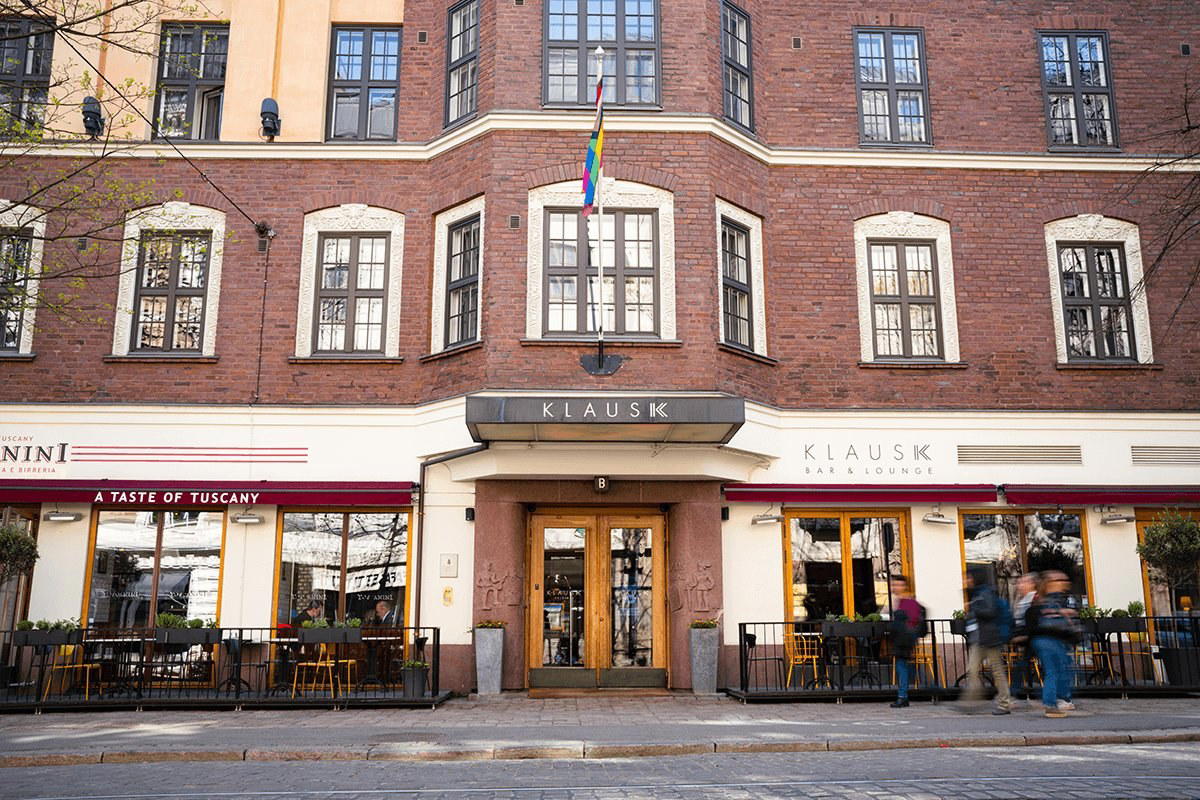
Chez Dominique is located at Rikhardinkatu 4 in Helsinki's central Punavuori-adjacent district, within walking distance of the Design District and a short distance from the main city grid. For visitors building a full Helsinki itinerary, the Helsinki hotels guide, bars guide, and experiences guide cover the broader city context. Those with a specific interest in Danish culinary tradition beyond Finland will find a useful reference point in Restaurant Amstrup&Vigen; in Nordborg. For the Helsinki fine dining scene in full, The ROOM by Kozeen Shiwan and the Helsinki wineries guide round out a complete city picture. Booking at this tier in Helsinki typically requires advance planning, particularly across the summer white-night season and the December holiday period; contacting the restaurant directly for reservations is the standard approach at comparable addresses in the city.
Frequently asked questions
Where is Chez Dominique located?
Chez Dominique is located at Rikhardinkatu 4, 00130 Helsinki, Finland, Helsinki.
What awards or recognition does Chez Dominique have?
Chez Dominique has received recognition including: World's 50 Best Best Restaurants #35 (2011); World's 50 Best Best Restaurants #23 (2010); World's 50 Best Best Restaurants #21 (2009); World's 50 Best Best Restaurants #39 (2008); World's 50 Best Best Restaurants #35 (2007); World's 50 Best….
What's the signature dish at Chez Dominique?
No current menu information is in the public record for Chez Dominique, and the kitchen works within a Danish cuisine framework in a city that has largely pivoted toward explicitly Finnish ingredients. The restaurant's six consecutive appearances on the World's 50 Best list through 2011 suggest a kitchen built around rigour and consistency rather than a single showpiece dish. Visiting without a fixed expectation of one dish is the honest approach here.
Who's behind the kitchen at Chez Dominique?
The chef associated with Chez Dominique is Brian Tondryk.
Is Chez Dominique reservation-only?
Any Helsinki restaurant that ranked inside the World's 50 Best top 25 operates on reservations in practice. Chez Dominique at Rikhardinkatu 4 sits in the fine dining tier where walk-in availability is exceptional rather than standard. check the venue's official channels to confirm current booking procedures before planning a visit.
What makes Chez Dominique worth seeking out?
The straightforward case is the track record: six consecutive World's 50 Best entries between 2006 and 2011, peaking at number 21 globally in 2009, a run no Nordic restaurant outside Copenhagen matched during that period. Chef Brian Tondryk anchors a Danish cuisine programme in Helsinki, a city where that framing remains a minority position against the dominant Finnish terroir movement. That combination of documented ranking history and culinary positioning against local convention gives Chez Dominique a specific identity rather than a generic fine dining proposition.
Pricing, Compared
| Venue | Cuisine | Price | Awards | Notes |
|---|---|---|---|---|
| Chez DominiqueThis venue (the venue you are viewing) | Modern French-Finnish Fine Dining | $200–300 | World's 50 Best #35 | Not listed |
| Palace | Modern Nordic Fine Dining | $200–300 | 2 Michelin Stars · La Liste Top Restaurants | Finnish, Modern Cuisine |
| Grön | Modern Nordic Fine Dining | $150–200 | 2 Michelin Stars · Star Wine List | New Nordic, Creative |
| Olo | Contemporary Scandinavian | $200–300 | 1 Michelin Star · La Liste Top Restaurants | Scandinavian, Modern Cuisine |
| Gaijin | Modern Japanese-Korean-Northern Chinese Fusion | $100–150 | Michelin Plate · Star Wine List | Middle Eastern, Asian |
| Savoy | Japanese Curry | $1–10 | Tabelog 100 #58 | Pizzeria, Contemporary European, Modern Cuisine |
Recognition history
Dated appearances from independent guides and award organizations, with the underlying list record or original source where available.
World's 50 Best Restaurants #35
World's 50 Best
Full recognition history (6 entries)
World's 50 Best Restaurants #23
World's 50 Best
World's 50 Best Restaurants #21
World's 50 Best
World's 50 Best Restaurants #39
World's 50 Best
World's 50 Best Restaurants #35
World's 50 Best
World's 50 Best Restaurants #39
World's 50 Best
Continue exploring
More in Helsinki
Restaurants in Helsinki
All restaurants in Helsinki →
Details
- Elegant
- Sophisticated
- Modern
- Intimate
- Special Occasion
- Date Night
- Business Dinner
- Open Kitchen
- Extensive Wine List
- Tasting Menu
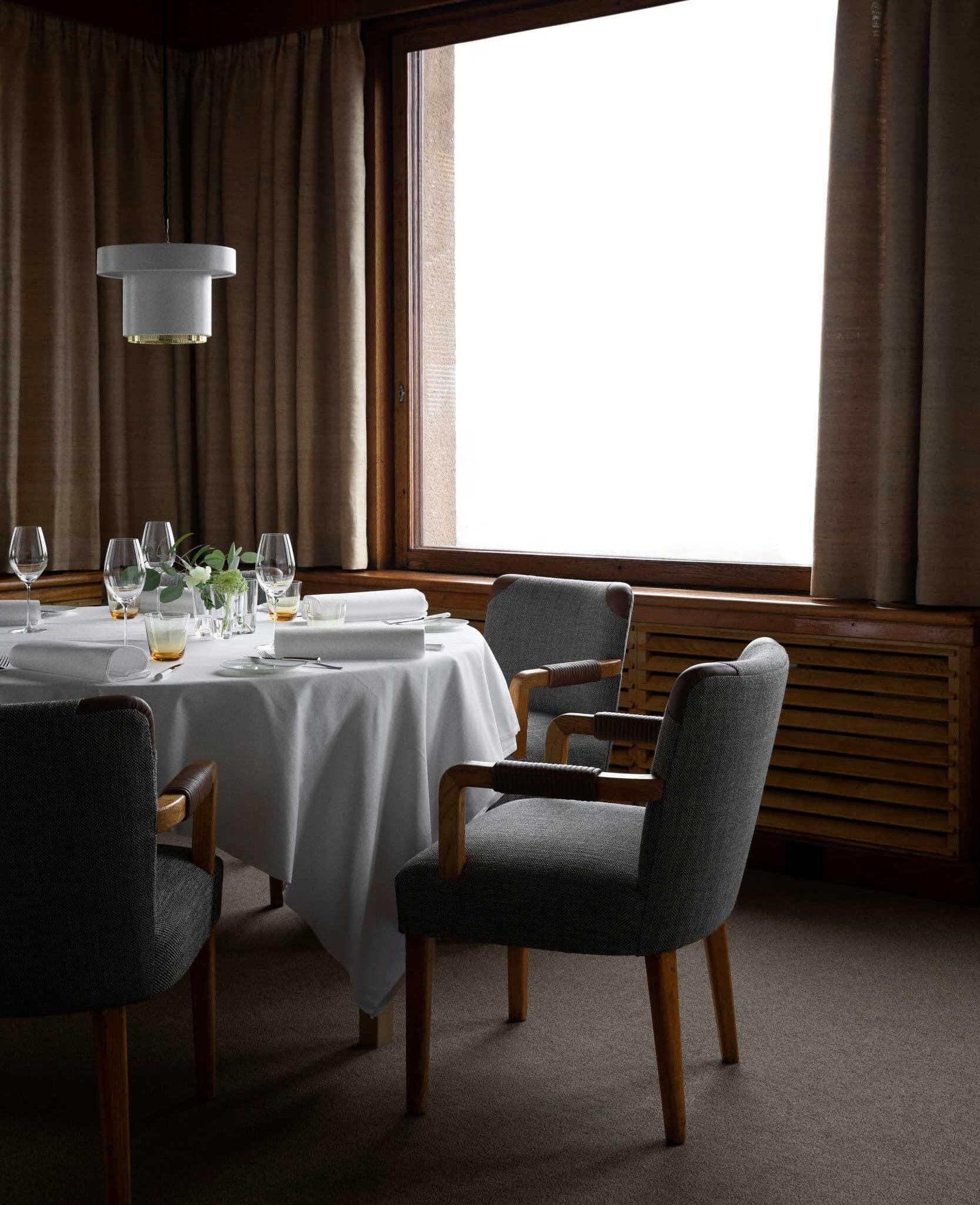
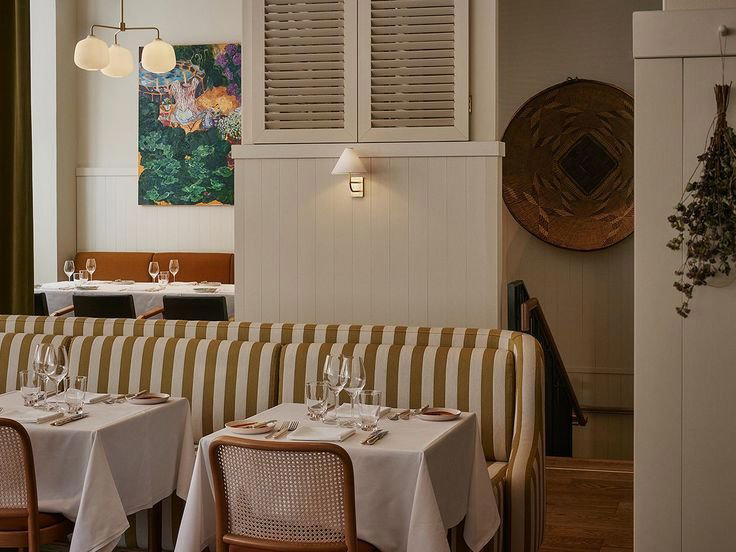
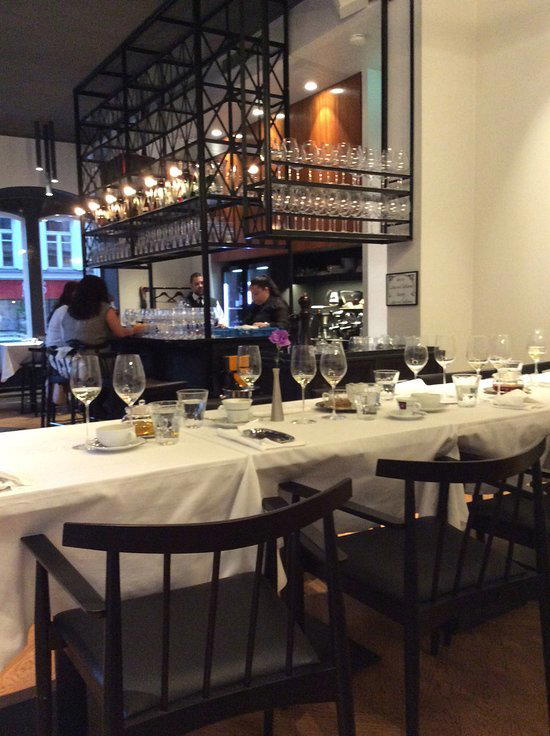
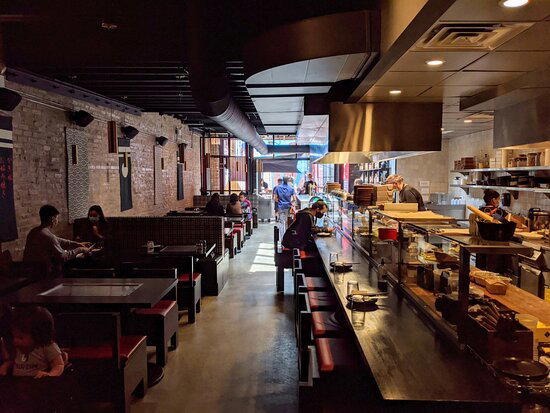
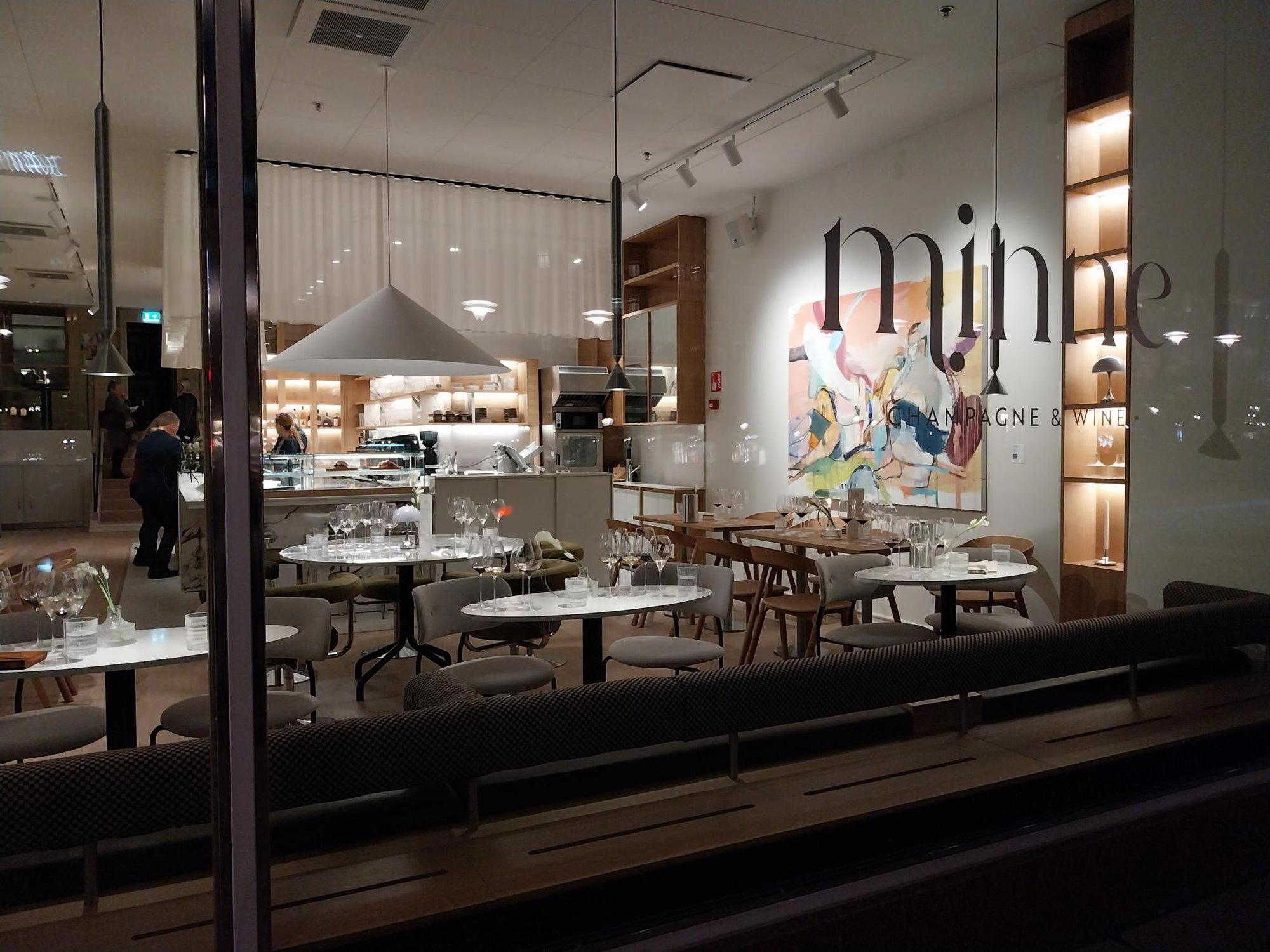
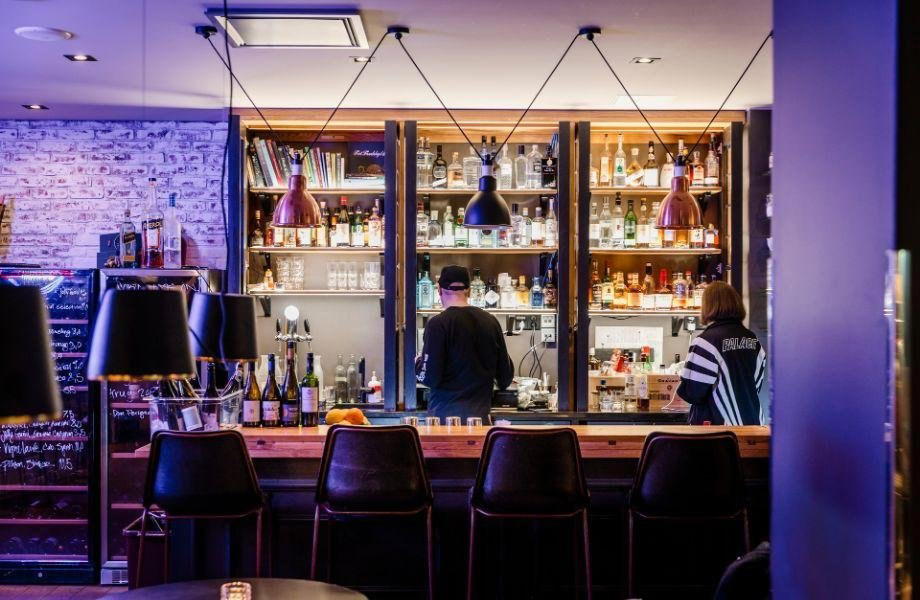
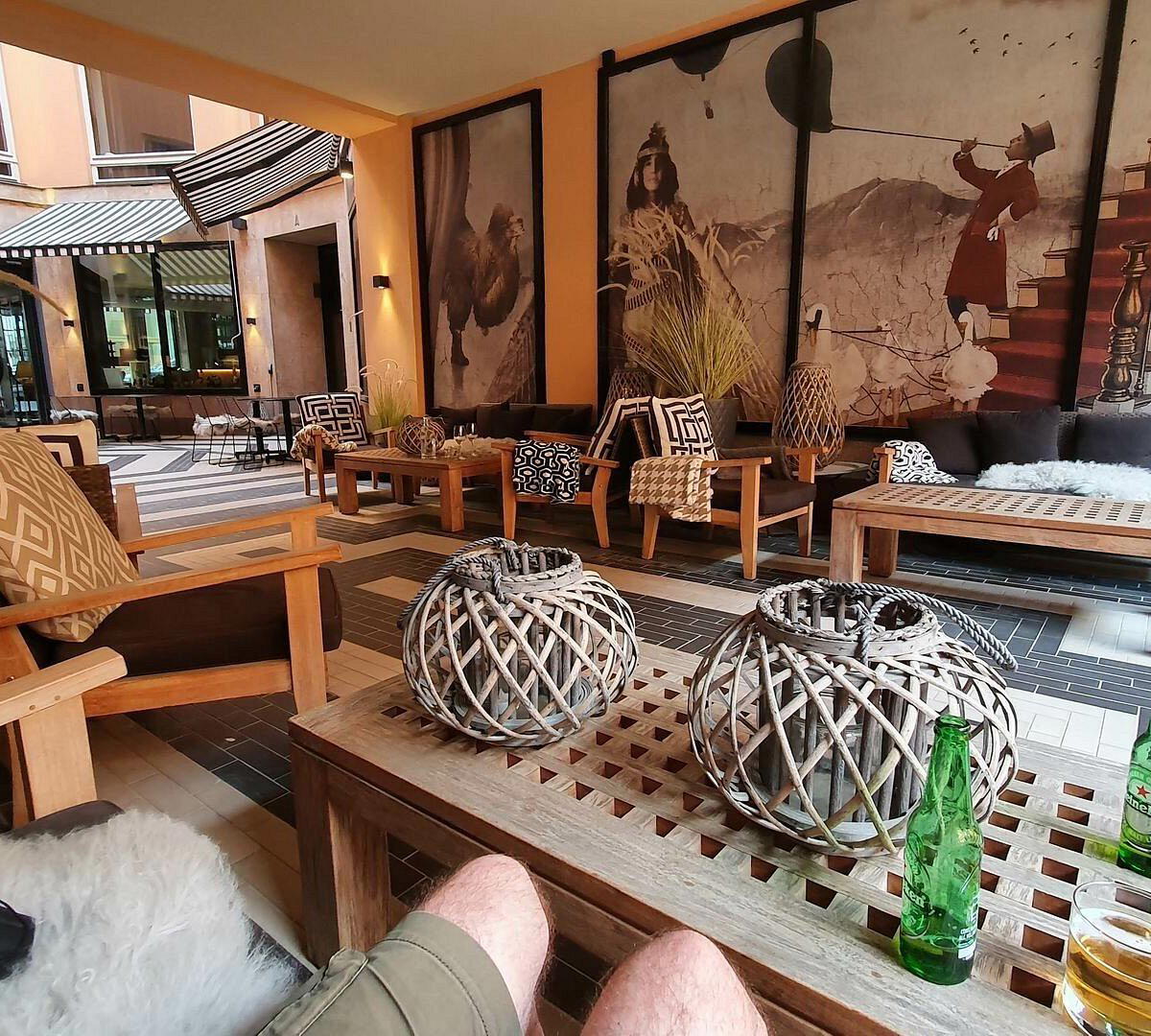
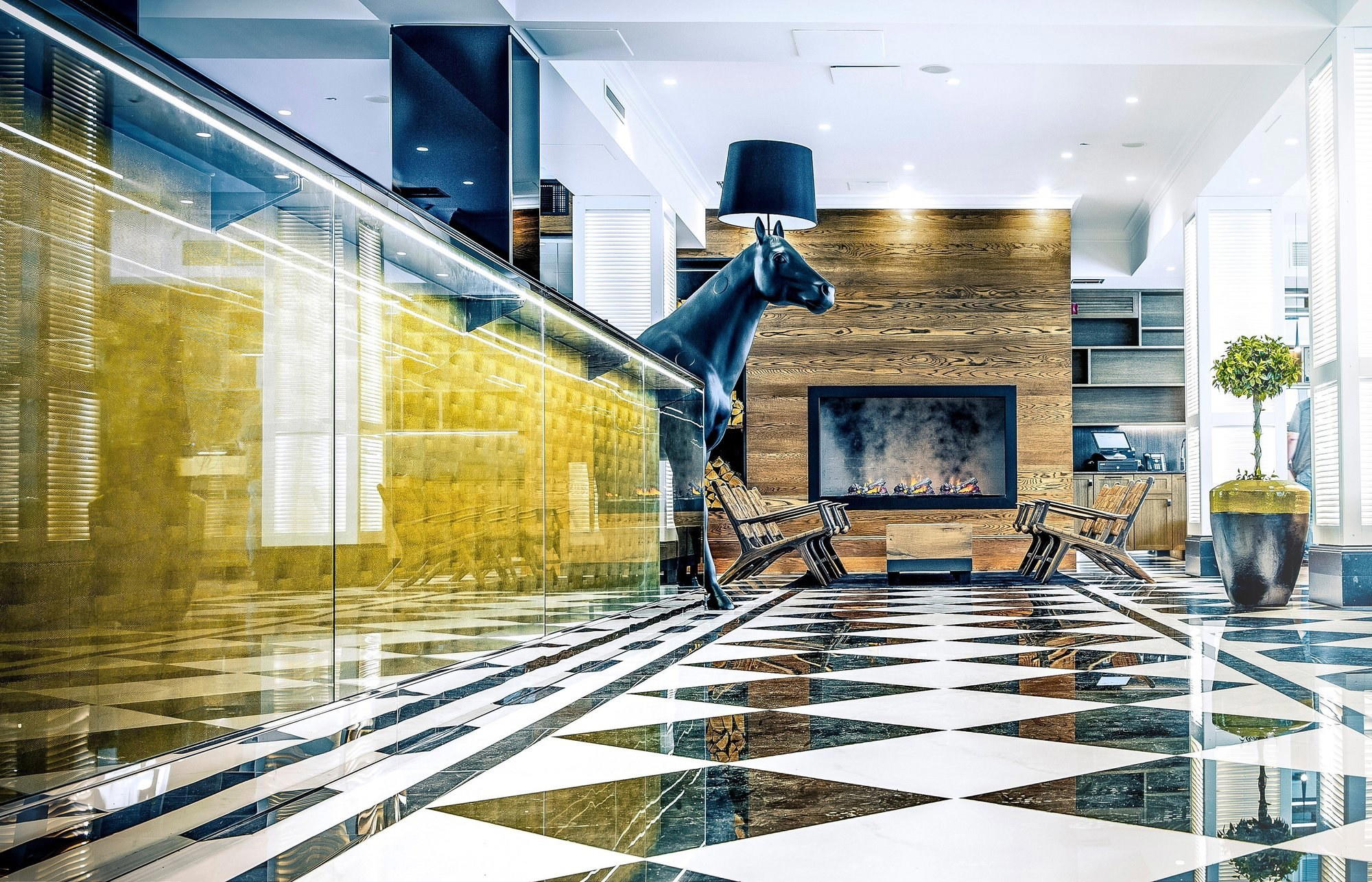
Serene and elegant with white paneled walls, modern minimalist decor, and an open kitchen service station creating a temple-like fine dining atmosphere.