
Tabelog 100 #2
Our verdict
The appeal is not ceremony but sourcing discipline, take-out practicality, and a local rhythm that sits closer to a provisions stop than a restaurant occasion.

Pearl is the En Primeur Club membership app, where members save venues, book tables and use the concierge.
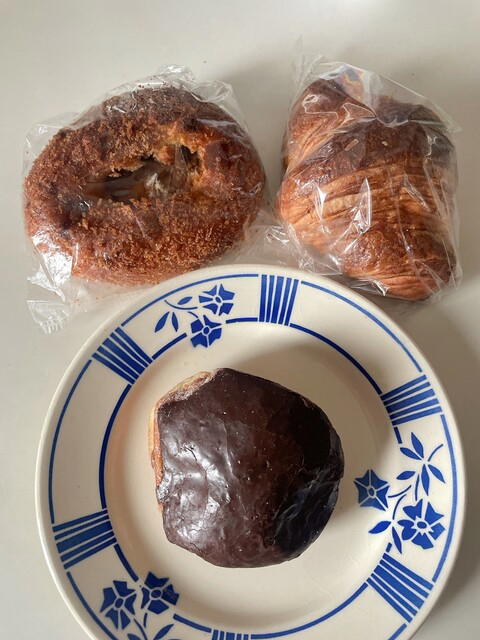
The menu
What to order
- Christmas stollen
- Decorated whole cakes
- Savory and sweet breads
That distinction is useful for travellers. Ingredient sourcing is the quiet test. Flour choice, dairy handling, egg-rich doughs, fillings, and small-batch production determine whether a bakery functions as background convenience or as a destination within the neighbourhood. Grimm’s selection for Tabelog’s Bread WEST “Tabelog 100” in 2022 places it in the latter bracket, not because the format is formal, but because the category is judged on the repeatable quality of everyday goods. A gyoza counter such as Chibune Ya and Gafuu An sit in another everyday dining lane; PATISSERIE LACROIX shares the sweet-shop end of the spectrum; Clutch Hitter points to the city’s casual independent dining tier. Against that local set, Grimm reads as a provisions address: bread, sandwiches, and sweets at a modest listed spend, aligned with daily shopping rather than special-occasion dining.
The Tabelog Bread WEST recognition is the trust signal here. A tasting menu can dazzle once; a neighbourhood bakery has to be convincing across routine purchases. Selection in 2022 indicates that Grimm is not simply filling a local need.
The ingredient-sourcing angle is also why the category matters more than any single named item. Bread, sandwiches, and sweets depend on inputs that reveal themselves quickly: flour structure, butter and dairy balance, the handling of fillings, and the timing between bake and sale. With no need to invent a signature, the smarter reading is categorical. This is a bakery to assess through staples and range rather than a single trophy order.
The useful comparison is with small-format specialists, not restaurants
Grimm should not be approached like a full-service restaurant. The format suggested by its categories is more practical, and that changes the decision-making. The purchase has to work immediately, in transit, or at home. Bakeries, depachika counters, onigiri shops, and sweet specialists all compete for the same narrow window: something made with enough care to justify a detour, but simple enough to fit into the day. A focused meal in another city, a charcoal-led counter, or a casual café format each makes sense only when judged by its category. Format is not a footnote; it is the critical frame.
How to read the counter: bread first, sweets in context
The cleanest way to use Grimm is to treat it as a bakery with adjacent categories, not a sweets shop with bread attached. Bread is the award category, while sandwiches and sweets broaden the occasion. That hierarchy matters because ingredient quality shows differently across the case. Plain or lightly filled breads reveal dough handling; sandwiches test balance and freshness; sweets bring sugar, dairy, and texture into the equation. The point is not to chase a named signature. The point is to buy across the range and let the bakery’s sourcing decisions show themselves through contrast. Its listed categories are bread, sandwiches, and sweets, and its published budget sits in the lowest listed band for dinner, making the decision feel closer to an everyday bakery run than a restaurant reservation. That is part of the appeal: the assessment is not built around table setting or service choreography, but around whether the goods justify returning. Grimm is not trying to occupy either role.
Frequently asked questions
Would Grimm be comfortable with kids?
Grimm is best understood as an everyday bakery in Itami, with bread, sandwiches, and sweets as the listed categories. For families, that usually makes it easier to consider than a long, formal meal, though specific child policies are not stated here.
What kind of setting is Grimm?
Grimm is a bakery in Itami. It is listed in the bread, sandwich, and sweets categories, and its recognition places it in Tabelog 100 Bread WEST 2022.
How much does it cost to eat at Grimm?
Pricing at Grimm is listed as - JPY 999 - JPY 999 View spending breakdown.
Is Grimm open every day?
Current opening days and hours should be checked directly with Grimm before visiting.
Where do I go for Grimm?
Itami.
What's the signature at Grimm?
Bread is the clearest calling card here, since Grimm was selected for Tabelog 100 Bread WEST 2022. The official categories also include bread, sandwiches, and sweets, so the focus is broader than a single item.
Quick Comparison
Comparable venues by cuisine and price in the same metro.
| Venue | Cuisine | Price | Awards | Notes |
|---|---|---|---|---|
| GrimmThis venue (the venue you are viewing) | Neighborhood bakery & cake shop | $1–10 | Tabelog 100 #2 | Not listed |
| がふうあん | Traditional Japanese Ramen Shop | $10–20 | Tabelog 100 #47 | 西台 |
| Gafuu An | Traditional Japanese Ramen Shop | $10–20 | Tabelog 100 #47 | Itami |
| Gyoza Senmonten Osaka Ou Itami ten | Osaka-style Gyoza Specialty Shop | $1–10 | Tabelog 100 #85 | Itami |
| Chibune Ya | Japanese Udon & Teishoku | Not listed | Tabelog 100 #3 | Itami |
| PATISSERIE LACROIX | Authentic French Patisserie | $10–20 | Tabelog 100 #73 | Itami |
Recognition history
Dated appearances from independent guides and award organizations, with the underlying list record or original source where available.
Tabelog 100 #2 · No. 2
Tabelog · Tabelog 100 - Bread - WEST - 2022
Continue exploring
More in Itami
Restaurants in Itami
All restaurants in Itami →


Bars in Itami
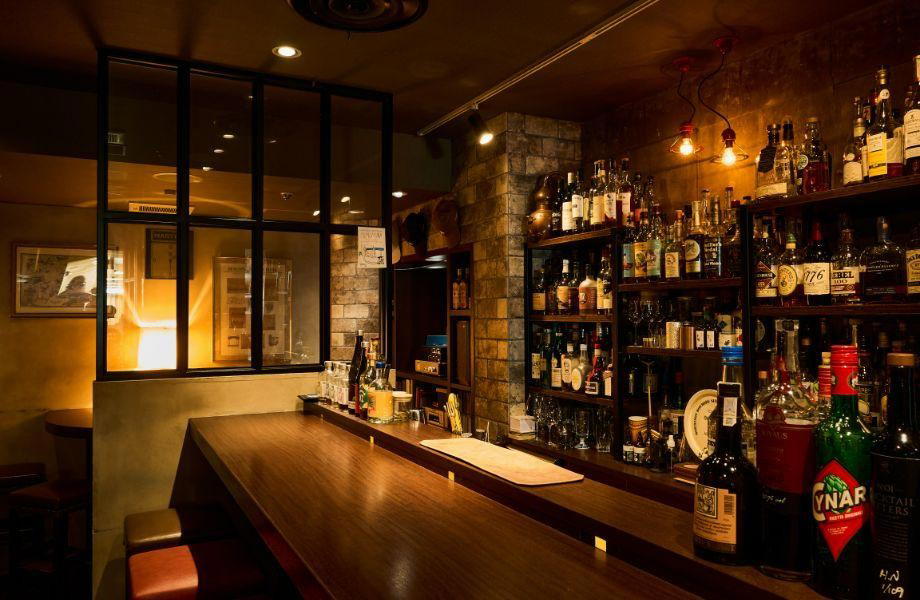
Browse all →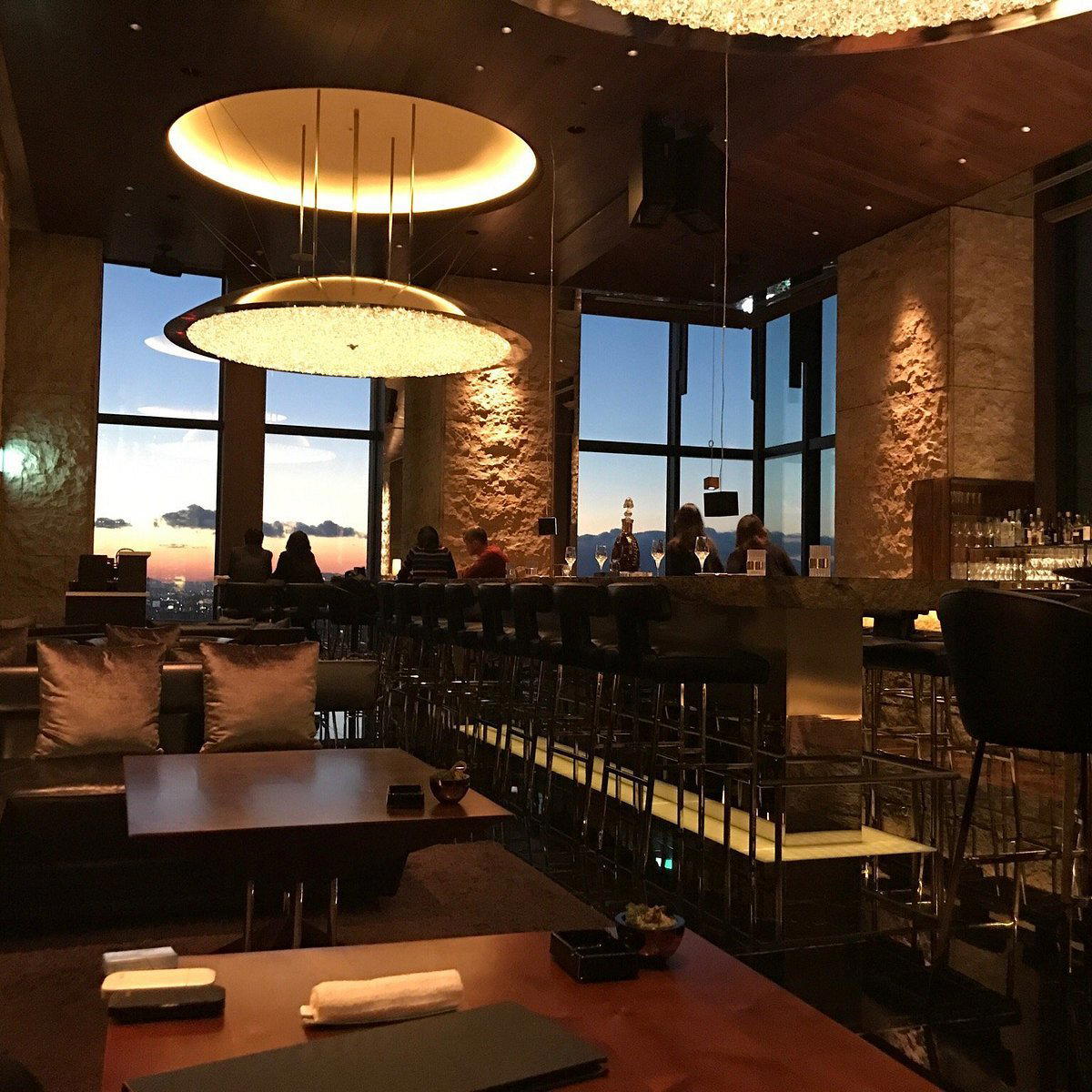
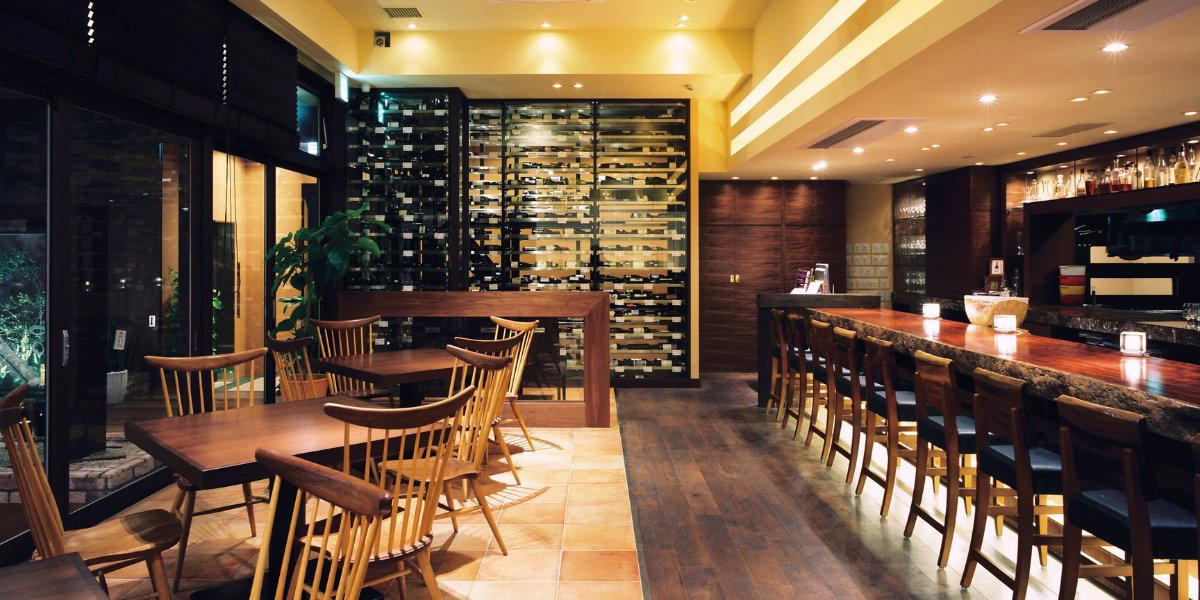
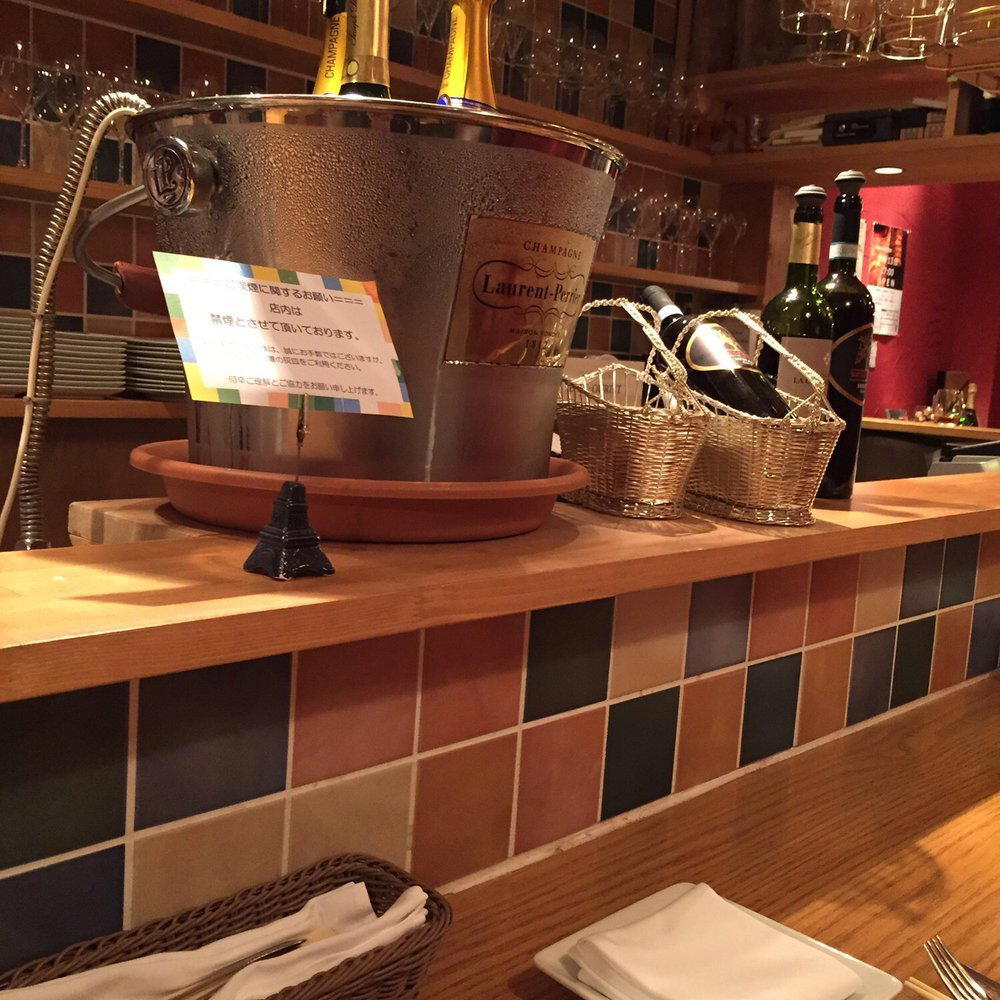
Hotels in Itami
Browse all →



Wineries in Itami
Browse all →
Details
- Cozy
- Classic
- Solo
- Family
- Casual Hangout
- After Work
- Standalone
- A La Carte
Current opening hours
- Monday
- Closed
- Tuesday
- Closed
- Wednesday
- 10 AM–5 PM
- Thursday
- 10 AM–5 PM
- Friday
- 8 AM–5 PM
- Saturday
- 8 AM–5 PM
- Sunday
- 8 AM–5 PM
Hours can change for holidays and private events. Hours as of .
A warm, homey bakery atmosphere with a small shop feel, trays of breads and cakes, and a lived-in, family-run vibe rather than a polished café; more like a classic neighborhood bread shop than a sit-down restaurant.