Great Southern Box Company
Located on North Orange Blossom Trail, Great Southern Box Company occupies a stretch of Orlando that has historically traded more in utility than atmosphere. The venue's name alone signals a regional anchor point, situating it within a Southern identity that Orlando's dining scene has increasingly claimed as its own. For context on how it fits the broader city picture, our full Orlando guide covers the competitive field.
 Discover on Pearl
Pearl is the En Primeur Club membership app — saves, bookings, and concierge access live there. Same editors, same standards.
- Address
- 2105 N Orange Blossom Trl, Orlando, FL 32804
- Phone
- +16892074383
- Website
- greatsouthernboxco.com
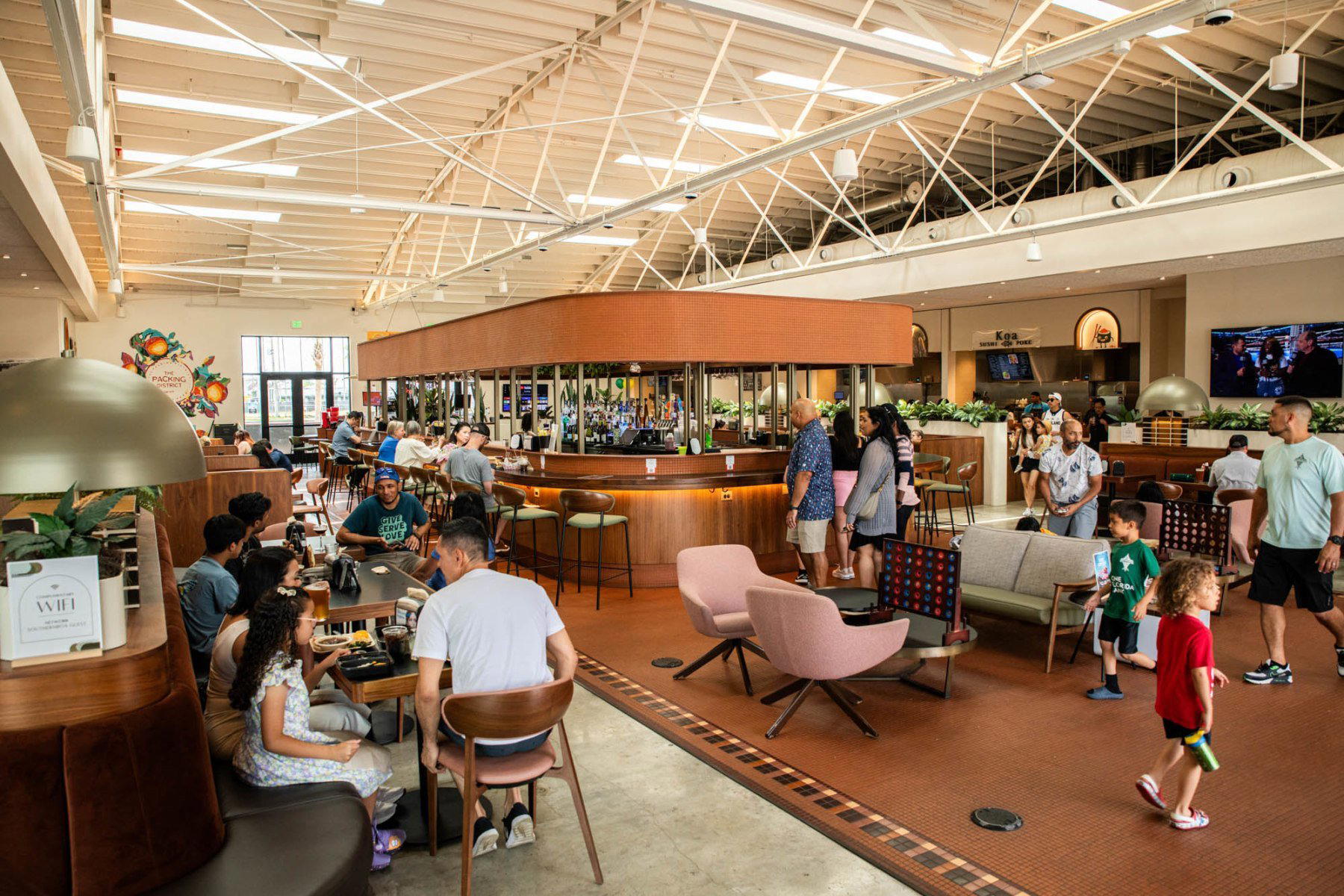
North Orange Blossom Trail and the Question of Southern Identity
Orlando's dining conversation tends to cluster around International Drive spectacle or the tighter, more deliberate restaurant rooms of Mills 50 and Ivanhoe Village. North Orange Blossom Trail operates differently. The corridor has long functioned as a working artery rather than a dining destination, which makes any serious food operation along it a statement of intent rather than a default real estate choice. Great Southern Box Company is an Immigrant Cuisine Food Hall at 2105 N Orange Blossom Trl, Orlando, with a casual dress code, walk-in-friendly service, and an average Google rating of 4.4 from 539 reviews. The address alone frames the proposition: this is not a venue built for tourist foot traffic or the conventioneers who fill downtown Orlando's dining rooms on weekday evenings.
Southern food in American cities exists on a wide spectrum, from white-tablecloth reinterpretations of Lowcountry traditions to counter-service formats built around volume and efficiency. The category has fractured considerably in the past decade. What once read as a coherent regional identity now subdivides into Gulf Coast seafood traditions, Appalachian larder cooking, soul food lineages, and the smoked-meat canon that has its own competitive infrastructure across the American South. Where a venue positions itself within that range determines almost everything about how its menu reads, what its price signals communicate, and which diners it is built for. The name Great Southern Box Company implies a specific format answer: boxed or packaged food, whether that means prepared take-home meals, catering-oriented production, or a counter model built around portioned service.
Menu Architecture as Argument
The most instructive thing about any Southern food operation is not the individual dish but the structural logic behind what gets offered together. A menu that pairs smoked meats with scratch-made sides and house-baked components is making a different argument than one that treats protein as the headline and everything else as filler. The box format, if that is the operational model here, enforces a particular discipline: the meal must travel, must hold, and must cohere without tableside intervention. That constraint is, in practice, a curatorial one. Every component that goes into a box has been selected because it functions independently and alongside the other elements.
This is a harder editorial problem than it appears. The tasting menu format that venues like Lazy Bear in San Francisco or Alinea in Chicago use resolves the same challenge through sequence and temperature control, with a full kitchen brigade and front-of-house team managing the experience in real time. The box model strips that apparatus away and asks the food to carry the argument alone. When it works, it works because the sourcing is honest, the seasoning is precise, and whoever is building the menu understands that a cold side dish will still be eaten cold. Southern cuisine, with its tradition of room-temperature and make-ahead preparations, is actually well-suited to this constraint in ways that, say, French technique-forward cooking is not. Le Bernardin in New York City or The French Laundry in Napa are built around immediacy; Southern box cooking is built around durability.
Orlando's Southern Food Tier
Orlando has not historically been the city that defined Southern cooking's critical conversation the way New Orleans or Charleston have. Emeril's in New Orleans operates within a city where the culinary identity is load-bearing in a way Orlando's has never been. But Orlando's dining scene has matured considerably in the past several years, with a tier of serious operators emerging alongside the theme park adjacency that still defines much of the city's food economy. Venues like Kadence and Sorekara have demonstrated that the city can support precision-focused, reservation-only formats. Camille and Capa hold the higher price tier with different approaches. The question for Southern-identified operations is whether they position against that emerging seriousness or against the more established counter-service and casual category.
The North OBT address places Great Southern Box Company closer to the latter in terms of geography, but the name suggests an operation with a clearer concept than the generic Southern diner format. Concept clarity matters in a market that has spent years being defined by its lack of it.
How the Box Format Changes the Dining Calculus
Across American cities, the formats that have gained the most traction in the past decade sit at the extremes: hyper-technical tasting experiences like Blue Hill at Stone Barns in Tarrytown or Single Thread Farm in Healdsburg, and high-quality takeaway built around clear, honest cooking. The middle, the undifferentiated casual restaurant, has contracted. Operations that succeed in the takeaway and packaged tier do so by offering something the home cook cannot easily replicate: a smoked brisket that required twelve hours and a specific wood profile, a braise built on bones and time, a cornbread that demands a specific cast-iron temperature. The box becomes a delivery mechanism for cooking that justifies itself through technique and sourcing, not through tableside performance.
For diners accustomed to the experience-led formats of venues like Atomix in New York City, Providence in Los Angeles, or Addison in San Diego, the shift in register is significant. There is no counter narrative delivered through ten courses, no sommelier threading a wine story through the meal. What replaces it is directness. The food either holds up or it does not. Southern cooking's strongest argument has always been that it holds up, that the traditions behind it were built for exactly this kind of unadorned accountability.
Planning a Visit
Great Southern Box Company is located at 2105 N Orange Blossom Trail in Orlando, a corridor that runs north from downtown and is accessible by car without difficulty. Within Orlando specifically, the North OBT area is straightforward to reach by car, and the casual, walk-in-friendly format fits that setting.
Reputation First
Comparable venues nearby, for context on price, style, and recognition.
| Venue | Cuisine | Price | Awards | Notes |
|---|---|---|---|---|
| Great Southern Box CompanyThis venue — the venue you are viewing | Immigrant Cuisine Food Hall | $$ | , | |
| Ohana | Hawaiian-Polynesian Fusion | $$ | , | Disney's Polynesian Village Resort |
| Café Gauguin | American Buffet with Global Influences | $$ | , | International Drive |
| Tropicale | Classic American Breakfast | $$ | , | International Drive |
| Bosphorous Turkish Cuisine - Lake Nona | Authentic Turkish Cuisine | $$ | , | Lake Nona |
| Maki Hibachi | Japanese Hibachi & Sushi | $$ | , | Lake Nona |
At a Glance
- Lively
- Trendy
- Historic
- Industrial
- Group Dining
- Casual Hangout
- Celebration
- Historic Building
- Open Kitchen
- Craft Cocktails
- Beer Program
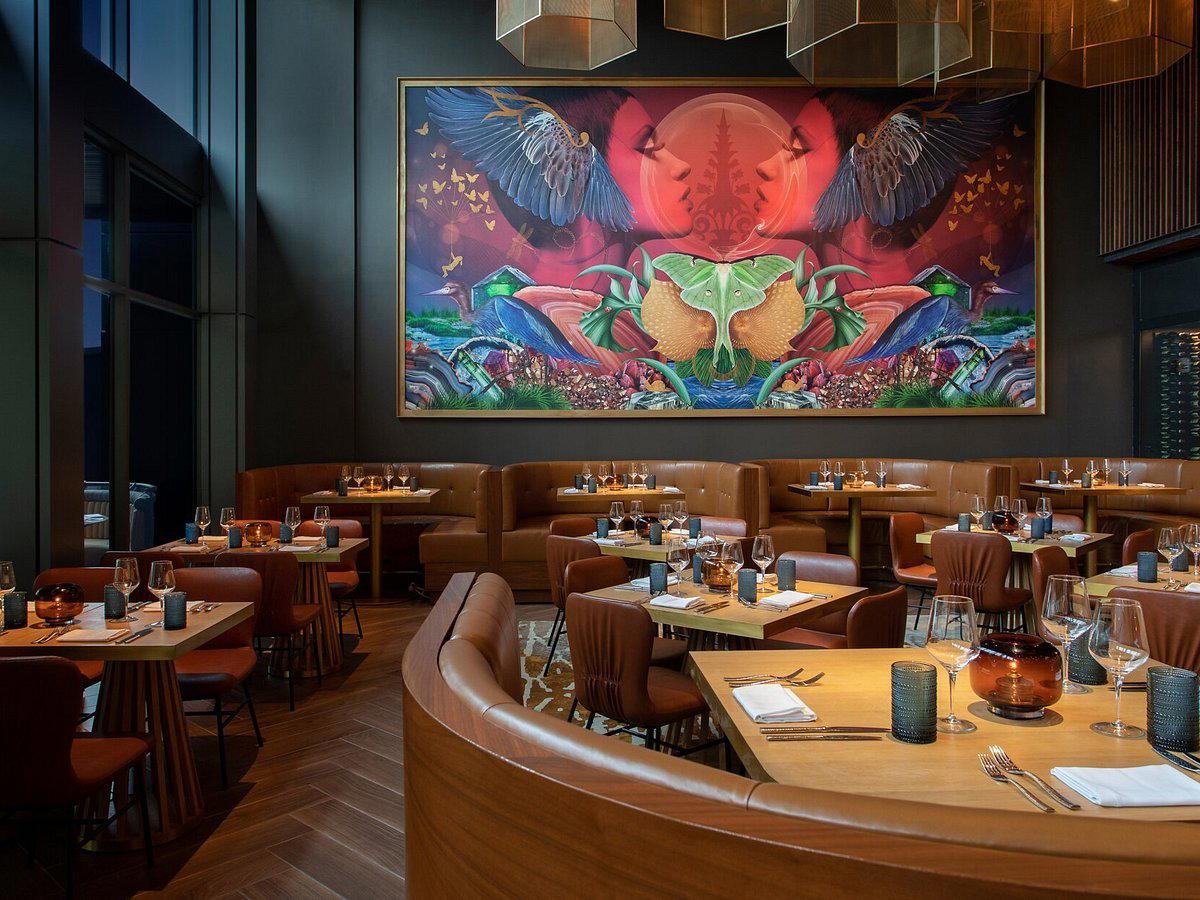
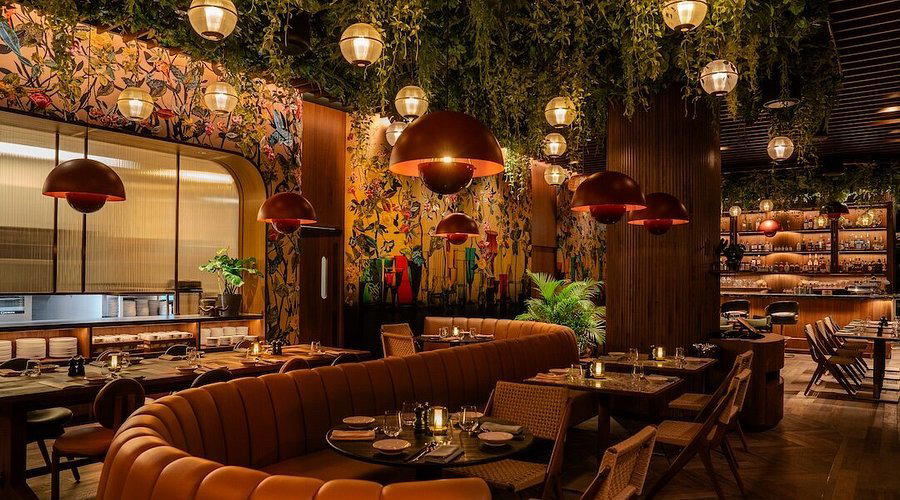
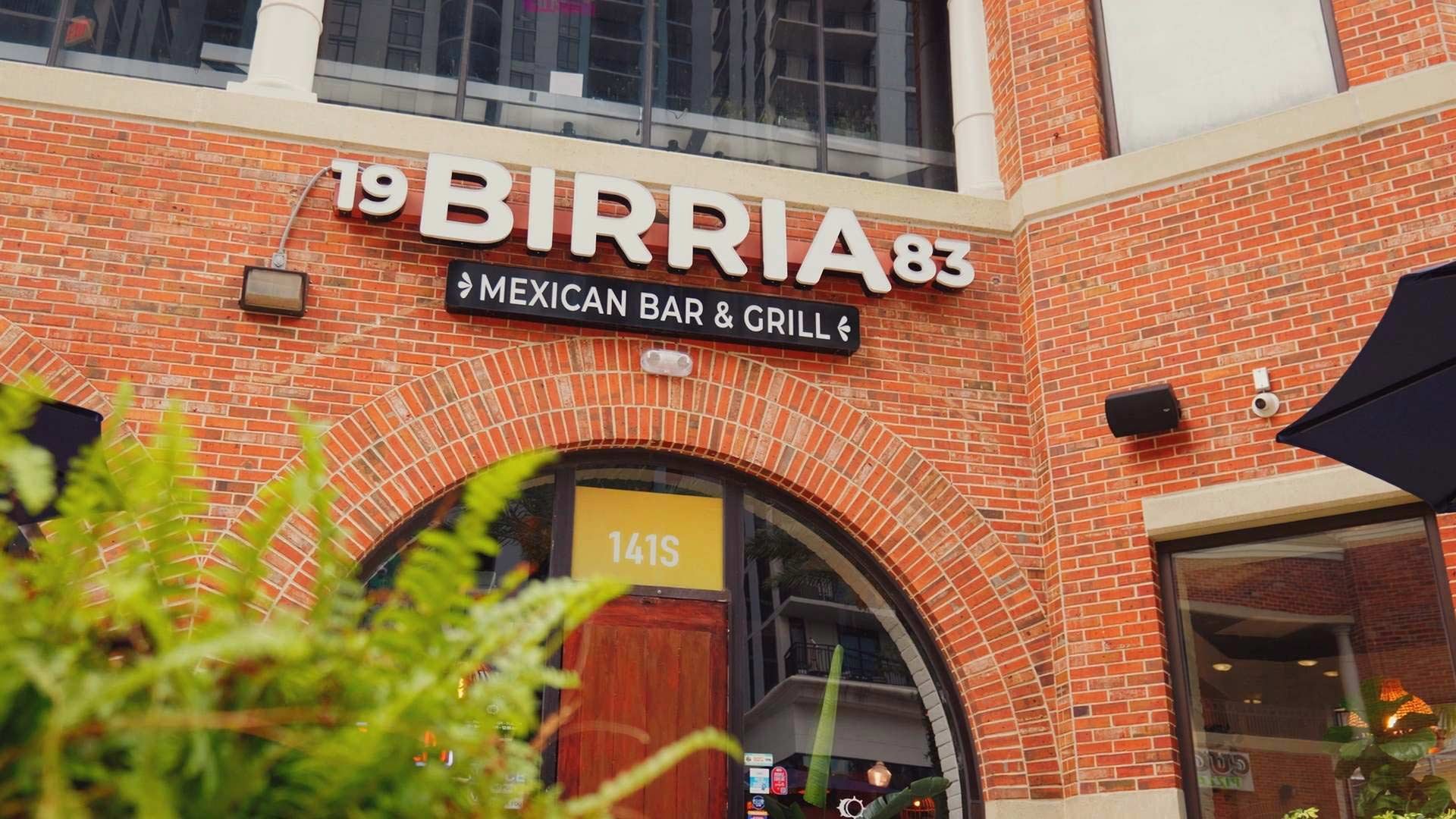
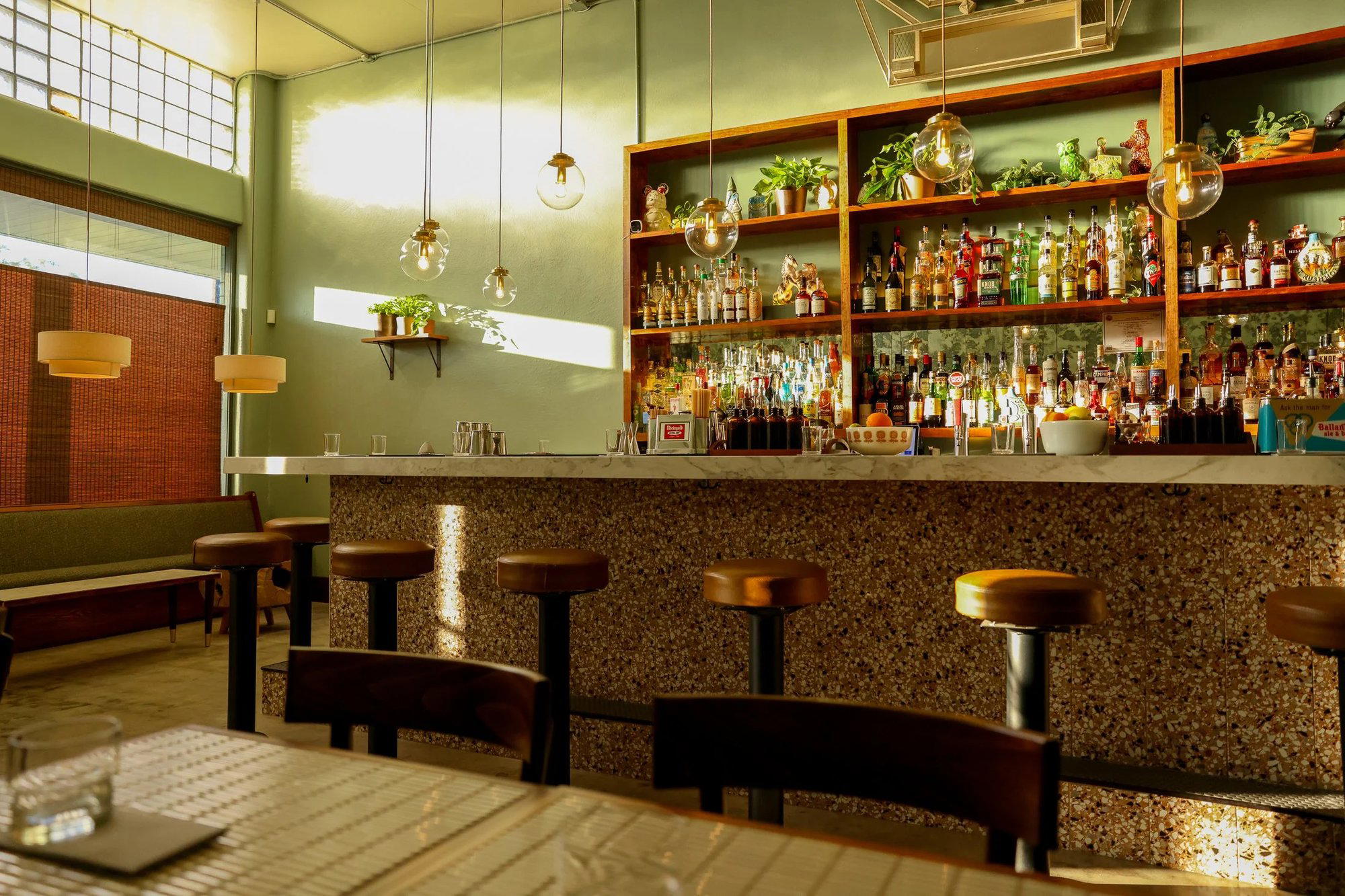
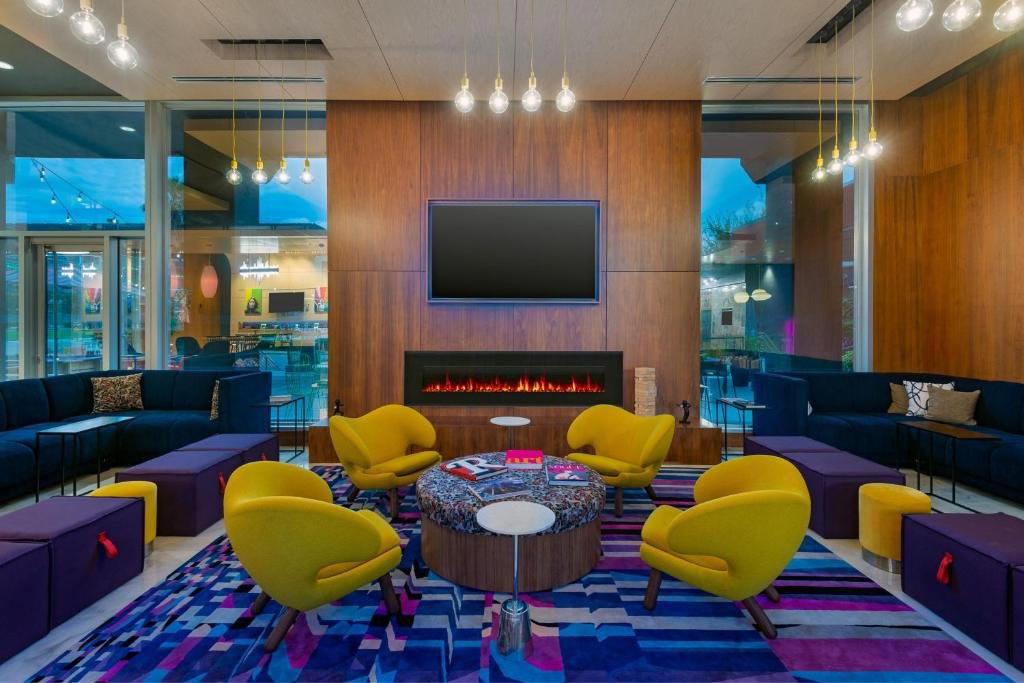
Energetic atmosphere in a repurposed industrial warehouse with bustling food hall vibes.