Grand Largue

On the tip of the Rhuys peninsula where the Gulf of Morbihan meets the Atlantic, Grand Largue has held a Michelin Plate in both 2024 and 2025 for seafood that takes its cues from the water directly in front of it. At €€€ pricing, it occupies a considered middle ground in a region where the catch drives the kitchen rather than the other way around.
Pearl is the En Primeur Club membership app — saves, bookings, and concierge access live there. Same editors, same standards.
- Address
- 1 Rue du Phare, 56640 Arzon, France
- Phone
- +33 2 97 53 71 58
- Website
- grandlargue.fr
- Directions
- Get directions
 Saves & bookings on Pearl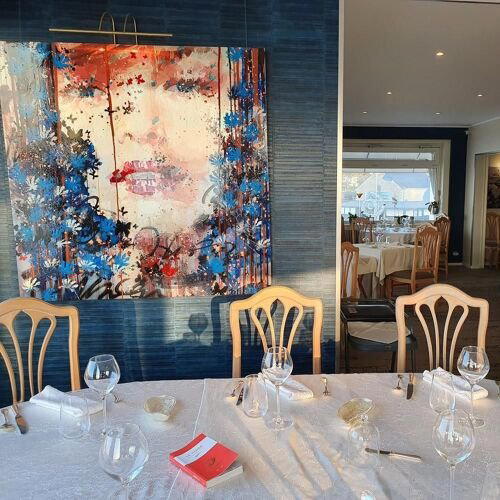
Where the Tide Sets the Menu
Port-Navalo sits at the tip of the Rhuys peninsula, a narrow finger of land that separates the Gulf of Morbihan from the open Atlantic. The approach along the D780 from Arzon is flat and salt-scoured, the water visible on both sides before you reach the village. At the point itself, fishing boats work the channel at low tide and the lighthouse at Rue du Phare marks the end of navigable road. Grand Largue occupies this junction, and its position places it within reach of two distinct fishing traditions, the sheltered, oyster-heavy waters of the gulf on one side and the more volatile Atlantic hauls on the other.
That geographical duality shapes what arrives on the plate more than any kitchen decision. The southern Brittany coastline, from the Quiberon peninsula down through Morbihan, is one of France's most productive seafood corridors. Oyster beds have operated in the gulf since at least the nineteenth century, and the region's langoustines, clams, and wild sea bass carry designations that reflect specific coastal origin rather than generic provenance. In this context, a seafood restaurant at Port-Navalo is either working directly with that supply chain or it is performing a version of it. The distinction matters.
The Catch as Kitchen Logic
Across coastal Brittany, the restaurants that hold sustained critical recognition tend to share one structural characteristic: the menu moves with the boats rather than the calendar. Fixed menus built around imported or out-of-season product have largely ceded ground, at least in the upper tiers, to formats where the day's offering reflects what came in that morning. This is a practical acknowledgment that the region's seafood quality peaks at point of landing and degrades quickly. The port-to-plate timeline in a village like Port-Navalo can be measured in hours rather than days, and that compression is the single most significant quality variable a coastal kitchen can control.
Grand Largue's Michelin Plate recognition in both 2024 and 2025 places it in the tier of French restaurants that Michelin acknowledges as serving food worth a stop without yet warranting a star. In Brittany's seafood category, that designation typically reflects consistent technical execution and honest sourcing rather than elaborate technique. The Plate is not a consolation; it is a signal that the inspectors found the kitchen doing what it claimed to do. Tourist-dependent venues in seasonal coastal markets often skew lower or more erratic; sustained scores above 4.0 in these contexts carry more weight than the same number in a city environment.
For a broader picture of where Grand Largue sits within France's wider dining scene, it helps to map the country's critical geography. The restaurants occupying France's highest Michelin tiers, from Alléno Paris au Pavillon Ledoyen in Paris to Mirazur in Menton, operate at price points and with kitchen infrastructure that belong to a categorically different tier. Regional institutions like Troisgros in Ouches, Bras in Laguiole, and Auberge de l'Ill in Illhaeusern anchor the country's non-Parisian haute cuisine map. The restaurant operates at a lower scale and price point, and that is precisely the point. It belongs to a different and more useful category: the regionally specific, ingredient-led restaurant that justifies a detour within its own territory without pretending to compete across categories.
Coastal Seafood at €€€: What the Price Tier Signals
At €€€ pricing, the restaurant sits in the upper-middle band for the Morbihan coast, above the casual crêperies and plateau de fruits de mer kiosks that populate the region's harbour fronts, and below the tasting-menu formats that have appeared in towns like La Trinité-sur-Mer and Vannes. This positioning suggests a kitchen working with quality ingredients and sufficient margin to source responsibly, without the architectural overhead of a full brigade and multi-course progression. For the Atlantic and Mediterranean seafood category more broadly, comparable Michelin-recognised operations at this price point, such as Gambero Rosso in Marina di Gioiosa Ionica or Alici on the Amalfi Coast, tend to share a similar logic: the provenance argument carries the menu, and technique exists in service of the ingredient rather than as its own demonstration.
Other critically recognised addresses in France's provincial seafood and regional cooking space, including Auberge du Vieux Puits in Fontjoncouse, AM par Alexandre Mazzia in Marseille, and Flocons de Sel in Megève, each make a version of the same argument: that regionality, when taken seriously, is its own form of ambition. The restaurant's sustained Michelin recognition across two consecutive years suggests the kitchen is making that case with enough consistency to warrant the designation.
Planning the Visit
Port-Navalo is reached most directly by car from Vannes, approximately 27 kilometres to the northeast via the D780. The peninsula has limited public transport, and the village itself is small enough that parking near the lighthouse is workable outside peak summer weeks. Morbihan's high season runs from late June through August, when the peninsula's population multiplies and table availability tightens significantly. Visiting in May, early June, or September gives access to the full seasonal catch without the logistical friction of peak summer. Booking ahead is advisable regardless of season.
How It Stacks Up
Comparable venues nearby, for context on price, style, and recognition.
| Venue | Cuisine | Price | Awards | Notes |
|---|---|---|---|---|
| Grand LargueThis venue — the venue you are viewing | Gastronomic Seafood | $$$$ | Michelin Plate | Not listed |
| Le Lénigo | Modern Coastal French Seafood | $$$ | Michelin Plate | Le Croisic Port |
| Le Vivier | Modern Seafood Fine Dining | $$$ | Michelin Plate | Lomener |
| Élise, Poissons & Braise | Modern Seafood Grill | $$$$ | Michelin Plate | L'Herbaudière |
| Hostellerie de la Mer | Modern Breton Seafood | $$$ | Michelin Plate | Le Fret |
| Les Jardins Sauvages - La Grée des Landes | Bio & Locavore French Gastronomic | $$$$ | Michelin Plate | La Gacilly |
Recognition history
Dated appearances from independent guides and award organizations, with the underlying list record or original source where available.
Michelin Plate
Michelin
Michelin Plate
Michelin
Continue exploring
More in Port-Navalo
Restaurants in Port-Navalo
Browse all →
Bars in Port-Navalo
Browse all →

At a Glance
- Romantic
- Elegant
- Scenic
- Sophisticated
- Intimate
- Date Night
- Special Occasion
- Celebration
- Business Dinner
- Waterfront
- Terrace
- Panoramic View
- Private Dining
- Extensive Wine List
- Sommelier Led
- Local Sourcing
- Sustainable Seafood
- Waterfront
Current opening hours
- Monday
- Closed
- Tuesday
- Closed
- Wednesday
- 12–1:45 PM, 7–9:45 PM
- Thursday
- 12–1:45 PM, 7–9:45 PM
- Friday
- 12–1:45 PM, 7–9:45 PM
- Saturday
- 12–1:45 PM, 7–9:45 PM
- Sunday
- 12–1:45 PM
Hours can change for holidays and private events. Last verified .
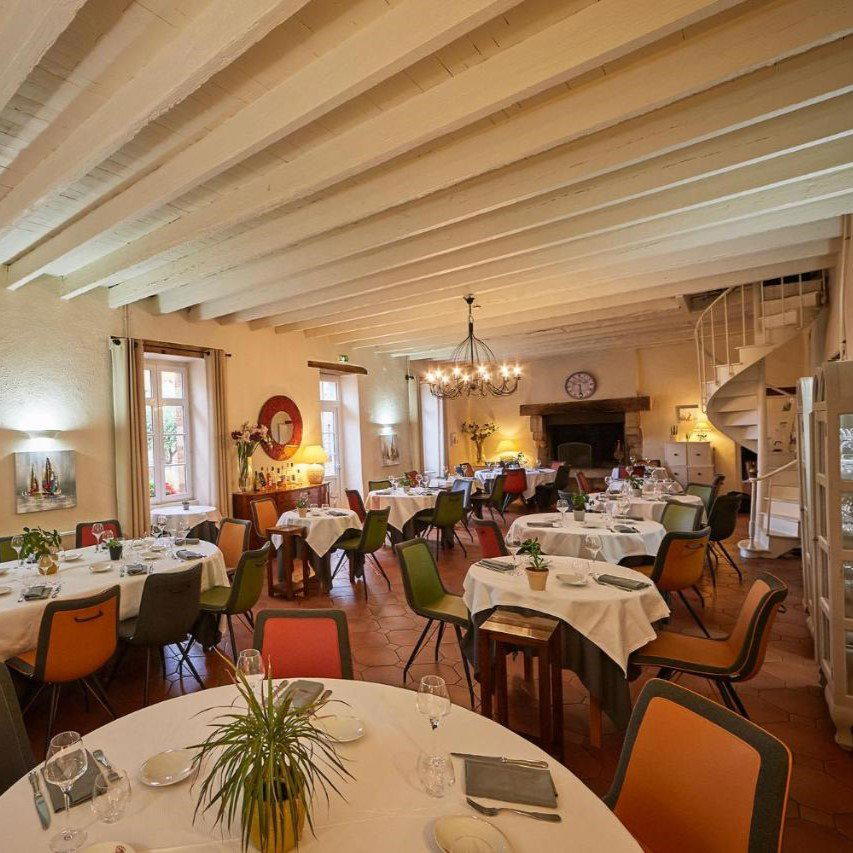
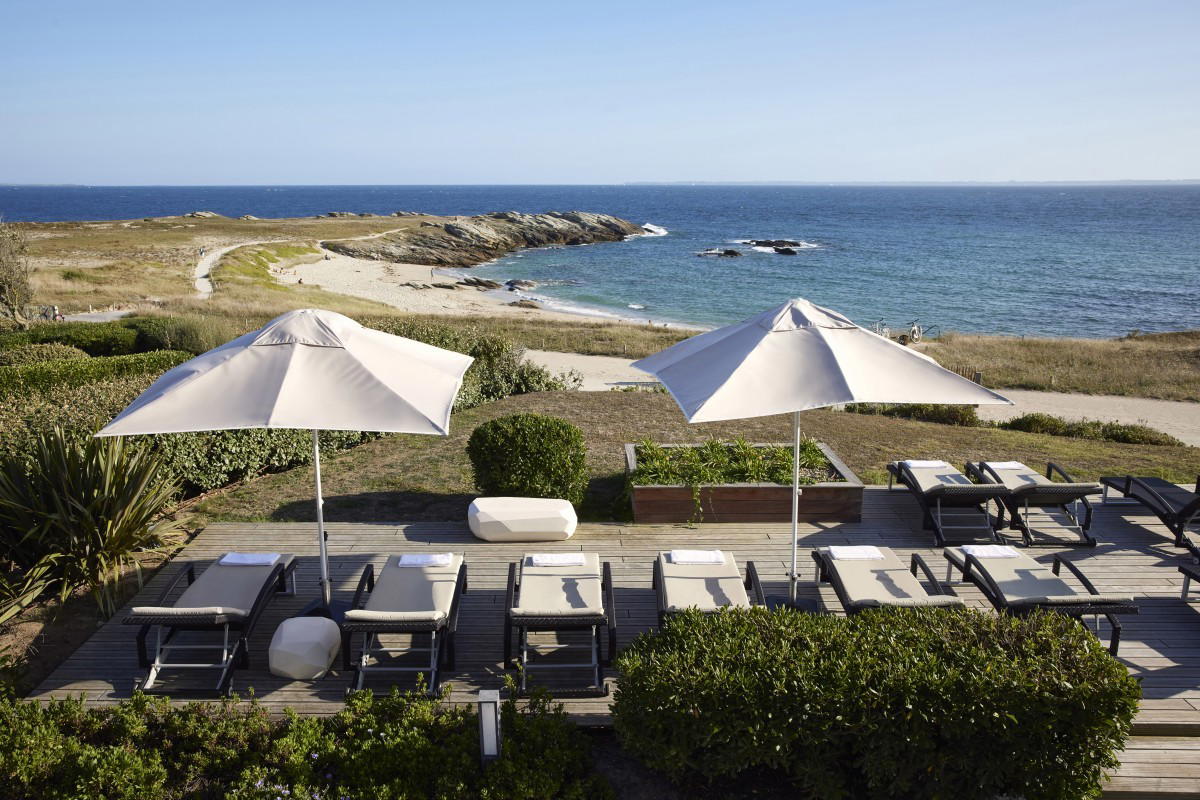
Serene and luminous dining room with natural sunlight reflecting off the water; elegant linen-draped tables and refined decor without theatrics; sunset views create a warm, intimate atmosphere.