Grand Central

Michelin Plate
Our verdict
Grand Central on Biscayne Boulevard holds a 2025 Michelin Plate, placing it among Miami's recognised contemporary kitchens at a mid-range price point. For the Upper Eastside dining scene, it represents the corridor's growing case for serious cooking outside the Design District and Wynwood circuits.

Pearl is the En Primeur Club membership app, where members save venues, book tables and use the concierge.
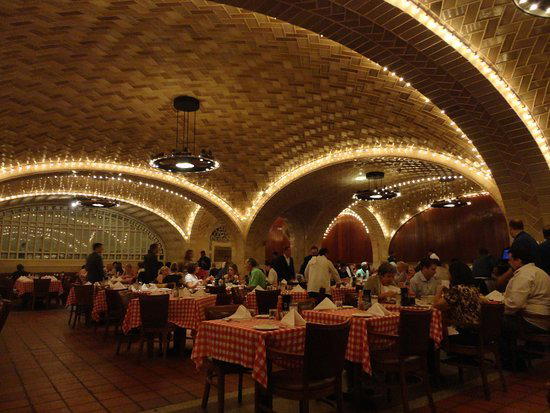
The menu
What to order
- Grand Central Burger
- Beef Tartare
- Truffle Chicken Pot Pie
Biscayne Boulevard and the Case for Contemporary Cooking Above the Design District
Drive north on Biscayne Boulevard past the Design District and Wynwood, and the restaurant density thins before it sharpens again around the Upper Eastside. This stretch, running through Miami Shores-adjacent neighbourhoods where mid-century architecture sits alongside newer interventions, has been building a quieter dining identity over the past several years. Grand Central, at 7919 Biscayne Blvd. sits inside that shift. The room reads as a contemporary space without the concept-heavy theatrics that define much of Miami's higher-profile dining corridor. What reaches the table matters more than what surrounds it.
The 2025 Michelin Plate designation places Grand Central in a specific tier: recognised for cooking quality without yet holding a star. In practical terms, that designation means Michelin's inspectors found consistent, well-executed food worth seeking out. At a $$$ price point, it sits alongside Boia De and Cote Miami in the middle of Miami's recognised contemporary set, below the $$$$ bracket occupied by Ariete and Stubborn Seed.
Where the Food Comes From: Sourcing as Editorial Statement
Miami's position as a contemporary dining city is partly a story about proximity. The city sits at the intersection of Caribbean agricultural networks, Florida's own growing regions, and Latin American import corridors that few other American cities can access with the same directness. A contemporary kitchen operating in this environment makes choices that reflect either engagement with that supply web or indifference to it. The leading mid-range contemporary restaurants in Florida have increasingly leaned toward the former, building menus around what the season and the geography actually produce rather than importing the same proteins and produce available in any major American city.
Contemporary cuisine at this price tier, when it's working, uses sourcing as a constraint that sharpens rather than limits. The coastal access alone distinguishes Florida kitchens from, say, a comparable contemporary room in Chicago or Denver. Stone crab season runs October through May and sets a calendar that any serious South Florida kitchen acknowledges. Grouper, snapper, and mahi from local and Gulf waters cycle through menus in ways that telegraph a kitchen's priorities. Produce from Homestead, Florida's agricultural zone south of Miami, reaches tables in the city faster and fresher than produce hauled from California. These are structural advantages that define what contemporary cooking in this geography can accomplish.
For a Michelin Plate-recognised kitchen at the $$$ tier, the sourcing conversation is also a value proposition. At price points where every dish is examined against its cost, using local supply chains compresses the distance between ingredient quality and plate result. Restaurants operating at this level in Miami sit in a different competitive posture than comparable rooms in cities without the same agricultural and coastal adjacency. That proximity is not incidental, it shapes what's on the menu, what the kitchen can realistically achieve, and how the food tastes against the season.
The Upper Eastside as a Dining Address
The stretch of Biscayne Boulevard around the Upper Eastside has attracted a set of independent, chef-driven restaurants that operate with less institutional support than the Design District's major tenants. Michael's Genuine helped establish the neighbourhood's credibility for serious food a decade ago. Krüs Kitchen and Palma represent more recent additions to a corridor that's still forming its identity. Ossobuco fills a different slot, anchoring the Italian end of the neighbourhood's range. The result is a dining cluster that rewards deliberate exploration more than it rewards impulse dining.
Grand Central's placement on Biscayne Blvd. at this address puts it in that independent tier rather than inside any hotel or multi-concept group. That positioning has practical implications: the kitchen's priorities don't have to account for a hotel breakfast program or an affiliated bar concept. Contemporary restaurants operating outside group structures at this price point generally carry sharper focus into the cooking, though they also carry the operational constraints that independence brings. The Michelin Plate in 2025 is partly a recognition that the focus is landing correctly.
Compared to Tambourine Room by Tristan Brandt, which operates at a different format register, Grand Central reads as a more accessible entry point into Miami's recognised contemporary set. The $$$ tier positions it within range for regular dining rather than special-occasion-only visits. That matters on a corridor where the density of strong independents means diners can develop a neighbourhood circuit rather than making one-off pilgrimages.
Contemporary in Miami vs.
Michelin Plate contemporary rooms occupy a distinct position in the American dining hierarchy. The Plate designation is a signal that the cooking is worth a detour, not that it requires the planning and expense of a starred destination. At the $$$ tier, it also competes on value in ways those rooms don't need to consider. Internationally, recognised contemporary rooms at comparable price tiers, like Jungsik in Seoul or César in New York City, demonstrate that serious contemporary cooking does not require top-tier pricing to earn critical recognition.
In Miami specifically, the mid-range contemporary category has room to grow. The city's restaurant conversation has historically concentrated on a handful of high-profile starred rooms and a large volume of casual dining, leaving the middle tier, serious cooking, approachable pricing, independent operation, less mapped than it deserves. Grand Central's Michelin recognition in 2025 is a data point in the argument that this tier is maturing.
Planning Your Visit
Grand Central is at 7919 Biscayne Blvd. Miami, 33138, on the Upper Eastside corridor, accessible by car from both Wynwood and Miami Beach without significant traffic friction outside peak hours. The $$$ price tier places a meal in the range of Miami's mid-level contemporary set, comparable in spend to a meal at Boia De or Cote Miami. For additional context on Miami's full dining range, see our full Miami restaurants guide, as well as our Miami hotels guide, our Miami bars guide, our Miami wineries guide, and our Miami experiences guide.
Frequently asked questions
What should I order at Grand Central?
What's the ideal way to book Grand Central?
What do critics highlight about Grand Central?
Cuisine and Credentials
Comparable venues nearby, for context on price, style, and recognition.
| Venue | Cuisine | Price | Awards | Notes |
|---|---|---|---|---|
| Grand CentralThis venue (the venue you are viewing) | Modern American Bistro | $50–100 | Michelin Plate | Not listed |
| Sixty Vines | Wine Country Inspired American | Not listed | Not listed | Park West |
| Walrus Rodeo | Modern Wood-Fire Contemporary | $150–200 | Michelin Plate · Star Wine List | Little Haiti |
| OTL | Modern American Café | Not listed | Not listed | Design District |
| Palma | Modern Seasonal Tasting Menu | $100–150 | Michelin Plate | Overtown |
| Kush by Lokal | Gastropub Burgers | $20–30 | Not listed | Edgewater |
Recognition history
Dated appearances from independent guides and award organizations, with the underlying list record or original source where available.
Michelin Plate
Michelin
Continue exploring
More in Miami
Restaurants in Miami
All restaurants in Miami →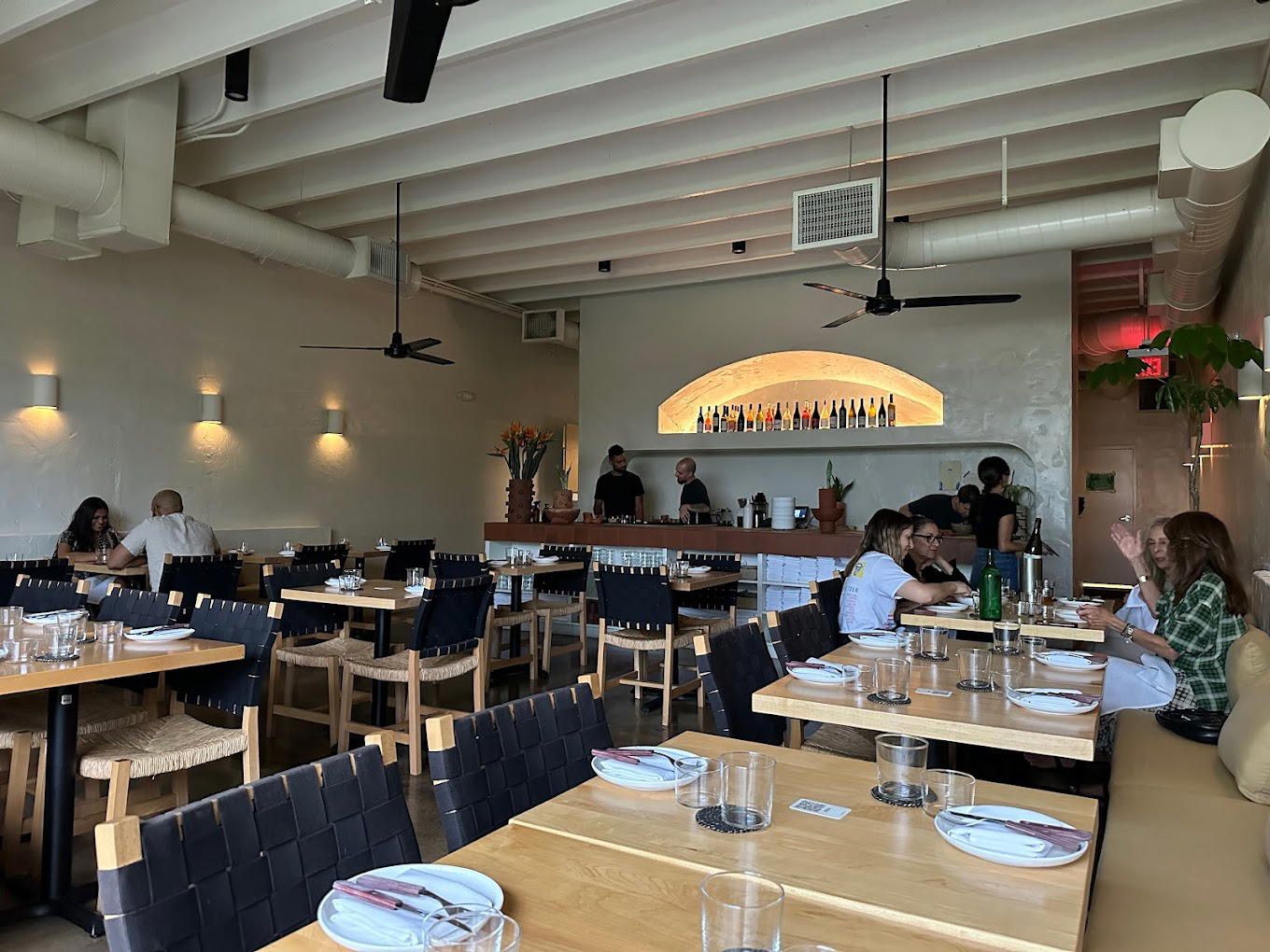
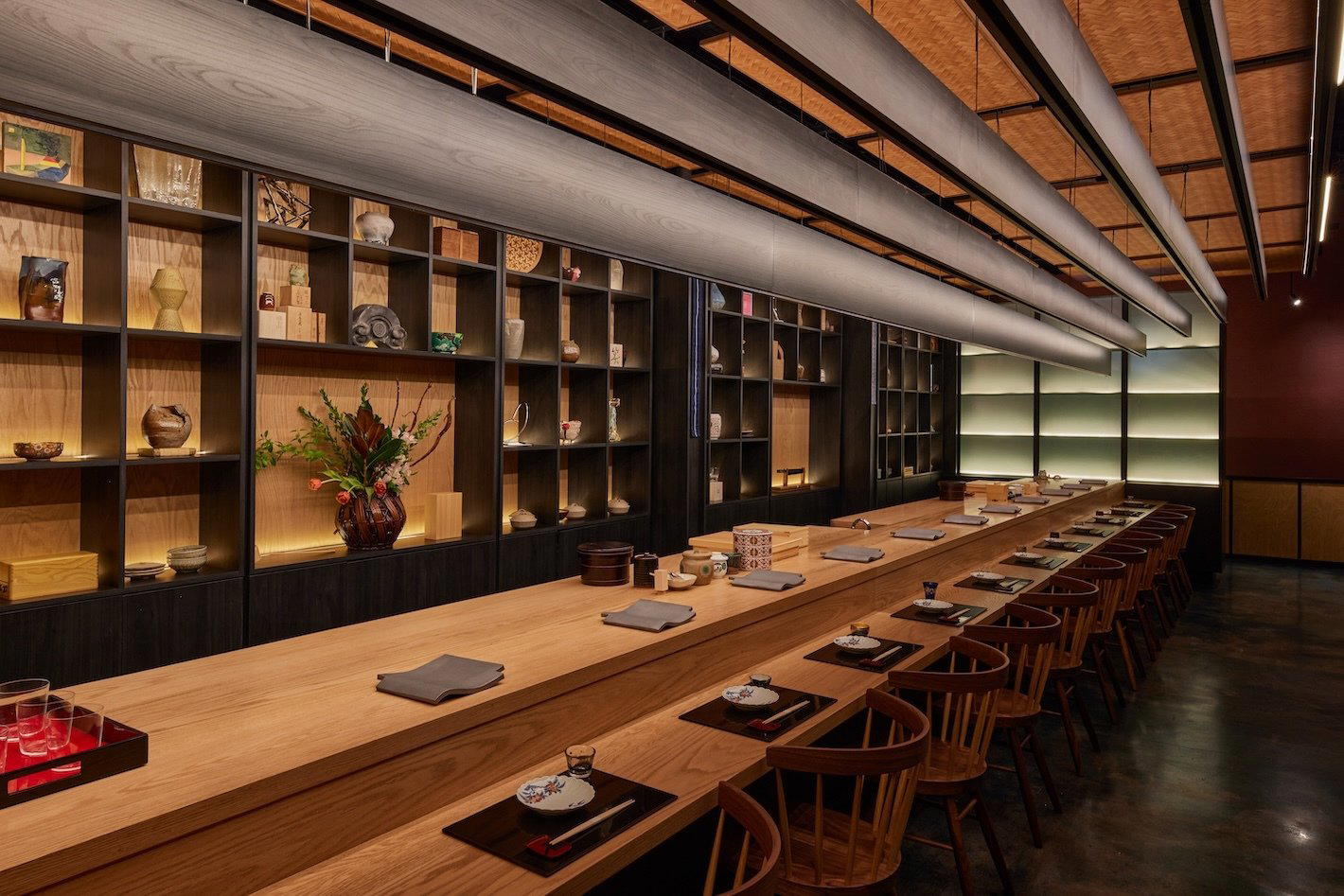
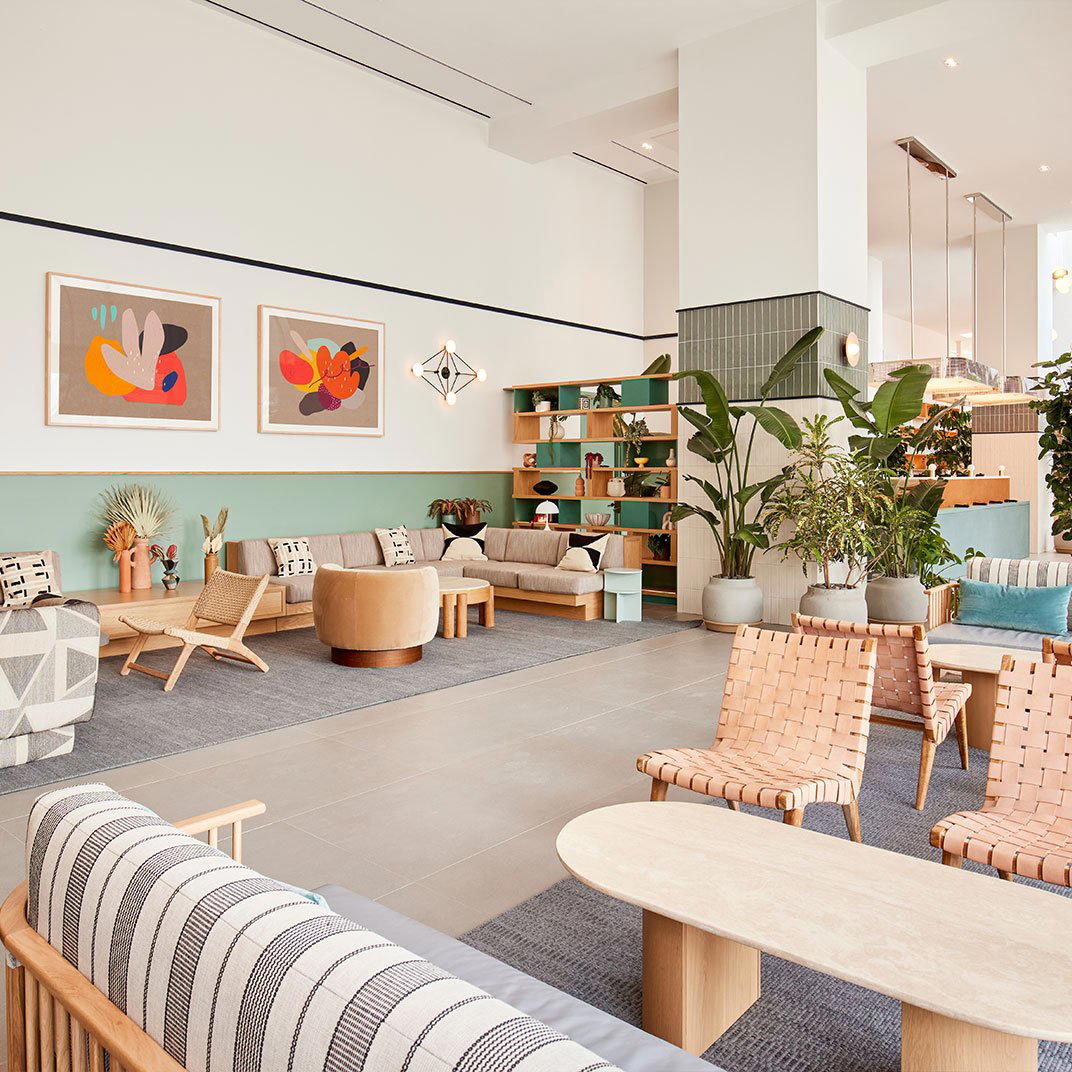
Bars in Miami
All bars in Miami →

Details
- Intimate
- Romantic
- Cozy
- Modern
- Elegant
- Date Night
- Special Occasion
- Extensive Wine List
- A La Carte
- Vegetarian Friendly
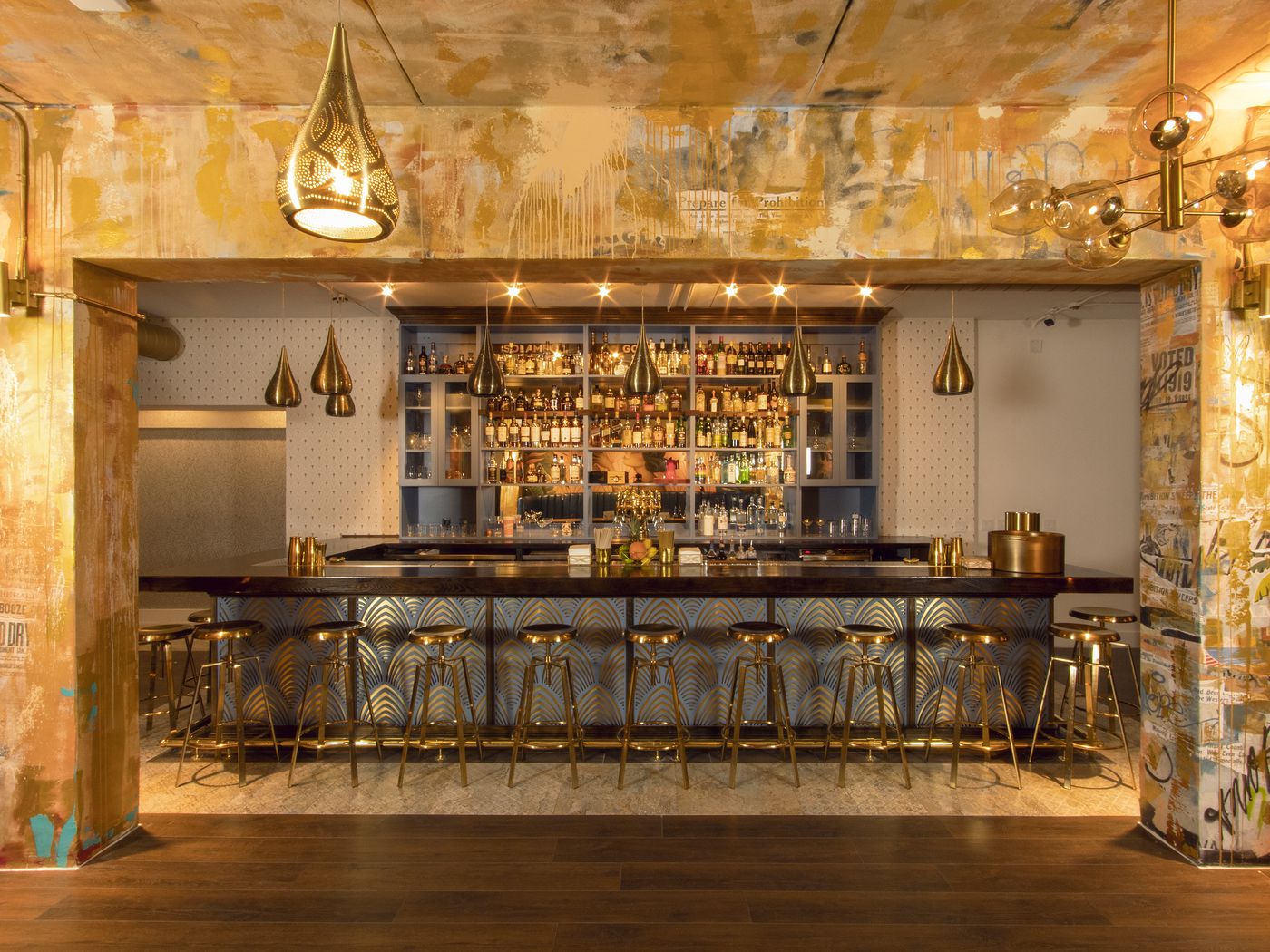
Candlelit tables with white linens against whitewashed walls, soft music, globe lights, and polished concrete floors creating a romantic, quiet Parisian bistro atmosphere.