On the Cours Napoléon, Ajaccio's main artery, Grand Café Napoléon occupies the kind of address that Corsican café culture was built around. The setting carries the weight of the boulevard it shares a name with, positioning it as a reference point for visitors orienting themselves in the city. For anyone tracing Ajaccio's café and dining scene, this is a logical starting point.
Pearl is the En Primeur Club membership app — saves, bookings, and concierge access live there. Same editors, same standards.
- Address
- 10 Cr Napoléon, 20000 Ajaccio, France
- Phone
- +33495787202
- Directions
- Get directions
 Saves & bookings on Pearl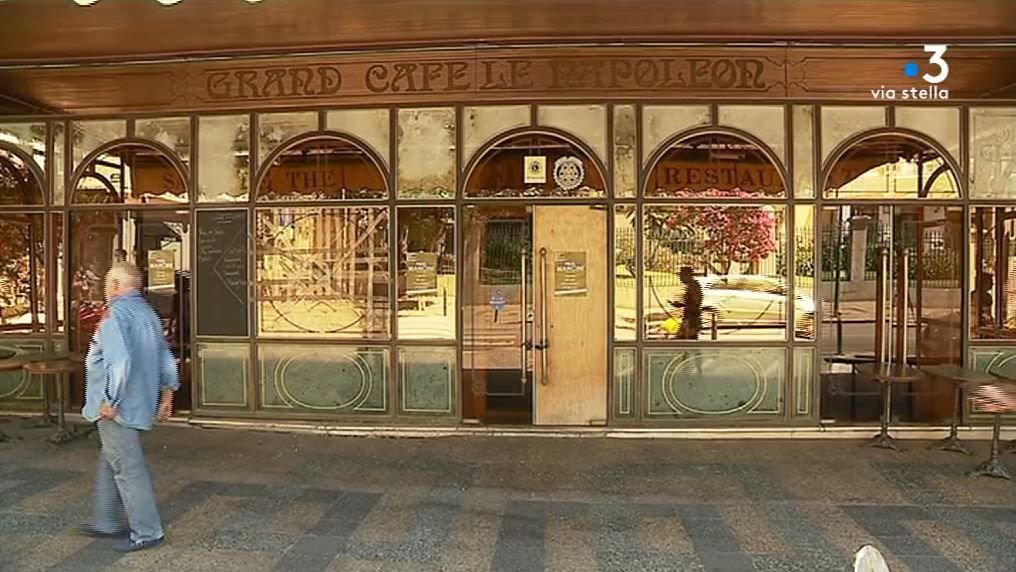
The Cours Napoléon and What It Tells You About Ajaccio
Arriving at 10 Cours Napoléon, you are on the spine of Ajaccio. The boulevard runs like a seam through the city centre, connecting the port district to the upper residential quarters, lined with plane trees that filter the afternoon light into something softer than the full Mediterranean glare. Grand Café Napoléon sits on this axis, which means it occupies a position that is less a coincidence of real estate than a statement of civic centrality. In Corsican cities, the main corso is where you take your bearings, and the cafés along it are where the city takes its own temperature.
That address matters more here than in most French cities. Ajaccio is a place where café culture and restaurant culture blur at the edges. A table on the Cours in the early evening functions simultaneously as an aperitif spot, a people-watching post, and a prelude to dinner elsewhere. Understanding that rhythm is part of understanding how to use Grand Café Napoléon well, rather than arriving with expectations calibrated to a different city's format.
Planning Your Visit: What the Booking Experience Looks Like
The editorial angle that matters most for Grand Café Napoléon is the planning question. Ajaccio's dining scene operates on a seasonality that many mainland French cities do not. The island's peak travel window runs from late June through early September, when ferry and air connections from Marseille, Nice, and Paris fill the city and compress restaurant availability across every price tier. A café-restaurant on the city's most prominent boulevard will feel this pressure acutely.
For visits during July and August, arriving without a plan is a gamble. Shoulder season, specifically May, early June, and September, offers a meaningfully different experience: the Cours empties enough that you can choose your table rather than take what is available, and the pace of service adjusts accordingly. If your travel dates fall within that shoulder window, the booking arithmetic shifts in your favour.
Compared to Ajaccio's higher-commitment dining addresses, such as A Nepita (Farm to table) or L'Écrin (Modern Cuisine), where tasting-menu formats and smaller covers create genuine scarcity, a boulevard café operates with more elasticity. The trade-off is that its accessibility during low season becomes constraint during peak weeks, not because of a small dining room but because of the volume of foot traffic the Cours generates. Plan for the season, not just the venue.
Ajaccio's Dining Scene in Context
Ajaccio is not a city with a deep bench of formal dining. It has a concentrated cluster of addresses worth planning around, and the wider scene fills in around them with neighbourhood trattorias, Corsican charcuterie bars, and waterfront seafood spots. Among the more considered options in the city, A Cantina Di Ghjulia and A Merendella Citadina represent a different register, as does Chez Pech, which draws a loyal local following. Grand Café Napoléon occupies a distinct position among these: its Cours Napoléon address gives it a visibility and a civic role that the others, often tucked into side streets or the port quarter, do not share.
That civic role shapes the experience. You are not eating in a room designed to disappear from the city around it. You are eating in the city, on it, as part of its daily circulation. For a certain kind of traveller, that is exactly what is wanted from Ajaccio. For someone seeking the removed, concentrated focus of a dedicated tasting menu, the city's other addresses will serve better.
For reference on what concentrated fine dining looks like elsewhere in France, addresses like Mirazur in Menton or AM par Alexandre Mazzia in Marseille set the register for the southern French Mediterranean tier. Flocons de Sel in Megève and Auberge de l'Ill in Illhaeusern anchor the French fine dining canon at its most institutionalised. Grand Café Napoléon does not compete in that category. It competes in a different register entirely, one where the address and the atmosphere carry as much weight as the plate.
The Broader Corsican Table
Any visit to an Ajaccio café worth its position on the Cours will intersect with Corsican ingredients whether by design or proximity. The island's food culture is defined by a handful of insistent products: chestnut flour, which appears in breads, pancakes, and polenta; cured meats from free-range pigs finished on acorns and chestnuts; sheep's milk cheeses at various stages of age; and seafood from the straits between Corsica and Sardinia that remain relatively untroubled by industrial fishing pressure. These are not luxury ingredients in the mainland French sense. They are everyday materials that happen to be produced with unusual fidelity to older methods.
A boulevard café on the Cours is a reasonable place to encounter these ingredients in their least formal register, which is often where they read most clearly. Corsican charcuterie needs no architectural presentation to make its case. The same applies to a glass of Nielluccio or Sciaccarellu from the Ajaccio AOC, grapes that do not appear anywhere else at this quality and that position Corsica as a wine island with a genuinely distinct vocabulary rather than a minor appendix to Provençal viticulture.
Getting There and Practical Considerations
Ajaccio is reached by air from several French mainland cities, with Ajaccio Napoleon Bonaparte Airport sitting roughly eight kilometres from the city centre. Ferry connections run from Marseille, Nice, and Toulon, with crossing times ranging from several hours on fast ferries to overnight on standard services. The Cours Napoléon is walkable from the port, making the café accessible without requiring transport once you are in the city. For a full orientation to what the city offers across price tiers and cuisines, our full Ajaccio restaurants guide maps the scene in more detail.
How Grand Café Napoléon Ajaccio compares with similar nearby venues.
| Venue | Cuisine | Price |
|---|---|---|
| La Terrasse du Fesch | Modern Cuisine | €€€ |
Continue exploring
More in Ajaccio
Restaurants in Ajaccio
Browse all →
Bars in Ajaccio
Browse all →
Hotels in Ajaccio
Browse all →

At a Glance
- Classic
- Elegant
- Historic
- Dinner
- Lunch
- Historic Building
- Terrace
- Street Scene
Current opening hours
- Monday
- 8 AM–8 PM
- Tuesday
- 8 AM–2 AM
- Wednesday
- 8 AM–2 AM
- Thursday
- 8 AM–2 AM
- Friday
- 8 AM–2 AM
- Saturday
- 8 AM–2 AM
- Sunday
- Closed
Hours can change for holidays and private events. Last verified .
Refined decor with charm and authenticity from its renovated historic setting, offering an elegant atmosphere.
Know Before You Go
- Getting there
- 10 Cr Napoléon, 20000 Ajaccio, France