On the Route des Sanguinaires west of Ajaccio, Chez Pech occupies a stretch of coastline where the Corsican interior and the Mediterranean meet at the table. The address alone signals a certain remove from the city's tourist circuit, and the kitchen leans into that position, drawing on the island's larder in ways that reward visitors willing to travel a little further than the port.
Pearl is the En Primeur Club membership app — saves, bookings, and concierge access live there. Same editors, same standards.
- Address
- Rte des Sanguinaires, 20000 Ajaccio, France
- Phone
- +33495520090
- Directions
- Get directions
 Saves & bookings on Pearl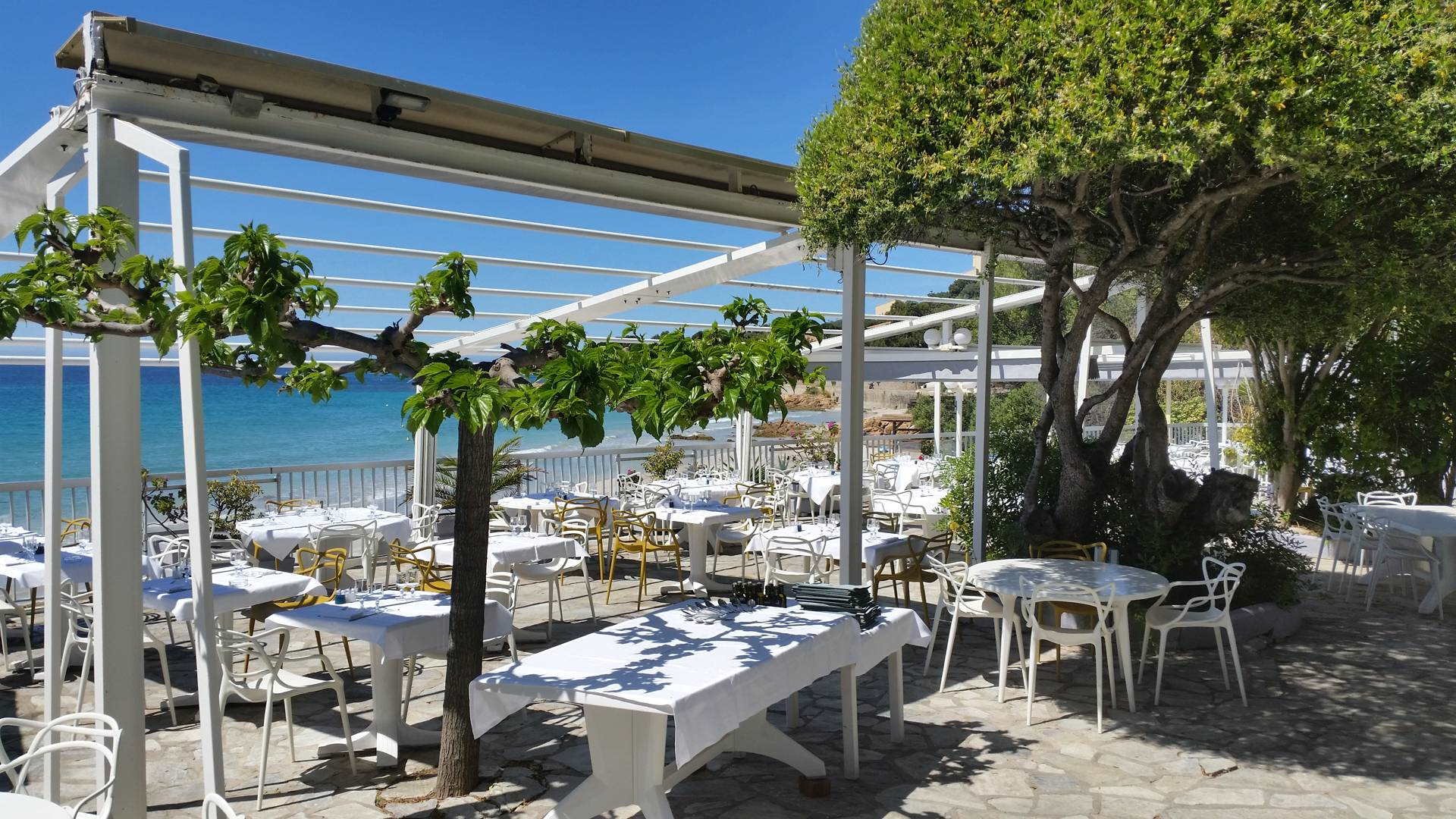
Where the Island Comes to the Table
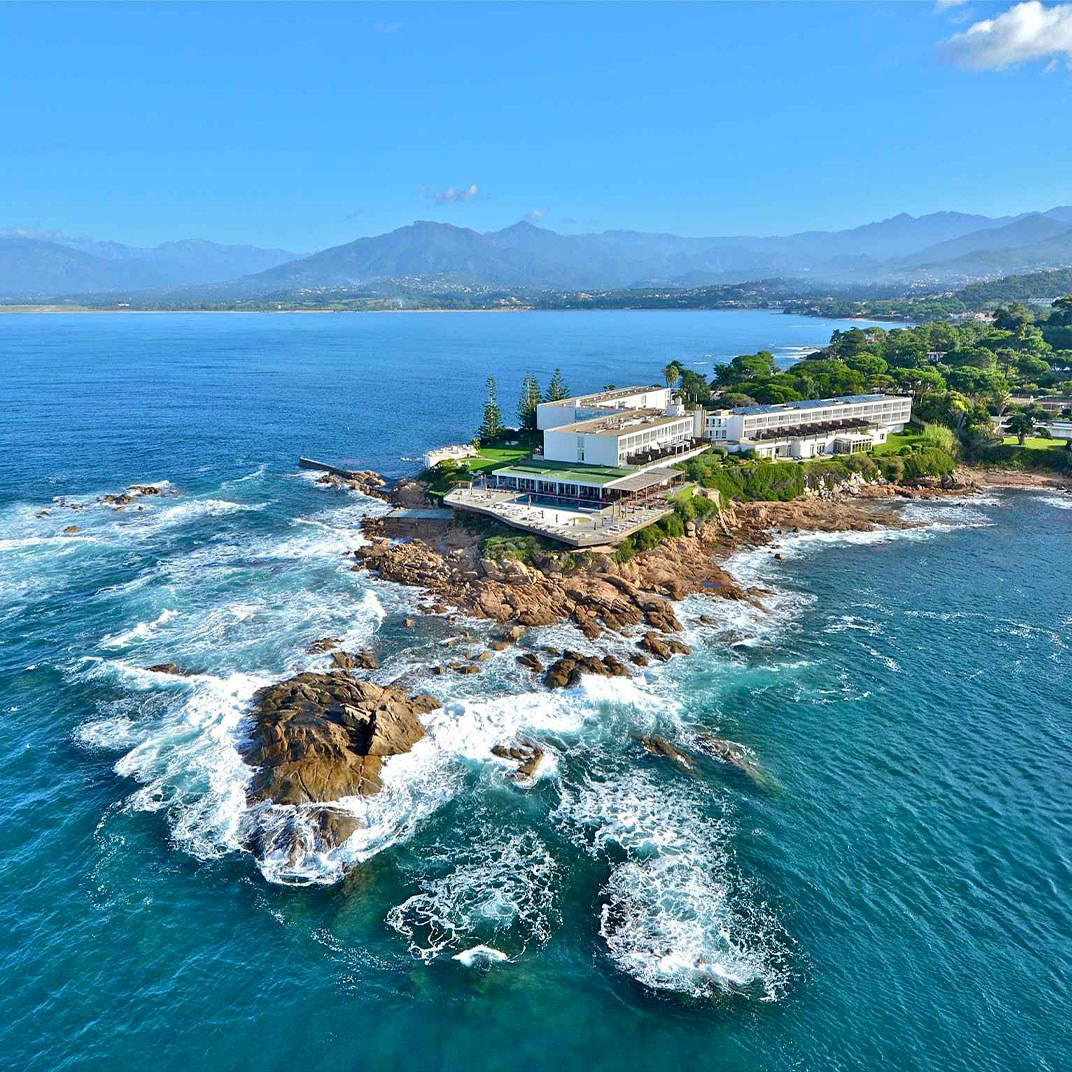
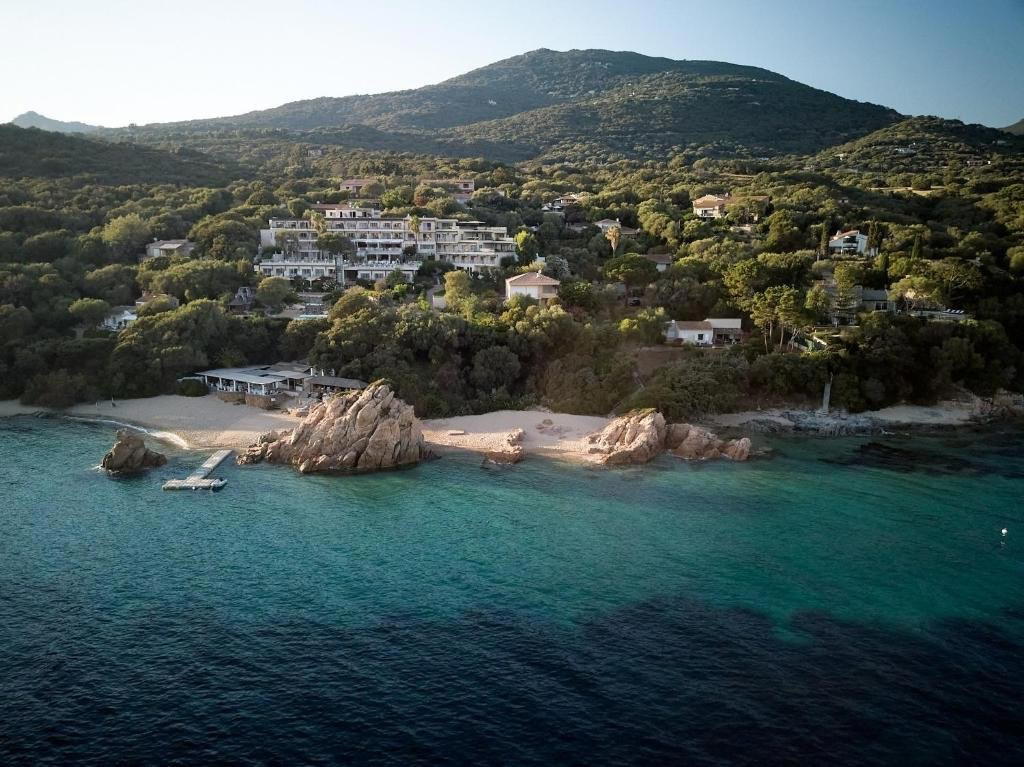
The Route des Sanguinaires runs west from Ajaccio along a coastline of pink granite and scrubland maquis, the kind of road where the city releases its grip gradually. Chez Pech sits on this stretch, and the setting does meaningful editorial work before a single plate arrives. Corsica's western shore at this point is neither resort-polished nor working-harbour rough; it occupies an in-between register that the island's most interesting restaurants have always understood how to use. The light off the Gulf of Ajaccio in the afternoon carries a particular quality, and the physical approach to the restaurant — away from the dense fabric of the old town — frames the meal as something geographically deliberate rather than incidental.
That geographic remove matters for a kitchen anchored in Corsican ingredient logic. The island's food culture has always been defined by its distance from mainland supply chains: charcuterie cured in chestnut-forested interiors, cheeses from semi-feral sheep and goats that graze the maquis, fish pulled from one of the Mediterranean's cleaner inshore fisheries. Restaurants on the Route des Sanguinaires, positioned between the city and the island's wilder western end, sit naturally within that supply geography rather than at odds with it. Chez Pech works from this address in the most practical sense.
The Corsican Larder as Culinary Framework
Corsica's ingredient story is one of the more compelling in French regional cooking, precisely because the island resisted standardisation in ways that the mainland did not. The chestnut, farine de châtaigne, remains a working staple rather than a heritage curiosity, appearing in breads, pastas, and polenta across serious kitchens. Brocciu, the whey cheese protected by AOC designation since 1983, anchors an entire grammar of preparations from fritters to stuffed pasta to the dessert fiadone. Lonzu, coppa, and figatellu represent a charcuterie tradition with its own appellation logic, tied to the Nustrale pig breed and mountain-air curing conditions that cannot be replicated at lower elevations.
Restaurants that take this larder seriously, as the better addresses on the island do, are making a statement about supply chain as much as about flavour. Sourcing from Corsican producers is structurally more expensive and logistically more demanding than drawing from the continent, and kitchens that do it consistently are making that choice with full awareness of the cost. Among Ajaccio's dining options, this commitment separates a smaller group from the broader field. A Nepita (Farm to table) operates explicitly in this territory at the €€€ price point, and L'Écrin (Modern Cuisine) works with similar source consciousness at the €€ tier. Chez Pech's position on the Route des Sanguinaires places it in conversation with both, though its coastal orientation gives it a different primary axis: the sea rather than the mountain interior.
The inshore waters around Corsica produce rockfish, sea urchin, and cephalopods that carry a concentration of flavour associated with lower-temperature, lower-salinity Mediterranean zones. Kitchens that source locally here are not working with interchangeable commodity fish; the logistical relationship with local boats and markets is a meaningful differentiator. This is the ingredient logic that the Route des Sanguinaires address supports most directly, and it is the frame through which a meal at Chez Pech makes the most sense.
Ajaccio's Dining Geography
Ajaccio's restaurant scene divides roughly along two axes: the port and old-town cluster, where tourist volume is highest and quality is most variable, and the outer addresses that draw a more deliberate clientele. Grand Café Napoléon anchors the historic centre's offer, while A Cantina Di Ghjulia and A Merendella Citadina represent the city's mid-market Corsican cooking in a more neighbourhood register. The Route des Sanguinaires corridor is a different proposition: further from foot traffic, more dependent on destination dining logic, and accordingly more focused on the quality of the experience rather than the volume of covers.
Within France's broader restaurant geography, Corsican cooking sits in an interesting position: formally French in its appellation and regulatory structures, but culturally distinct in its ingredients, techniques, and flavour references. The island's kitchens do not benchmark naturally against Paris addresses like Alléno Paris au Pavillon Ledoyen, nor against the haute-rural model represented by Bras in Laguiole or Flocons de Sel in Megève, though the farm-to-kitchen discipline at those addresses shares DNA with what the better Corsican kitchens are doing with local supply chains. The regional frame is more useful: Corsican restaurants compete on the depth of their island sourcing, the integrity of their charcuterie and cheese selections, and the quality of their relationship with local fisheries. These are the markers that matter here.
For a fuller read on where Chez Pech sits among the city's options, our full Ajaccio restaurants guide maps the field across price points and styles. The L'Écrin (Modern Cuisine) entry is a useful counterpoint for readers weighing a more contemporary format against the Route des Sanguinaires proposition.
Planning a Visit
The Route des Sanguinaires is a short drive west of Ajaccio's centre, reachable by car or taxi in under fifteen minutes from the port area. The address at Rte des Sanguinaires, 20000 Ajaccio, places the restaurant along a coastal road leading navigated with a local map application, as signage on the route is intermittent. Given the coastal setting and Corsica's strong summer tourism pattern, reservations during July and August are the practical default rather than an option. The shoulder seasons, May to June and September to October, offer more availability and the added advantage of the island's natural environment at its most legible.
Comparable Spots, Quickly
| Venue | Cuisine | Price | Awards |
|---|---|---|---|
| Chez PechThis venue — the venue you are viewing | This venue | Not listed | Not listed |
| A Nepita | Farm to table | €€€ | Farm to table, €€€ |
| Le Petit Restaurant | Modern Cuisine | €€€ | Modern Cuisine, €€€ |
| L'Écrin | Modern Cuisine | €€ | Modern Cuisine, €€ |
Continue exploring
More in Ajaccio
Restaurants in Ajaccio
Browse all →
Bars in Ajaccio
Browse all →
Hotels in Ajaccio
Browse all →

At a Glance
- Relaxed
- Cozy
- Family
- Casual Hangout
- Terrace
- Waterfront
- Local Sourcing
- Waterfront
Current opening hours
- Monday
- Closed
- Tuesday
- 10:30 AM–2 PM, 7:30–10:30 PM
- Wednesday
- 10:30 AM–2 PM, 7:30–10:30 PM
- Thursday
- 10:30 AM–2 PM, 7:30–10:30 PM
- Friday
- 10:30 AM–2 PM, 7:30–10:30 PM
- Saturday
- 10:30 AM–2 PM, 7:30–10:30 PM
- Sunday
- 10:30 AM–2 PM
Hours can change for holidays and private events. Last verified .
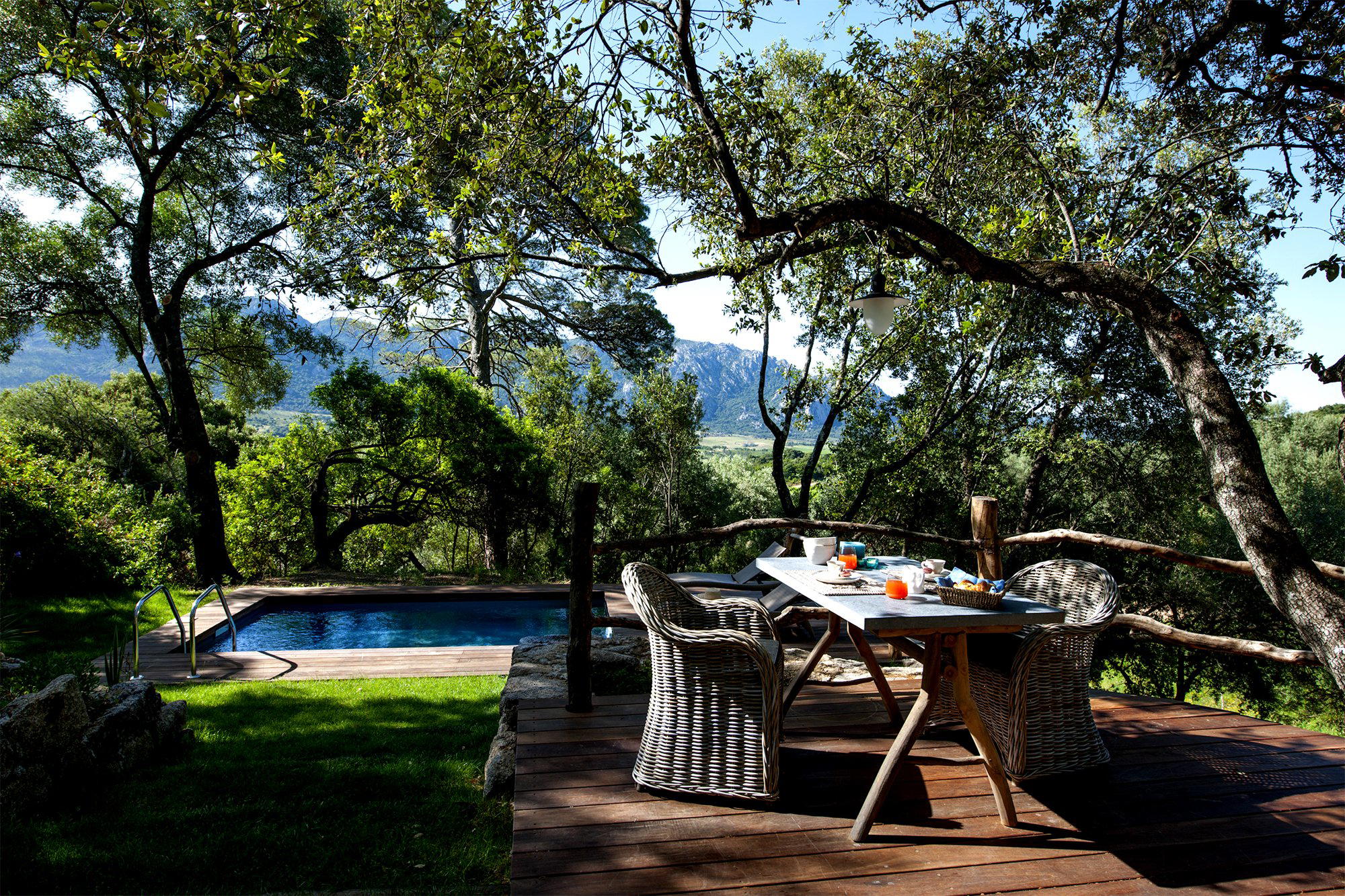
Relaxed beachside terrace with inviting atmosphere for casual dining and meeting friends.
Know Before You Go
- Getting there
- Rte des Sanguinaires, 20000 Ajaccio, France