A Merendella Citadina occupies a corner of Ajaccio's old town at 19 Rue Conventionnel Chiappe, operating within a Corsican dining tradition built on hyperlocal sourcing and island-grown ingredients. The address places it inside a neighbourhood where markets, charcutiers, and seasonal producers set the culinary tempo rather than imported trends. For visitors wanting a grounded read on what the island actually eats, it belongs on the shortlist.
Pearl is the En Primeur Club membership app — saves, bookings, and concierge access live there. Same editors, same standards.
- Address
- 19 Rue Conventionnel Chiappe, 20000 Ajaccio, France
- Phone
- +33699584824
- Website
- amerendellacitadina.com
- Directions
- Get directions
 Saves & bookings on Pearl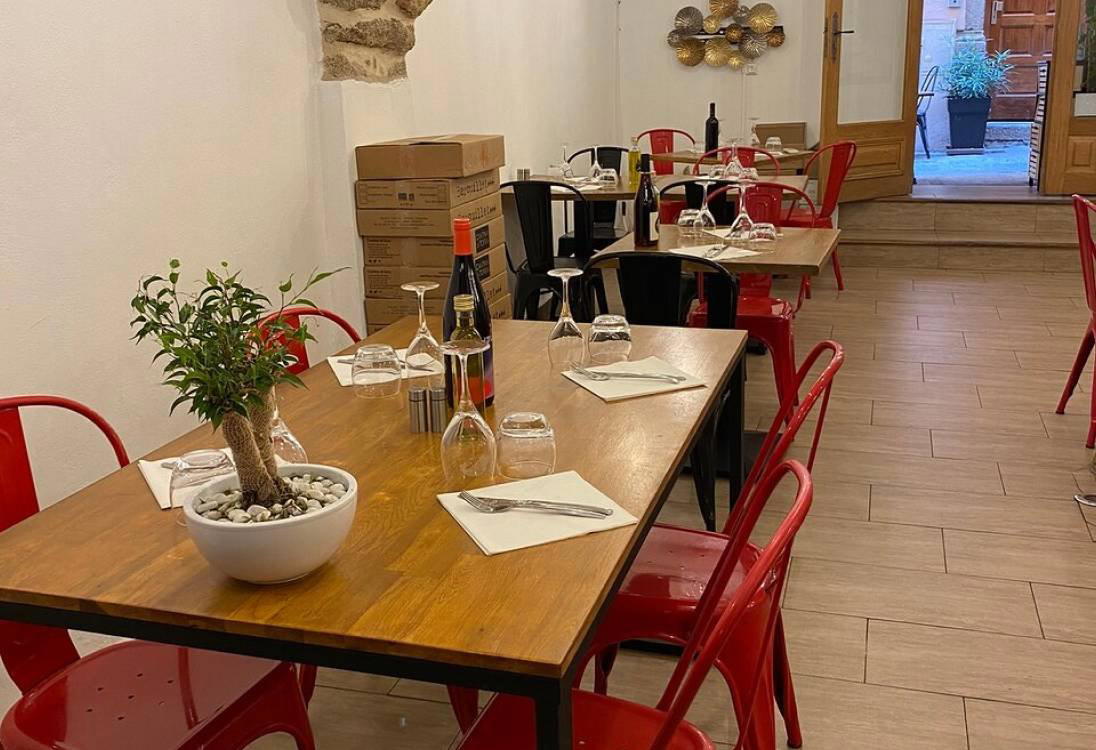
Where Ajaccio Eats Like It Means It
The streets around Rue Conventionnel Chiappe in central Ajaccio run quieter than the seafront promenade, and that quietness is the point. This is the part of the old town where shuttered facades give way to small dining rooms whose clientele is largely local, whose menus shift with the season, and whose cooking references the island's interior as much as its coastline. A Merendella Citadina sits in this neighbourhood, at number 19, in a tradition of Corsican address that the city's more tourist-facing restaurants rarely replicate.
Corsican cuisine is not a single mode. Along the coast, grilled fish and bouillabaisse variants dominate. Move inland, and the register shifts: charcuterie from porcu nustrale pigs raised on chestnut and acorn, brocciu made from the whey of sheep and goat milk, and chestnuts ground into flour that appears in everything from pasta to pastries. Ajaccio, sitting between both worlds, has tables that bridge the two, and the ones worth visiting tend to reflect that geography honestly rather than flattening it into a tourist-legible shorthand.
The Sourcing Logic Behind Corsican Cooking
What distinguishes the more considered end of Ajaccio's restaurant scene is an attachment to island-grown ingredients that operates more as a structural constraint than a marketing position. Corsica maintains its own appellation framework for products including charcuterie, olive oil, wine, and certain cheeses, and the restaurants that take those designations seriously produce a noticeably different plate from those that treat local produce as decoration.
The island's geography enforces a kind of sourcing discipline. Corsica has no land border with the French mainland, and the ferry crossings from Marseille, Nice, and Toulon, while regular, add cost and time to imported goods. That inconvenience historically pushed kitchens toward whatever was available close by. The chestnut forests of the Castagniccia region, the sheep pastures of Niolo, the vineyards of Patrimonio and Ajaccio's own AOC designation, the fig orchards of the Balagne, all of these become culinary resources by default, and by long habit.
That context matters when reading the positioning of a place like A Merendella Citadina. The address in the old town, away from the harbour's more commercial dining strip, is consistent with the pattern seen at other neighbourhood-focused Ajaccio tables: proximity to the daily market on Place du Marché, shorter supply chains, and a clientele that returns weekly rather than once on holiday. Compare this to the slightly more formal register at A Nepita (Farm to table), which has built its reputation explicitly around Corsican farm sourcing at the €€€ price point, or the modern cuisine approach at L'Écrin (Modern Cuisine) in the €€ bracket. A Merendella Citadina's position within this local competitive set is defined by its neighbourhood location and its apparent orientation toward the daily-dining rather than occasion-dining end of the spectrum.
Ajaccio's Dining Scene in Tiers
Ajaccio is not a large city by any European measure, but its restaurant scene has enough internal differentiation to warrant mapping. At the leading sits formal dining with occasion pricing; Grand Café Napoléon occupies the historic end of that bracket. Then comes a mid-tier of Corsican bistros and wine-focused addresses, among them A Cantina Di Ghjulia and Chez Pech. Further down the formality scale are the neighbourhood rooms that operate closer to trattoria logic: plates that change with what arrived that morning, tables that fill early, and no particular interest in impressing anyone who wasn't planning to come back anyway.
French restaurant criticism at the national level has tended to concentrate its attention on the island's more architecturally ambitious kitchens. The kind of ingredient-driven sourcing work that earns recognition at restaurants like Mirazur in Menton or, in a different idiom, Bras in Laguiole, happens at Corsican neighbourhood tables too, just without the same critical infrastructure around it. That gap between quality of sourcing and visibility of recognition is a structural feature of island dining scenes generally, not a failure of individual kitchens.
For context on what considered French regional cooking looks like at its most decorated tier, Troisgros - Le Bois sans Feuilles in Ouches, Auberge de l'Ill in Illhaeusern, and Flocons de Sel in Megève all demonstrate what happens when a regional kitchen commits fully to its terroir over decades. Corsican cooking has that same depth of material to work with; the question is always which tables are making the most of it. On the Mediterranean side of France, AM par Alexandre Mazzia in Marseille has shown how southern French produce can anchor a globally recognised kitchen, a point that speaks to the quality of the regional ingredient base that Corsican kitchens share in part.
What to Expect When You Go
The address at 19 Rue Conventionnel Chiappe is in the old town, walkable from the central Place de Gaulle and the market area. Rue Conventionnel Chiappe is a residential-commercial street rather than a tourist thoroughfare, and the walk from the seafront takes no more than a few minutes. For visitors arriving by ferry at the port of Ajaccio, the old town is the immediate neighbourhood to the north of the terminal.
No booking platform, phone number, or website is confirmed in available data for A Merendella Citadina. Visiting in the shoulder seasons, April to early June or September to October, will find the city less crowded and local tables more accessible than during the July and August peak.
For visitors building a broader Ajaccio itinerary, our full Ajaccio restaurants guide maps the city's dining across price points and neighbourhood contexts. Those extending their French trip to the mainland will find additional reference points at Alléno Paris au Pavillon Ledoyen in Paris, Paul Bocuse - L'Auberge du Pont de Collonges in Collonges-au-Mont-d'Or, Assiette Champenoise in Reims, and Au Crocodile in Strasbourg as benchmarks for French regional cooking at the formal end. For international comparison, Le Bernardin in New York City and Atomix in New York City represent the standard against which ingredient-driven sourcing narratives are measured at the top of the global restaurant tier.
How A Merendella Citadina Ajaccio compares with similar nearby venues.
| Venue | Cuisine | Price |
|---|---|---|
| La Terrasse du Fesch | Modern Cuisine | €€€ |
Continue exploring
More in Ajaccio
Restaurants in Ajaccio
Browse all →
Bars in Ajaccio
Browse all →
Hotels in Ajaccio
Browse all →

At a Glance
- Cozy
- Romantic
- Intimate
- Rustic
- Date Night
- Family
- Casual Hangout
- Group Dining
- Terrace
- Standalone
- Extensive Wine List
- Natural Wine
- Local Sourcing
- Farm To Table
Current opening hours
- Monday
- Closed
- Tuesday
- 7–11 PM
- Wednesday
- 7–11 PM
- Thursday
- 7–11 PM
- Friday
- 7–11 PM
- Saturday
- 7–11 PM
- Sunday
- Closed
Hours can change for holidays and private events. Last verified .
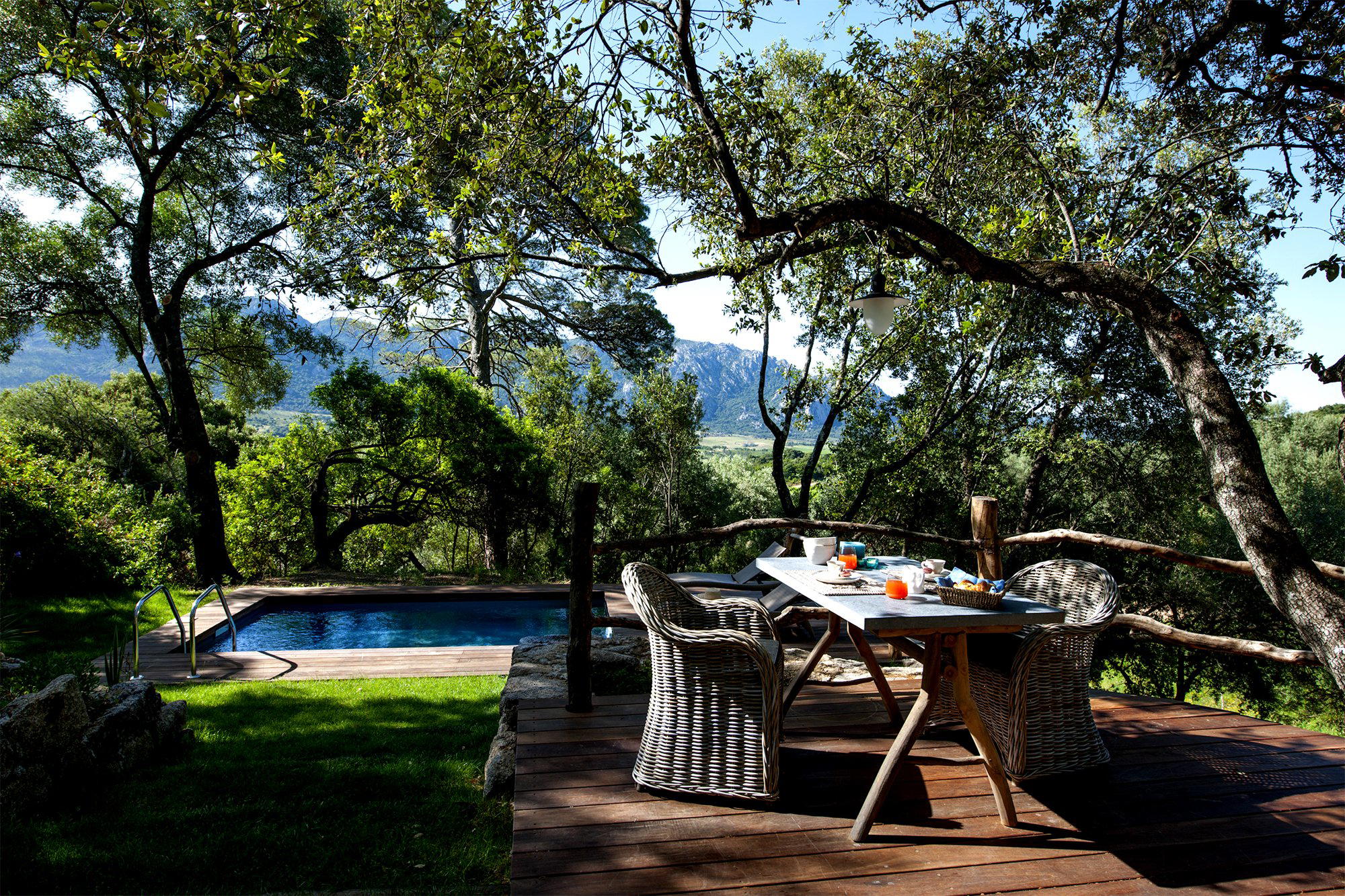
Warm, welcoming, and cozy atmosphere in a vaulted room with a charming terrace tucked in a quiet alley away from the busier streets of Ajaccio.
Know Before You Go
- Getting there
- 19 Rue Conventionnel Chiappe, 20000 Ajaccio, France