On Harris Street in Pyrmont, Gourmandise de Paris sits within a Sydney suburb that has traded its industrial past for a dining scene of genuine ambition. The name signals a French orientation, placing it in a city where European culinary tradition regularly intersects with Australian produce and proximity to some of the country's most compelling local suppliers.
- Address
- 186-188 Harris St, Pyrmont NSW 2009, Australia
 Saves & bookings on Pearl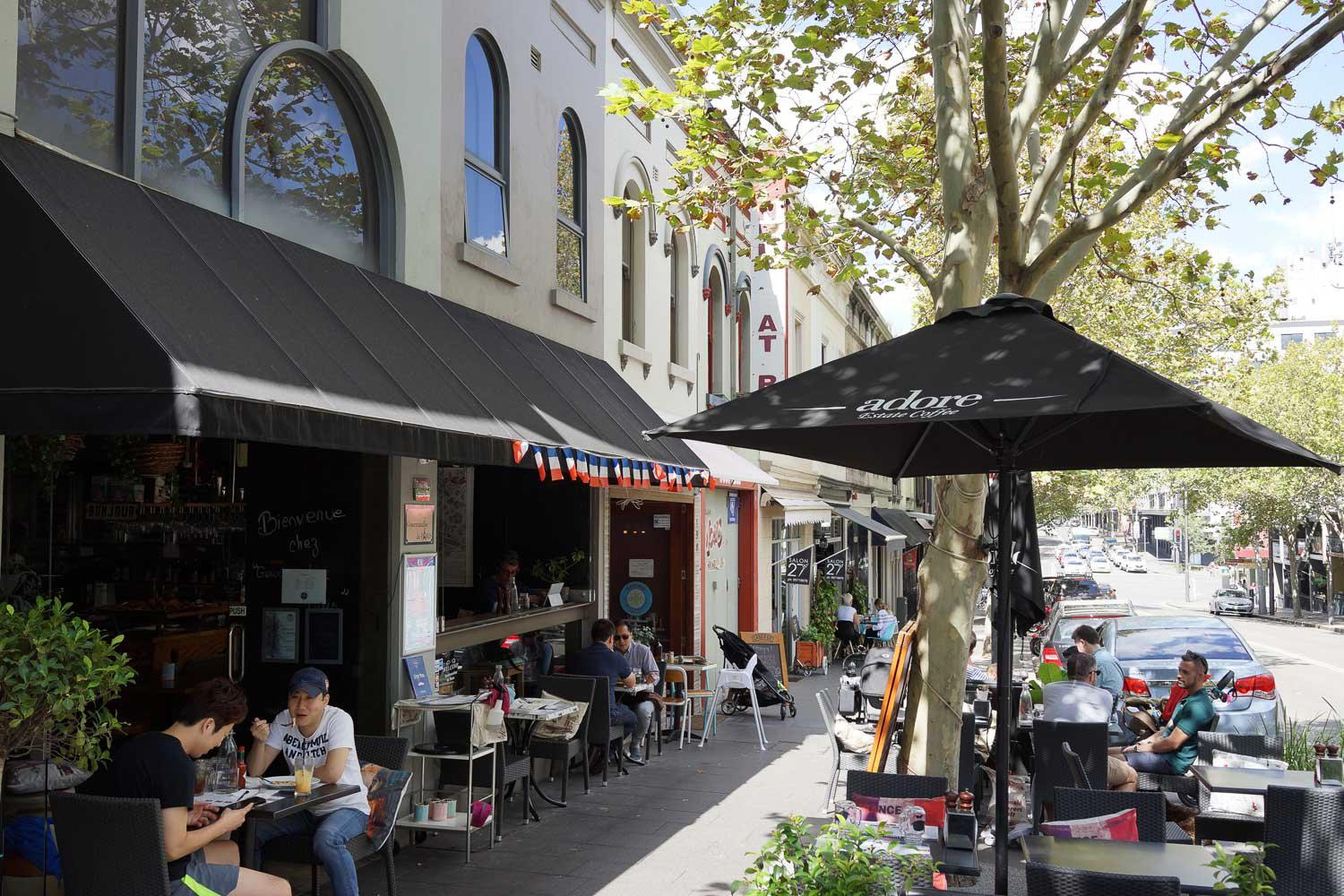
Harris Street, Pyrmont: Where the Suburb's Industrial Past Meets French Culinary Reference
Pyrmont's transformation from a working waterfront into one of Sydney's more concentrated dining precincts has been uneven but sustained. The Harris Street corridor, where Gourmandise de Paris occupies numbers 186 to 188, sits at the interior edge of that shift: away from the harbour-view tables of the waterfront, closer to the neighbourhood's older building stock and the foot traffic that moves between Darling Harbour and Ultimo. That positioning tends to attract venues with a local rather than a tourist orientation, which shapes the atmosphere before you cross the threshold. French-named establishments in Australian cities carry a particular kind of expectation: a European register applied to produce that is anything but European, and the tension between those two reference points is where the more interesting cooking in this category tends to happen.
The Ingredient Logic Behind French-Inflected Cooking in Sydney
Australian fine dining has spent the last two decades working through its relationship with French culinary structure. The generation that included Rockpool in Sydney established that classical European technique and Australian sourcing were not in conflict, and that argument is now settled. What remains contested is how far the French framework can be pushed into the background before the cooking becomes something categorically different. Venues with explicitly French identities in their naming tend to hold that framework more visibly, using it as a lens through which Australian produce is read rather than a replacement for it.
Sydney's geography makes ingredient sourcing an advantage that few other major cities can match. The Hunter Valley sits roughly two hours north, the Southern Highlands two hours south, and the New South Wales coastline provides seafood supply chains that are among the most direct of any metropolitan market in the country. Restaurants working in a French or European register in this city are not compensating for distance from quality raw material; they are, if anything, closer to it than their counterparts in Paris or London. That context matters when reading any venue on Harris Street that frames itself through a French culinary identity.
The broader Australian conversation about sourcing has been shaped by restaurants far from Sydney. Brae in Birregurra built its reputation around the logic of growing and foraging from its own land. Attica in Melbourne has long used indigenous Australian ingredients as a structuring principle rather than a garnish. Botanic in Adelaide applies a garden-to-plate framework within a formal tasting menu context. Each of these approaches reflects a different answer to the same underlying question: what does Australian cooking owe to the land it sits on, and how explicitly should that debt be acknowledged on the plate?
French-named venues in Australia are implicitly answering that question too, even if the answer is less programmatic. Naming a restaurant after a French concept or tradition signals a particular hierarchy of influence, but the supply chains available to a Pyrmont kitchen are Australian regardless of the culinary grammar being applied to them.
Pyrmont's Dining Context and Where This Address Sits
The suburb's dining scene is anchored at its higher end by venues with international recognition. LuMi Bar & Dining operates a tasting menu format with Italian-Japanese intersections that has earned consistent critical attention. Momofuku Seiobo brought a New York-originated concept to the Star precinct and sustained it within the Australian market for years. Both represent the suburb's capacity to hold ambitious, format-driven restaurants alongside more casual neighbourhood operations.
Harris Street sits slightly apart from that Star-adjacent cluster. Venues here tend to draw from the residential catchment of Pyrmont and Ultimo rather than from hotel guests or harbour-side visitors, which generally produces a more regularised customer base and a different kind of pressure on consistency. French bistro and brasserie formats have historically suited that kind of neighbourhood position well: they are format-legible to a wide audience, they accommodate both occasion dining and habitual visits, and they carry a price-to-expectation ratio that allows for repeat custom in a way that tasting-menu formats do not.
For comparison, the approach taken by restaurants like Ormeggio at The Spit in Mosman or Pipit in Pottsville shows how ingredient-led European frameworks can be applied with precision in Sydney-adjacent markets while remaining deeply embedded in local produce networks. Further afield, Provenance in Beechworth and Hentley Farm in Seppeltsfield demonstrate that the European-Australian produce intersection is not limited to major cities. Laura at Pt Leo Estate in Merricks and Wills Domain in Yallingup extend the pattern into wine-country dining. Even internationally, venues like Le Bernardin in New York City and Lazy Bear in San Francisco show how French culinary lineage can be applied with rigour to local sourcing priorities. The point is consistent: French technique and Australian or local ingredients are now a well-tested pairing, and the more interesting question is always the specificity of the sourcing argument being made.
Additional Australian comparisons worth consulting include Salt Water Restaurant in Cairns, Lizard Island Resort, and Aloft in Hobart, each of which illustrates a different geography-to-plate relationship within Australian dining.
Planning a Visit: What to Know Before You Go
Gourmandise de Paris is located at 186 to 188 Harris Street, Pyrmont, a short walk from both the Pyrmont Bay light rail stop and the foot of the Darling Harbour precinct. The Harris Street address places it in a walkable section of the suburb, accessible without a car from central Sydney. Gourmandise de Paris is a casual French creperie cafe at 186-188 Harris St, Pyrmont NSW 2009, Australia, and it is walk-in friendly.
At-a-Glance Comparison
Comparable venues nearby, for context on price, style, and recognition.
| Venue | Cuisine | Price | Awards | Notes |
|---|---|---|---|---|
| Gourmandise de ParisThis venue — the venue you are viewing | French Creperie Cafe | $$ | , | |
| Momofuku Seiobo | Modern Caribbean Fusion Fine Dining | $$$$ | , | Pyrmont |
| LuMi Bar & Dining | Modern Japanese-Italian Fusion | $$$$ | Pyrmont | |
| Peg Leg Tavern | tiki_bar | $$ | , | Pyrmont |
| The Star | sports_bar | $$$ | , | Pyrmont |
| Quarrymans Hotel | beer_bar | $$ | , | Pyrmont |
Continue exploring
More in Pyrmont
Restaurants in Pyrmont
Browse all →
Bars in Pyrmont
Browse all →
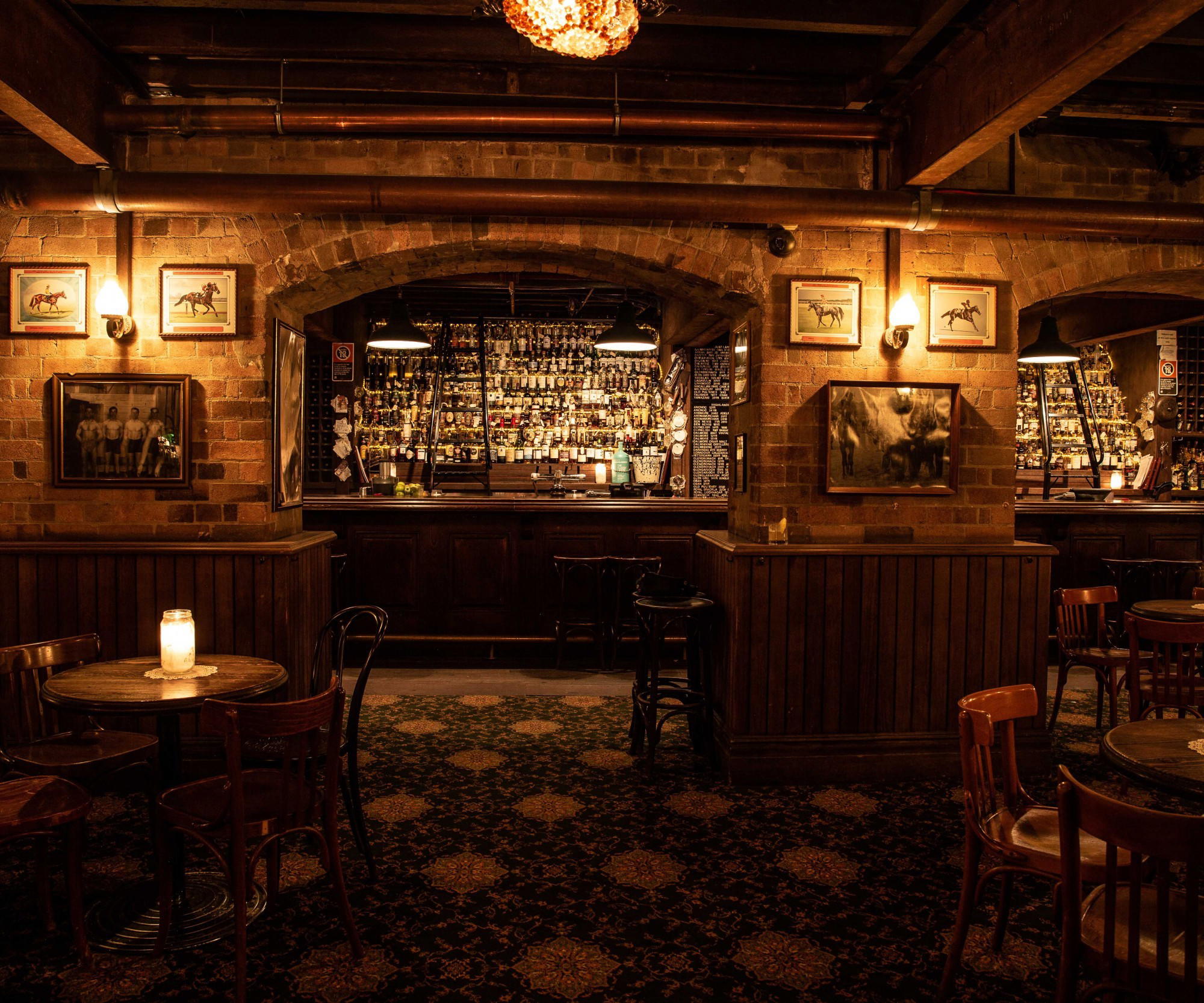
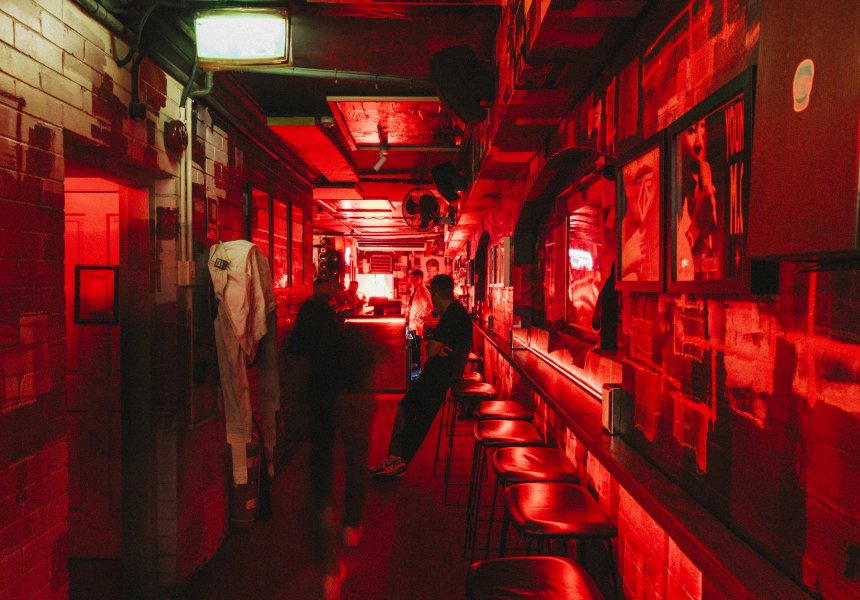
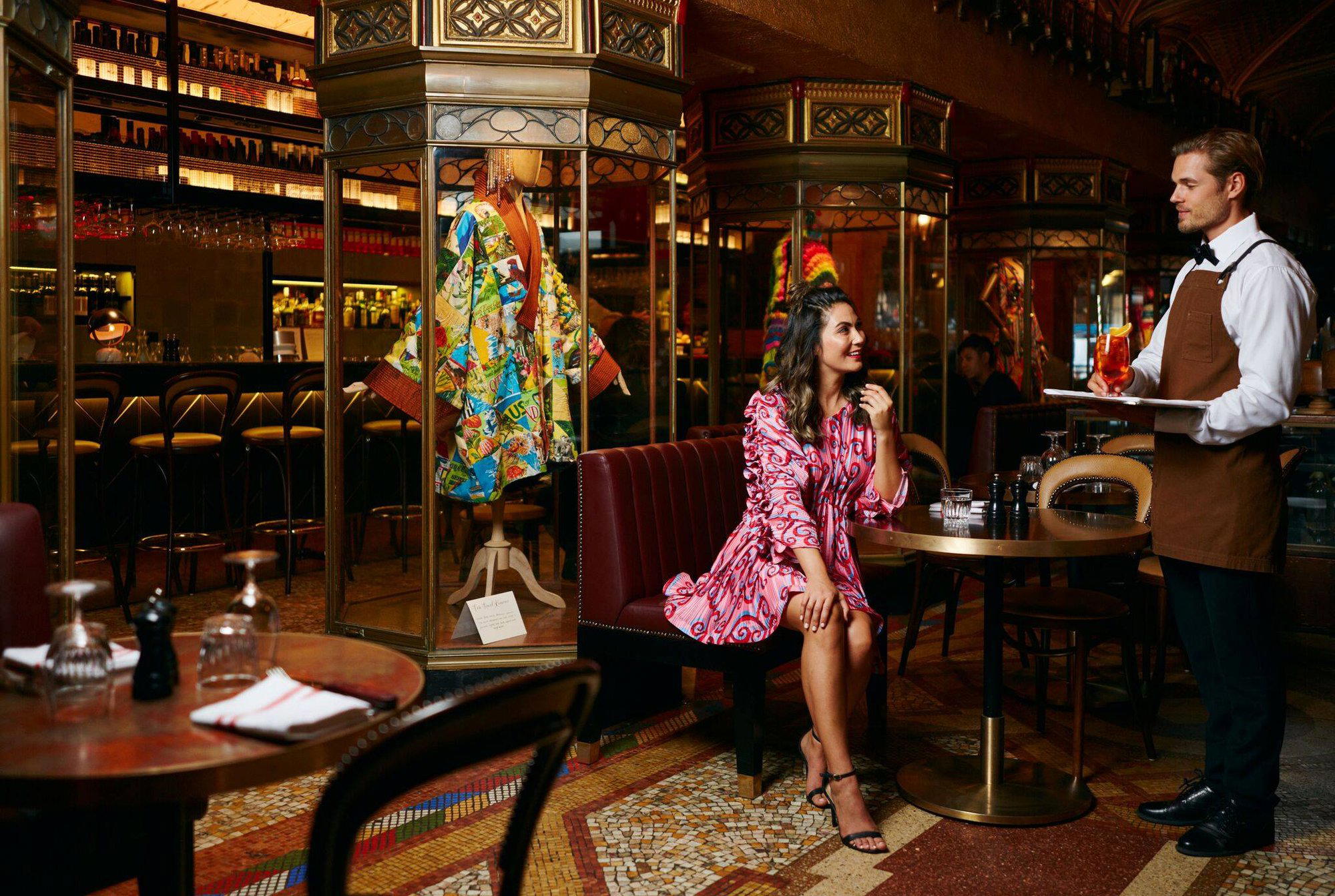
Hotels in Pyrmont
Browse all →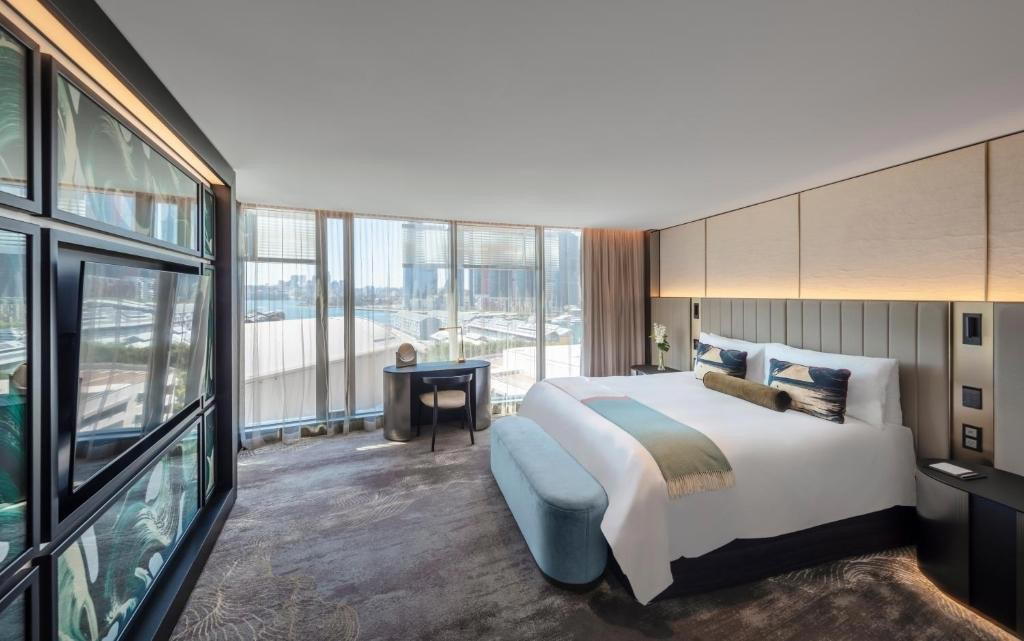

At a Glance
- Cozy
- Intimate
- Casual Hangout
- Brunch
Relaxed and intimate with a taste of Paris ambiance.[3]