GOOFY Cafe & Dine
Our verdict
GOOFY Cafe & Dine occupies a second-floor address on Ala Moana Boulevard, positioning it within one of Honolulu's most transit-heavy dining corridors. The cafe format places it in a mid-tier bracket between Waikiki's resort dining and the neighbourhood spots further inland, making it a practical stop for visitors and locals moving between the beach and the shopping district.

Pearl is the En Primeur Club membership app — saves, bookings, and concierge access live there. Same editors, same standards.
- Address
- 1831 Ala Moana Blvd #201, Honolulu, HI 96815
- Phone
- (808) 943-0077
- Hours
- Daily 7 AM–2 PM, 5–9 PM
- Website
- goofy-honolulu.com
- Directions
- Get directions
- Booking
- Book on OpenTable
The menu
What to order
- Goofy Eggs Benedicts
- Local Bibimbap
- Grilled Mahi Mahi
- Loco Moco
Ala Moana's Mid-Tier Dining Corridor and Where GOOFY Fits
Second-floor restaurant addresses along Ala Moana Boulevard occupy a particular niche in Honolulu's dining economy. refined slightly from street-level foot traffic, they draw a clientele that is making a deliberate choice rather than a spontaneous one, which tends to filter for repeat visitors and neighbourhood regulars over first-time tourists scanning for the nearest open door. GOOFY Cafe & Dine at 1831 Ala Moana Blvd, Suite 201, sits in exactly that position: above the boulevard's commercial noise, within walking distance of the Ala Moana Center and the beach park that gives the strip its name.
The corridor itself tells a story about how Honolulu eats at the midpoint between resort pricing and residential affordability. Waikiki's hotel dining commands premium rates tied to ocean views and brand positioning. For context on how the broader Honolulu scene organises itself across price tiers and cuisines, our full Honolulu restaurants guide maps the neighbourhood-by-neighbourhood breakdown in detail.
The Sourcing Question in Hawaii Dining
Hawaii's geographic isolation has always made ingredient sourcing a defining tension for its restaurants. Importing proteins, produce, and pantry staples across 2,400 miles of open Pacific adds cost and reduces freshness windows in ways that mainland US kitchens rarely contend with. The restaurants that have earned sustained recognition in Honolulu, from the long-running 3660 On the Rise to the harbor-adjacent 53 By The Sea, have generally addressed this tension in one of two directions: leaning into local Hawaii sourcing (Kona abalone, Hamakua mushrooms, North Shore greens) or building menus around imported proteins that justify the freight through premium presentation.
Cafe and dine formats at the mid-tier level face a harder version of that calculus. Menu prices need to stay accessible enough to draw the Ala Moana shopping corridor's lunch trade, but ingredient costs in Hawaii run meaningfully higher than in comparable mainland markets. The result, across the mid-tier segment, is often a menu architecture that mixes local produce highlights with imported staples, using Hawaii-grown items as differentiators rather than base ingredients. That structure is visible across comparable spots in the corridor and reflects an industry-wide response to the island's supply chain realities rather than any single venue's philosophy.
For a sharper contrast, consider how farm-to-table sourcing operates at the opposite end of the formality spectrum in US dining: Blue Hill at Stone Barns in Tarrytown builds its entire tasting menu around the farm directly behind the dining room, eliminating the supply chain problem almost entirely. Single Thread Farm in Healdsburg operates its own farm to control provenance at a granular level. These are high-formality, high-investment models that sit far outside the cafe segment, but they illustrate the endpoint of the sourcing priority that Hawaii's mid-tier kitchens are working toward in a constrained way.
Cafe Format Dining in a Resort-Adjacent Context
The cafe-and-dine format occupies a well-established place in Honolulu's food ecosystem. It typically implies a counter or casual table service, a menu that spans light bites through full plates, and opening hours that bridge the gap between dedicated meal periods. That accessibility is part of the format's logic in a resort corridor: visitors on flexible schedules, locals grabbing a working lunch, and post-beach diners who want a full meal without the formality or wait time of a sit-down dinner reservation all converge on the same space.
Honolulu's cafe segment has grown more competitive as the city's food culture has matured. The influence of Japanese cafe culture, brought over through decades of tourism and the city's large Japanese-heritage population, is visible across the neighbourhood in the form of precise plating at casual price points, a higher-than-mainland emphasis on presentation, and menu crossover between Western cafe staples and Japanese-inflected preparation. Spots like 855-ALOHA and the cultural programming at Ahaaina Luau reflect different expressions of the same multicultural palate that defines Honolulu dining at every price point.
At the higher end of Honolulu's restaurant tier, venues like Fête (New American) demonstrate what the city's dining can reach in terms of sourcing ambition and technique. The cafe format doesn't compete in that bracket, but it serves a different and genuinely useful function: absorbing the city's day-to-day dining demand without requiring reservation lead times or formal dress expectations.
Planning a Visit to GOOFY Cafe & Dine
GOOFY Cafe & Dine is located at 1831 Ala Moana Blvd, Suite 201, Honolulu, Hawaii 96815. The second-floor location means it is accessed via internal stairs or elevator rather than a street-level entrance, which is worth noting for visitors arriving on foot from the beach park side of the boulevard. Ala Moana Center is within comfortable walking distance, making it a logical stop before or after time in the shopping complex. Street parking along Ala Moana Boulevard is limited during peak hours; the Ala Moana Center structure is the most practical alternative for drivers. Because no current reservations data is publicly confirmed, visiting during off-peak hours, mid-morning or mid-afternoon on weekdays, is the lower-risk approach for those who prefer to avoid waits.
Honolulu Dining in a Wider US Context
Honolulu's restaurant scene is often benchmarked against its West Coast peers, particularly Los Angeles and San Francisco, given the Pacific travel connections and shared Pacific Rim culinary influences. Venues like Providence in Los Angeles and Lazy Bear in San Francisco represent the fine-dining ceiling of that West Coast conversation, with sourcing programs and tasting formats that reflect years of investment in producer relationships. Addison in San Diego and Smyth in Chicago show how ingredient-led sourcing narratives translate across different American regions and climates.
Hawaii's mid-tier dining, by contrast, operates with a different set of priorities. The sourcing story matters, but it is filtered through the realities of island logistics, multicultural ingredient traditions, and a visitor economy that values accessibility as much as provenance. That makes the Ala Moana cafe segment a useful read on how Honolulu actually feeds itself day to day, separate from the headline restaurants that drive the city's national recognition. For those building a full Honolulu itinerary across multiple meal occasions, the EP Club Honolulu guide maps the full range from ceremony-level dinners to exactly this kind of neighbourhood-anchored casual stop.
Frequently asked questions
Is eating at GOOFY Cafe & Dine worth the cost?
In the context of Ala Moana corridor dining, the cafe format typically positions at mid-tier pricing relative to Waikiki resort restaurants, which suggests reasonable value for the location. Without award recognition or confirmed pricing on record, the value assessment depends on format fit: for a flexible, accessible meal near the beach and shopping center, the location and format are practical regardless of specific price point.
Is GOOFY Cafe & Dine a good option for visitors staying in Waikiki?
GOOFY Cafe & Dine's address at 1831 Ala Moana Blvd places it at the edge of the Ala Moana district, within a walkable distance for most Waikiki hotel guests willing to extend beyond the immediate resort strip. For visitors looking to step outside the concentrated hotel dining corridor, the Ala Moana area offers a noticeably different mix of local and visitor-facing venues. The cafe-and-dine format also suits the flexible meal timing that Waikiki visitors often prefer, avoiding the fixed reservation structures of Honolulu's more formal dining options.
Recognition Snapshot
Comparable venues nearby, for context on price, style, and recognition.
| Venue | Cuisine | Price | Notes |
|---|---|---|---|
| GOOFY Cafe & DineThis venue — the venue you are viewing | Hawaiian Local Cafe | $20–30 | Not listed |
| House Without A Key | Hawaiian-Inspired Contemporary | $50–100 | Waikiki |
| Nin Nin Curry | Japanese Curry with French Sophistication | $20–30 | Waikiki |
| Monkeypod Kitchen - Waikiki | Hawaii Regional Farm-to-Table | $50–100 | Waikiki |
| Honolulu Coffee | Hawaiian Bakery Cafe | $10–20 | Ala Moana |
| Stix Asian Food Hall | Asian Food Hall | $20–30 | Waikiki |
Details
- Cozy
- Trendy
- Brunch
- Family
- Casual Hangout
- Standalone
- Local Sourcing
- A La Carte
- Vegetarian Friendly
- Vegan Options
- Gluten Free Options
Current opening hours
- Monday
- 7 AM–2 PM, 5–9 PM
- Tuesday
- 7 AM–2 PM, 5–9 PM
- Wednesday
- 7 AM–2 PM, 5–9 PM
- Thursday
- 7 AM–2 PM, 5–9 PM
- Friday
- 7 AM–2 PM, 5–9 PM
- Saturday
- 7 AM–2 PM, 5–9 PM
- Sunday
- 7 AM–2 PM, 5–9 PM
Hours can change for holidays and private events. Last verified .
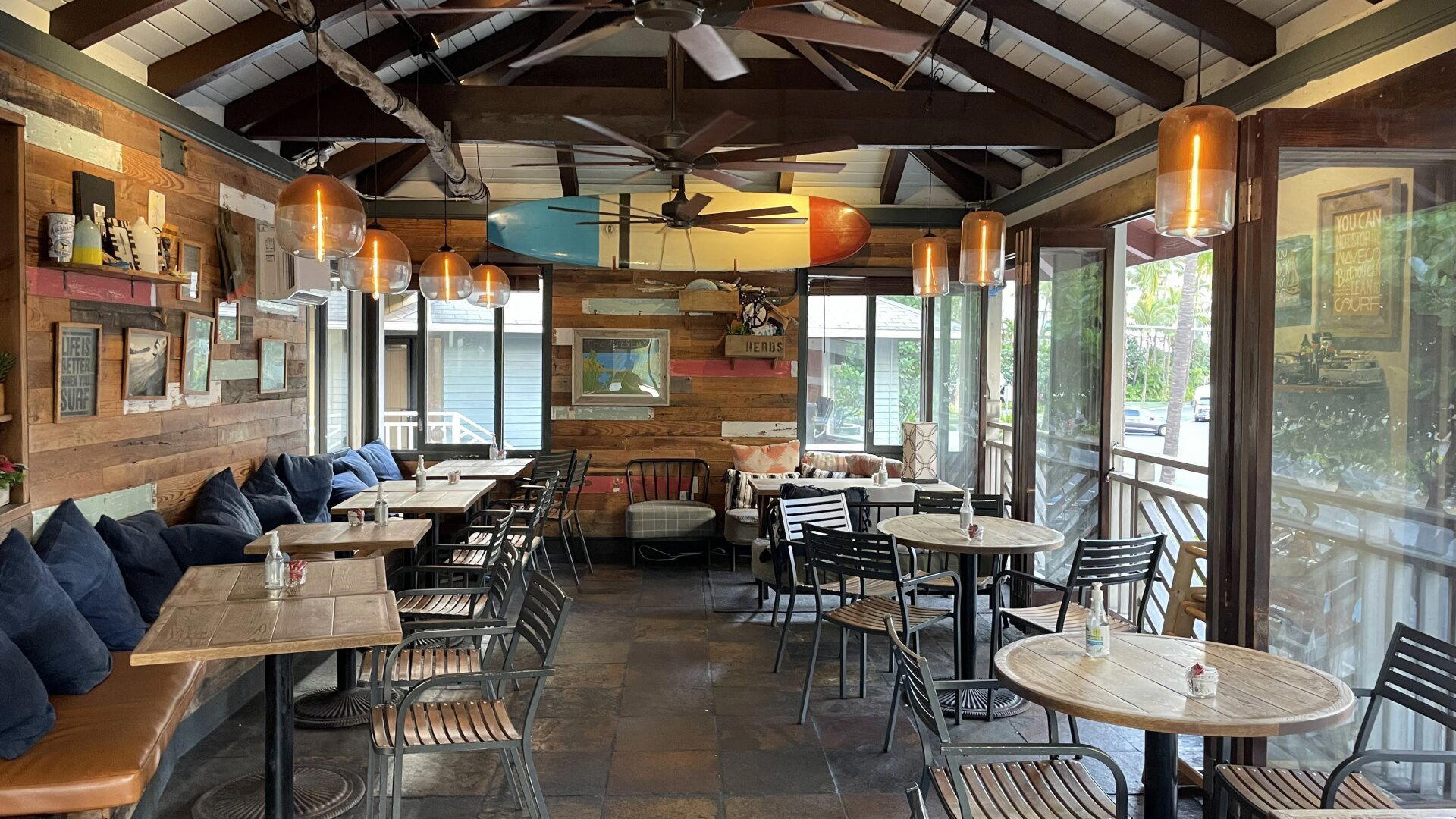
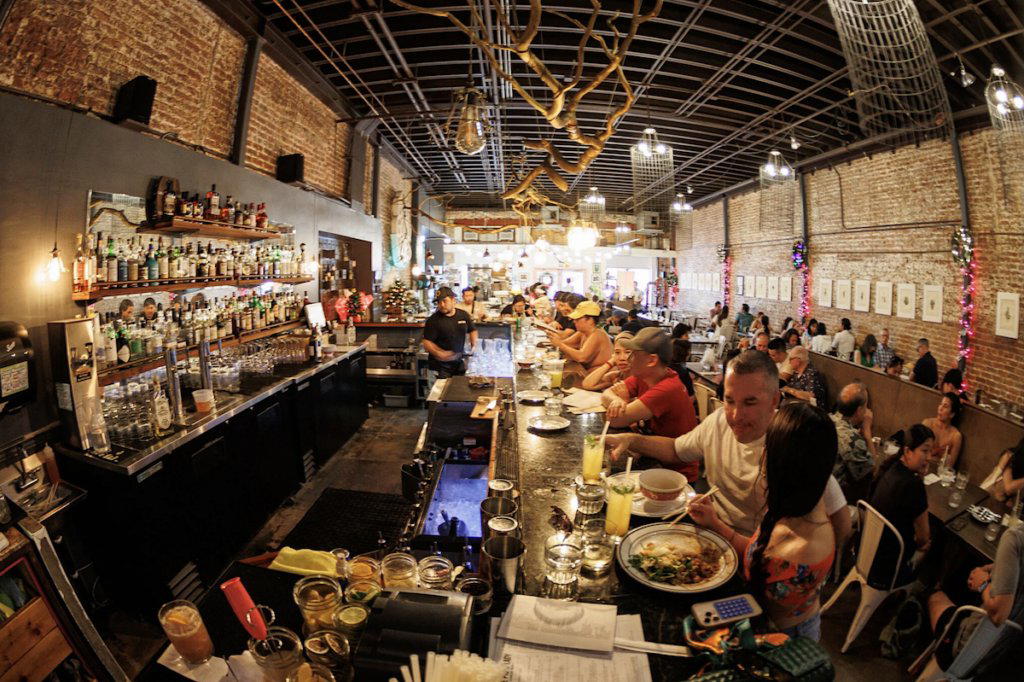
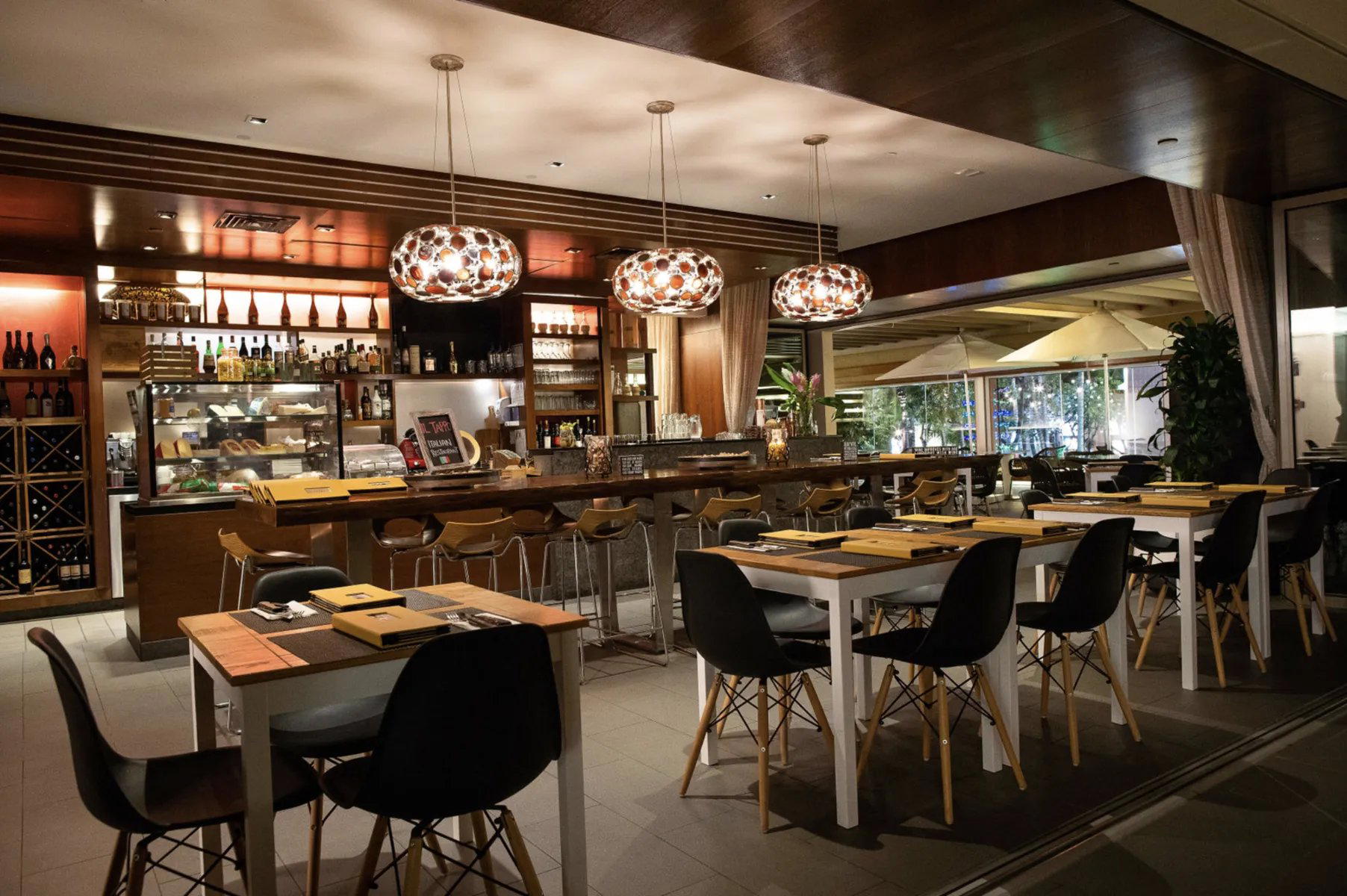
Cozy and casual atmosphere with rustic wooden plating, warm service, and a low-key surfer vibe.