Goodall’s Kitchen
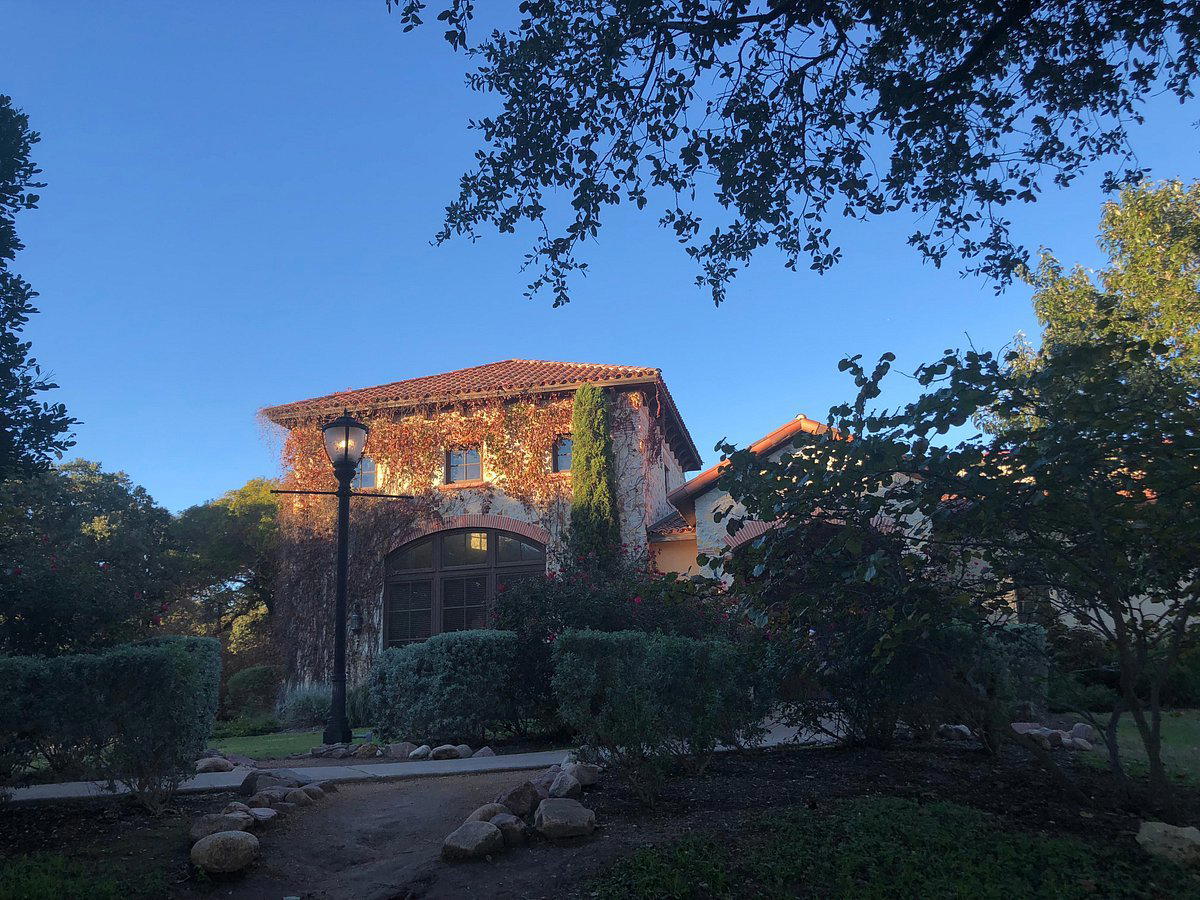
Goodall's Kitchen occupies a historic property at 1900 Rio Grande Street in Austin, a building with deep roots in the city's founding class. Named after Dr. Goodall Wooten, whose family helped establish the University of Texas, the restaurant carries a layer of local history that few Austin dining rooms can claim. It sits in a part of the city where old Austin and the university district converge.
Pearl is the En Primeur Club membership app — saves, bookings, and concierge access live there. Same editors, same standards.
- Address
- 1900 Rio Grande Street
- Phone
- 512-495-1800
- Website
- goodallskitchen.com
- Directions
- Get directions
 Saves & bookings on Pearl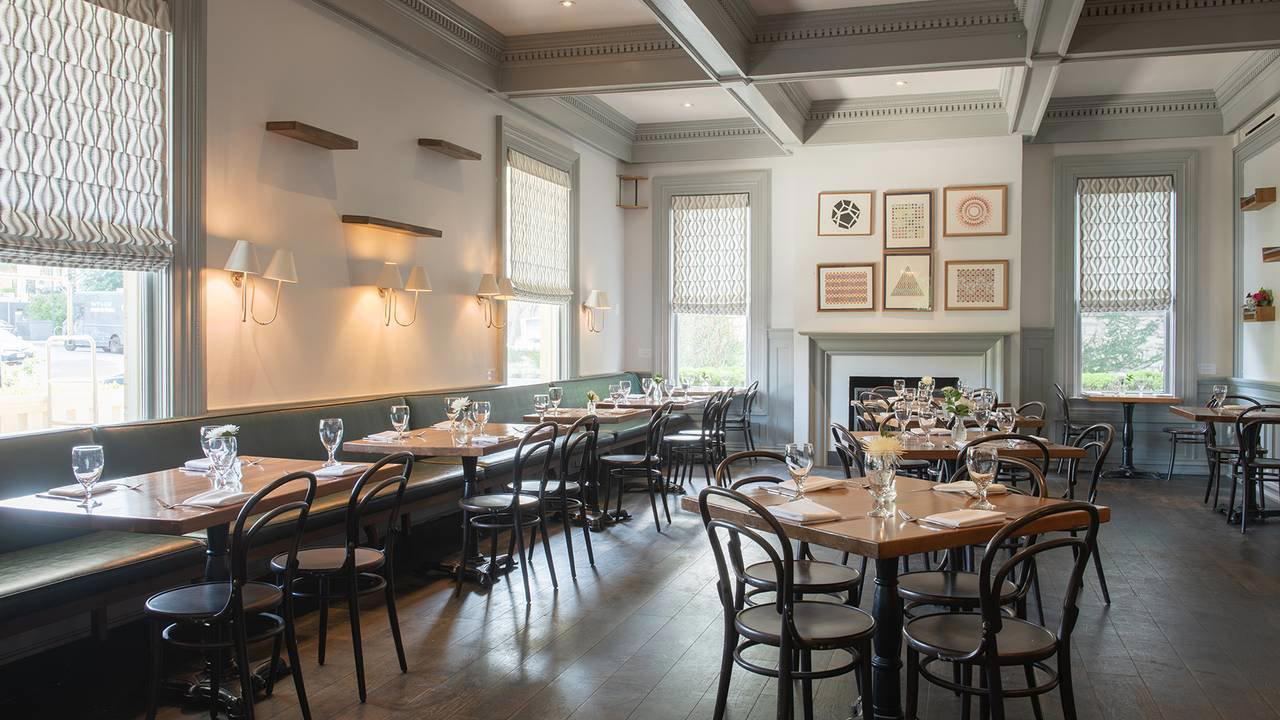
Where Austin's Founding Stories Meet the Table
On Rio Grande Street, a short walk from the University of Texas campus, the building that houses Goodall's Kitchen carries a biography most Austin restaurants cannot approximate. The structure was originally a gift from Dr. Thomas Dudley Wooten, a Confederate veteran and one of the founders of the University of Texas, to his son, Dr. Goodall Wooten, a physician who became part of the city's professional class at a moment when Austin was still defining itself. That lineage shapes the physical experience of the space before a single plate arrives. Dining rooms with documented histories of this kind occupy a different register than purpose-built restaurant interiors, and in Austin, where rapid development has compressed the city's architectural memory, that difference is felt.
The broader Austin dining scene has moved through several distinct phases over the past two decades: the barbecue-led identity that put the city on national food maps, a mid-period expansion into farm-to-table and craft cocktail culture, and a current moment defined by technical ambition and format diversity. Properties like Hestia, with its live-fire program, and Barley Swine, with its contemporary tasting format, represent the high-technical end of that current moment. Goodall's Kitchen occupies a different position in the city's dining ecosystem, one where the historical setting provides a context that no tasting menu or imported technique can manufacture.
The Weight of Rio Grande Street
Austin's university district has long functioned as a transitional zone between the dense commercial core and the older residential neighborhoods to the north and west. Rio Grande Street, in particular, sits at the edge of a stretch that retains some of the domestic architecture of late-nineteenth and early-twentieth century Austin, where houses built for the city's professional class still stand alongside newer construction. The Wooten family home, now the site of Goodall's Kitchen, is one of the more historically documented structures in that corridor.
In American dining history, the conversion of significant private homes into restaurant spaces has produced some of the country's most interesting rooms. The format works well when the building's history is treated as context rather than decoration, when the past is present in the proportions of the space, the thickness of the walls, and the way light moves through rooms designed for domestic life rather than commercial service. That kind of authenticity is difficult to fabricate and impossible to accelerate. For diners who find the homogenized interiors of new-build restaurant groups unsatisfying, spaces with genuine provenance carry a particular appeal.
Austin has fewer of these spaces than cities like New Orleans or Charleston, where preservation culture runs deeper and the built environment is denser with documented history. That relative scarcity makes the Rio Grande Street address more notable within the local context. For a broader sense of what Austin's dining scene offers across formats and neighborhoods, our full Austin restaurants guide maps the city's current range.
Historical Naming and What It Signals
The decision to name a restaurant after a specific historical figure, rather than a street, a concept, or a founder, is an editorial act. It sets an expectation that the venue takes its relationship to place seriously. Goodall Wooten was not a figure of national prominence, but within Austin's founding narrative, the Wooten family occupied a documented position: landowners, physicians, institution-builders at a moment when the University of Texas was being assembled from competing ambitions and modest resources.
That naming choice places Goodall's Kitchen in a category of American restaurants that draw their identity from local rather than national or international reference points. The contrast with Austin's barbecue institutions is instructive: places like la Barbecue and InterStellar BBQ derive their authority from mastery of a regional technique with deep cultural roots. Goodall's Kitchen draws from a different well, the social history of the city rather than its culinary traditions, which positions it for a different kind of guest and a different kind of occasion.
Across American dining, restaurants anchored to historical figures or properties tend to attract guests who are as interested in context as in cuisine. At the high end of this format, think of the estate-rooted approach at Single Thread Farm in Healdsburg or the institutional weight behind The French Laundry in Napa, the setting becomes inseparable from the culinary proposition. Goodall's Kitchen operates at a more accessible register than either of those, but the underlying logic is similar: place matters, and documented place matters more.
Austin's Broader Dining Context
Locating Goodall's Kitchen within Austin's dining geography requires acknowledging the city's range. The capital has developed one of the more diverse restaurant economies in the American South, with strong representation across price points and formats. At the technical end, Craft Omakase represents the city's engagement with Japanese counter dining. For visitors planning across categories, Austin's bar scene, its hotel options, and its broader experiences all extend the picture.
The Rio Grande Street address is walkable from the UT campus and the Drag, the commercial corridor along Guadalupe Street that has served university-adjacent retail and dining for decades. The neighborhood changes character depending on the time of year: during the academic year, it carries the density of a functioning university district; in summer, it quiets considerably. That rhythm affects the dining environment and is worth factoring into visit timing.
Guests drawn to historically situated American restaurants with comparable positioning in their respective cities might find useful comparisons at Emeril's in New Orleans, where the weight of the city's culinary history inflects the dining experience, or at Lazy Bear in San Francisco, which uses a specific cultural register to frame its format. At the international end of historically grounded fine dining, Alain Ducasse at Louis XV in Monte Carlo demonstrates how completely a building's history can become part of the proposition.
Planning a Visit
Goodall's Kitchen is located at 1900 Rio Grande Street, Austin, Texas. The address places it within easy reach of the university district and the city's central neighborhoods. Hours are Mon: 7 AM to 4:30 PM; Tue: 7 AM to 4:30 PM; Wed: 7 AM to 4:30 PM; Thu: 7 AM to 4:30 PM and 5 to 10 PM; Fri: 7 AM to 4:30 PM and 5 to 10 PM; Sat: 7 AM to 4:30 PM and 5 to 10 PM; Sun: 7 AM to 4:30 PM. Reservations are recommended. Visitors planning a broader Austin itinerary will find that the Rio Grande Street location works well as part of an evening that extends into the surrounding neighborhood, which retains more of its pre-boom character than many parts of central Austin.
A Pricing-First Comparison
Comparable venues nearby, for context on price, style, and recognition.
| Venue | Cuisine | Price | Notes |
|---|---|---|---|
| Goodall’s KitchenThis venue — the venue you are viewing | Not listed | $$ | Not listed |
| Citizens All Day | Not listed | $$ | North Austin, Aussie-inspired all-day café and restaurant |
| Bikinis Sports Bar & Grill | Not listed | $$ | Congress Ave District, American Sports Bar Grill |
| Fat Rabbit Social House | South Congress, Polished American Brunch | $$ | Not listed |
| TLC Austin | Not listed | $$ | Bouldin, American Seafood with Texas Influences |
| 24 Diner | Downtown, Polished American Diner | $$ | Not listed |
Continue exploring
More in Austin
Restaurants in Austin
Browse all →
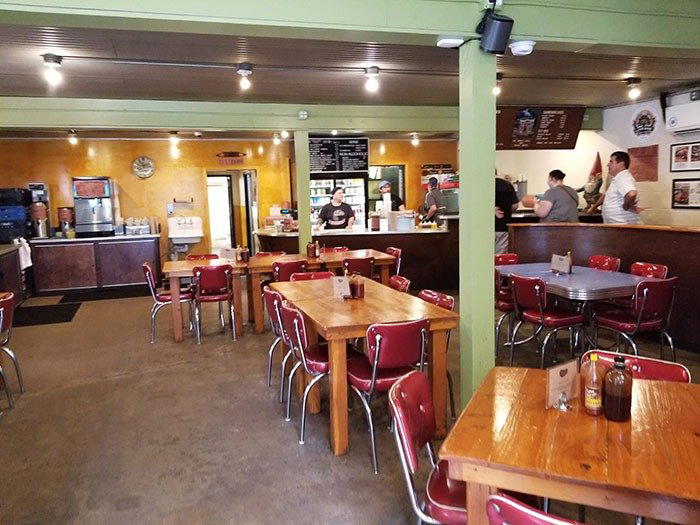
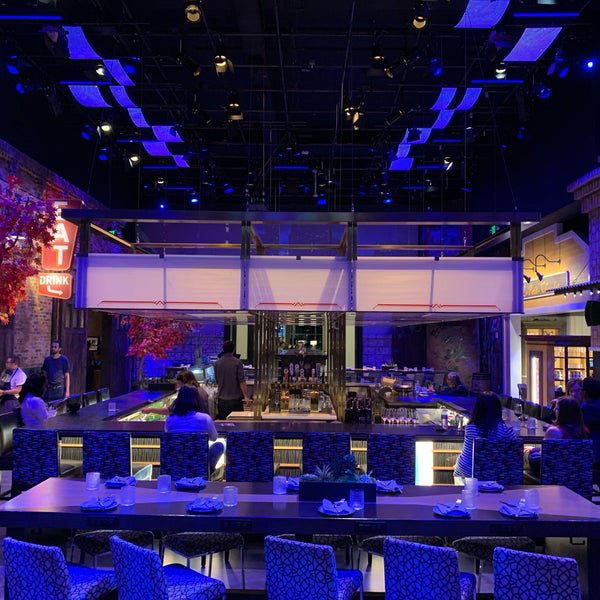
Bars in Austin
Browse all →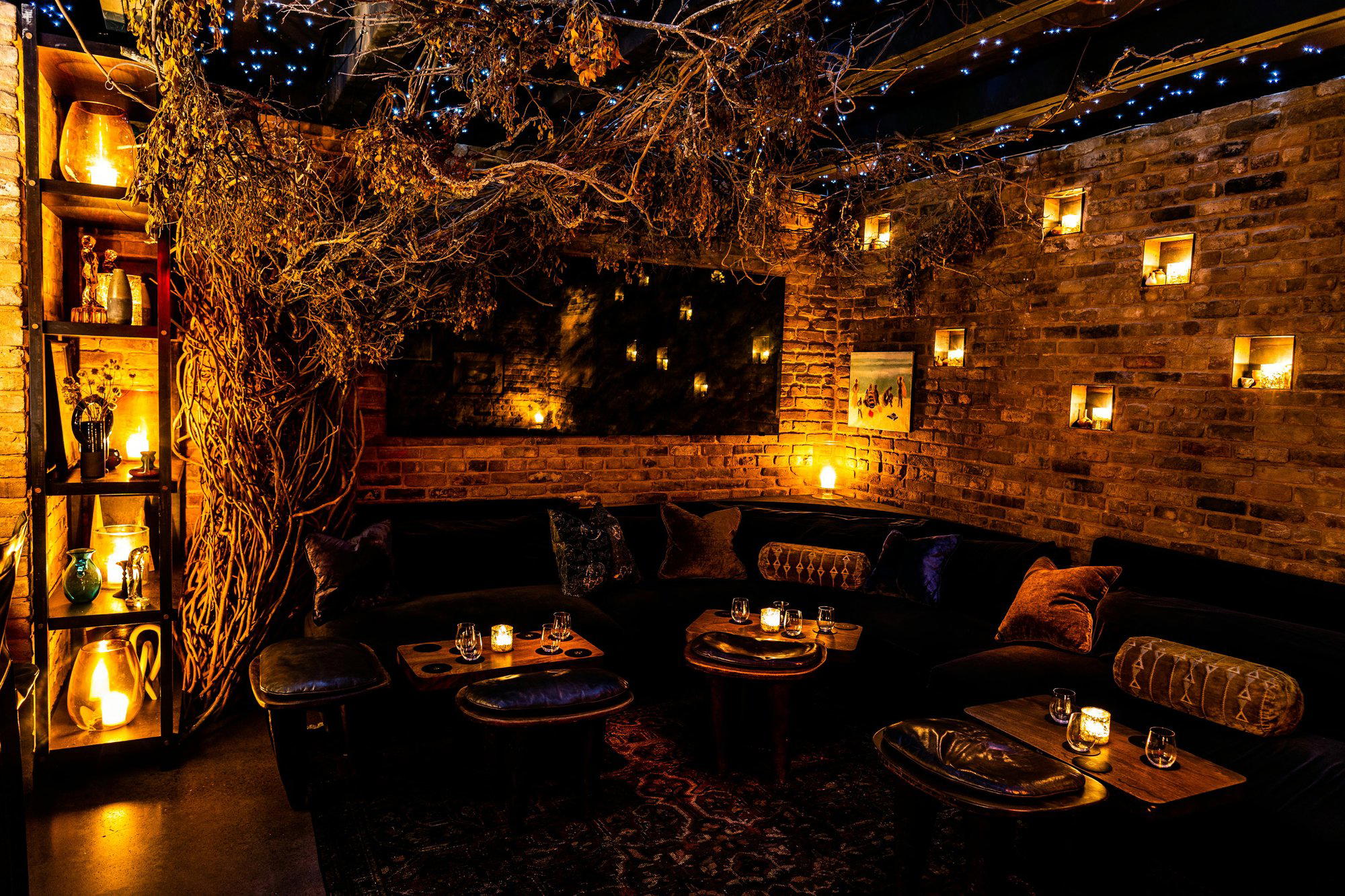
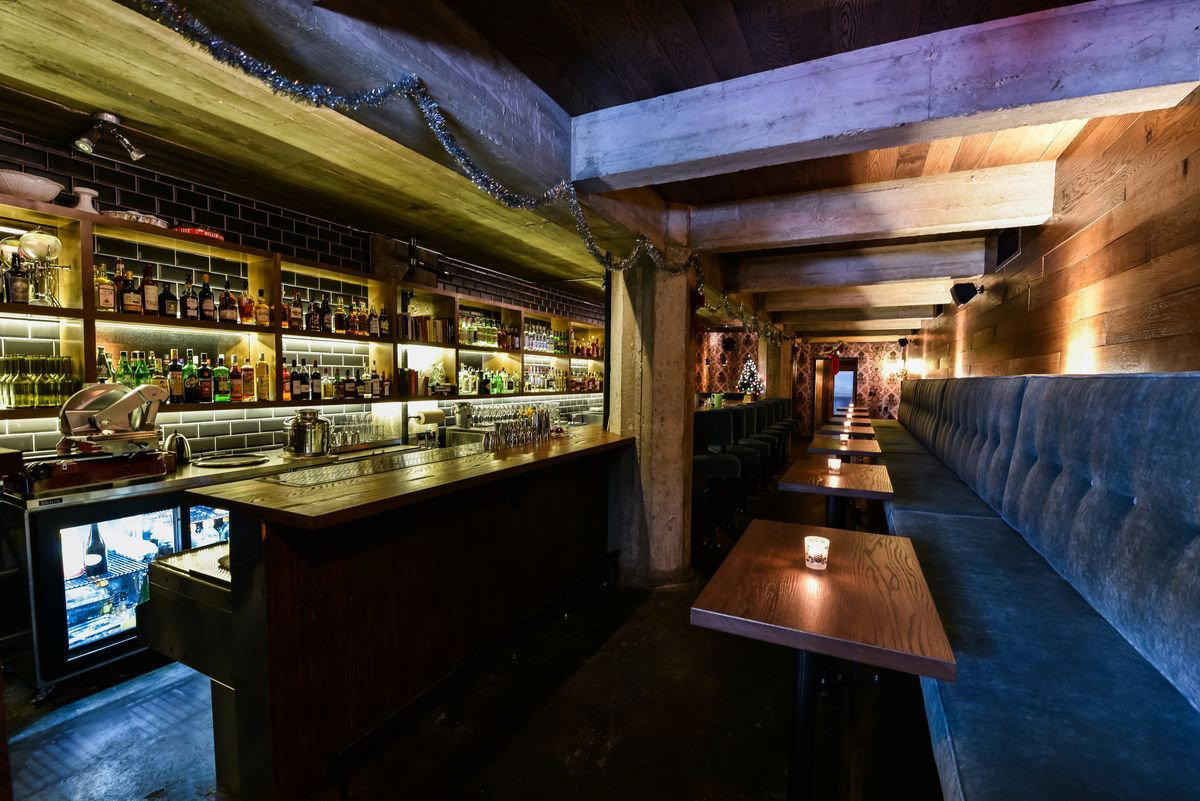
Hotels in Austin
Browse all →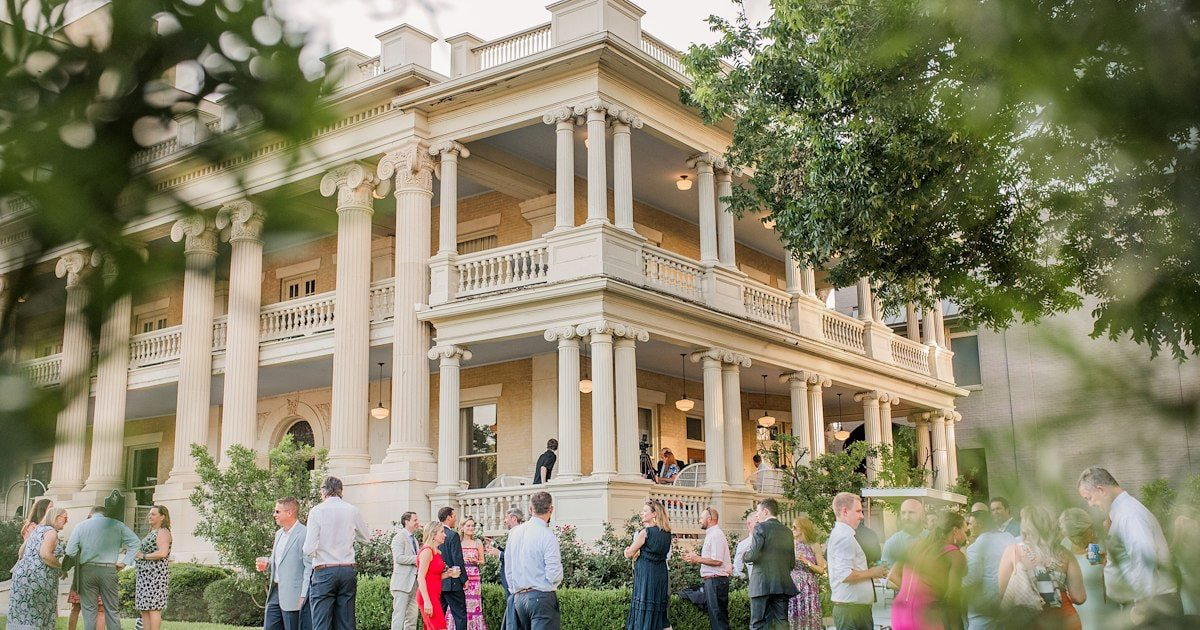
At a Glance
- Cozy
- Elegant
- Rustic
- Modern
- Brunch
- Family
- Business Dinner
- Hotel Restaurant
- Historic Building
- Craft Cocktails
- Farm To Table
- Local Sourcing
Current opening hours
- Monday
- 7 AM–4:30 PM
- Tuesday
- 7 AM–4:30 PM
- Wednesday
- 7 AM–4:30 PM
- Thursday
- 7 AM–4:30 PM, 5–10 PM
- Friday
- 7 AM–4:30 PM, 5–10 PM
- Saturday
- 7 AM–4:30 PM, 5–10 PM
- Sunday
- 7 AM–4:30 PM
Hours can change for holidays and private events. Last verified .
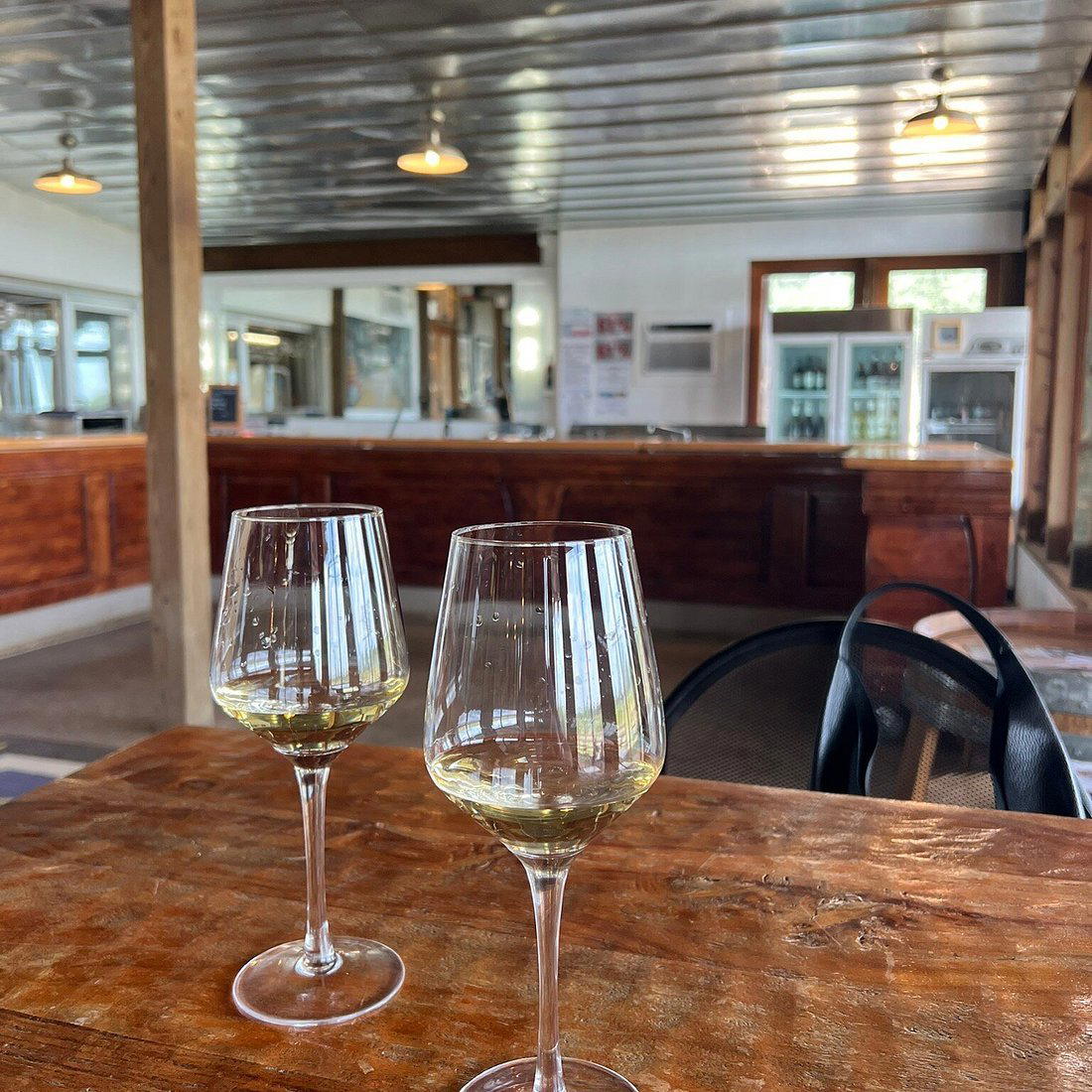
Neutral blues and warm earth tones with soft lighting from large windows, slate blue leather chairs, navy fireplace, and floral accents creating a muted elegant atmosphere.