Crustacean


Wine Spectator Award of Excellence
Our verdict
Crustacean occupies a distinct position in Los Angeles dining, where Vietnamese-French technique meets a commitment to sourcing that goes beyond menu language. Compared to the tightly curated tasting counters of peers like Kato or Hayato, it operates in a broader register while maintaining a clearly articulated identity around heritage cuisine and responsible procurement. A reservation here is less about novelty and more about a specific culinary tradition done with conviction.

Pearl is the En Primeur Club membership app, where members save venues, book tables and use the concierge.

The menu
What to order
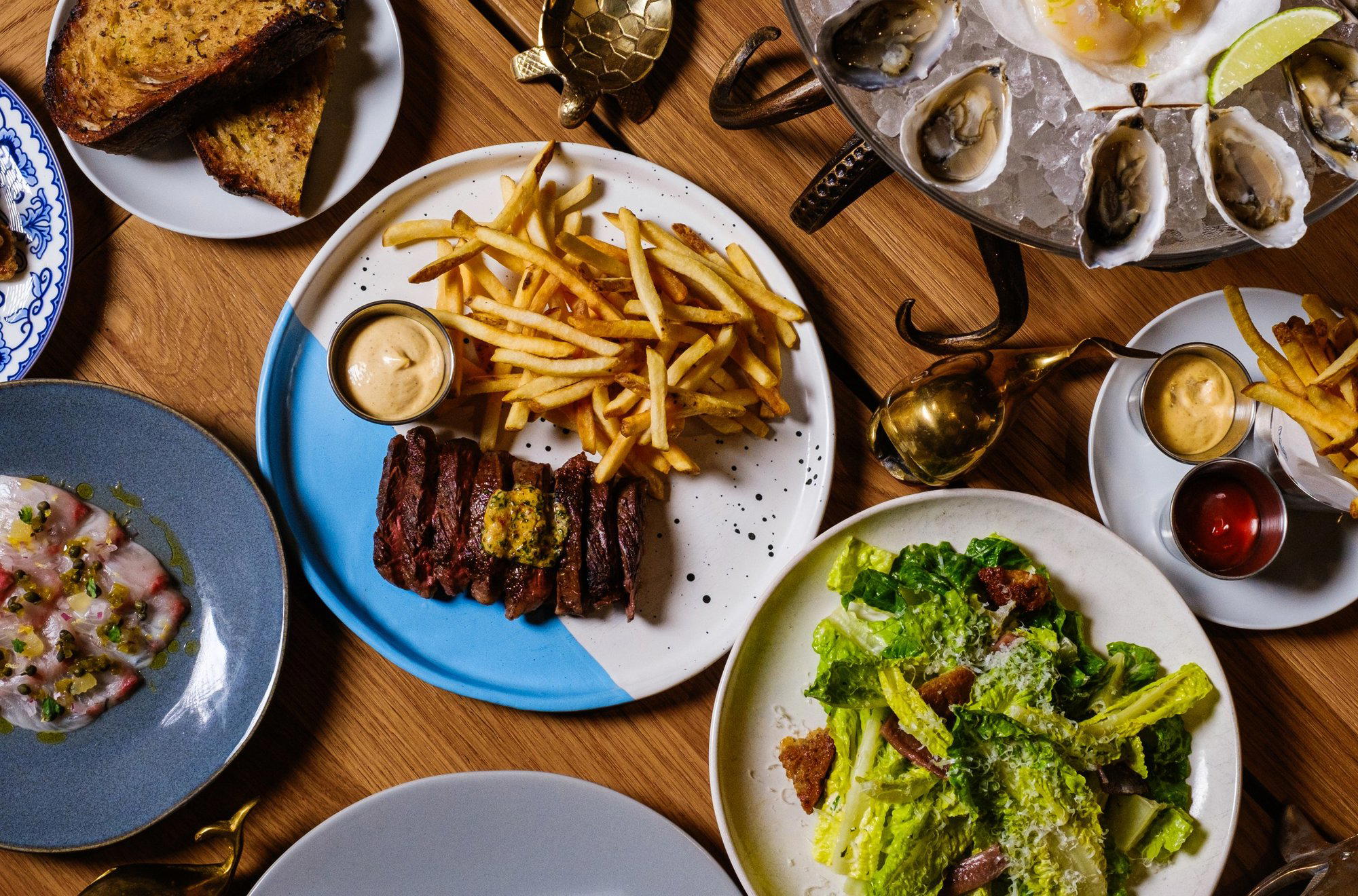
- AN's Famous Garlic Noodles
- AN's Famous Garlic Roasted Dungeness Crab
- Tuna Cigars
- King Crab Banh Khot
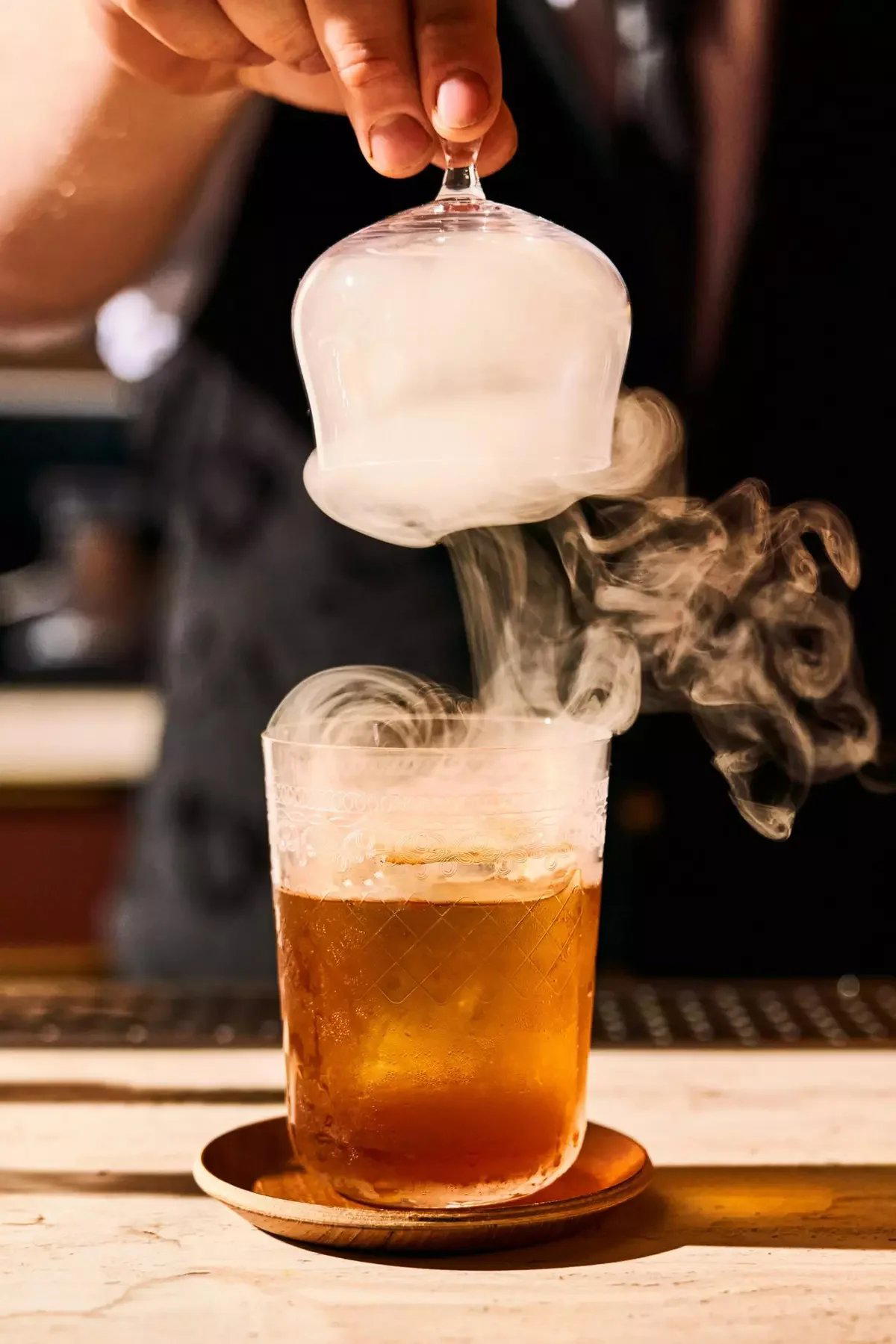
- High Tea Penicillin cocktail
Where Vietnamese-French Dining Meets Sourcing Accountability in Los Angeles
Los Angeles has spent the past decade sorting its fine-dining tier into recognizable camps: the Japanese-inflected counter format exemplified by Hayato, the tightly wound tasting-menu progressivism of Somni, the Euro-leaning anchors like Osteria Mozza. Crustacean belongs to a different category: the multi-generational immigrant restaurant that has outlasted its peers not through reinvention but through a specific, consistent identity built around Vietnamese-French cooking and an insistence on where its proteins come from. That longevity, in a city that cycles through concepts at speed, is itself a form of editorial statement.
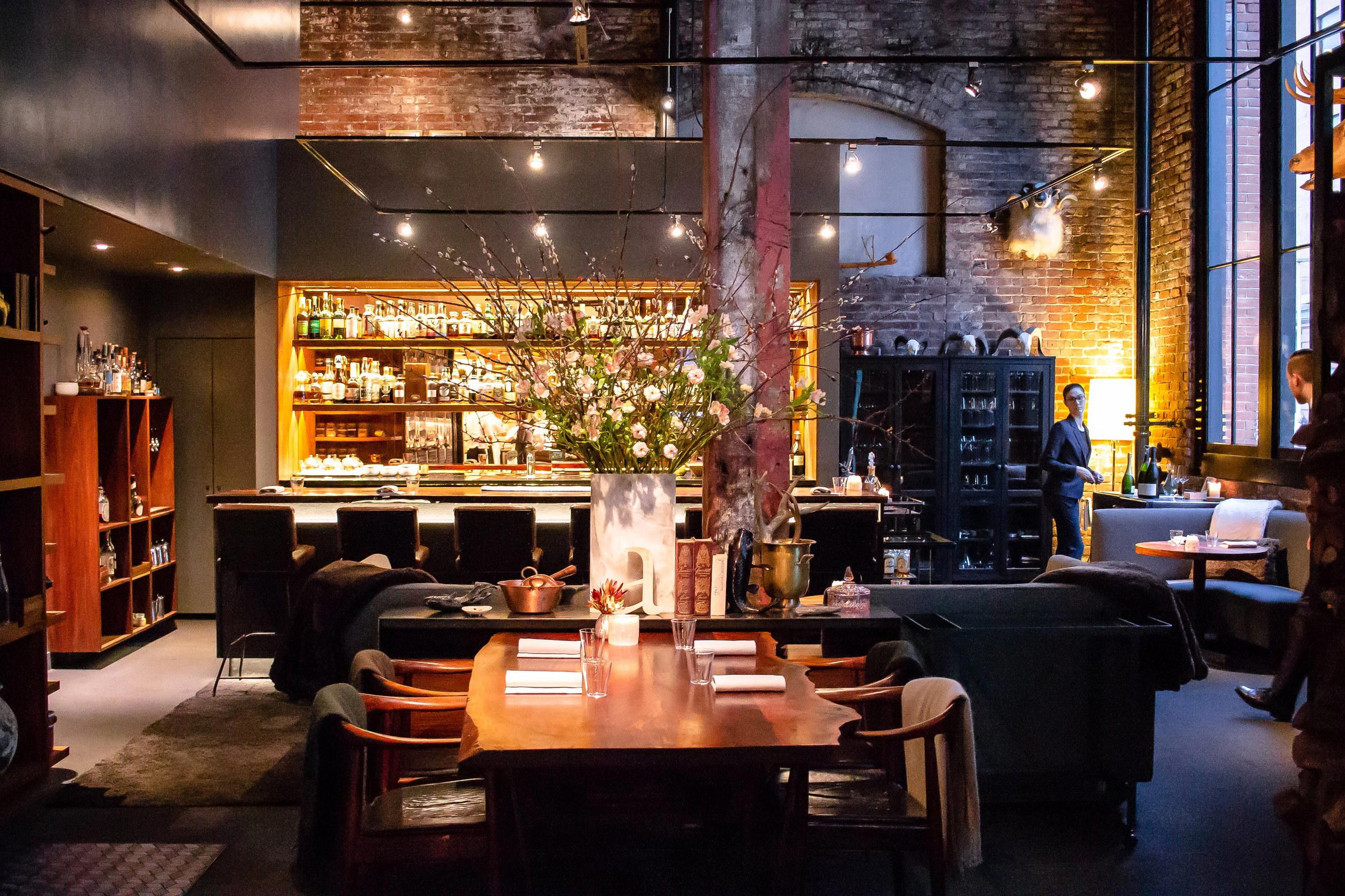
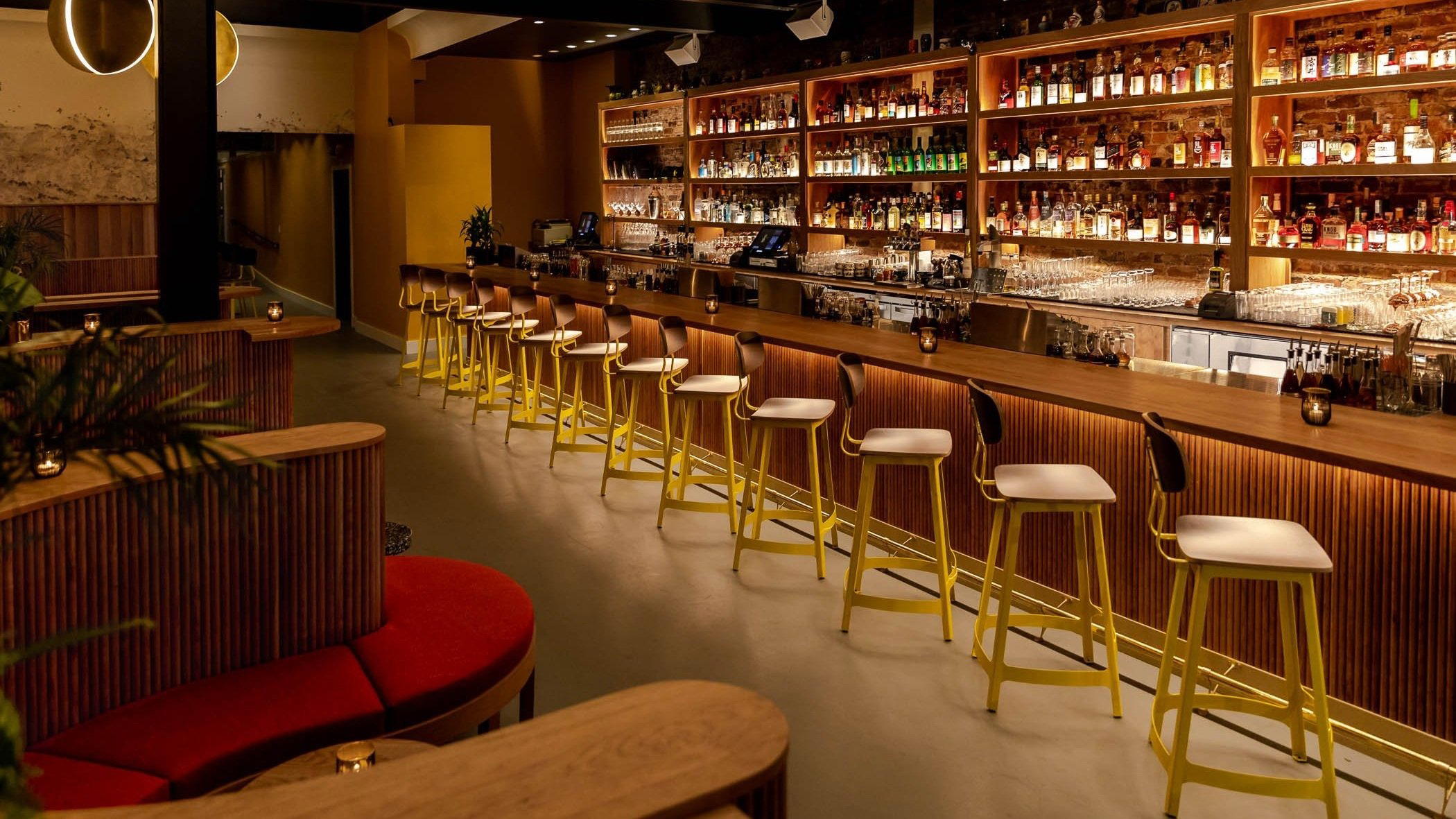
The room signals its intentions before any food arrives. The design centerpiece, an enclosed aquarium walkway running beneath the dining floor, serves a dual purpose that few restaurants manage without affectation: it is visually distinctive and also a working display of the live product that defines the kitchen's sourcing logic. In a city where sustainability claims often live in press materials rather than architecture, Crustacean built its commitment into the physical infrastructure of the space.
The Sourcing Framework Behind the Seafood
Vietnamese-French cuisine, as practiced in the An family tradition from which Crustacean emerged, has always placed live and whole seafood at the centre of the table. What has shifted over time in this restaurant's specific context is the degree to which sourcing integrity has become a structural part of the offer rather than a background assumption. The signature dungeness crab and roasted lobster preparations that anchor the menu arrive from suppliers operating under traceability frameworks increasingly demanded by California's coastal dining culture. This is the direction California seafood restaurants have been moving since the early 2010s, when sourcing certifications began appearing on menus alongside dish descriptions. Crustacean sits toward the committed end of that spectrum within the city's Vietnamese-influenced dining.
Le Bernardin in New York City represents the French technical apex of the category. Providence, also in Los Angeles, applies the Michelin-starred marine biology approach to California coastal product. Crustacean occupies a third position: neither French classical nor exclusively local-species focused, but Vietnamese-rooted with French technique, where whole-animal and live-product cooking disciplines naturally reduce waste at the prep stage.
Technique as a Waste-Reduction Argument
Whole-crustacean cookery is, by definition, a low-waste format. The shells and carapaces that in lesser kitchens become bin material are, in Vietnamese and French traditions alike, the raw material for the stocks, bisques, and sauces that define the dish. This is not a modern sustainability intervention, it is a centuries-old culinary logic that happens to align well with contemporary sourcing ethics. Restaurants that built their identities around this logic before sustainability became a marketing category have a more credible claim to it than those who retrofitted the language onto existing practices.
Crustacean's position in this argument is reinforced by the cooking style itself. The garlic noodle dish, among the most discussed items on the menu, uses a closed-recipe preparation that has been part of the An family's repertoire for decades. Recipes of that age and specificity tend to reflect an economy of ingredients that aligns with what the current dining culture calls sustainable practice: concentrated flavour from minimal input, nothing expended without purpose.
Where Crustacean Sits in the Los Angeles Fine-Dining Tier
Among the $$$$ tier restaurants operating in Los Angeles, Crustacean's competitive set is instructive. Kato operates as a ten-seat counter pushing New Taiwanese cuisine through a progressive tasting format. Hayato runs kaiseki at a similar counter scale. These are reservation-scarce, format-strict operations. Crustacean runs in a different register: a larger dining room, a broader menu, and a format that accommodates groups and celebratory dining in a way that a ten-seat counter cannot. This does not place it below those venues in quality terms; it places it in a different functional category serving different reader decisions.
For diners building a Los Angeles itinerary around varied dining formats, the combination of a counter experience at Hayato, a tasting progression at Somni, and a table at Crustacean covers three meaningfully distinct registers.
Comparing the Planning Logistics
| Venue | Format | Price Tier | Booking Lead Time | Group-Friendly |
|---|---|---|---|---|
| Crustacean | À la carte / sharing | $$$$ | Moderate | Yes |
| Kato | Tasting counter | $$$$ | High (weeks-months) | Limited |
| Hayato | Kaiseki counter | $$$$ | High (weeks-months) | No |
| Providence | Tasting menu / à la carte | $$$$ | Moderate-High | Partial |
Readers planning trips that extend beyond Los Angeles should note that the An family's Vietnamese-French approach has parallels in a small number of US cities. For broader reference points across the national fine-dining seafood tier, Emeril's in New Orleans and Lazy Bear in San Francisco represent different but useful comparisons in terms of format and heritage-driven programming. At the precise technical end of the spectrum, The French Laundry in Napa and Single Thread Farm in Healdsburg anchor the California farm-to-table sourcing argument most explicitly. For tasting-format progressivism at the international level, Atomix in New York City and Alinea in Chicago define the outer edge of that category, with 8½ Otto e Mezzo Bombana in Hong Kong providing an international luxury-dining reference point for context.
Planning Your Visit
Beverly Hills, where Crustacean operates, concentrates a particular tier of LA dining that skews toward celebratory occasions and international visitors. Hotel options in that corridor range from the standard international-brand cluster to smaller design properties; covers both categories. For those building a wider evening around the visit, the bar and cocktail options in the Beverly Hills and West Hollywood corridor are covered in. Wine and producer research for, and curated cultural and experiential programming in our Los Angeles experiences guide.
Frequently asked questions
What's Crustacean's location?
Crustacean is located at 195 Pine St, San Francisco, CA 94111, Los Angeles.
How does Crustacean's secret kitchen concept work, and why does it matter?
Crustacean operates a kitchen-within-a-kitchen reserved exclusively for An family members, where the garlic noodle recipe and select other preparations are made. This structure is not a marketing device but a documented culinary practice that has remained in place across the restaurant's history in Los Angeles. It positions Crustacean differently from the chef-driven counter format that defines much of LA's current Vietnamese-French fine-dining conversation.
What's the must-try dish at Crustacean?
The roasted Dungeness crab and the garlic noodles are the two preparations most consistently tied to the An family's restaurant. The noodle recipe is prepared in a kitchen-within-a-kitchen that only family members access, which is a documented part of how Crustacean has maintained its proprietary identity in Los Angeles fine dining for decades.
What's the best way to book Crustacean?
Crustacean takes reservations through standard booking channels rather than the restricted allocation systems used by counters like Kato or n/naka. For Beverly Hills dining at the $$$$ tier, reservations for weekend evenings and celebratory occasions should be secured well in advance, particularly for larger parties.
What makes Crustacean worth seeking out?
The Vietnamese-French approach to live seafood cookery that Crustacean represents predates the current wave of Asian-American fine dining in Los Angeles by at least a generation. That longevity in the Beverly Hills fine-dining tier is itself a credential: very few restaurants practicing this specific culinary tradition operate at comparable scale or consistency in the city.
Do they accommodate allergies at Crustacean?
Seafood-centric menus of this type require direct communication about allergies before arrival. Shellfish allergies are particularly relevant here, given that crustacean preparations are central to the menu format. Check the venue's official channels when booking to confirm what substitutions or adjustments are available.
The Short List
Comparable venues nearby, for context on price, style, and recognition.
| Venue | Cuisine | Price | Awards | Notes |
|---|---|---|---|---|
| CrustaceanThis venue (the venue you are viewing) | Vietnamese Fusion Seafood Fine Dining | Not listed | Wine Spectator Award of Excellence | Not listed |
| Sai's Vietnamese Restaurant | Authentic Vietnamese Noodle Soups & Banh Mi | $20–30 | Not listed | Chinatown, Authentic Vietnamese Noodle Soups & Banh Mi |
| Tuyet MAI | Authentic Vietnamese from Hue | $20–30 | Not listed | Tenderloin, Authentic Vietnamese from Hue |
| Aquitaine Wine Bistro | Southwest French Bistro | $50–100 | Not listed | Downtown, Southwest French Bistro |
| Turntable at Lord Stanley | Rotating Chef Tasting Menus | Not listed | Not listed | Russian Hill, Rotating Chef Tasting Menus |
| Presidio Social Club | California Comfort Cuisine | $30–50 | Not listed | Presidio, California Comfort Cuisine |
Recognition history
Dated appearances from independent guides and award organizations, with the underlying list record or original source where available.
Wine Spectator Award of Excellence
Wine Spectator
Opinionated About Dining Casual in North America Ranked #228
Opinionated About Dining
Full recognition history (3 entries)
Opinionated About Dining Casual in North America Recommended
Opinionated About Dining
Continue exploring
More in San Francisco
Restaurants in San Francisco
All restaurants in San Francisco →
Bars in San Francisco
All bars in San Francisco →




Crustacean
The wine
Crustacean holds the Wine Spectator Award of Excellence, which Wine Spectator gives to lists of usually 90 or more selections.
- Wine Spectator
- Wine Spectator Award of Excellence
- Craft cocktails
- Beer program
Details
- Elegant
- Sophisticated
- Whimsical
- Well Known
- Business Dinner
- Group Dining
- Celebration
- Special Occasion
- Private Event
- Historic Building
- Design Destination
- Private Dining
- Standalone
- Craft Cocktails
- Beer Program
- A La Carte
- Cocktails
- Wine
Current opening hours
- Monday
- Closed
- Tuesday
- 11:30 AM–2:30 PM, 5–8:45 PM
- Wednesday
- 11:30 AM–2:30 PM, 5–8:45 PM
- Thursday
- 11:30 AM–2:30 PM, 5–8:45 PM
- Friday
- 5–9:30 PM
- Saturday
- 5–9:30 PM
- Sunday
- 5–8:45 PM
Hours can change for holidays and private events. Hours as of .
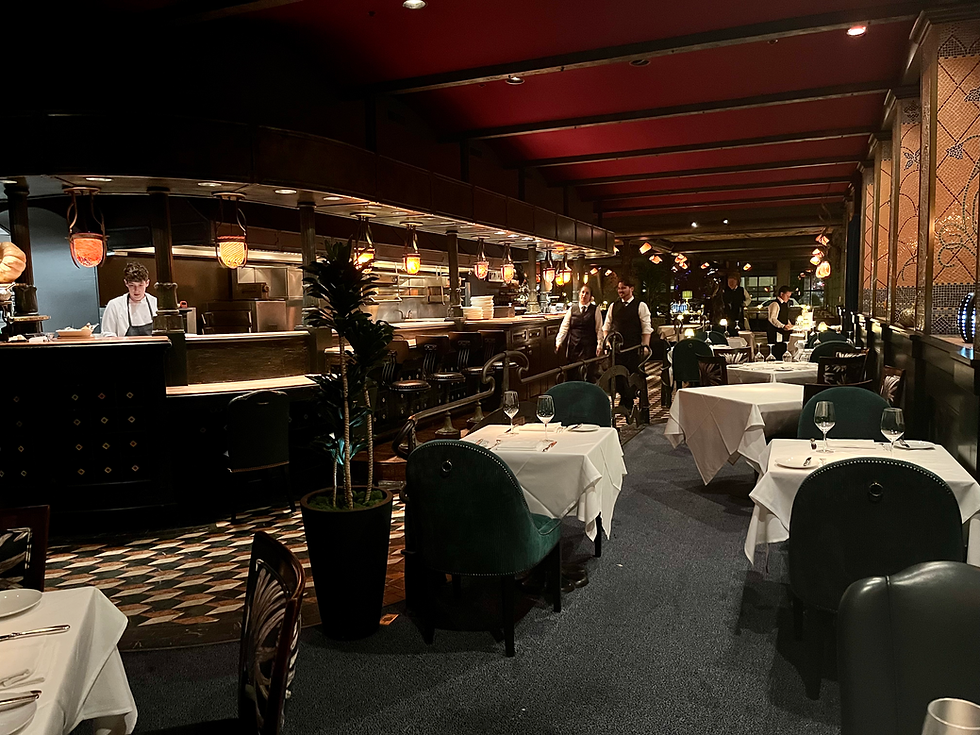
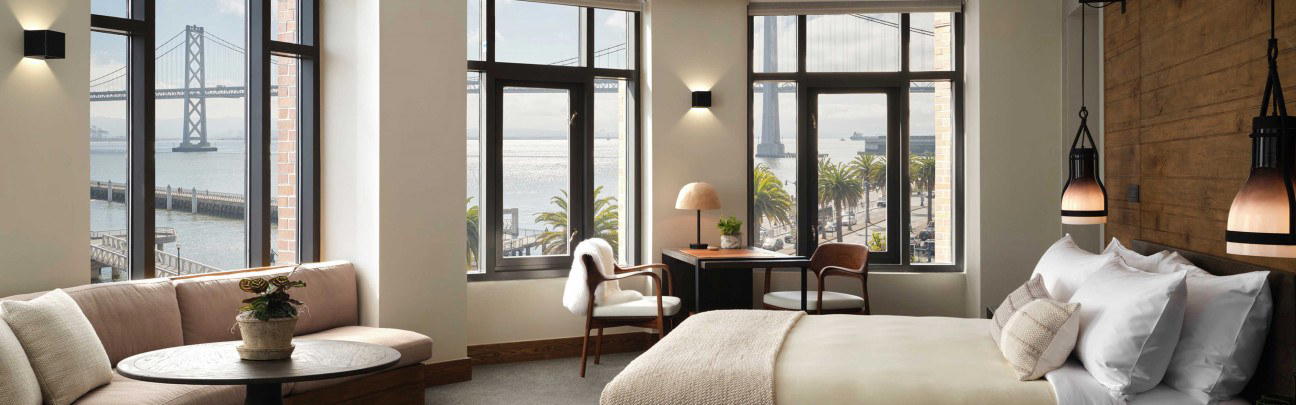
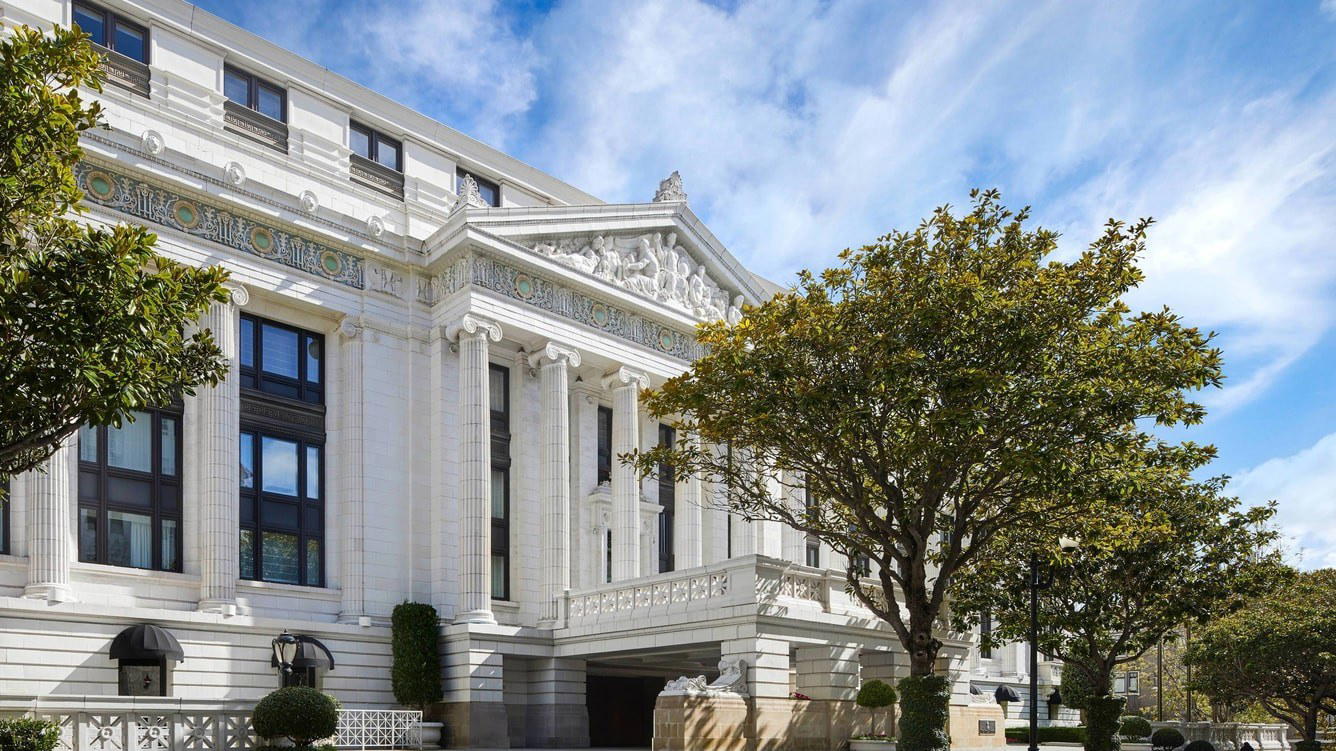
A reimagined, legacy-driven dining room in San Francisco’s Financial District with a polished, whimsical, and sophisticated feel centered on Chef Helene An’s fusion cuisine and signature dishes.