Gold, Notting Hill

Gold sits on Portobello Road at the serious end of Notting Hill dining, where restaurateur Nick House and chef Theo Hill (formerly of the River Café) have built a restaurant and bar with enough culinary credibility to hold its own against the neighbourhood's more established competition.
Pearl is the En Primeur Club membership app — saves, bookings, and concierge access live there. Same editors, same standards.
- Address
- 95-97 Portobello Rd, London W11 2QB, United Kingdom
- Phone
- +44 20 3146 0747
- Website
- goldnottinghill.com
- Directions
- Get directions
 Saves & bookings on Pearl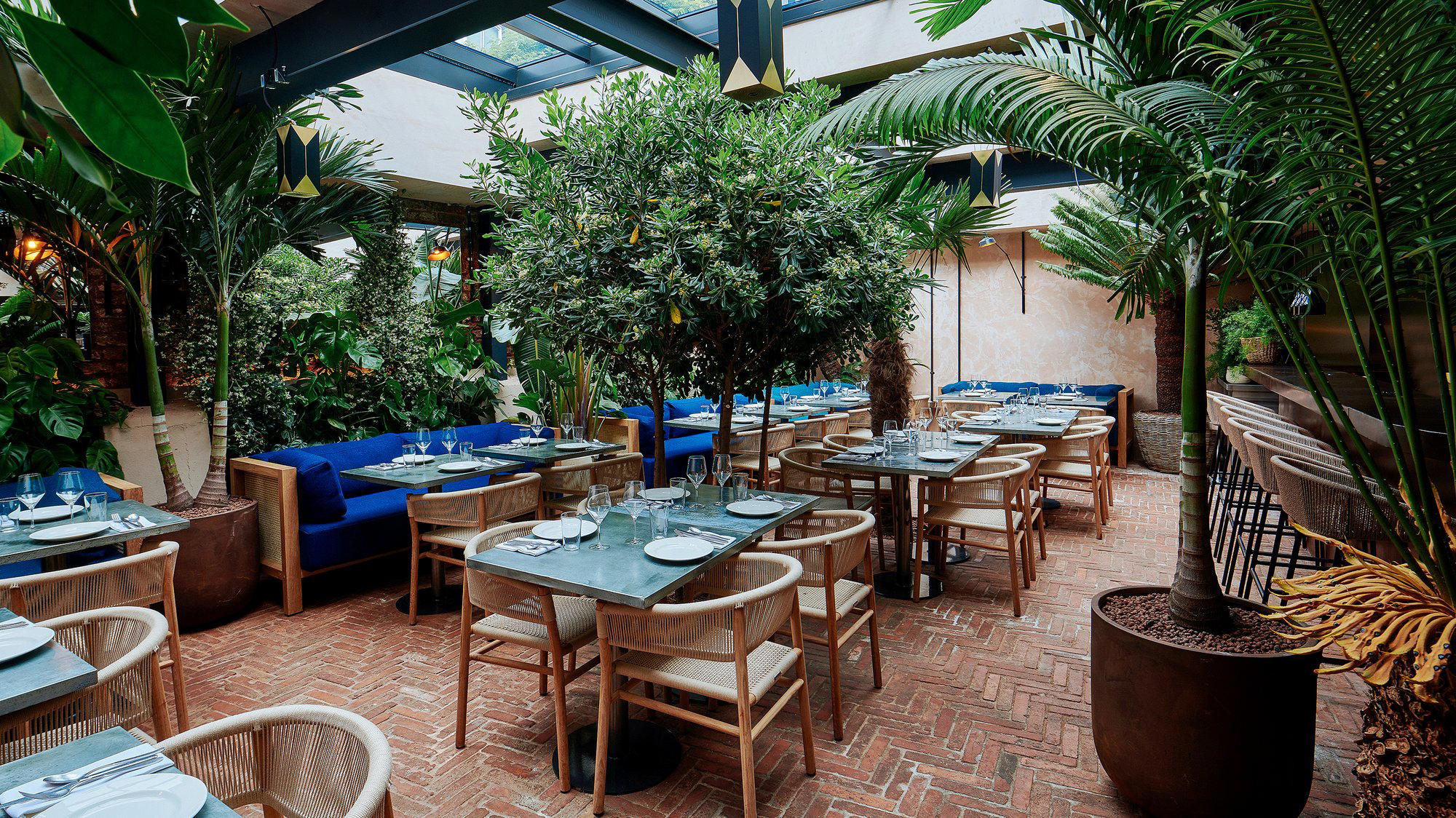
Portobello Road's New Serious Entry
Portobello Road has long operated on two registers: the weekend market chaos of antique stalls and tourist foot traffic, and a quieter, more considered dining scene that locals have always known runs parallel to it. Gold, at numbers 95–97, belongs firmly to the latter. Arriving from the south end of the road, you pass the succession of ceramics dealers and vintage clothing rails before the building announces itself with the kind of restrained frontage that signals the room inside is doing the talking. This is not a restaurant that competes for attention at street level. It earns it once you're through the door.
The address places Gold in a specific competitive conversation. Notting Hill's dining scene has matured considerably over the past decade, moving away from reliable neighbourhood brasseries toward restaurants that can hold their own against central London peers. The west London restaurant corridor — which stretches through Notting Hill toward Chelsea and includes The Ledbury at its apex and Core by Clare Smyth anchoring its formal end — now expects more of its newer entries. Gold is the newest venture from restaurateur Nick House, and its kitchen is led by Theo Hill, who comes from the River Café. That credential matters: the River Café sits in the category of London restaurants where ingredient sourcing is a non-negotiable starting point, not a marketing claim.
The Lunch and Dinner Divide
Few things reveal a restaurant's actual character more honestly than the difference between its lunch and dinner service. At many Notting Hill addresses, lunch is an afterthought, a truncated menu served to a half-empty room while the kitchen prepares for what it considers the real shift. Gold operates differently, and understanding that difference is probably the useful thing a first-time visitor can know.
Daytime on Portobello Road carries a specific energy. The market crowd thins by early afternoon, and the room at Gold shifts into a quieter, more deliberate pace, the kind that suits long lunches over shared plates and a bottle chosen without the evening's sense of occasion pressing down on the decision. Lunch here tends to attract the neighbourhood's working residents: the kind of diner who knows what they want, doesn't need the room to perform for them, and appreciates a kitchen that isn't trying to impress in the same key as an evening tasting menu. This is a valuable dining mode that London's more formal rooms, think the set menus at Alain Ducasse at The Dorchester or the full commitment required at Ikoyi, simply don't accommodate in the same way.
By evening, the bar element of Gold comes into its own. Nick House's track record in hospitality suggests an understanding of how room energy is managed through the shift from early tables to late drinks, and the Portobello Road location gives the venue a natural catchment of diners looking to extend their evening rather than move on. The combination of restaurant and bar under one operation is increasingly common across London, but it tends to work leading when both functions are treated as distinct experiences rather than one propping up the other. At Gold, the framing suggests both are taken seriously.
River Café Lineage and What It Signals
Chef Theo Hill's background at the River Café is one informative data point available about what Gold is likely to serve and how it approaches the kitchen. The River Café, operating in Hammersmith since 1987, occupies a specific position in London dining: it is not a tasting-menu destination, not a fine-dining address in the formal European sense, but a restaurant that has maintained critical respect for decades by treating Italian-influenced, ingredient-led cooking as a serious discipline. Alumni of that kitchen tend to carry forward a particular set of priorities, seasonal sourcing, restraint in technique, resistance to over-elaboration, that place them in a different conversation from chefs trained in more architectural, plated traditions.
This positions Gold somewhere between the neighbourhood bistro category and the more ambitious modern British rooms. It is not trying to be The Clove Club, with its tasting-menu commitment and formal tasting progression. It is also not attempting the kind of regional produce showcase that defines destination restaurants outside the capital, such as L'Enclume in Cartmel or Moor Hall in Aughton. Gold sits in the urban, ingredient-confident middle ground where the cooking is the point, but so is the room, the bar, and the ease of the experience.
Where Gold Sits in the London Picture
London's restaurant map has a longstanding tension between the central concentration of formal dining, Mayfair, Chelsea, the City, and the westward push of serious independent restaurants that don't require the infrastructure of a hotel or a Michelin campaign to sustain themselves. The Ledbury built its reputation on exactly this model, operating at the summit of Notting Hill's food pyramid for over a decade. Gold isn't entering that space directly; it's occupying a different position in the same neighbourhood, one that serves the daily rhythm of the area rather than positioning itself as a destination that draws from across the city.
That is not a diminishment. Some of London's most consistently rewarding meals happen at restaurants that have correctly identified their own register and stayed in it. The international comparison is instructive: restaurants like Le Bernardin in New York City or Emeril's in New Orleans built durable reputations by understanding exactly where they sat in their city's dining hierarchy and executing at that level with consistency. The question for Gold, as the newest entry on Portobello Road, is whether the kitchen's River Café rigour translates into a room that locals return to rather than a room that visitors tick off.
For readers planning a wider west London itinerary, it is worth noting that the area's dining offer extends well beyond the immediate neighbourhood. Our full London restaurants guide covers the broader picture, and for those spending time in the area, our London hotels guide, bars guide, and experiences guide provide the surrounding context. The UK's destination dining options further afield, including Waterside Inn in Bray, Gidleigh Park in Chagford, and Hand and Flowers in Marlow, occupy a completely different register and serve a different travel purpose, but are worth knowing as points of comparison when calibrating what London's serious neighbourhood restaurants are actually competing against.
Planning Your Visit
Gold is located at 95–97 Portobello Road, London W11 2QB, placing it within comfortable walking distance of Notting Hill Gate and Ladbroke Grove tube stations. Portobello Road operates at different volumes depending on the day: Saturday market days bring significant foot traffic that makes the street feel like a different venue entirely compared to a Tuesday lunch. For a first visit, a midweek lunch or an early-week dinner allows the room to settle into the pace that leading suits the kind of cooking the River Café lineage suggests. Current booking methods and hours are best confirmed directly with the venue, as Gold is a recent opening and operational details are subject to change. There is no published dress code, and the restaurant-bar format suggests a room that accommodates a range of purposes across the same visit.
How Gold, Notting Hill compares with similar nearby venues.
| Venue | Cuisine | Price | Awards |
|---|---|---|---|
| Gold, Notting Hill | Not listed | Not listed | Star Wine List (2026) |
| CORE by Clare Smyth | Modern British | ££££ | Not listed |
Recognition history
Dated appearances from independent guides and award organizations, with the underlying list record or original source where available.
Star Wine List
Star Wine List
Continue exploring
More in London
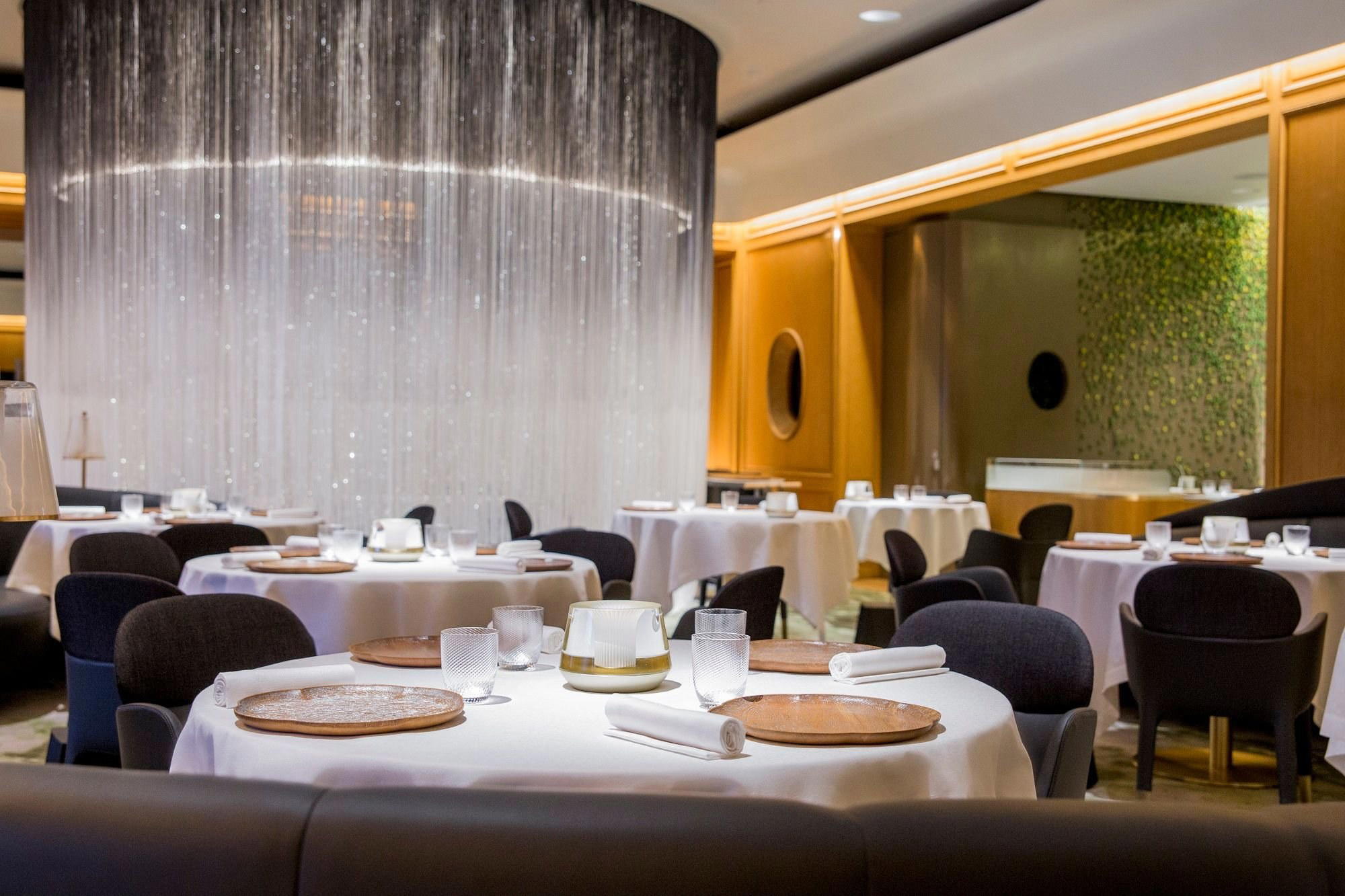
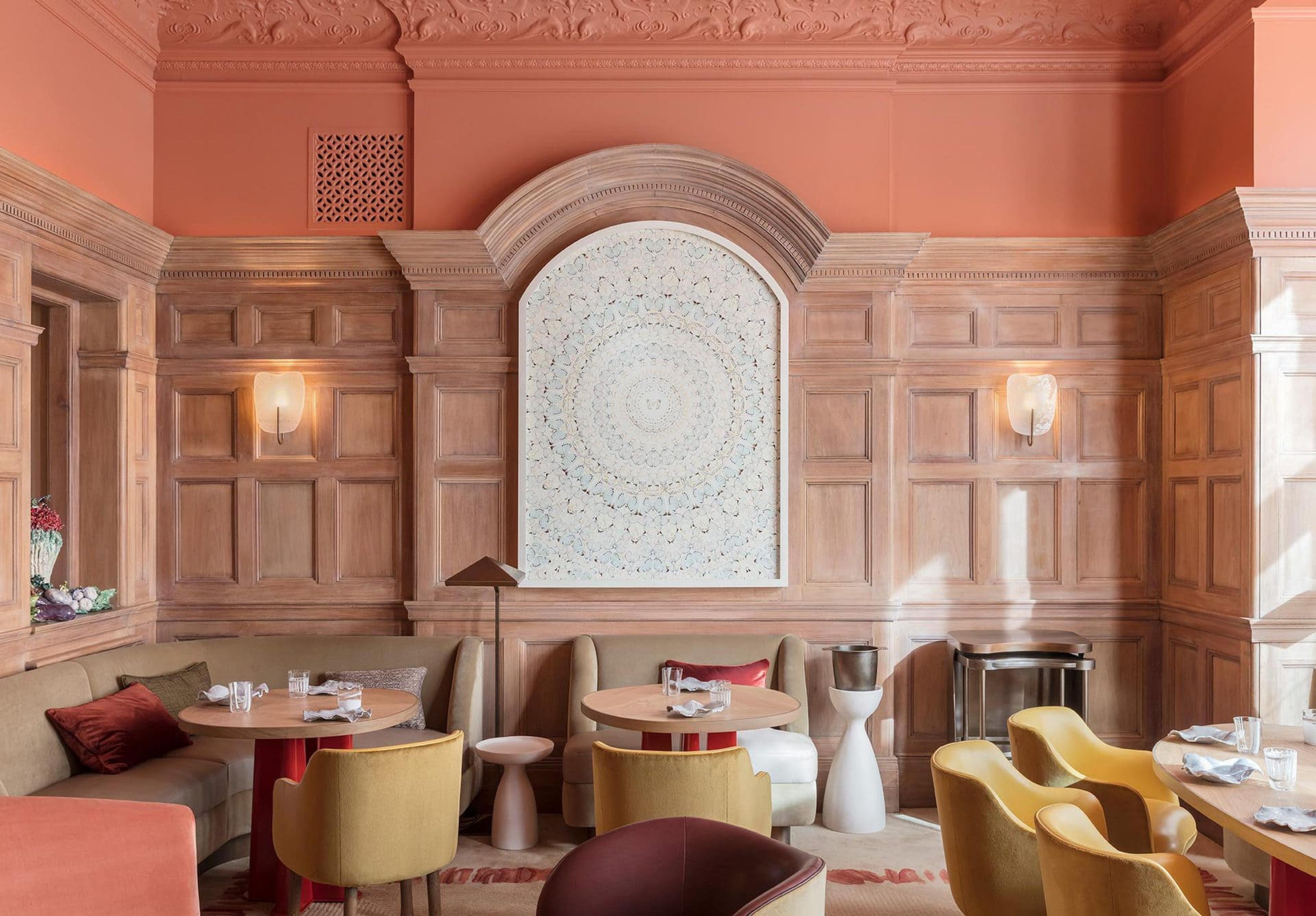
Restaurants in London
Browse all →
Bars in London
Browse all →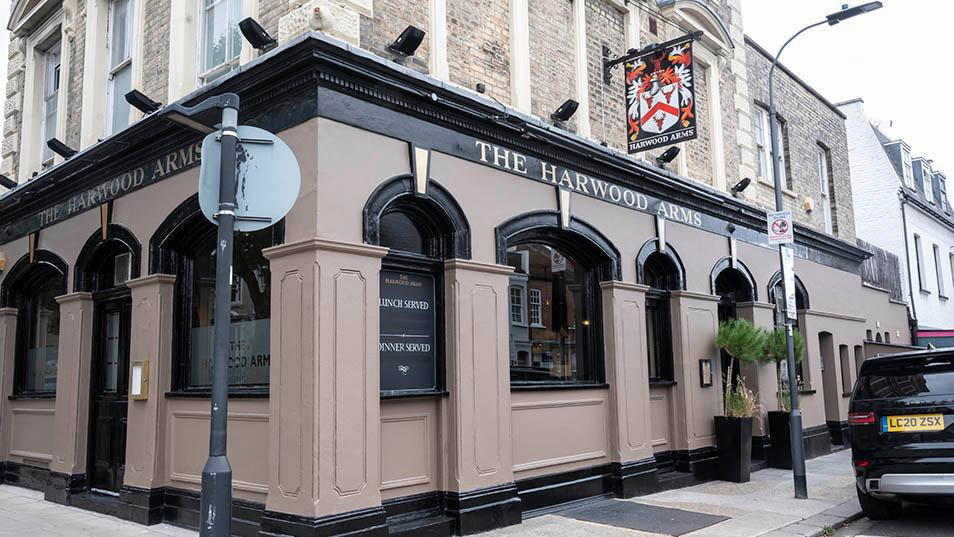
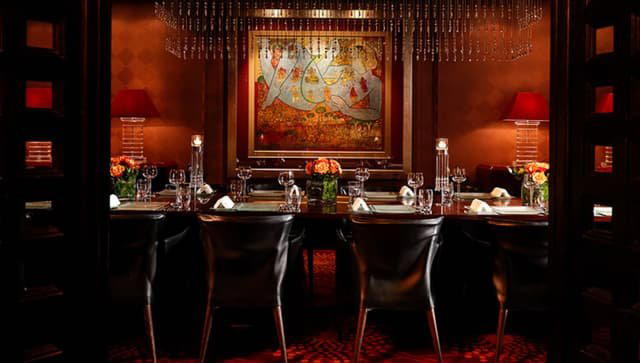
Hotels in London
Browse all →



At a Glance
- Trendy
- Bohemian
- Lively
- Cozy
- Date Night
- Group Dining
- Casual Hangout
- Open Kitchen
- Garden
- Terrace
- Craft Cocktails
- Extensive Wine List
- Garden
Current opening hours
- Monday
- 12 PM–12 AM
- Tuesday
- 12 PM–12 AM
- Wednesday
- 12 PM–12 AM
- Thursday
- 12 PM–12 AM
- Friday
- 12 PM–1 AM
- Saturday
- 12 PM–1 AM
- Sunday
- 12 PM–12 AM
Hours can change for holidays and private events. Last verified .
Bustling and warm with stripped-back bare-brick interiors, exotic plants in the garden room, and a lively atmosphere.