Go Fish occupies a compact waterfront stall on the False Creek seawall at 1505 W 1st Ave, drawing Vancouverites to a format that strips back the city's seafood tradition to its most direct form. Where the broader Vancouver restaurant scene runs toward $$$$ tasting menus and imported luxury credentials, Go Fish holds a different position: queue-based, cash-and-counter, focused entirely on what arrives from local waters that morning.
Pearl is the En Primeur Club membership app — saves, bookings, and concierge access live there. Same editors, same standards.
- Address
- 1505 W 1st Ave, Vancouver, BC V6J 1E8, Canada
- Phone
- +1 604 730 5040
- Website
- facebook.com
- Directions
- Get directions
 Saves & bookings on Pearl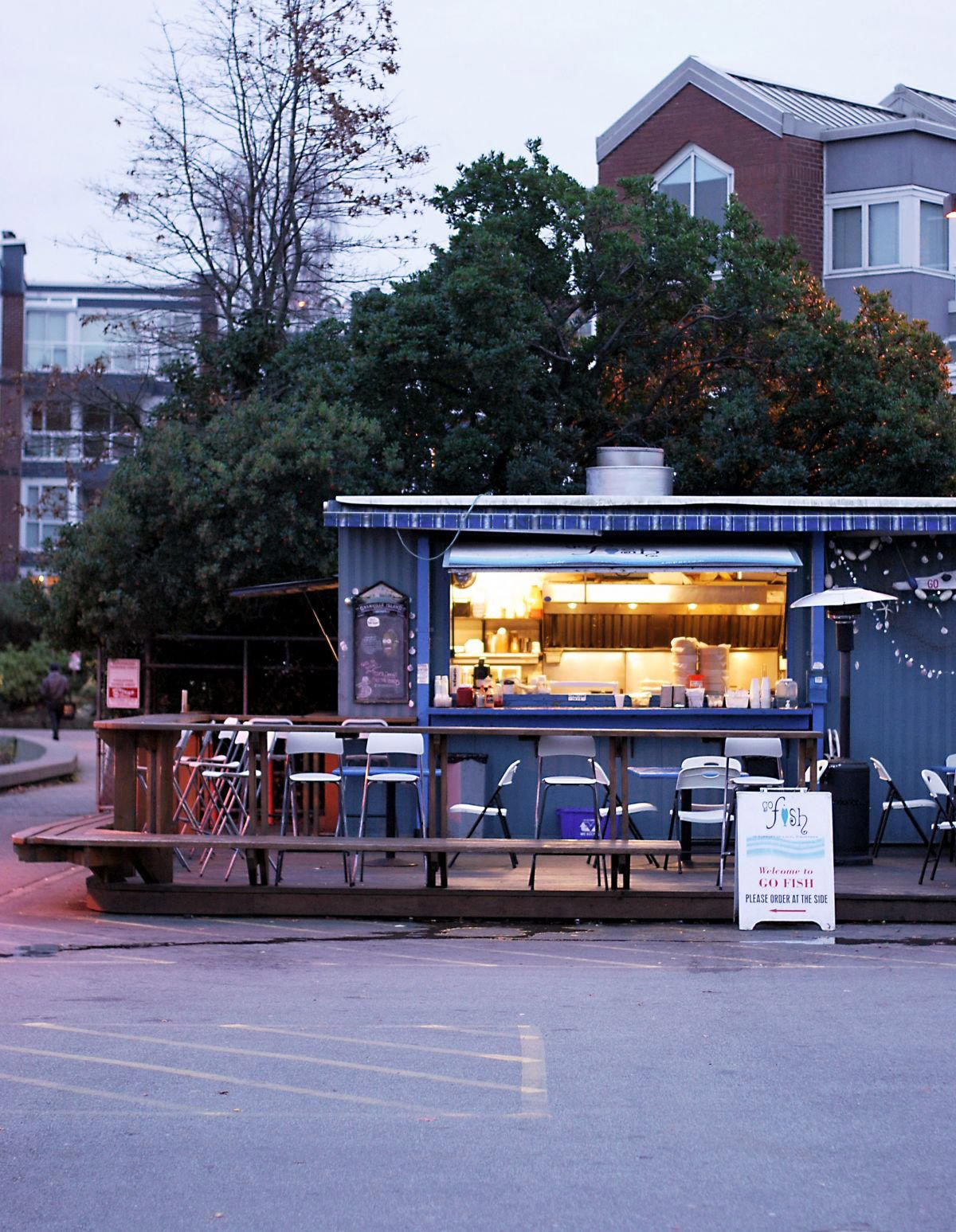
Seawall Geometry: How the Space Shapes the Experience
Vancouver's dining culture has bifurcated sharply over the past decade. At one end, you have the $$$$ tasting-menu tier — venues like AnnaLena, Kissa Tanto, and Masayoshi, each operating from polished interiors with reservation systems and formal service structures. At the other, a handful of spots lean into the city's geography rather than away from it. Go Fish, a compact order window on the False Creek seawall near the Granville Island Public Market, belongs firmly to the second category.
The physical container here is the editorial point. There is no dining room, no maître d', no carefully calibrated ambient lighting. The structure is a small kiosk at 1505 W 1st Ave, positioned so that the seawall itself becomes the seating plan. Picnic tables face the water. Cyclists slow down. Fishing boats from the adjacent docks sit within clear sightline. The architecture of the experience is entirely outdoors, which means it shifts with weather, season, and time of day in ways that an enclosed restaurant cannot. On a clear Pacific morning, this works in the venue's favour in a way that no interior designer could engineer.
This format has a logic that goes beyond informality for its own sake. Proximity to Granville Island's commercial fishing operations means the supply chain is as compressed as it gets in a city of Vancouver's size. The kiosk format enforces a short menu, and a short menu enforces discipline around what actually comes in fresh. That structural constraint is itself a quality signal — one that parallels what drives format-focused operations in other seafood contexts, from fish-and-chip stands in coastal Britain to counter-service oyster bars in Paris's covered markets.
The Queue as Indicator
Getting to Go Fish requires arriving with some patience built in. The venue operates on a walk-up basis without reservations, which means queues form quickly on weekends and during the lunch window, particularly in the warmer months from May through September when the seawall fills with foot traffic. The waiting itself is a data point: it reflects a sustained local reputation built without the marketing apparatus that props up most high-profile Vancouver openings.
In the broader Canadian dining context, this kind of sustained queue-based demand without formal recognition infrastructure is relatively uncommon. Compare the positioning of Go Fish to how a destination like Fogo Island Inn Dining Room in Joe Batt's Arm builds its reputation around geographic specificity and direct sourcing, or how Eigensinn Farm in Singhampton operates without a traditional booking system in the conventional sense. Each of these venues has used format constraints as a differentiator rather than a liability. Go Fish operates in that same logic, at a different price point and with a different product.
The walk-up format also has implications for timing. The menu is supply-dependent, which means showing up near opening gives the widest selection. By mid-afternoon, certain items may have sold out. For our full Vancouver restaurants guide, we note this consistently: high-demand, low-capacity formats in Vancouver reward early planning even when no reservation is required.
Seafood Specificity in a City Built on Pacific Waters
Vancouver's relationship with Pacific seafood is structural, not decorative. The city sits at the convergence of major salmon runs, shellfish-producing inlets, and one of North America's most active commercial fishing fleets. This geography shapes the local food culture in ways that reach from the tasting menus at Barbara down to street-level formats like Go Fish. The difference is in how each tier of the market uses that access.
At the high-end tier, Pacific seafood becomes an ingredient in a composed dish within a multi-course structure. At the counter-service level, the fish is the entire argument. Go Fish operates within that second model, where the quality of the source material has nowhere to hide and nothing to hide behind. This is a more demanding standard in some respects: there is no sauce architecture, no fermentation program, no wine pairing to redistribute attention. The product either warrants the queue or it does not.
In the Canadian seafood context, this directness is relatively rare. Most high-profile Canadian seafood programs are embedded in fine-dining formats, from Narval in Rimouski to the fish-focused tasting menus that periodically surface in Toronto venues like Alo. The counter-service model that Go Fish occupies is closer in spirit to what Le Bernardin in New York City represents philosophically, a commitment to the ingredient first, even if the formats are as different as two seafood operations can be.
The comparison venues most often cited alongside Go Fish in Vancouver conversations are not the $$$$ contemporaries like iDen and QuanJuDe Beijing Duck House, but rather the city's small-format, high-sourcing operations that sit outside the reservation economy. This is a meaningfully different competitive set, one where the metrics of success are repeat local patronage, product freshness, and format efficiency rather than critic recognition or awards cycles.
For readers who have covered ground in other Canadian coastal cities, the model has partial parallels in Victoria at places like Cafe Brio, which similarly anchors its identity in regional sourcing, though within a more formal service container. On the American Pacific coast, Lazy Bear in San Francisco represents the opposite end of the format spectrum, highly structured, reservation-dependent, kitchen-as-theater, which usefully illustrates how differently two west-coast venues can approach local-sourcing as a core identity.
The Quebec City dining scene, anchored by commitment-driven venues like Tanière³, shows how Canadian chefs have increasingly treated regional specificity as a fine-dining argument. Go Fish makes the same argument in a different register: that Pacific seafood, properly sourced and simply prepared, does not require a tasting menu format to justify serious attention.
Planning a Visit
Go Fish is located at 1505 W 1st Ave, accessible on foot from Granville Island via the seawall path, or by bike along the False Creek route. The venue does not take reservations and operates on a cash or card walk-up basis. Queues are longest between late May and early September, particularly on weekends between noon and 2pm. Arriving before 11:30am on a weekday tends to reduce wait time considerably. The outdoor format means the experience is weather-dependent; Vancouver's shoulder seasons in April and October can still offer good windows. Visitors with dietary restrictions or allergies should plan to ask at the order window directly, as menu composition shifts with daily supply and no contact information is currently listed for advance enquiries.
Continue exploring
More in Vancouver
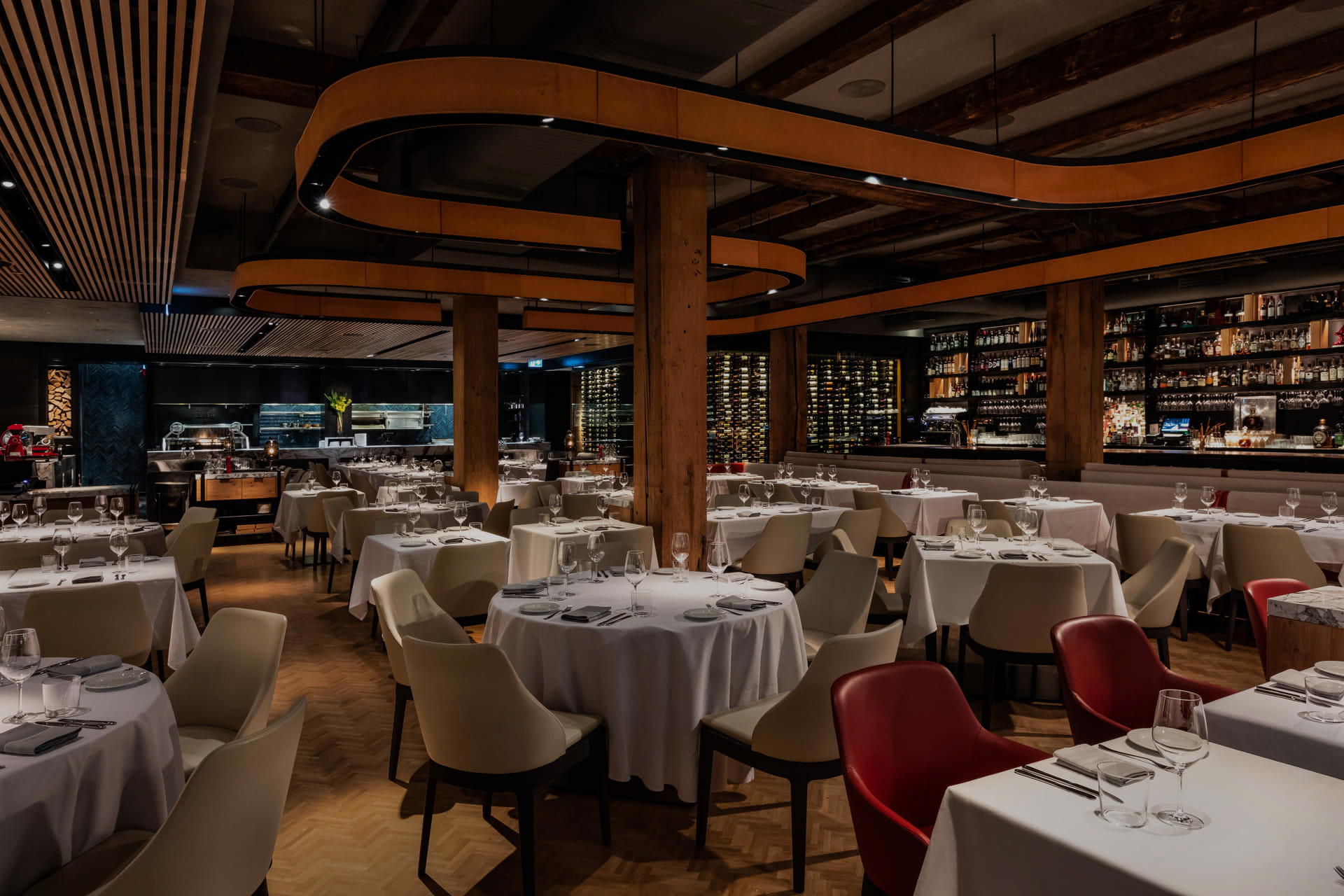
Restaurants in Vancouver
Browse all →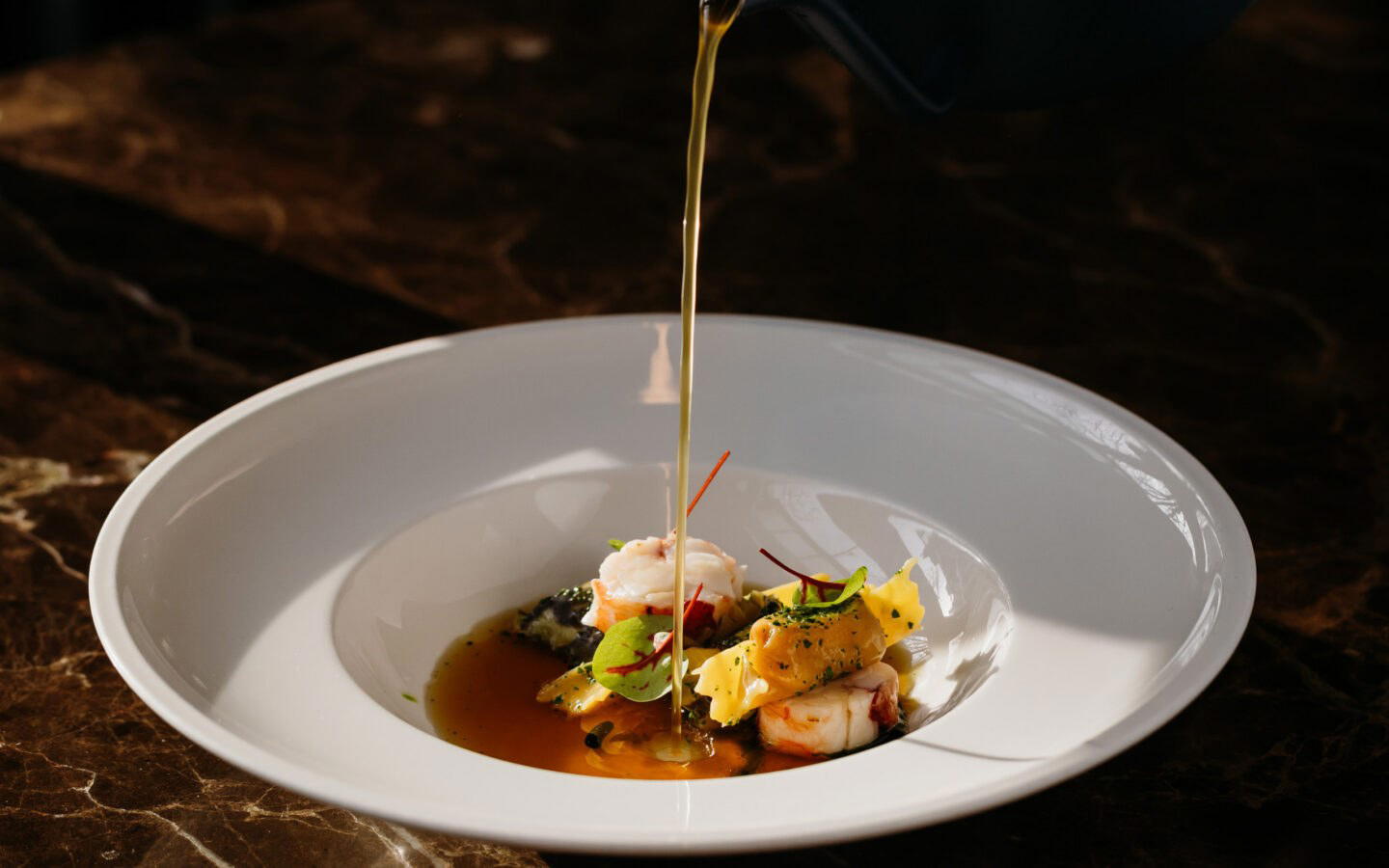
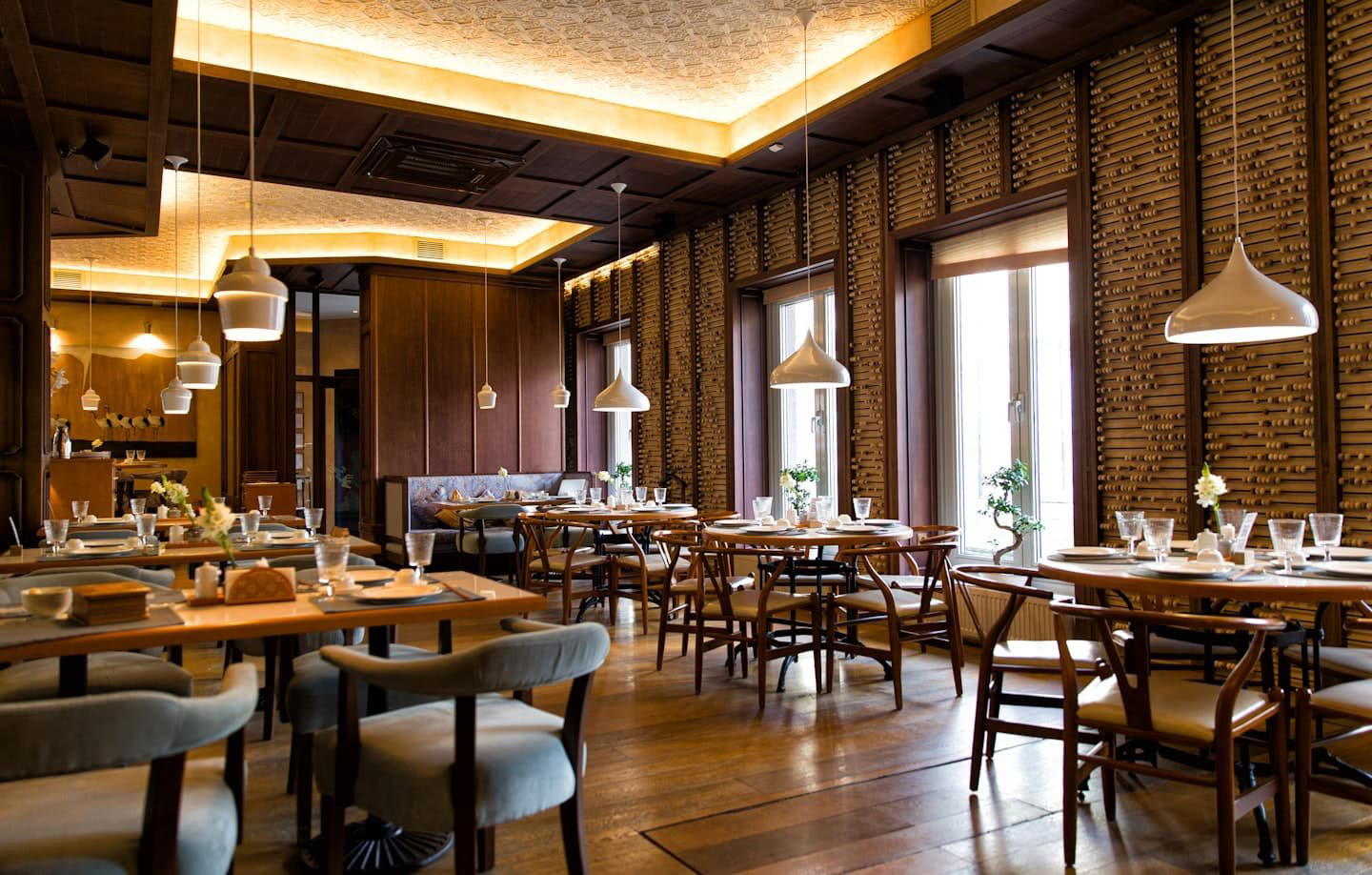
Bars in Vancouver
Browse all →
At a Glance
- Casual
- Scenic
- Rustic
- Casual Hangout
- Waterfront
- Local Sourcing
- Sustainable Seafood
- Waterfront
Current opening hours
- Monday
- Closed
- Tuesday
- 11:30 AM–7 PM
- Wednesday
- 11:30 AM–7 PM
- Thursday
- 11:30 AM–7 PM
- Friday
- 11:30 AM–7 PM
- Saturday
- 12–7 PM
- Sunday
- 12–7 PM
Hours can change for holidays and private events. Last verified .
Casual outdoor picnic-style seating by the water with harbour views, lively queues on sunny days and relaxed rainy vibes.
Know Before You Go
- Getting there
- 1505 W 1st Ave, Vancouver, BC V6J 1E8, Canada