gladys
Gladys sits in Bad Ragaz at Hans Albrecht-Strasse 1, operating within one of Switzerland's most concentrated fine-dining corridors. The venue's positioning alongside destination restaurants like Memories and IGNIV by Andreas Caminada places it in a town where sourcing standards and kitchen ambition run high. Visitors to the broader Grand Resort Bad Ragaz cluster will find Gladys a complementary stop on any serious dining itinerary.
Pearl is the En Primeur Club membership app — saves, bookings, and concierge access live there. Same editors, same standards.
- Address
- Hans Albrecht-Strasse 1, 7310 Bad Ragaz, Switzerland
- Phone
- +41813033720
- Website
- golfclubragaz.ch
- Directions
- Get directions
 Saves & bookings on Pearl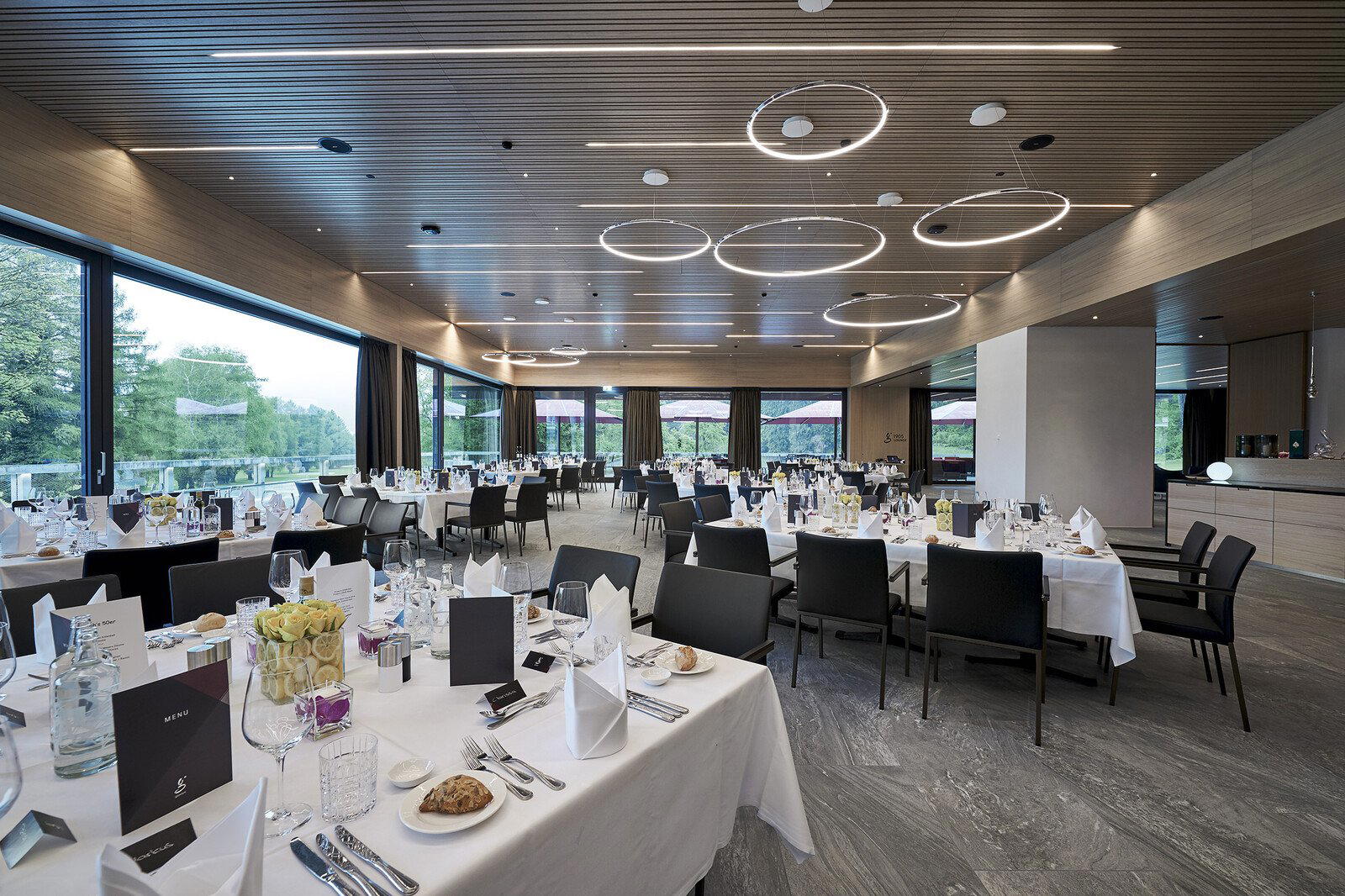
Bad Ragaz's Dining Density and Where Gladys Fits
Few Swiss towns of comparable size carry the restaurant weight that Bad Ragaz does. The Grand Resort complex and its surrounding address have drawn serious kitchen talent for years, producing a cluster of destination-grade tables that punches well above the town's population. Memories, working in Modern Swiss idiom at the leading price tier, and IGNIV by Andreas Caminada, a sharing-format creative European room, both operate within this same concentrated geography. Gladys is a restaurant in Bad Ragaz, Switzerland, at Hans Albrecht-Strasse 1. It sits inside that dining corridor and inherits the sourcing expectations that high-end Swiss resort dining has made standard.
That context matters because Bad Ragaz is not a casual dining town that happens to have one good restaurant. It is a resort destination where the food infrastructure, from producer relationships to import logistics, is built around guests who have already committed to a premium experience. The bar for ingredient quality across the cluster is set by its anchor venues, and that standard filters down through every table in the postcode.
The Sourcing Logic Behind Swiss Alpine Dining
Switzerland's alpine geography creates a sourcing environment that shapes menus in ways that lowland European kitchens rarely face. At altitude, the growing season compresses, which concentrates flavour in root vegetables, mountain herbs, and aged dairy in ways that longer-season produce does not replicate. Kitchens working in this environment have historically built menus around what the surrounding terrain actually produces rather than what a centralized wholesale market can deliver overnight.
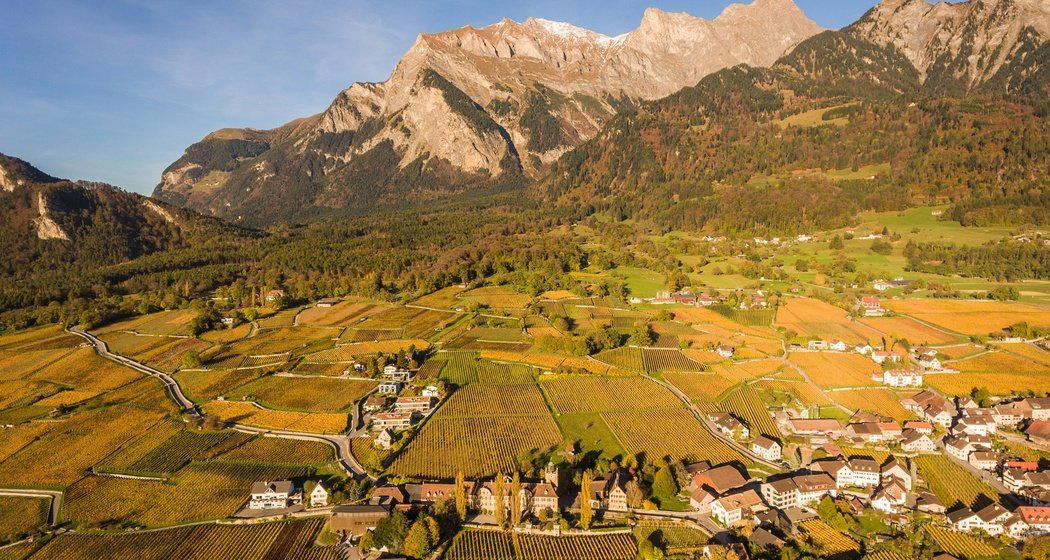
The canton of St. Gallen, which encompasses Bad Ragaz, sits at the junction of alpine pasture and Rhine Valley agricultural land. That geography gives local producers access to both high-altitude grazing for beef and dairy and lower valley cultivation for grains and market vegetables. Restaurants operating at this address have a legitimate claim to true regional sourcing in a way that city-centre Swiss restaurants, relying on the same national distribution networks as everywhere else, often cannot match. Verve by Sven, the Swiss Modern Cuisine entry in the Bad Ragaz set, works explicitly within this regional produce framework, and it is reasonable to expect any serious kitchen operating at this address to engage with the same sourcing logic.
For comparison, some of Switzerland's most discussed destination restaurants, including Schloss Schauenstein in Fürstenau and Mammertsberg in Freidorf, have built their reputations substantially on hyper-local producer relationships. The sourcing argument is not distinctive to any single Swiss alpine kitchen; it is the structural advantage this category of restaurant holds over urban peers.
The Room and the Approach
Bad Ragaz's dining spaces tend toward the considered rather than the theatrical. The resort architecture provides a backdrop that is formal enough to signal occasion dining without the self-conscious grandeur that can tip a room into stiffness. Hans Albrecht-Strasse 1 places Gladys within walking distance of the thermal spa facilities that anchor the Grand Resort, which means the typical arrival involves the particular calm that follows a day in warm mineral water, a physical state that tends to make guests more receptive to a slower, ingredient-focused meal.
The town's dining room aesthetic across its better addresses runs to natural materials, considered lighting, and a quietness that urban restaurant designers spend considerable money trying to recreate. The absence of street noise and the self-contained resort environment produce an atmosphere that is difficult to manufacture and that places a premium on what actually arrives on the plate.
Across the Bad Ragaz cluster, dining formats range from Namun's Thai-Chinese approach and Olives d'Or to the modern European tasting formats at the summit tier. This spread means visitors to the resort have genuine category choice rather than being forced into a single register for every meal of a stay.
Positioning Against the Swiss Fine-Dining Field
Switzerland operates one of the higher-density fine-dining environments in Europe relative to population, and the competition for attention among serious restaurants is real. Hotel de Ville Crissier in Crissier and Cheval Blanc by Peter Knogl in Basel anchor the French-Swiss tradition in the west, while Einstein Gourmet in Sankt Gallen works the eastern corridor that Bad Ragaz also occupies. Da Vittorio in St. Moritz represents the imported Italian fine-dining model that resort destinations sometimes deploy to signal cosmopolitan range.
Bad Ragaz's particular position is that it concentrates multiple serious tables in a single resort environment rather than distributing them across a city. That format has parallels at destination-dining addresses internationally; the communal-format tasting approach that Lazy Bear in San Francisco or the produce-driven precision of Le Bernardin in New York City represent in their respective markets reflect how serious kitchen programs build identity through consistency of sourcing and format rather than novelty. Bad Ragaz operates similarly at the Swiss resort scale.
Other Swiss alpine addresses worth benchmarking include focus ATELIER in Vitznau, Maison Wenger in Le Noirmont, La Table du Valrose in Rougemont, and The Japanese Restaurant in Andermatt. Each illustrates how Swiss resort dining has developed distinct formats rather than defaulting to a single French-classical template.
Quick Comparison
Comparable venues nearby, for context on price, style, and recognition.
| Venue | Cuisine | Price | Awards | Notes |
|---|---|---|---|---|
| gladysThis venue — the venue you are viewing | Modern European Clubhouse Cuisine | $$$ | Not listed | Not listed |
| Namun | Refined Thai with Chinese Influences | $$$$ | Michelin Plate | Bad Ragaz |
| Pizzeria Don Giovanni | Authentic Italian Pizzeria | $$ | Not listed | Bad Ragaz |
| Rössli | Swiss Fine Dining | $$$ | Michelin Plate | Zentrum |
| Olives d'Or | Italian-Mediterranean | $$$ | Not listed | Bad Ragaz |
| Restaurant Bel-Air | French Fine Dining | $$$$ | Not listed | Bad Ragaz |
Continue exploring
More in Bad Ragaz
Restaurants in Bad Ragaz
Browse all →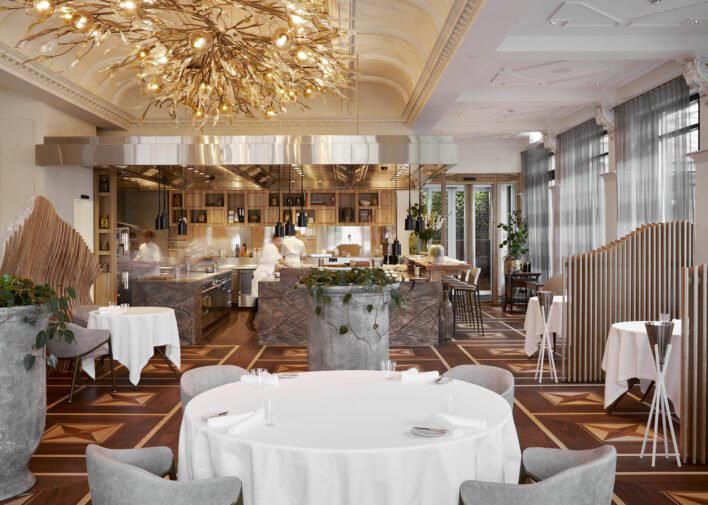
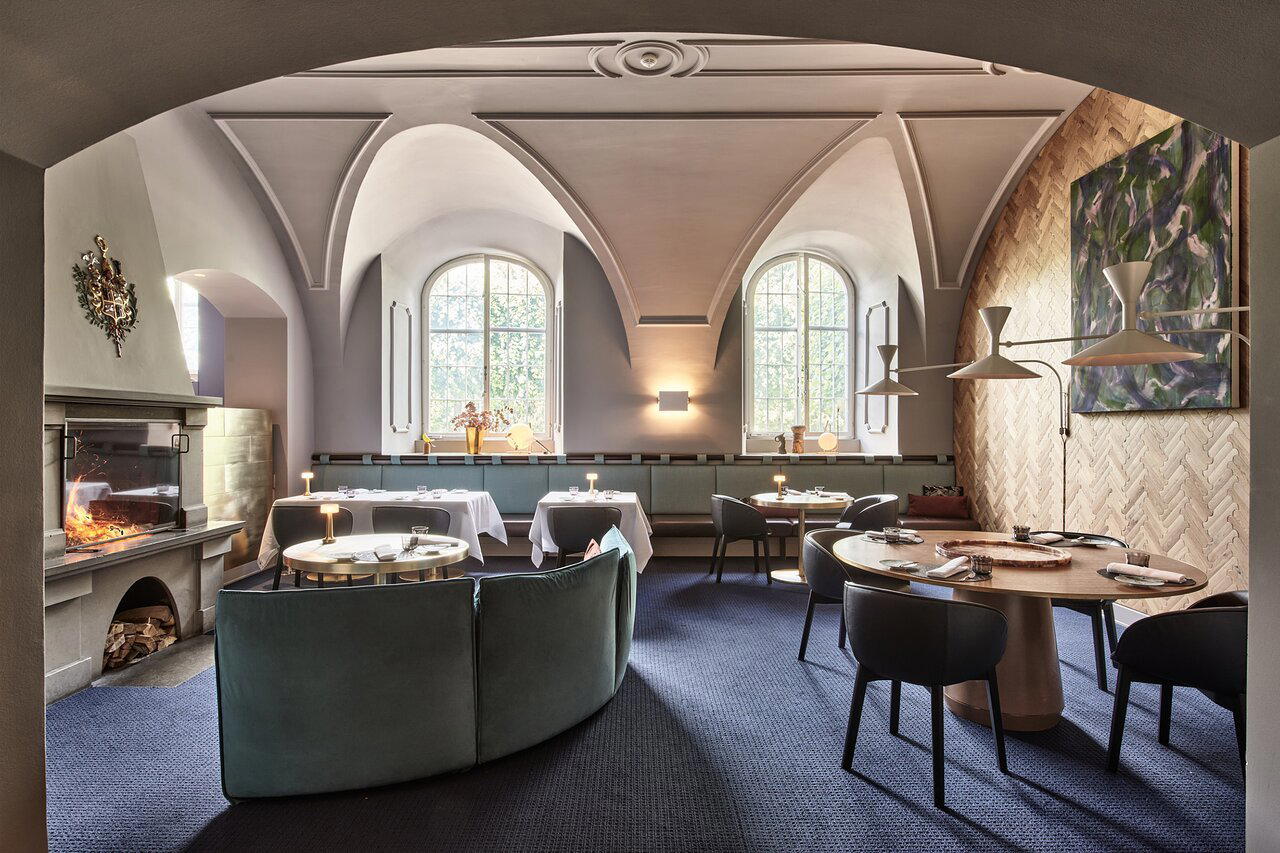
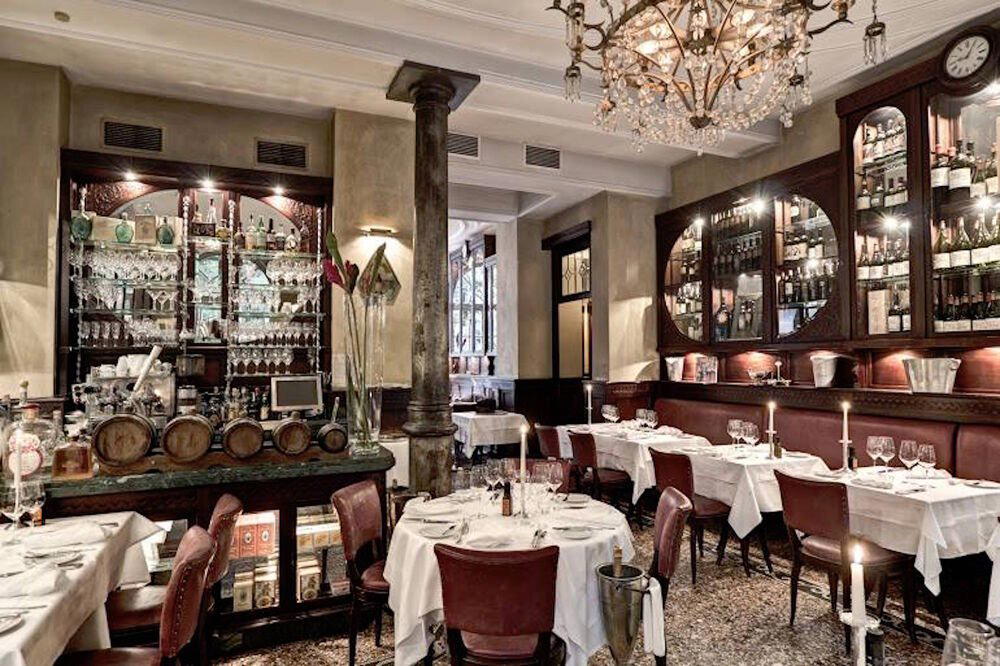
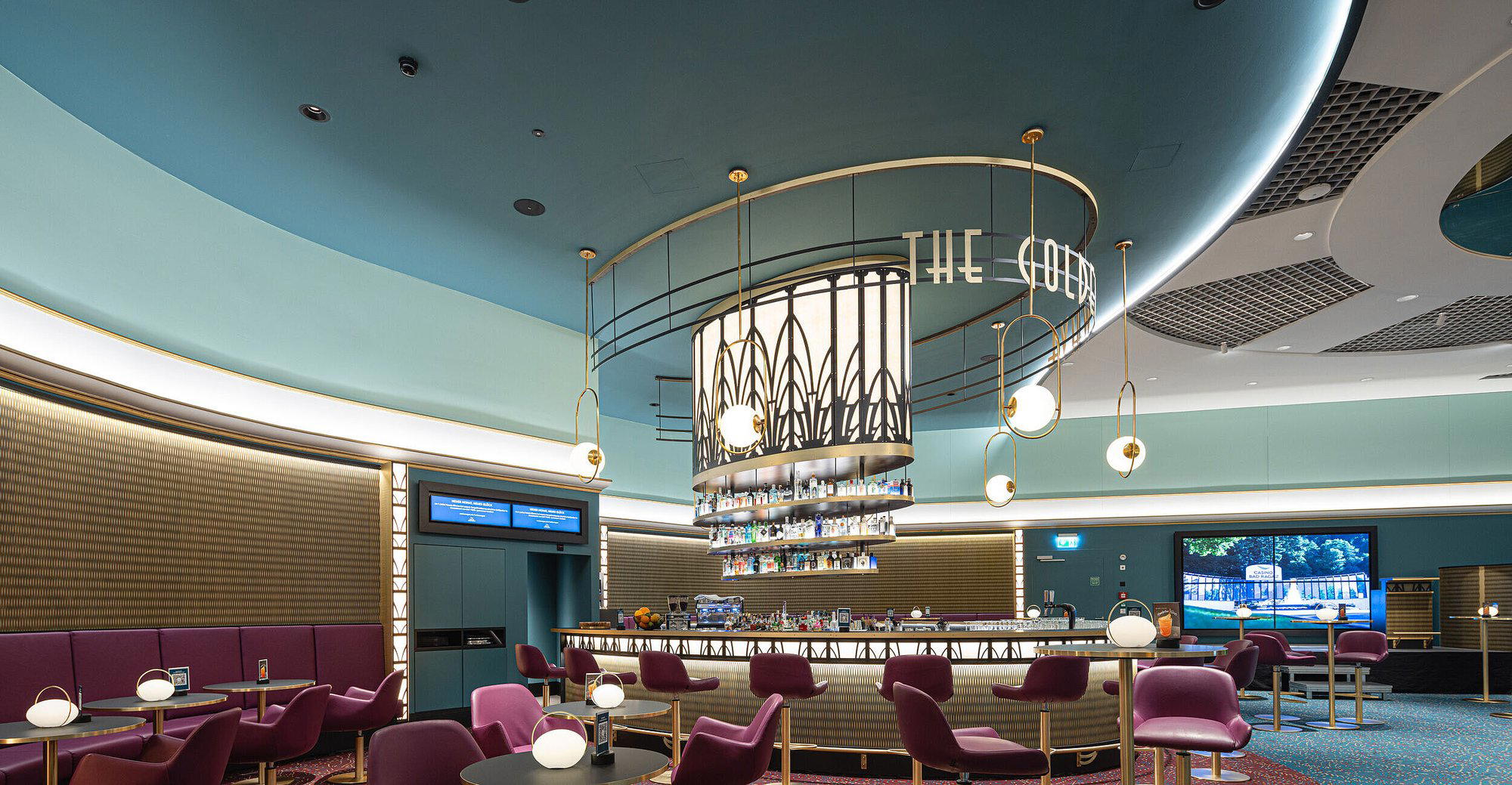
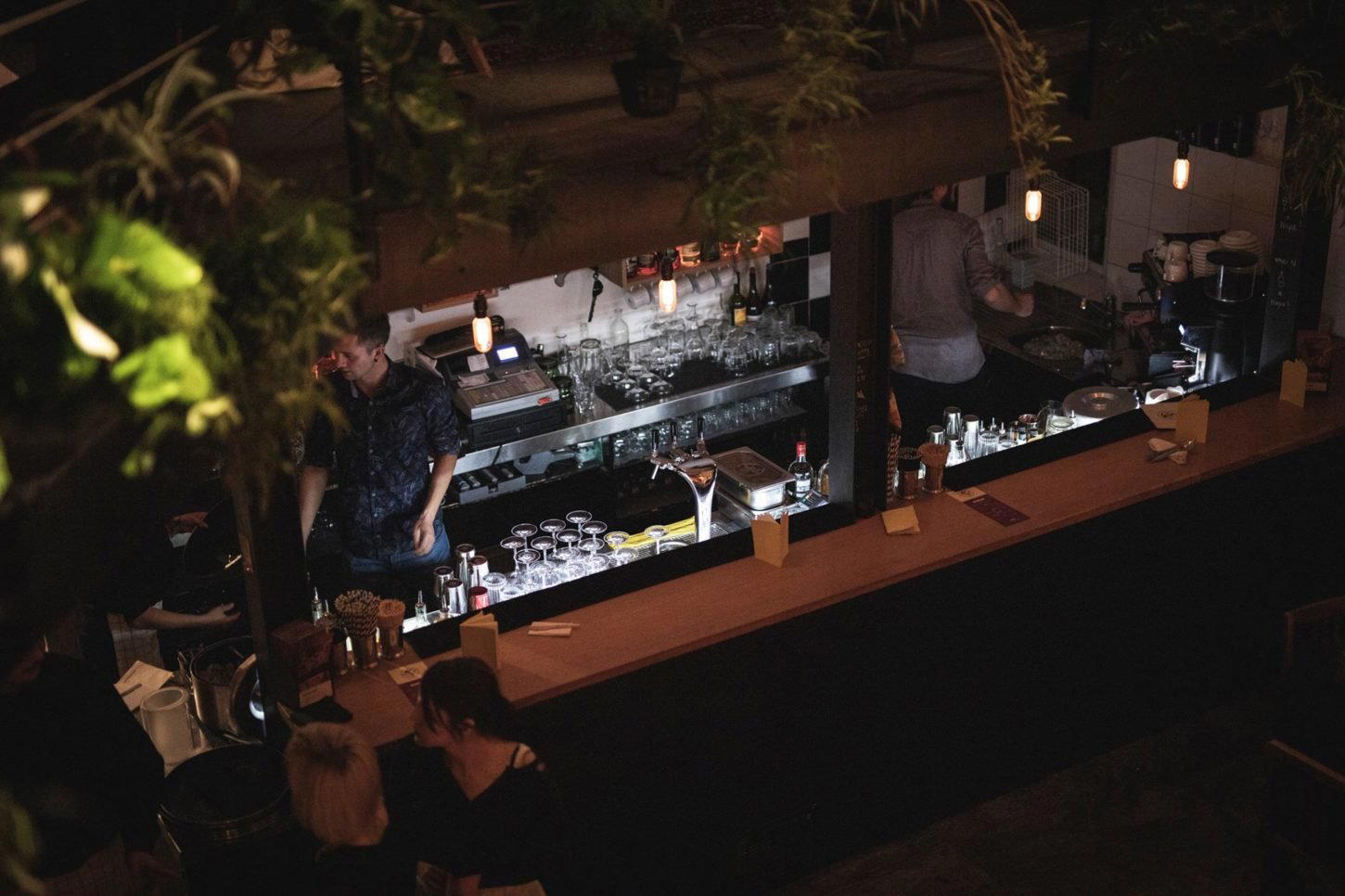
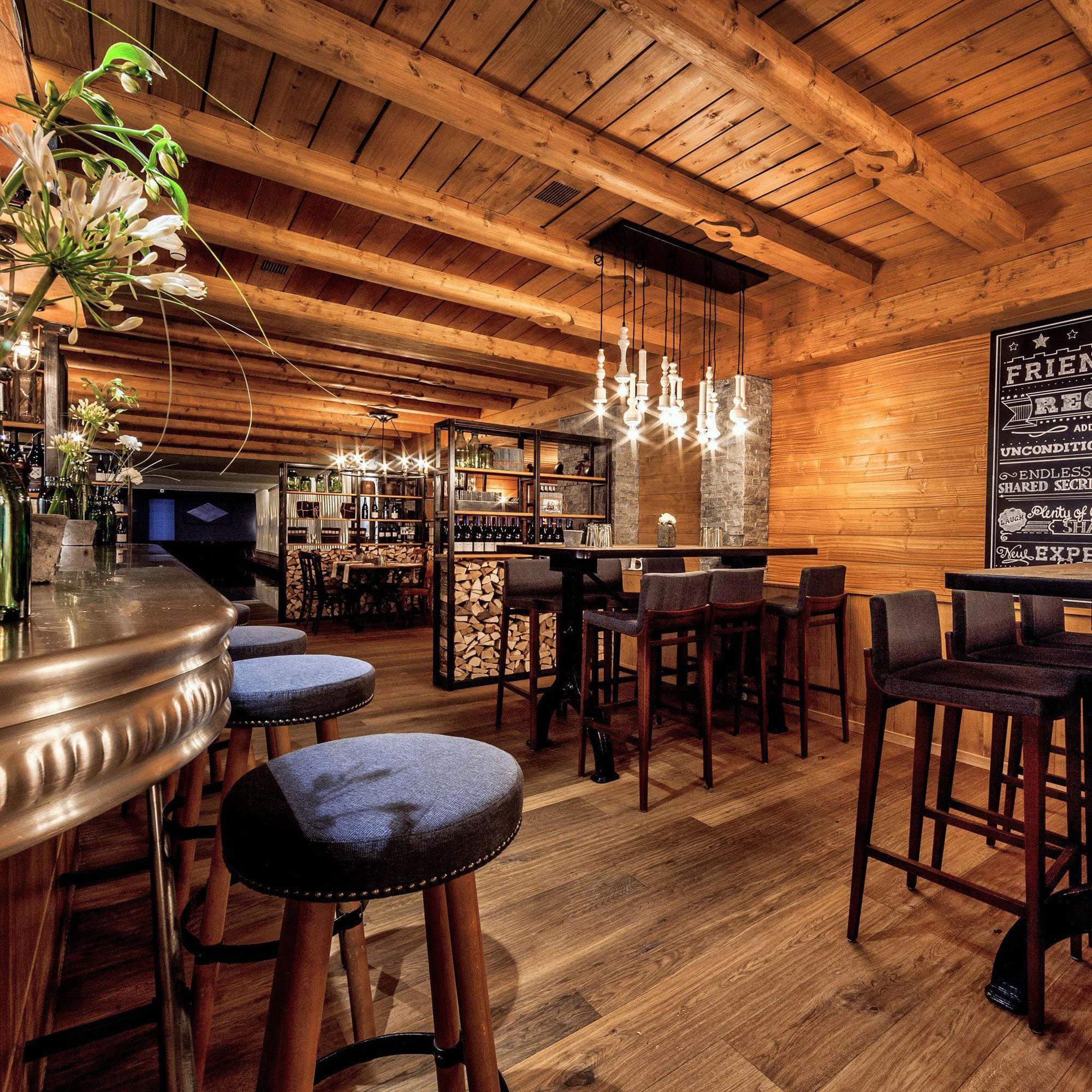
Bars in Bad Ragaz
Browse all →
Hotels in Bad Ragaz
Browse all →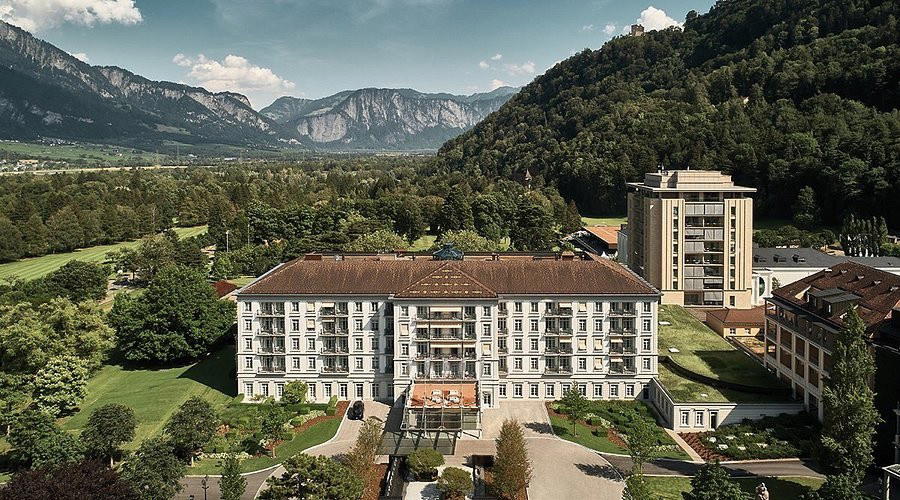


At a Glance
- Modern
- Elegant
- Scenic
- Group Dining
- Casual Hangout
- After Work
- Terrace
- Open Kitchen
- Hotel Restaurant
- Extensive Wine List
- Garden
- Mountain
Current opening hours
- Monday
- 11:30 AM–9 PM
- Tuesday
- 11:30 AM–9 PM
- Wednesday
- 11:30 AM–9 PM
- Thursday
- 11:30 AM–9 PM
- Friday
- 11:30 AM–9 PM
- Saturday
- 11:30 AM–9 PM
- Sunday
- 11:30 AM–9 PM
Hours can change for holidays and private events. Last verified .
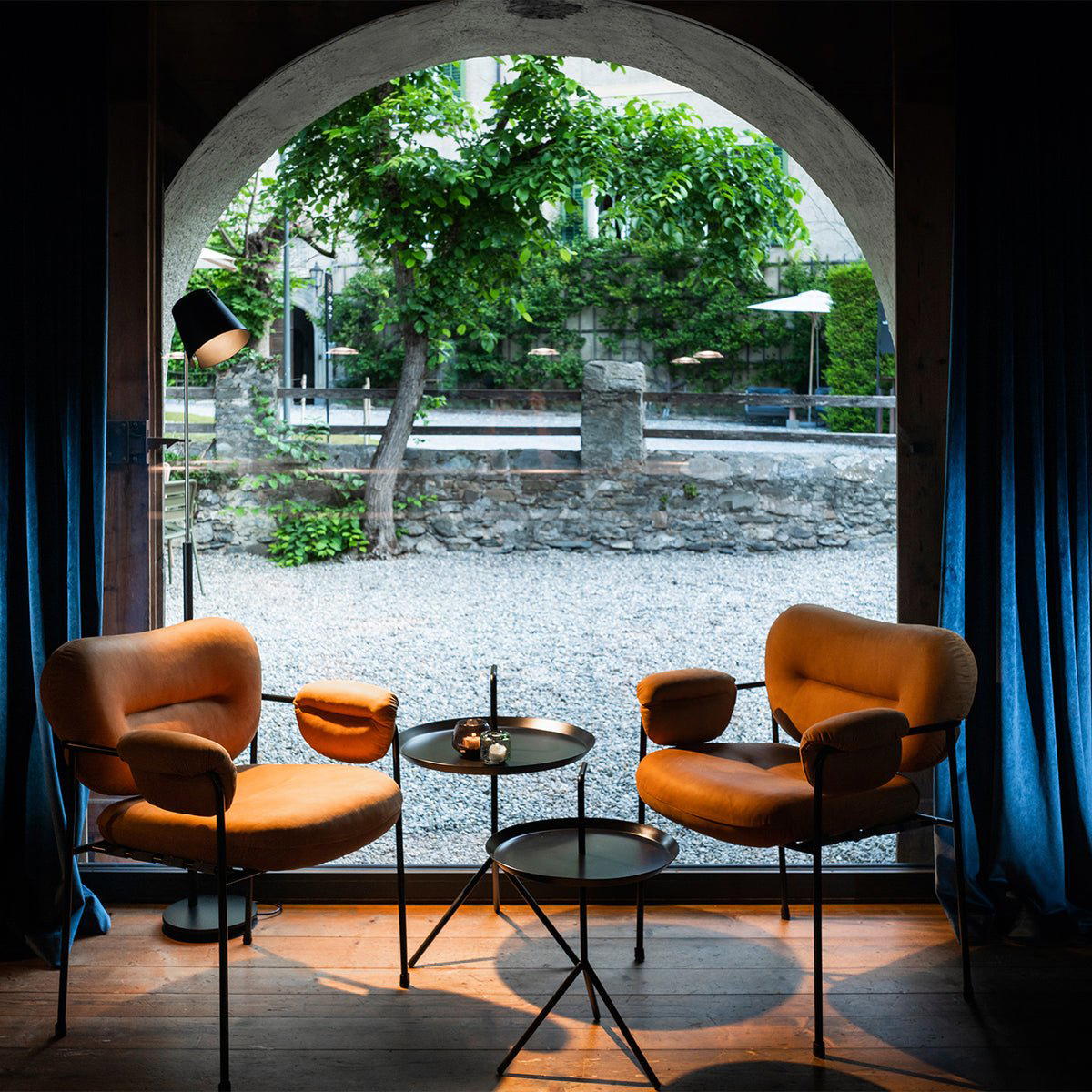
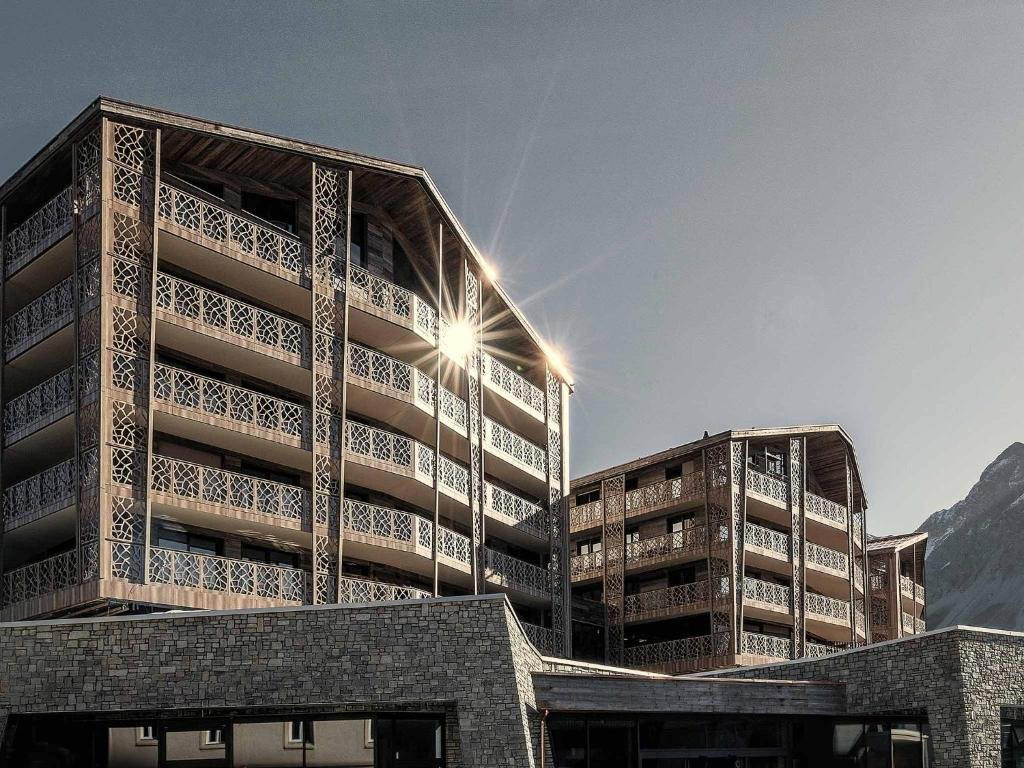
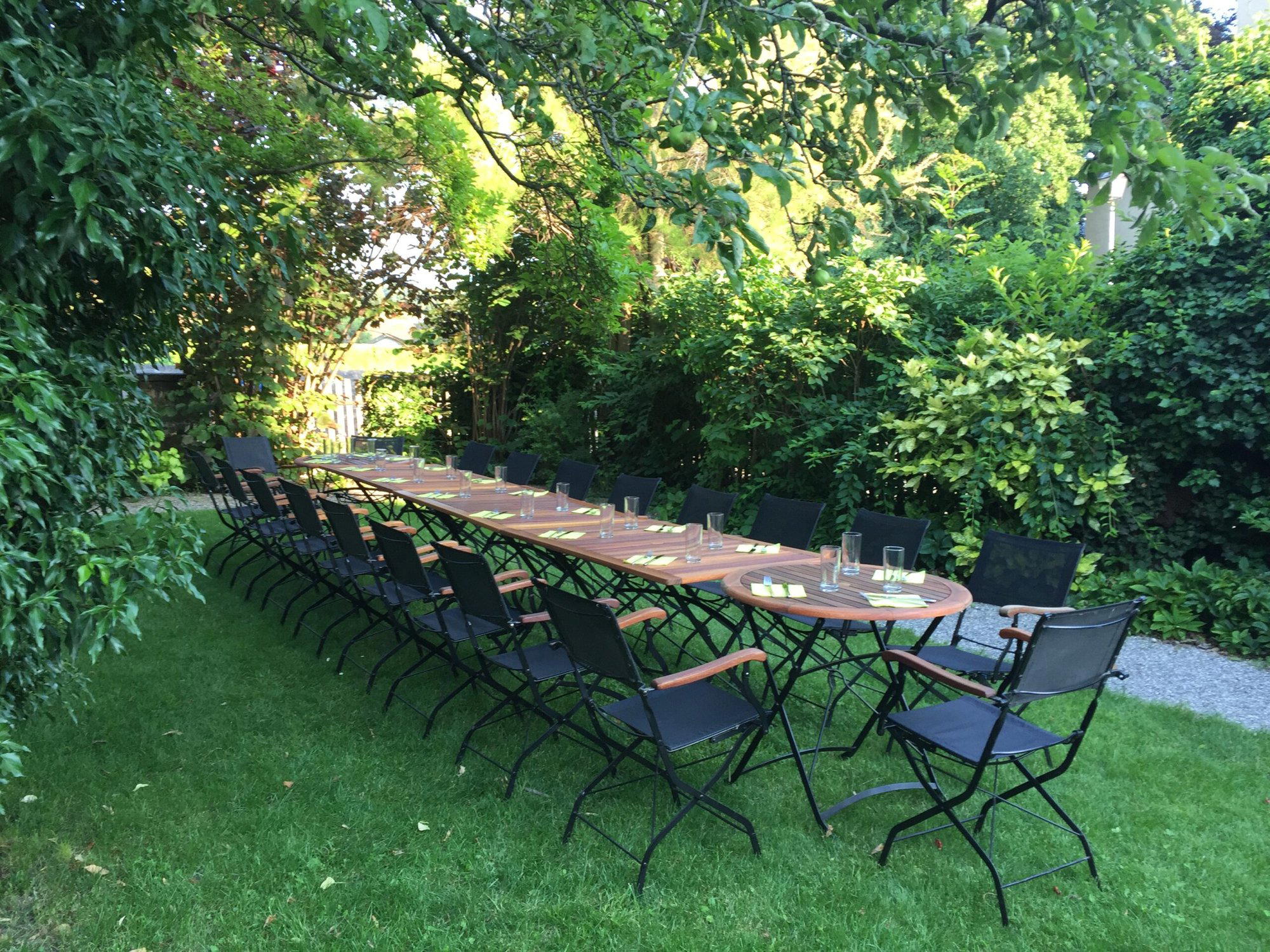
Modern elegance combining wood and stone, with a spacious sun terrace for lingering in comfort.