On the Quai Charles de Gaulle in Lyon's 6th arrondissement, Giuseppe occupies a stretch of the Rhône waterfront where Italian culinary tradition meets the city's deep-rooted culture of the table. The address places it among Lyon's more considered dining options, drawing a regular crowd that values craft and context over spectacle. For a city already fluent in serious eating, Giuseppe adds a distinctly Italian register to the conversation.
Pearl is the En Primeur Club membership app — saves, bookings, and concierge access live there. Same editors, same standards.
- Address
- 62 Quai Charles de Gaulle, 69006 Lyon, France
- Phone
- +33472440221
- Website
- giuseppe-lyon.fr
- Directions
- Get directions
 Saves & bookings on Pearl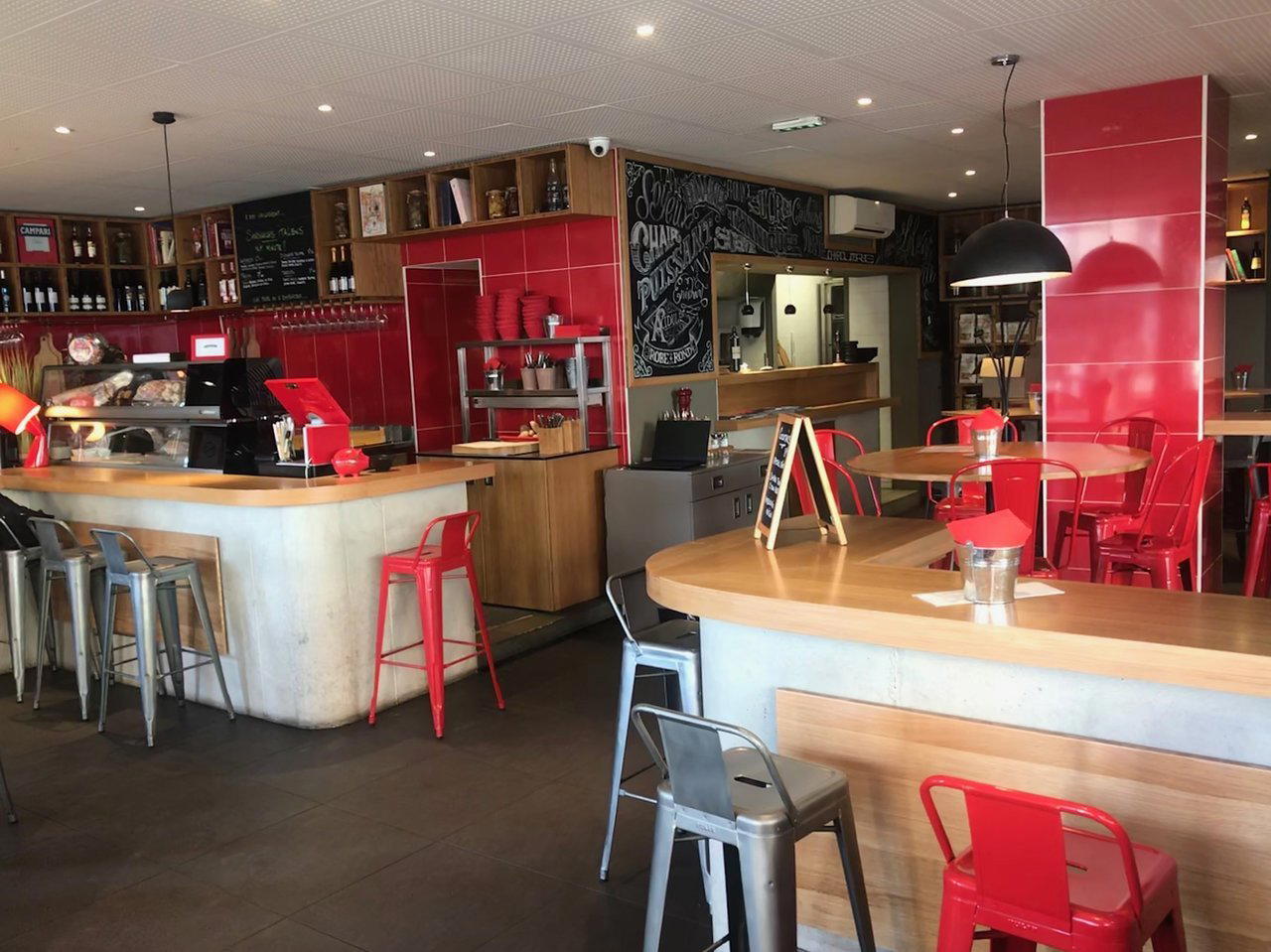
Where the Rhône and the Italian Table Converge
The Quai Charles de Gaulle runs along Lyon's eastern bank of the Rhône, a stretch that shifts from the institutional grandeur of the Cité Internationale toward the quieter residential fabric of the 6th arrondissement. Arriving from the quai, with the river on one side and the ordered facades of Lyon's prosperous rive gauche on the other, sets a particular expectation: this is not a neighbourhood that tolerates casual mediocrity. The addresses here earn their regulars over years, not seasons.
Giuseppe, at 62 Quai Charles de Gaulle, Lyon, France, sits inside that geography and against that standard. The name signals the register immediately: this is Italian cooking in a French city that has, historically, absorbed outside culinary influences on its own terms. Lyon's bouchons codified Lyonnaise tradition. Its larger gastronomic houses, from La Mère Brazier to Paul Bocuse's Auberge du Pont de Collonges, built their authority around the specificity of French technique applied to French produce. For Italian cooking to hold ground in that context, it needs to be precise about what it is.
Italian Cooking in the Capital of French Gastronomy
Italy's culinary tradition and France's share a root system that goes back centuries, trading techniques, products, and cooks across an alpine border that was always more permeable than the maps suggested. Catherine de Medici's influence on French court cuisine is contested but persistently cited; the more demonstrable exchange is geographic. The regions of Piedmont and the Aosta Valley abut Lyon's wider culinary hinterland closely enough that certain ingredients, particularly white truffles, aged cheeses, and cured meats, move freely between the two traditions.
In Lyon specifically, Italian immigration through the 20th century left a material mark on the city's food culture. The Croix-Rousse district retains traces of a Piedmontese silk-weaving community whose food habits shaped local tastes. What this means for a contemporary Italian restaurant in the 6th is that it isn't operating in foreign territory so much as activating a thread that runs through Lyon's own food history. Diners here tend to understand the register, which raises the bar for what the kitchen must deliver.
The broader French fine-dining scene has seen Italian cooking occupy different positions depending on the city. In Paris, Italian restaurants compete on international terms, sitting beside the kind of technically ambitious operations represented by Alléno Paris au Pavillon Ledoyen. In Lyon, the reference points are more local: a city where restaurants like Le Neuvième Art and Takao Takano have established that contemporary cooking in the city can be technically serious without requiring institutional scale. Giuseppe's placement on the quai positions it within this mid-to-upper tier of Lyon's current dining map, closer to Burgundy by Matthieu in ambition register than to a casual trattoria.
The Logic of the Quai Charles de Gaulle Address
Lyon's 6th arrondissement runs east from the Rhône, and the quai itself functions as a threshold between the river's public animation and the neighbourhood's more private character. Restaurants on this stretch benefit from the waterfront proximity without the tourist density that weights addresses closer to Presqu'île or Vieux-Lyon. The trade-off is that the clientele is more self-selecting: people make a deliberate decision to be here, which tends to produce a room that takes food seriously.
That geographical logic shapes how Italian cooking lands in this specific address. The Rhône quais have historically housed a more international dining offer than the bouchon-heavy Presqu'île, accommodating the city's diplomatic, business, and medical community concentrated in the 6th. For a restaurant named Giuseppe, this is functional positioning: the audience is already accustomed to non-French kitchens making serious arguments. Compare this to the challenge facing Italian restaurants in cities where the dominant fine-dining identity, as with the alpine-focused operators like Flocons de Sel in Megève, creates a narrower frame of reference for what serious cooking looks like.
Reading Giuseppe Against Lyon's Current Dining Map
Lyon's restaurant ecology in the 6th and its surrounds has stratified considerably over the past decade. The Michelin-starred tier is represented by operations with clear technical identity, including Au 14 Février, which has built a following on precise seasonal cooking. Below that, a layer of independently operated restaurants competes on culinary specificity rather than institutional recognition. Giuseppe occupies this second tier by address and apparent positioning, which in Lyon means the standard of expectation is still considerable.
Italian cuisine at this level in France tends to resolve around one of two approaches: the first is fidelity to regional Italian tradition, with produce sourcing that anchors the cooking to a specific Italian geography; the second is a Franco-Italian synthesis that treats Italian technique as a starting vocabulary, then inflects it with French produce and method. The more credible Italian restaurants in French cities typically commit to one approach clearly enough that the menu reads as an argument rather than a collection of references. Which direction Giuseppe takes is something the room and the menu will confirm.
For regional comparisons within the French fine-dining world, the relevant reference points include the product-led seriousness of Bras in Laguiole and the long-game institutional authority of Georges Blanc in Vonnas, both of which demonstrate that French regional cooking can anchor a serious restaurant identity across decades. Italian cooking in France faces a parallel demand: it must be specific enough to be authoritative, not merely familiar.
Internationally, the conversation about Italian-inflected fine dining has been shaped by how operators like Le Bernardin in New York City and Lazy Bear in San Francisco have demonstrated that culinary identity rooted outside the local tradition can earn full critical recognition, provided the technical commitment is present and consistent. Lyon's dining public, which includes one of the highest per-capita concentrations of Michelin-starred restaurants of any city its size, holds Italian cooking to the same standard.
Know Before You Go
- Address: 62 Quai Charles de Gaulle, 69006 Lyon, France
- Neighbourhood: 6th arrondissement, Rhône waterfront
- Price range: not confirmed; budget in line with mid-to-upper Lyon dining given the quai address
- Getting there: The Quai Charles de Gaulle is accessible from Lyon Part-Dieu by bus or a short taxi ride; the Rhône riverbanks are walkable from the Presqu'île in good weather
- Further reading: See our full Lyon restaurants guide for broader context on the city's dining tiers and neighbourhoods
Recognition, Side-by-Side
Comparable venues nearby, for context on price, style, and recognition.
| Venue | Cuisine | Price | Notes |
|---|---|---|---|
| GiuseppeThis venue — the venue you are viewing | Italian Pizza and Pasta | $$ | Not listed |
| ULTIMO | Franco-Italian Bistro | $$ | Quartier Bas des Pentes Presqu'île |
| Casa Nobile | Sicilian Pizza and Pasta Trattoria | $$ | Quartier Bellecour Cordeliers |
| Gabriella | Authentic Neapolitan Pizza & Italian Trattoria | $$ | Quartier Bellecour Carnot |
| Ludovic B Restaurant | French Bistronomy | $$ | Quartier Brotteaux |
| Croûton | Modern French Bistro | $$ | Quartier Jean Macé |
Continue exploring
More in Lyon
Restaurants in Lyon
Browse all →
Bars in Lyon
Browse all →
Hotels in Lyon
Browse all →
At a Glance
- Elegant
- Cozy
- Date Night
- Casual Hangout
- Open Kitchen
Current opening hours
- Monday
- 12–3 PM
- Tuesday
- 12–2:30 PM, 6–10 PM
- Wednesday
- 12–2:30 PM, 6–10 PM
- Thursday
- 12–2:30 PM, 6–10 PM
- Friday
- 12–2:30 PM, 6–10 PM
- Saturday
- 12–2:30 PM, 6–10 PM
- Sunday
- 12–3 PM
Hours can change for holidays and private events. Last verified .
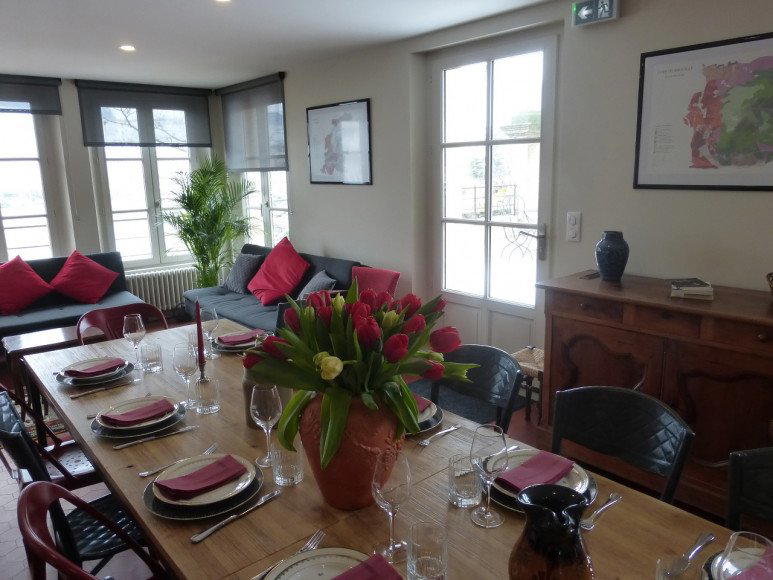
Elegant and welcoming setting with attentive warm service.