On the Presqu'île, Lyon's gastronomic core, Gabriella occupies a quietly serious position on Rue de Fleurieu in the 2nd arrondissement. The address places it within reach of the city's most demanding dining public, where sourcing credentials and kitchen discipline matter as much as the plate itself. For visitors tracking ingredient-led cooking in a city that invented the standard, this is a measured, considered stop.
Pearl is the En Primeur Club membership app — saves, bookings, and concierge access live there. Same editors, same standards.
- Address
- 4 Rue de Fleurieu, 69002 Lyon, France
- Phone
- +33478370054
- Website
- leclandesmamma.com
- Directions
- Get directions
 Saves & bookings on Pearl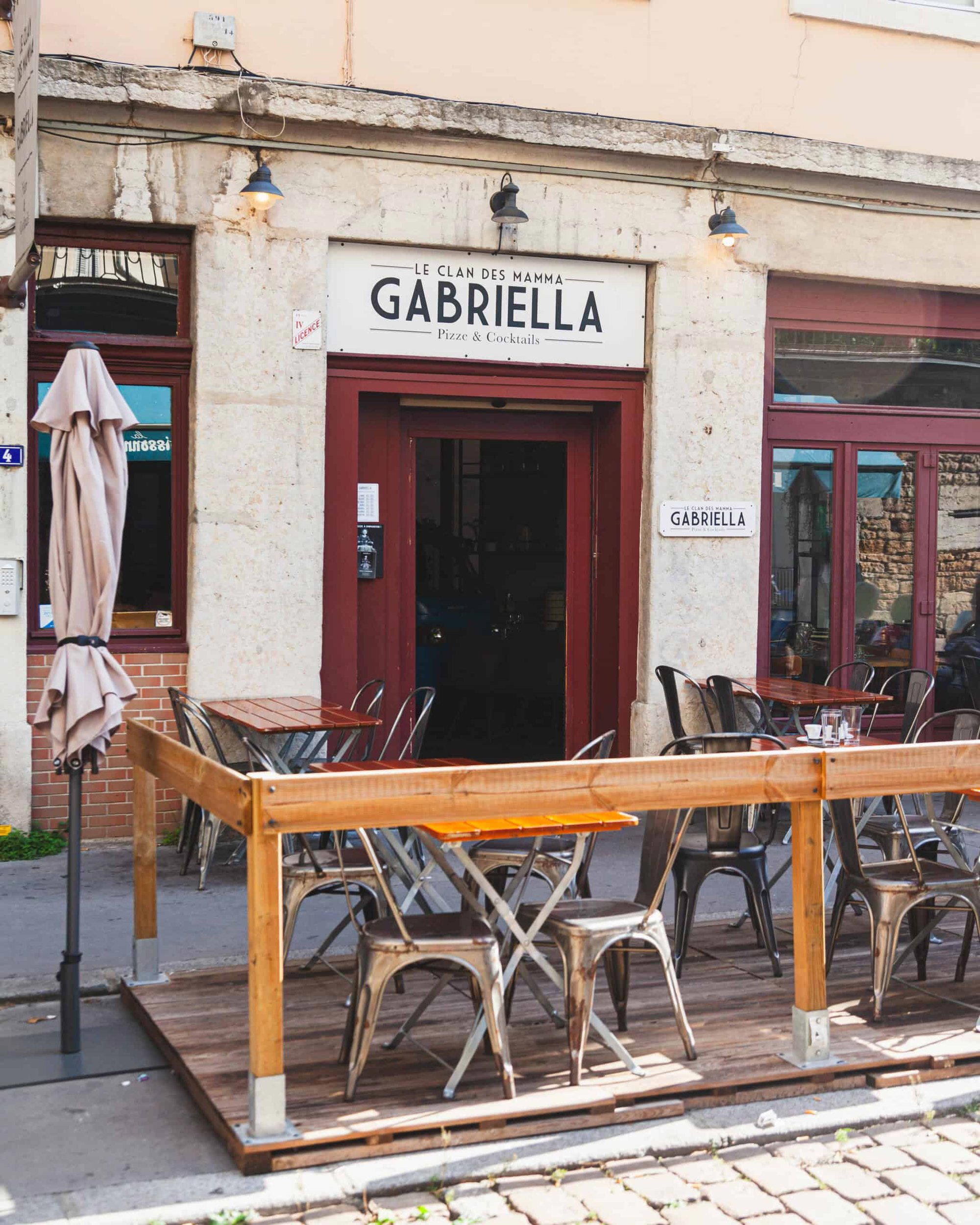
The Presqu'île and the Weight of What It Means to Cook Here
Rue de Fleurieu sits on Lyon's Presqu'île, the peninsula between the Rhône and the Saône that has functioned as the organisational centre of serious French cooking for the better part of a century. The neighbourhood does not build reputations gently. Dining rooms here are measured against a tradition that runs from the mères lyonnaises through Bocuse and into a current generation that has inherited both the pressure and the raw material advantages. To open at this address is to enter a conversation already in progress, one in which provenance is the first credential checked.
Lyon's particular claim on French gastronomy has always been logistical as much as cultural. The city sits at the junction of supply lines that most other European cities cannot replicate: Bresse poultry forty kilometres to the north, Dombes game to the northeast, Rhône Valley produce arriving by the season, and a dairy and charcuterie tradition embedded in the surrounding countryside for generations. A kitchen on the Presqu'île that does not exploit those advantages is making a choice; one that does is working with the grain of what makes this city worth the detour. Gabriella, at 4 Rue de Fleurieu, operates within that context.
Sourcing as Structure, Not Decoration
In Lyon's higher dining tier, ingredient sourcing has shifted from background information to structural argument. Menus at addresses like La Mère Brazier have historically derived their authority from named farms and defined regional circuits. The same logic applies across the city's contemporary French and creative registers, from Le Neuvième Art to Takao Takano, where the sourcing chain is visible in the menu's language and the kitchen's rhythm across the year. Gabriella sits within this lineage on the Presqu'île, where the address itself signals an expectation of ingredient seriousness.
The case for Lyon as an ingredient-led city is not rhetorical. Bresse chicken carries its own appellation contrôlée, regulated since 1957 and producing birds that command prices comparable to luxury proteins elsewhere in Europe. The Rhône corridor connects the kitchen to stone fruit and aromatics from Ardèche, fungi from the surrounding forests in autumn, and river fish that are difficult to source at equivalent freshness in Paris. When a Lyon restaurant on the Presqu'île grounds its cooking in these supply chains, it is accessing advantages that kitchens in most other cities cannot replicate regardless of budget.
This is the context in which ingredient-led restaurants in Lyon's 2nd arrondissement operate differently from their counterparts in cities where terroir is a marketing concept rather than a measurable geographic reality. The provenance discussion here is practical: what is in season from which supplier, and how does the kitchen convert that into a plate that makes the sourcing legible to the person eating it. The strongest rooms in the city have always treated this as the primary design constraint, not an afterthought applied to a fixed menu.
Where Gabriella Sits in the Lyon Picture
Lyon's dining scene has split in recent years between a small cluster of decorated addresses and a broader mid-to-upper tier where the cooking is technically serious without operating in the Michelin spotlight. The decorated end of that spectrum includes rooms like Au 14 Février and Burgundy by Matthieu, which have carved distinct identities within the city's creative French conversation. Below and alongside that tier is a larger group of addresses that the city's knowledgeable dining public treats as reliable, ingredient-honest, and worth returning to across seasons.
Gabriella's position on the Presqu'île places it in a competitive neighbourhood where the comparison set is drawn from the immediate surroundings as much as from price tier. The 2nd arrondissement is the address of choice for Lyon's serious restaurants, and a room here competes for the same reservation decisions as its neighbours rather than operating in geographic isolation. For a visitor building an itinerary around Lyon's dining scene, the Presqu'île concentration means that a single evening can be planned with multiple options within walking distance, with Gabriella representing one data point in that evaluation.
For broader regional context, the France that surrounds Lyon has produced some of the most referenced addresses in contemporary French cooking. Flocons de Sel in Megève to the east, Troisgros in Ouches to the northwest, and Bras in Laguiole to the south all represent the national tradition that Lyon sits within. Paul Bocuse's Auberge du Pont de Collonges in Collonges-au-Mont-d'Or remains the most historically significant address in the immediate Lyon orbit. Internationally, the supply-chain rigour of a city like Lyon finds parallels at addresses such as Mirazur in Menton, where proximity to a defined growing territory shapes the entire kitchen calendar. Further afield, Le Bernardin in New York City and Lazy Bear in San Francisco represent ingredient-led formats that, in different geographies, pursue the same logic of building the menu around what the supply chain makes possible rather than what the menu demands of it.
Other rooms that occupy adjacent positions in the French fine dining conversation include Alléno Paris au Pavillon Ledoyen, Auberge de l'Ill in Illhaeusern, Les Prés d'Eugénie in Eugénie-les-Bains, Georges Blanc in Vonnas, and La Table du Castellet. Each operates within a version of the same French tradition, with varying degrees of classicism and contemporary re-reading. Lyon and its surrounding region represent the densest concentration of that tradition anywhere outside Paris.
Planning Your Visit
Know Before You Go
- Address: 4 Rue de Fleurieu, 69002 Lyon, France
- Arrondissement: 2nd arrondissement, Presqu'île
- Hours: Not currently listed — confirm directly before visiting
- Price range: Not listed — budget for mid-to-upper Presqu'île pricing as a working assumption
- Getting there: The 2nd arrondissement is served by Lyon's Bellecour and Cordeliers metro stations (Line A and Line D)
For a complete map of serious dining on the Presqu'île and across the city's neighbourhoods, see our full Lyon restaurants guide.
How Gabriella Lyon compares with similar nearby venues.
| Venue | Cuisine | Price |
|---|---|---|
| Thomas | Traditional Cuisine | €€ |
| Les Trois Dômes | Modern Cuisine | €€€ |
Continue exploring
More in Lyon
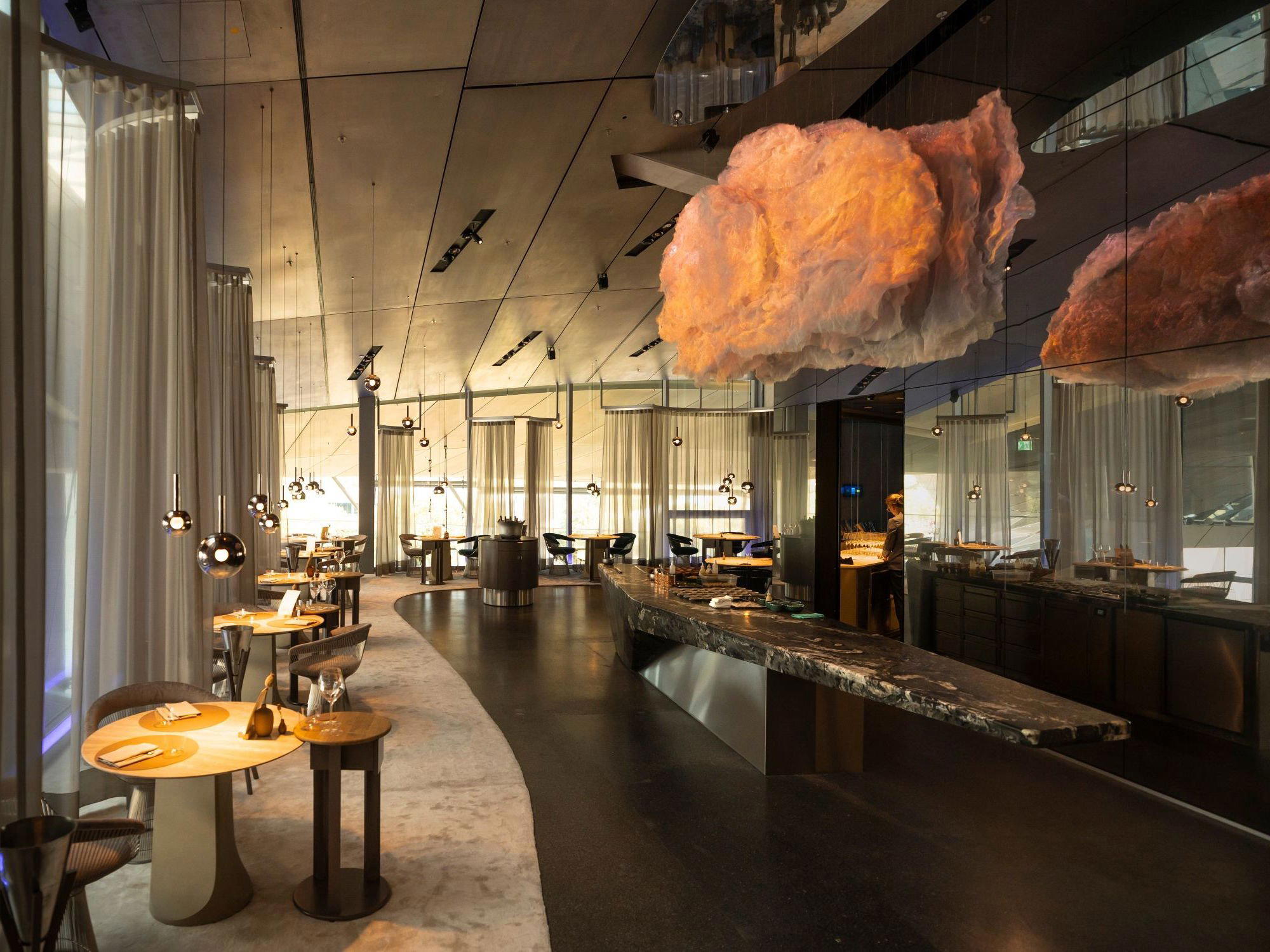
Restaurants in Lyon
Browse all →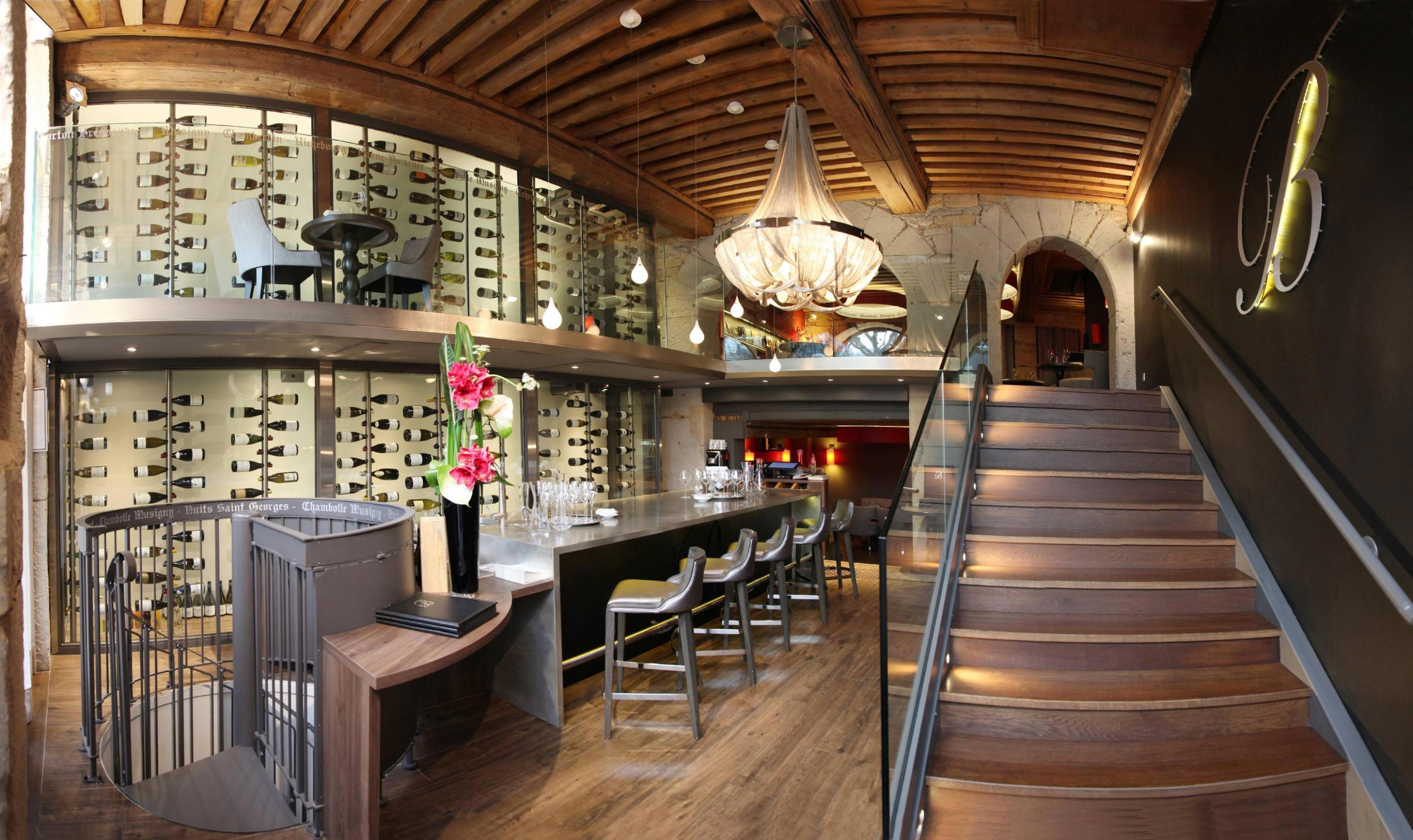
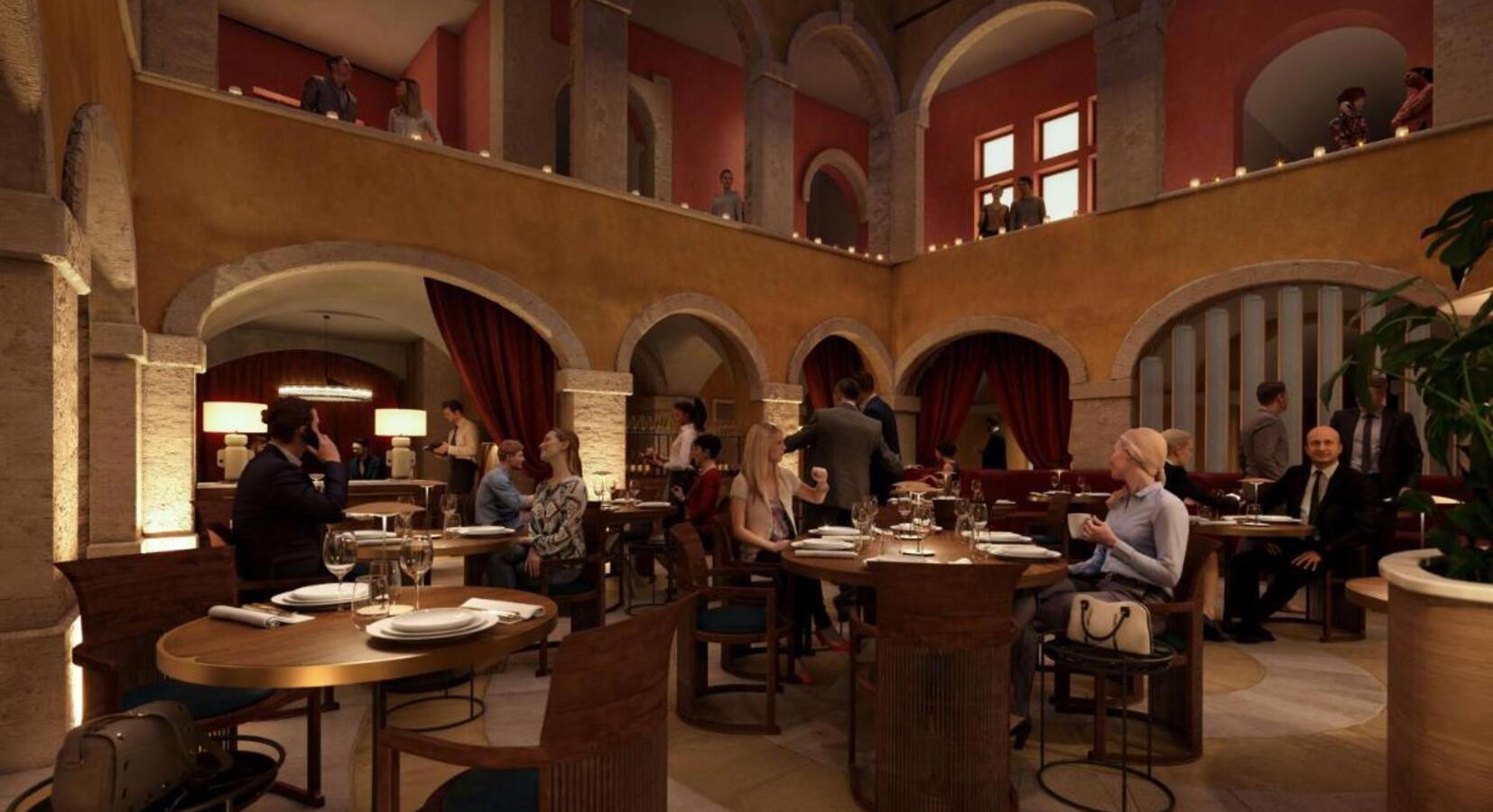
Bars in Lyon
Browse all →
Hotels in Lyon
Browse all →

At a Glance
- Cozy
- Trendy
- Date Night
- Casual Hangout
- Group Dining
- Open Kitchen
- Extensive Wine List
Current opening hours
- Monday
- 12–2 PM, 7–10 PM
- Tuesday
- 12–2 PM, 7–10 PM
- Wednesday
- 12–2 PM, 7–10 PM
- Thursday
- 12–2 PM, 7–10 PM
- Friday
- 12–2 PM, 7–10:30 PM
- Saturday
- 12–2:30 PM, 7–10:30 PM
- Sunday
- 12–2:30 PM, 7–10 PM
Hours can change for holidays and private events. Last verified .
Charming and convivial atmosphere with a focus on authentic Italian hospitality.
Know Before You Go
- Getting there
- 4 Rue de Fleurieu, 69002 Lyon, France