Gish Bac
Our verdict
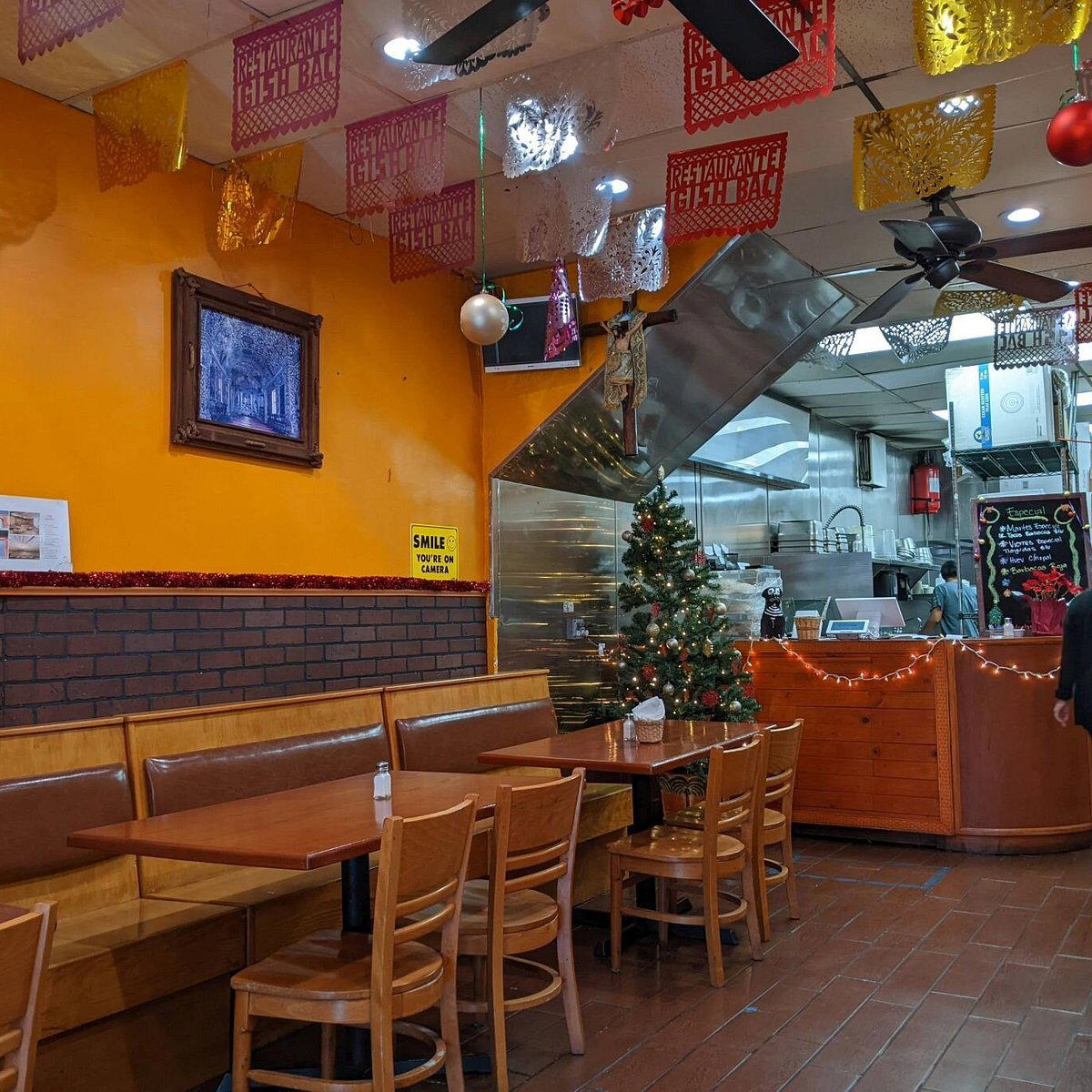
Gish Bac on West Washington Boulevard has held a quiet but firm position in Los Angeles's Mexican regional dining scene for years, occupying a tier that separates ingredient-driven Oaxacan cooking from the taqueria mainstream. The restaurant draws a loyal local following for preparations rooted in southern Mexican tradition, including meats cooked over wood and clay-pot techniques that remain relatively rare on the West Coast.
The menu
What to order
- Barbacoa
- Tlayudas
- Black mole tamales
Where Oaxacan Tradition Sits in the Los Angeles Mexican Dining Picture
Los Angeles carries more regional Mexican cooking traditions per square mile than almost any city outside Mexico itself, yet those traditions are distributed unevenly across the price spectrum. The taqueria tier is saturated and competitive. The high-end Mexican format, where tasting menus foreground pre-Columbian ingredients and modern plating, has grown a dedicated following at a handful of addresses. What sits between those two poles is harder to categorize and, for that reason, often harder to find: restaurants that cook with the depth and specificity of a regional tradition without adopting the ceremonial presentation of a destination dining room. Gish Bac, operating on West Washington Boulevard in the West Adams corridor, has occupied that middle position for years, drawing regulars with Oaxacan preparations that prioritize technique and sourcing over atmosphere signals.
West Adams itself has undergone considerable change in recent years, with new openings bringing the neighborhood into wider food-media conversation. Gish Bac predates that wave of attention, which partly explains its reputation among Angelenos who tracked Mexican regional cooking before it became a broader critical topic. In a city where our full Los Angeles restaurants guide spans formats from Providence's contemporary seafood to Kato's New Taiwanese tasting menu, Gish Bac represents a distinct register: a neighborhood restaurant with a specific regional identity that has outlasted several cycles of local dining fashion.
The Sensory Logic of Oaxacan Cooking
Oaxacan cuisine operates through a set of techniques and base ingredients that produce a recognizable aromatic profile before a dish reaches the table. Wood-fired cooking, dried chiles rehydrated and ground into complex pastes, black beans simmered with avocado leaf, and the particular fermented sharpness of Oaxacan cheese create a layered environment that is immediately distinct from other Mexican regional traditions. The smell of charring meat over coals, the low earthy warmth of a mole negro reducing over time, the faint smokiness that clings to tlayudas assembled on thick baked tortillas: these are sensory markers of a cuisine that developed in the Sierra Madre highlands and the Central Valleys, and they translate with unusual fidelity to the West Washington Boulevard dining room.
Meats cooked over wood or in clay pots remain among the more demanding preparations in any regional Mexican kitchen. The clay pot, or cazuela, retains heat differently from metal cookware, and the porous material interacts with fat and liquid in ways that affect texture and flavor over a long cook. Restaurants that commit to this approach are committing to slower, less controllable production than a modern kitchen line typically permits. That commitment is part of what gives Gish Bac's cooking its character and part of what separates it from Oaxacan-adjacent menus that approximate the flavors without the underlying methodology.
Within Los Angeles's Mexican dining hierarchy, Gish Bac occupies a different register than Holbox, the celebrated Mexican seafood counter at Mercado La Paloma, which focuses on coastal preparations from the Gulf and Pacific. It also differs from the kind of ambitious tasting-menu format that places like Somni represent at the far end of the price and formality spectrum.
The kind of regional specificity Gish Bac applies to Oaxacan cooking is more commonly found in destination-format restaurants where the price point reflects the sourcing and the labor. In Los Angeles, the combination of accessible pricing and deep technique puts Gish Bac in a position that most visitors from other American cities find surprising. For context, comparable depth of regional specificity at restaurants like Hayato in the Japanese category comes with a dramatically higher check average. The ratio of culinary seriousness to cost at Gish Bac is a function of its neighborhood identity rather than any deliberate positioning strategy.
Los Angeles Mexican Cooking in National Context
The serious regional Mexican restaurant has become a more recognized category across the United States over the past decade, aided in part by critics and publications that have spent more time distinguishing between Mexican regional traditions rather than treating the cuisine as monolithic. That shift has benefited restaurants like Gish Bac, which were doing the work before the critical vocabulary caught up. Cities from New York to Chicago now have addresses where Oaxacan mole preparations or Yucatecan cochinita receive sustained attention, but Los Angeles retains an advantage in the depth of the diaspora community and the length of time that community-facing restaurants have been refining these techniques.
That longer institutional memory matters when evaluating what Gish Bac represents. The restaurant is not a response to a trend. It is a continuation of a cooking tradition that predates the current critical enthusiasm for regional Mexican food, and that continuity shows in the consistency of the preparation and the demographic mix of the dining room on any given evening. Restaurants with that kind of embedded community standing operate differently from concept-driven openings at places like Osteria Mozza or destination-chef projects at Le Bernardin in New York City or The French Laundry in Napa. The pressure that shapes the menu at Gish Bac is community accountability, not critical expectation.
Planning a Visit: Practical Notes
Gish Bac sits at 4163 West Washington Boulevard in the West Adams neighborhood, accessible by car from central Los Angeles in under twenty minutes outside peak traffic hours, and reachable on the Metro E Line with a short walk from the Normandie station. The restaurant operates in a direct neighborhood format without an online reservation system as the primary booking mechanism, which means walk-in timing matters more than it would at a tasting-menu address like Smyth in Chicago or Addison in San Diego. Arriving early in the dinner window or at lunch generally produces the shortest waits. The restaurant is family-oriented and informal, with no dress expectation and a noise level that reflects a full, active dining room rather than a quiet service theater. For visitors building a broader Los Angeles itinerary that includes higher-formality stops at addresses across the city, Gish Bac functions well as the meal that provides the most direct contact with the city's Mexican regional cooking tradition.
Frequently asked questions
Where exactly is Gish Bac?
Gish Bac is located at 4163 W Washington Blvd, Los Angeles, CA 90018, Los Angeles.
Is Gish Bac one of the few Oaxacan-specific restaurants in Los Angeles?
Oaxacan restaurants represent a small subset of Los Angeles's regional Mexican dining scene, which more commonly features cooking from Jalisco, Sinaloa, and the Mexican northwest. Gish Bac, located at 4163 West Washington Boulevard in West Adams, focuses specifically on Oaxacan tradition, placing it in a narrow peer group within the city. That specificity has earned the restaurant a following among diners seeking southern Mexican regional cooking rather than a generalized Mexican menu.
What do regulars order at Gish Bac?
Gish Bac is known within Los Angeles's regional Mexican dining circles for its Oaxacan preparations, particularly slow-cooked meats and mole-based dishes that reflect the cooking traditions of southern Mexico. Regulars tend to return for the dishes that take the longest to prepare, the kind that require hours of technique rather than minutes of assembly. For the most current menu specifics, check the venue's official channels or check their current listings before visiting at 4163 West Washington Boulevard.
Do I need a reservation for Gish Bac?
Gish Bac sits in West Adams, a neighborhood that has drawn increasing dining attention in Los Angeles over the past several years, and the restaurant draws a consistent local following alongside out-of-neighborhood visitors. Walk-ins may be possible during off-peak hours, but given the restaurant's reputation in Oaxacan cooking circles, calling ahead is the more reliable approach. check the venue's official channels at 4163 West Washington Boulevard to confirm current reservation policy.
What's the signature at Gish Bac?
Gish Bac's identity in the Los Angeles Mexican dining conversation is anchored in Oaxacan cooking, a regional tradition defined by complex moles, wood-smoke technique, and preparations that differ substantially from the Jalisco or Sinaloa traditions more commonly represented across the city. That regional specificity is the signature, less any single dish and more a commitment to a culinary geography that few Los Angeles restaurants pursue with comparable focus. The kitchen's Oaxacan roots place it in a different category than the city's broader Mexican restaurant offering.
How does Gish Bac handle allergies?
Oaxacan cooking relies on complex preparations including mole sauces that can contain dozens of ingredients, making allergy communication particularly important at a restaurant like Gish Bac. Guests with serious dietary restrictions or allergies should check the venue's official channels before visiting to discuss specific dishes and ingredient compositions. The staff at 4163 West Washington Boulevard are the authoritative source on current preparation methods.
Cuisine and Recognition
| Venue | Cuisine | Price | Awards | Notes |
|---|---|---|---|---|
| Gish BacThis venue (the venue you are viewing) | Authentic Oaxacan | Not listed | Not listed | Not listed |
| Kato | Modern Taiwanese Fine Dining | $300–500 | 2 Michelin Stars · World's 50 Best #49 | New Taiwanese, Asian |
| Hayato | Traditional Japanese Kaiseki | $300–500 | 2 Michelin Stars · La Liste Top Restaurants | Japanese |
| Vespertine | Avant-Garde Tasting Menu | $200–300 | 2 Michelin Stars · La Liste Top Restaurants | Progressive, Contemporary |
| Holbox | Modern Mexican Seafood | $30–50 | 1 Michelin Star · World's 50 Best #26 | Mexican Seafood, Mexican |
| Sushi Kaneyoshi | Edomae Omakase | $300–500 | 1 Michelin Star · LA Times 101 Best Restaurants #24 | Sushi, Japanese |
Continue exploring
More in Los Angeles
Restaurants in Los Angeles
All restaurants in Los Angeles →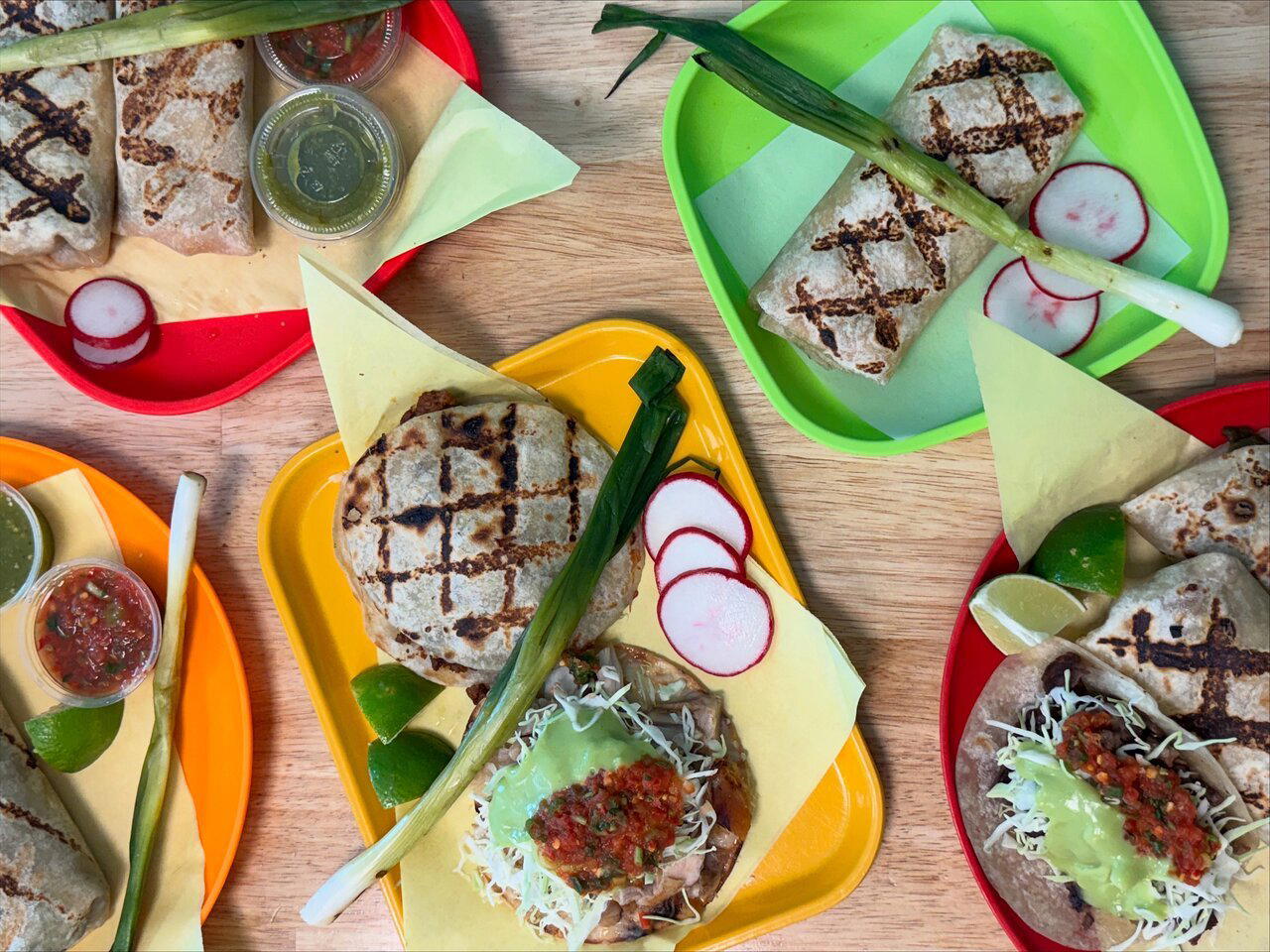
Bars in Los Angeles
All bars in Los Angeles →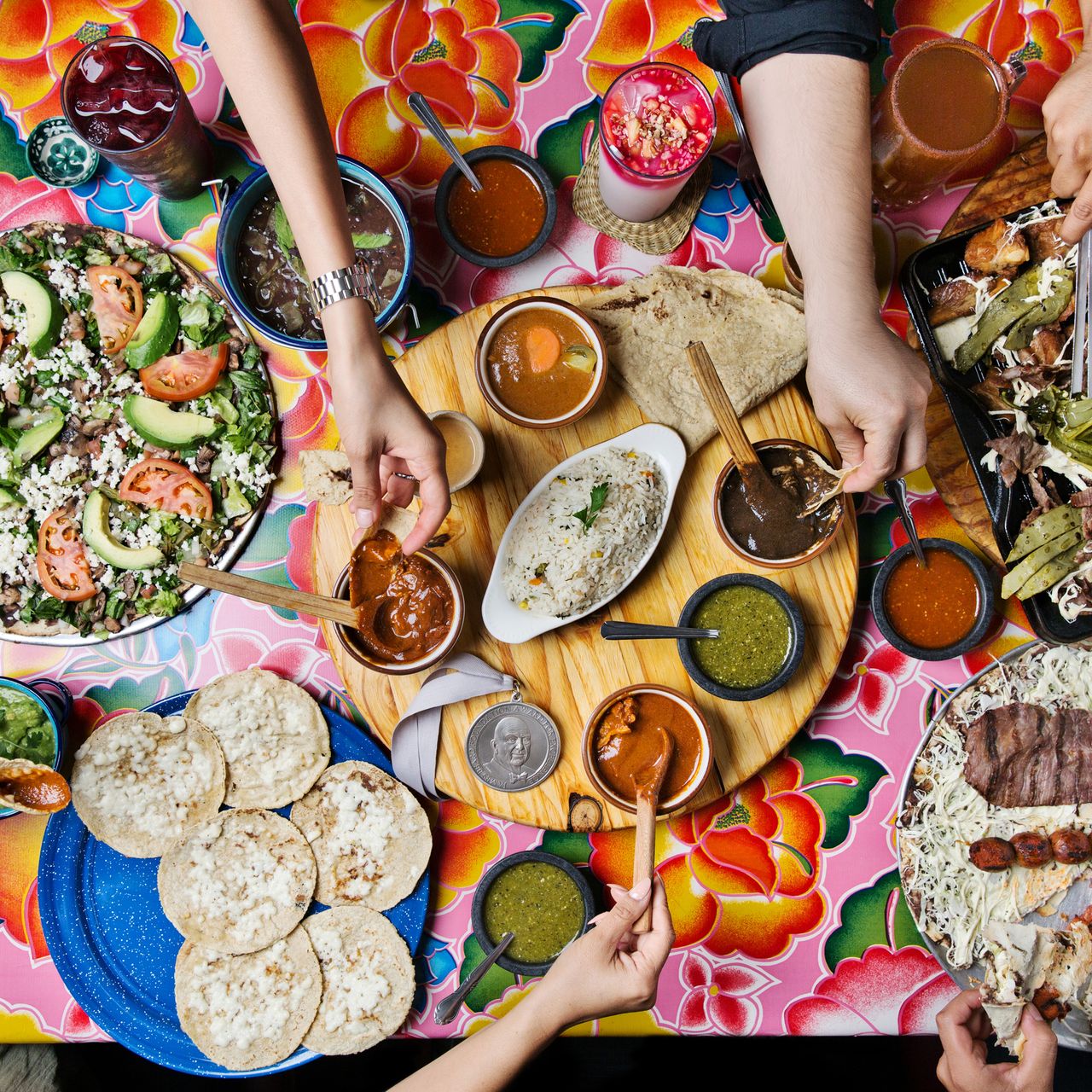

Hotels in Los Angeles
All hotels in Los Angeles →

Wineries in Los Angeles
All wineries in Los Angeles →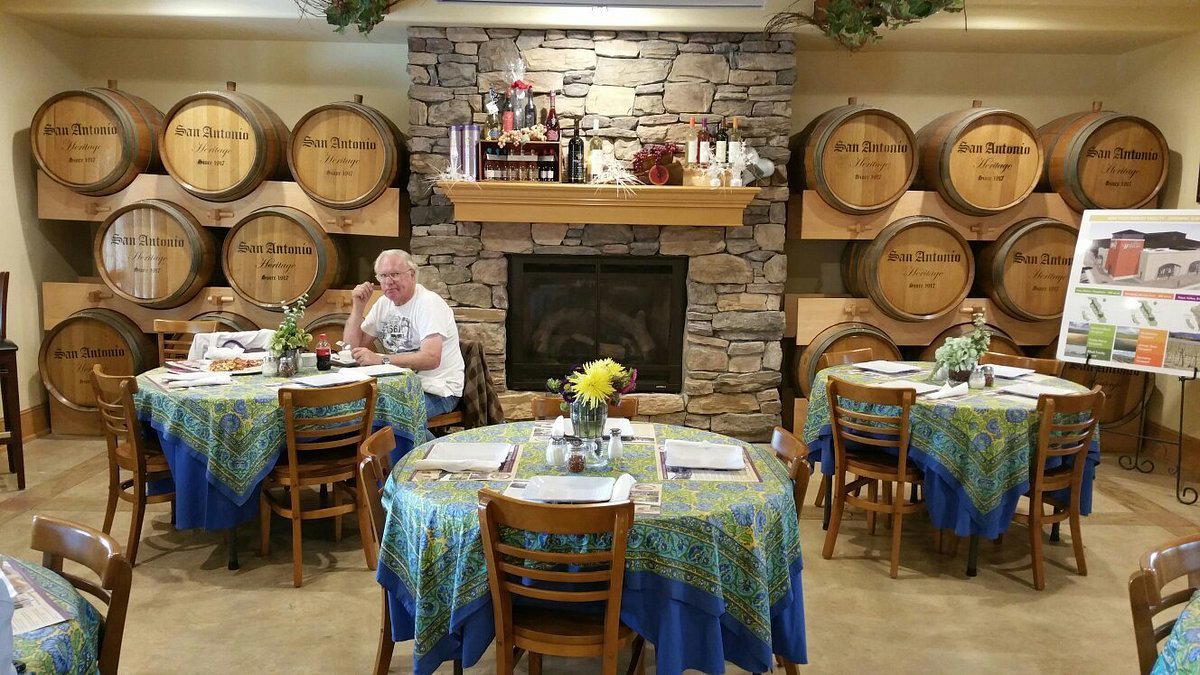

Details
- Classic
- Cozy
- Family
- Casual Hangout
- Standalone
- A La Carte
Unassuming neighborhood spot with warm, traditional Oaxacan family atmosphere.