
A Michelin-starred kaiseki counter in Gion's southern precinct, Gion Nishimura earns its recognition through technical precision that rarely announces itself. The kitchen's approach prizes invisible craft: layered dashi combinations, knife cuts calibrated to each vegetable, a sesame tofu that has become a fixture by diner demand. At a mid-tier price point for the neighbourhood, it occupies a distinct position in Kyoto's multi-course dining hierarchy.
Pearl is the En Primeur Club membership app — saves, bookings, and concierge access live there. Same editors, same standards.
- Address
- 570-160 Gionmachi Minamigawa, Higashiyama Ward, Kyoto, 605-0074, Japan
- Phone
- +81 75-525-2727
- Website
- gion-nishimura.com
- Directions
- Get directions
 Saves & bookings on Pearl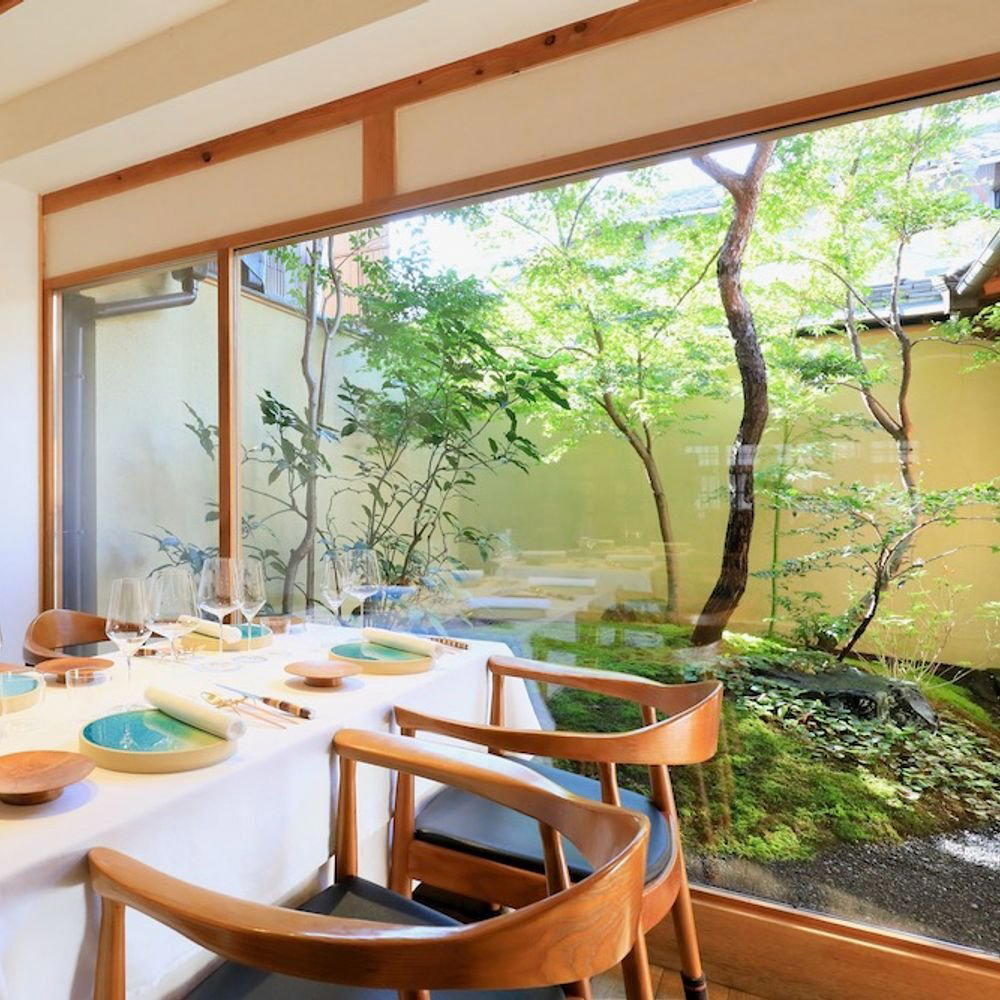
Gion's Southern Precinct and the Geometry of Kaiseki
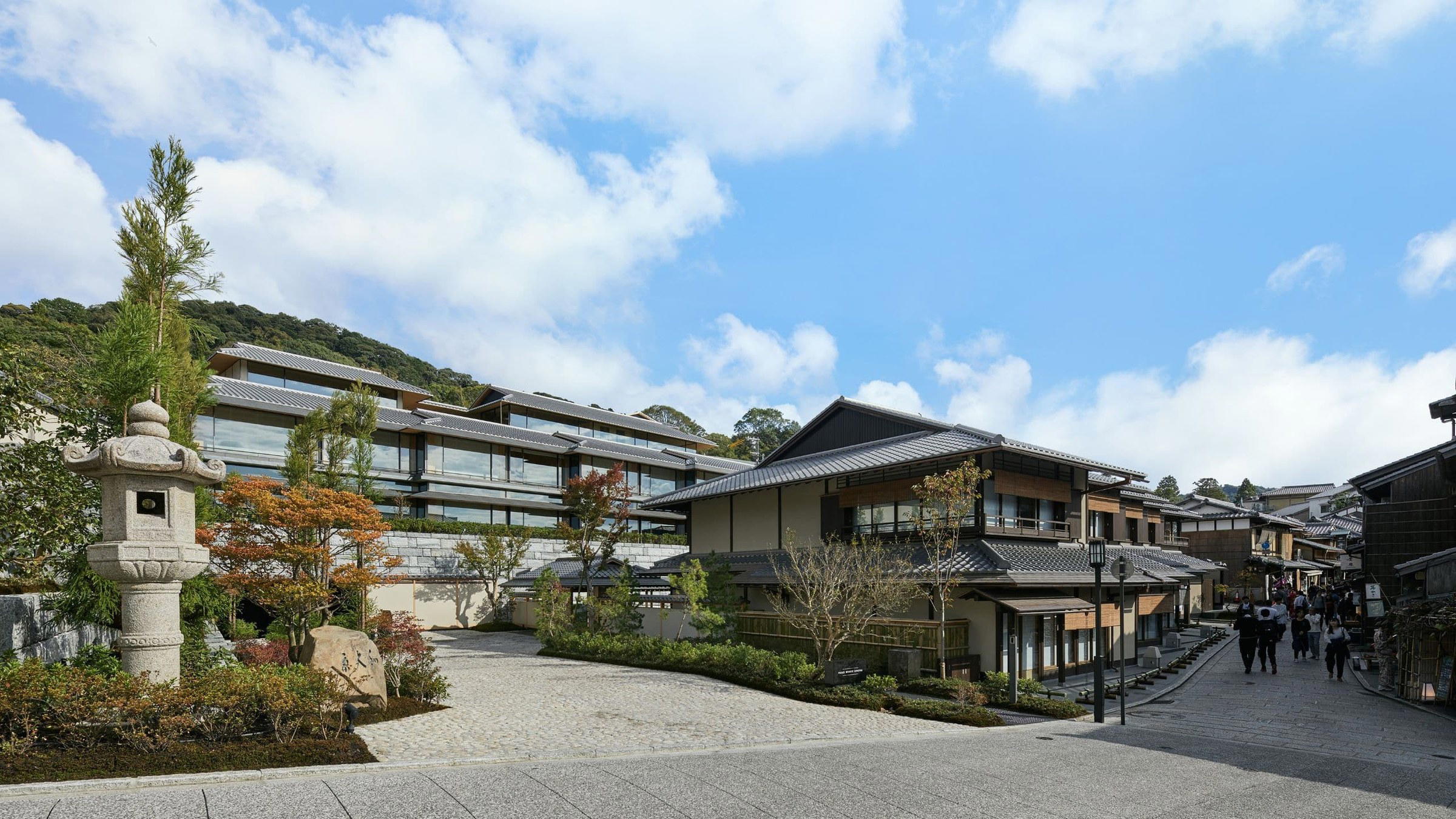
Gion Nishimura is a one-star Michelin restaurant in Kyoto's Gionmachi Minamigawa. Gionmachi Minamigawa is one of Kyoto's most formally composed streets. The stone-paved lane running south of Shijo-dori retains its Edo-period merchant-house proportions, with wooden machiya facades sitting shoulder-to-shoulder under low eaves. Walking it at dusk, when the ochaya lanterns begin to glow and the foot traffic thins, the street functions less as a thoroughfare than as a threshold, a cue that whatever follows will observe a particular kind of seriousness. Gion Nishimura, at address 570-160, sits within that atmosphere and takes clear instruction from it.
Kaiseki as a format has roots in the tea-ceremony tradition of this city: small, precise portions designed to attune the guest to season and setting rather than to satisfy appetite alone. The multi-course structure that now defines Kyoto's premium dining tables emerged from those restraint principles, and the neighbourhood around Gion Nishimura remains one of the densest concentrations of that tradition anywhere in Japan. Understanding where Nishimura sits within that concentration, rather than simply cataloguing what it serves, is the more useful analytical exercise.
Where Nishimura Sits in Kyoto's Kaiseki Hierarchy
Kyoto's starred kaiseki tables span a significant range. At the upper end, restaurants such as Gion Matayoshi and Isshisoden Nakamura represent the deep classical lineage, while Kikunoi Roan operates as one of the city's more accessible entry points into the idiom. Nishimura holds a Michelin one-star rating as of the 2024 guide, placing it in the broad mid-tier of recognised tables, and it prices at ¥¥¥ rather than the ¥¥¥¥ bracket occupied by two- and three-star peers such as Ifuki, Kyokaiseki Kichisen, and Kenninji Gion Maruyama. That price positioning is significant. It suggests a kitchen that has chosen depth of technique over the elaborate presentation arms race that tends to drive costs upward at the summit of the scale. The 2025 Michelin guide additionally awarded a Michelin Plate, indicating sustained recognition across consecutive cycles.
Compared to the small number of Kyoto kaiseki counters working with European or fusion influence, including Italian-accented Kodaiji Jugyuan nearby, Nishimura's frame of reference is entirely classical Japanese. The diner arriving here should expect zero concession to Western palatability: no French-trained techniques grafted onto the dashi stock, no wine pairing curated to broaden the appeal. This is a house operating inside a defined tradition and measuring itself by that tradition's internal standards.
The Philosophy of Invisible Craft
What distinguishes Nishimura's approach is the deliberate subordination of visible technique to cumulative effect. The Michelin assessors' own summary of the kitchen's philosophy is instructive here: the aim is cuisine that appears simple but leaves a lasting impression, with consequential work happening in elements the diner never directly observes. The dashi combinations are the clearest example. In the eel and rolled omelette dressed in a starchy sauce, the kitchen varies the dashi used for the omelette itself from that used for the sauce, creating layered resonance between two preparations that a less exacting approach would treat as a single unified element.
This matters because dashi is the structural language of Japanese cooking in a way that has no direct Western analogue. Stock in a French kitchen supports a sauce; dashi in a kaiseki kitchen is closer to harmonic underpinning, it defines the register in which every other flavour operates. Varying its composition within a single dish course is a form of counterpoint. It is also entirely invisible to the eye and only perceptible to a trained or attentive palate. The kitchen at Nishimura appears to be making that attentiveness a precondition for full comprehension of what is on the plate.
The same logic applies to the vegetable cutting. The assortment of simmered vegetables, a preparation that kaiseki kitchens use to demonstrate both seasonal sourcing and knife discipline, arrives with each element cut in a different configuration. The visual effect reads as variety; the cooking effect is that each cut produces a different texture and rate of seasoning absorption during the simmering process. The dish looks like an arrangement. It is, more precisely, a set of controlled technical experiments assembled into harmony.
Two Dishes That Have Earned Permanence
In kaiseki, the seasonal rotation of dishes is both a structural principle and a form of respect for the diner who returns across the year. A dish that appears on the menu regardless of season is therefore a statement: it has earned its place through diner response strong enough to override the rotation logic. At Nishimura, two preparations have reached that status by demand. The sesame tofu and the mackerel sushi are now standard, their presence on the menu the result of accumulated guest preference rather than any institutional decision to anchor the format.
Sesame tofu, or goma-dofu, is a preparation that appears across Kyoto kaiseki at various levels of quality. Made from sesame paste and kudzu starch rather than from soy, it is a dish whose excellence is almost entirely about execution: the ratio of starch to sesame, the temperature control during cooking, the density of the final set. That diners at Nishimura have insisted on its permanent availability is less a testament to novelty than to consistency at a standard above the neighbourhood norm. The mackerel sushi, pressed rather than rolled and typically served in the saba-zushi style associated with Kyoto, is subject to similar logic: it is a regional preparation with a long local history, and its elevation to standard-menu status is earned through execution, not invention.
Across Japan: The Broader Context of Precision Kaiseki
The approach Nishimura represents, classical, technique-led, resistant to theatrical presentation, has counterparts across Japan. In Tokyo, Myojaku and Azabu Kadowaki operate within related precision-Japanese frameworks, while Harutaka applies comparable depth to the omakase format. Further afield, HAJIME in Osaka takes Japanese seasonal philosophy into a more avant-garde register, akordu in Nara applies European craft to local Yamato ingredients, and Goh in Fukuoka works within a regional tradition that parallels Kyoto in its insistence on produce-first cooking. At the opposite end of the archipelago, 6 in Okinawa and 1000 in Yokohama each represent distinct regional iterations of the precision-dining sensibility. What connects all of them, and what connects each to Nishimura, is a shared understanding that the highest expression of Japanese cooking tends to operate through subtraction: removing the decorative until only the functional, and the functional until only the essential, remains.
Planning a Visit
Gion Nishimura is located at 570-160 Gionmachi Minamigawa in Higashiyama Ward, placing it within walking distance of the Yasaka Shrine precinct and a short distance from Keihan Gion-Shijo station. The mid-tier pricing at ¥¥¥ makes it more accessible than many of Kyoto's starred kaiseki tables, though it remains a considered expenditure. Approaching the restaurant directly through a hotel concierge or a specialist dining reservation service is the practical route for international visitors.
For those building a broader Kyoto itinerary, EP Club maintains guides to restaurants, hotels, bars, wineries, and experiences across the city.
A Credentials Check
Comparable venues nearby, for context on price, style, and recognition.
| Venue | Cuisine | Price | Awards | Notes |
|---|---|---|---|---|
| Gion NishimuraThis venue — the venue you are viewing | Traditional Kyoto Kaiseki | $$$$ | Michelin 1 Star | Not listed |
| Shimogamo Saryo | Kyoto Tea Kaiseki | $$$$ | Michelin 1 Star | Sakyō |
| Ayanokoji Karatsu | Traditional Japanese Kaiseki | $$$$ | Michelin 1 Star | Shimogyō |
| Hassun | Traditional Kyoto Kappo | $$$$ | Michelin 1 Star | Higashiyama |
| Noguchi Tsunagu | Modern Kaiseki | $$$$ | Michelin 1 Star | Higashiyama |
| Funaokayama Shimizu | Kaiseki with Notable Rice | $$$$ | Michelin 1 Star | Kita |
Recognition history
Dated appearances from independent guides and award organizations, with the underlying list record or original source where available.
Michelin Plate
Michelin
Michelin Plate
Michelin
Michelin 1 Star
Michelin
Continue exploring
More in Kyoto
Restaurants in Kyoto
Browse all →
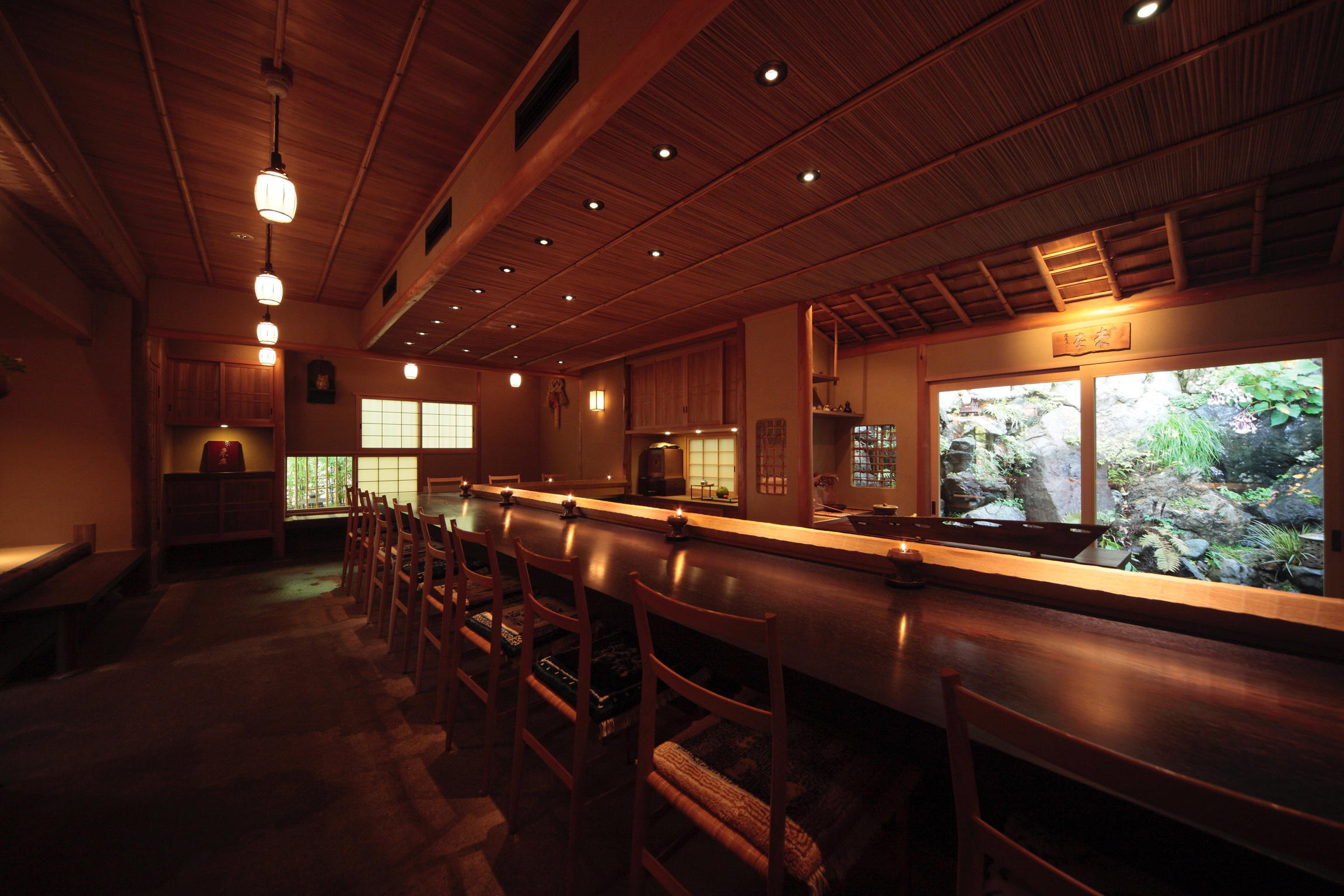
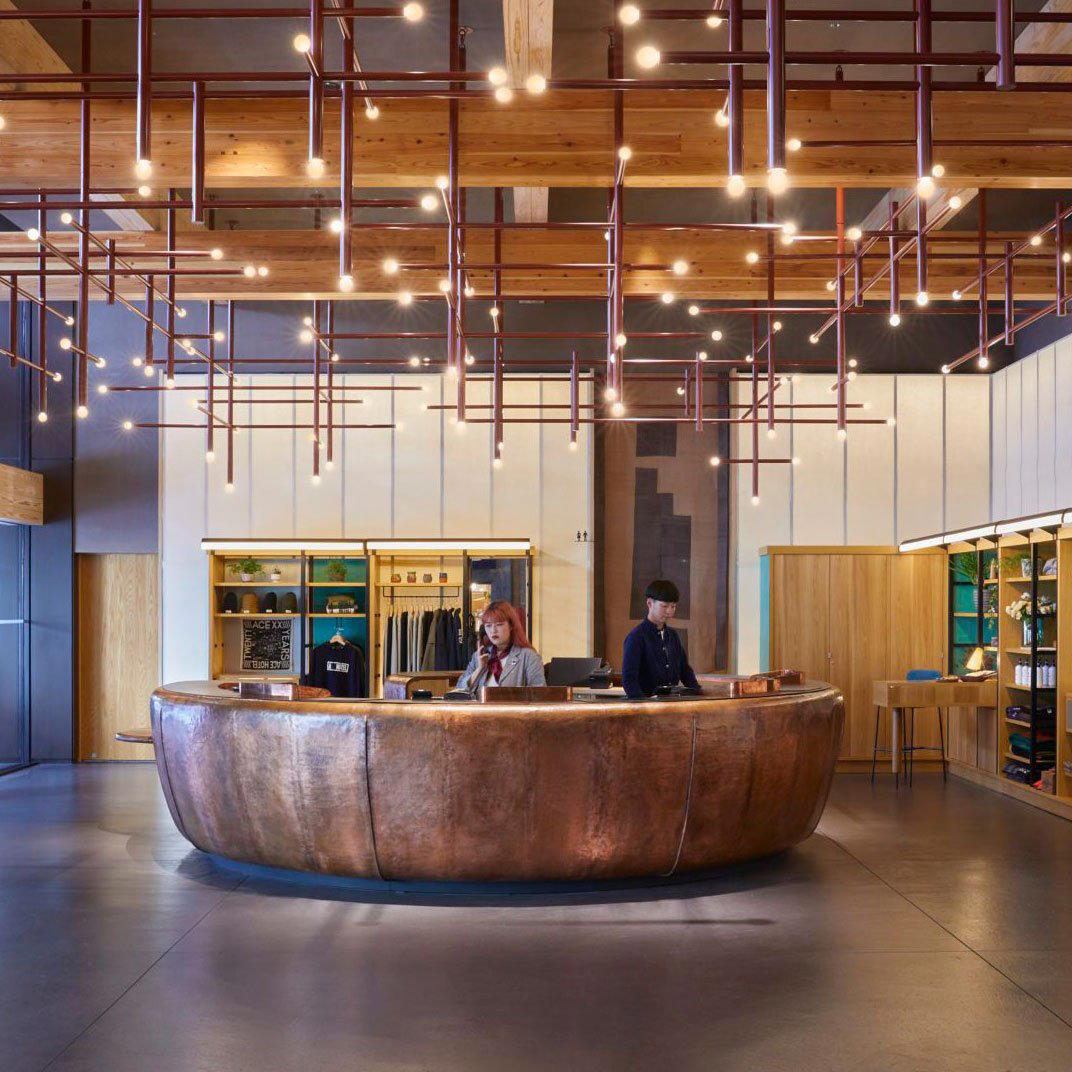
Bars in Kyoto
Browse all →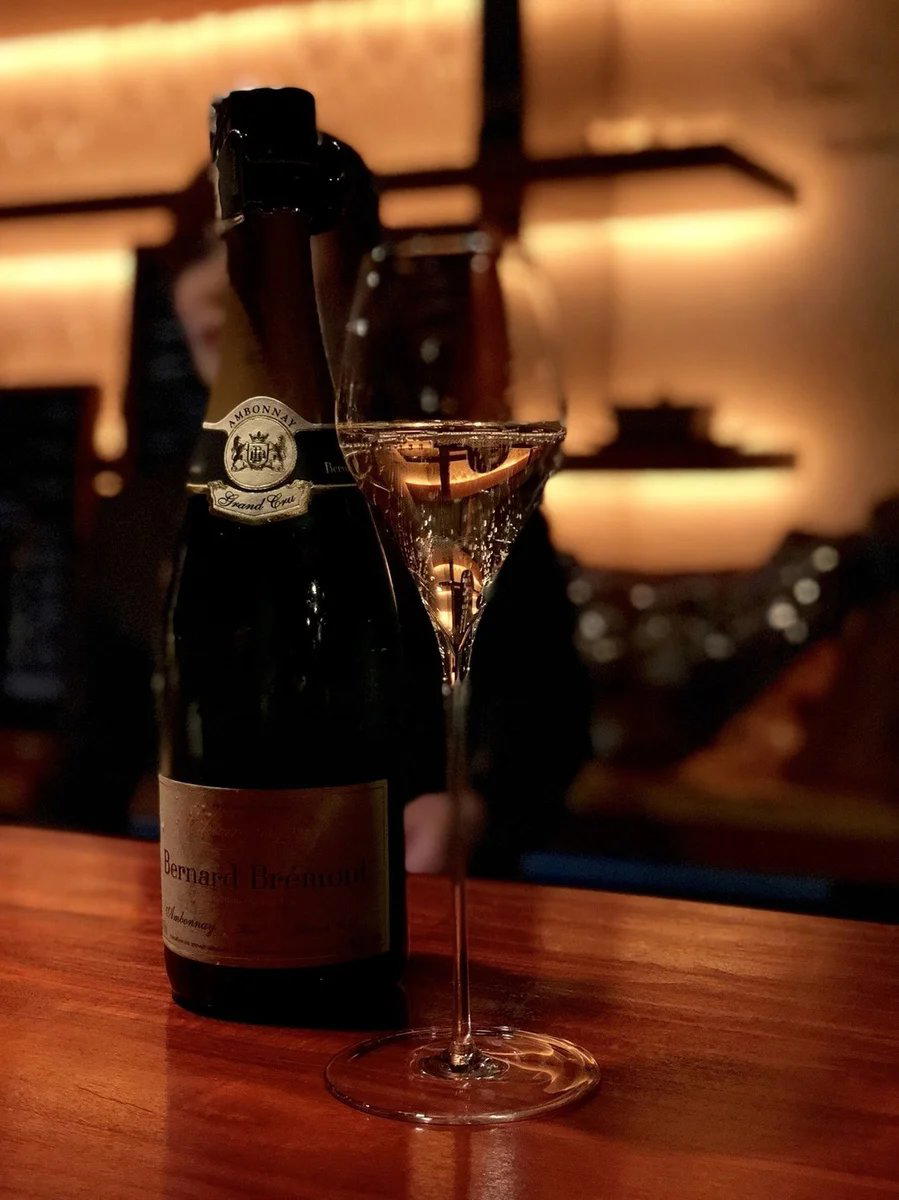
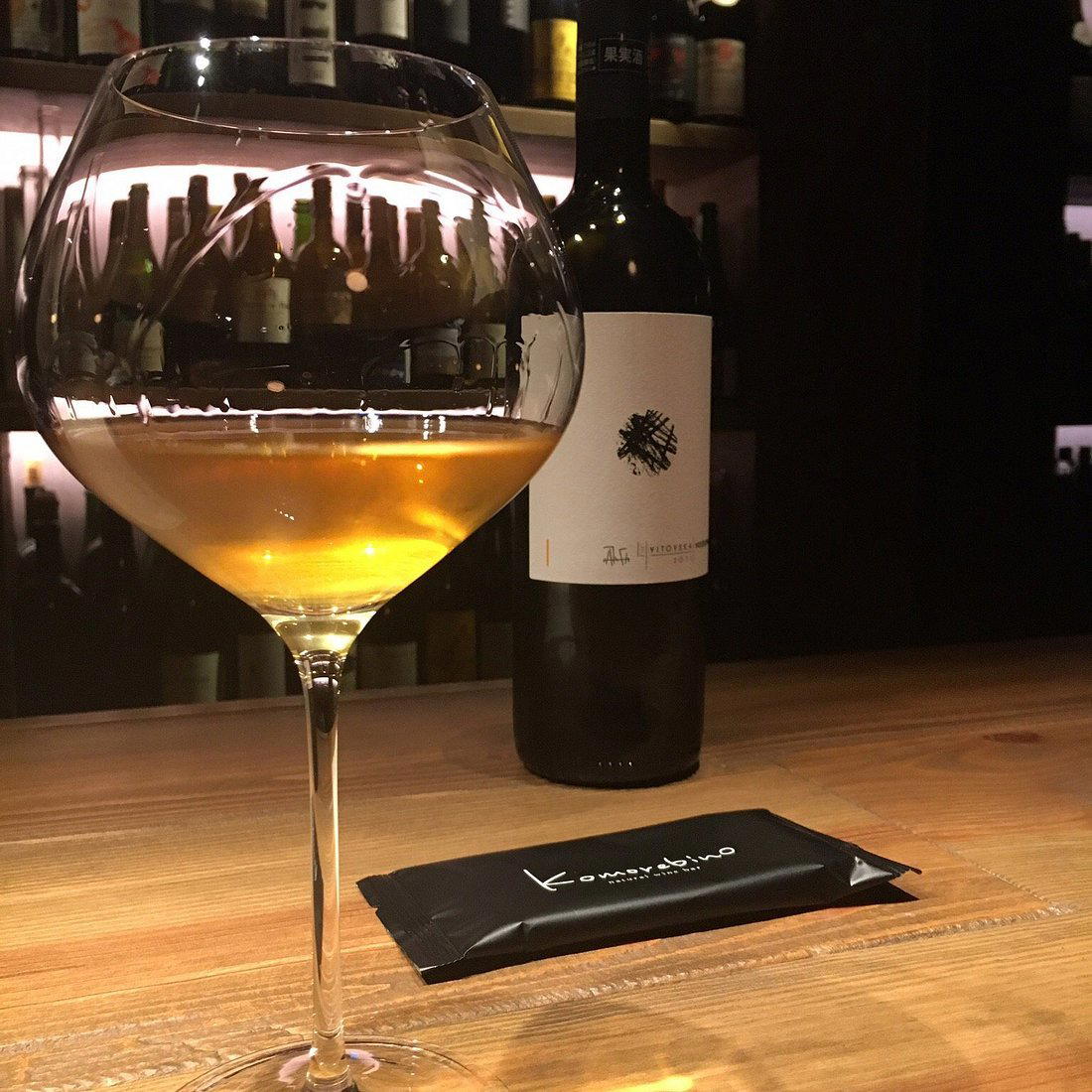
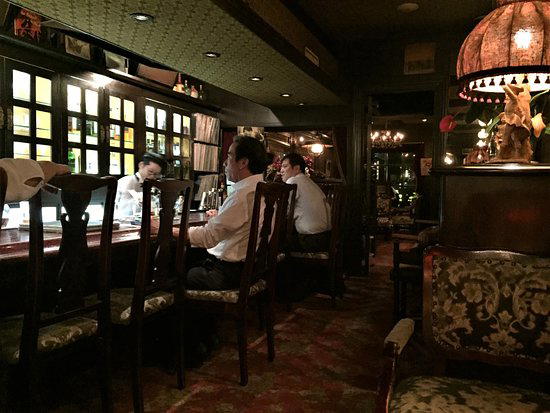
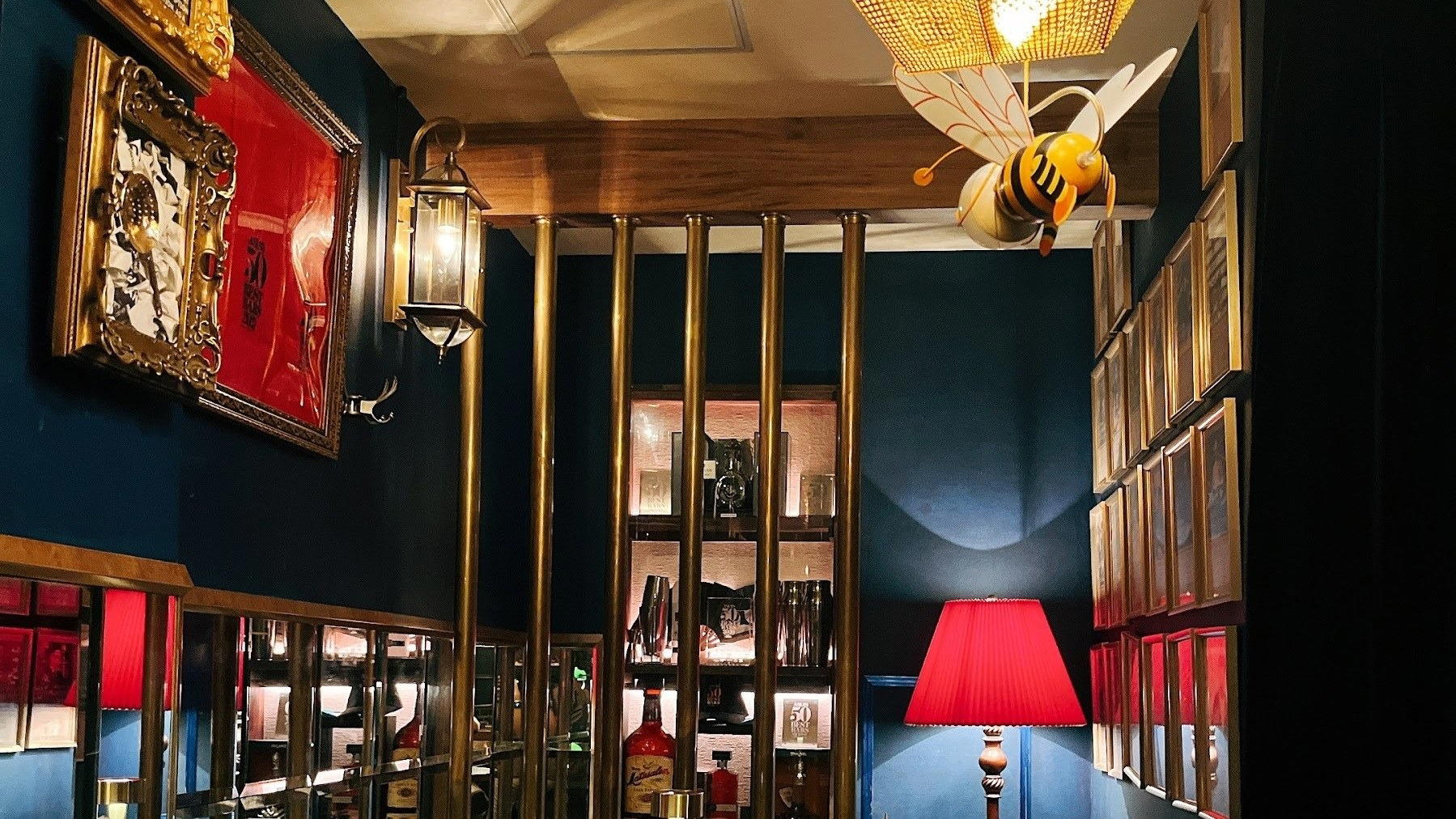
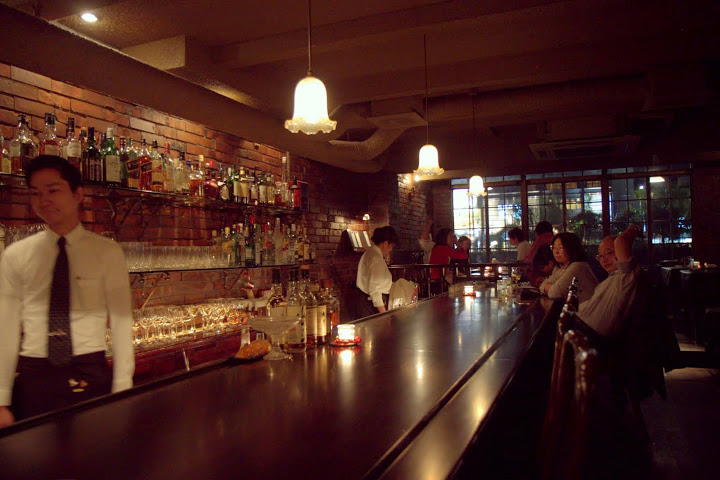
Hotels in Kyoto
Browse all →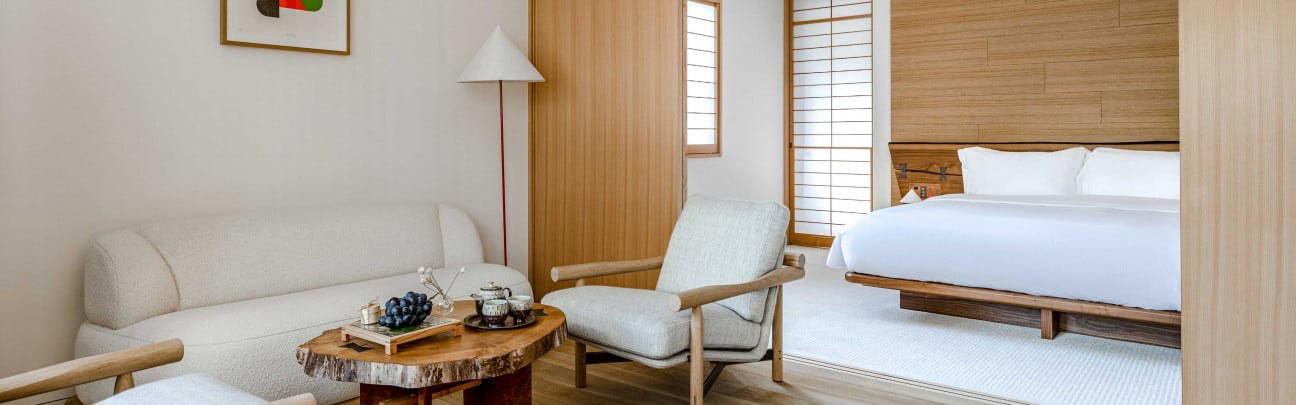
Wineries in Kyoto
Browse all →
At a Glance
- Elegant
- Intimate
- Classic
- Sophisticated
- Business Dinner
- Special Occasion
- Celebration
- Date Night
- Chefs Counter
- Open Kitchen
- Private Dining
- Historic Building
- Sake Program
- Local Sourcing
Current opening hours
- Monday
- 5–8 PM
- Tuesday
- 5–8 PM
- Wednesday
- 5–8 PM
- Thursday
- 5–8 PM
- Friday
- 5–8 PM
- Saturday
- 5–8 PM
- Sunday
- Closed
Hours can change for holidays and private events. Last verified .
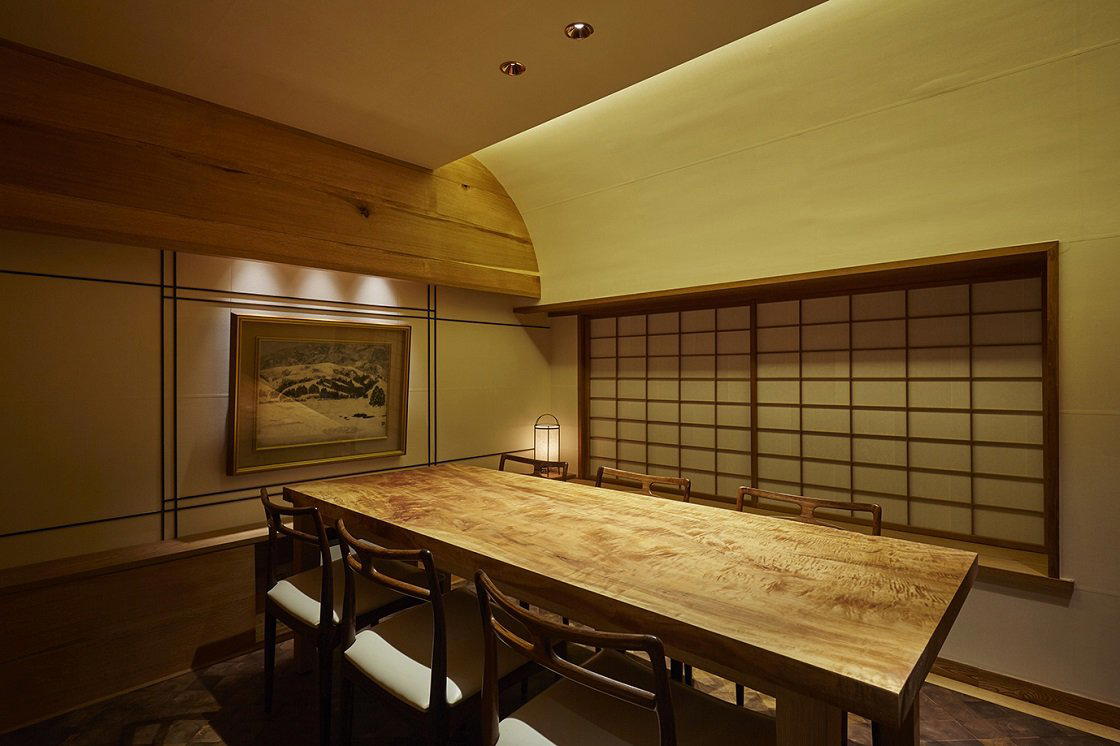
Serene and elegant with traditional Japanese decor, featuring counter seating and tatami rooms that create an intimate, refined atmosphere enhanced by the owner's warm hospitality.