Skip to Main Content
La Fête du ChampagneCode: PEARL
Seasonal Fruit Parlor & Cafe
← Collection
Tokyo, Japan

Fruits de Saison

PriceJPY 2,000 - JPY 2,999
Dress CodeCasual
ServiceCasual
NoiseConversational
CapacitySmall

Fruits de Saison puts Tokyo’s fruit-parlour tradition in the Akihabara-Suehirocho orbit, where precision produce, café pacing, and dessert culture meet at a mid-range spend. Its Tabelog Sweets TOKYO 100 selection in 2023, 60-seat format, and fruit-parlour identity make it a useful counterpoint to the city’s reservation-heavy restaurants: value here comes from ingredient focus rather than ceremony.

Pearl is the En Primeur Club membership app — saves, bookings, and concierge access live there. Same editors, same standards.

Plan your visit on PearlPlan Your Visit
Address
Japan, 〒101-0021 Tokyo, Chiyoda City, Sotokanda, 4 Chome−11−2 高關ビル
Phone
+81 3-5296-1485
Directions
Get directions
Saves & bookings on Pearl
Fruits de Saison restaurant in Tokyo, Japan
About

Approaching the Suehirocho side of Akihabara, the city changes register. Electronics storefronts, office blocks, and side-street cafés compress into a district where quick meals and specialist counters coexist within a few minutes’ walk. In that setting, Tokyo’s fruit parlour reads differently from a patisserie or hotel lounge. It is less about pastry technique as theatre and more about the Japanese habit of treating ripe fruit as a luxury product in its own right.

That distinction matters at Fruits de Saison. Tokyo has long given fruit a status that can surprise first-time visitors: melons boxed as gifts, strawberries sorted by variety and season, parfaits built around produce rather than sugar. The fruit parlour sits inside that culture, closer to a produce-driven café than a Western dessert shop. Its Tabelog Sweets TOKYO 100 selection in 2023 places it within a competitive sweets category where consistency, sourcing, and everyday repeatability carry weight.

Fruit-parlour value in a city built for high-ticket dining

Tokyo’s dining hierarchy can make value difficult to read. A counter meal at Tori Tsune Shizen Do moves into a much higher evening bracket, while Namaiki sits in another serious-dining price tier altogether. Around Akihabara, Caligari Akihabara and BROWNIE represent cheaper, faster everyday eating. Fruits de Saison occupies a different middle: not a splurge restaurant, not a snack stop, but a sweets-focused room where the spend is tied to fresh fruit, café service, and a seated break from the district’s pace.

The price band gives the place its editorial point. In Tokyo, JPY 2,000 to JPY 2,999 can buy either a functional lunch, a polished café dessert, or a modest specialty meal. Here, that sum is directed toward fruit as the main event. That is a useful proposition for travellers who have already booked sushi, yakitori, or kappo elsewhere and want a daytime address that says something about Japanese food culture without requiring a full tasting-menu commitment.

The format also helps explain the audience. This is listed as a fruit parlour and café, with take-out service and a 60-seat room. Counter seating is available, private rooms are not, and the room is non-smoking. Those details point to a democratic Tokyo sweets address rather than a hushed luxury salon. Families and friends make sense here, and the stroller note, permitted on the first floor only, underlines the practical nature of the operation.

Akihabara's quieter food thread runs through cafés, curry, and sweets

Akihabara is often reduced to electronics, anime retail, and themed cafés, but its food map is more layered than that shorthand allows. The neighbourhood absorbs office workers, hobby shoppers, students, and station traffic, which creates demand for curry shops, cafés, izakaya, and specialist sweets rather than a single dominant dining identity. For a broader read on the area, compare it with nearby casual addresses such as . 鮪と炭火焼き うお炭 秋葉原店, the visual-café format at 2D Cafe, and curry-focused rooms such as 3 Chome no Curry Ya San.

Within that mix, the fruit parlour performs a specific role. It is a daytime, produce-led stop in a district where many stronger dining bets are either quick and casual or more alcohol-oriented later in the day. The old Kanda market reference attached to the venue’s identity matters because it links the address to a commercial history of produce rather than to the newer pop-cultural image of Akihabara. That background gives the café a local logic: fruit arrives not as decoration, but as the reason to sit down.

Tokyo sweets culture also rewards patience. Fresh fruit is cut to order here, and the operation notes that service can take time during busy periods. That is not a flaw in the category; it is part of the economics. Fruit oxidizes, temperature matters, and presentation loses value when it is prepared too far ahead. The smarter way to use this address is as a planned pause, not as a rushed transfer between train lines.

How to place it within a Tokyo itinerary

Fruits de Saison is strongest when treated as a daytime counterweight to Tokyo’s heavier reservations. A traveller could pair it with an Akihabara afternoon, then move elsewhere for dinner: yakitori at 124. KAGURAZAKA (Yakitori), a Shinjuku reservation such as 12/10 Shinjuku ten, or a broader scan through Our full Tokyo restaurants guide. The point is not to make sweets compete with dinner. It is to use the city’s daytime food culture as a separate lane, with its own standards.

That lane is useful beyond Tokyo, too. Japan’s café and casual-specialist culture changes by city and neighbourhood: compare Tokyo’s fruit-parlour discipline with.cafe in Osaka.know in Kumamoto, [ki:] in Kyoto, or regional specialist addresses such as [Curry Senmon Ten] Maruyama Kyoju. in Sapporo. Even outside Japan, the comparison is instructive: Jōdo Saké Bar in Los Angeles and Onigiri Time in Pasadena show how Japanese formats are translated abroad, while a place like Fruits de Saison shows the domestic grammar before export.

The verdict is a matter of allocation. Travellers with only one serious meal slot in Tokyo should not spend it here; this is not trying to replace sushi, tempura, or a kaiseki counter. But for a low-ceremony sweets stop with a recognized place in Tokyo’s fruit-parlour category, the value is clear. It buys access to a specific Japanese idea: fruit treated with the seriousness other cities reserve for pastry, chocolate, or cheese.

For planning around the wider city, use Our full Tokyo hotels guide, Our full Tokyo bars guide, Our full Tokyo wineries guide, and Our full Tokyo experiences guide. For a side trip contrast, -Grilled beef Sukiyaki- KAMAKURA TANUKIAN 鎌倉 たぬき庵 in Kamakura and (Shoku) Vietnam in Kawasaki sit in entirely different dining conversations, which is exactly why this fruit-parlour stop is useful: it keeps Tokyo’s sweets tradition in focus rather than treating dessert as an afterthought.

Signature Dishes
Seasonal Fruit ParfaitPeach ParfaitMango ParfaitStrawberry ParfaitCroissant Sandwich Parfait
Frequently asked questions

Price and Positioning

Comparable venues at similar price and category levels.

The record

Recognition history

Dated appearances from independent guides and award organizations, with the underlying list record or original source where available.

  1. Tabelog 100 #100 · No. 100

    Tabelog · Tabelog 100 - Sweets - TOKYO - 2023

At a Glance
Vibe
  • Cozy
  • Classic
  • Whimsical
Best For
  • Solo
  • Date Night
  • Casual Hangout
  • Family
  • After Work
  • Celebration
Experience
  • Standalone
Sourcing
  • Local Sourcing
Views
  • Street Scene
Dress CodeCasual
Noise LevelConversational
CapacitySmall
Service StyleCasual
Meal PacingLeisurely
Visit details

Current opening hours

Monday
11:30 AM–6 PM
Tuesday
11:30 AM–6 PM
Wednesday
11:30 AM–6 PM
Thursday
10 AM–6 PM
Friday
10 AM–6 PM
Saturday
11:30 AM–6 PM
Sunday
11:30 AM–6 PM

Hours can change for holidays and private events. Last verified .

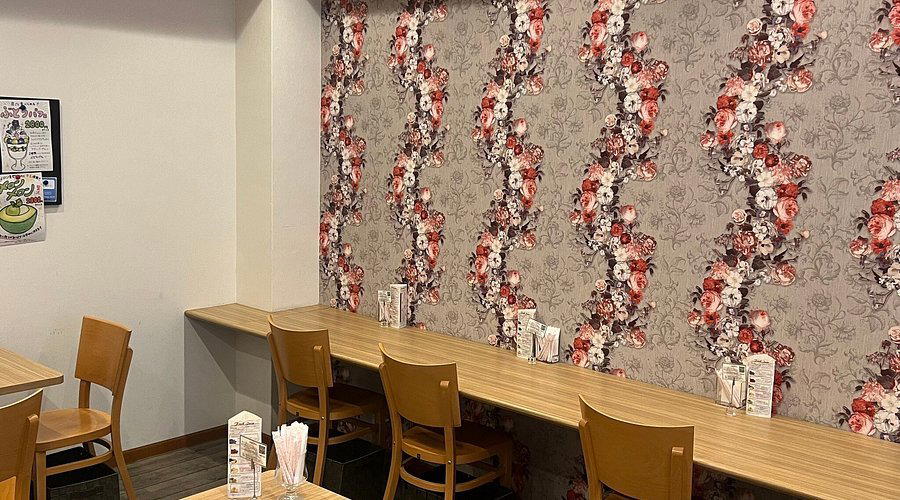
Bright, retro-style café atmosphere with a relaxed neighborhood feel; guests linger over colorful parfaits at small tables in a casual, friendly setting rather than a formal restaurant environment.