
Tabelog 100 #49
Our verdict
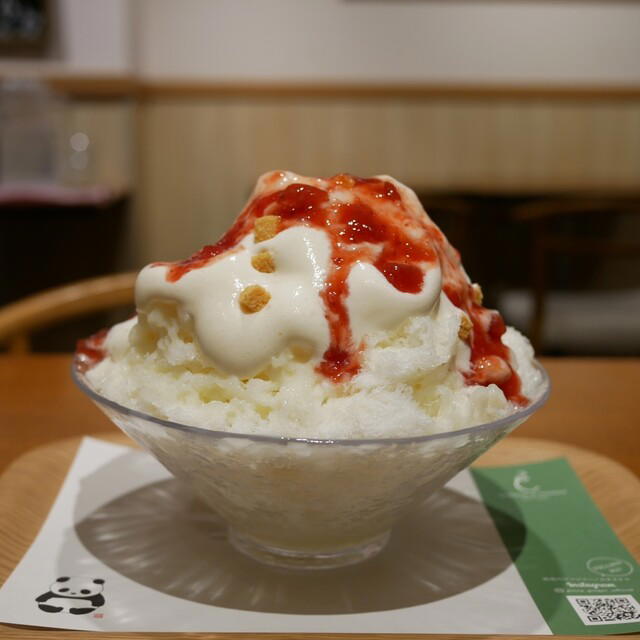
Ginza no Ginger Ginza honten belongs to Tokyo’s specialist cafe culture rather than its dessert-as-decoration circuit: ginger syrup, confiture, sweets and kakigori give the place a narrow, repeatable reason to return. Its Tabelog Cafe EAST 100 selection in 2025 and 2022 places it among the region’s more closely watched cafe addresses, with a compact 32-seat upstairs cafe above a retail floor.

Pearl is the En Primeur Club membership app, where members save venues, book tables and use the concierge.
The menu
What to order
- Ginger kakigori shaved ice
- Milk ginger syrup drinks
- Setouchi lemon ginger syrup
- Kochi yuzu ginger syrup
- Plain ginger syrup
Tokyo’s smaller cafe addresses work on a different rhythm from the city’s sushi counters and cocktail rooms. The first impression here is practical rather than theatrical: a specialist cafe whose appeal is built around sweets, kakigori and a clear house identity. That focus matters. Tokyo regulars often return to places that solve a precise craving, and Ginza no Ginger Ginza honten is unusually specific in that sense: a cafe defined by a narrow sweet-and-ice lane rather than a broad dining brief.
In a city where comparison often runs toward high-spend dining and polished bars, the cafe category can be easy to underrate. Yet Tokyo has always had another appetite beneath the luxury surface: sweets after shopping, a composed afternoon pause, kakigori as a seasonal ritual, and casual stops that do not require the ceremony of a major reservation. Ginza no Ginger Ginza honten sits inside that habit, closer in budget and function to a specialist bakery or dessert cafe than to the city’s formal dining rooms.
Ginger, kakigori and the logic of repeat customers
The regulars’ perspective is the right way to read the room. This is not a broad all-day cafe trying to cover every possible order. Its listed categories are cafe, sweets and kakigori, which gives the venue a tighter identity than a general-purpose coffee stop. In Tokyo, that kind of focus creates a different form of loyalty. Customers return because they know the lane, not because they need novelty each time.
Kakigori has shifted over the past decade from a summer stall treat into a serious cafe format, with specialist shops treating ice, syrup and fruit preparation as the main event. Tokyo’s version of that trend has to fit compact urban habits: shorter stops, shopping routes and an audience that may want a sweets-focused pause rather than a full meal. A cafe built around this category answers that brief cleanly. The format gives the sweets program a recognizable through-line without requiring the formality of a tasting menu.
The awards signal is meaningful in this category. Recognition through Tabelog Hyakumeiten in 2025 places the cafe inside a curated field where consistency and local following carry weight. The listed Tabelog score of 3.69 is less useful as a universal ranking than as a Japanese dining signal: in Tokyo’s cafe field, scores in that range usually indicate a venue with repeat traffic and enough specialist appeal to be discussed beyond immediate convenience.
That distinction separates it from Tokyo’s higher-ceremony evening circuit. STAR BAR GINZA and BAR Opa Ginza belong to the city’s bar world, while Dominique Bouchet Tokyo and Sushiya Ichiyanagi sit in a different dining register. A cafe built around sweets and kakigori is not competing for the same occasion. It occupies the lower-spend, daytime-to-early-evening slot, a useful counterweight in a city often framed through luxury dining alone.
A focused Tokyo cafe with a clear sweet identity
The appeal is best understood as practical and repeatable rather than grand. Ginza no Ginger Ginza honten works as a focused cafe stop, the kind of place where the category itself is the draw: cafe, sweets and kakigori, with a budget that stays in an accessible range for both lunch and dinner listings. Tokyo’s specialist food addresses often succeed this way, especially when a concise idea can carry both a quick visit and a planned detour.
That format also changes the guest mix. The occasion is less celebratory dinner than a repeatable stop with friends, a shopping break or a sweets-focused pause between larger reservations. The useful point is not ceremony but utility: a cafe that can sit lightly in a Tokyo day while still feeling specific enough to merit attention. That matters in a city where many strong addresses are constrained by reservations, price or service format.
For travellers, the useful context is not whether this replaces a destination meal. It does not. It belongs in the itinerary between heavier reservations, especially for those tracking Tokyo’s dessert culture with the same seriousness usually reserved for ramen, sushi or bars. Readers building a broader city plan can pair it with Our full Tokyo restaurants guide, then widen the trip through Our full Tokyo hotels guide, Our full Tokyo bars guide, Our full Tokyo wineries guide and Our full Tokyo experiences guide.
Where it fits in a Tokyo sweets itinerary
Tokyo cafe planning rewards contrast. Some addresses serve a visual or novelty impulse, while a specialist such as Ginza no Ginger Ginza honten is easier to read through category and repetition: cafe, sweets and kakigori, with the emphasis on a focused craving rather than a full restaurant arc. The same city can hold many separate appetites and times of day, from casual sweets to formal counters and polished bars.
Across Japan, the cafe and casual-dining field is wide enough that genre matters more than star-chasing. A traveller comparing city styles can think less in terms of a single national template and more in terms of how each local format solves a specific use: an afternoon pause, a dessert stop, a light meal or a specialist detour. Ginza no Ginger Ginza honten belongs to that map as a Tokyo cafe address with a clearly listed sweets-and-kakigori identity.
The international comparison is useful too. Casual formats abroad often translate a narrow specialty into a complete identity, and Tokyo does the same with unusual precision. Ginza no Ginger Ginza honten is quieter and more local in its function: a sweets cafe with kakigori in the mix, recognized through Tabelog Hyakumeiten in 2025 and supported by a listed score of 3.69 rather than spectacle.
Frequently asked questions
How much does it cost to eat at Ginza no Ginger Ginza honten?
Budget at Ginza no Ginger Ginza honten is listed as Dinner: JPY 1,000 - JPY 1,999; Lunch: JPY 1,000 - JPY 1,999.
What are the opening hours for Ginza no Ginger Ginza honten?
Opening hours for Ginza no Ginger Ginza honten are not specified in the provided venue information.
What's Ginza no Ginger Ginza honten's location?
Tokyo.
What is Ginza no Ginger Ginza honten known for?
It is listed in the categories Cafe, Sweets and Kakigori (Shaved ice). The venue has Tabelog Hyakumeiten recognition for 2025 and a listed Tabelog score of 3.69.
Recognition Snapshot
Comparable venues by cuisine and price in the same metro.
| Venue | Cuisine | Price | Awards | Notes |
|---|---|---|---|---|
| Ginza no Ginger Ginza hontenThis venue (the venue you are viewing) | Ginger-focused café & dessert shop | $10–20 | Tabelog 100 #49 | Not listed |
| Tea House TAKANO | Classic black tea house & cafe | $10–20 | Tabelog 100 #59 | Chiyoda |
| Trois Bagues | Traditional Japanese kissaten café | $10–20 | Tabelog 100 | Chiyoda |
| PÂTISSERIE BIEN-ÊTRE | French-style patisserie and dessert shop | $10–20 | Tabelog 100 #59 | Shibuya |
| Cafe Bach | Traditional Japanese kissaten & coffee house | $10–20 | Tabelog 100 | Taitō |
| Patisserie | Patisserie / Sweets Shop | Not listed | Tabelog 100 #90 | Shibuya |
Recognition history
Dated appearances from independent guides and award organizations, with the underlying list record or original source where available.
Tabelog 100 #49 · No. 49
Tabelog · Tabelog 100 - Cafe - EAST - 2025
Continue exploring
More in Tokyo
Restaurants in Tokyo
All restaurants in Tokyo →


Details
- Cozy
- Modern
- Trendy
- Solo
- Casual Hangout
- After Work
- Family
- Standalone
- Design Destination
- Zero Proof
- Local Sourcing
- Street Scene
- A La Carte
- Counter Dining
- Non Alcoholic
- Tea
Current opening hours
- Monday
- 11 AM–8 PM
- Tuesday
- 11 AM–8 PM
- Wednesday
- 11 AM–8 PM
- Thursday
- 11 AM–8 PM
- Friday
- 11 AM–8 PM
- Saturday
- 11 AM–8 PM
- Sunday
- 11 AM–8 PM
Hours can change for holidays and private events. Hours as of .
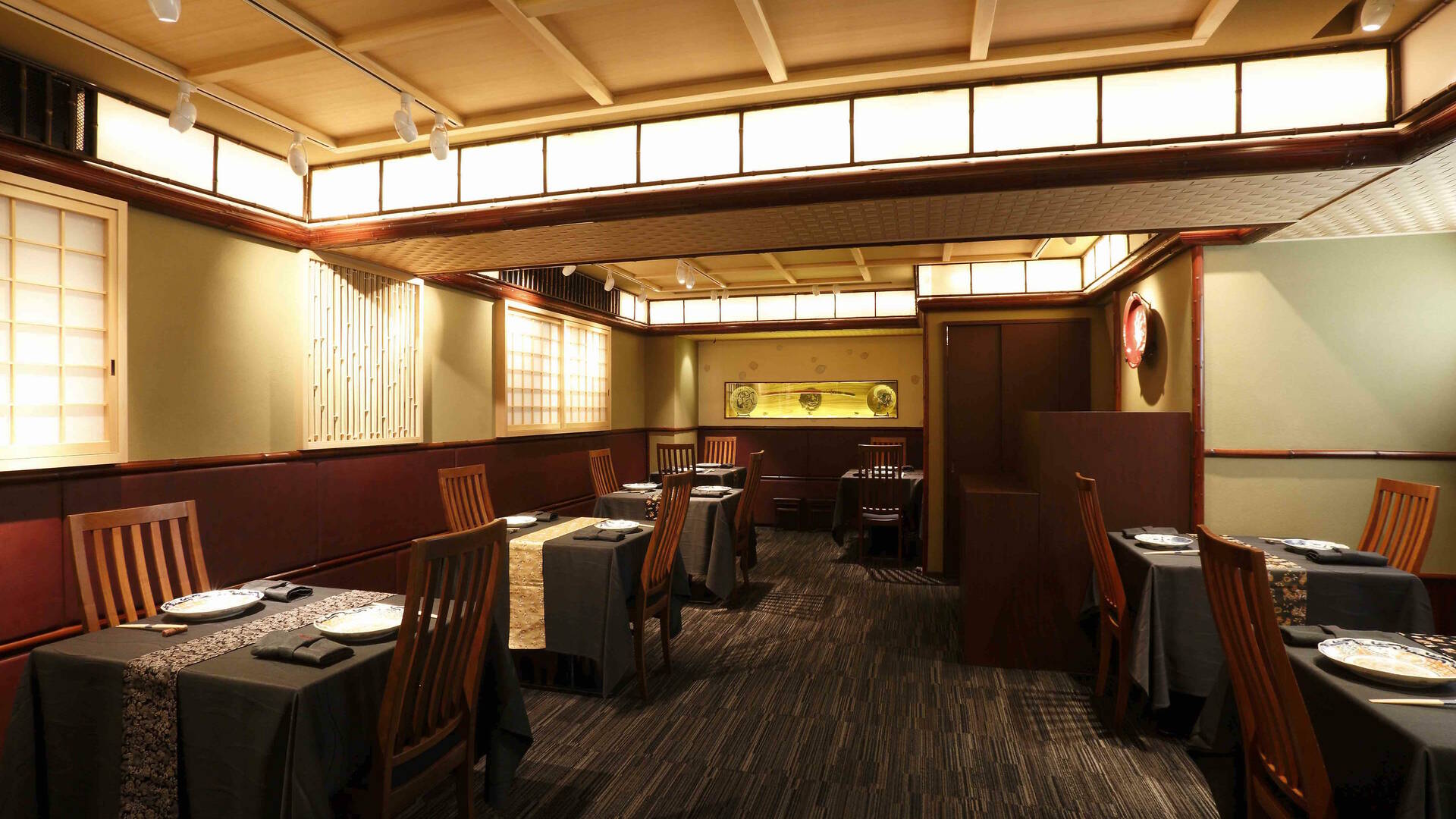
Bright, casual café atmosphere with a modern sweets-shop feel; guests browse colorful ginger syrup bottles downstairs and enjoy relaxed, café-style seating upstairs, making it comfortable for solo visitors or small groups seeking a light dessert break in Ginza.