Our verdict
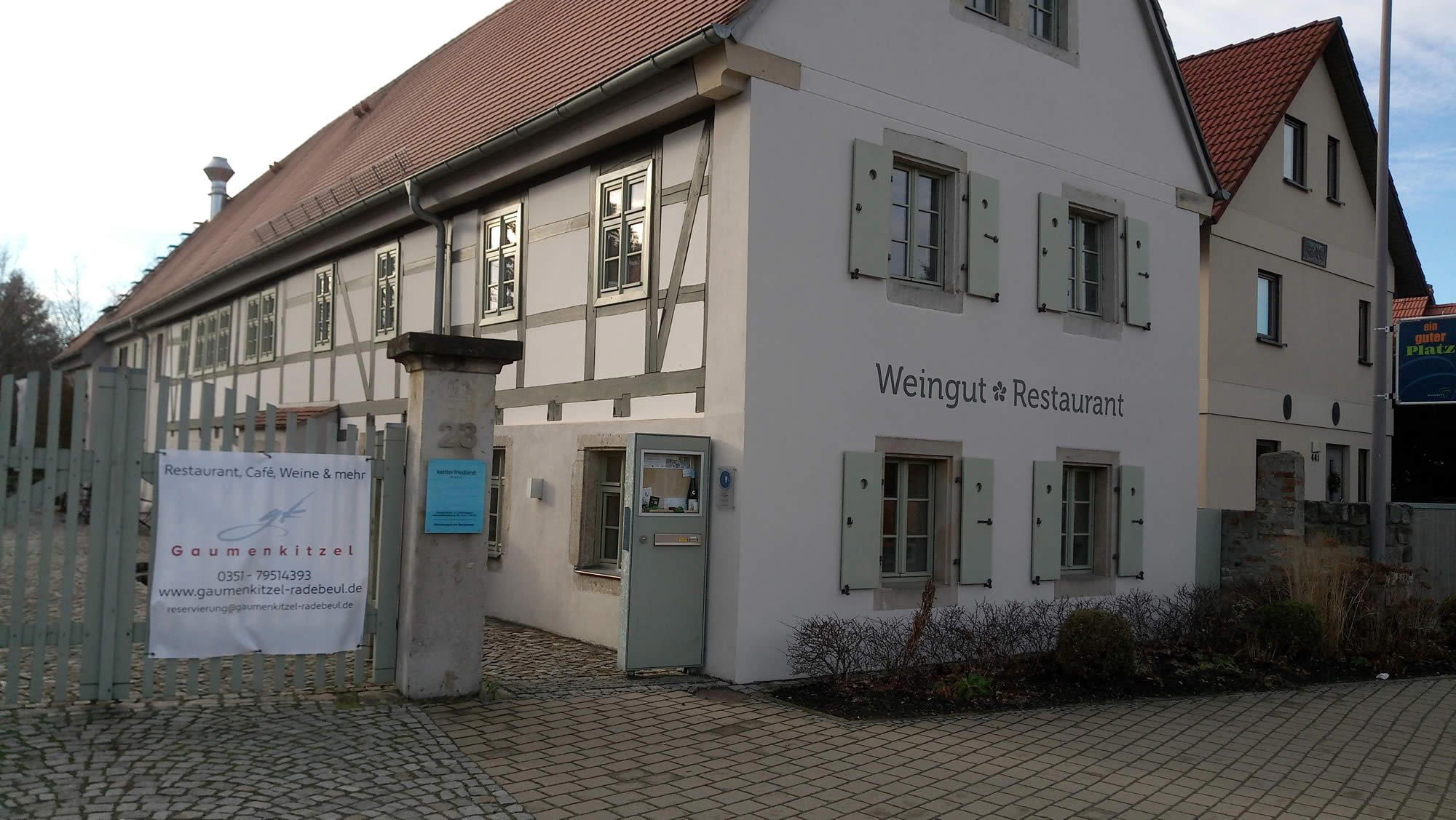
Gaumenkitzel sits on Coswiger Strasse in Radebeul, a small Saxon wine town where the Elbe valley's agricultural character shapes what ends up on the plate. The restaurant occupies a dining scene defined more by regional produce and local winemaking tradition than by metropolitan ambition, which, in a town this size, is precisely the point.

Pearl is the En Primeur Club membership app, where members save venues, book tables and use the concierge.
The menu
What to order
- Pork loin schnitzel
- Spätzle
- Black Forest cake
- Assorted bread platter
Where the Elbe Valley Sets the Table
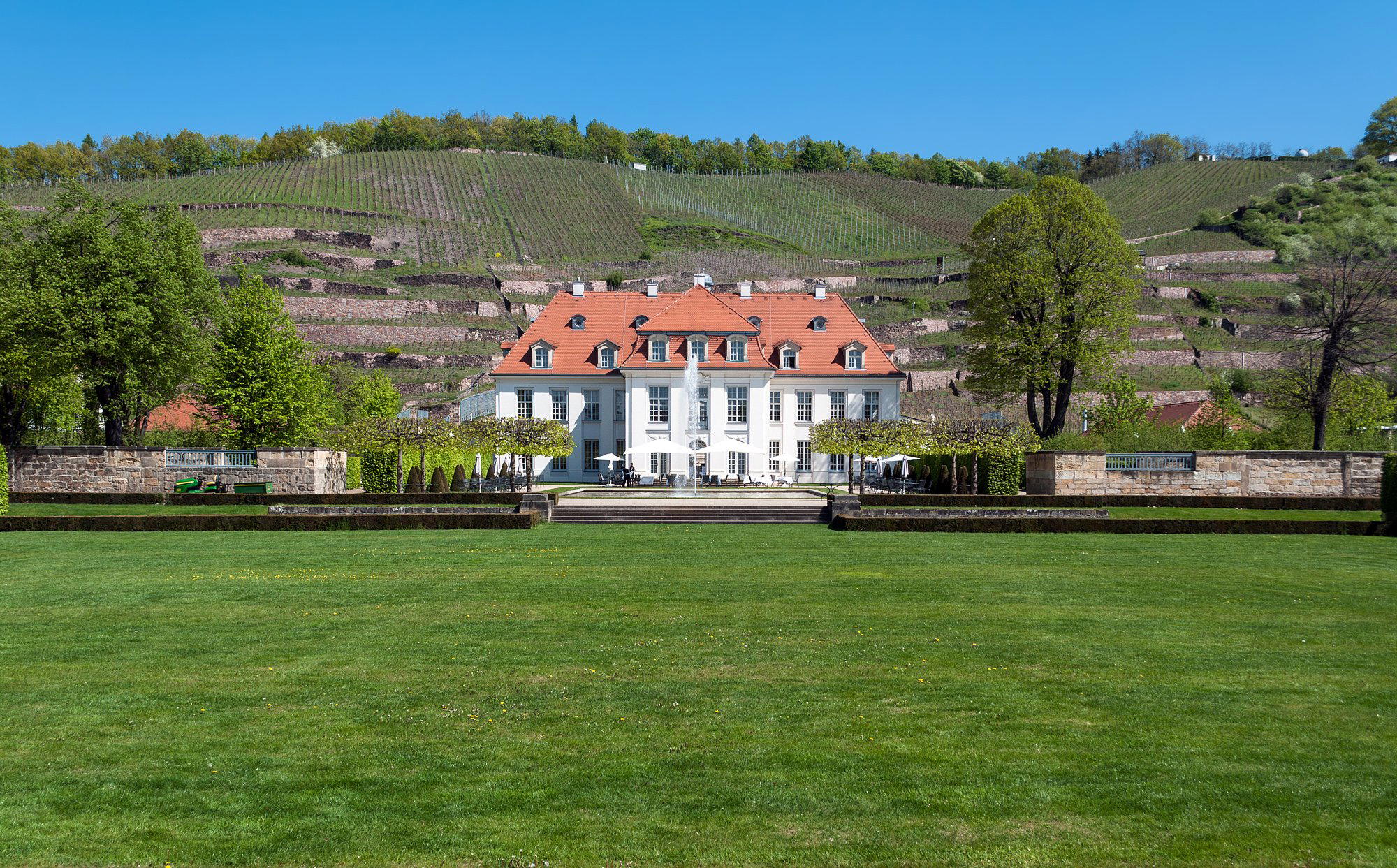
Radebeul is not a city that announces itself. Strung along the northern bank of the Elbe between Dresden and Meissen, it is a town of wine terraces, Wilhelmine villas, and a food culture that has always drawn more from the Saxon countryside than from any international reference point. Restaurants here tend to reflect that geography directly: the growing season, the proximity to Elbe meadow farms, and the winemaking tradition of the Sachsen wine region, one of Germany's northernmost and smallest, press their character onto menus in ways that a city kitchen rarely experiences. Gaumenkitzel, at Coswiger Strasse 23, operates inside that local framework.
The name itself, a German compound meaning roughly "palate tickle" or "taste sensation," signals an informal register from the outset. This is not the vocabulary of white-tablecloth ambition. It suggests something closer to the tradition of the German Gasthaus as it functions at its most considered: a place where eating well is the point, without the formality that can distance a diner from the food itself.
Radebeul and the Ingredient Question
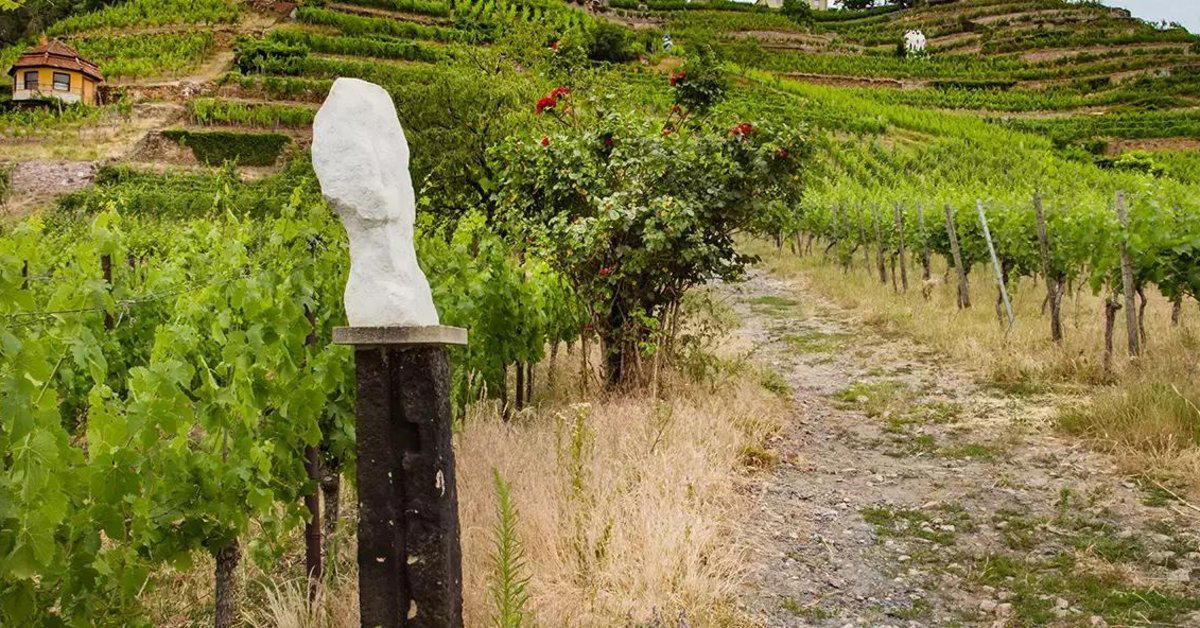
The Sachsen wine region, which runs along the Elbe from Pirna to Diesbar-Seusslitz, produces Riesling, Grauburgunder, and Weissburgunder on slate and granite slopes that have been cultivated since the twelfth century. That proximity to serious viticulture tends to shape local restaurant culture in a specific way: kitchens in such towns often build relationships with producers that larger city restaurants cannot sustain at the same depth, because the volumes are smaller and the geography is intimate. Sourcing from local farms and the regional wine estates becomes a practical reality as much as a philosophical one.
This regional specificity matters when thinking about what Gaumenkitzel represents within Radebeul's dining scene. The town sits close enough to Dresden that it competes, at some level, with the capital's restaurants, including Atelier Sanssouci, which applies a more formal modern cuisine approach to similar Saxon raw materials. But Radebeul's smaller scale also creates space for restaurants that operate without needing to position against Dresden's benchmarks at all. For the broader Radebeul restaurant picture, the town rewards visitors who read it on its own terms rather than as a Dresden satellite.
The Saxon Table in Context
Germany's fine-dining tier has consolidated around a small number of flagship addresses. Operations like Schwarzwaldstube in Baiersbronn and Aqua in Wolfsburg occupy positions at the national summit, drawing international visitors and commanding prices to match. Further down the formal spectrum, houses such as Vendôme in Bergisch Gladbach and JAN in Munich sustain ambitious tasting formats in mid-sized city contexts. Below that tier, Germany also has a dense layer of regional restaurants that function differently: anchored in local produce, serving local communities, and measured by different criteria than award-cycle ambition.
Radebeul's dining scene fits that latter category. The relevant comparison set for a restaurant like Gaumenkitzel is not Victor's Fine Dining in Perl or ES:SENZ in Grassau, both of which operate at a national prestige level with corresponding price points. It is closer to the category of serious regional restaurants that treat ingredient sourcing as their primary editorial statement, where the question of where the food comes from carries more weight than technical elaboration for its own sake.
That approach has parallels elsewhere in Europe. At Le Bernardin in New York City, ingredient sourcing and product quality function as the central argument of the menu at the highest price bracket. At Lazy Bear in San Francisco, a communal format foregrounds seasonal local supply chains. The underlying logic, that the question of sourcing should precede the question of technique, runs across price tiers and formats. In Radebeul, it plays out at a scale appropriate to a small Saxon wine town rather than an international dining capital.
Planning a Visit
Gaumenkitzel is located at Coswiger Strasse 23 in the 01445 postal district of Radebeul, a direct address to reach from central Dresden by S-Bahn on the S1 line, which connects Dresden Hauptbahnhof to Radebeul in under twenty minutes, with stops in walking distance of the town centre. The restaurant sits within a residential and commercial stretch of Coswiger Strasse rather than in a destination dining quarter, which is consistent with the informal, locally rooted character the name implies. For a broader orientation to what Radebeul offers, the town pairs a meal here naturally with a walk along the Elbe wine terraces or a visit to one of the local Sachsen wine estates, where the same regional produce logic applies in liquid form. Restaurants operating at higher formality across Germany, including Schanz in Piesport, Waldhotel Sonnora in Dreis, or Restaurant Haerlin in Hamburg, require advance reservation well in advance; Gaumenkitzel's informal positioning suggests a more accessible booking window, though confirmation directly is always prudent.
Other strong regional addresses worth knowing for context include Bagatelle in Trier, L.A. Jordan in Deidesheim, GästeHaus Klaus Erfort in Saarbrücken, Ösch Noir in Donaueschingen, and CODA Dessert Dining in Berlin, each anchored in a regional identity distinct from the Saxon context but sharing the same underlying conviction that place should be legible in the food.
Frequently asked questions
Does Gaumenkitzel work for a family meal?
Radebeul is a town-scale setting rather than a city-centre one, and restaurants in that context tend toward inclusive formats rather than strict tasting-menu ceremony. Gaumenkitzel sits on Coswiger Strasse in a residential district, which suggests a neighbourhood register rather than a formal destination dining room. For specific table arrangements or children's options, contacting the venue directly before visiting is advisable.
What's the vibe at Gaumenkitzel?
Radebeul's character is shaped by wine terraces, Elbe river light, and a pace that differs sharply from central Dresden. A restaurant on Coswiger Strasse 23 operates in that grain: close to residential streets and the Saxon vineyard corridor rather than a tourist thoroughfare. Expect a setting that reflects the town's understated, locally rooted identity rather than metropolitan theatre.
Is Gaumenkitzel a good choice for dining close to Dresden without going into the city centre?
Radebeul sits on the S-Bahn corridor between Dresden and Meissen, making Coswiger Strasse 23 reachable from central Dresden without a car. The town is a practical base for visitors covering both the Dresden cultural sites and the Sachsen wine route toward Meissen. For travellers wanting a meal grounded in the Elbe Valley rather than the city's restaurant scene, Radebeul offers a distinct alternative within the same regional orbit.
What do people recommend at Gaumenkitzel?
The Sachsen wine region surrounding Radebeul produces Riesling, Grauburgunder, and Weissburgunder on Elbe slate soils, and a restaurant in this corridor has strong grounds to pair regional wine with its kitchen output.
How do I find Gaumenkitzel?
Gaumenkitzel is located at Coswiger Str. 23, 01445 Radebeul, Germany, Radebeul.
At-a-Glance Comparison
Comparable venues nearby, for context on price, style, and recognition.
| Venue | Cuisine | Price | Awards | Notes |
|---|---|---|---|---|
| GaumenkitzelThis venue (the venue you are viewing) | German Slow Food with Mediterranean Influences | $30–50 | Not listed | Not listed |
| Atelier Sanssouci | Modern French Fine Dining | Not listed | 1 Michelin Star · Falstaff Restaurant - 93 Falstaff Points | Radebeul Town Center |
| Gaststätte Kollektiv | Traditional East German Ostalgie | $20–30 | Not listed | Südvorstadt |
| EssLust | German Regional | Not listed | Not listed | Altes Lager |
| Försters | Vegan German Home Cooking | $20–30 | Not listed | Prenzlauer Berg |
| Filterhaus | Regional German Grill | $30–50 | Not listed | Werder (Havel) |
Continue exploring
More in Radebeul
Restaurants in Radebeul
All restaurants in Radebeul →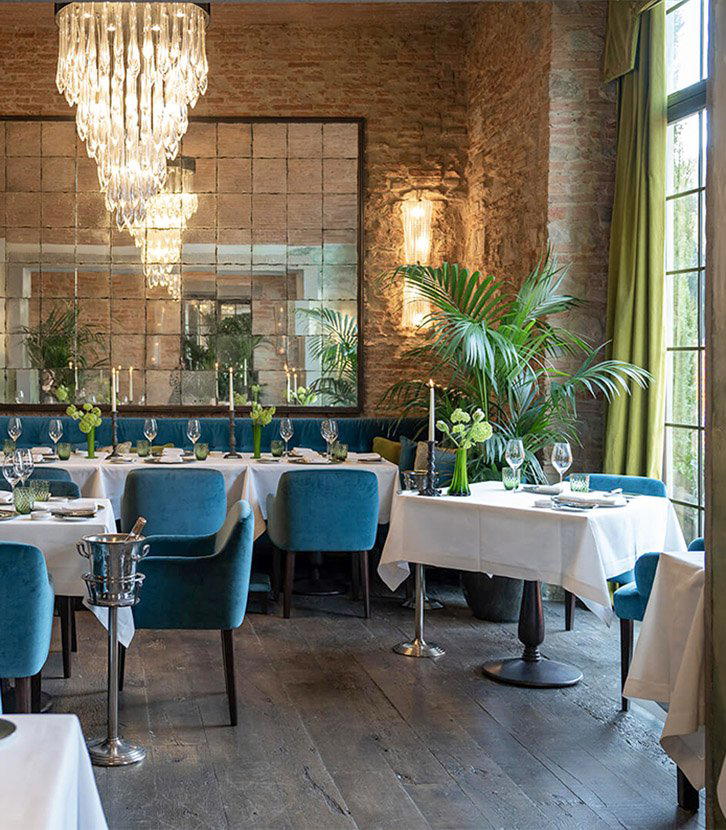
Bars in Radebeul
Browse all →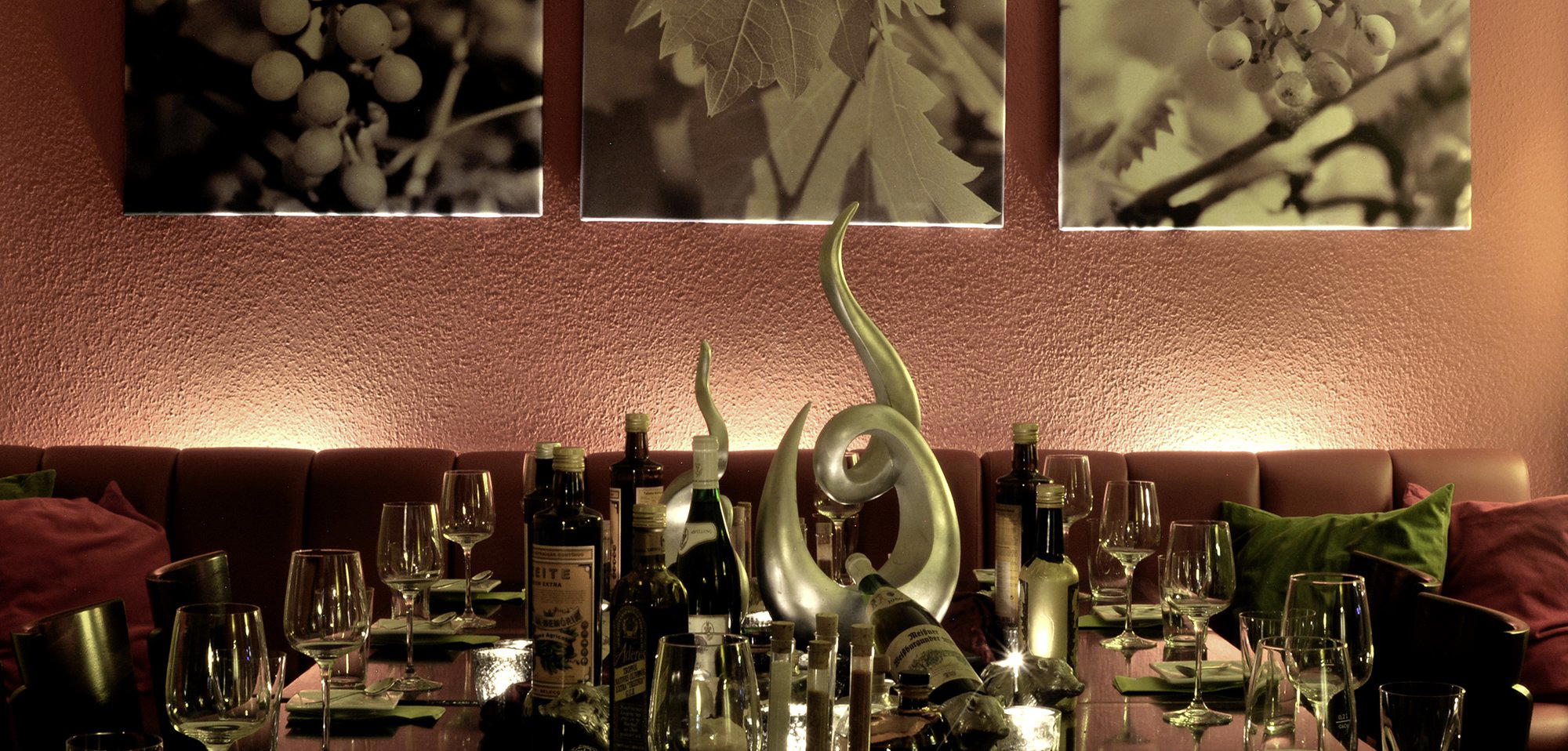

Details
- Cozy
- Classic
- Rustic
- Intimate
- Date Night
- Special Occasion
- Group Dining
- Standalone
- Beer Program
- Farm To Table
- Organic
- Local Sourcing
- A La Carte
- Set Menu
- Beer
- Wine
- Vegetarian Friendly
- Vegan Options
- Gluten Free Options
- Allergy Accommodating
Current opening hours
- Monday
- Closed
- Tuesday
- Closed
- Wednesday
- 5–11 PM
- Thursday
- 5–11 PM
- Friday
- 5–11 PM
- Saturday
- 12–11 PM
- Sunday
- 12–10 PM
Hours can change for holidays and private events. Hours as of .
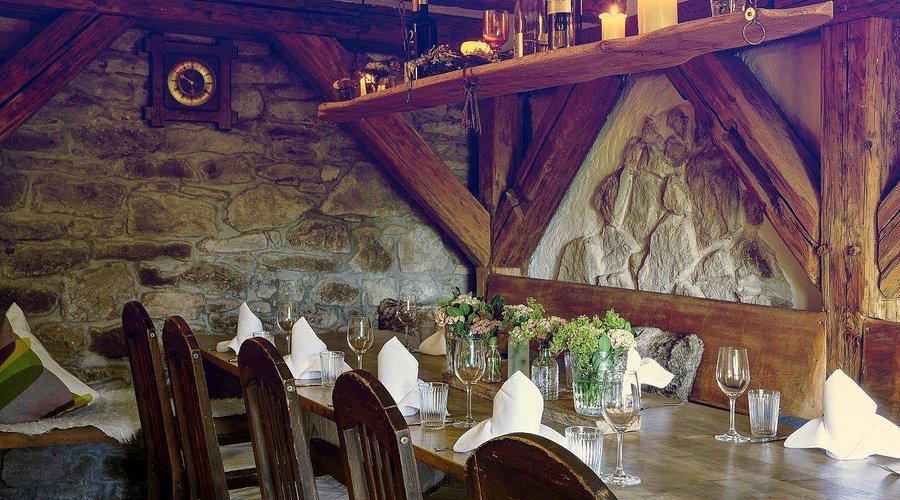
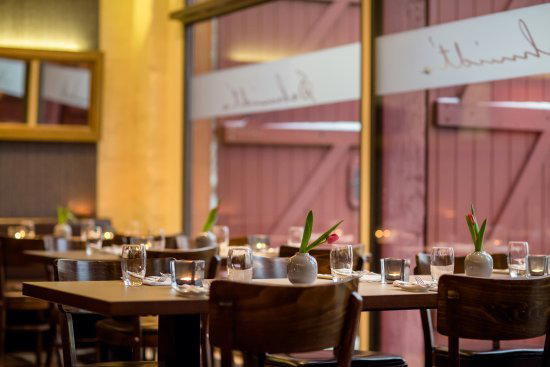
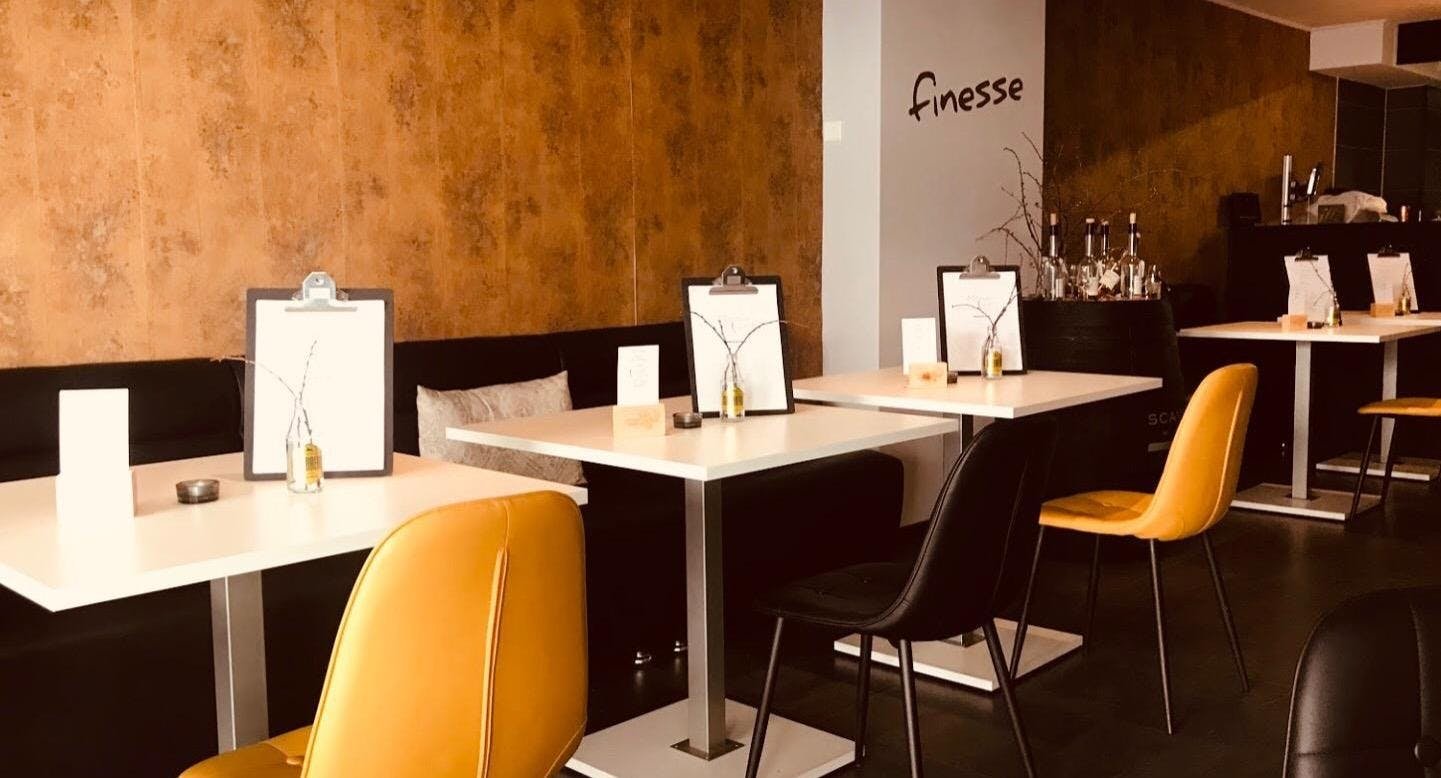
Warm and inviting atmosphere with soft lighting, comfortable seating, and stylish interior creating a relaxed and friendly environment well-suited for intimate dinners or special occasions.