Gasthof OHR

Michelin Plate
Our verdict
Gasthof OHR anchors three generations of family tradition in the centre of Eisenstadt, cooking regional Burgenland produce—golden trout from nearby Radlberg, market potatoes from St Martin, Austrian Salon beef—in a quiet courtyard terrace. The menu balances seasonal Austrian standards with occasional international technique, and the property includes well-kept guestrooms.

Pearl is the En Primeur Club membership app — saves, bookings, and concierge access live there. Same editors, same standards.
- Address
- Ruster Straße 51, Eisenstadt, Burgenland, 7000, AUT
- Phone
- +43 2682 62460
- Website
- hotel-ohr.at
- Directions
- Get directions
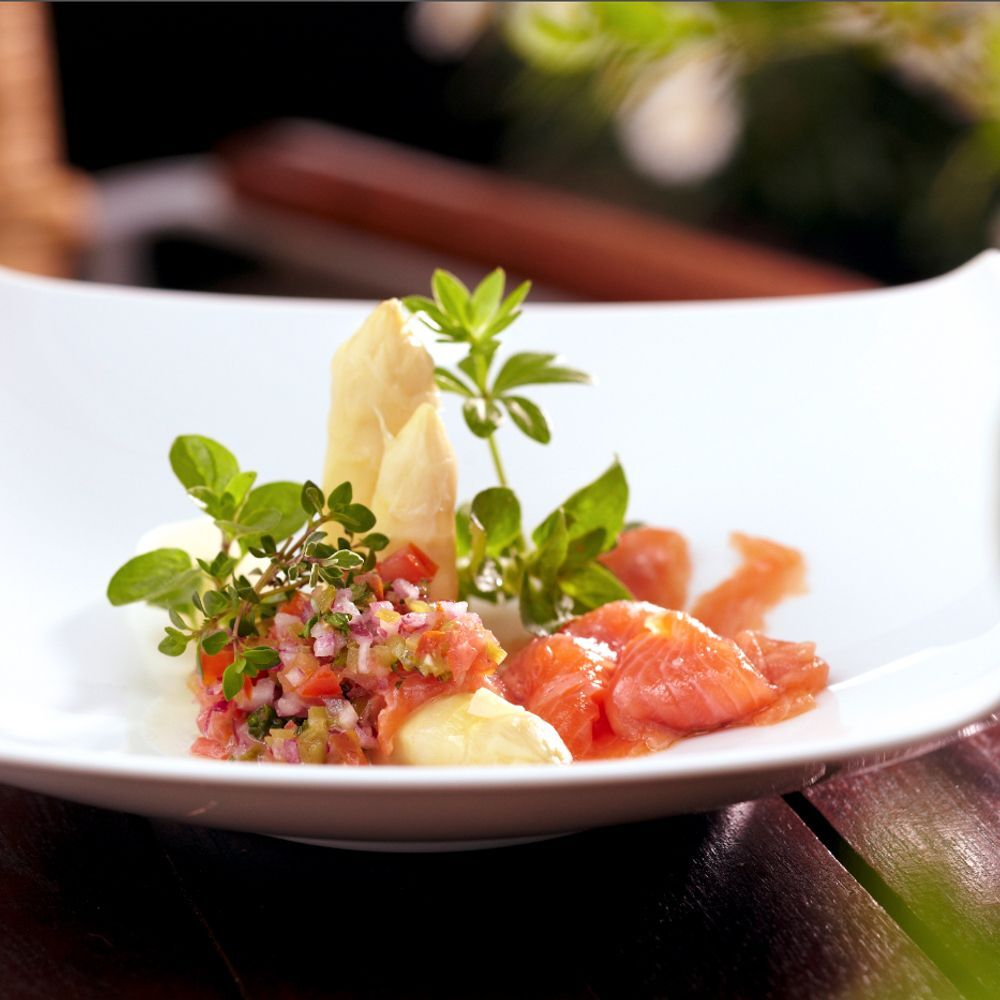
The Ruster Straße courtyard in central Eisenstadt feels insulated despite its location one block from the Esterházy Palace precinct. Gasthof OHR sits behind a traditional hotel façade and opens onto a terrace that catches evening light without street noise, a format more common in rural Burgenland than the provincial capital. Johannes Ohr, the third-generation family operator, runs the kitchen and dining rooms with the same ingredient-sourcing discipline his predecessors used, and the menu reads as a snapshot of Burgenland's agricultural calendar.
The food centres on regional suppliers, whole golden trout swim at Radlberg natural fish farm twenty kilometres south, vegetables arrive from market growers in St Martin, and the Rostbraten comes from Austrian Salon beef, a quality tier managed by the Austrian Cattle Breeders Association. That trout dish exemplifies the house approach: the fish arrives whole, accompanied by fresh seasonal vegetables, boiled potatoes, and herb butter, technique stays out of the way, and ingredient quality does the work. The Rostbraten, served with fried onions, pan gravy, roast potatoes, and gherkins, follows classic Viennese construction but scales the portion for regional appetite. Both dishes suggest the kitchen's priorities: verifiable provenance, minimal intervention, and format discipline.
Seasonal Burgenland produce and occasional international accent
Gasthof OHR's menu leans seasonal and Austro-Hungarian in repertoire, but subtle international technique occasionally surfaces, a nod to broader contemporary Austrian practice. The kitchen does not push modernist plating or reinterpretation; Johannes Ohr has maintained the style his family built, and the result reads more like refined Gasthaus cooking than fine-dining experimentation. That restraint aligns with how many multi-generation Austrian houses operate: the format stays intact, but sourcing and execution rise to meet changing expectations. For context, comparable venues across Austria's smaller cities, Ziegelwerk Gasthaus outside Eisenstadt, or regionally focused operations in Rust and Mörbisch, occupy a similar niche, balancing tradition with ingredient transparency.
The dining room extends into the courtyard terrace during warmer months, and the terrace becomes the primary seating area from May through September. Tables are spaced for conversation, and the courtyard walls muffle city centre traffic. The interior rooms maintain traditional wood panelling and linen service, offering a winter alternative when the terrace closes. Guestrooms upstairs follow the same logic: clean, well-maintained, and designed for overnight stays rather than boutique theatre. The combination of restaurant and accommodation makes Gasthof OHR a practical stop for visitors touring Eisenstadt's dining scene or the broader Burgenland wine region.
Planning a visit
Eisenstadt functions as a gateway to Burgenland's lake and vineyard districts, and the city itself remains compact, most addresses sit within a twenty-minute walk. Gasthof OHR's Ruster Straße location places it a short walk south of the Schloss Esterházy cultural precinct and ten minutes on foot from Eisenstadt Hauptbahnhof, the main rail station. The venue does not publish formal hours or a website, and booking typically proceeds by phone or in person, a common pattern among family-run Gasthäuser in smaller Austrian cities. If planning an overnight stay, confirm room availability and menu options directly, particularly during the peak tourist season (May to October) when lake and vineyard visitors pass through Eisenstadt en route to Neusiedl am See.
The menu pricing and service format remain unlisted in public records, but the ingredient sourcing and traditional courtyard setting suggest mid-range positioning, above casual Beisl fare but below formal tasting-menu territory. For neighbouring options, Maurizios Fischhalle offers a seafood-focused alternative in the same city, while Eisenstadt's hotel landscape includes both chain and independent properties. If your itinerary extends beyond the city, Burgenland's winery circuit and regional experiences lie within a half-hour drive, and Eisenstadt's bar scene clusters near the Esterházy Palace.
Gasthof OHR does not chase awards or international recognition, the venue operates inside Burgenland's traditional hospitality model, where multi-generation continuity and ingredient transparency matter more than critic endorsements. That focus on regional sourcing and family succession places it in a category distinct from Austria's Michelin-starred or Gault&Millau-decorated; fine-dining tier. For travellers seeking that tier, 's Paul Restaurant in Traunkirchen, [aend] in Vienna, and 1er Beisl im Lexenhof in Nußdorf am Attersee offer benchmark comparisons. Gasthof OHR instead sits among Austria's quieter provincial operations, 1st Lobster in Kitzbühel, 2Stein in Krems, 7burger in Salzburg, À la carte restaurant Leni's in Going am Wilden Kaiser, AD VINUM in Sölden, Adelphia in Graz, and Adria Fischrestaurant in Wels, where ingredient sourcing and regional identity define the offer more than critical attention.
The verdict: Gasthof OHR delivers direct, ingredient-focused Austrian cooking in a setting that prioritises quiet courtyard dining and multi-generation continuity. If your priorities include verifiable local sourcing, seasonal Burgenland produce, and a non-sceney environment, the venue aligns. If you require polished fine-dining technique, published booking systems, or international acclaim, look elsewhere, this remains a family-run Gasthaus built for regional travellers and overnight guests, not culinary tourism. The trout and Rostbraten demonstrate what the format does well: transparency, quality ingredients, and execution that respects tradition without theatre.
Frequently asked questions
Is Gasthof OHR suitable for children?
The menu includes straightforward preparations such as golden trout from Radlberg natural fish farm and Rostbraten with roast potatoes, both accessible to younger diners. The quiet courtyard terrace and third-generation family management suggest a relaxed, multi-generational setting rather than a formal adults-only environment.
What is the atmosphere like at Gasthof OHR?
The courtyard terrace sits in a quiet spot despite the central Eisenstadt location on Ruster Straße. Johannes Ohr's third-generation stewardship brings continuity to the traditional hotel-restaurant format, and the menu's focus on regional Burgenland ingredients reinforces a provincial rather than metropolitan tone.
What distinctions does Gasthof OHR have?
Gasthof OHR has received recognition including: Johannes Ohr represents the third generation of his family to take the helm of this traditional hotel and restaurant. The food tends towards the regional and seasonal, but the occasional subtle international accent can also be detected. A f….
Where do I go for Gasthof OHR?
Gasthof OHR is located at Ruster Straße 51, Eisenstadt, Burgenland, 7000, AUT, Eisenstadt.
What's the best way to book Gasthof OHR?
The venue also offers guestrooms for overnight stays, which may require advance coordination during Burgenland's summer lake and vineyard season.
What do critics highlight about Gasthof OHR?
Reviewers note the quality of ingredients, whole golden trout from Radlberg natural fish farm with herb butter and Austrian Salon beef in the Rostbraten, and the occasional subtle international accent layered into the seasonal, regional repertoire. The quiet courtyard terrace and well-kept guestrooms also draw mention.
Side-by-Side Snapshot
Comparable venues by cuisine and price in the same metro.
| Venue | Cuisine | Price | Awards |
|---|---|---|---|
| Gasthof OHRThis venue — the venue you are viewing | Traditional Austrian & regional seasonal cuisine in a family-run hotel restaurant | $20–30 | Michelin Plate |
| Maurizios Fischhalle | Italian Seafood & Mediterranean | $20–30 | Not listed |
| Taubenkobel | Modern Austrian, French Contemporary | Not listed | Not listed |
| Ziegelwerk Gasthaus | Regional Cuisine | Not listed | Not listed |
Recognition history
Dated appearances from independent guides and award organizations, with the underlying list record or original source where available.
Michelin Plate
Michelin
Continue exploring
More in Eisenstadt
Restaurants in Eisenstadt
Browse all →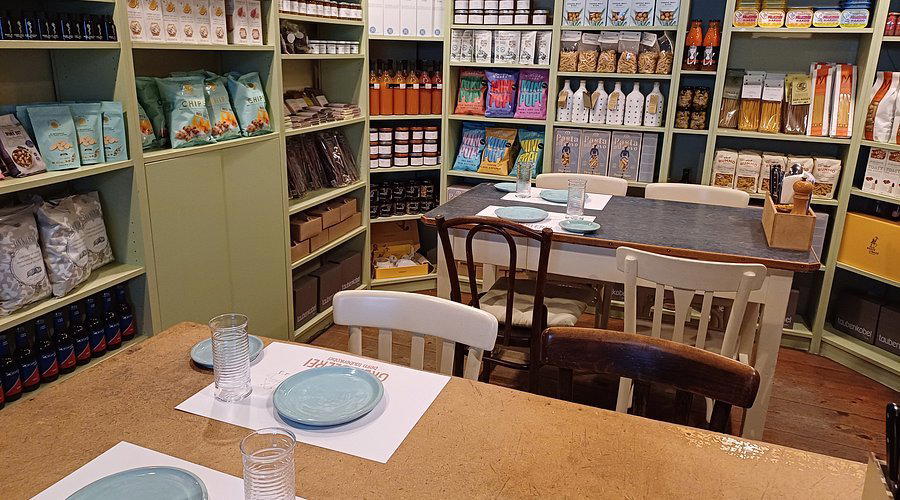
![[aend] restaurant in Vienna](https://cdn.enprimeurclub.com/storage/v1/object/public/images/locations/recsVyRkMfzCxPmp0/hero2.jpg?width=3840&quality=75)
Bars in Eisenstadt
Browse all →

Hotels in Eisenstadt
Browse all →
Details
- Cozy
- Classic
- Rustic
- Elegant
- Family
- Group Dining
- Celebration
- Date Night
- Casual Hangout
- Private Event
- Garden
- Terrace
- Hotel Restaurant
- Private Dining
- Extensive Wine List
- Beer Program
- Local Sourcing
- Garden
- A La Carte
- Wine
- Beer
- Vegetarian Friendly
- Vegan Options
Traditional, family-run Austrian gasthof with warm, classic interiors and a pleasant terrace and garden area, combining rustic charm with modern comforts and relaxed, friendly service.