
Michelin Bib Gourmand
Our verdict
Gasthaus Stromberg earns its 2024 Michelin Bib Gourmand in a town few food travelers think to include on a Ruhr itinerary. The kitchen works a farm-to-table format at a mid-range price point, delivering sourcing-led cooking that sits well outside the industrial-region stereotypes.

Pearl is the En Primeur Club membership app, where members save venues, book tables and use the concierge.
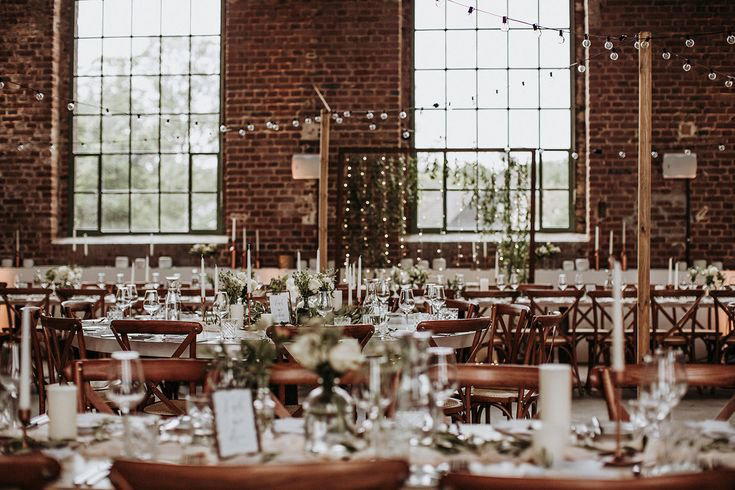
A Farmhouse Sensibility in the Ruhr Fringe
Waltrop sits at the quieter eastern edge of the Ruhr metropolitan area, a town where the heavy-industry associations that cling to the region begin to loosen and the agricultural hinterland of Westphalia starts to assert itself. That geography matters at Gasthaus Stromberg, where the cooking is anchored in what grows and grazes nearby rather than in the import logistics that sustain much of Germany's fine-dining corridor. Arriving at Dortmunder Str. 5, the address signals something ordinary; what the kitchen produces does not.
The farm-to-table category is overused across Europe, often as shorthand for vague seasonality and a few local cheeses on the board. In the Ruhr context, where dining out has historically meant either Italian trattorias, Turkish kebab houses, or the occasional aspirational French room, a genuinely supply-chain-conscious kitchen occupies a different position. Gasthaus Stromberg has made that position credible enough to attract a Michelin Bib Gourmand in 2024, the Guide's recognition for places offering what it describes as high-quality cooking at a price that does not require prior financial planning.
What the Bib Gourmand Actually Signals Here
Michelin's Bib Gourmand is sometimes misread as a consolation for restaurants that narrowly missed a star. That reading misses the point. The designation targets a specific format: cooking with real technique and sourcing discipline, delivered at a price accessible enough that a table of two can eat well without a tasting-menu budget. In Germany's broader restaurant map, Bibs cluster in cities with established dining cultures, Munich, Hamburg, Berlin, and are rarer in mid-sized Ruhr towns. Gasthaus Stromberg holding one in Waltrop (population roughly 29,000) says something about the kitchen's commitment relative to its local competition.
For context, the upper end of German fine dining operates in a different tier entirely. Aqua in Wolfsburg and Schwarzwaldstube in Baiersbronn each hold three Michelin stars and price accordingly at €€€€. Vendôme in Bergisch Gladbach and CODA Dessert Dining in Berlin operate at two-star level, also at €€€€. Gasthaus Stromberg's €€ price range places it far below that tier in cost, while the Bib confirms the kitchen is not simply undercutting peers on ambition. The trade-off is format, not quality of intent.
Sourcing as the Kitchen's Structural Argument
Farm-to-table cooking, when it works, is not primarily about sentiment or branding. It is a supply-chain decision that forces the kitchen to build menus around what is actually available rather than what the season's trend pages suggest. In Westphalia, that means engaging with a region known for potatoes, asparagus (the white variety, still taken seriously here in ways that have largely faded in southern Germany), pork in multiple preserved and fresh forms, and brassicas that benefit from the area's cooler, wetter climate.
The sourcing-led approach also creates an implicit calendar discipline. A kitchen that commits to local supply cannot offer the same menu in February that it offers in June. For the diner, this means repeat visits reward differently, and a single meal in late spring reads as a different argument from a winter sitting. Germany's Michelin inspectors, who have been expanding their Bib Gourmand coverage in recent years to capture precisely this kind of regionally grounded cooking, appear to have found the approach here consistent enough to recognize formally.
The farm-to-table format at this price point has comparisons elsewhere in the German-speaking region. BOK Restaurant Brust oder Keule in Münster works a similar produce-forward philosophy in the nearby Westphalian capital. Au Gré du Vent in Seneffe, across the border in Belgium, represents the same category applied to a different agricultural landscape. What these places share is a conviction that the sourcing decision is the primary creative act, with technique following from what the land provides rather than the other way around.
The Room and the Register
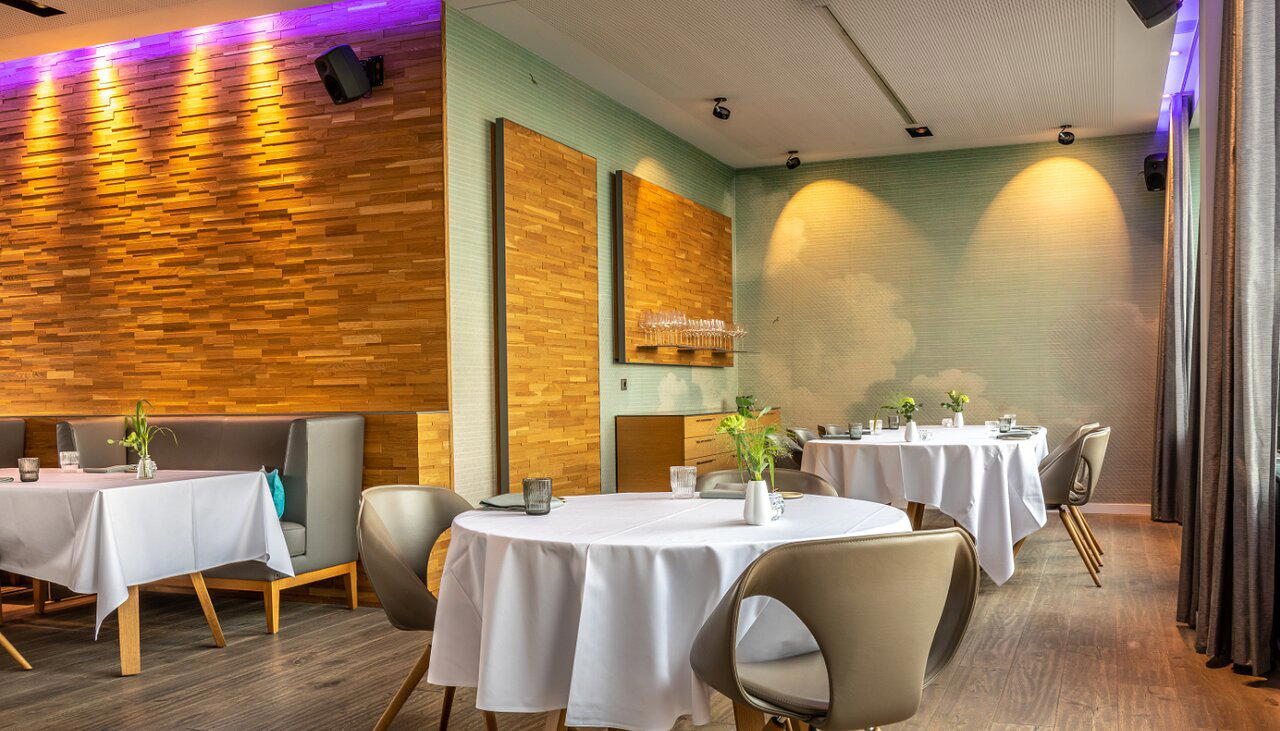
A gasthaus format in Germany carries specific architectural expectations: lower ceilings, wood-heavy interiors, a register that is more convivial than ceremonial. The name signals this directly. A gasthaus is not a restaurant trying to become a destination in the fine-dining sense; it is a house that feeds people, with the emphasis on repetition, familiarity, and a relationship with the neighborhood that stretches across years. That register is not accidental at Stromberg. The €€ price point and the Bib designation both suggest a room where the cooking is the ambition, not the staging.
A Bib Gourmand can reflect a strong year or a particularly focused inspection visit. Waltrop's dining options are limited enough that a kitchen falling short would show up in that number quickly.
Planning a Visit
Waltrop is accessible by car from Dortmund in under 30 minutes, and the address on Dortmunder Strasse is the main artery connecting the two. Public transport connections exist via the Dortmund network, though a car is practical given the town's scale. Booking in advance is advisable, particularly for weekend sittings, given both the limited competition locally and the Bib Gourmand recognition drawing visitors from further afield. The €€ price range means a full dinner for two with drinks sits well within a moderate restaurant budget by German urban standards. For those building a wider Ruhr itinerary, our full Waltrop restaurants guide maps the broader options, and our Waltrop hotels guide covers accommodation if you are staying overnight. The Waltrop bars guide, wineries guide, and experiences guide round out the picture for a longer stay.
For those using Gasthaus Stromberg as a reference point when planning a broader German dining trip, the contrast with the starred restaurants elsewhere in the country is instructive. JAN in Munich, Restaurant Haerlin in Hamburg, ES:SENZ in Grassau, Schanz in Piesport, Victor's Fine Dining by Christian Bau in Perl, Waldhotel Sonnora in Dreis, and Bagatelle in Trier all represent the higher-investment end of the spectrum. Gasthaus Stromberg is the argument for what is possible at the other end of the price curve when a kitchen commits to its supply chain and its neighborhood in equal measure.
Frequently asked questions
What's the pricing like at Gasthaus Stromberg?
Pricing at Gasthaus Stromberg is listed as €€.
How It Stacks Up
Comparable venues nearby, for context on price, style, and recognition.
| Venue | Cuisine | Price | Awards | Notes |
|---|---|---|---|---|
| Gasthaus StrombergThis venue (the venue you are viewing) | Modern German and European Cuisine | Not listed | Michelin Bib Gourmand | Not listed |
| Appare | Modern Japanese Washoku | Not listed | Michelin Plate | Altstadt/Süd |
| Zur Mühle | Internationally Inspired German Fine Dining | Not listed | Michelin Plate | Kürten |
| Fritz's Frau Franzi | Dining | Not listed | Michelin Plate | Friedrichstadt |
| Zum Grünen Gaul | German Gastropub | Not listed | Star Wine List | Mitte |
| Scarpati | Gourmet Italian-European | $30–50 | Michelin Plate | Wuppertal |
Recognition history
Dated appearances from independent guides and award organizations, with the underlying list record or original source where available.
Michelin Bib Gourmand
Michelin
Continue exploring
More in Waltrop
Details
- Classic
- Modern
- Elegant
- Sophisticated
- Special Occasion
- Celebration
- Business Dinner
- Group Dining
- Private Event
- Historic Building
- Private Dining
- Standalone
- A La Carte
- Tasting Menu
Current opening hours
- Monday
- Closed
- Tuesday
- 5–11 PM
- Wednesday
- 5–11 PM
- Thursday
- 5–11 PM
- Friday
- 5 PM–12 AM
- Saturday
- 11:30 AM–2:30 PM, 5 PM–12 AM
- Sunday
- Closed
Hours can change for holidays and private events. Hours as of .
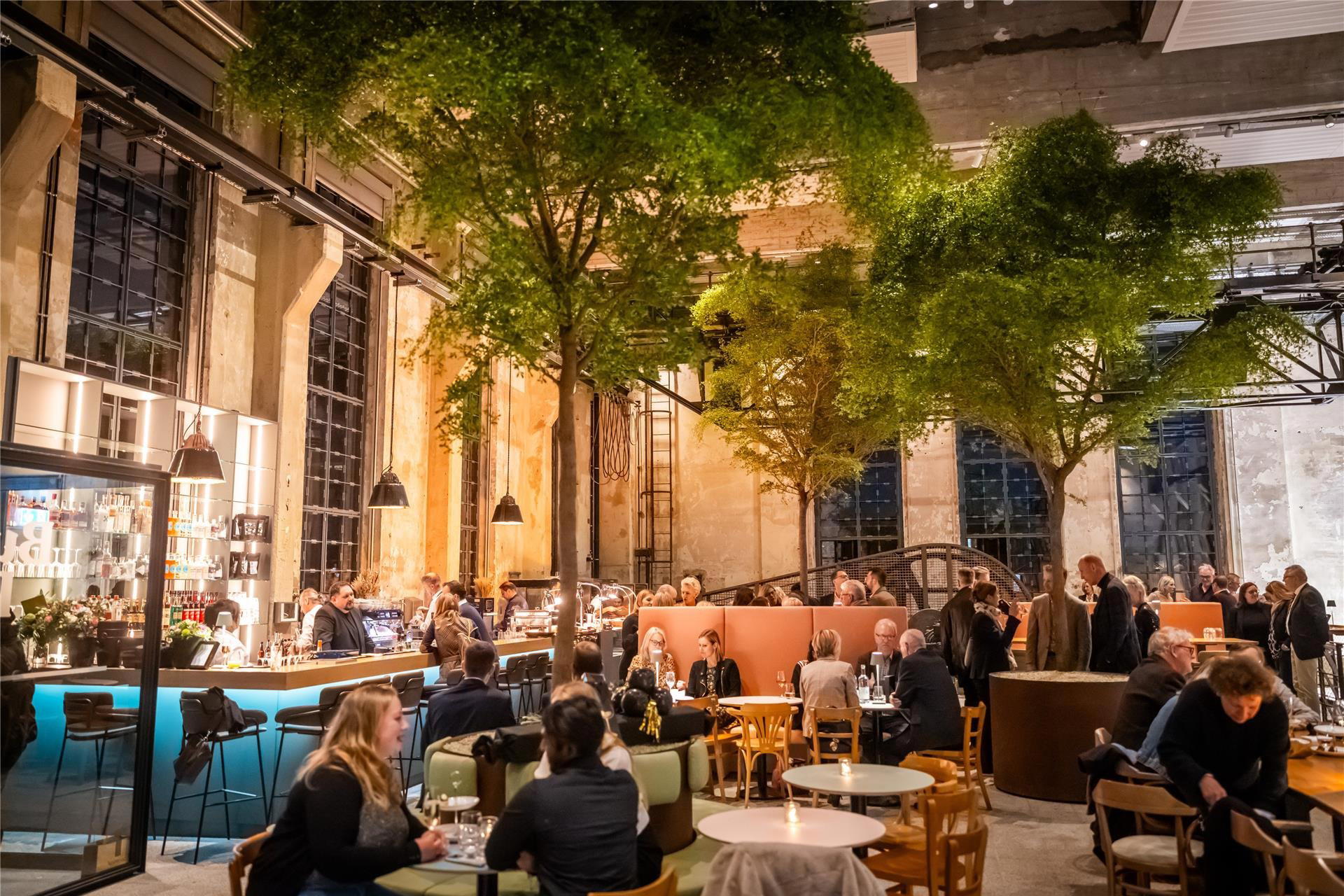
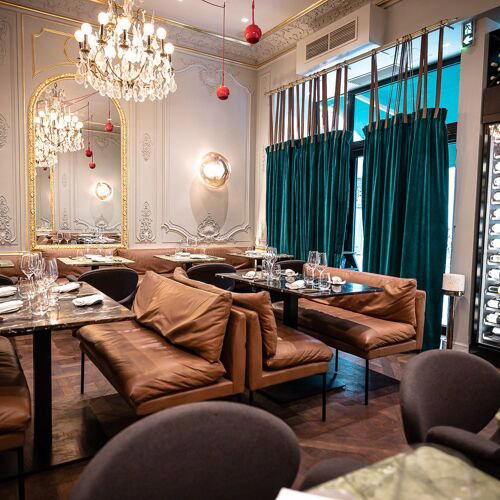
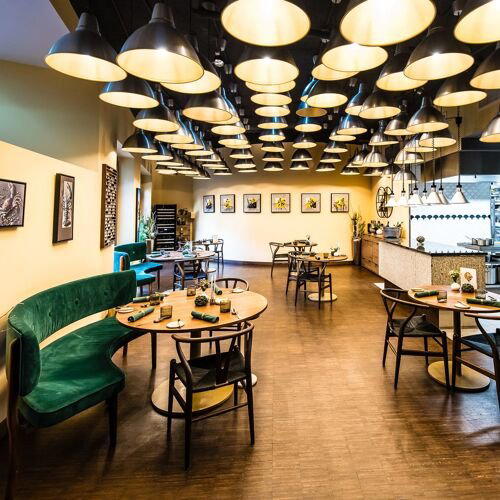
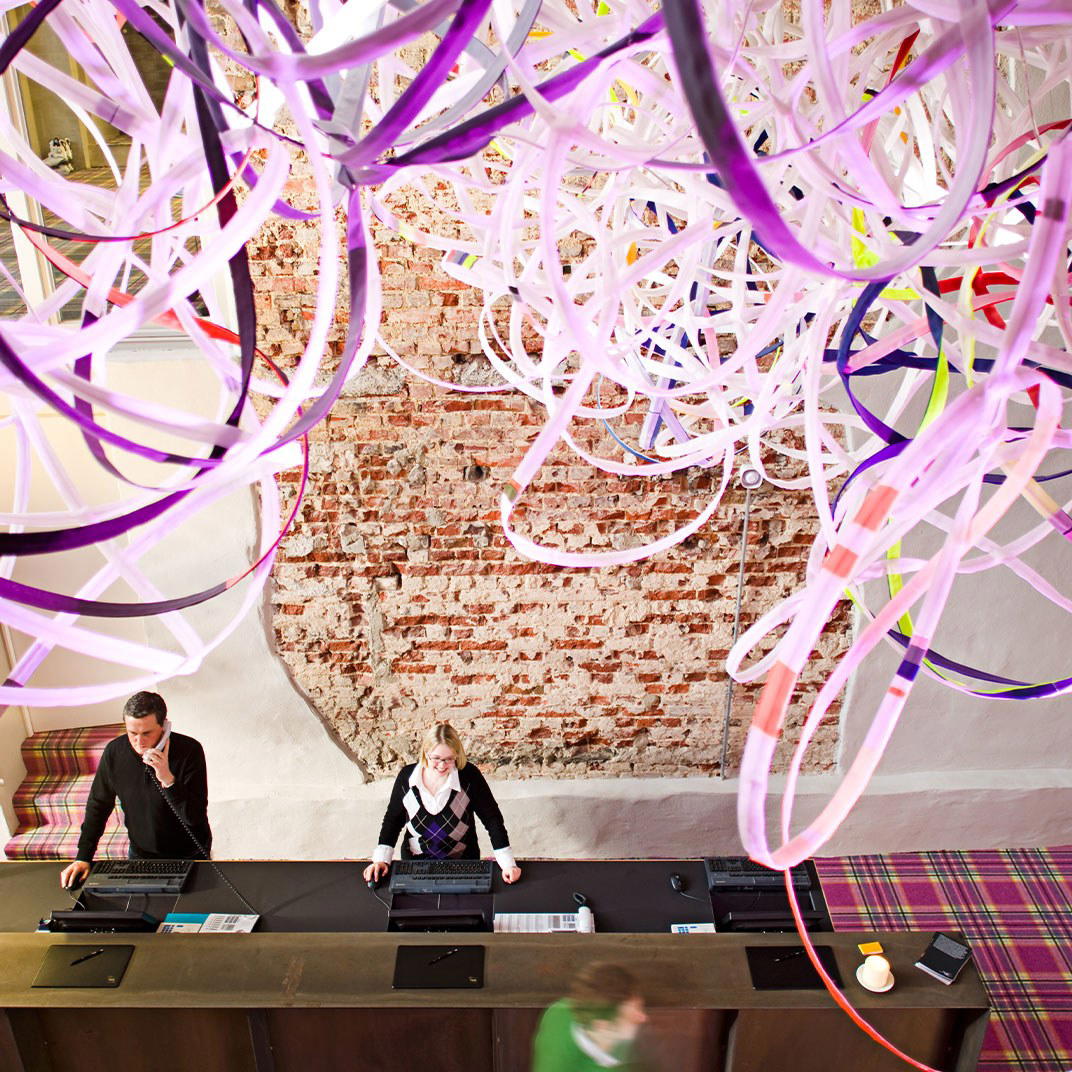
Warm, refined and modern-classic, with an additional event setting that blends historic industrial charm, purist design and lounge atmosphere.