Gasthaus Adler
Gasthaus Adler sits on Dorfstrasse in Allenwinden, a quiet Central Swiss village that shapes the character of what a traditional Gasthaus does best: grounding a meal in its immediate geography. The format belongs to a long Swiss tradition of rural inns where locality is both philosophy and practice, placing it well outside the destination-restaurant circuit while remaining worth the detour for those who seek that register.
Pearl is the En Primeur Club membership app — saves, bookings, and concierge access live there. Same editors, same standards.
- Address
- Dorfstrasse 5, 6319 Allenwinden, Switzerland
- Phone
- +41412021050
- Website
- adlerallenwinden.ch
- Directions
- Get directions
 Saves & bookings on Pearl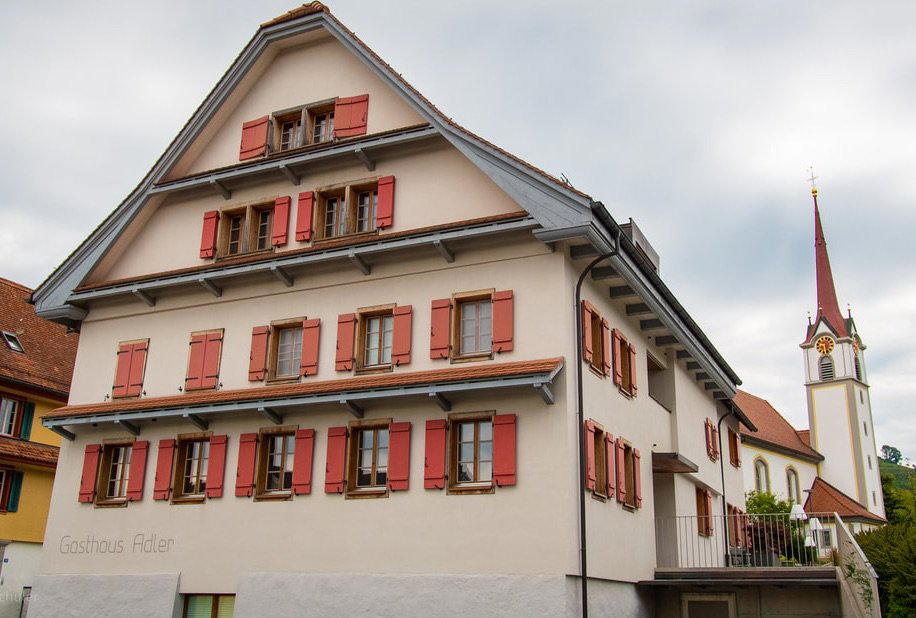
A Village Inn in Central Switzerland, and Why That Format Still Matters
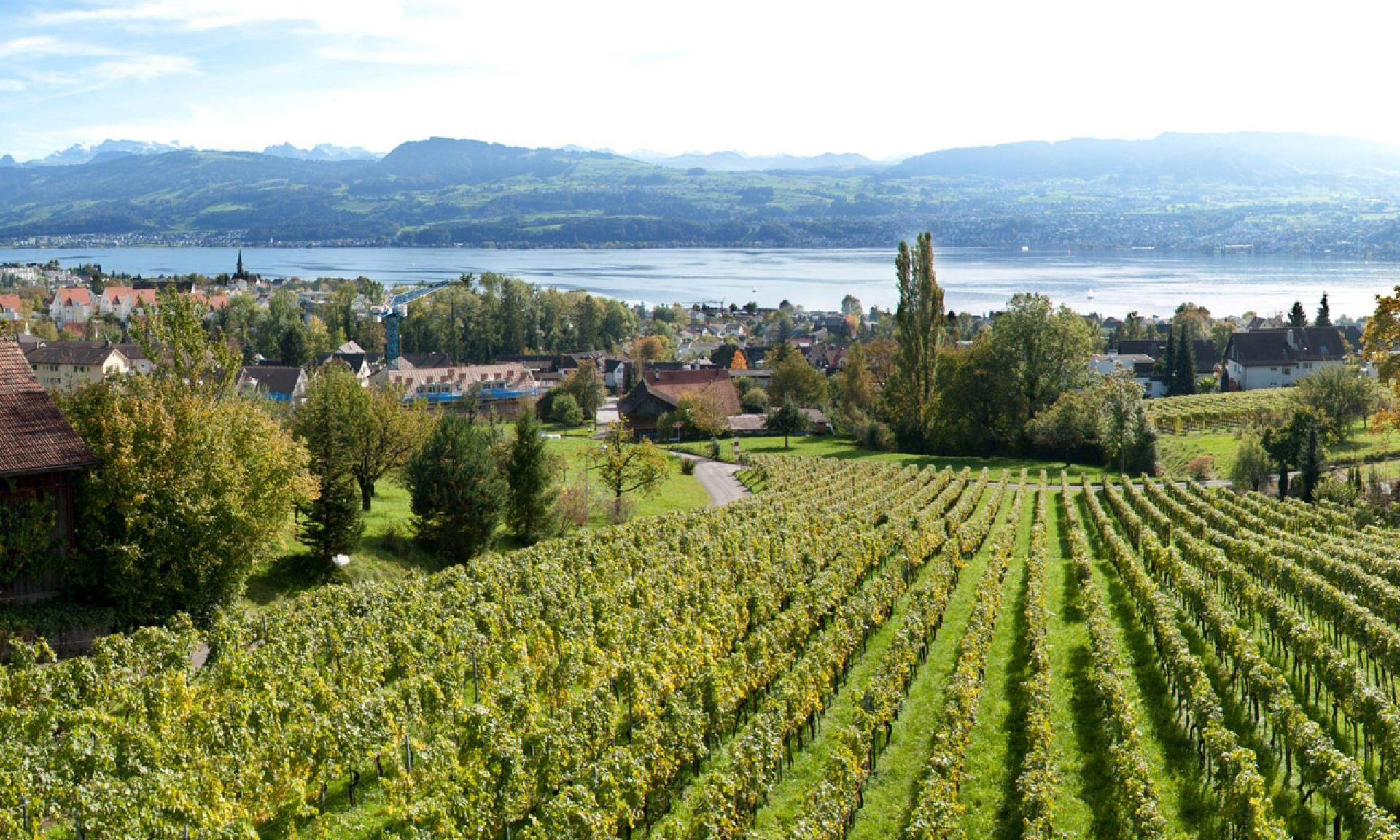
The road into Allenwinden, a small community in the canton of Zug, passes through the kind of Central Swiss countryside that has not changed much in outline for generations: modest farmsteads, wooded ridges, and a scale that makes the village Gasthaus feel less like a dining destination and more like a natural extension of the place itself. Gasthaus Adler, at Dorfstrasse 5, occupies exactly that position. The address puts it on the main village street, which in a settlement this size means it is also, effectively, the community's culinary anchor point.
The traditional Swiss Gasthaus model is worth understanding before arriving. These inns evolved as a function of geography: in a country where mountain passes and river valleys fragmented communities into small, self-sufficient clusters, the local inn became both logistics and culture. It fed travellers passing through, served the farming population, and operated on a supply chain defined by proximity rather than aspiration. That origin story shapes what a Gasthaus prioritises even now, and it places Adler in a category quite different from the destination restaurants that have made Swiss gastronomy internationally recognised.
For context on the broader Swiss fine-dining circuit, properties such as Schloss Schauenstein in Fürstenau, Memories in Bad Ragaz, and focus ATELIER in Vitznau represent the creative, highly awarded end of Swiss cooking, where menus are built around conceptual frameworks and kitchen teams trained across Europe. Gasthaus Adler operates in a register that is structurally and philosophically separate from that world, and the comparison is useful precisely because it clarifies what each format is actually doing.
Ingredient Sourcing and the Geography of a Rural Swiss Table
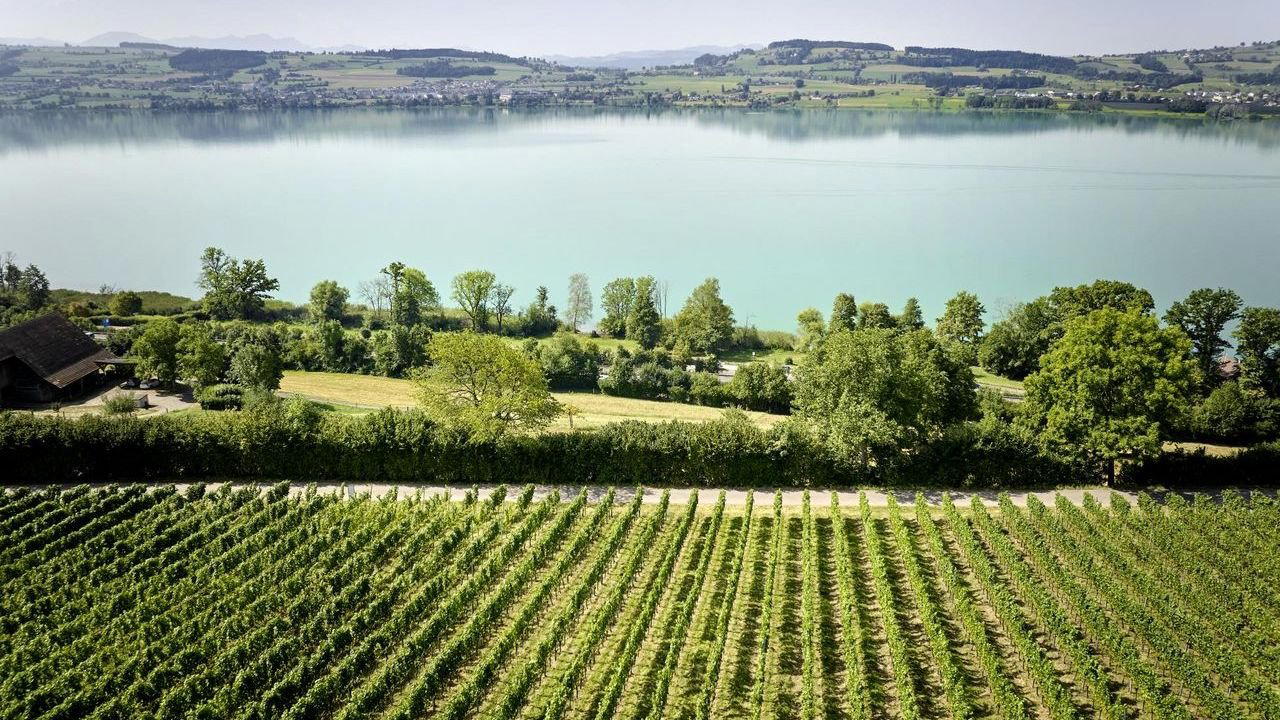
The ingredient logic of the traditional Swiss Gasthaus is regional by default, not by marketing. In Central Switzerland, the productive agricultural land of the Zug basin sits within short reach: dairy farming has shaped the local economy and the local diet for centuries, and the proximity of farms to village inns was once simply a matter of practical necessity. What has changed is the framing. Where sourcing from nearby farms was once unremarkable infrastructure, it now carries cultural weight as a counter-position to globalised supply chains.
The canton of Zug is small enough that most of what a traditional kitchen requires exists within its borders or those of immediately adjacent cantons. Dairy products, pork, seasonal vegetables, freshwater fish from regional lakes, wild game in autumn: the template for a Central Swiss Gasthaus menu is defined by what the land and climate produce, and the seasonal calendar that results is more rigid and more honest than anything engineered by a tasting menu kitchen working with imported luxuries. Villages at this scale in the Mittelland and pre-alpine zone eat the way their geography dictates, and Allenwinden's position in Zug places it inside that productive agricultural corridor.
This is the context that gives a meal at a place like Gasthaus Adler its particular logic. The cooking tradition of the German-speaking Swiss interior, from the Zürcher Geschnetzeltes variants to the dairy-heavy gratins and potato preparations of the Mittelland, is not a simplified version of something more sophisticated. It is its own system, with its own internal standards, and the leading village inns in this part of Switzerland are the places where that system is executed with the least compromise.
The Allenwinden Setting and What to Expect Logistically
Allenwinden is not a town with significant independent restaurant infrastructure: the Gasthaus format here is the dining infrastructure. Visitors coming from Zug city, roughly 10 kilometres to the northeast, will find the drive direct on Swiss rural roads, and the address on Dorfstrasse is the kind of location that resolves itself once you are in the village. There is no broader dining district to orient around; the village inn is the point.
Village Gasthäuser in this part of Switzerland often operate on schedules tied to local demand, with reduced hours mid-week and fuller service on weekends. Arriving without a reservation on a busy Friday or Saturday evening carries risk in any establishment of this format. The Dorfstrasse 5 address is the confirmed location.
For planning a broader Central Swiss or Zug-area itinerary, Magdalena in Schwyz represents the creative-alpine end of cooking in this same geographic zone, while Taverne zum Schäfli in Wigoltingen offers a useful comparison point for the Swiss inn format operating with modern kitchen ambition. Our full Allenwinden restaurants guide covers the local context in more detail.
Elsewhere in Switzerland, the spectrum of what the country produces at table ranges from the rigorous seafood focus of Le Bernardin-influenced cooking internationally to Swiss addresses such as Cheval Blanc by Peter Knogl in Basel, Maison Wenger in Le Noirmont, Einstein Gourmet in Sankt Gallen, Da Vittorio in St. Moritz, Hotel de Ville Crissier, Mammertsberg in Freidorf, La Table du Valrose in Rougemont, Skin's in Lenzburg, La Brezza in Ascona, and The Japanese Restaurant in Andermatt. Each sits in a different competitive and conceptual tier, which underscores how wide the definition of Swiss dining has become. Gasthaus Adler, at the village-inn end of that range, represents something closer to the historical baseline from which all of it grew.
How Gasthaus Adler Allenwinden compares with similar nearby venues.
| Venue | Cuisine | Price |
|---|---|---|
| Gasthaus Löwen | Classic Cuisine | €€€€ |
Continue exploring
More in Allenwinden
Restaurants in Allenwinden
Browse all →
Bars in Allenwinden
Browse all →
Hotels in Allenwinden
Browse all →

At a Glance
- Rustic
- Cozy
- Classic
- Date Night
- Family
- Terrace
- Historic Building
- Extensive Wine List
- Local Sourcing
- Sustainable
Current opening hours
- Monday
- Closed
- Tuesday
- 11 AM–2:30 PM, 5:30–11 PM
- Wednesday
- 11 AM–2:30 PM, 5:30–11 PM
- Thursday
- 11 AM–2:30 PM, 5:30–11 PM
- Friday
- 11 AM–2:30 PM, 5:30–11 PM
- Saturday
- 5:30–11 PM
- Sunday
- Closed
Hours can change for holidays and private events. Last verified .
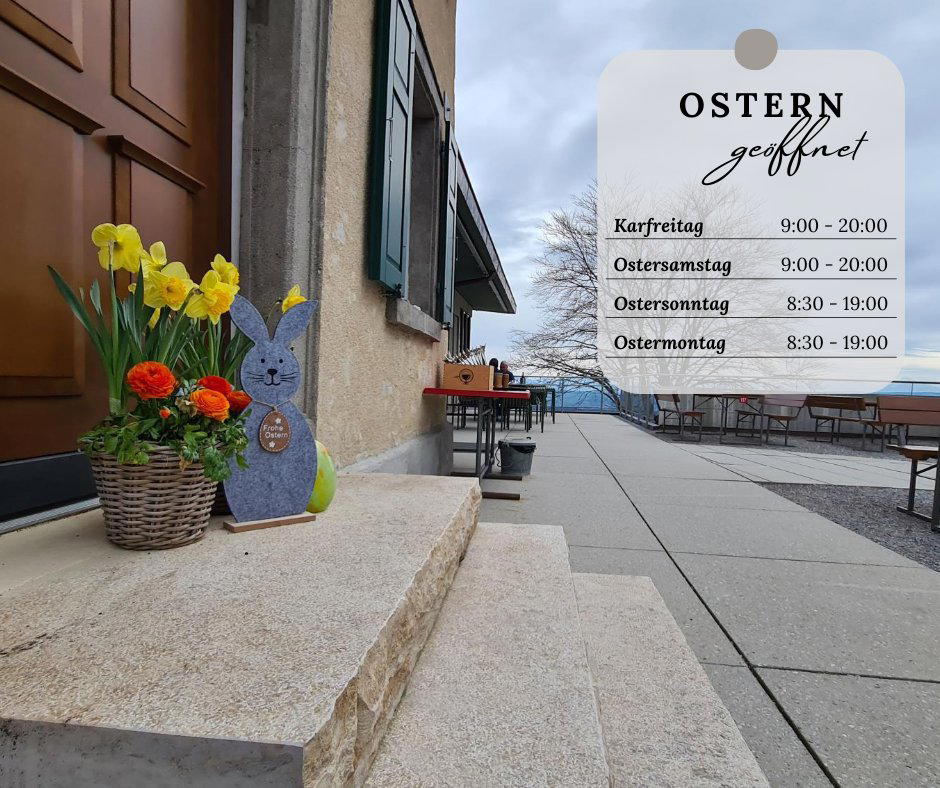
Relaxed atmosphere in a wood-paneled stube with terrace and friendly service.
Know Before You Go
- Getting there
- Dorfstrasse 5, 6319 Allenwinden, Switzerland