On Rådmansgatan in Stockholm's Vasastan district, Gast Café occupies a quieter tier of the city's dining scene, away from the Michelin theatre of Östermalm and the waterfront. The café format positions it as a neighbourhood anchor rather than a destination restaurant, reflecting a broader Swedish preference for quality that doesn't require ceremony. Details on cuisine and pricing remain sparse, which makes it worth investigating in person.
 Discover on Pearl
Pearl is the En Primeur Club membership app — saves, bookings, and concierge access live there. Same editors, same standards.
- Address
- Rådmansgatan 57, 113 60 Stockholm, Sweden
- Phone
- +46 8 27 02 22
- Website
- gastcafe.se
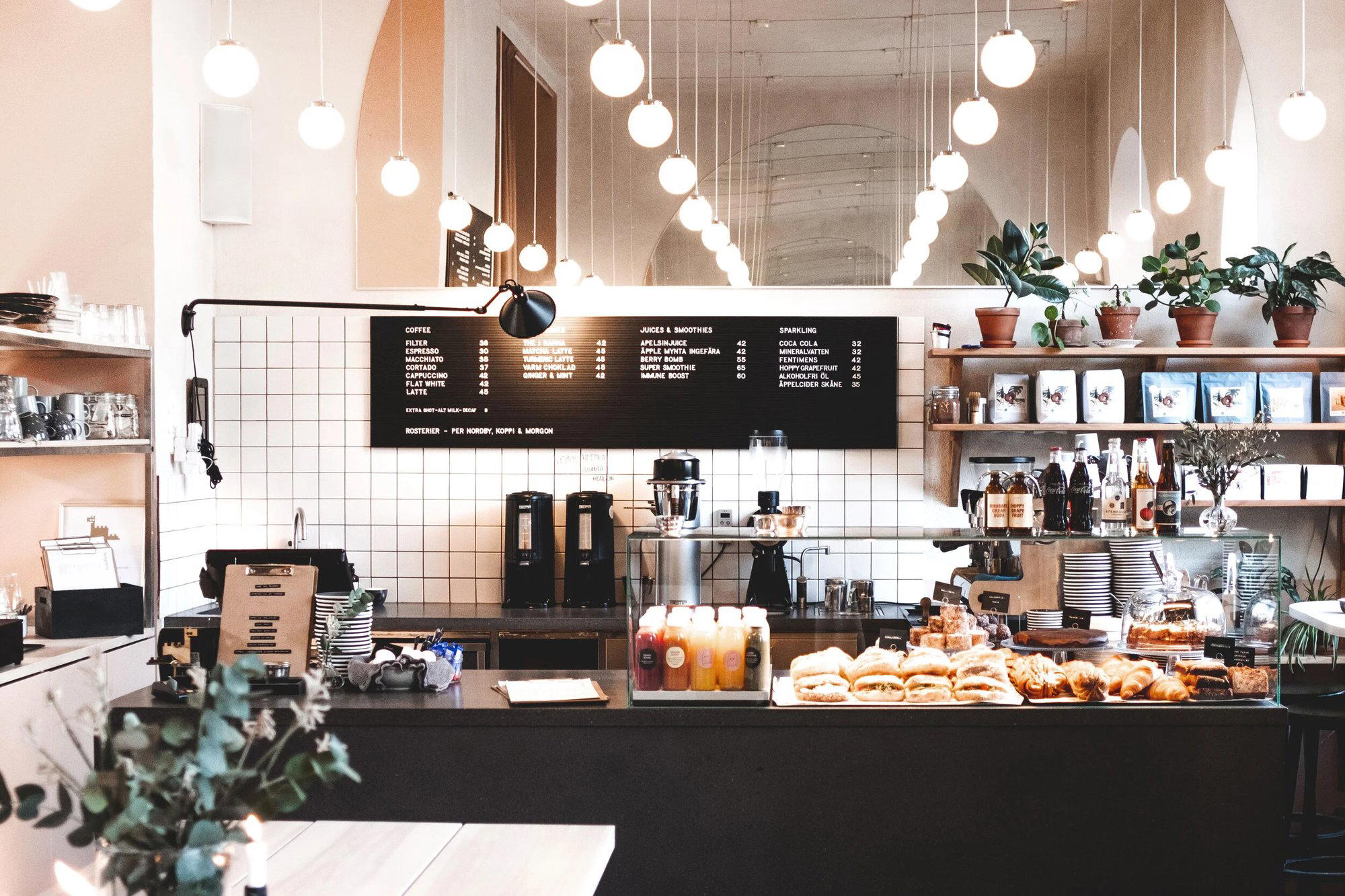
Vasastan's Café Culture and the Case for the Neighbourhood Table
Rådmansgatan runs through the heart of Vasastan, one of Stockholm's older residential districts, where the dining character has historically been defined by practicality over performance. This is not the neighbourhood of grand tasting menus or prestige wine programs. It is the Stockholm where residents eat regularly rather than occasionally, where a well-run café commands loyalty through consistency and atmosphere rather than through awards or column inches. Gast Café, at number 57, sits in that civic role, a street-level presence in a district that values the habitual over the theatrical.
Stockholm's broader dining scene has shifted dramatically over the past decade. The upper tier, represented by venues like Frantzén and AIRA, now competes on a European level, commanding prices and advance booking requirements that place them in a separate category from everyday dining. Meanwhile, Operakällaren and Aloë occupy a middle-prestige tier, where the format is more formal but the cultural weight remains tied to Swedish culinary heritage. Below that tier, and this is where the actual texture of a city's food culture lives, sits a network of neighbourhood places that rarely reach international coverage but sustain the daily rhythms of urban life. Gast Café belongs to that network.
The Swedish Café Tradition: What the Format Actually Means
In Sweden, the café is not a diminished version of a restaurant. The fika tradition, the structured coffee break built into professional and social life, gives cafés a cultural legitimacy that their counterparts in many other countries lack. A well-regarded Swedish café is expected to serve proper baked goods, handle coffee with genuine attention, and create a physical space where people can sit without being turned over quickly. The bar for café quality in Stockholm is, by international standards, relatively high: Swedes have long expected their espresso, their cardamom rolls, and their open-faced sandwiches to be made with care rather than convenience.
This context matters when positioning Gast Café. The address on Rådmansgatan places it in walking distance of Odenplan, a transport hub that draws a mixed local crowd throughout the day. A café in this location serves morning commuters, midday workers, afternoon students, and early-evening visitors, a range that demands consistent execution across different service rhythms. The neighbourhood's residential density and relative distance from the tourist corridors of Gamla Stan and Södermalm means that the regular customer, not the first-time visitor, is the primary audience.
Cultural Roots of the Café Counter in Scandinavia
The Scandinavian café counter carries specific cultural weight that distinguishes it from the French bistro or the Italian bar. Where the Italian espresso counter prizes speed and the French café leans on ambient theatre, the Swedish format prizes the pause. The concept of lagom, roughly, the right amount of something, neither too much nor too little, runs through how Swedes relate to their café spaces. Portions are calibrated. Music, when present, rarely dominates conversation. The expectation is comfort without excess.
This tradition has found renewed commercial expression in the past decade as Stockholm's specialty coffee movement matured. Cafés across Vasastan and the adjacent Östermalm and Södermalm districts began competing on roast quality and brewing method alongside their pastry programs. The result is a café category that, at its better end, requires as much technical investment as a mid-tier restaurant. Where venues like Adam / Albin represent the formal New Nordic dining mode, the everyday café represents its quieter, more democratic counterpart, seasonal produce, minimal intervention, local sourcing, without the tasting menu architecture.
Placing Gast Café in Sweden's Wider Dining Geography
Stockholm sits at the apex of Sweden's restaurant hierarchy, but the country's serious dining extends well beyond the capital. Vollmers in Malmö and VYN in Simrishamn anchor southern Sweden's fine dining credibility, while Signum in Mölnlycke and ÄNG in Tvååker demonstrate that Michelin recognition has spread through the countryside. Further afield, Knystaforsen in Rydöbruk and Bistro Jarlen in Halmstad represent the rural and mid-sized city formats. Hoze in Gothenburg, Claesgatan 8 in Malmö, and Sydkustens at Pillehill in Skivarp extend the map further into the south. The PM & Vänner in Växjö model shows how a regional city can sustain a destination-level restaurant without Stockholm's infrastructure. None of these venues operate in the same register as a neighbourhood café, but they share a common thread: Swedish dining culture at every level tends to value the ingredient over the technique, the season over the signature dish.
That same sensibility, when it filters down to café level, produces spaces where the daily pastry selection reflects what is available rather than what is branded. The gap between the tasting counter at a three-star Stockholm table and the coffee counter at a neighbourhood café is vast in price and format, but narrower in philosophy than it would be in, say, Paris or Tokyo. This is part of what makes Stockholm's café culture worth taking seriously as a subject rather than treating it as background noise to the city's headline restaurants.
For international context: the neighbourhood café's role in Stockholm maps loosely onto what independent all-day venues do in cities like New York, where places like Lazy Bear in San Francisco or precision-driven operations like Le Bernardin in New York City represent the formal pinnacle, and the everyday café represents the durable foundation below it. The foundation, in Stockholm's case, is often more carefully maintained than in comparable European capitals.
Planning a Visit: What to Know Before You Go
Gast Café is located at Rådmansgatan 57 in the 113 60 postcode, within Vasastan. The nearest metro access is Odenplan station on the green line, which puts the address inside a short walk of a major interchange. Vasastan is an easy area to cover on foot alongside nearby Östermalm, and a morning or midday visit to a neighbourhood café of this type fits naturally into a broader Stockholm itinerary that includes the formal dining tier in the evening. Gast Café is walk-in friendly and typically open Monday to Friday from 7:30 AM to 5 PM, and Saturday and Sunday from 9 AM to 5 PM. The address alone is a reliable starting point for any visit.
Comparable Venues
Comparable venues nearby, for context on price, style, and recognition.
| Venue | Cuisine | Price | Notes |
|---|---|---|---|
| Gast CaféThis venue — the venue you are viewing | Modern Swedish Cafe Brunch | $$ | |
| Beijing8 | Modern Chinese Dumplings | $$ | Östermalm |
| Trattoria Montanari | Authentic Italian Trattoria from Marche | $$ | Östermalm |
| Restaurant Aubergine | French Bistro | $$ | Östermalm |
| Bar Libertin | Modern Mediterranean Small Plates | $$ | Aspudden |
| Happy Rooster | Southeast Asian Street Food Fusion | $$ | Norrmalm |
Continue exploring
More in Stockholm
Restaurants in Stockholm
Browse all →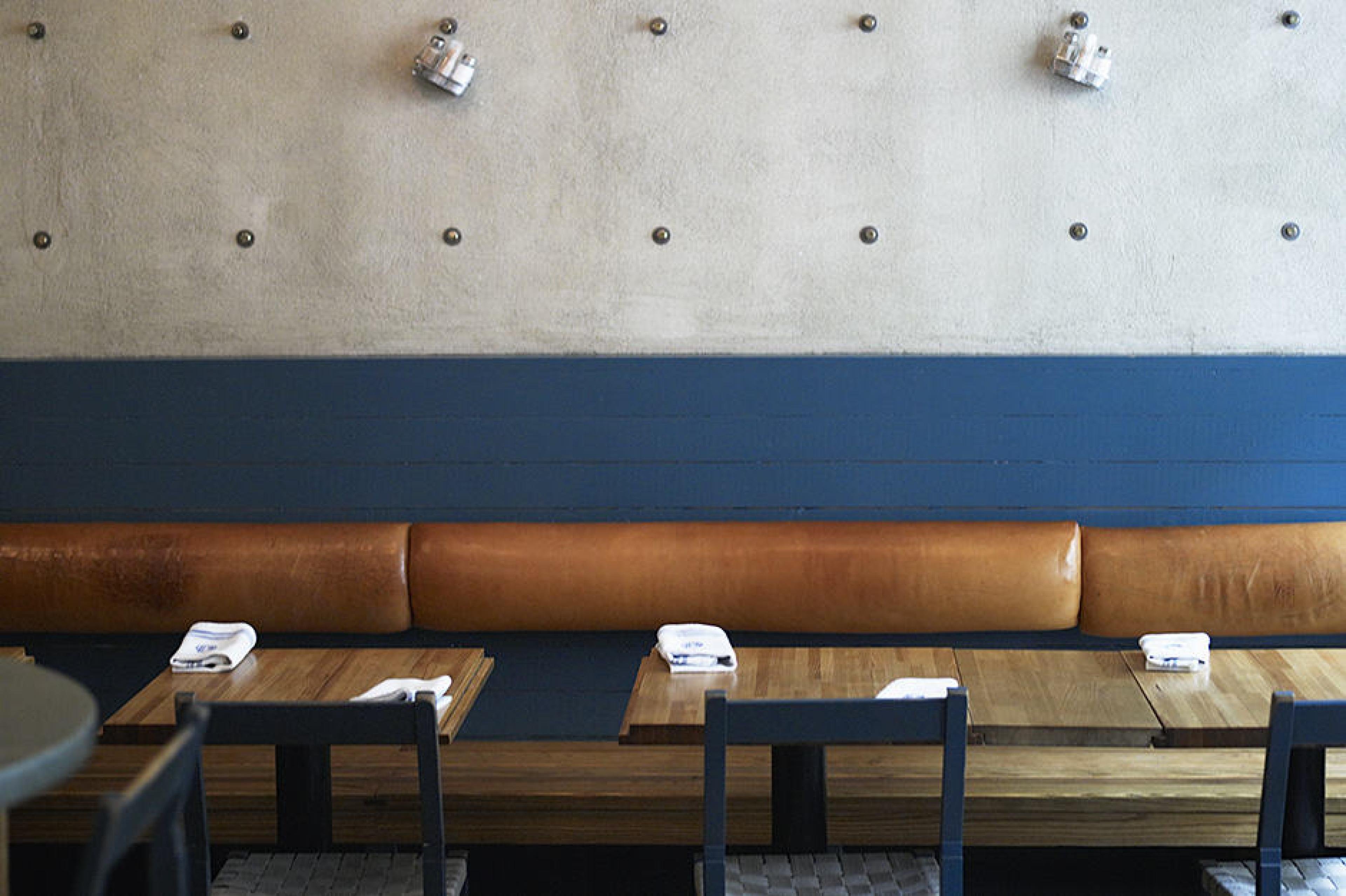
Bars in Stockholm
Browse all →
At a Glance
- Cozy
- Modern
- Minimalist
- Brunch
- Casual Hangout
- Open Kitchen
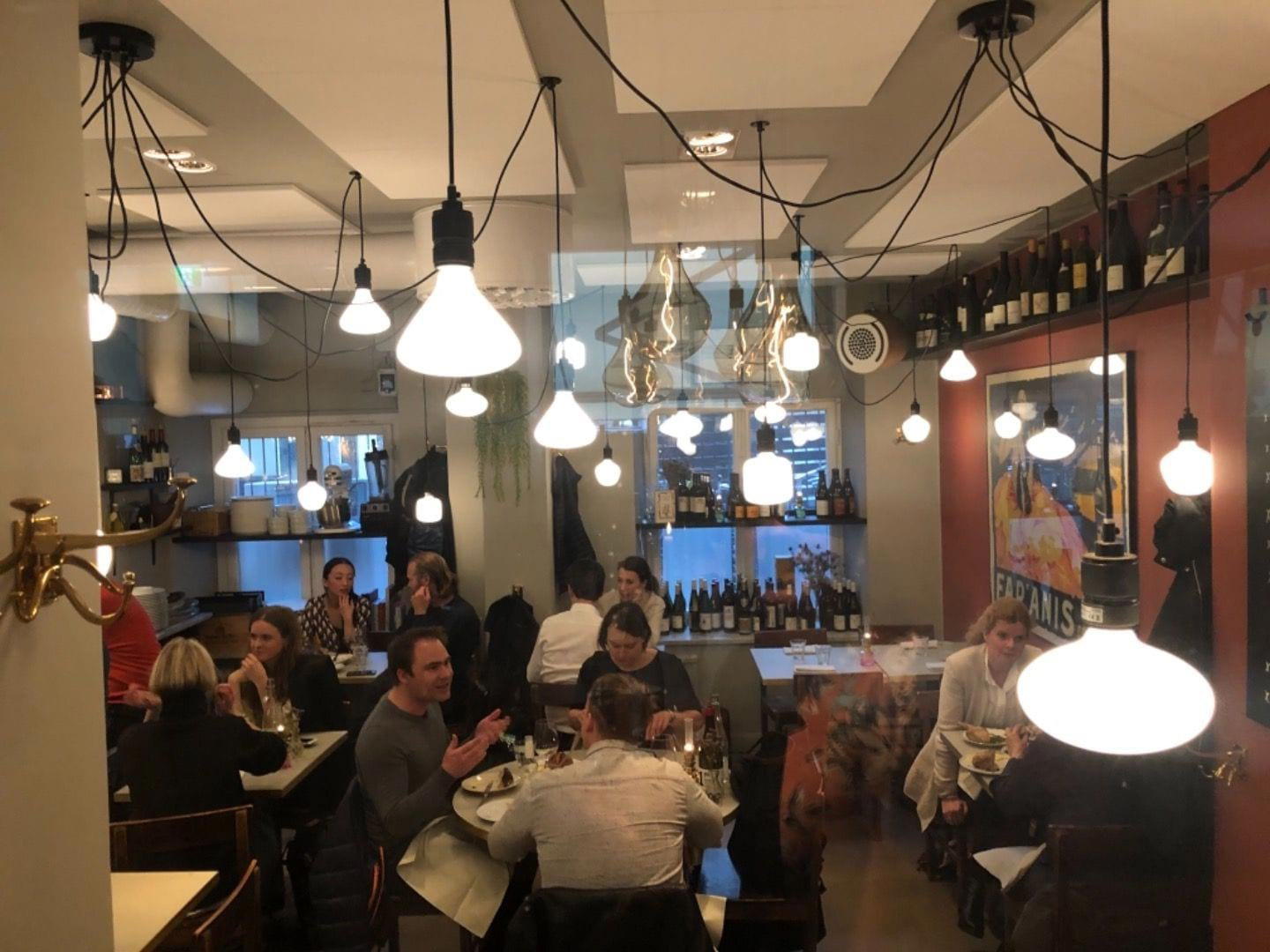
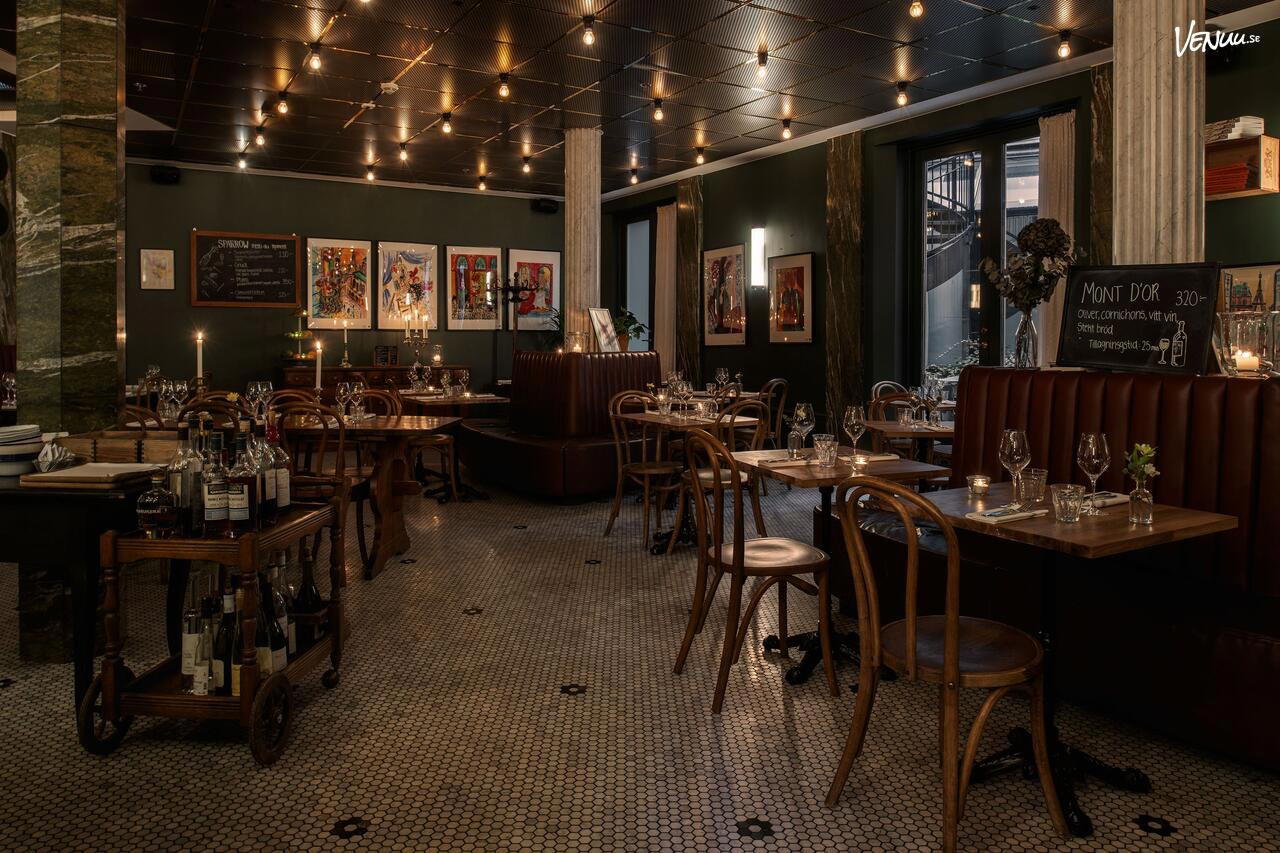
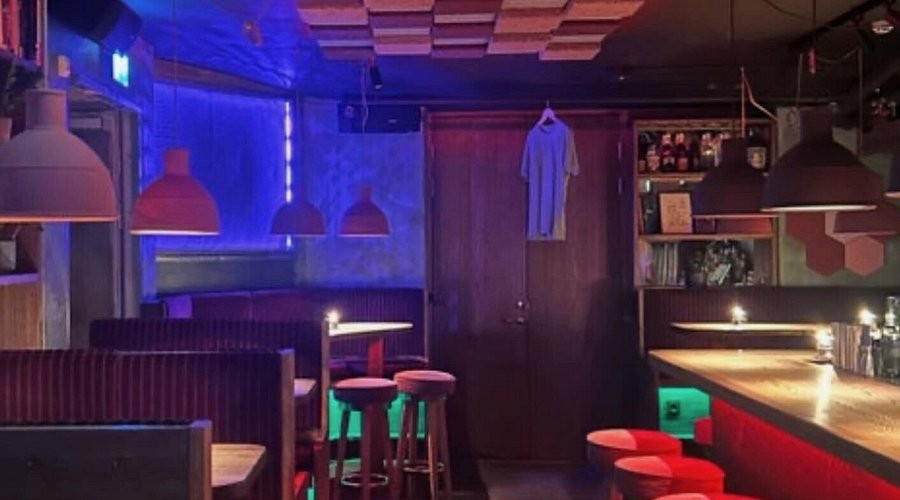
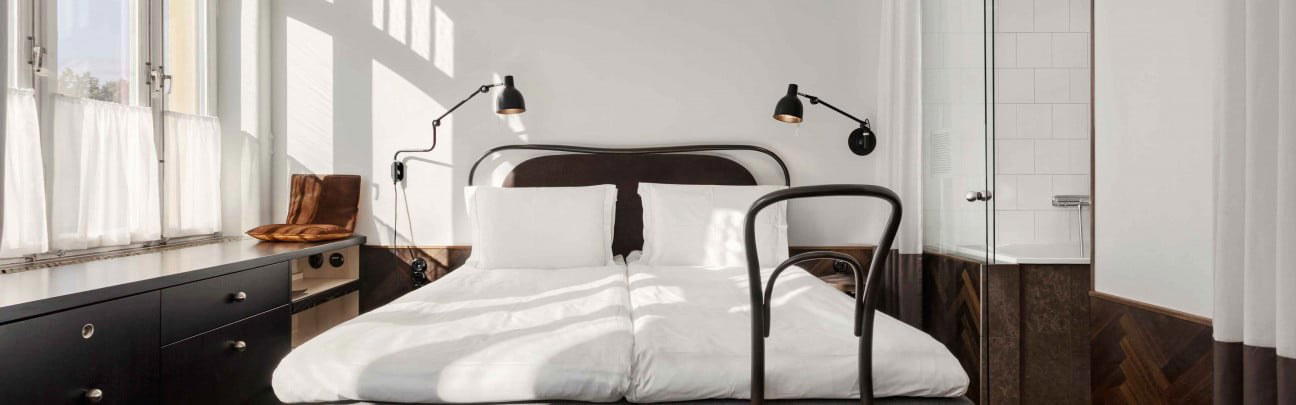
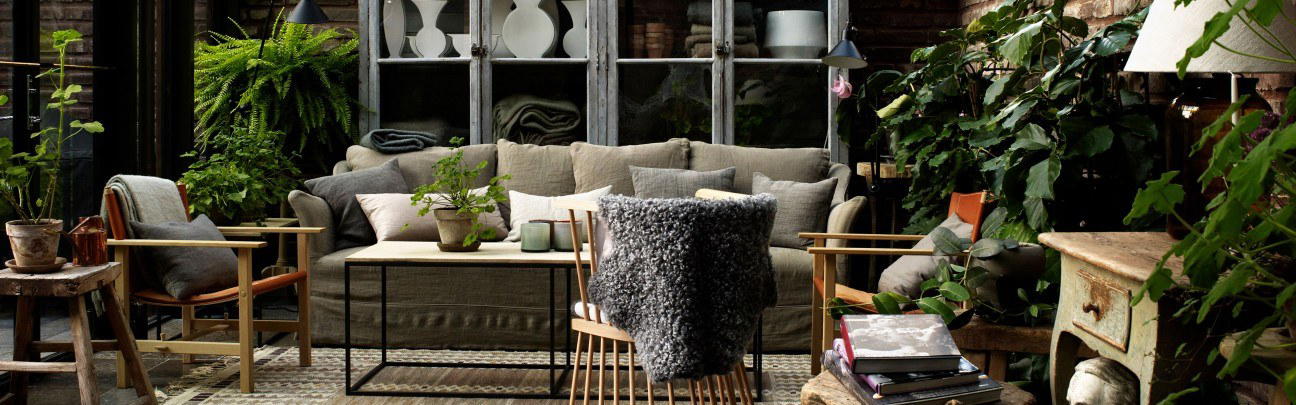
Warm atmosphere with high ceilings, spacious interior, and Scandi decor.