Garibaldi
Garibaldi sits at 901 Bayfront Court in San Diego's waterfront district, occupying a position in the city's dining conversation that rewards attention. The address alone signals intent: bayfront locations in this tier carry expectations around setting and sequence that kitchens must work to justify. What the room delivers, and how the meal unfolds, defines the case for the visit.
Pearl is the En Primeur Club membership app — saves, bookings, and concierge access live there. Same editors, same standards.
- Address
- 901 Bayfront Ct Suite 1, San Diego, CA 92101
- Phone
- +16194361081
- Website
- garibaldisandiego.com
- Directions
- Get directions
 Saves & bookings on Pearl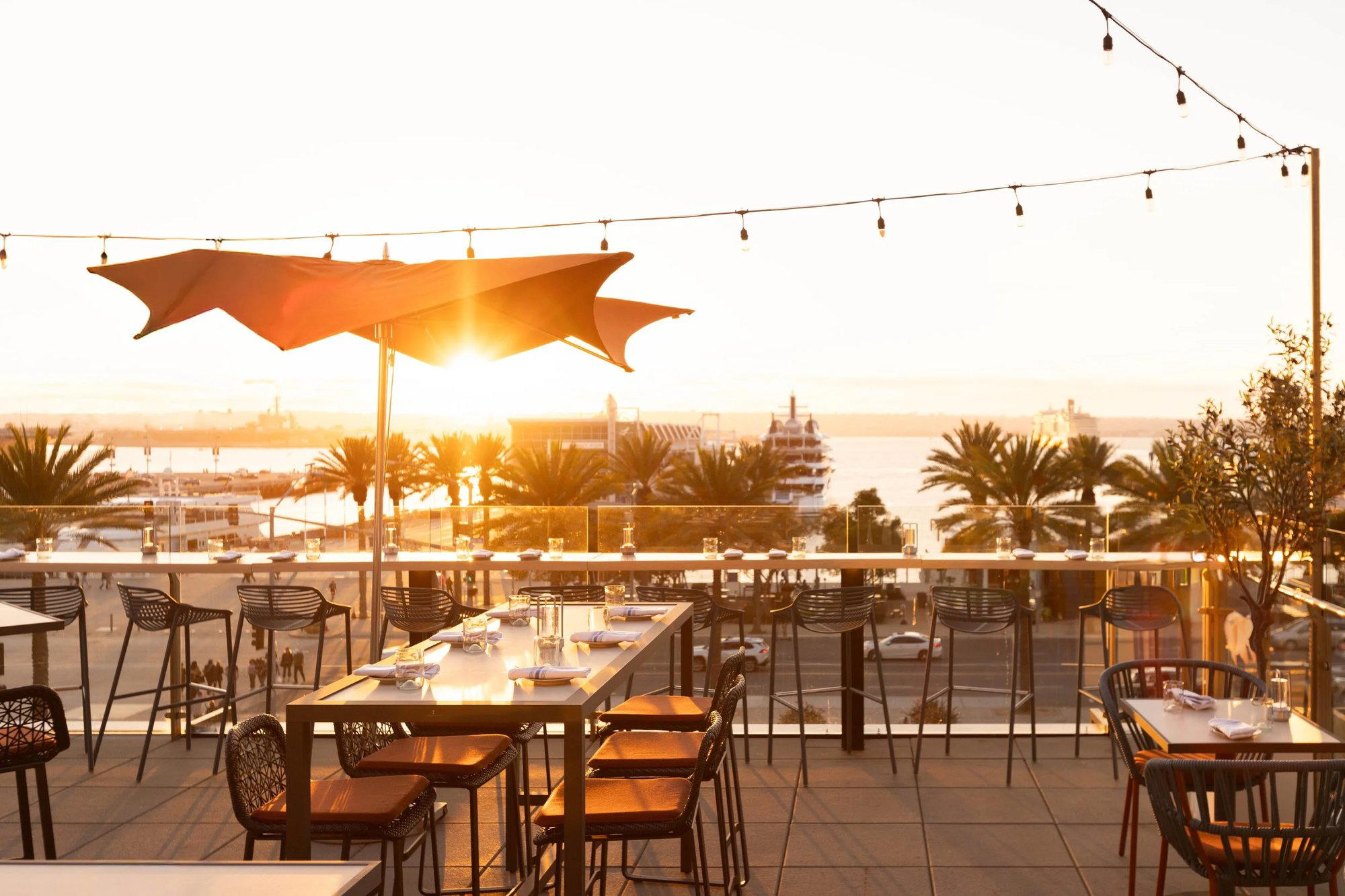
Arriving at the Waterfront Tier
San Diego's bayfront dining corridor has always carried a particular tension. The water views are given; the food has to earn its place alongside them. Garibaldi is a restaurant in San Diego serving Sardinian-inspired Italian rooftop cuisine at 901 Bayfront Ct Suite 1. The light off the bay, the geometry of the entrance, the shift in ambient sound as you move inside: these are the environmental conditions that frame everything that follows on the plate.
That framing matters more than it might seem. Waterfront restaurants in American cities often trade on their setting at the expense of culinary ambition, coasting on the view while the kitchen delivers serviceable, broadly appealing food. The more serious examples in this category use the setting as a prompt: the proximity to the water becomes a narrative logic for what gets served and in what order. Garibaldi's bayfront positioning at Suite 1 of a dedicated waterfront complex situates it inside that more ambitious bracket of the category.
The Progression as Argument
Multi-course dining in the United States has undergone a substantial recalibration over the past decade. The tasting menu format, once synonymous with sheer accumulation of courses and theatrical technique, has shifted toward restraint and internal logic. The leading examples of the format today read less like a showcase and more like an argument: each course makes a claim, and the next course either deepens or redirects it. This shift is visible across serious American tables, from Smyth in Chicago to Lazy Bear in San Francisco, and it has gradually reshaped what diners expect from a full-sequence meal.
San Diego has its own version of this conversation. Addison, the city's French and contemporary flagship, operates at the highest awarded tier and sets the benchmark for sequence-driven dining locally. Soichi holds the Japanese omakase position with comparable seriousness, where the counter format creates an inherently progressive arc. Garibaldi's bayfront address places it in a different register: not the enclosed, chef-counter intimacy of the omakase model, nor the grand-room formality of the French tradition, but something more particular to the American waterfront setting, where the progression of a meal has to work in dialogue with a more open, ambient environment.
What the Meal Structure Signals
One instructive comparison for Garibaldi's format may be drawn not from within San Diego but from how American waterfront and coastal fine dining has evolved nationally. Places like Le Bernardin in New York City or Providence in Los Angeles have demonstrated that coastal proximity can anchor a genuine culinary logic, rather than simply serving as backdrop. At the other end of the formality spectrum, Single Thread Farm in Healdsburg has shown how a kaiseki-influenced progression, built around seasonal specificity and a clear geographic identity, can carry a full-sequence meal with intellectual coherence.
What these examples share is a commitment to the meal as a structured sequence rather than a collection of individually impressive dishes. The question for any serious waterfront restaurant is whether the environment informs the progression or simply decorates it. San Diego's position as a Pacific coastal city, with access to both Mexican culinary traditions and Pacific seafood, creates genuine raw material for a kitchen that wants to build a local argument rather than default to a pan-American fine dining template.
The broader San Diego dining picture includes strong comparative points at different price tiers. 1450 El Prado and 777 G St operate in different registers of the city's dining range, while 94th Aero Squadron occupies the experience-dining segment where setting and occasion define the visit. Garibaldi's bayfront location gives it the setting credentials of that last category, with the aspiration of the first two. The combination is not common.
Placing Garibaldi in the National Conversation
American fine dining has been in an extended period of self-examination. The farm-to-table commitments visible at Blue Hill at Stone Barns in Tarrytown, the hyper-regional sourcing at The French Laundry in Napa, the Southern roots and civic ambition visible at Emeril's in New Orleans: these are different answers to the same question about what serious American restaurants owe their location. The Korean-American fine dining model at Atomix in New York City and the Alpine identity at Atelier Moessmer Norbert Niederkofler in Brunico push that question into sharper international focus.
Garibaldi's bayfront address in San Diego enters this conversation from a geography that has real specificity: the Pacific, the border, the California growing tradition. The Italian-resonant name itself raises questions about register and lineage, the kind of name that either signals a direct culinary inheritance or operates as a looser cultural reference point. The address at Suite 1, 901 Bayfront Court remains the strongest available data point: a waterfront commitment in a city where that positioning carries real expectations. Restaurants that take that location seriously tend to build their progression around it. Those that do not tend to be found out quickly by the comparison with what the room promises.
For context within the city's Italian and European-heritage dining tradition, Frasca Food and Wine in Boulder and The Inn at Little Washington in Washington show how European culinary heritage gets translated into a distinctly American fine dining idiom. The degree to which Garibaldi aligns with that tradition or departs from it will define where it ultimately lands in San Diego's competitive picture.
Reputation First
Comparable venues nearby, for context on price, style, and recognition.
| Venue | Cuisine | Price | Notes |
|---|---|---|---|
| GaribaldiThis venue — the venue you are viewing | Sardinian-Inspired Italian Rooftop | $$$ | Not listed |
| Osteria Panevino | Authentic Sicilian Italian | $$$ | Downtown |
| Cardellino | Italian Chophouse | $$$ | Uptown |
| The Red Door | Authentic Italian Farm-to-Fork | $$$ | Uptown |
| Lala | Modern Italian | $$$ | Downtown |
| Tavola Nostra Pizzeria e Cucina | Modern Pinsa Romana & Italian Pizzeria | $$ | Uptown |
Continue exploring
More in San Diego
Restaurants in San Diego
Browse all →
Bars in San Diego
Browse all →

At a Glance
- Romantic
- Elegant
- Scenic
- Cozy
- Sophisticated
- Date Night
- Special Occasion
- Celebration
- Brunch
- Rooftop
- Terrace
- Waterfront
- Open Kitchen
- Extensive Wine List
- Craft Cocktails
- Local Sourcing
- Sustainable Seafood
- Waterfront
- Skyline
Current opening hours
- Monday
- Closed
- Tuesday
- Closed
- Wednesday
- Closed
- Thursday
- 4:30–10 PM
- Friday
- 4:30–10 PM
- Saturday
- 4–10 PM
- Sunday
- 4–9 PM
Hours can change for holidays and private events. Last verified .
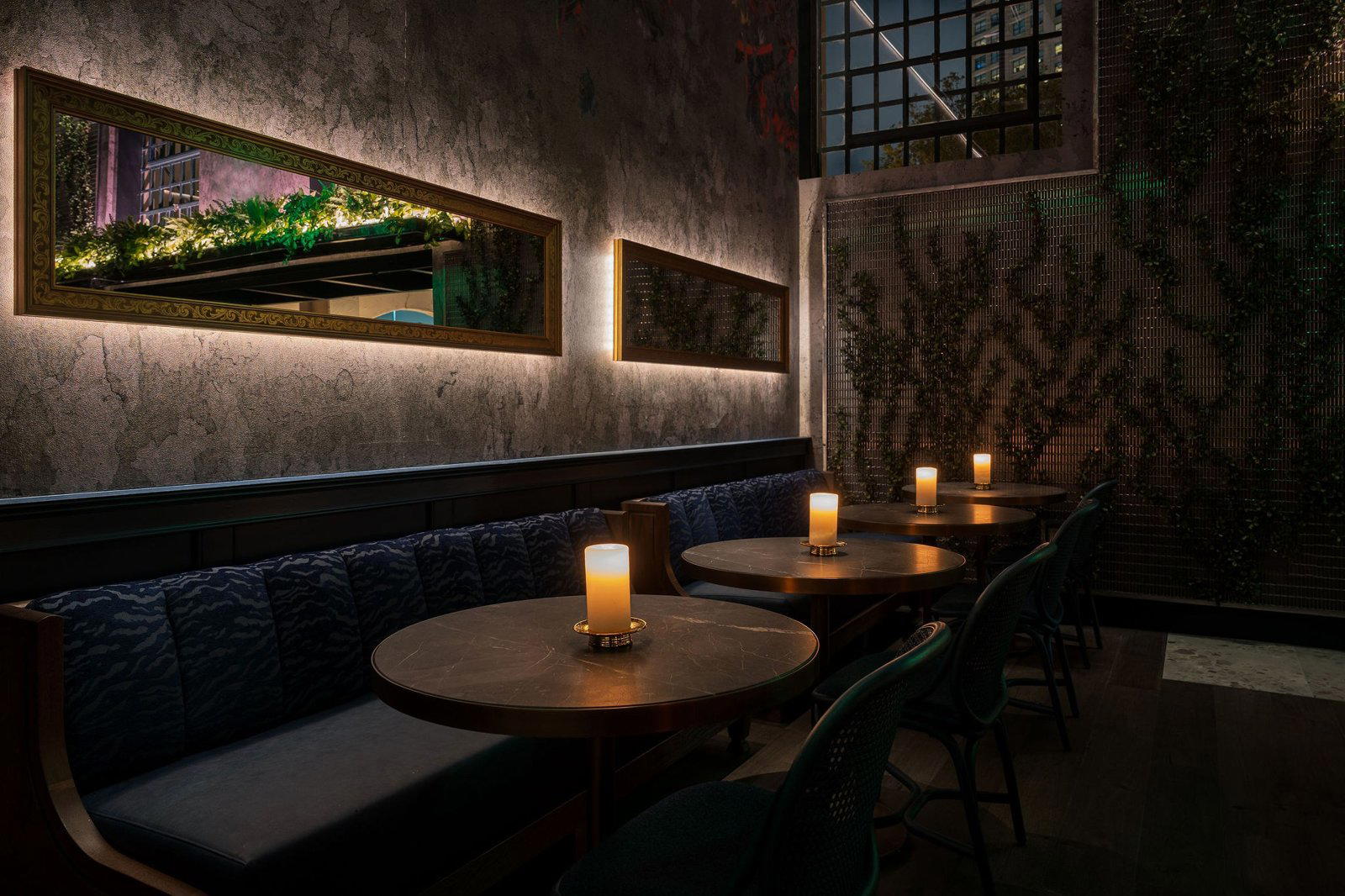
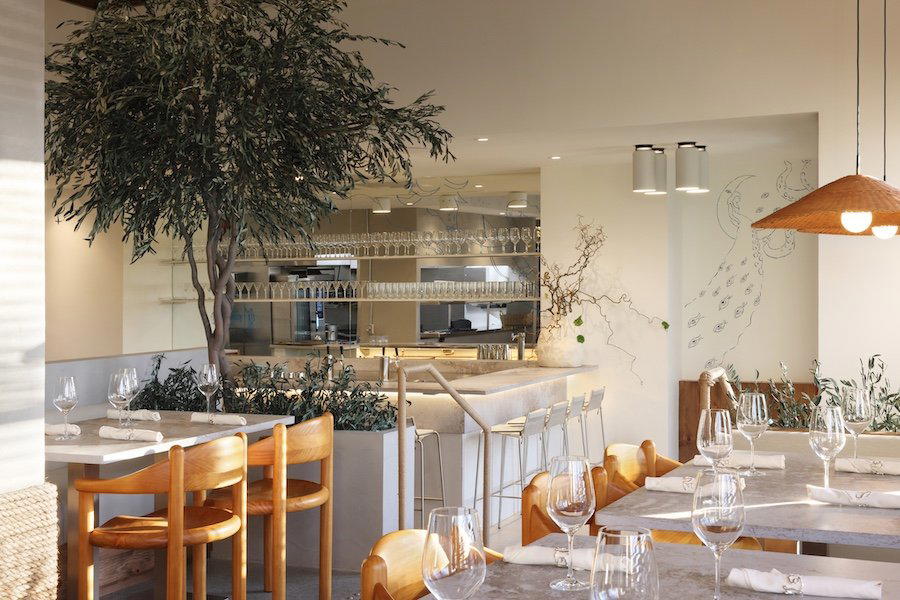
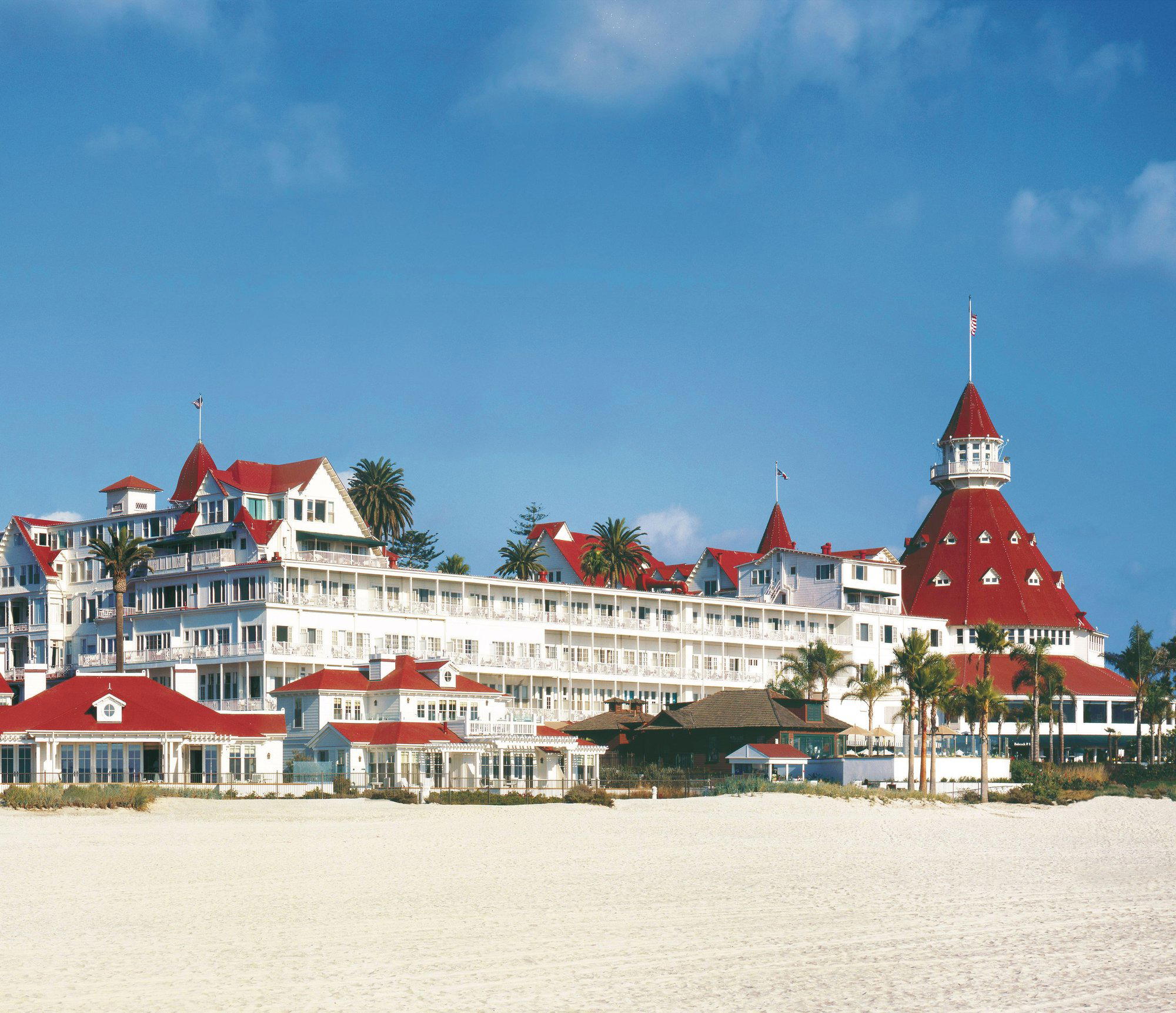
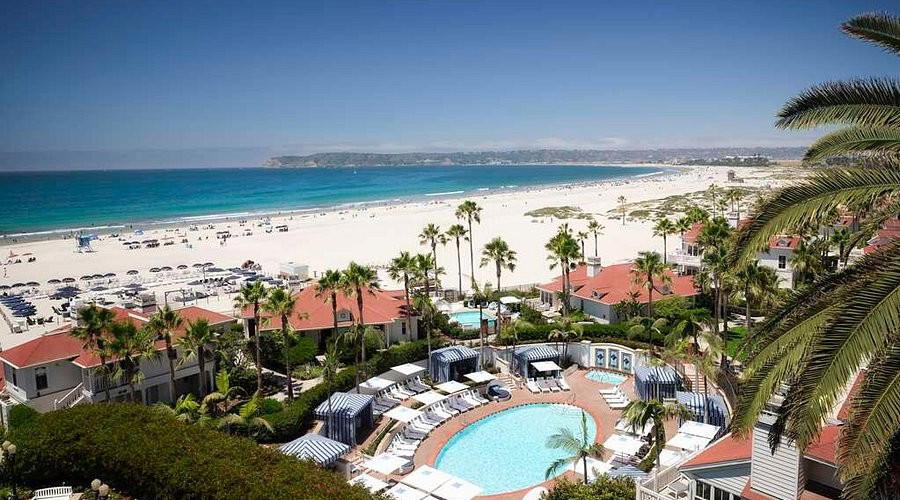
Coastal-chic rooftop terrace with sun-drenched setting, whitewashed wood, olive trees, and panoramic waterfront views.