Full Goods Diner
Our verdict
Full Goods Diner sits at 200 E Grayson St in San Antonio's Pearl District, a neighbourhood that has become the clearest expression of the city's shift toward ingredient-driven, locally rooted dining. The diner format here operates within a broader San Antonio tradition that draws on South Texas ranch culture, Mexican border cooking, and Gulf Coast produce. A practical stop for those working through the Pearl's increasingly serious restaurant scene.
- Address
- 200 E Grayson St, San Antonio, TX 78215
- Phone
- (210) 201-3665
- Website
- fullgoodsdiner.com
- Directions
- Get directions
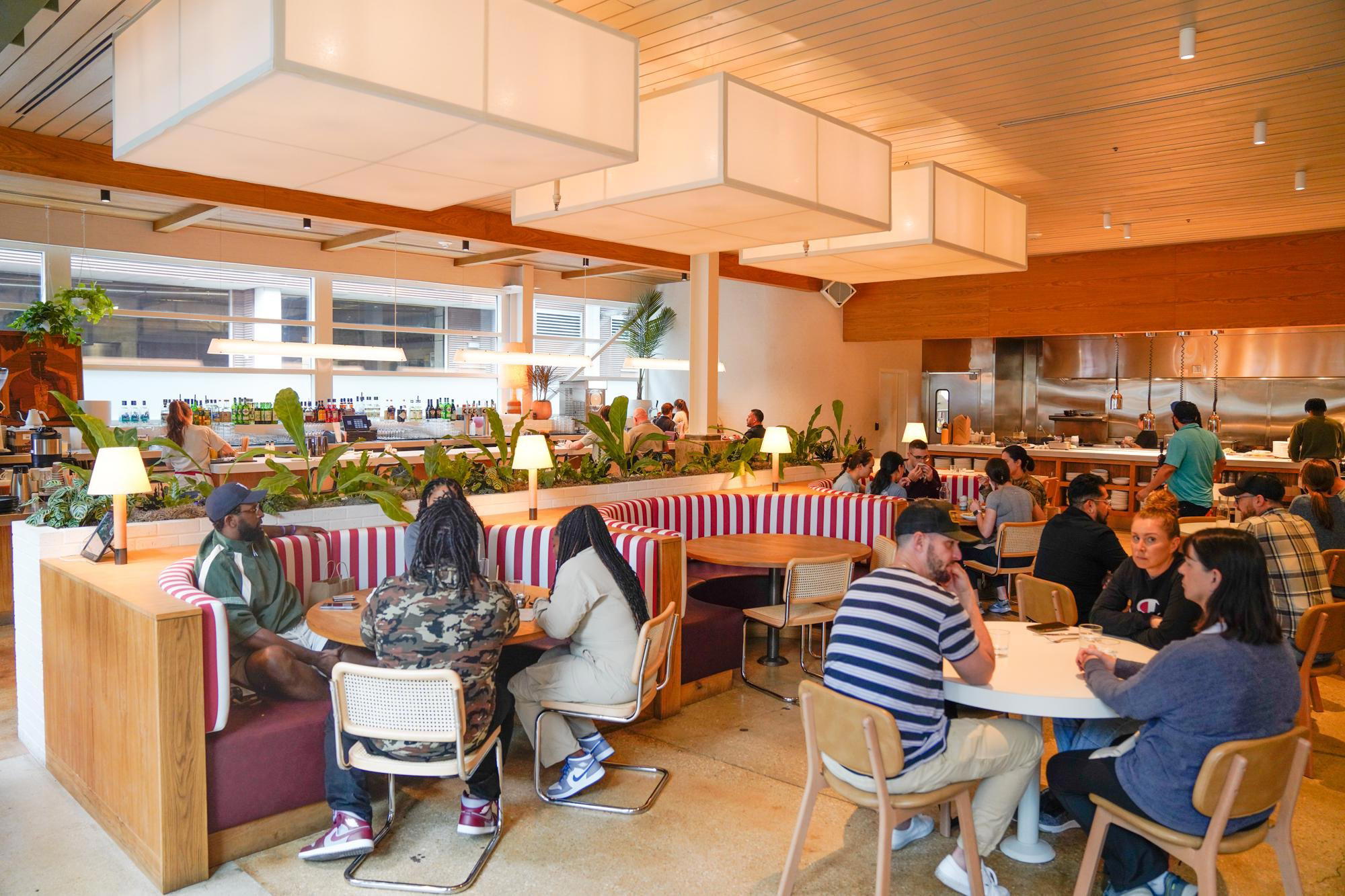
The menu
What to order
- Carnitas tortas
- Breakfast enchiladas
- Handmade pastries
Pearl District Dining and the Diner That Fits the Moment
San Antonio's Pearl District is a useful place to take the temperature of Texas diner culture. The restored brewery complex at the northern edge of downtown has attracted a concentration of restaurants that sit somewhere between casual and considered, where the format is approachable but the sourcing conversation is often the same one happening at far more formal addresses. Full Goods Diner, at 200 E Grayson St, occupies that middle register. The Pearl is walkable, market-adjacent, and increasingly the part of San Antonio that out-of-town visitors encounter before anywhere else. What a diner does with that context matters.
The diner as an American format carries a specific cultural weight. It is the format that absorbed waves of regional and immigrant cooking, that translated biscuits-and-gravy into a national grammar, that kept short-order eggs on the table while the rest of the industry chased tasting menus. In South Texas specifically, the diner tradition is layered with additional influences: the breakfast taco has more cultural authority here than the continental breakfast ever did, migas outranks the omelette, and the border between Tex-Mex and straight American short-order has always been permeable. A diner in San Antonio is not a neutral object.
The Pearl's Place in San Antonio's Restaurant Conversation
San Antonio's dining scene has developed distinct tiers. At the leading sits work like Mixtli, which applies a long-form tasting menu structure to the regional cuisines of Mexico, and Isidore, which positions itself within the Texan fine-dining tradition. Below that, the city has a dense mid-market layer where neighbourhood restaurants draw on local ranching, Gulf produce, and border-crossing flavour logic. The Pearl concentrates a lot of that mid-market energy in one walkable area, which makes it both a strength and a pressure point. Restaurants here are competing for the same foot traffic and the same Pearl Farmers Market shopper who is, increasingly, a reasonably informed eater.
The diner format at this location has to answer a question that every casual restaurant in a gentrified market district faces: is it for the neighbourhood or for the visitor? The leading diners in food-literate cities manage to serve both without compromising either. They keep prices honest, menus readable, and execution steady. That consistency, more than any single dish, is what builds a return-visit culture.
For broader context on how Full Goods Diner sits within San Antonio's overall dining map, including barbecue specialists like 2M Smokehouse and the Riverwalk's more tourist-facing operations like 1Watson, see our full San Antonio restaurants guide.
Cultural Roots: What South Texas Diner Food Actually Means
The cultural genealogy of Texas diner food runs in several directions simultaneously. From the north, it inherits the cattle-country tradition of large-format breakfasts built around protein and starch, the logic of feeding ranch hands before a long day. From the south, it absorbs the Mexican norteño cooking that was in South Texas long before the Anglo-American diner format arrived, the flour tortillas, the guisados, the slow-cooked beans. The Gulf Coast adds another strand, one that shows up in the shrimp and the seasonal fish that appear in coastal Texas cooking even at informal registers.
What that means practically is that a good San Antonio diner is not just translating a national format locally. It is operating within a genuinely hybrid culinary tradition that has its own internal logic and its own hierarchy of quality signals. The breakfast taco is not a novelty item here. It is a baseline, and the gap between a mediocre one and a considered one is immediately legible to the people eating it most often. The same applies to the chile-laced gravies, the flour tortillas made or bought, the eggs sourced with or without attention to provenance.
This places Full Goods Diner in a specific competitive conversation. It is not being measured against Le Bernardin in New York City or The French Laundry in Napa. San Antonio diners with staying power tend to be the ones that read as honest rather than performed.
The Diner Format in a Tasting-Menu Era
It is worth placing the diner category in its national moment. American restaurant culture has spent a significant part of the last two decades fetishising the high-concept end of dining, the counter omakase, the farm-table tasting menu, the producer-driven eight-course format. Excellent examples of that direction include Smyth in Chicago, Lazy Bear in San Francisco, Single Thread Farm in Healdsburg, and Blue Hill at Stone Barns in Tarrytown. But the diner has persisted through that period as a format because it solves problems that tasting menus cannot: flexibility, speed, price accessibility, and the ability to serve three tables with three completely different requirements at the same time.
The diners that have fared leading in this environment are the ones that stopped apologising for the format and started owning its strengths. The 410 Diner in San Antonio is one local reference point for how the format can anchor itself in a specific identity. The leading short-order cooking in American cities right now tends to be the kind that treats its regional influences as an asset rather than a constraint, that sources where it can without making sourcing the entire personality, and that prices in a way that allows regulars to return weekly rather than quarterly.
Know Before You Go
| Address | 200 E Grayson St, San Antonio, TX 78215 |
|---|---|
| Neighbourhood | Pearl District, north downtown San Antonio |
| Format | Diner |
| Booking | |
| Hours | Confirm current hours with the venue before visiting |
Frequently asked questions
Is Full Goods Diner better for a quiet night or a lively one?
Full Goods Diner sits inside the Pearl District at 200 E Grayson St, a complex that draws consistent foot traffic from the attached hotel, farmers market, and neighbouring restaurants. Energy levels tend to track the broader district rather than a single house policy, so weekday visits run quieter and weekend evenings pull in more of the neighbourhood crowd.
What's the address for Full Goods Diner?
Full Goods Diner is located at 200 E Grayson St, San Antonio, TX 78215, San Antonio.
What makes Full Goods Diner different from other Pearl District restaurants in San Antonio?
Full Goods Diner operates in the diner format at 200 E Grayson St, a category that sits apart from the tasting-menu and fast-casual concepts that dominate much of the Pearl District's restaurant mix. San Antonio's dining tiers run from long-form tasting operations down through neighbourhood counters, and Full Goods occupies the counter-diner register in a district better known for its converted brewery architecture and food-hall scale.
What's the signature dish at Full Goods Diner?
What the Pearl District context makes clear is that South Texas diner cooking typically anchors around breakfast plates, brisket-adjacent proteins, and the cattle-country staples that define the regional tradition. Checking the venue directly before visiting is the reliable route to current menu specifics.
Should I book Full Goods Diner in advance?
Given its position inside the Pearl District, one of San Antonio's higher-traffic dining corridors, arriving early during weekend service is a reasonable precaution. Contact the venue at 200 E Grayson St, San Antonio, TX 78215 for current seating policy.
What do critics highlight about Full Goods Diner?
Its address places it within the Pearl District, a complex that has drawn editorial attention as a marker of San Antonio's broader dining development, but specific press coverage of Full Goods Diner itself has not been documented here.
Can Full Goods Diner accommodate dietary restrictions?
The safest approach is to check the venue's official channels at 200 E Grayson St, San Antonio, TX 78215 ahead of your visit to confirm what the kitchen can work with.
Recognition Snapshot
| Venue | Cuisine | Price | Awards | Notes |
|---|---|---|---|---|
| Full Goods DinerThis venue — the venue you are viewing | Mexican-American Diner | Not listed | Not listed | Not listed |
| Leche de Tigre | Peruvian Cevichería & Pisco Bar | $30–50 | Michelin Plate · James Beard Award Semi Finalist | French, Peruvian |
| Mixtli | Progressive Mexican Tasting Menu | $200–300 | 1 Michelin Star · James Beard Award Semi Finalist | Mexican |
| Boudro’s on the Riverwalk | Texas Bistro with Southwestern Fusion | $30–50 | Not listed | Texas Bistro |
| The Jerk Shack | Jamaican Caribbean | $20–30 | Michelin Bib Gourmand · Diners, Drive-Ins and Dives Featured Restaurant | Jamaican |
| Cullum's Attaboy | Modern American Diner with French Influences | $30–50 | Michelin Bib Gourmand | French |
Continue exploring
More in San Antonio
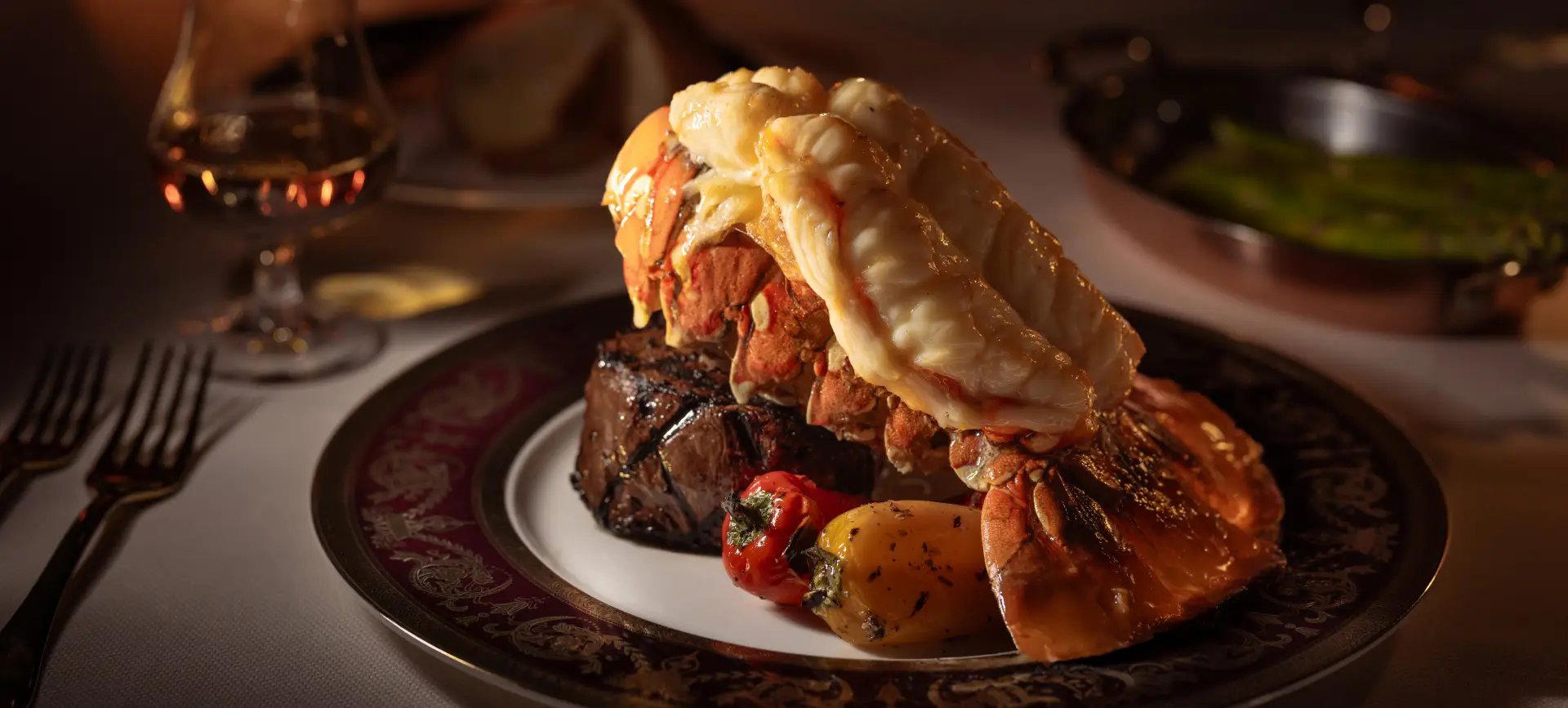
Restaurants in San Antonio
Browse all →
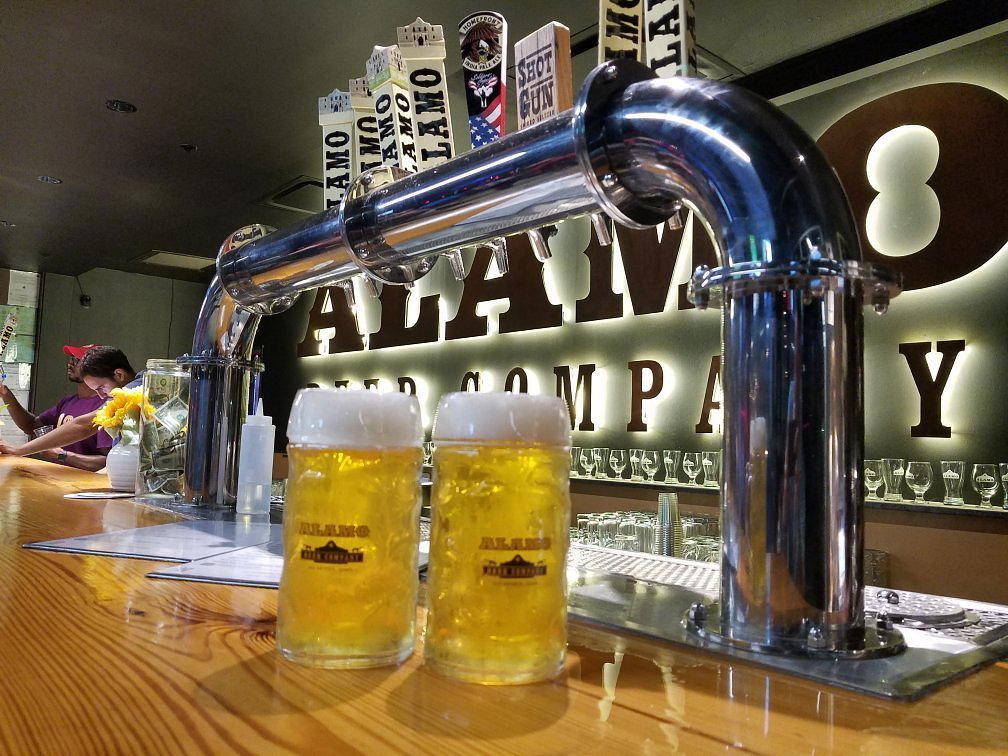
Bars in San Antonio
Browse all →

Hotels in San Antonio
Browse all →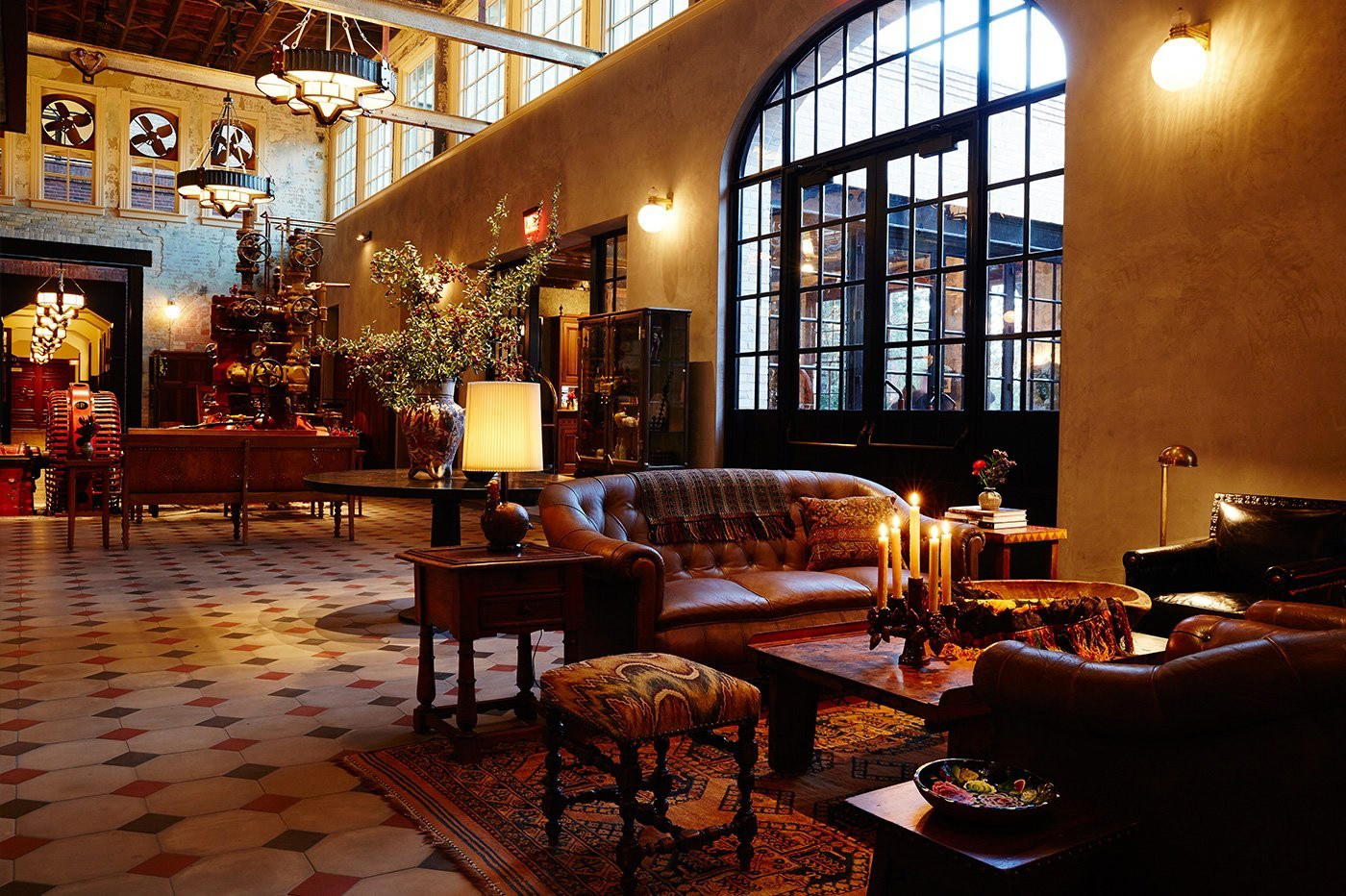
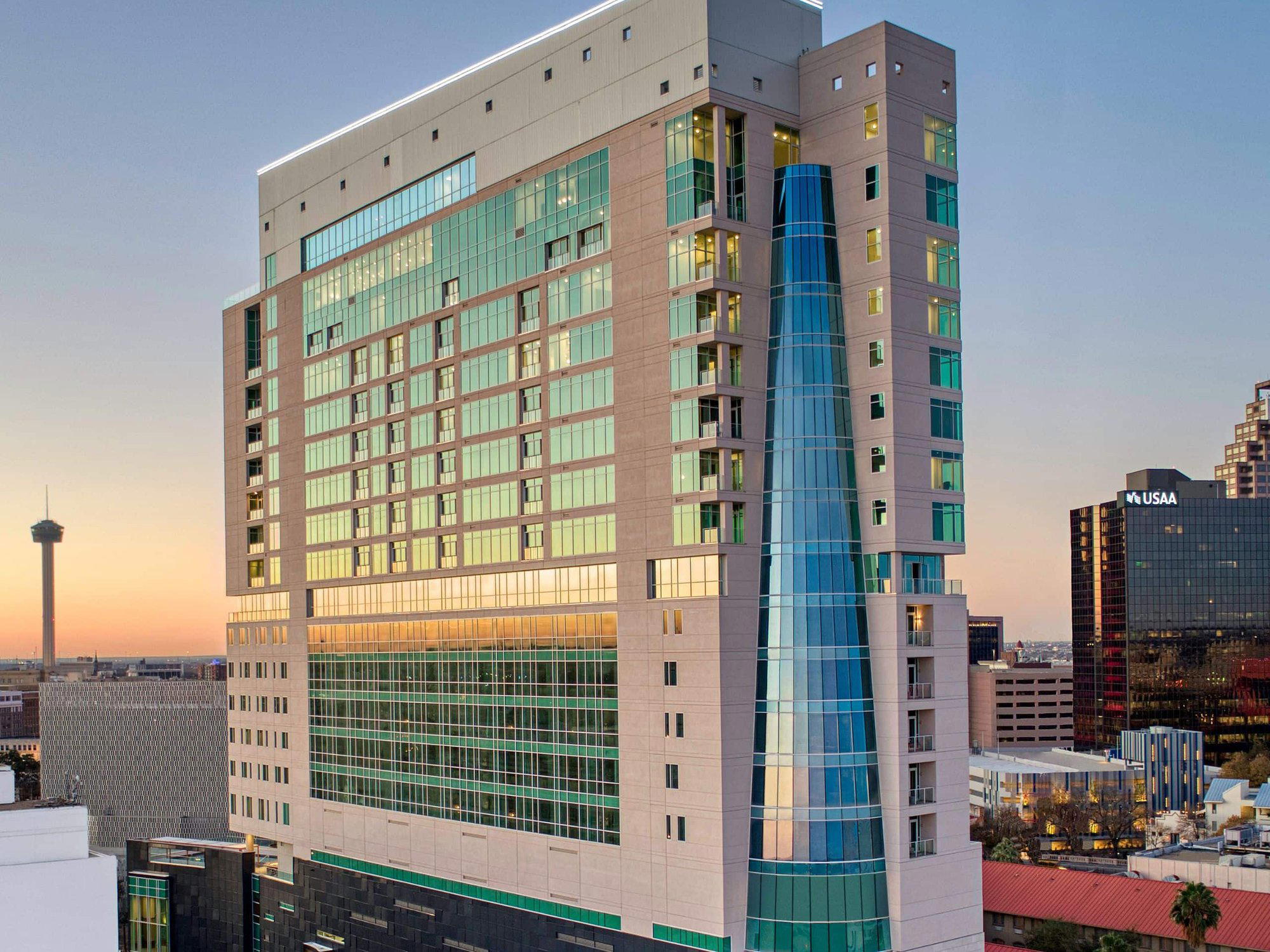

Wineries in San Antonio
Browse all →
Details
- Cozy
- Rustic
- Classic
- Brunch
- Family
- Casual Hangout
- Standalone
- Craft Cocktails
- Local Sourcing
- A La Carte
- Cocktails
- Beer Program
Easy, welcoming vibes with fantastic service and a comforting, familiar atmosphere.