
Tabelog 100 #15
Our verdict
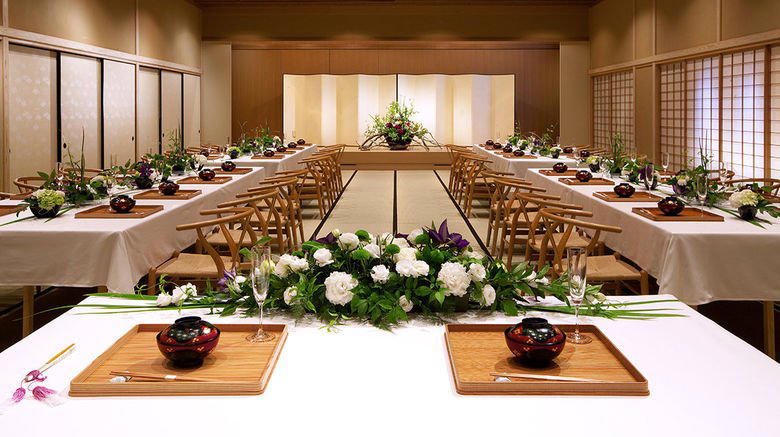
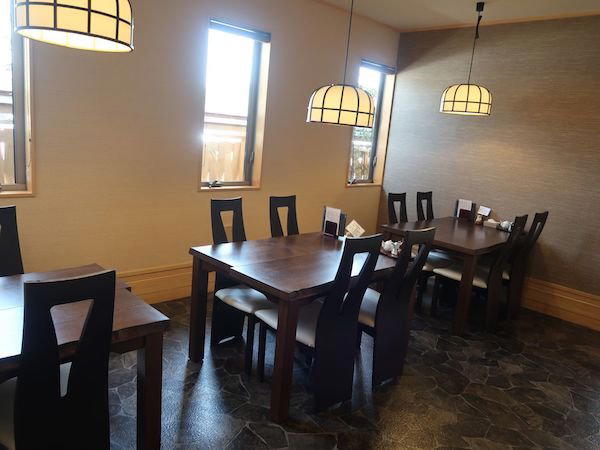
Unagi Sakuraya belongs to Mishima’s serious eel tradition, where freshwater sourcing and rice-bowl craft matter more than spectacle. Its Tabelog 100 Unagi selections in 2018, 2019, and 2024 place it in a national conversation around specialist unagi restaurants, while the large tatami-and-table format keeps the experience closer to a regional dining room than a formal counter.

Pearl is the En Primeur Club membership app, where members save venues, book tables and use the concierge.
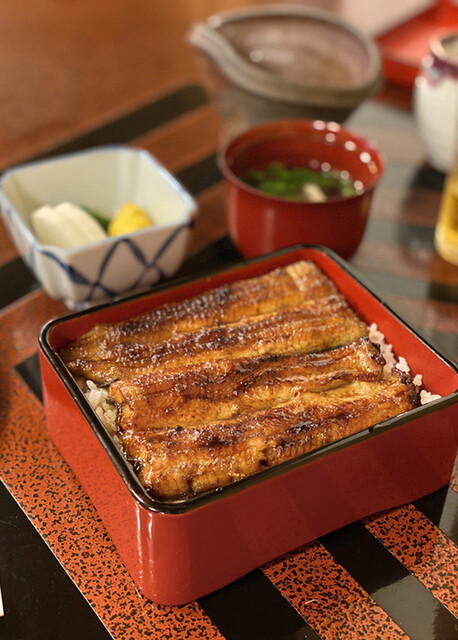
The menu
What to order
- Unagi donburi (grilled eel over rice)
- Unajū (eel in lacquered box)
- Grilled eel liver
Approaching a Mishima eel specialist is unlike entering a Tokyo tasting counter. The cue is simpler: a restaurant built around unagi, the anticipation of a meal centered on eel and rice, and a room shaped more by appetite than performance. Unagi Sakuraya sits in that tradition, where the point is repetition, not novelty: eel, rice, sauce, heat, timing.
Mishima’s claim on unagi comes from the city’s food identity and its association with freshwater ingredients. In Japanese eel cooking, preparation matters before the finished bowl reaches the table: the handling of the fish and the confidence of the kitchen underpin the meal. That ingredient-first logic gives an eel specialist here more weight than a general dining room that happens to serve unaju.
Mishima's eel culture is about water, fish, and restraint
Unagi restaurants in Japan often split into two expectations. In major cities, the category can lean prestigious: compact counters, high spend, and a reservation economy resembling sushi. In regional cities, the stronger version is often more direct: focused dining rooms, narrower menus, and reputations built on keeping fish, rice, and sauce consistent through full service.
That frames Unagi Sakuraya. Its Tabelog Hyakumeiten recognition for 2024 is not decorative; it places the restaurant in a specialist field, not just Mishima’s lunch circuit. Its Tabelog score of 3.70 also signals a category with a high bar, where tiny differences in doneness, sauce balance, and rice texture matter more than room design or menu breadth.
The format reinforces this. An eel-focused restaurant behaves differently from a chef-led counter. It must serve locals, families, friends, and travelers while staying focused on one ingredient. That kind of repetition can dilute other genres; in unagi, it can be a strength when the kitchen is organized around one core product. The scene is less theatrical intimacy than regional institution maintaining specialization.
Compared with Mishima’s other casual addresses, the positioning is clear. Fukutarou Honpo sits at the snack-and-sweets end of the map, while Karaage Waka Tori works in a lower-spend fried-chicken register. Tenhou belongs to a more everyday restaurant rhythm, and ROBATA GRILL L'EAU shifts toward fire-led grilling. Against that field, eel is the more ceremonial choice, not because it is formal, but because the meal revolves around one ingredient.
The room favors regional confidence over chef-counter theater
Japanese unagi has always sat between comfort and occasion food. Lacquered eel over rice can be lunch, but the ingredient carries seasonal, cultural, and economic weight. The midsummer custom of eating eel on Doyo no Ushi no Hi remains part of the national calendar, yet serious unagi restaurants are not merely seasonal stops. Their appeal rests on repeated preparation, saucing, resting, and the discipline needed to work with eel consistently.
Unagi Sakuraya’s specialist-restaurant impression keeps the experience grounded. The social temperature is practical rather than precious: the meal can work for a family table, a local lunch, or travelers using Mishima as a rail stop or wider Shizuoka base. The focus is not private-room formality or counter theater. It is the rhythm of an eel meal, where the main pleasure should come from fish, rice, sauce, and heat.
The drinks signal is traditional without needing to become the point. Eel has enough sweetness, fat, and depth to call for something structured rather than cocktail theatrics. Mishima’s after-dinner drinking scene exists elsewhere, including BAR YUMOTO, but the eel meal is complete without becoming a multi-stop tasting itinerary.
For a broader Mishima day, this works better as an anchor than a grazing stop. The compact dining map rewards specificity: eel here, fried chicken elsewhere, a bar later if needed. Wider planning can start with Our full Mishima restaurants guide, then branch into Our full Mishima hotels guide, Our full Mishima bars guide, Our full Mishima wineries guide, and Our full Mishima experiences guide for the city beyond the table.
How it fits into Japan's specialist dining map
Read this address not as luxury, but as specialist dining with category validation. Japan’s narrow-format traditions, from tempura counters to soba houses to eel rooms, each reward a different attention. Unagi is especially unforgiving because it looks simple to the guest. With few visible components, weakness in fish handling, rice, or sauce is obvious.
That makes Tabelog Hyakumeiten recognition editorially useful. It identifies the restaurant within a cuisine-specific context, not a broad popularity ranking. The distinction matters: an eel specialist should be judged against other eel specialists, not kaiseki, sushi, ramen, or hotel dining. The same logic applies across Japan’s regional dining map, where category precision often tells travelers more than general acclaim.
Readers comparing across cities should think by purpose. Other specialist meals in Japan bring different social rhythms, from beef-centered dining to drinking rooms, lighter café formats, contemporary neighborhood restaurants, and single-category comfort food. Those comparisons are useful because they show how narrow focus can shape a meal, but they also underline why Mishima eel should be understood on its own terms.
Even outside Japan, the comparison helps. Japanese formats travel well in many forms, but unagi is harder to translate convincingly because the ingredient chain and kitchen discipline are central. In Mishima, the argument is local before global: fish, rice, sauce, and a restaurant that keeps the tradition in daily circulation.
The editorial case for Unagi Sakuraya is precise: go for Mishima’s eel culture expressed through a specialist restaurant, backed by cuisine-specific recognition, and grounded in a format suiting everyday diners as much as destination visitors. It is not the city’s only meal, but it is one of the clearest ways to understand why Mishima’s food reputation begins with freshwater.
Frequently asked questions
Does Unagi Sakuraya work for a family meal?
Unagi Sakuraya is an unagi restaurant in Mishima. The listed lunch and dinner budget is JPY 4,000 - JPY 4,999, which makes it a clear option to consider for a planned eel meal.
How would you describe the vibe at Unagi Sakuraya?
It is best understood as a Mishima specialist for unagi rather than a broad multi-cuisine stop. The Tabelog Hyakumeiten selection for 2024 gives it clear category credibility.
Is Unagi Sakuraya more mid-range or high-end?
Pricing at Unagi Sakuraya is listed as Dinner: JPY 4,000 - JPY 4,999; Lunch: JPY 4,000 - JPY 4,999.
What is Unagi Sakuraya known for?
Unagi Sakuraya is known for unagi in Mishima, with Tabelog Hyakumeiten recognition in 2024 and a Tabelog score of 3.70.
At-a-Glance Comparison
Comparable venues by cuisine and price in the same metro.
| Venue | Cuisine | Price | Awards | Notes |
|---|---|---|---|---|
| Unagi SakurayaThis venue (the venue you are viewing) | Traditional Unagi (Grilled Eel) Specialist | $30–50 | Tabelog 100 #15 | Not listed |
| Karaage Waka Tori | Karaage-focused Japanese izakaya | $20–30 | Tabelog 100 #98 | Mishima |
| Tenhou | Sichuan Chinese | Not listed | Tabelog 100 #88 | Aoki, Mishima |
| Fukutarou Honpo | Traditional Japanese sweets & tea house | $1–10 | Tabelog 100 #50 | Omiyacho |
| BAR YUMOTO | Classic Japanese cocktail bar | $30–50 | Tabelog 100 #84 | Mishima Hirokoji |
| Matsugen (松玄 恵比寿) | Handmade Japanese Soba | $30–50 | Not listed | Ebisu |
Recognition history
Dated appearances from independent guides and award organizations, with the underlying list record or original source where available.
Tabelog 100 #15 · No. 15
Tabelog · Tabelog 100 - Unagi - 2024
Continue exploring
More in Mishima
Restaurants in Mishima
All restaurants in Mishima →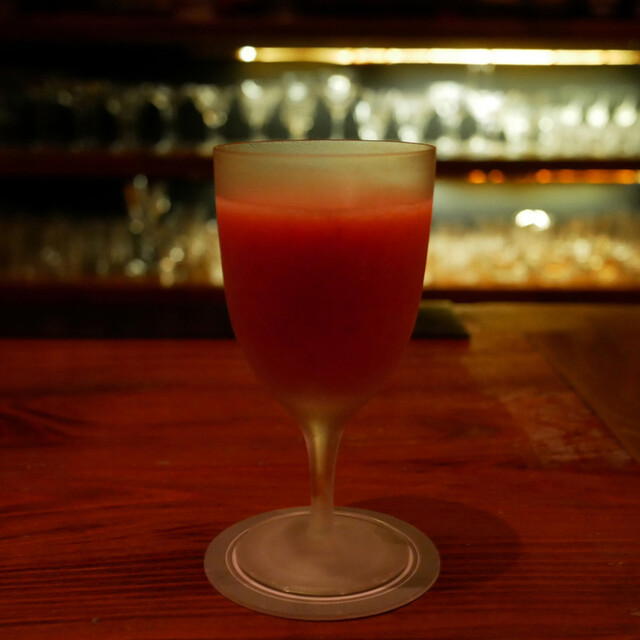
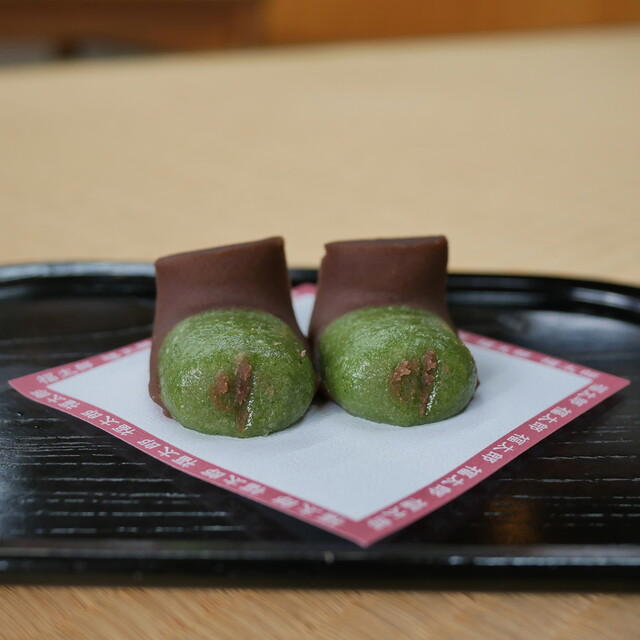
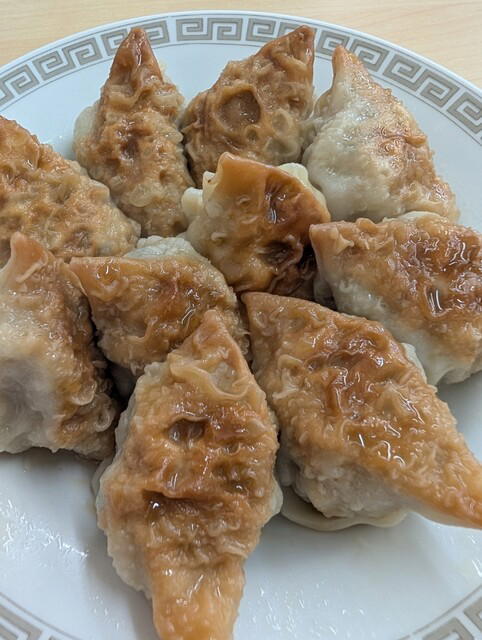
Bars in Mishima
Browse all →
Details
- Classic
- Cozy
- Lively
- Well Known
- Family
- Group Dining
- Date Night
- Casual Hangout
- Special Occasion
- Solo
- Standalone
- Historic Building
- Local Sourcing
- Sustainable Seafood
- A La Carte
- Sake
- Beer
- Tea
- Pescatarian Friendly
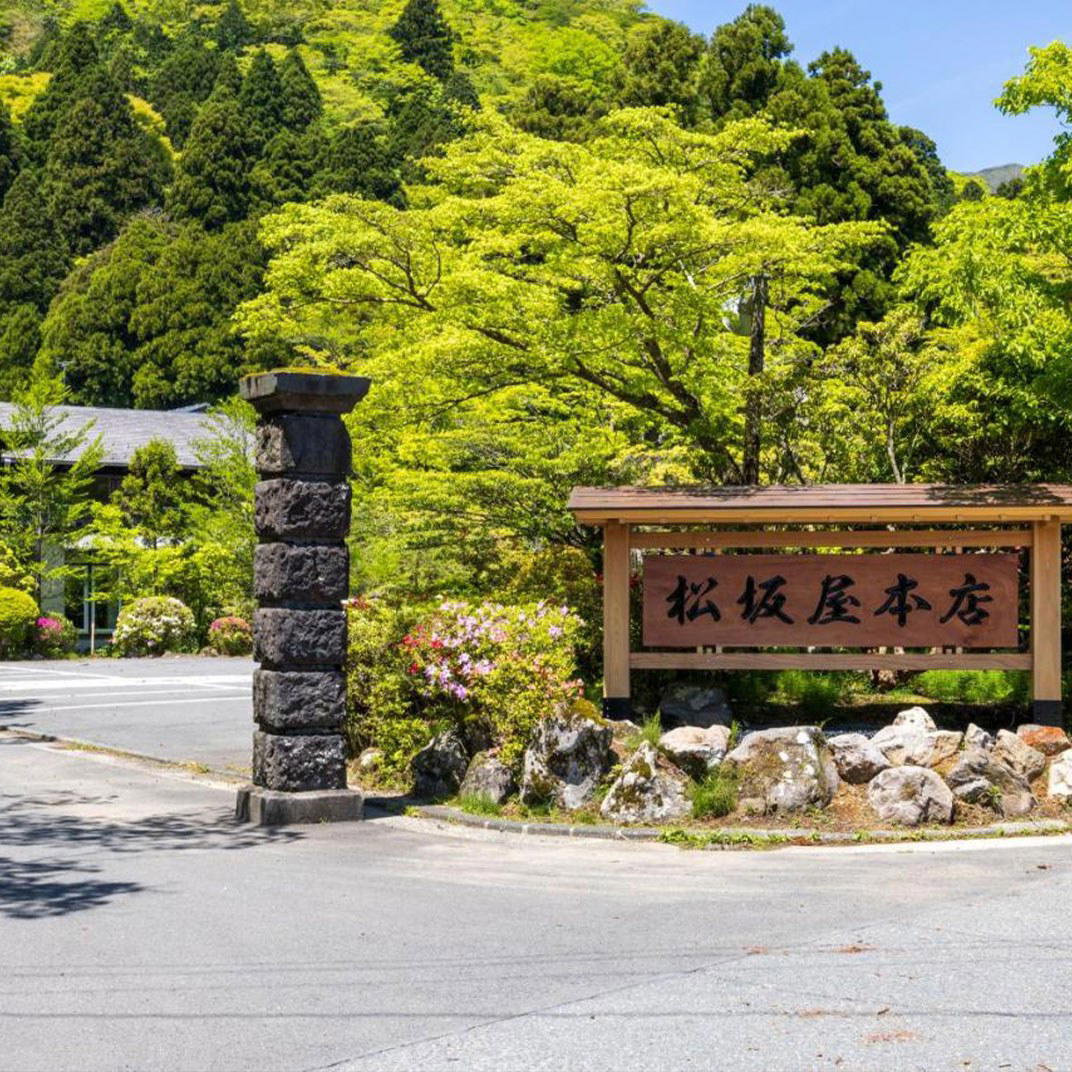
Traditional Japanese house-style restaurant with tatami rooms and table seating, typically busy with queues forming before opening yet run with efficient, courteous service and a warm, classic atmosphere.