
Tabelog 100 #88
Our verdict
Tenhou gives Mishima a serious Chinese counterpoint to the city’s better-known eel and casual snack traditions. Its 2026 Tabelog 100 Chinese EAST selection, 30-seat scale, and two-person entry rule make it a planned meal rather than a spontaneous solo stop, with value positioned below many destination dining rooms in larger Japanese cities.

Pearl is the En Primeur Club membership app, where members save venues, book tables and use the concierge.
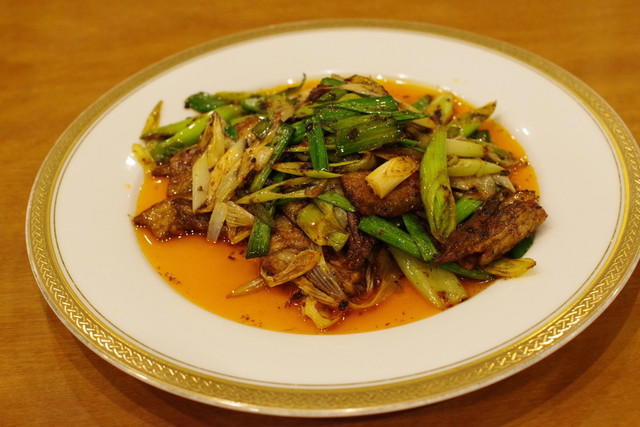
Approaching Tenhou through Mishima, the city’s food culture feels less like a single restaurant district than a chain of local specialisms: eel houses tied to spring-water identity, small sweets shops, fried-chicken counters, bars, and independent dining rooms that serve residents as much as travellers. Tenhou belongs to that quieter Mishima pattern. The room is presented in the Chinese category, and the recognition is meaningful: Tabelog Hyakumeiten recognition in 2026 places it beyond a merely informal local recommendation.
That matters because Chinese cooking in Japan has two distinct reputations. One is the everyday chuka lineage of ramen, gyoza, fried rice, and set meals, absorbed so thoroughly into Japanese dining that it often reads as neighbourhood food. The other is the specialist Chinese restaurant, where technique, heat control, banquet logic, and ingredient handling are judged against a sharper standard. Tenhou sits closer to the latter conversation, but in a Mishima register: compact in feel, local, and without the theatrical expense of major-city dining rooms.
Chinese cooking in a city better known for water, eel, and rail-stop meals
Mishima is not usually framed as a Chinese-dining destination. The city’s culinary identity leans on clear spring water, unagi traditions, and convenient stops for travellers moving through the region. That makes a Chinese restaurant carrying Tabelog Hyakumeiten recognition in 2026 more interesting than the award alone suggests. It signals a local room operating at a level visible beyond a casual city recommendation, in a category where regional restaurants can be overshadowed by larger cities.
The sourcing angle here is not a list of named farms or luxury ingredients; it is the way Mishima’s dining ecology rewards everyday materials handled with discipline. In Japanese Chinese cooking, the argument is often made through texture, timing, and balance rather than rarity. Vegetables need heat without collapse, sauces need restraint, and starches have to support rather than smother. In a smaller city, that kind of cooking depends less on spectacle than on repeatable execution for regulars who notice when the pan work slips.
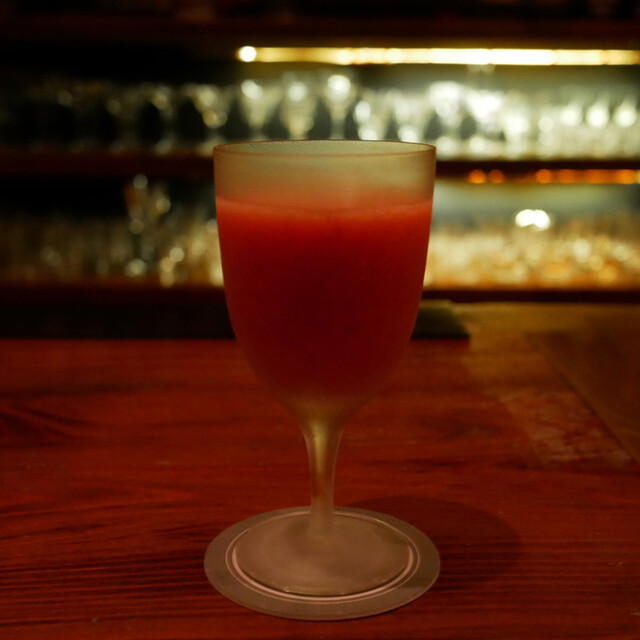
The comparison set around town underlines the point. Unagi Sakuraya anchors the historic eel side of Mishima dining, while Fukutarou Honpo speaks to the city’s lighter snack-and-sweets rhythm. Karaage Waka Tori covers a more casual fried-chicken register, and BAR YUMOTO extends the night beyond dinner. Against those choices, Tenhou’s role is clear: it is the Chinese table in Mishima for diners who want technical cooking without turning the meal into a big-city production.
The award signal is useful, but the format tells you how to read the room
Tabelog’s Hyakumeiten lists are not decorative badges in Japan; they function as a practical filter for diners sorting serious regional restaurants from merely popular ones. Tenhou’s 2026 Hyakumeiten recognition gives it a trust signal in a field where outside validation can be uneven beyond major metros. The Tabelog score of 3.63 also points to a restaurant with a measured following rather than a room living on transient attention.
The scale of the recommendation reinforces that reading. Tenhou is not being framed here as a luxury dining room or a theatrical counter performance; it reads more as a Mishima Chinese specialist whose appeal rests on consistency, category focus, and enough local relevance to stand apart from the city’s better-known eel and casual-food options. That makes the listing useful for travellers who want a serious meal without assuming that every worthwhile stop has to follow a tasting-menu template.
The practical friction is part of the editorial judgment. The provided information supports Tenhou as a Chinese restaurant in Mishima with a defined Tabelog signal, dinner budget of JPY 3,000 - JPY 3,999, lunch budget of JPY 1,000 - JPY 1,999, and phone contact at +81-55-943-7563. Beyond that, the safest way to treat logistics is to confirm current booking, payment, access, and opening details directly before going, especially if the meal is anchoring a travel day rather than a flexible local stop.
For a broader Mishima plan, pair the decision with the city’s other dining categories rather than treating one meal as the whole story. ROBATA GRILL L'EAU gives another angle on fire-led Japanese dining, while the wider city pages help sort the trip by format: Our full Mishima restaurants guide, Our full Mishima hotels guide, Our full Mishima bars guide, Our full Mishima wineries guide, and Our full Mishima experiences guide. Travellers building a Japan itinerary beyond Shizuoka can also compare how local specialism changes by city, from unnamed dining rooms in historic day-trip cities and major urban centres to other casual formats across Japan. For a transpacific comparison, unnamed sake bars and snack counters abroad show how Japanese casual formats read once they leave Japan.
Who should put it on a Mishima itinerary
Tenhou makes the strongest case for travellers who already plan to be in Mishima and want one meal that is not defined by eel, station convenience, or hotel dining. The 2026 Tabelog Hyakumeiten recognition gives the room external validation, but the better reason to go is category balance: it broadens a Mishima food day with Chinese technique at a price tier that remains accessible by Japanese destination-restaurant standards.
The fit is less persuasive for diners seeking a heavily narrated, chef-led tasting-menu story. There is no public chef story needed to make the case. The stronger editorial read is simpler: in a city where the dining conversation often starts with local water and unagi, this is the Chinese specialist that gives the itinerary another axis.
Frequently asked questions
Can I bring kids to Tenhou?
Confirm the current setup directly before visiting with children.
What's the overall feel of Tenhou?
It reads as a Chinese restaurant in Mishima with Tabelog Hyakumeiten recognition in 2026. The appeal is more specialist and category-driven than a casual drop-in snack stop.
How much does it cost to eat at Tenhou?
Pricing at Tenhou is listed as Dinner: JPY 3,000 - JPY 3,999; Lunch: JPY 1,000 - JPY 1,999.
What are the operating hours at Tenhou?
Check directly with Tenhou before planning your visit.
What's Tenhou's location?
Mishima.
What's the standout thing about Tenhou?
The clearest marker is its Tabelog Hyakumeiten recognition in 2026, alongside a Tabelog score of 3.63 and defined lunch and dinner price bands.
Comparison Snapshot
Comparable venues by cuisine and price in the same metro.
| Venue | Cuisine | Price | Awards | Notes |
|---|---|---|---|---|
| TenhouThis venue (the venue you are viewing) | Sichuan Chinese | Not listed | Tabelog 100 #88 | Not listed |
| BAR YUMOTO | Classic Japanese cocktail bar | $30–50 | Tabelog 100 #84 | Mishima Hirokoji |
| Karaage Waka Tori | Karaage-focused Japanese izakaya | $20–30 | Tabelog 100 #98 | Mishima |
| Fukutarou Honpo | Traditional Japanese sweets & tea house | $1–10 | Tabelog 100 #50 | Omiyacho |
| Unagi Sakuraya | Traditional Unagi (Grilled Eel) Specialist | $30–50 | Tabelog 100 #15 | Not listed |
| 餃子飯店 | 町中華 餃子専門 | Not listed | Not listed | 大和町 |
Recognition history
Dated appearances from independent guides and award organizations, with the underlying list record or original source where available.
Tabelog 100 #88 · No. 88
Tabelog · Tabelog 100 - Chinese cuisine - EAST - 2026
Continue exploring
More in Mishima
Restaurants in Mishima
All restaurants in Mishima →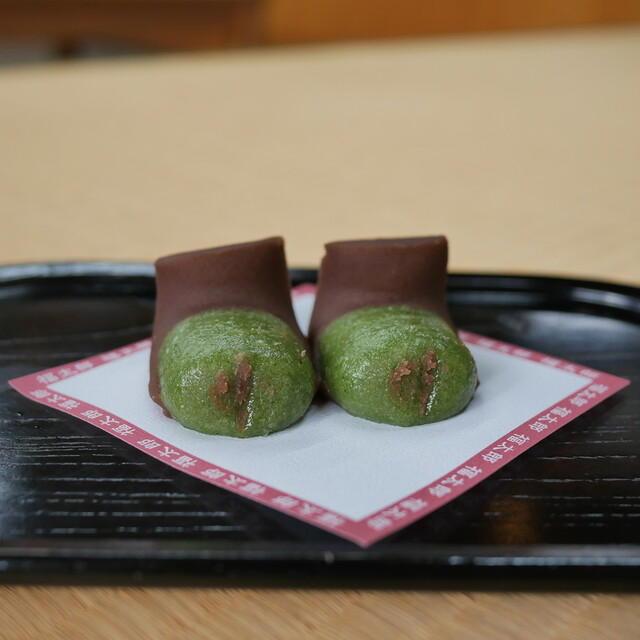
Bars in Mishima
Browse all →
Details
- Classic
- Cozy
- Group Dining
- Casual Hangout
- Business Dinner
- Standalone
- Sake Program
- A La Carte
- Sake
- Shochu
- Wine
Current opening hours
- Monday
- Closed
- Tuesday
- 11:30 AM–2 PM, 5:30–10 PM
- Wednesday
- 11:30 AM–2 PM, 5:30–10 PM
- Thursday
- 11:30 AM–2 PM, 5:30–10 PM
- Friday
- 11:30 AM–2 PM, 5:30–10 PM
- Saturday
- 11:30 AM–2 PM, 5:30–10 PM
- Sunday
- 11:30 AM–2 PM, 5:30–10 PM
Hours can change for holidays and private events. Hours as of .
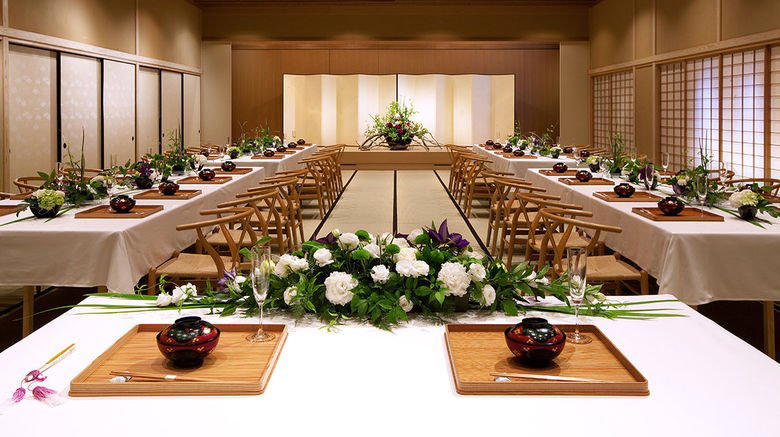
A relaxed, spacious, stylish dining room with sofa seating and a tatami room, suggesting a comfortable classic Chinese restaurant atmosphere.