Fukada
Our verdict
Fukada occupies a strip-mall address on Irvine Center Drive that quietly contradicts the surrounding retail sprawl. In a city where Japanese-inflected dining has grown well beyond the expected, the restaurant draws a consistent local following. For Orange County diners looking beyond the predictable, Fukada registers as a serious stop on Irvine's expanding restaurant circuit.

Pearl is the En Primeur Club membership app — saves, bookings, and concierge access live there. Same editors, same standards.
- Address
- 8683 Irvine Center Dr, Irvine, CA 92618
- Phone
- (949) 341-0111
- Hours
- Mon ClosedTue–Sun 11:30 AM–2 PM, 5–8 PM
- Website
- fukadarestaurant.biz
- Directions
- Get directions
The menu
What to order
- Fresh soba noodles
- Nabeyaki udon
- Duck nanban
A Strip-Mall Address in a City That Has Learned to Look Past Them
Southern California has a long-established relationship with the strip-mall restaurant: the understanding, learned over generations of eating, that a parking-lot facade tells you almost nothing about what happens inside. Irvine Center Drive, a commercial artery threading through one of Orange County's most densely developed corridors, follows that rule reliably. Fukada sits at 8683 Irvine Center Drive in exactly that context — a retail-anchored address that filters out casual browsers and rewards the diner who already knows where they're going. That self-selection tends to produce a room with purposeful energy rather than passing traffic, which shapes the atmosphere before a single dish arrives.
Irvine's dining scene has matured considerably over the past decade, moving from a reputation built largely on chain outposts and business-lunch convenience toward a roster of independent operators with genuine depth. The city now holds enough serious independent restaurants — from the long-established Andrei's Restaurant to the neighbourhood anchors like Bistango, that a new or emerging address has to earn its place in a more competitive local conversation. Fukada enters that conversation at a moment when diners across Orange County have higher baseline expectations and less patience for the merely competent.
The Wine Dimension: Where Suburban Restaurants Either Commit or Retreat
Across American dining, the wine program is often where suburban restaurants reveal their real ambitions. The calculus is direct: a serious cellar requires capital, storage, a buyer with genuine knowledge, and front-of-house staff trained to translate that knowledge into the room. Most strip-mall-adjacent operations retreat to a safe, shallow list, a handful of recognisable labels, a predictable by-the-glass rotation, nothing that requires explanation. The restaurants that push past that floor tend to signal something broader about their overall approach to the table.
The wine programs at Irvine's more ambitious independents have trended toward greater depth in recent years, tracking a wider California shift in which diners at mid-tier price points increasingly expect curation rather than just selection. Producers from the Central Coast, smaller Sonoma appellations, and the growing cohort of California winemakers working in a restraint-forward idiom have all found their way onto local lists that would have defaulted to Napa Cabernet a decade ago. That shift matters for any restaurant operating in this tier: the sommelier or wine buyer is no longer simply managing inventory but making editorial choices about which producers' philosophies are worth advocating for in a given room.
For diners who follow this dimension of restaurant culture closely, the wine list functions as a secondary menu, a set of decisions that, read carefully, tells you something about how the kitchen thinks. A list heavy in allocated Burgundy signals one kind of ambition. A focused American list weighted toward smaller producers signals another. Neither is superior in the abstract; what matters is whether the list has a coherent point of view and whether the staff can articulate it. This is the standard against which any serious Irvine address gets measured, alongside peers in the broader Southern California market.
Japanese-Inflected Dining in Orange County: The Relevant Context
Orange County's Japanese restaurant community is one of the most developed outside of Los Angeles proper, sustained by a large resident Japanese-American population and decades of culinary infrastructure. The range runs from neighbourhood ramen shops and izakaya formats to multi-course omakase counters that price and operate at a level consistent with the top tier of American Japanese dining. Within Irvine specifically, the concentration of tech-industry professionals with international dining experience has pushed expectations further than comparable suburban markets in other parts of the country.
That context matters for understanding how a restaurant like Fukada positions itself. Japanese-influenced menus in this market are not operating against a low bar. Capital Seafood Restaurant anchors the Chinese seafood end of the Irvine dining map, while newer arrivals like California Fish Grill address the casual end of the fish-focused spectrum. The competitive pressure across the middle and upper tiers is real, and diners with the range of options available in this corridor, and with easy freeway access to Los Angeles, make considered choices about where to spend at a serious price point.
The broader California dining market includes reference points at the very leading: The French Laundry in Napa, Providence in Los Angeles, Addison in San Diego, and Single Thread Farm in Healdsburg all represent a tier of California fine dining against which any serious independent is implicitly measured by the most engaged diners. Nationally, rooms like Le Bernardin in New York City, Alinea in Chicago, Lazy Bear in San Francisco, Atomix in New York City, and Blue Hill at Stone Barns in Tarrytown set the register for what intentional, committed restaurant programs look like. Emeril's in New Orleans, The Inn at Little Washington in Washington, and 8 1/2 Otto e Mezzo Bombana in Hong Kong extend that map internationally. These are not comparisons of scale, they are reference points for understanding what intentional dining looks like when a kitchen and its partners in the front of house commit fully to a program.
Irvine's Expanding Dining Circuit: Practical Planning
For visitors building a longer Orange County itinerary, Irvine Center Drive sits within easy reach of the broader Irvine Spectrum area, which has consolidated much of the city's dining concentration. Angelina's Pizzeria Napoletana operates nearby for diners who want a less formal option before or after a longer meal. The full range of what Irvine's restaurant circuit currently offers is mapped in our full Irvine restaurants guide, which covers the neighbourhood spread and price-tier breakdown in detail. Given the volume of independent operators now active in this corridor, a single visit to Irvine rewards a considered itinerary rather than an improvised one.
Diners should verify current reservation availability and service format directly before visiting, as operational details at this address may have shifted. The restaurant's address, 8683 Irvine Center Dr, Irvine, CA 92618, is confirmed.
Frequently Asked Questions
Frequently asked questions
What's the address for Fukada?
Fukada is located at 8683 Irvine Center Dr, Irvine, CA 92618, Irvine.
How does Fukada compare to other Japanese restaurants in Irvine's dining scene?
Irvine's Japanese restaurant tier is unusually developed for a suburban California city, sustained by one of the largest Japanese-American resident communities in Orange County. Fukada sits at 8683 Irvine Center Drive, an address that places it within the corridor most associated with that dining density.
What dish is Fukada famous for?
Verified signature dish data for Fukada is not currently part of our confirmed records. What the 8683 Irvine Center Drive address does suggest, given the depth of Irvine's Japanese-American dining community, is a kitchen operating within a tradition that prizes precision over novelty. Reaching out directly before your visit is the most reliable way to understand what the kitchen is currently showcasing.
Do I need a reservation for Fukada?
Among Irvine's more serious independent restaurants, reservations have shifted from courtesy to near-necessity, particularly Thursday through Saturday. The concentration of Japanese-influenced dining along the Irvine Center Drive corridor means that destination-worthy rooms fill ahead of walk-in windows. Booking in advance is the practical move regardless of party size.
What's the defining dish or idea at Fukada?
The Irvine context is instructive: Orange County's Japanese restaurant community is one of the most developed outside Los Angeles proper, which raises the floor for what independent kitchens here are expected to deliver.
Can Fukada adjust for dietary needs?
Across Irvine's independent Japanese-influenced restaurants, the capacity to adjust depends heavily on kitchen format — omakase-structured counters typically have less flexibility than à la carte kitchens. Contacting the restaurant directly before booking is the clearest path to an accurate answer.
In Context: Similar Options
Comparable venues nearby, for context on price, style, and recognition.
| Venue | Cuisine | Price | Notes |
|---|---|---|---|
| FukadaThis venue — the venue you are viewing | Authentic Japanese Soba & Udon | $10–20 | Not listed |
| Sauced BBQ & Spirits | Southern BBQ | Not listed | The Market Place |
| O Fine Japanese Cuisine | Contemporary Japanese Omakase | $30–50 | Irvine |
| House of Kabob | Persian | $20–30 | Corporate Park |
| Maldon's Brasserie | French Bistro & Patisserie | Not listed | Irvine |
| Cucina Enoteca Irvine | Modern California-Italian | $30–50 | Irvine Spectrum |
Continue exploring
More in Irvine
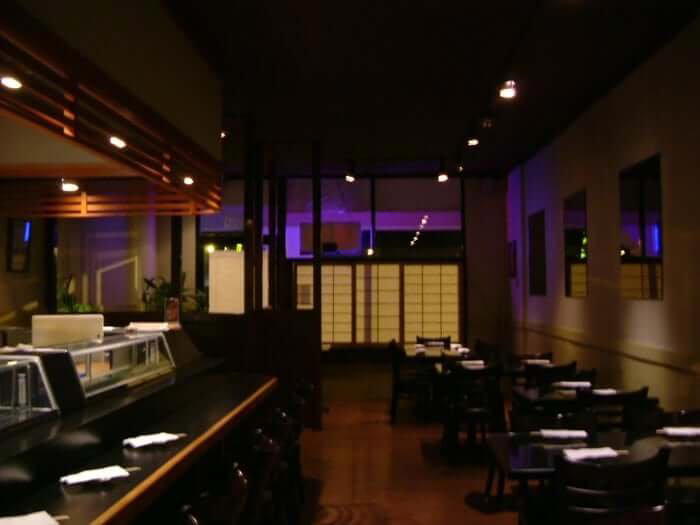
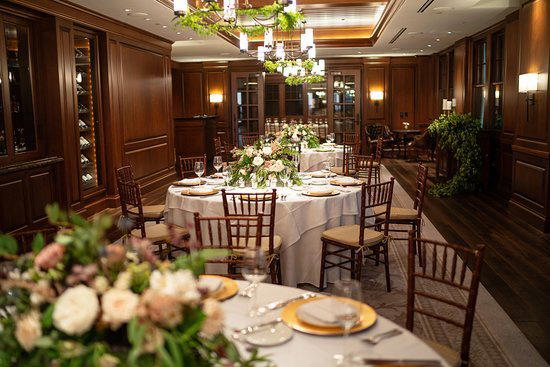
Restaurants in Irvine
Browse all →
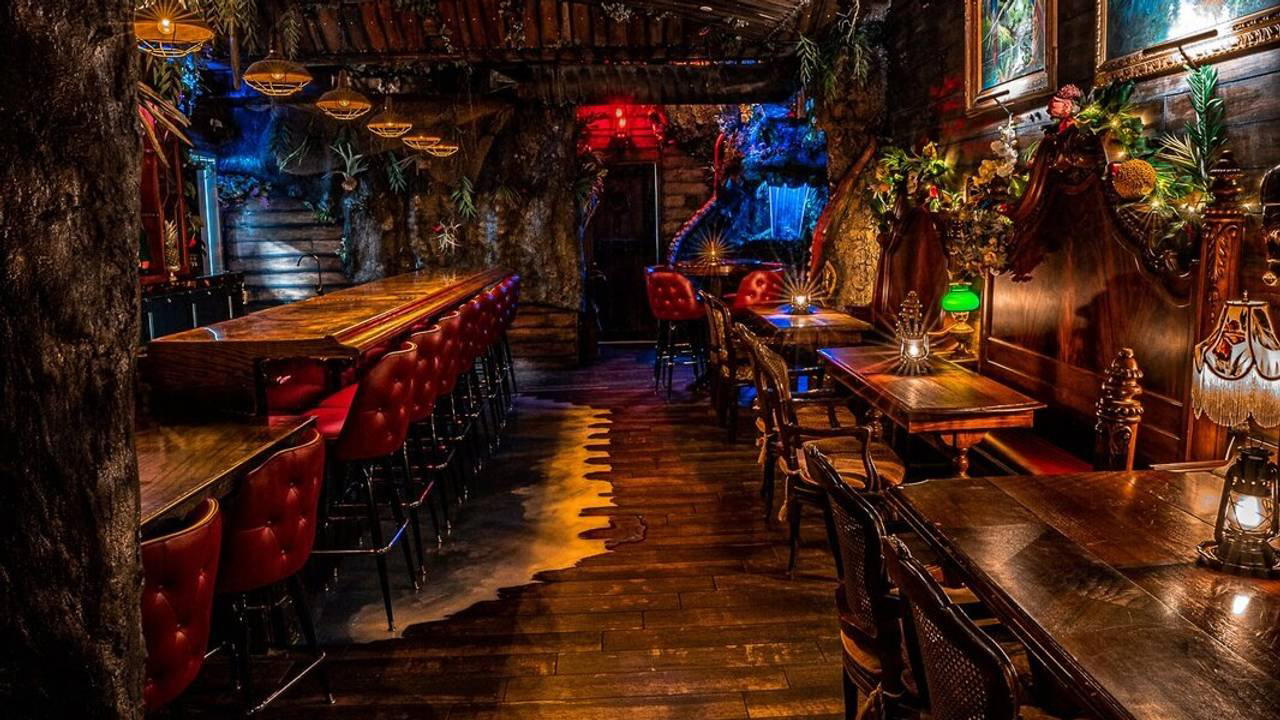
Bars in Irvine
Browse all →
Hotels in Irvine
Browse all →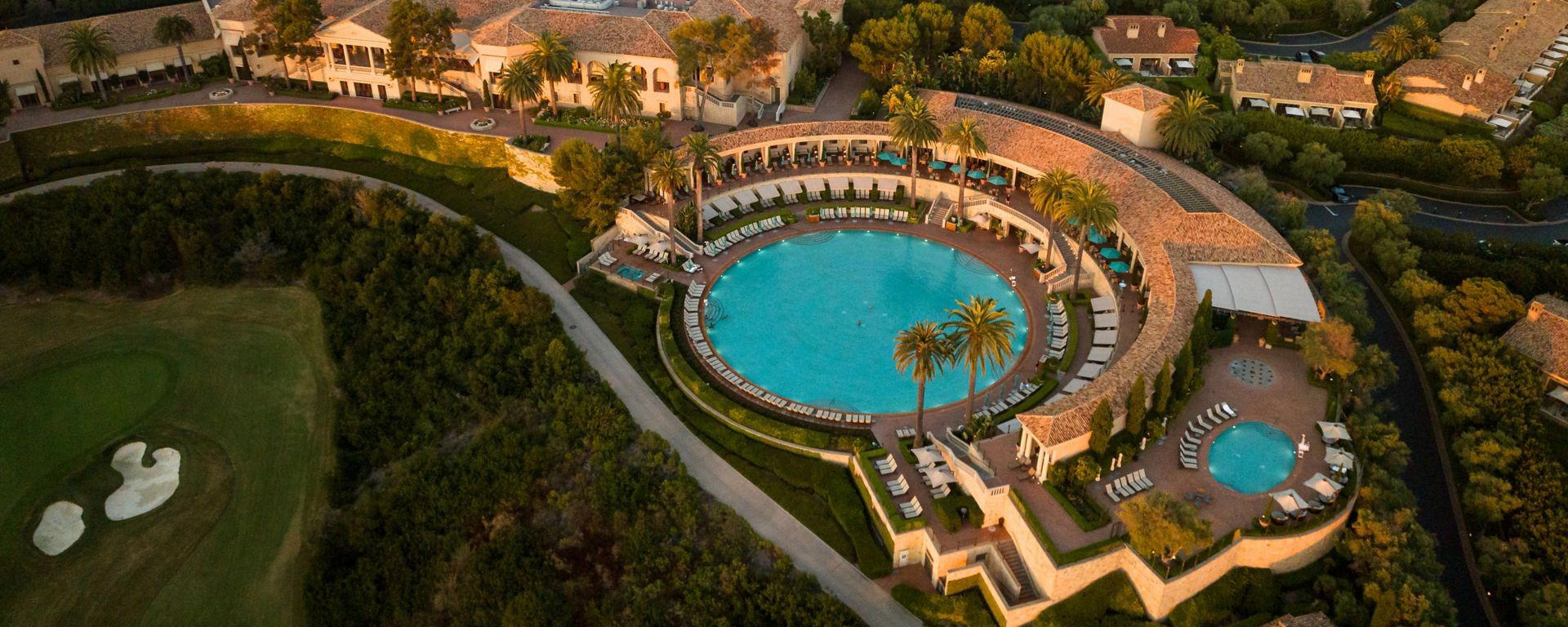

Wineries in Irvine
Browse all →
Details
- Cozy
- Classic
- Casual Hangout
- Organic
- A La Carte
- Vegetarian Friendly
- Vegan Options
Current opening hours
- Monday
- Closed
- Tuesday
- 11:30 AM–2 PM, 5–8 PM
- Wednesday
- 11:30 AM–2 PM, 5–8 PM
- Thursday
- 11:30 AM–2 PM, 5–8 PM
- Friday
- 11:30 AM–2 PM, 5–8 PM
- Saturday
- 11:30 AM–2 PM, 5–8 PM
- Sunday
- 11:30 AM–2 PM, 5–8 PM
Hours can change for holidays and private events. Last verified .
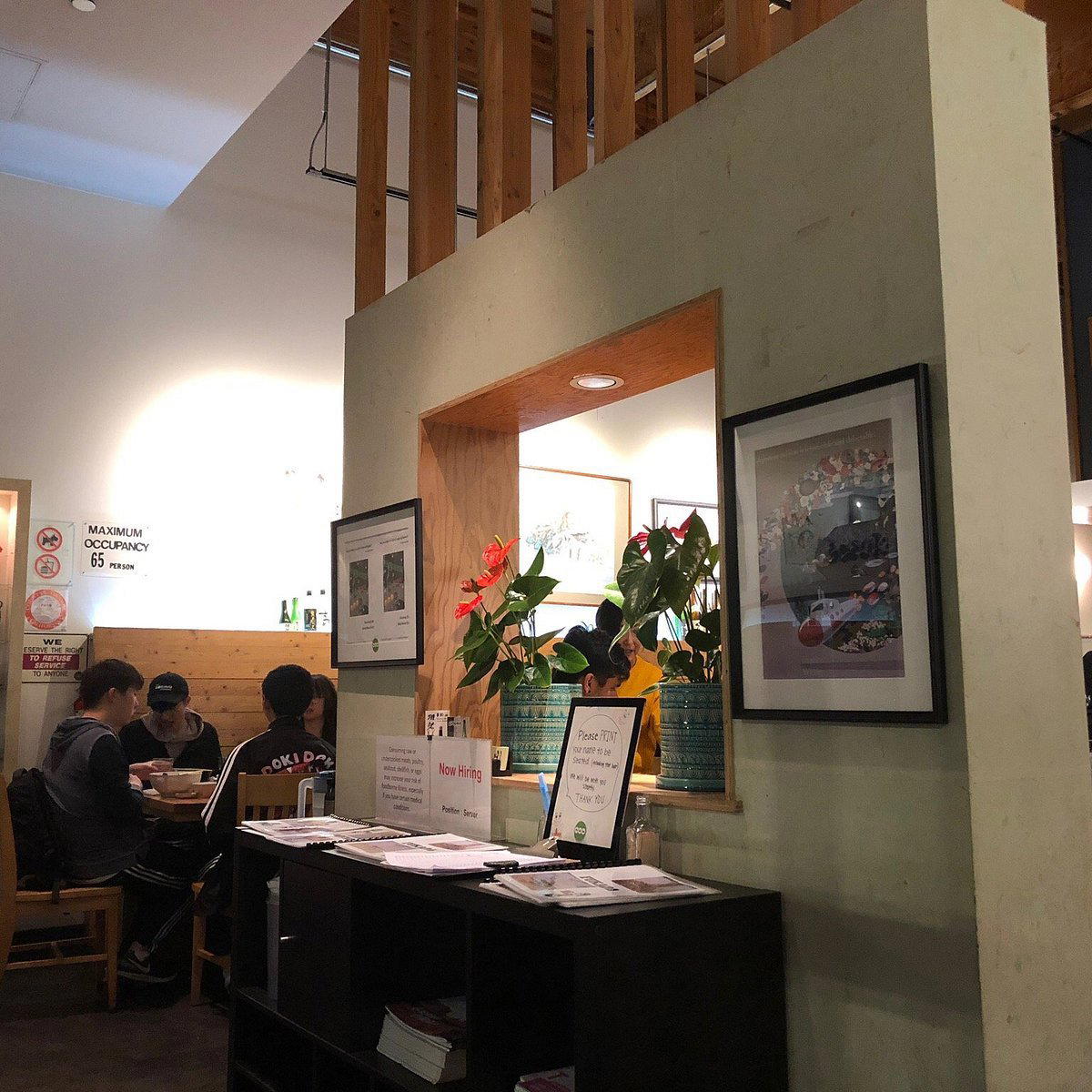
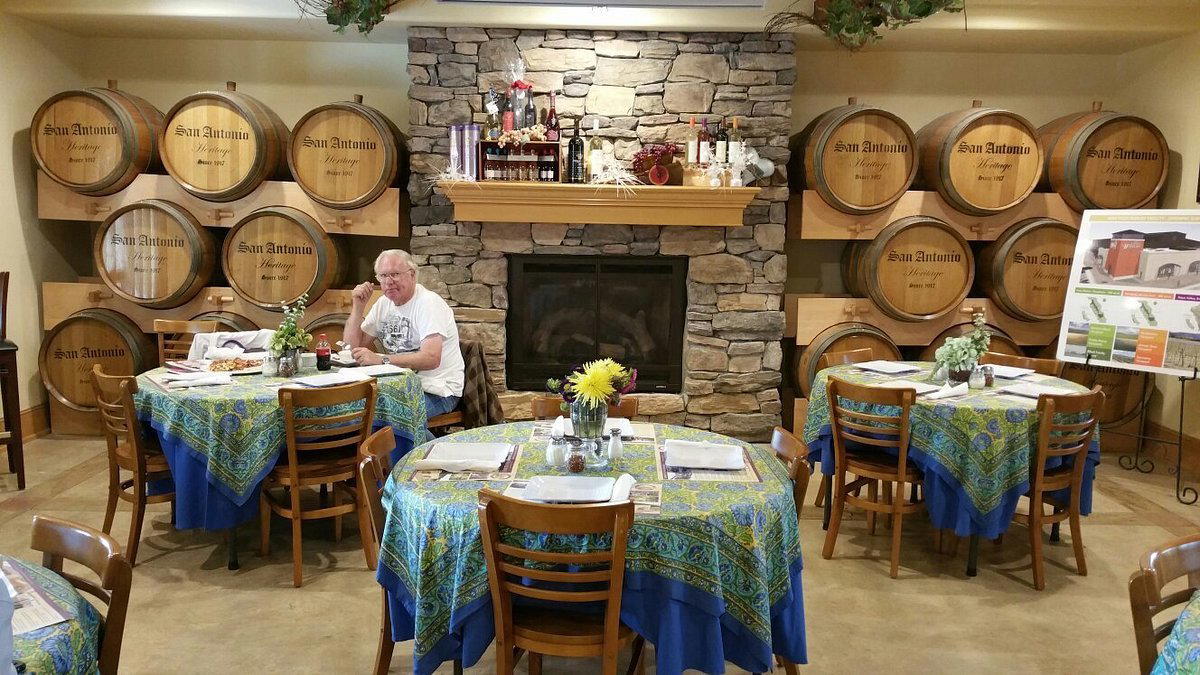
Casual and welcoming atmosphere focused on quality homemade noodles in a no-frills setting.