Capital Seafood Restaurant
Capital Seafood Restaurant at Irvine Spectrum brings the Cantonese dim sum and seafood banquet tradition to one of Orange County's most active dining corridors. The format follows the classic Hong Kong playhouse model: large-format dining room, cart service or order-card dim sum, and whole seafood preparations sized for the table. It sits in a mid-to-upscale tier for the area, drawing both family groups and business tables.
Pearl is the En Primeur Club membership app — saves, bookings, and concierge access live there. Same editors, same standards.
- Address
- 770 Spectrum Center Dr Suite 770, Irvine, CA 92618
- Phone
- +19497889218
- Website
- linktr.ee
- Directions
- Get directions
 Saves & bookings on Pearl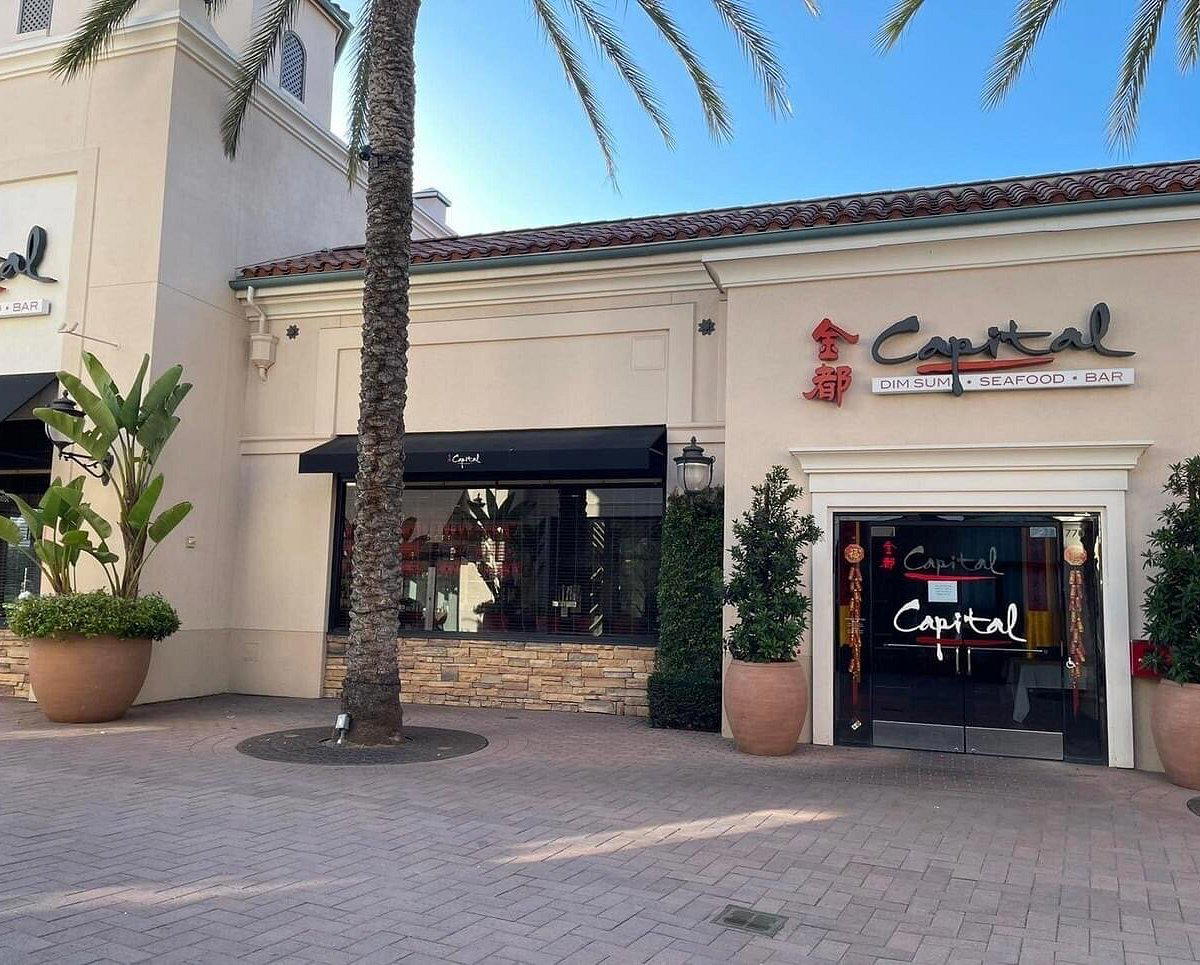
Dim Sum in the Suburbs: How Irvine Eats Cantonese
Southern California's Cantonese dining scene does not concentrate in a single neighborhood the way it does in San Gabriel Valley or Monterey Park. Instead, it has spread outward into suburban corridors, following the demographics of Orange County's Chinese-American and broader East Asian communities. Irvine Spectrum, one of the region's higher-traffic retail and dining centers, is exactly the kind of address where a large-format Cantonese restaurant can find the volume it needs: weekend family groups, weekday business lunches, and the steady demand for dim sum that suburban communities historically underserved. Capital Seafood Restaurant at 770 Spectrum Center Drive occupies this space.
The broader Capital Seafood group represents a particular model in American Chinese dining: restaurants large enough to run full dim sum service, host wedding banquets, and maintain a live seafood program simultaneously. That scale is not incidental, it is structural. The kitchens are built around it, the staffing ratios reflect it, and the menu architecture makes no apology for it. Understanding that logic is the key to getting full value from a meal here.
Menu Architecture: Reading the Room Through the List
Cantonese restaurant menus at this scale are rarely browsed front to back. They are navigated in layers. The dim sum section, typically running from late morning through early afternoon, operates almost as a separate culinary program from the dinner menu. Where places like Le Bernardin in New York City or The French Laundry in Napa sequence a meal through a single tasting arc, the Cantonese banquet format is additive and parallel: dishes arrive in clusters, categories overlap, and the table constructs its own pace.
At Capital Seafood, the menu follows a structure common to Hong Kong-style houses: har gow and siu mai anchor the dim sum column as reference points, while roasted meats, congee, and noodle preparations occupy a middle register. The live seafood section, typically featuring whole fish, Dungeness crab, lobster, and clam preparations priced by market weight, sits at the summit of the price range and functions as the status tier of the menu. Ordering from that section signals a different intent than ordering family-style from the standard list, and the kitchen treats it accordingly.
The banquet menu, available for larger parties, formalizes this structure into a fixed sequence. It is the format that Hong Kong's dai pai dong tradition hardened into restaurant culture decades ago, and it remains the operating system beneath most large Cantonese establishments in the United States.
The Dim Sum Tier: Morning Service and What It Tells You
Dim sum at large Orange County Cantonese restaurants runs on a tighter clock than dinner service. Weekend mornings between 10am and noon represent peak demand, when multi-generational family groups fill the larger tables and the kitchen pushes its highest volume. Cart service, where it is still practiced, compresses decision time; order-card systems, increasingly common at this tier, allow more deliberate selection. The difference matters: order-card dim sum tends to arrive fresher because it is made to order rather than held on a cart, but it requires more attention from the diner.
The social architecture of dim sum service, with its shared plates, overlapping courses, and table-side negotiation, is deliberate communal eating, and the room at Capital Seafood reflects the format.
Irvine's Dining Context: Where Capital Seafood Fits
Irvine Spectrum functions as one of the densest dining clusters in Orange County, drawing from a catchment area that extends well beyond the immediate neighborhood. The competition within the center mixes fast-casual chains with independent mid-market restaurants, making full-service Cantonese dining something of a category anchor rather than one option among many peers. Within the broader Irvine dining picture, Capital Seafood occupies a different register than Andrei's Restaurant, which operates as a fine-dining Continental address, or Bistango, known for its California-style contemporary format. It is also categorically distinct from quick-service options like California Fish Grill and from the Latin-focused programming at Cha Cha's Latin Kitchen or the Neapolitan tradition represented by Angelina's Pizzeria Napoletana.
In that context, Capital Seafood fills a specific gap: large-format, multi-course Cantonese dining that can handle a table of twelve as readily as a couple ordering dim sum for two. That operational flexibility, rare in a suburban dining corridor, is itself a form of distinction.
Planning Your Visit
Reservations are recommended, especially for weekend dim sum and banquet-format dinners. Arriving without a booking during Saturday or Sunday morning service carries meaningful wait risk, as the dining room fills quickly and table turnover is slower than at casual formats. Weekday lunch dim sum tends to run at lower occupancy and offers a more relaxed experience for smaller parties. Live seafood pricing fluctuates with market rates and is typically quoted at the table; asking before ordering avoids surprises.
Awards and Standing
Comparable venues nearby, for context on price, style, and recognition.
| Venue | Cuisine | Price | Notes |
|---|---|---|---|
| Capital Seafood RestaurantThis venue — the venue you are viewing | Cantonese Dim Sum & Seafood | $$ | Not listed |
| Left Coast Brewing Company | American BBQ Brew Pub | $$ | Sand Canyon Plaza |
| Cha Cha's Latin Kitchen | Modern Mexican Latin | $$ | The Market Place |
| House of Kabob | Persian | $$ | Corporate Park |
| Trade Food Hall | Global Fast-Casual Food Hall | $$ | Irvine Business Center |
| Oliver's Trattoria | Modern Emilia-Romagna Italian Trattoria | $$$ | Quail Hill |
Continue exploring
More in Irvine
Restaurants in Irvine
Browse all →
Bars in Irvine
Browse all →
Hotels in Irvine
Browse all →

Wineries in Irvine
Browse all →
At a Glance
- Lively
- Classic
- Family
- Group Dining
- Casual Hangout
- Open Kitchen
- Sake Program
Current opening hours
- Monday
- 11 AM–9 PM
- Tuesday
- 11 AM–9 PM
- Wednesday
- 11 AM–9 PM
- Thursday
- 11 AM–9 PM
- Friday
- 11 AM–9 PM
- Saturday
- 10 AM–9:30 PM
- Sunday
- 10 AM–9:30 PM
Hours can change for holidays and private events. Last verified .
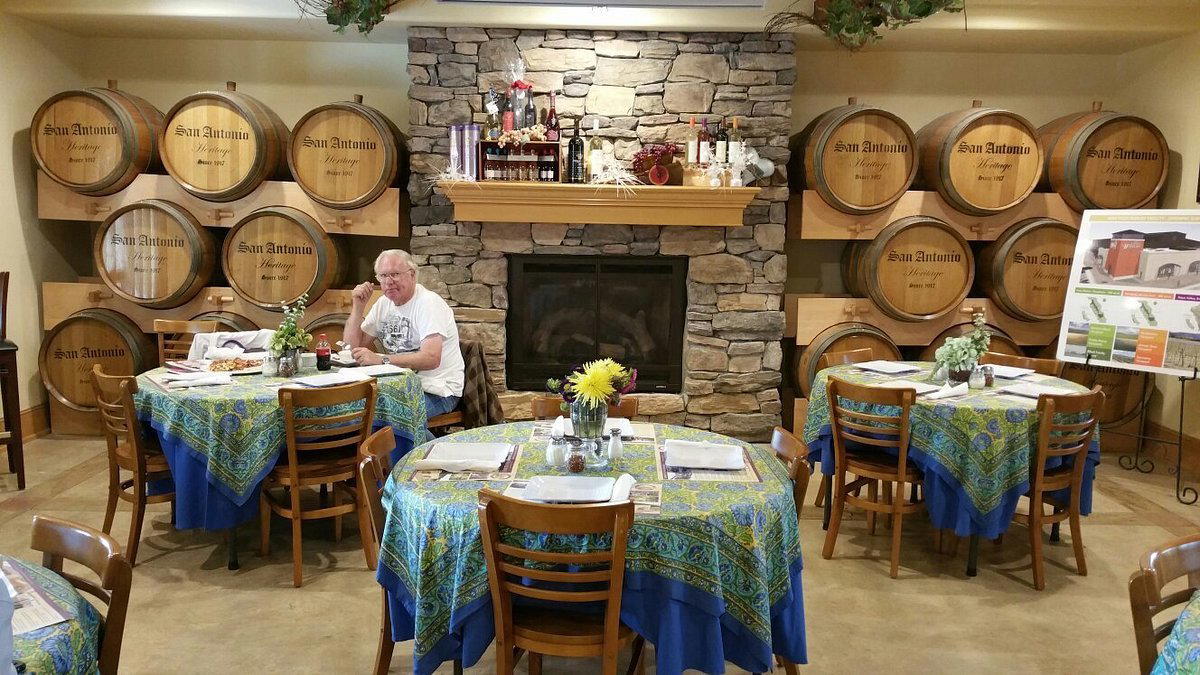
Casual East-meets-West themed interior typical of a bustling Chinese dim sum restaurant with a lively family gathering atmosphere.