Poi By The Pound
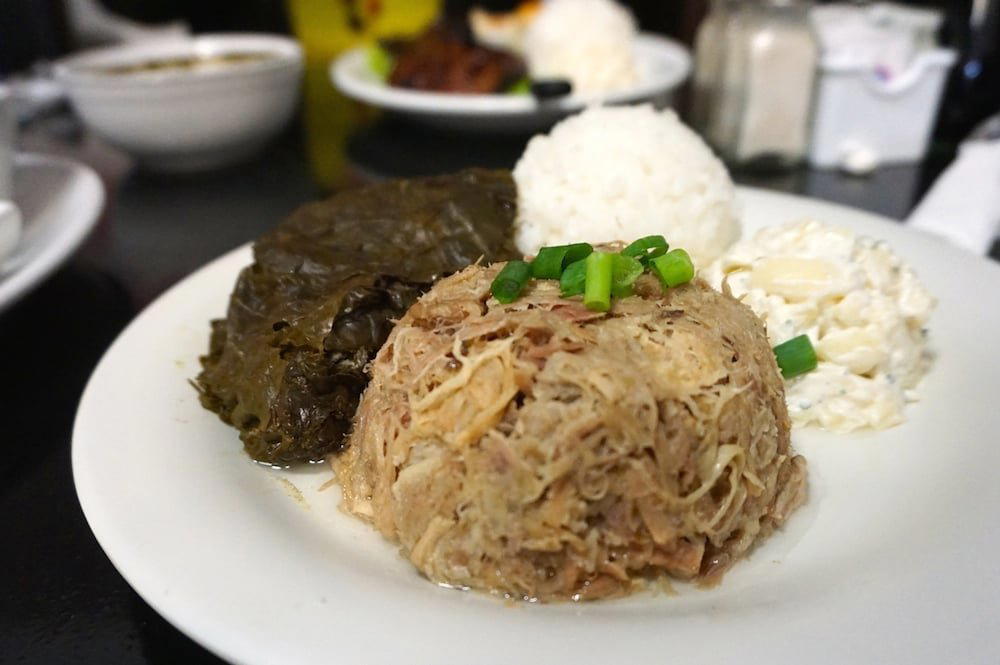
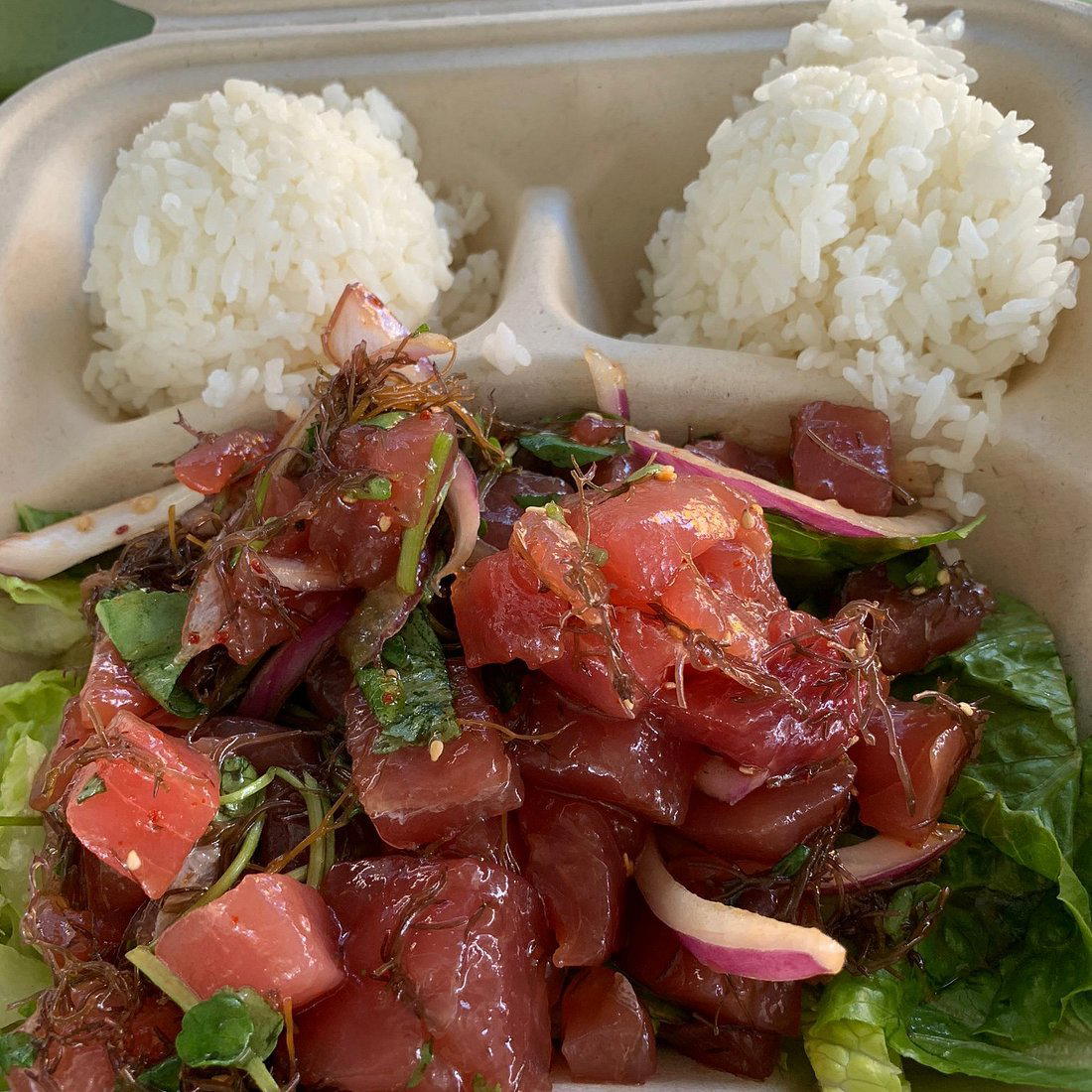
Poi By The Pound on Kele Street in Kahului puts Native Hawaiian staple ingredients at the center of its offer rather than the periphery. In a Maui dining scene that often treats poi and taro as garnish or novelty, this address commits to them as the main event. For visitors calibrating their time on the island, it represents a direct line to the agricultural and cultural traditions that predate every resort buffet by centuries.
- Address
- 430 Kele St, Kahului, HI 96732
- Phone
- +1 808 283 9381
- Website
- sparkysfoodco.com
- Directions
- Get directions
Where the Starch Comes First
Kahului is the commercial spine of Maui, a place of port infrastructure, big-box retail, and through-traffic between the airport and the resort corridors of Ka'anapali and Wailea. Its dining scene has historically served residents rather than destination visitors, which means it tends toward value, volume, and practicality. Against that backdrop, 430 Kele Street is a telling address for a restaurant whose name puts poi front and center. Poi By The Pound is not operating in a chef-driven dining district or a neighborhood with foot-traffic tourism. It is operating in a working town, which says something about who it is actually feeding.
The approach belongs to a small but serious category of Hawaiian food operations that treat taro not as a heritage artifact to be displayed at lu'aus but as a functional, daily staple with genuine agricultural roots on the islands. That distinction matters. Across the broader American food scene, ingredient-sourcing narratives have become so standardized that "farm-to-table" now functions more as aesthetic than practice. In Hawaii, the provenance of poi is not a branding decision: it is the entire point. Taro, or kalo, holds a position in Native Hawaiian cosmology and subsistence culture that has no easy continental equivalent. A restaurant willing to build its identity around that ingredient is making a statement about what Hawaiian food actually is.
The Ingredient at the Center
Poi is made from cooked and pounded taro corm, thinned with water to a consistency that ranges from thick (called "one-finger poi," meaning you can scoop it with one finger) to thin (two or three-finger). The fermentation that develops when poi sits for a day or more deepens its flavor, adding a mild sourness that balances the fatty richness of dishes like laulau or kalua pork. In that sense, poi functions similarly to how fermented grain products function in European cuisines: as a textural and acidic counterpoint to slow-cooked protein.
The taro grown in Hawaii's lo'i, the flooded paddies that shaped the valleys of Waipio and the uplands of Kauai for centuries, carries a different character than commercially imported taro. Hawaiian varieties such as Lehua Maoli and Ha'akea have been cultivated and selected over generations for their flavor and cooking properties. When a restaurant names itself after the product and sells it by the pound, it is implying a direct relationship with that supply chain rather than a casual use of the ingredient as color on a menu otherwise dominated by teriyaki plates. Whether the sourcing at Poi By The Pound comes from local lo'i or regional suppliers is a detail that the restaurant's own documentation would need to confirm, but the framing of the concept points clearly toward that tradition.
For travelers used to tracking ingredient provenance through the kind of fine-dining formats practiced at Blue Hill at Stone Barns in Tarrytown, Single Thread Farm in Healdsburg, or Smyth in Chicago, the logic at Poi By The Pound is structurally familiar even if the register is entirely different. In each case, the ingredient and its origin carry the editorial weight of the menu. The price point and format are different, but the underlying argument is the same: know where your food comes from, and let that shape what you serve.
Kahului's Resident-Facing Dining Scene
Kahului does not have the culinary concentration of Lahaina or the resort-driven sophistication of Wailea, but it does have a density of everyday Hawaiian, local-style plate lunch, and immigrant-community cooking that the resort corridors cannot replicate. The Kele Street address puts Poi By The Pound in proximity to that resident infrastructure rather than visitor infrastructure, which tends to mean shorter waits, less markup, and a room where the majority of customers know what they are ordering.
Other Kahului addresses worth knowing include Bistro Casanova, which takes a Mediterranean direction, Fuego Argentinean Steakhouse for South American beef cuts, Amigo's and Las Pinatas of Maui for Mexican, and Brigit & Bernard's Garden Cafe for something closer to European cafe format. The full spread is mapped in our full Kahului restaurants guide. Among those options, Poi By The Pound occupies a distinct niche: it is the one address on Kele Street making a Native Hawaiian ingredient the organizing principle of the entire operation.
That niche is smaller than it should be, nationally and on Maui itself. American regional cuisines with deep Indigenous or pre-colonial roots are systematically underrepresented in fine dining and editorial coverage alike. The conversations about ingredient provenance that animate coverage of The French Laundry in Napa, Le Bernardin in New York City, or Providence in Los Angeles rarely extend to the plate lunch counter selling taro-based foods to residents in a working Hawaiian town. Poi By The Pound does not need that comparison to justify itself, but the comparison clarifies what tends to get coverage and what tends to get overlooked.
Planning a Visit
The restaurant is located at 430 Kele Street in Kahului, which sits in the central commercial district of the island and is accessible from the Kahului Airport corridor without entering resort traffic. Visitors staying in Wailea or Ka'anapali planning to visit Kahului for the day will find Poi By The Pound direct to fold into a central Maui itinerary alongside Iao Valley or the Maui Arts and Cultural Center. The pricing, consistent with the local plate lunch market, is expected to sit well below resort-corridor dinner benchmarks, though confirmed pricing should be verified on arrival.
| Venue | Cuisine |
|---|---|
| Poi By The PoundThis venue — the venue you are viewing | This venue |







At a Glance
- Rustic
- Casual Hangout
- Family
- Standalone
- Local Sourcing
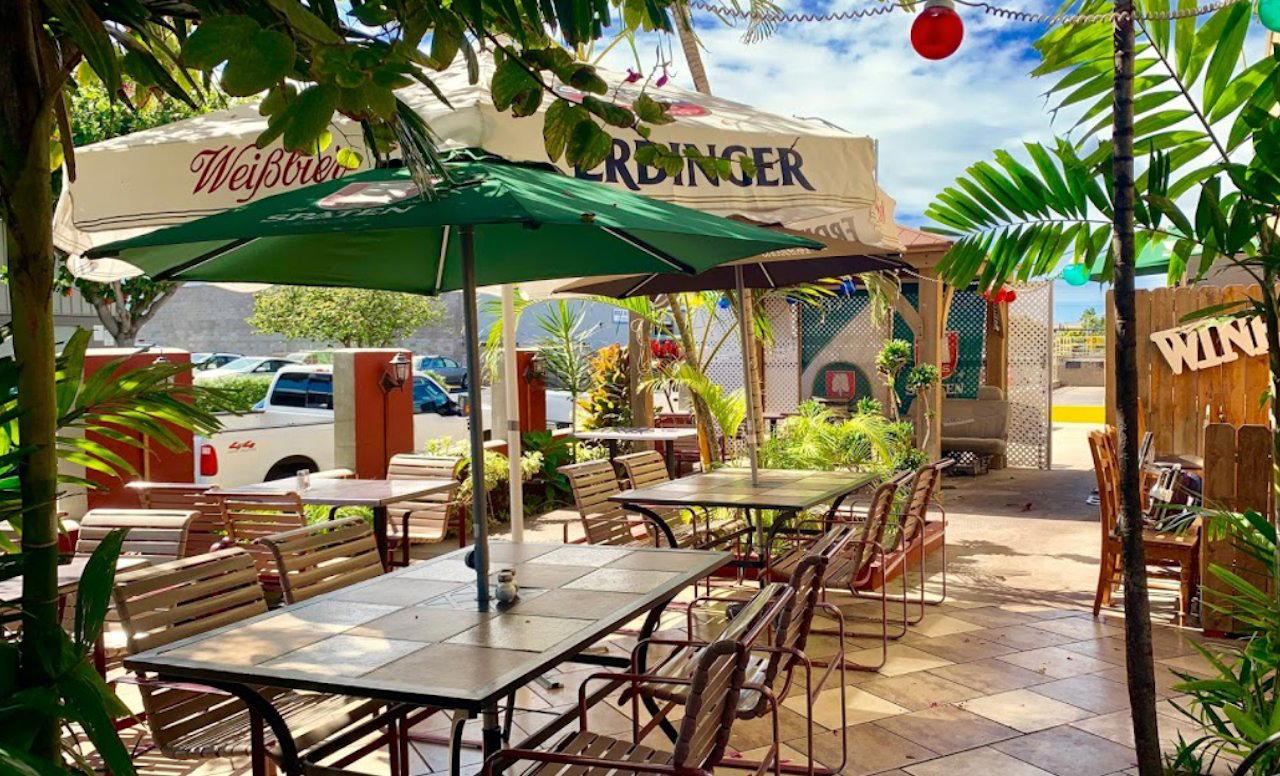
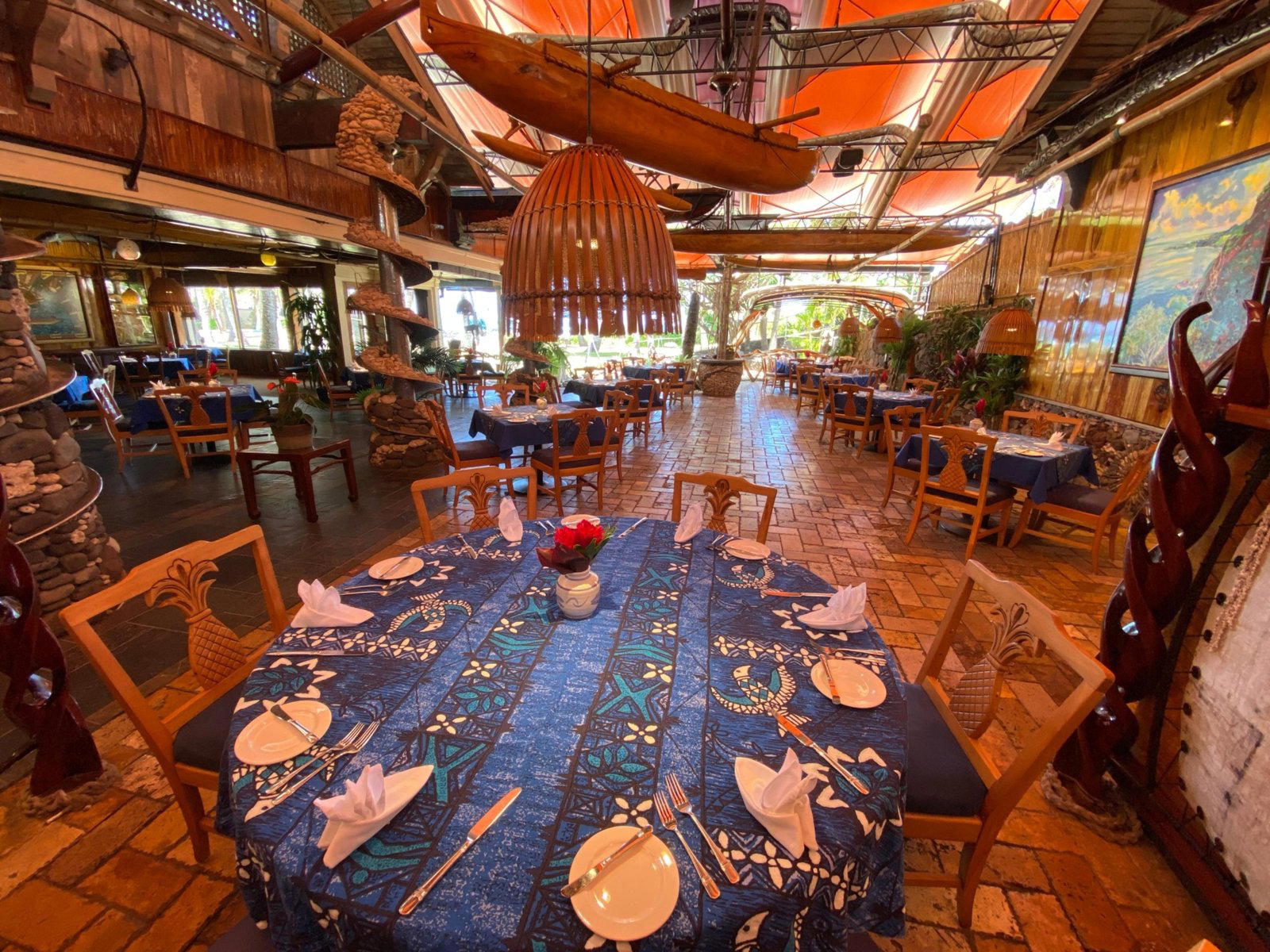
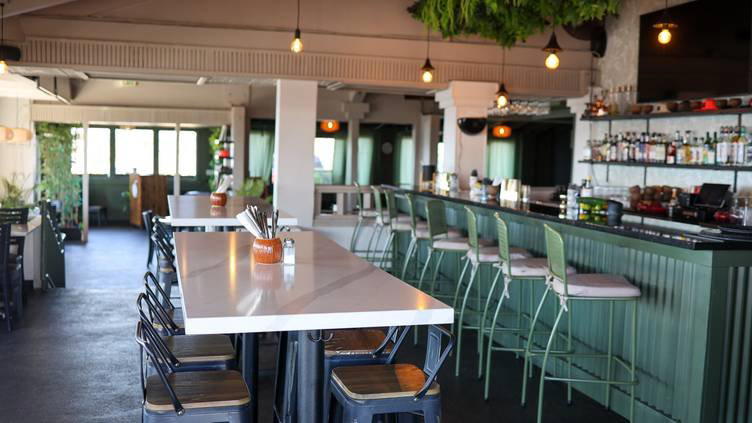
Modest strip mall setting with a casual, no-frills atmosphere focused on authentic local Hawaiian fare.
Know Before You Go
- Getting there
- 430 Kele St, Kahului, HI 96732