
Tabelog 100 #53
Our verdict
FRUTTO gives Akita’s Italian dining scene a produce-led counterpoint to the city’s sake bars, beef rooms, and regional chicken specialists. Its Tabelog Italian EAST 100 selection in 2025, compact 10-seat scale, and Akita-ingredient focus make it a serious local address rather than a generic trattoria transplant.

Pearl is the En Primeur Club membership app — saves, bookings, and concierge access live there. Same editors, same standards.
- Address
- 3-5 Narayama Noborimachi, Akita, 010-0021, Japan
- Phone
- +81 18-838-5815
- Hours
- Mon–Tue 7–10 PMWed ClosedThu–Fri 7–10 PMSat–Sun 6:30–10 PM
- Website
- frutto-akita.com
- Directions
- Get directions
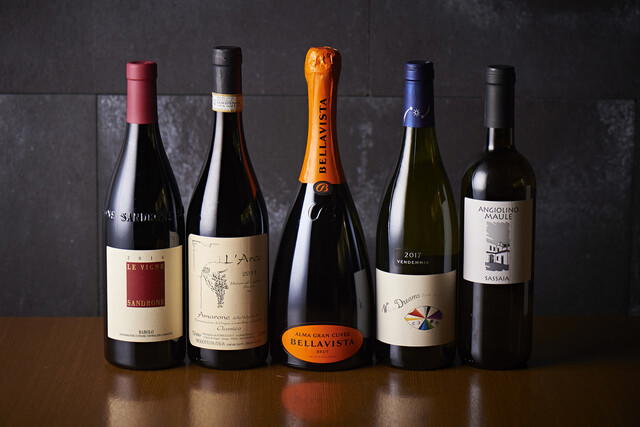
Akita’s dining rooms often announce themselves quietly: a city setting, a regional rhythm, and a food culture shaped less by metropolitan fashion than by the prefecture’s farms, fisheries, and snow-country pantry. In that setting, Italian cooking has a different job. It is not competing with Tokyo’s high-gloss pasta counters or hotel dining rooms; it is asking how a familiar Italian category can make sense within a northern Japanese dining trip.
FRUTTO belongs to that narrower category: Italian dining in Akita where the regional context matters as much as the label on the cuisine. The publicly listed category is Italian, and its Tabelog information places it in a serious dinner band with a more approachable lunch band. That tells the reader more than a generic “nice restaurant” tag would. In a prefecture with a strong local food identity, the room is positioned for diners who want an Italian meal without losing sight of the city they came to eat in.
Akita ingredients through an Italian course format
Japan’s regional Italian restaurants have matured beyond tomato-sauce familiarity. In smaller cities, the stronger examples tend to read the local pantry first and Italy second: seasonality, local preferences, and the structure of an Italian meal working together rather than simply importing a metropolitan formula. FRUTTO sits inside that development. The appeal is not a long list of fixed signatures, but the way an Italian restaurant in Akita can become part of a broader northern Japan itinerary.
The Akita setting is important. The prefecture’s food identity is often reduced by outsiders to a few famous regional references, yet its dining scene is broader than a checklist of local specialties. Italian cooking can give that breadth a different frame: courses, wine, restraint, and a pace that contrasts with grill, izakaya, and meat-led meals. That is the advantage of this style when it works: the Italian reference points create shape, while the regional setting keeps the meal from feeling interchangeable.
Recognition gives the restaurant a firmer place in the conversation. FRUTTO was listed in Tabelog’s Hyakumeiten recognition for 2025, with a posted score of 3.85 and a listed budget of Dinner: JPY 10,000 - JPY 14,999; Lunch: JPY 3,000 - JPY 3,999. In Japan, Tabelog’s Hyakumeiten lists are not decorative badges; they function as a useful filter for diners sorting through specialist categories outside the Michelin map. For Akita, that inclusion helps place the room in a broader restaurant conversation rather than only a local one.
Where it fits in Akita's dining map
Akita rewards a diner who builds meals by category rather than by a single ranking. Other Akita dining rooms can cover meat-led evenings, local poultry, sake-focused stops, casual grills, and broader regional cooking. FRUTTO’s role is different: Italian, considered in feel, and more composed than a purely casual stop, with the meal defined by the restaurant’s category and Tabelog positioning rather than by a single famous local dish.
The comparison venues in Akita underline the point. Hinai Jidori Kushi Sot l'y laisse occupies a chicken-skewer direction; Sake Tomi is useful for a drink-led reading of the city; Shinsui Chubo Sie sits in another serious-dinner lane; Sumibi Yakiniku Nama Horumon Dokoro Shouchan belongs to the yakiniku and horumon side of the map. FRUTTO is not interchangeable with those choices. It is the option for a diner who wants Akita considered through an Italian meal rather than through grill, izakaya, or beef-house conventions.
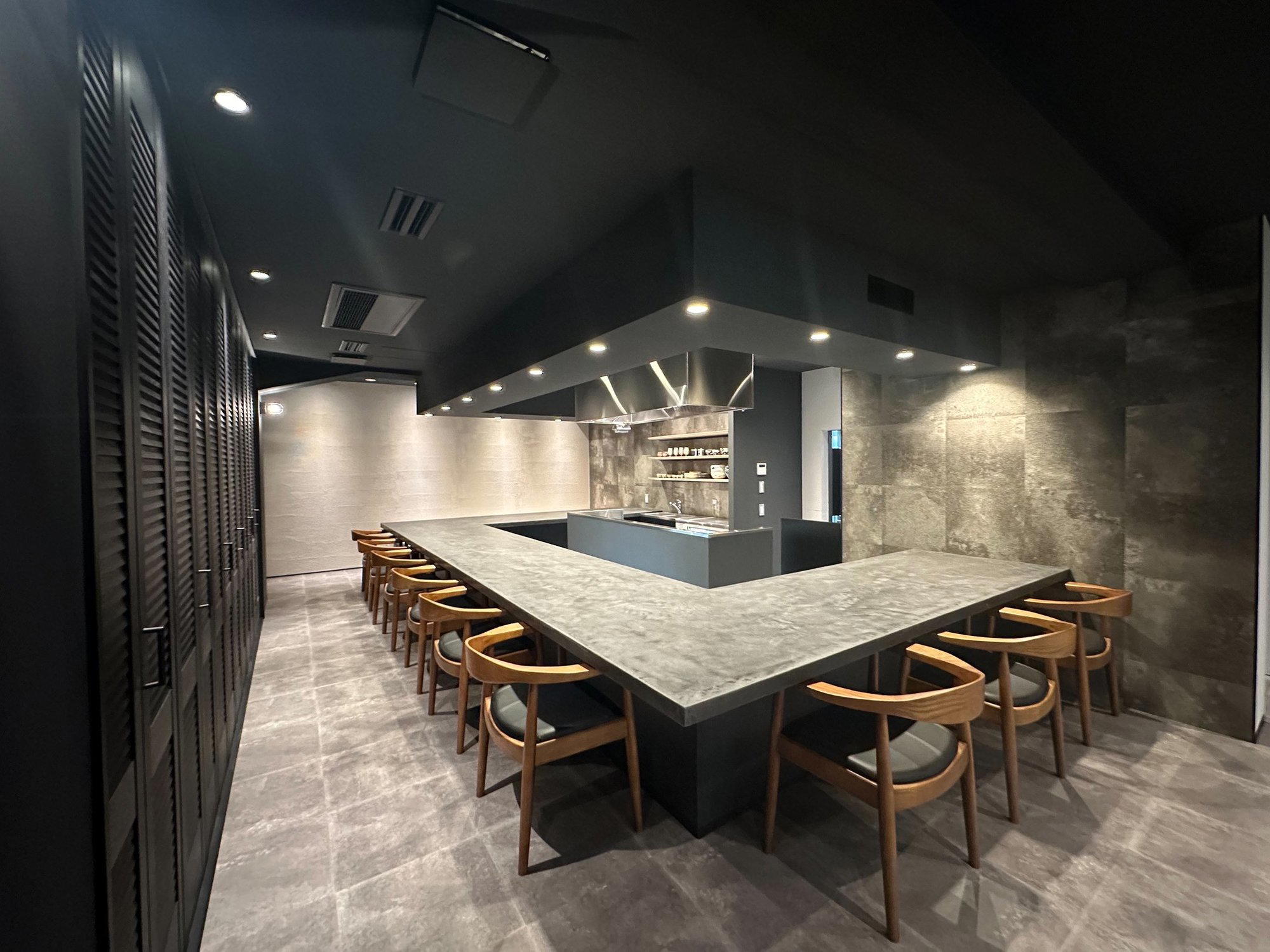
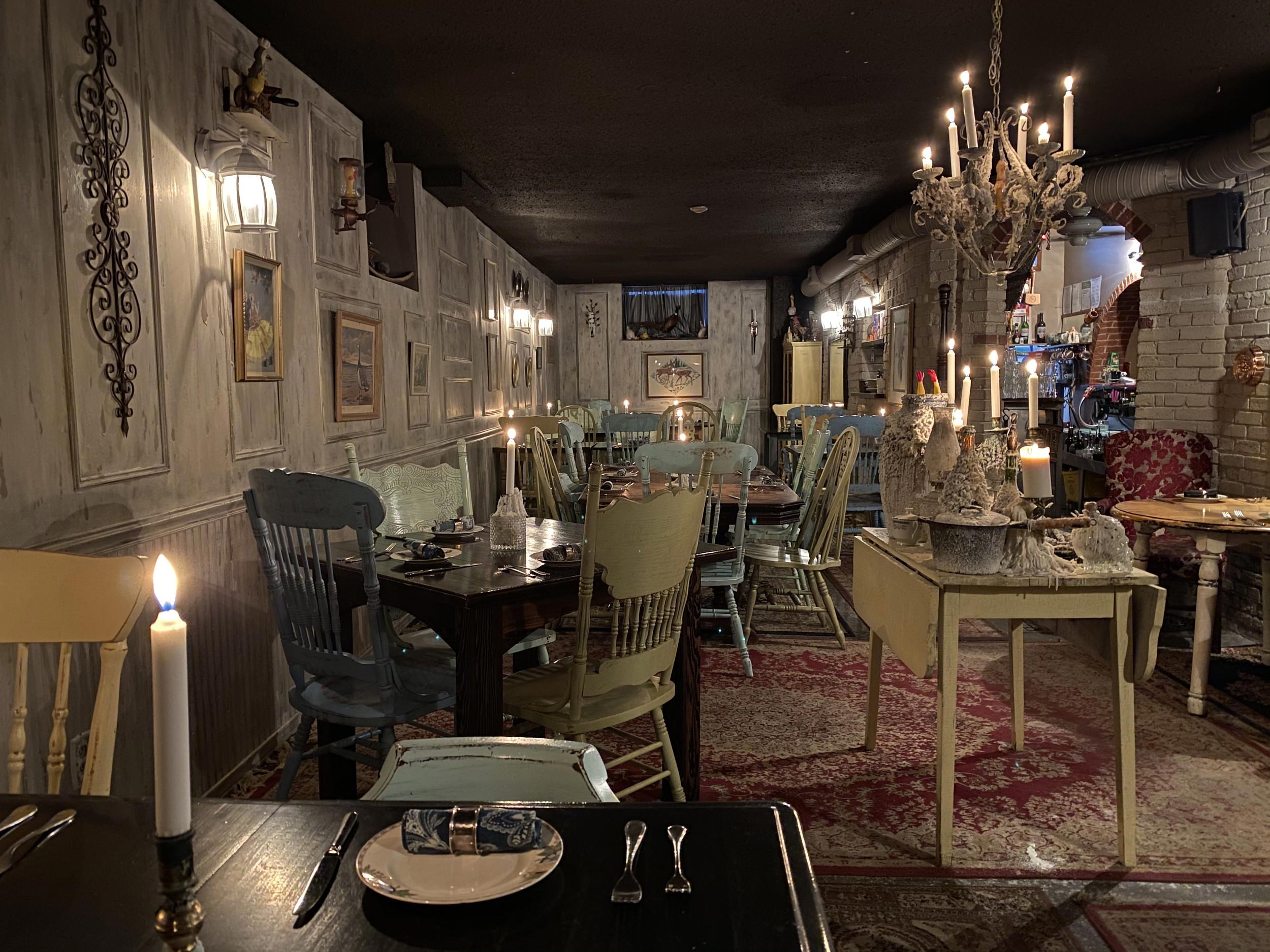
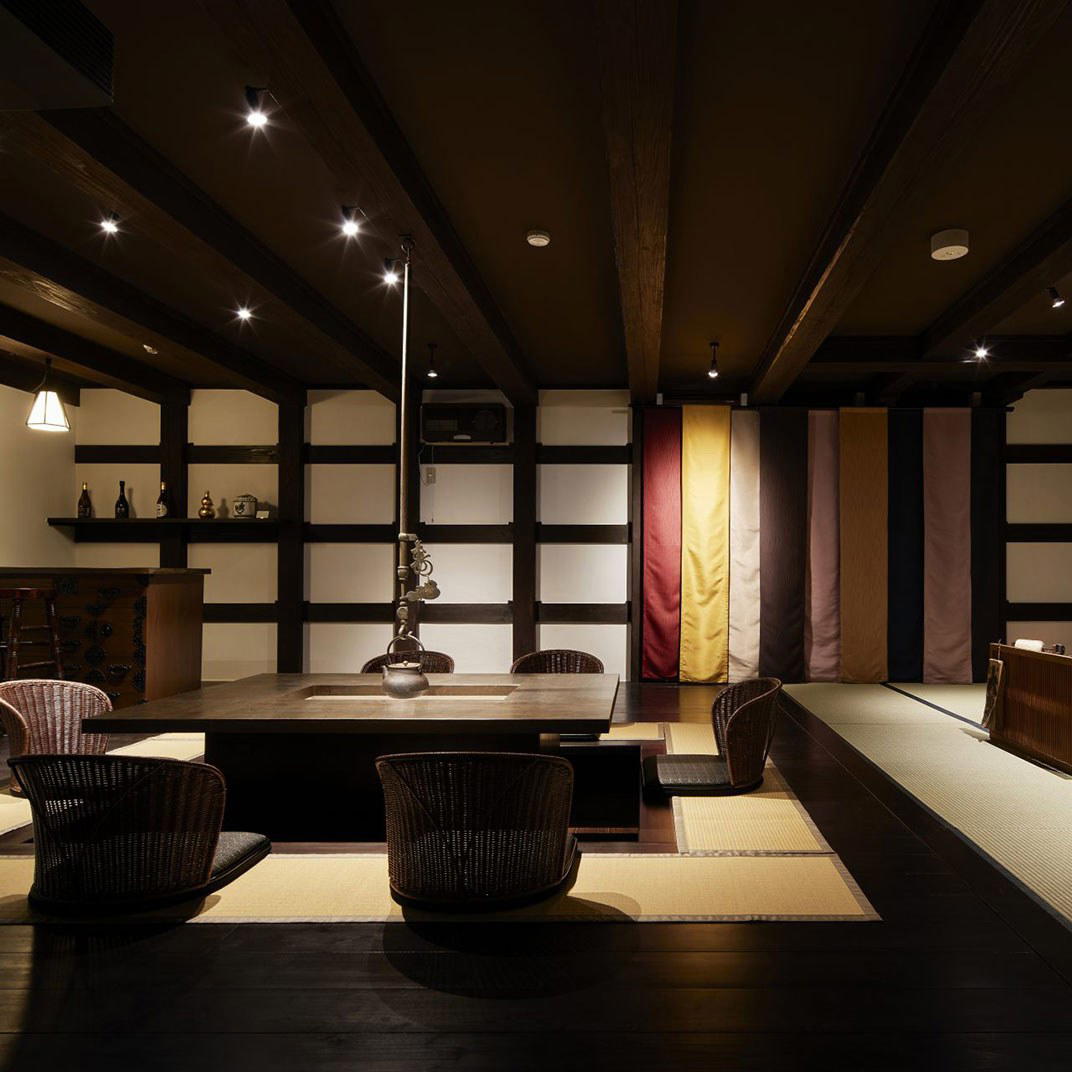
The room’s appeal also changes the expected behavior. This is not best understood as a large banquet-style destination or an all-purpose stop for every group size and mood. It suits diners who are choosing a specific restaurant category and who want the evening to feel planned rather than improvised. That makes it easier to place in an itinerary: reserve it for the night when the Italian frame is the point, and let other meals cover the city’s different lanes.
How to plan an Akita food itinerary around it
FRUTTO works especially well as the composed Italian meal in an Akita itinerary. Pair it with a sake-focused night, a Hinai chicken meal, and one beef or yakiniku booking, and the city begins to read properly: not as a single famous dish destination, but as a compact northern food city with several strong lanes. For broader planning, use Our full Akita restaurants guide alongside Our full Akita hotels guide, Our full Akita bars guide, Our full Akita wineries guide, and Our full Akita experiences guide.
For readers building a wider Japan food route, the useful comparison is not a specific outside name but format. A tightly defined regional room in Akita belongs in the same planning conversation as specialist addresses elsewhere: places where the diner chooses a clear category, books with intent, and lets the meal show how that category behaves in its local setting. Outside Akita, the same instinct can apply generically to beef-focused counters, seafood grills, cafe-led stops, sake bars, and curry specialists, but FRUTTO should be judged first within Akita’s own dining map.
The editorial call is simple: choose FRUTTO when Italian dining in Akita is the reason for the meal. The value lies in that intersection. It is not the city’s default dinner, and it is not trying to be. It is a serious Akita Italian address that makes more sense after the diner understands the city’s broader table.
Frequently asked questions
Is FRUTTO a family-friendly restaurant?
FRUTTO is best assessed directly with the restaurant for current age policies and booking suitability. For planning purposes, treat it as an Italian restaurant in Akita rather than assuming it is designed specifically around family dining.
Is FRUTTO formal or casual?
FRUTTO is best described as a serious Italian restaurant in Akita rather than a strictly formal venue. Diners should plan for a composed meal and check current booking details before visiting.
Is FRUTTO expensive?
FRUTTO’s listed budget is Dinner: JPY 10,000 - JPY 14,999; Lunch: JPY 3,000 - JPY 3,999.
What are the opening hours for FRUTTO?
Current opening hours for FRUTTO should be confirmed directly before visiting, as the provided venue data does not list a verified schedule.
Where exactly is FRUTTO?
Akita.
What is FRUTTO known for?
FRUTTO is known as an Italian restaurant in Akita. Its Tabelog Hyakumeiten 2025 recognition, posted score of 3.85, and listed dinner and lunch budgets give it a clear credential in Akita’s dining scene.
Comparison Snapshot
Comparable venues by cuisine and price in the same metro.
| Venue | Cuisine | Price | Awards | Notes |
|---|---|---|---|---|
| FRUTTOThis venue — the venue you are viewing | Seasonal Italian with Akita ingredients | $50–100 | Tabelog 100 #53 | Not listed |
| giueme | Akita Italian | $50–100 | Tabelog Bronze #85 | Daisen |
| Torikou | Yakitori Izakaya | $50–100 | Tabelog 100 #49 | Akita |
| Tempura Shoshin An | Tempura and Inaniwa Udon | $50–100 | Tabelog Bronze #408 | Inaniwa Town |
| f | Modern Italian Counter Dining | $150–200 | Tabelog Bronze #68 | Akita |
| The Bar 1980 | Craft Cocktail & Whisky Bar | $30–50 | Tabelog 100 #60 | Akita |
Recognition history
Dated appearances from independent guides and award organizations, with the underlying list record or original source where available.
Tabelog 100 #53 · No. 53
Tabelog · Tabelog 100 - Italian - EAST - 2025
Details
- Cozy
- Romantic
- Elegant
- Modern
- Date Night
- Celebration
- Special Occasion
- Business Dinner
- Group Dining
- Solo
- Standalone
- Design Destination
- Private Dining
- Extensive Wine List
- Sake Program
- Local Sourcing
- Farm To Table
- Tasting Menu
- Omakase
- A La Carte
- Wine
- Sake
- Allergy Accommodating
Current opening hours
- Monday
- 7–10 PM
- Tuesday
- 7–10 PM
- Wednesday
- Closed
- Thursday
- 7–10 PM
- Friday
- 7–10 PM
- Saturday
- 6:30–10 PM
- Sunday
- 6:30–10 PM
Hours can change for holidays and private events. Last verified .
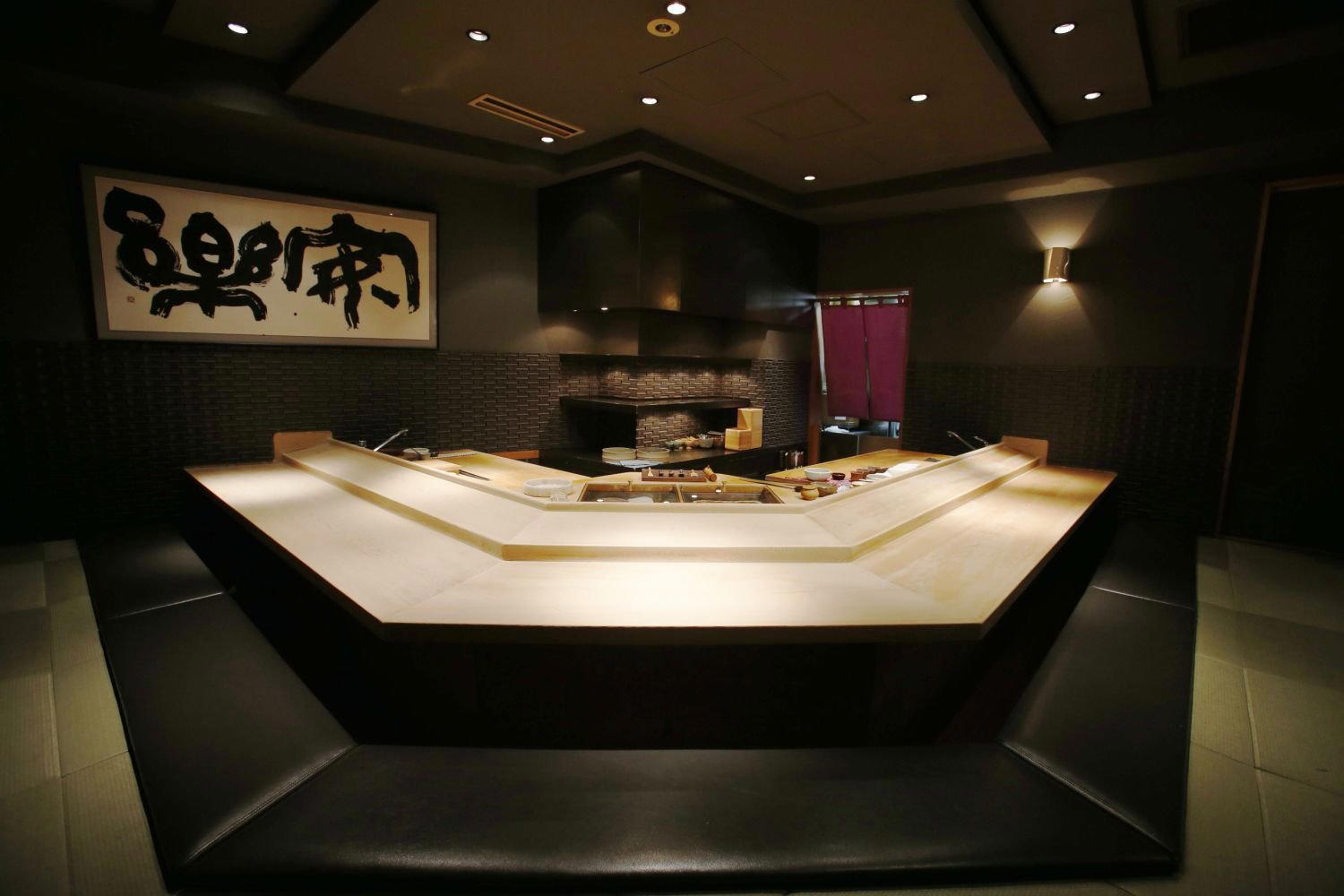
A small, quietly elegant bistro near Akita Station with a cozy, adult hideaway feel; warm lighting, calm atmosphere, and attentive but relaxed service, ideal for dates and special evenings rather than casual family dining.