
Tempura Shoshin An belongs to a narrower Akita dining story than the usual rice, sake and hotpot shorthand: a counter-led reading of tempura tied to Inaniwa’s noodle tradition. Its 2026 Tabelog Bronze award, 2025 Tabelog 100 Tempura selection and eight-seat counter place it in a serious specialist tier, with lunch and dinner budgets that signal a destination meal rather than a casual stop.
Pearl is the En Primeur Club membership app — saves, bookings, and concierge access live there. Same editors, same standards.
- Address
- Inaniwa-81 Inaniwacho, Yuzawa, Akita 012-0107, Japan
- Phone
- +81 183-55-8885
- Website
- sato-yoske.co.jp
- Directions
- Get directions
 Saves & bookings on Pearl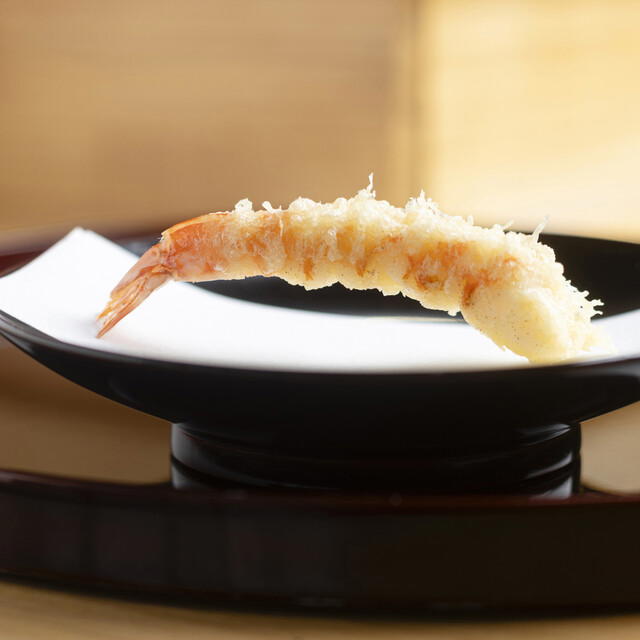
Inaniwa is not the Akita that first-time visitors usually picture. The setting is quieter than the station-area dining grid of Akita City, with Yuzawa’s noodle country giving the meal a different starting point: wheat, water, restraint and the patient craft behind Inaniwa udon. At Tempura Shoshin An, that regional context matters more than theatrical luxury. The room is built around an eight-seat counter, a format that narrows attention to sequence, pacing and the relationship between batter, oil and the udon tradition around it.
That format makes sense in a prefecture whose food identity is often reduced to kiritanpo, Hinai chicken and sake. Akita’s deeper appeal is its winter discipline: preservation, texture, clean starches and careful heat. Tempura, when handled as a course-by-course discipline rather than a pile of fried pieces, fits that logic. It is a cuisine of timing, not abundance. The connection to udon gives the counter a regional anchor, placing the meal closer to a seasonal Japanese progression than to a generic tempura set.
Tempura treated with the restraint of a seasonal course sequence
Japan’s multi-course tradition is not only about kaiseki formality. Its larger lesson is structure: contrast, temperature, negative space and the avoidance of repetition. Tempura can look simpler than kaiseki, but at a serious counter it follows a similar grammar. Each piece has to arrive in sequence, with batter acting as a thin architectural layer rather than a disguise. The category rewards precision because excess is immediately obvious.
Tempura Shoshin An sits inside that specialist bracket rather than the everyday teishoku bracket. Tabelog’s 2026 Bronze recognition and inclusion in the 2025 Tabelog 100 Tempura list give it a national signal in a category where Tokyo usually dominates attention. The score attached to its award listing, 3.88 for the 2026 Bronze record and 3.92 on the 2025 tempura list, is useful not as a universal truth but as a ranking of confidence among Japanese diners who scrutinize technique closely.
The stated cuisine categories, tempura, udon and Japanese cuisine, tell the useful story. This is not a broad izakaya with tempura on the side. It is a counter format in Inaniwa, where noodles carry place identity and tempura supplies the technical theatre. That combination makes the meal especially relevant for travellers who want Akita through craft rather than checklist eating.
An Akita counter meal outside the usual city circuit
The decision point is geographic as much as culinary. Akita City has the convenience: station-area beef restaurants, sake bars, cafés and hotel bases. Yuzawa asks for a more intentional itinerary. That friction is part of the editorial case. A table here belongs to the kind of northern Japan trip that gives time to regional towns rather than treating the prefecture as a single overnight stop.
For diners mapping Akita by category, the contrast is useful. Beef-focused meals such as Akita Gyugentei Ekimae honten and Akita Gyugentei Sannou bekkan speak to the city’s meat and hospitality circuit, while Akita Hinaiya Oodate honten points toward Hinai chicken as regional shorthand. affetto akita and Akita Kurasu broaden the map into contemporary and casual urban eating. Tempura Shoshin An plays a different role: it takes a narrow craft category and ties it to the Inaniwa side of the prefecture.
The counter size also changes expectations. Eight seats mean less anonymity and less tolerance for loose timing. In a room this small, the experience is closer to a workshop than a dining hall: the progression, pauses and finishing rhythm matter. That is where the kaiseki comparison becomes useful. The meal’s value lies in cadence and control, not in a long list of named dishes.
How to place it in an Akita itinerary
Akita rewards travellers who separate the prefecture into dining moods. A city stay can cover sake, beef, chicken and late-evening convenience; a Yuzawa detour adds noodle culture and a more specialist counter format. The stronger plan is not to rush between them. Build the day around the meal and treat Inaniwa as part of the reason to go, not a footnote after the reservation.
For broader planning, use Our full Akita restaurants guide alongside Our full Akita hotels guide, Our full Akita bars guide, Our full Akita wineries guide and Our full Akita experiences guide. The useful comparison is not with another named tempura counter in the same city, but with the broader question of what kind of Akita trip is being built: urban convenience, regional ingredients, or craft-led detours.
Travellers extending the Japan map can read this meal beside other highly specific formats across the country: -Grilled beef Sukiyaki- KAMAKURA TANUKIAN 鎌倉 たぬき庵 in Kamakura. 鮪と炭火焼き うお炭 秋葉原店 in Tokyo.cafe in Osaka.know in Kumamoto, (Shoku) Vietnam in Kawasaki and [Curry Senmon Ten] Maruyama Kyoju. in Sapporo. For Japanese food culture abroad, Jōdo Saké Bar in Los Angeles and Onigiri Time in Pasadena show how narrow formats travel differently outside Japan.
The editorial case for the restaurant is strongest for diners who care about regional specificity and counter discipline. Akita has easier meals, larger rooms and simpler logistics. This one asks for more planning, then returns a clearer lesson: northern Japanese dining is not only rustic comfort. It can be exacting, small-scale and built around the quiet tension between oil, wheat and season.
Accolades, Compared
Comparable venues nearby, for context on price, style, and recognition.
| Venue | Cuisine | Price | Notes |
|---|---|---|---|
| Tempura Shoshin AnThis venue — the venue you are viewing | Tempura and Inaniwa Udon | $$$ | Not listed |
| Sushikoma | Traditional Omakase Sushi | $$$ | Yurihonjo |
| Torikou | Yakitori Izakaya | $$$ | Akita |
| Sake Tomi | Japanese Izakaya | $$ | Akita |
| Sumibi Yakiniku Nama Horumon Dokoro Shouchan | Yakiniku & Horumon (Japanese BBQ) | $$ | Akita |
| Tobu | Traditional Japanese chicken hot pot (mizutaki) | $$ | .null |
Recognition history
Dated appearances from independent guides and award organizations, with the underlying list record or original source where available.
Tabelog Bronze #408
Tabelog
Tabelog 100 #98 · No. 98
Tabelog · Tabelog 100 - Tempura - 2025
At a Glance
- Quiet
- Elegant
- Intimate
- Cozy
- Special Occasion
- Open Kitchen
- Sake Program
- Local Sourcing
- Garden
Current opening hours
- Monday
- Closed
- Tuesday
- 11 AM–2 PM
- Wednesday
- 11 AM–2 PM
- Thursday
- 11 AM–2 PM
- Friday
- 11 AM–2 PM
- Saturday
- 11 AM–2 PM
- Sunday
- 11 AM–2 PM
Hours can change for holidays and private events. Last verified .
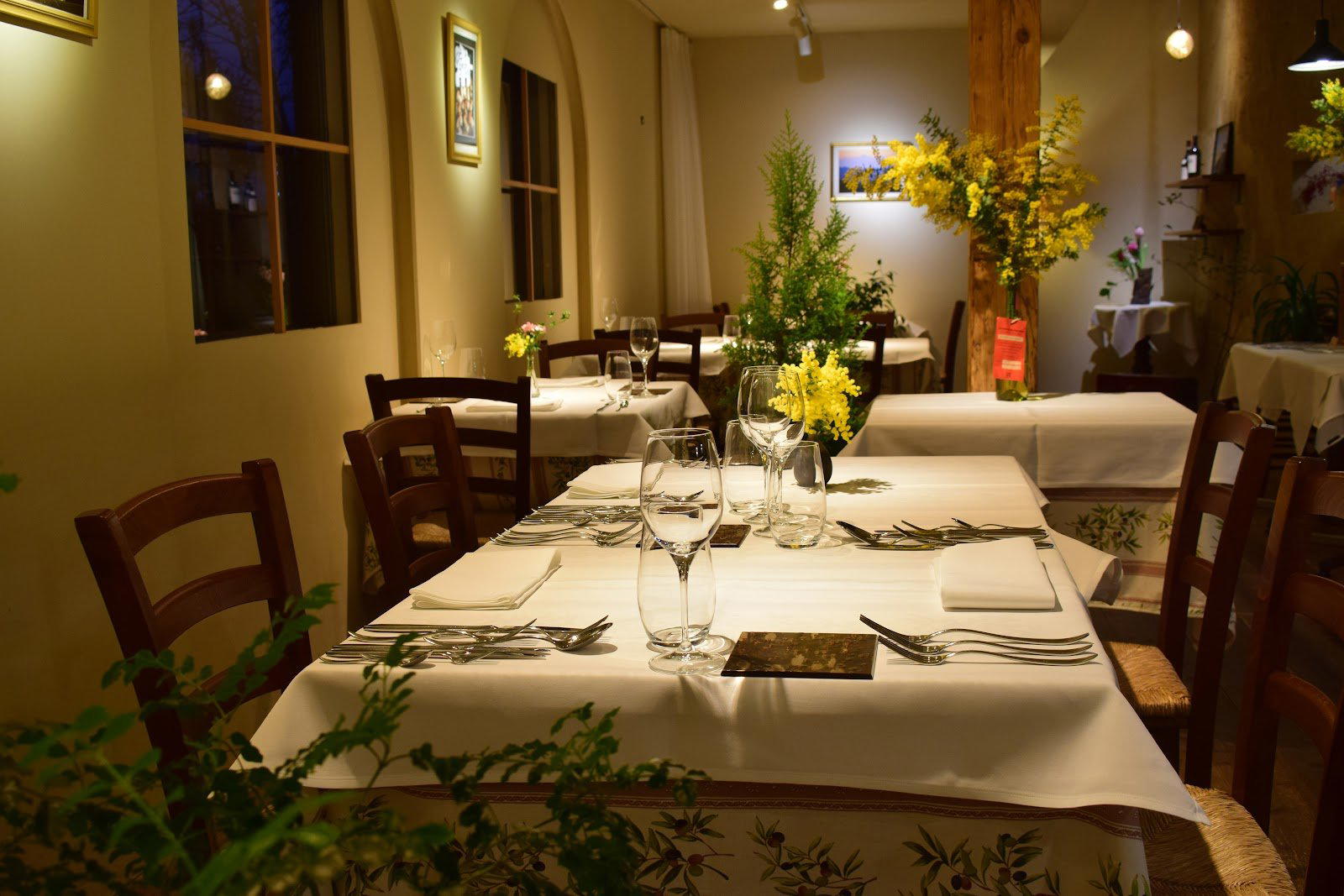
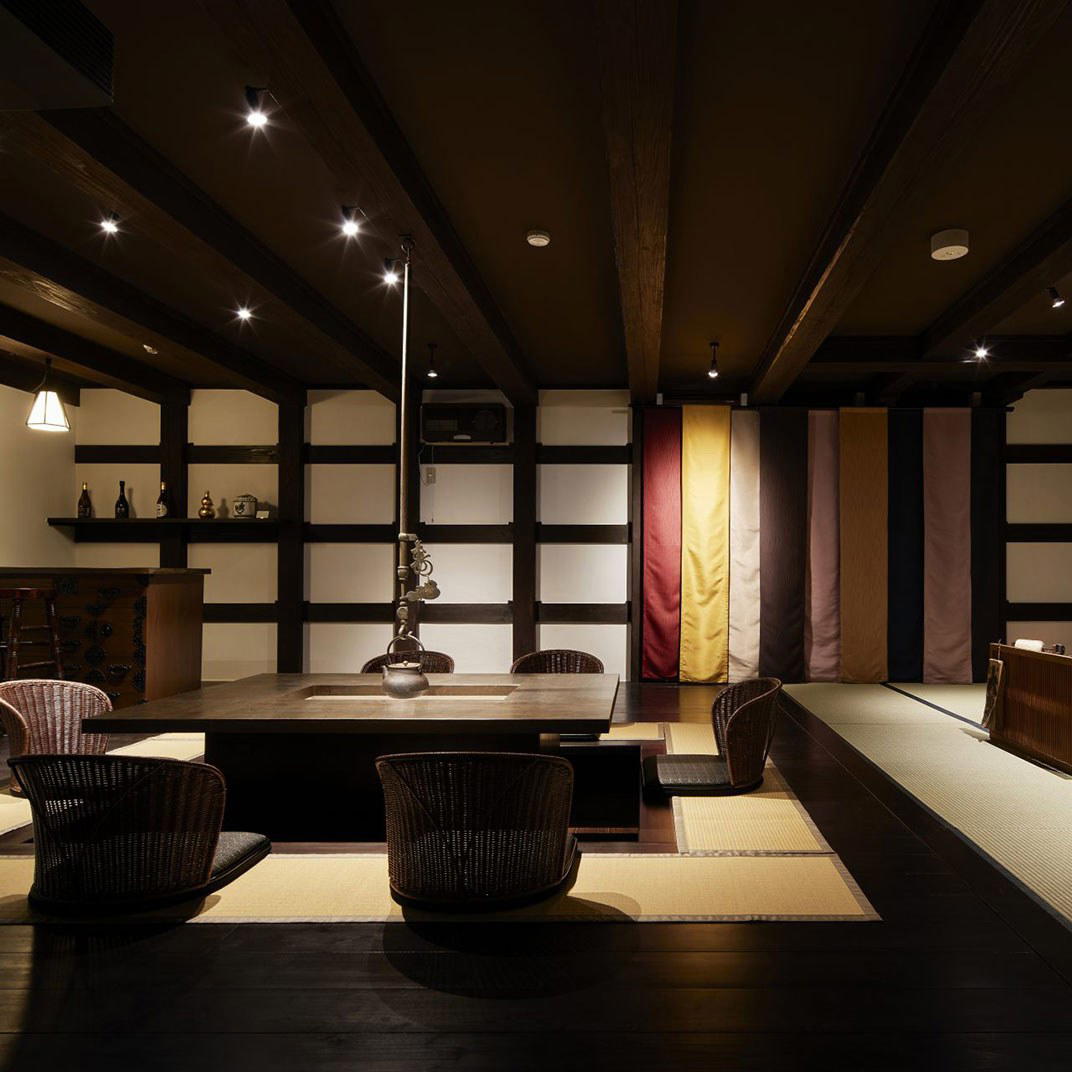
Quiet tatami room with Japanese garden view, offering a peaceful and elegant atmosphere.