Four Twelve Project
Our verdict
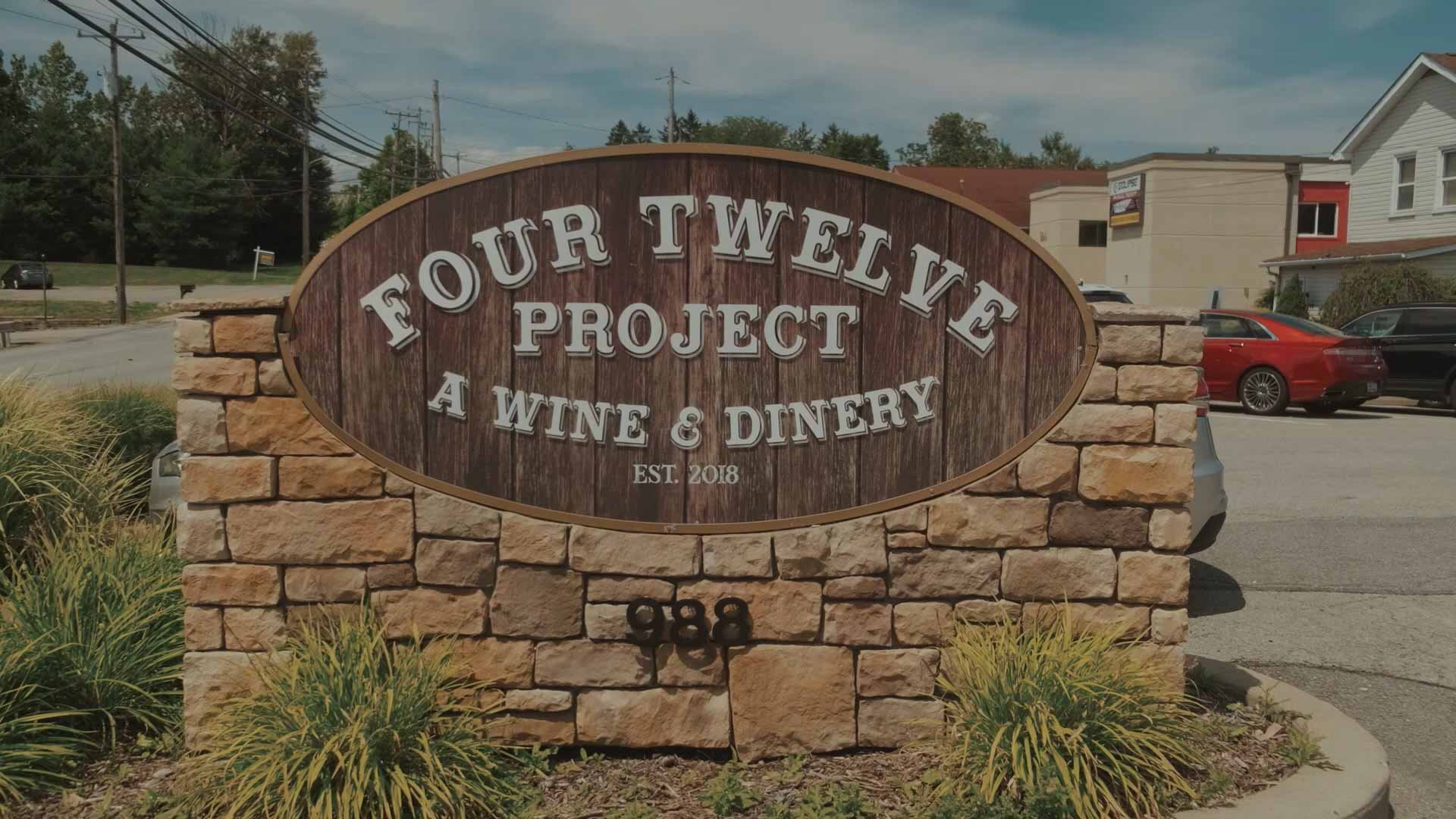
Four Twelve Project sits on Brodhead Road in Coraopolis, PA, a few miles from Pittsburgh International Airport in a corridor where serious cooking is less expected than it deserves to be. The kitchen's sourcing orientation places it within a growing movement of American restaurants that treat ingredient provenance as the organizing principle of the menu, not a footnote to it.

Pearl is the En Primeur Club membership app — saves, bookings, and concierge access live there. Same editors, same standards.
- Address
- 988 Brodhead Rd, Coraopolis, PA 15108
- Phone
- (724) 457-0707
- Hours
- Mon ClosedTue–Thu 4–8 PMFri–Sat 4–9 PMSun Closed
- Website
- fourtwelveproject.com
- Directions
- Get directions
- Booking
- Book on the venue's website
The menu
What to order
- Bacon BBQ Smashed Fingerlings
- Backyard Burger
The stretch of Brodhead Road running through Coraopolis and into Moon Township is not the kind of address that appears in travel magazine roundups. Strip plazas, logistics facilities, and the gravitational pull of the airport define the corridor. That context makes what happens at Four Twelve Project (988 Brodhead Rd, Coraopolis, PA 15108) worth paying attention to: kitchens that build serious cooking programs in unglamorous zip codes tend to do so because the cooking is the point, not the setting.
Where the Food Comes From
Across American fine dining in the past decade, sourcing has split into two distinct positions. The first treats provenance as marketing copy: farm names on the menu, local rhetoric on the website. The second treats sourcing as the actual structural logic of the kitchen, where what is grown within driving distance determines what gets cooked that week. The restaurants operating in the second category are fewer, and they tend to cluster in markets with strong agricultural hinterlands. Western Pennsylvania qualifies. The region sits within reach of Appalachian growing country, small-scale livestock operations in the Ohio River valley, and a network of producers that supply Pittsburgh's better kitchens without ever appearing in a national food publication.
That supply network is the same one that has supported a quiet upgrade in Pittsburgh-area cooking over the past several years. Restaurants like Hyeholde Restaurant, also in Moon Township, have demonstrated that serious hospitality is viable in this corridor. Four Twelve Project operates in that same broader context: a suburban Pittsburgh dining scene that has grown more technically ambitious without migrating entirely to the downtown core.
The Sourcing Argument
The restaurants that earn the most durable reputations for ingredient-led cooking are not always the ones with the largest marketing budgets or the most visible critics on their reservation lists. Blue Hill at Stone Barns in Tarrytown made the case at scale, with an on-site farm providing direct operational control over what arrives in the kitchen. Single Thread Farm in Healdsburg extended that model into the hospitality format, pairing ingredient sovereignty with a hotel concept. Both operate at the high-capital end of the farm-to-kitchen spectrum. The more common version, and arguably the more replicable one, is a kitchen that builds durable relationships with specific farms and producers in its region, adapts its menu to what those suppliers can deliver, and treats that constraint as a creative condition rather than a limitation.
That approach characterizes restaurants like Smyth in Chicago, Oyster Oyster in Washington, D.C., and The Wolf's Tailor in Denver, all of which have built their identities around the discipline of cooking from place. The editorial question Four Twelve Project raises is whether a kitchen in suburban Pittsburgh is doing the same work, and doing it with enough rigor to warrant the detour from the city.
The Broader Pittsburgh Moment
Pittsburgh's dining scene has undergone a structural shift that parallels what happened in cities like Denver and Portland a decade earlier: a wave of technically trained cooks returned to or stayed in the market, building independent projects rather than heading to New York or San Francisco. The national press has been slow to follow. Le Bernardin in New York City, The French Laundry in Napa, and Atomix in New York City absorb the critical attention that secondary markets produce in proportion to their size. That dynamic creates an opportunity for restaurants in places like Moon Township: less scrutiny means more latitude to develop a voice before it calculates for a critic's table.
The comparison set for a kitchen with sourcing ambitions in western Pennsylvania is not, realistically, Addison in San Diego or Providence in Los Angeles. Those are major-market destinations with years of institutional recognition behind them.
What the Address Tells You
A kitchen that chooses 988 Brodhead Road rather than a Strip District address or a Shadyside storefront is making a statement about priorities. Rent economics, proximity to a specific supplier base, or the practical logic of a catering and events operation can all explain a suburban address. Any of those reasons is consistent with a serious cooking program. What the address removes is the ambient foot traffic and tourism that sustains restaurants in more visible locations. A kitchen on Brodhead Road has to earn every reservation intentionally, which tends to sharpen focus. The restaurants that survive in these locations usually do so because their regulars are loyal in a way that destination diners in competitive urban markets are not.
For the reader planning a Pittsburgh trip, Moon Township sits roughly fifteen minutes from the city center and is most easily reached by car. That positions Four Twelve Project as a viable dinner stop for travelers arriving or departing through Pittsburgh International, or as a specific-destination meal for Pittsburgh residents willing to leave the East End for a night. See our full Moon Township restaurants guide for context on the broader dining options in the corridor.
Restaurants with sourcing-first orientations in markets like this one also tend to attract a different kind of regulars than a downtown tasting-menu room does. The audience is local, often professional, and frequently loyal over years rather than visits. That dynamic shapes service culture, menu evolution, and the pace at which a kitchen is willing to take risks. It is worth comparing to The Inn at Little Washington, which built its reputation in a small Virginia town on exactly that combination of regional rootedness and serious technique. And to Atelier Moessmer Norbert Niederkofler in Brunico, a kitchen in an alpine market that turned geographic constraint into a defining editorial position. The premise holds across different cuisines and continents: where the food comes from shapes what the food is, and kitchens that commit to that logic tend to produce more distinctive cooking than those that source opportunistically. ITAMAE in Miami has made a version of that argument for Peruvian-Japanese sourcing on the American coast. Four Twelve Project is making it, in its own register, on Brodhead Road.
Frequently asked questions
Would Four Twelve Project be comfortable with kids?
The address at 988 Brodhead Road in Moon Township suggests a destination-oriented kitchen rather than a casual drop-in spot, which typically points toward a more deliberate dining pace that younger children may find difficult to sustain. The sourcing-focused approach that defines the Pittsburgh dining moment this kitchen is part of tends to attract adults engaged with the cooking itself.
How would you describe the vibe at Four Twelve Project?
Four Twelve Project sits at 988 Brodhead Road in Coraopolis, a location that signals intent: this is not a restaurant built around foot traffic or neighborhood ambiance, but around what's happening in the kitchen. That choice of address, outside Pittsburgh's more prominent dining corridors like the Strip District or Shadyside, points toward a focused, low-distraction environment where the food is the primary event. The overall tone is likely serious without being stiff, consistent with the ingredient-led wave reshaping Pittsburgh's dining identity.
Is Four Twelve Project part of Pittsburgh's broader independent restaurant movement, and what sets its location apart?
Four Twelve Project operates out of 988 Brodhead Road in Moon Township, a deliberate step away from Pittsburgh's established dining neighborhoods, which positions it alongside a cohort of independent kitchens that have traded high-visibility addresses for lower overhead and greater creative autonomy. This mirrors a structural pattern seen in cities like Denver and Portland, where a wave of chef-driven independents established themselves outside the obvious zip codes before reshaping the wider dining conversation. Pittsburgh's dining scene is in the middle of exactly that shift, and Moon Township is part of the geography where it's playing out.
What's the must-try dish at Four Twelve Project?
The Pittsburgh restaurants that have built reputations on provenance-first cooking tend to let the ingredient lead, so the more useful question is what's arriving from local producers at any given moment. Reaching out directly before visiting will give you the most accurate picture of what's on the pass.
What's Four Twelve Project's location?
Four Twelve Project is located at 988 Brodhead Rd, Coraopolis, PA 15108, Moon Township.
A Quick Peer Check
Comparable venues nearby, for context on price, style, and recognition.
| Venue | Cuisine | Price | Notes |
|---|---|---|---|
| Four Twelve ProjectThis venue — the venue you are viewing | Farm-to-Table American Gastropub | $20–30 | Not listed |
| Hyeholde Restaurant | Farm-to-Table American Fine Dining | Not listed | Moon Township |
| Snack Shack at Forest & Main | Elevated American Snack Shack | $20–30 | Fishtown |
| Walnut Grill - Wexford | Contemporary American Grill | $20–30 | Wexford |
| Siempre Algo | Modern American Small Plates | $30–50 | East Allegheny |
| The Terrace Room | Classic American Fine Dining | $50–100 | Central Business District |
Continue exploring
More in Coraopolis
Restaurants in Coraopolis
Browse all →
Bars in Coraopolis
Browse all →
Four Twelve Project
The wine
- Wine program
- Curated wine list
- Craft cocktails
- Beer program
Details
- Cozy
- Modern
- Intimate
- Date Night
- Family
- Casual Hangout
- Open Kitchen
- Craft Cocktails
- Beer Program
- Farm To Table
- Local Sourcing
- A La Carte
- Craft Beer
- Pa Wines
Current opening hours
- Monday
- Closed
- Tuesday
- 4–8 PM
- Wednesday
- 4–8 PM
- Thursday
- 4–8 PM
- Friday
- 4–9 PM
- Saturday
- 4–9 PM
- Sunday
- Closed
Hours can change for holidays and private events. Last verified .
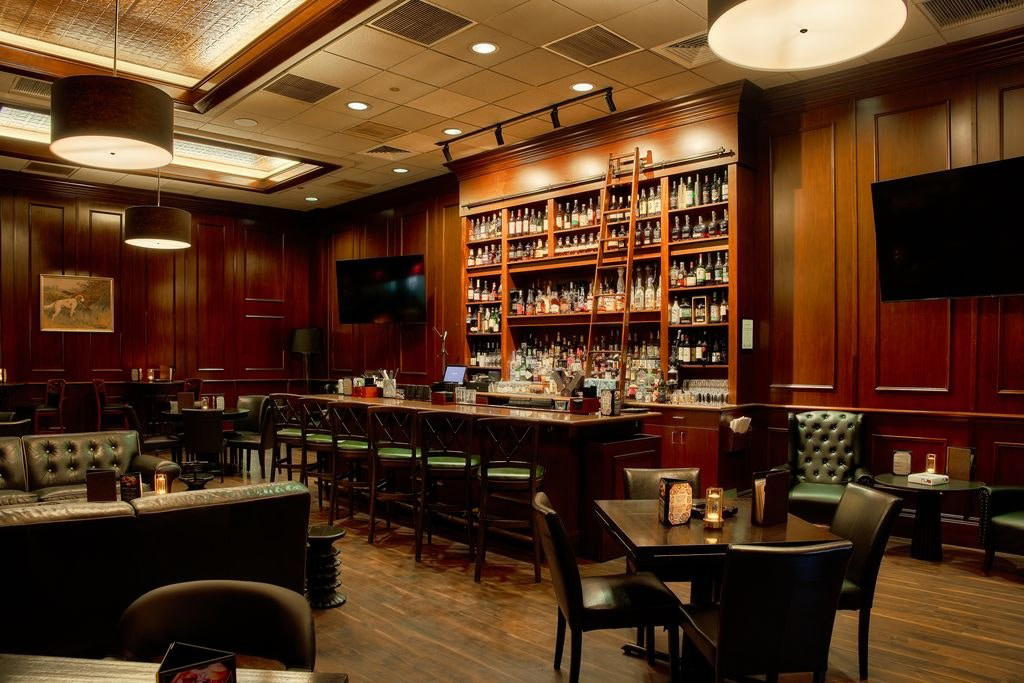
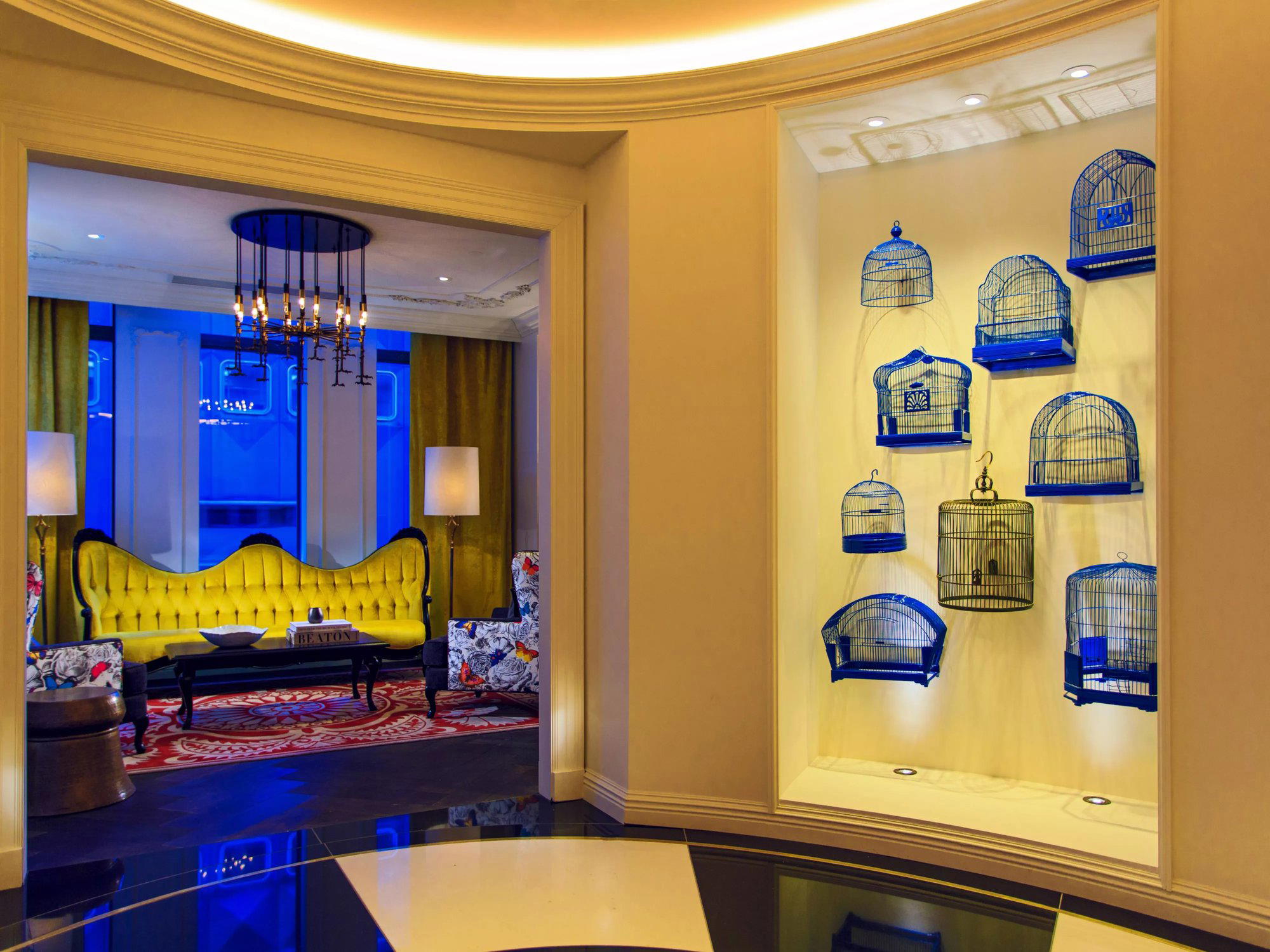
Warm and inviting with a casual, fun vibe featuring vintage charm in the speakeasy-style underground space.