Forum
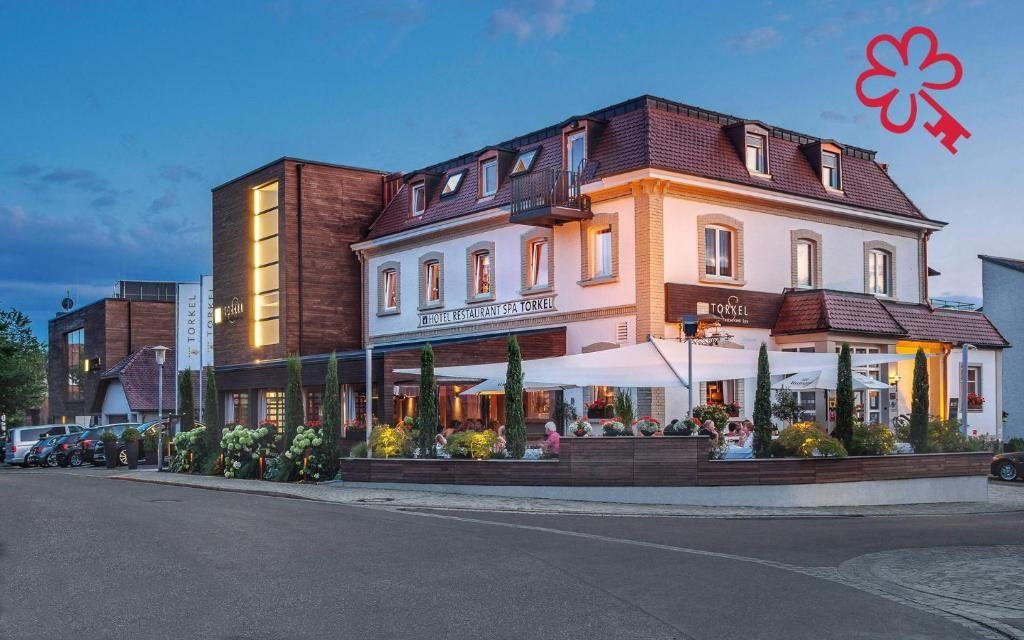
Forum sits on Bahnhofstrasse in Widnau, a small Rhine-valley town in the canton of St. Gallen where the eastern Swiss dining scene tends to reward those who look beyond the obvious.
Pearl is the En Primeur Club membership app — saves, bookings, and concierge access live there. Same editors, same standards.
- Address
- Bahnhofstrasse 24, 9443 Widnau, Switzerland
- Phone
- +41717228866
- Website
- forum-hotel.ch
- Directions
- Get directions
 Saves & bookings on Pearl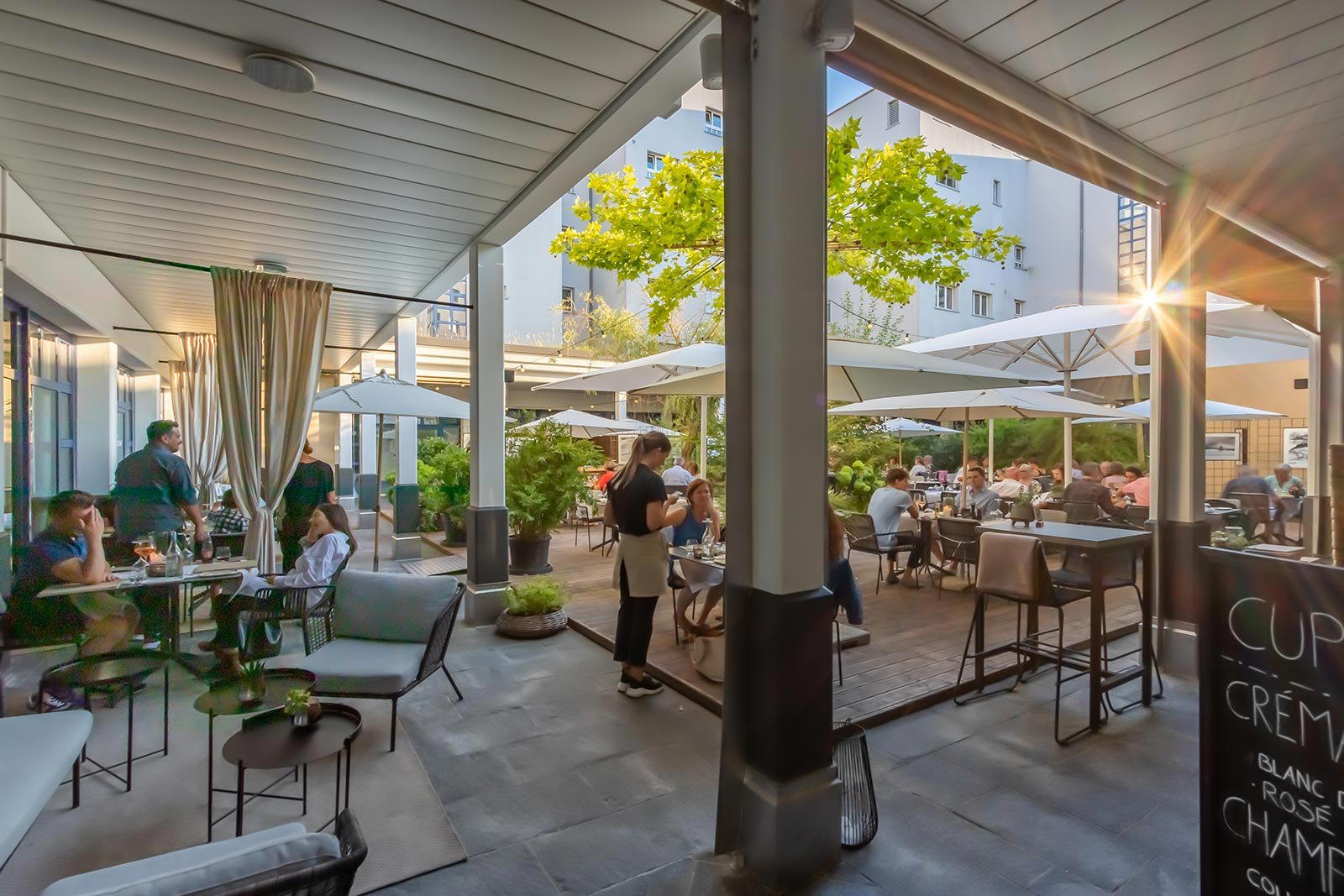
A Town, a Street, and What Eastern Switzerland Is Building
Forum is a restaurant in Widnau, Switzerland, serving Modern Swiss Rhine Valley Cuisine at Bahnhofstrasse 24, 9443 Widnau. Widnau is not a place most travellers think to stop. The town sits in the Rhine valley between the Austrian border and St. Gallen, in a canton where agricultural flatlands transition quickly into alpine foothills. Bahnhofstrasse, the address shared by Forum at number 24, is the kind of central artery that anchors small Swiss towns: practical in function, occasionally surprising in what it contains. That tension between the unremarkable exterior of a place and what it quietly offers inside is something eastern Switzerland has made into something of a regional signature.
The broader dining context here matters. Canton St. Gallen and the surrounding Bodensee region have seen a quiet but steady expansion of serious cooking over the past decade. Venues like Einstein Gourmet in Sankt Gallen and Mammertsberg in Freidorf have established that this corner of Switzerland can sustain ambitious kitchens, even without the international profile of Zurich or the altitude-driven prestige of Graubünden. Forum sits within that regional momentum, positioned on a main street in a working town rather than behind a hotel gate or castle wall.
Ingredient Geography: The Rhine Valley Advantage
In Switzerland's eastern cantons, ingredient sourcing has always been shaped by proximity to multiple agricultural traditions. The Rhine valley at this latitude is unusually productive: market gardens operating on the alluvial plain, dairy farms in the surrounding hills, and fish from the Rhine and nearby Lake Constance. Across the border in Vorarlberg, Austria, a similar agricultural rhythm prevails. Restaurants that pay attention to this geography, and the leading in this region tend to, draw from a supply network that crosses national boundaries with the ease of a morning delivery run.
This cross-border sourcing dynamic distinguishes eastern Swiss kitchens from their counterparts further west. Where a restaurant in Lausanne or Geneva reaches northward toward French producers, a kitchen in Widnau operates within a triangle of Swiss, Austrian, and southern German agricultural supply. The seasonal cadence is alpine-influenced but more temperate than higher-altitude venues: asparagus from the Rhine plain in spring, stone fruit and lake fish through summer, game and root vegetables through autumn and winter. This is not the rarefied altitude produce of a place like Schloss Schauenstein in Fürstenau, where Graubünden's short growing season and mountain terroir define the kitchen's identity, but it is a different, equally coherent set of raw materials.
The contrast is worth holding. Switzerland's most decorated kitchens, Memories in Bad Ragaz, Hotel de Ville Crissier in Crissier, Cheval Blanc by Peter Knogl in Basel, have built reputations on sourcing specificity that is both documented and verifiable. Smaller venues in towns like Widnau operate with less institutional scrutiny but within the same regional ingredient logic. The question for any kitchen on the eastern plain is whether it treats that agricultural proximity as a genuine creative constraint or simply as a supply convenience.
Where Forum Sits in the Local Picture
For those building an itinerary across the eastern Swiss dining scene, Widnau represents a different kind of stop than the cathedral city of St. Gallen or the spa town of Bad Ragaz. It is a residential and light-industrial town where restaurants serve a local clientele first and visiting diners second. This is not a weakness, some of Switzerland's more interesting cooking happens in exactly this kind of environment, where the kitchen is not performing for international critics but for regulars who know what they want and come back when they get it.
The regional comparable set is instructive. Taverne zum Schäfli in Wigoltingen and Magdalena in Schwyz are examples of how Swiss restaurants in non-metropolitan settings have built serious creative programs without requiring destination-dining infrastructure. Maison Wenger in Le Noirmont has done the same in the Jura. The pattern across these venues, cooking that draws on place, that resists the generic luxury format, that earns local trust before international recognition, is one of Swiss dining's more durable characteristics.
Forum's address on Bahnhofstrasse places it in the everyday civic fabric of Widnau, which is, depending on your perspective, either a constraint or exactly the point. For context on the wider regional scene, our full Widnau restaurants guide maps what else the town and its immediate surroundings offer.
Planning a Visit
Widnau is accessible by train from St. Gallen in under 30 minutes, and from Zurich with a single change, making it a plausible addition to a broader eastern Switzerland itinerary that might also include focus ATELIER in Vitznau or Skin's - the restaurant in Lenzburg. The venue's address, Bahnhofstrasse 24, 9443 Widnau, places it close to the town's rail station, which simplifies arrival. Because specific hours, pricing, and booking methods are not confirmed, contacting Forum directly before visiting is the sensible approach.
Travellers coming from further afield, after dining at Da Vittorio in St. Moritz or La Brezza in Ascona, will find eastern Switzerland's register quite different: less resort-inflected, more rooted in the agricultural rhythms of the Rhine valley. That shift in register is, for many visitors, the reason to come. Venues like The Japanese Restaurant in Andermatt or La Table du Valrose in Rougemont represent Switzerland's capacity to place serious cooking in unexpected containers. Forum, in its own quieter way, belongs to that same instinct.
For a comparative sense of what Swiss and American kitchens are doing, Le Bernardin in New York City and Lazy Bear in San Francisco offer reference points for format and sourcing philosophy.
How It Stacks Up
Comparable venues nearby, for context on price, style, and recognition.
| Venue | Cuisine | Price | Notes |
|---|---|---|---|
| ForumThis venue — the venue you are viewing | Modern Swiss Rhine Valley Cuisine | $$$ | Not listed |
| bytes | Modern Swiss | $$$ | Chur |
| Waldwirtschaft Uschenriet | Traditional Swiss Regional | $$ | Ennenda |
| Bananenreiferei | Event Space Catering | Not listed | Industriequartier |
| Hotel Posta | Upscale Alpine Cuisine with Regional Specialties | $$$ | Rueras |
| Grill Restaurant Seeterrasse | Modern Grill with Japanese & Nordic Influences | $$$$ | Vitznau |
Continue exploring
More in Widnau
Restaurants in Widnau
Browse all →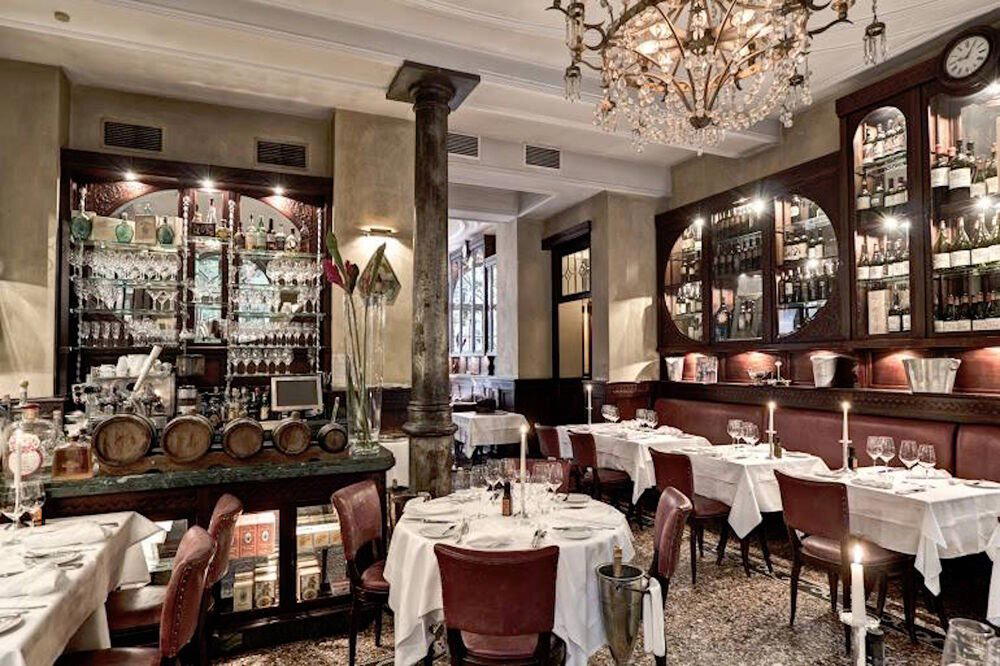
At a Glance
- Modern
- Cozy
- Trendy
- Business Dinner
- Family
- Celebration
- Terrace
- Open Kitchen
- Craft Cocktails
- Local Sourcing
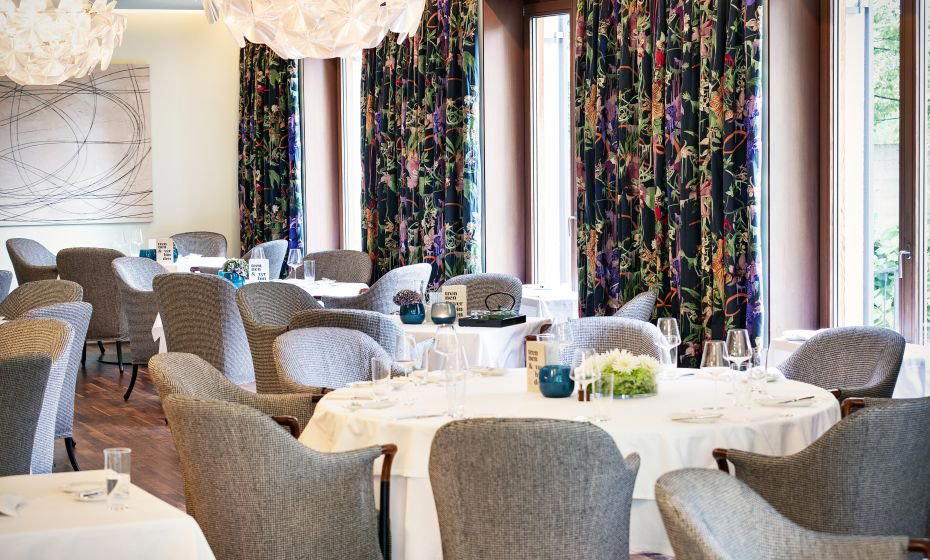
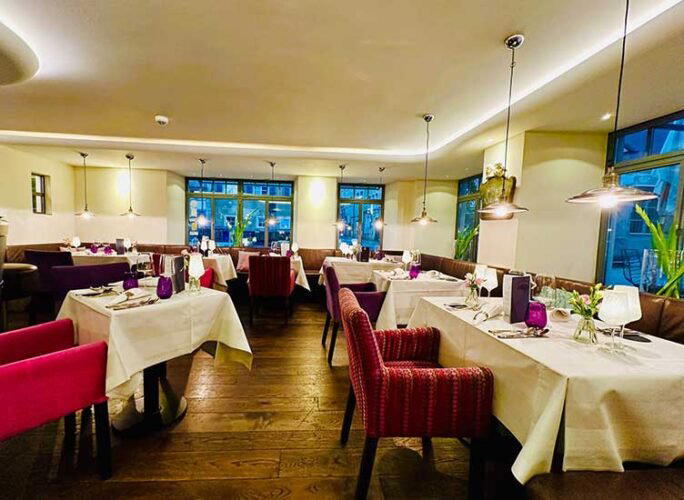
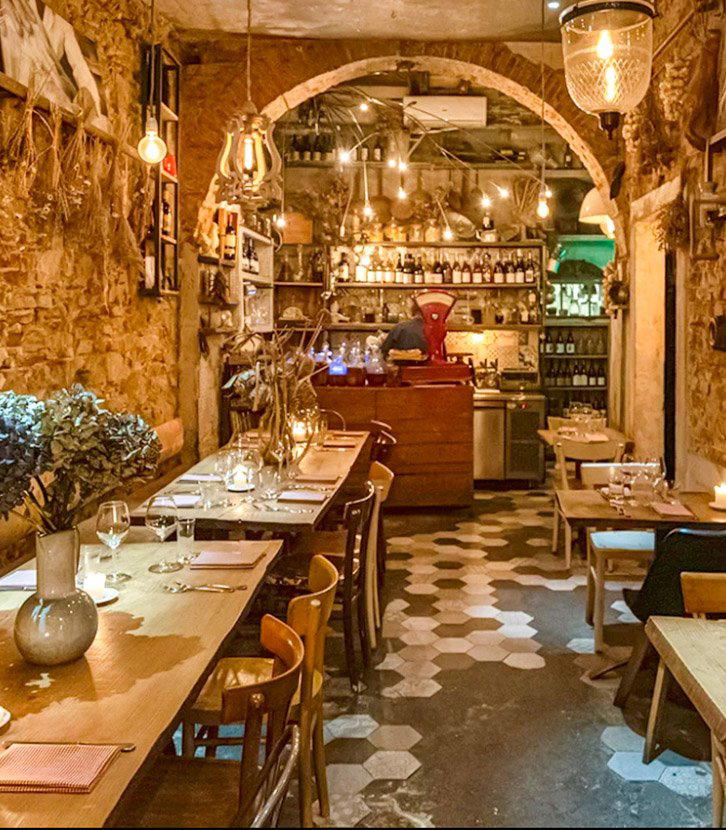
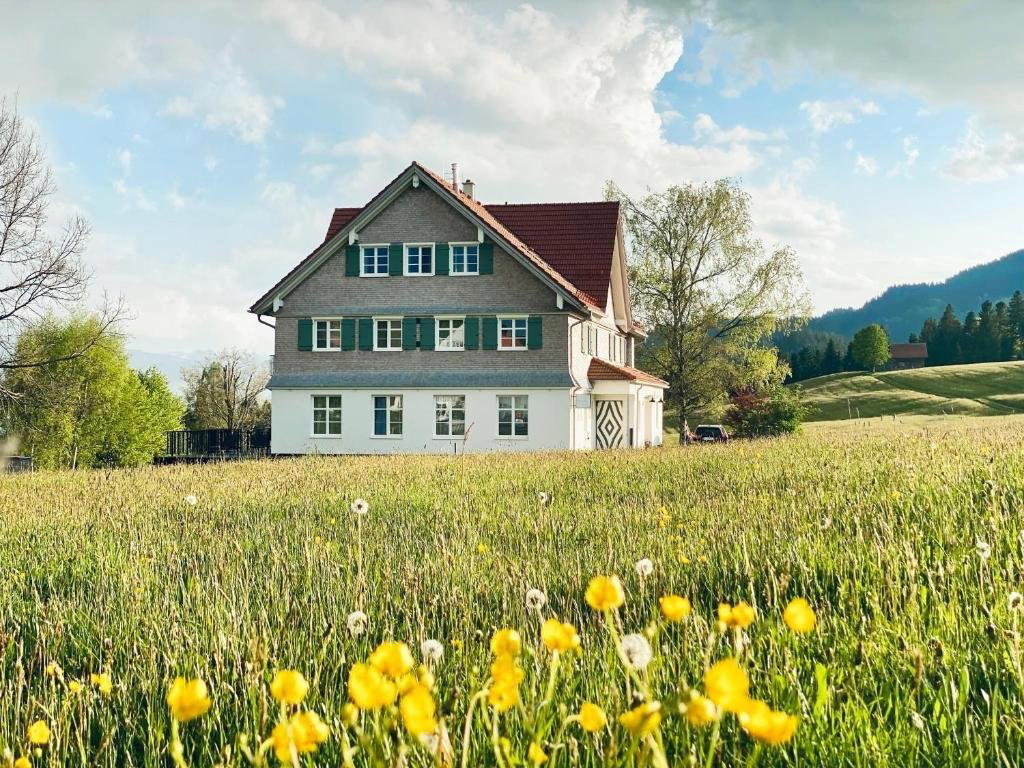
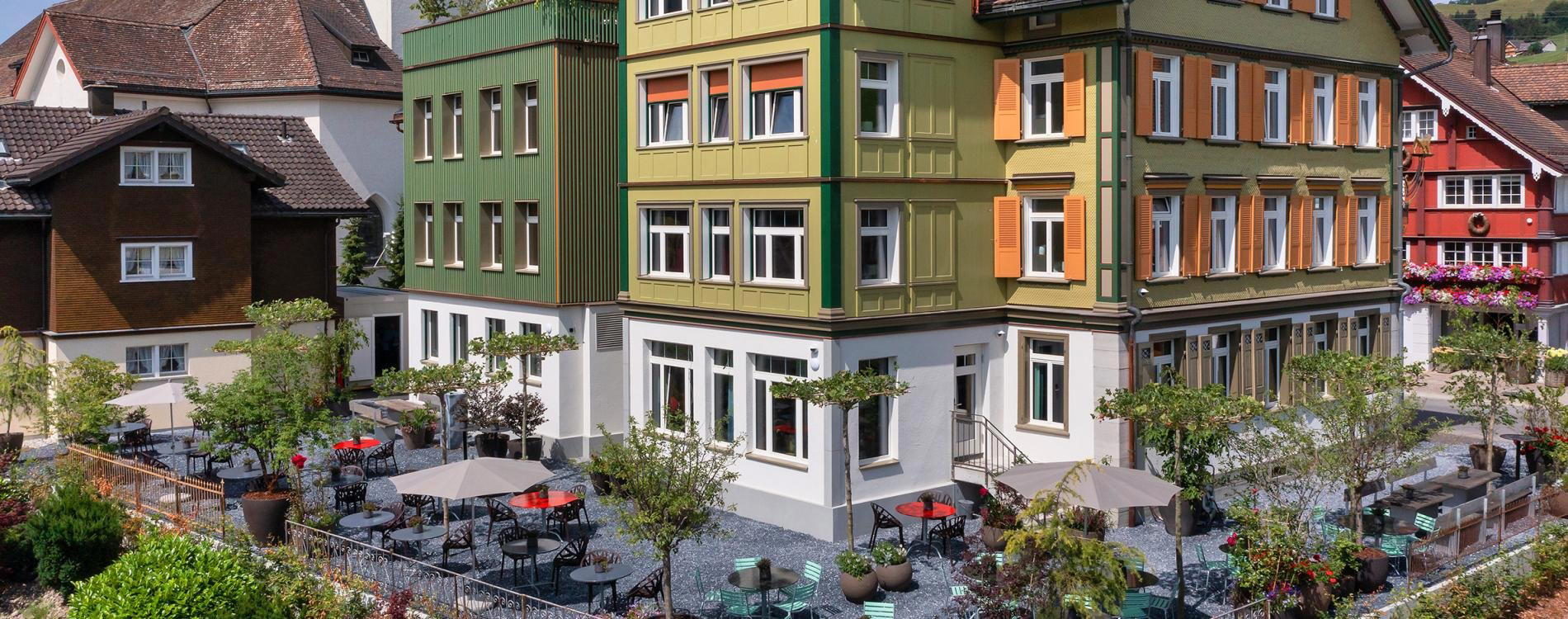
Modern and welcoming atmosphere with cheerful service, cozy inner courtyard terrace for summer, and a trendy bar vibe.