Bananenreiferei
Bananenreiferei occupies a converted industrial space in Zurich's Kreis 5, the post-warehouse district where the city's more forward-looking dining has been concentrating for over a decade. The address on Pfingstweidstrasse places it inside a neighbourhood that rewards curiosity over convenience, and the venue's name — referencing the banana-ripening warehouses once common in the area — signals an awareness of that industrial inheritance.
Pearl is the En Primeur Club membership app — saves, bookings, and concierge access live there. Same editors, same standards.
- Address
- Pfingstweidstrasse 101, 8005 Zürich, Switzerland
- Phone
- +41442719778
- Website
- bananenreiferei.ch
- Directions
- Get directions
 Saves & bookings on Pearl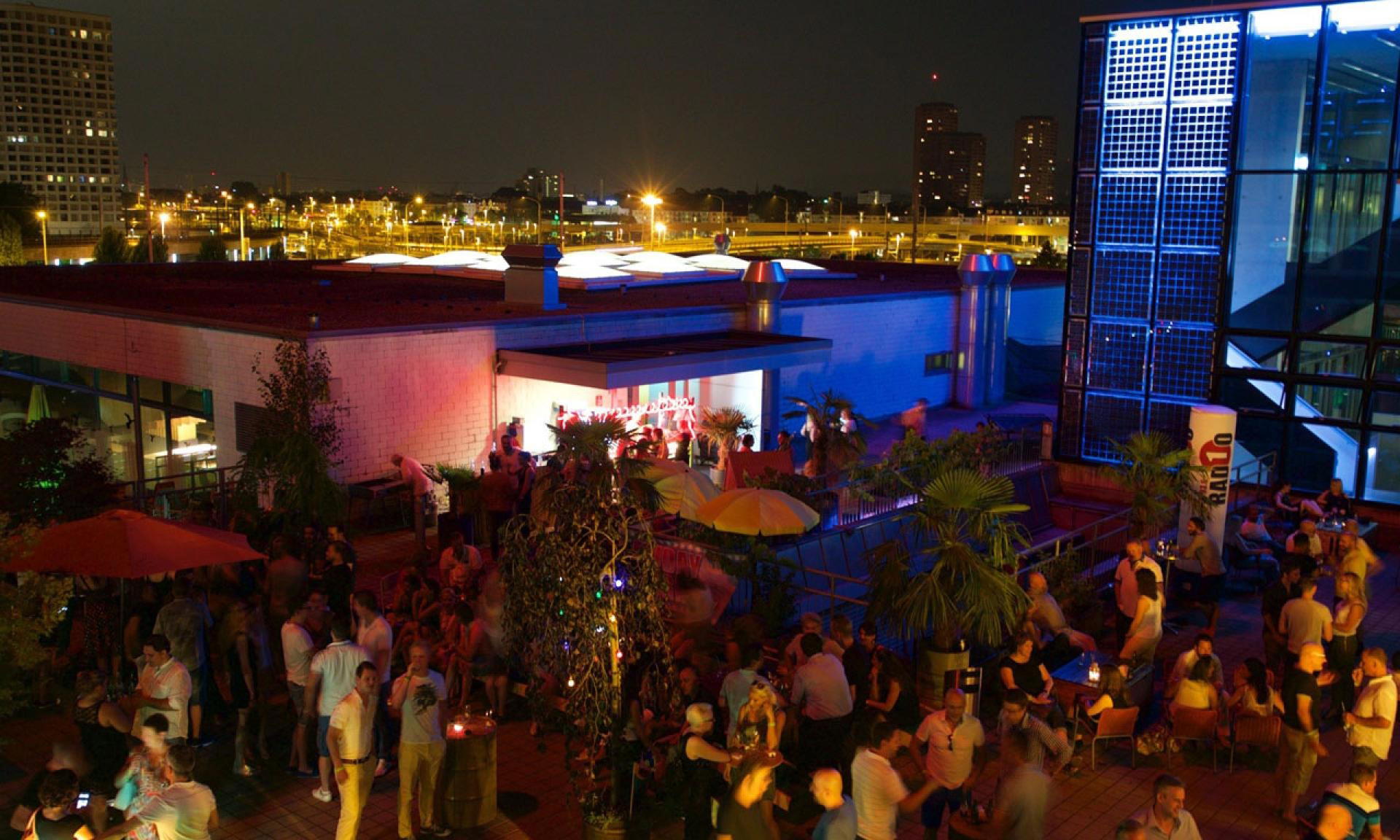
Where Zurich's Industrial West Meets the Table
Kreis 5, Zurich's former factory and warehouse quarter, has been accumulating serious dining for years. The pattern follows a recognisable arc: industrial buildings emptied by deindustrialisation, then colonised first by nightlife, then by galleries, then by restaurants willing to trade conventional comfort for spatial honesty. Pfingstweidstrasse sits deep in that arc, far enough from the Langstrasse bustle to feel deliberate rather than accidental. Bananenreiferei takes its name directly from the commercial history of this corridor, where banana-ripening warehouses once operated at scale — a detail that does exactly what good restaurant naming should do: anchor the place in material reality rather than aspiration.
The address alone communicates something about the dining category. Zurich's more convention-bound restaurant scene clusters around Niederdorf, the lake promenade, and the financial district. The operators who land in Kreis 5 or the adjacent Industriequartier are generally making a different kind of argument: that the room, the concept, and the food should do the talking without the backdrop of old-city prestige. That positioning has produced some of Zurich's more interesting addresses over the past decade, and Bananenreiferei belongs to that lineage.
The Industrial Inheritance as Dining Context
Converted industrial spaces impose specific demands on restaurants. Ceiling heights that work in a warehouse do not automatically translate to intimate dining; noise management becomes a design problem; the raw material of concrete, steel, and glass requires deliberate softening or the deliberate choice to leave it sharp. The most successful conversions in this genre, from repurposed factories in Berlin to warehouse dining rooms in Melbourne, tend to make a formal decision about which direction to take and commit to it fully. Hedging between industrial rawness and conventional restaurant warmth produces something that satisfies neither register.
The neighbourhood context here also matters for how a kitchen positions itself. Kreis 5's dining cohort has historically skewed toward creative formats: menus that acknowledge global technique without performing fusion, ingredient sourcing that draws on Swiss agricultural specificity, and service that leans informal without sacrificing precision. That character places it in an interesting position relative to Zurich's more formally credentialled addresses. Restaurants like IGNIV Zürich by Andreas Caminada or The Restaurant operate within a high-formality register with corresponding price points. The Kreis 5 cohort generally offers something different in format, even when the cooking reaches comparable technical levels.
Local Ingredients, International Method: The Zurich Conversation
Switzerland's culinary position is structurally interesting. The country sits at the intersection of French, German, and Italian culinary traditions without being fully absorbed by any of them. That creates genuine creative space for kitchens willing to engage with it: Swiss dairy, Alpine cheeses, lake fish, and mountain herbs are among the most specifically characterised raw materials in Europe, yet they have historically been underrepresented in the international fine-dining conversation relative to their quality. The French tradition — codified in places like Hotel de Ville Crissier in Crissier, has long dominated the upper tier of Swiss restaurant culture, while Graubünden kitchens such as Schloss Schauenstein in Fürstenau have demonstrated what happens when rigorous technique is applied to hyper-local Alpine sourcing.
The more recent movement in Swiss urban dining runs parallel to what has happened in other Northern European cities: chefs trained in classical or international kitchens returning to apply those methods to ingredients that were always present but never fully treated as primary subjects. Lake Zurich perch prepared with Japanese knife work; Toggenburger lamb aged with techniques borrowed from Copenhagen; Ticino olive oil used with the precision one might bring to a first-growth pressing. This intersection of imported methods and indigenous products is where the more interesting urban Swiss cooking currently operates, and Zurich's Kreis 5 addresses have been among the more consistent participants in that conversation. For broader context on where Bananenreiferei sits within the city's dining geography, the full Zurich restaurants guide maps the scene across neighbourhoods and price tiers.
The Swiss Restaurant Tier and Peer Context
Switzerland carries a disproportionate concentration of Michelin stars relative to population, a reflection of both the country's wealth and the historical depth of its fine-dining culture. Properties like Memories in Bad Ragaz, Cheval Blanc by Peter Knogl in Basel, and Einstein Gourmet in Sankt Gallen represent the formally credentialled tier. Further afield, Da Vittorio in St. Moritz and Maison Wenger in Le Noirmont illustrate the range of register in which serious Swiss cooking currently operates, from resort formality to rural intimacy.
The Counter operates a creative format at the higher end of the price band. Eden Kitchen and Bar brings an Italian register to a similar price tier. Widder anchors Swiss tradition with hotel backing. Internationally, the technical ambition of places like Le Bernardin in New York City or the communal-format experimentation of Lazy Bear in San Francisco illustrate how the local-ingredient, global-technique axis plays out at different scales. Regional Swiss addresses such as Mammertsberg in Freidorf, La Table du Valrose in Rougemont, and focus ATELIER in Vitznau complete the picture of where Swiss dining ambition is currently distributed across the country.
Planning Your Visit
Bananenreiferei is located at Pfingstweidstrasse 101, 8005 Zürich, placing it in the western industrial quarter of Kreis 5. The area is accessible by tram from the main station, with lines running along Pfingstweidstrasse. Given the neighbourhood's position outside Zurich's conventional tourist circuit, visitors arriving without familiarity should allow time to orient: the blocks around Pfingstweidstrasse mix active commercial use with cultural venues and restaurants, and wayfinding rewards some advance planning.
Continue exploring
More in Zürich
Restaurants in Zürich
Browse all →
Bars in Zürich
Browse all →
Hotels in Zürich
Browse all →

At a Glance
- Industrial
- Lively
- Trendy
- Group Dining
- Celebration
- Private Event
- Terrace
- Open Kitchen
Current opening hours
- Monday
- 6 PM–12 AM
- Tuesday
- 6–11:30 PM
- Wednesday
- 6–11:30 PM
- Thursday
- 6 PM–12 AM
- Friday
- 6 PM–12 AM
- Saturday
- 6 PM–12 AM
- Sunday
- 6–11:30 PM
Hours can change for holidays and private events. Last verified .
Relaxed, lively atmosphere in a repurposed industrial venue suitable for dancing, celebrations, and events.
Know Before You Go
- Getting there
- Pfingstweidstrasse 101, 8005 Zürich, Switzerland