Flyfish Club
Flyfish Club is New York City's first members-only dining club built around sushi and seafood, occupying a dramatically designed space that positions it in the private-access tier of Manhattan's premium restaurant scene. The format sits closer to Masa's counter exclusivity than to a conventional reservation-based dining room, with membership replacing the booking window as the primary point of entry.
Pearl is the En Primeur Club membership app — saves, bookings, and concierge access live there. Same editors, same standards.
- Address
- 141 E Houston St, New York, NY 10002
- Phone
- (929) 556-6466
- Website
- flyfishclub.com
- Directions
- Get directions
 Saves & bookings on Pearl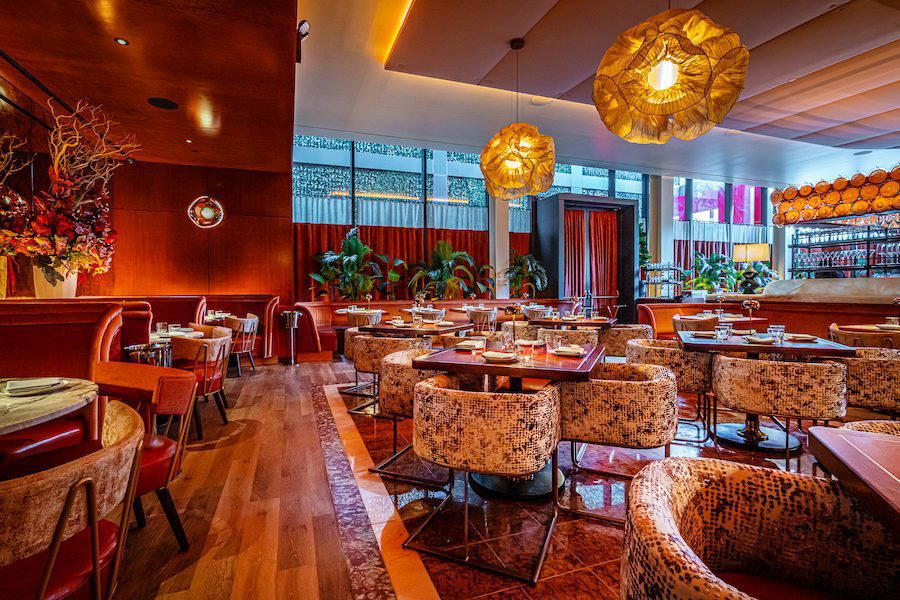
The Private Room as Dining Format
Manhattan has spent the better part of a decade sorting its premium dining into two distinct access models: the reservation queue, where a coveted table at somewhere like Masa or Le Bernardin requires planning weeks or months in advance, and the membership model, where access itself is the product. Flyfish Club belongs firmly to the second category. It operates as a private members' club built around sushi and seafood, a format that shifts the competitive conversation away from OpenTable booking windows and toward the annual dues, design investment, and exclusivity signals that define the broader private-club tier.
This is not a new model globally. London's private dining clubs have long operated this way, and Tokyo's invitation-only kappo counters have always used access restriction as a quality signal. What makes Flyfish Club notable in the New York context is the deliberate application of that logic to a sushi and seafood format at a moment when the city's leading Japanese restaurants, from the counter at Masa to the omakase rooms opening across Midtown and the Lower East Side, are already operating at or near maximum pricing and minimum capacity. The members-only layer adds a further restriction that removes the venue from direct comparison with reservation-based peers entirely.
Architecture as Argument
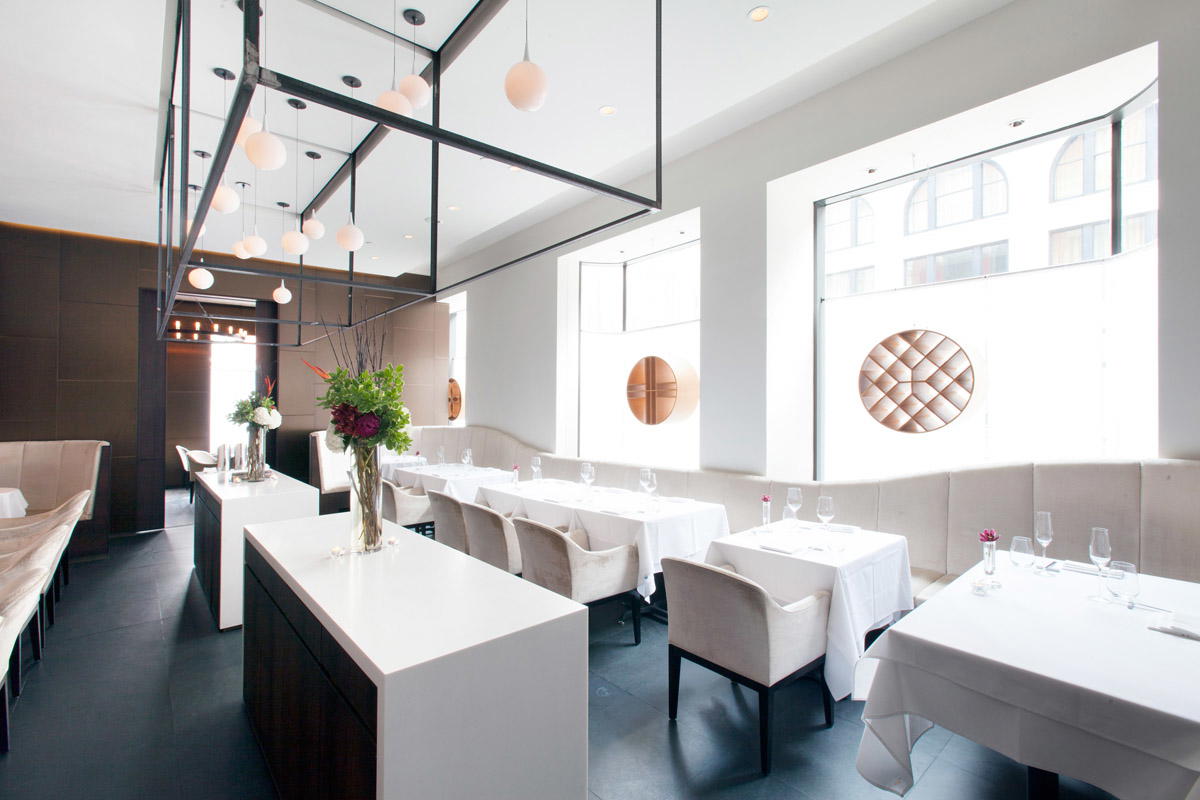
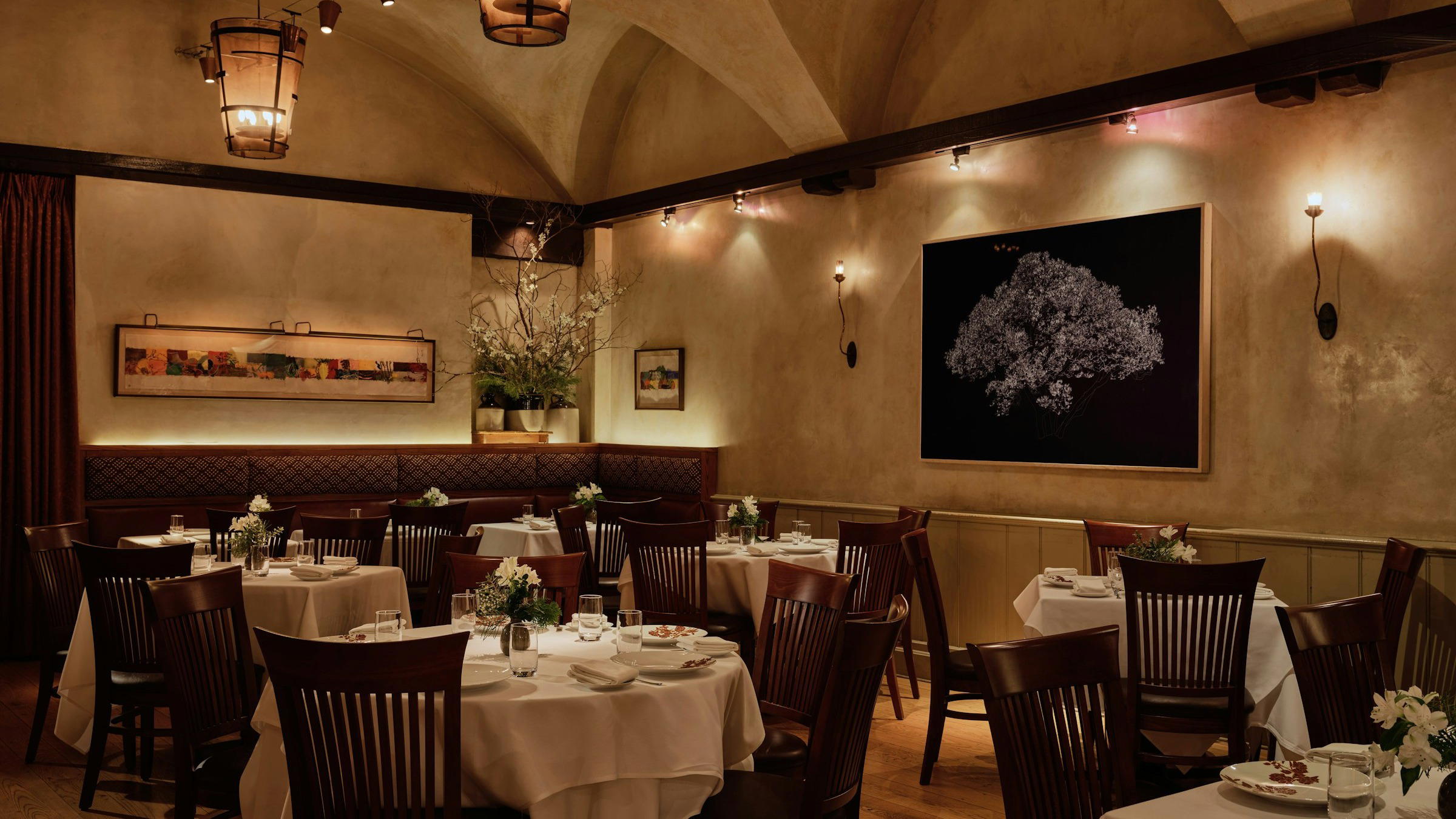
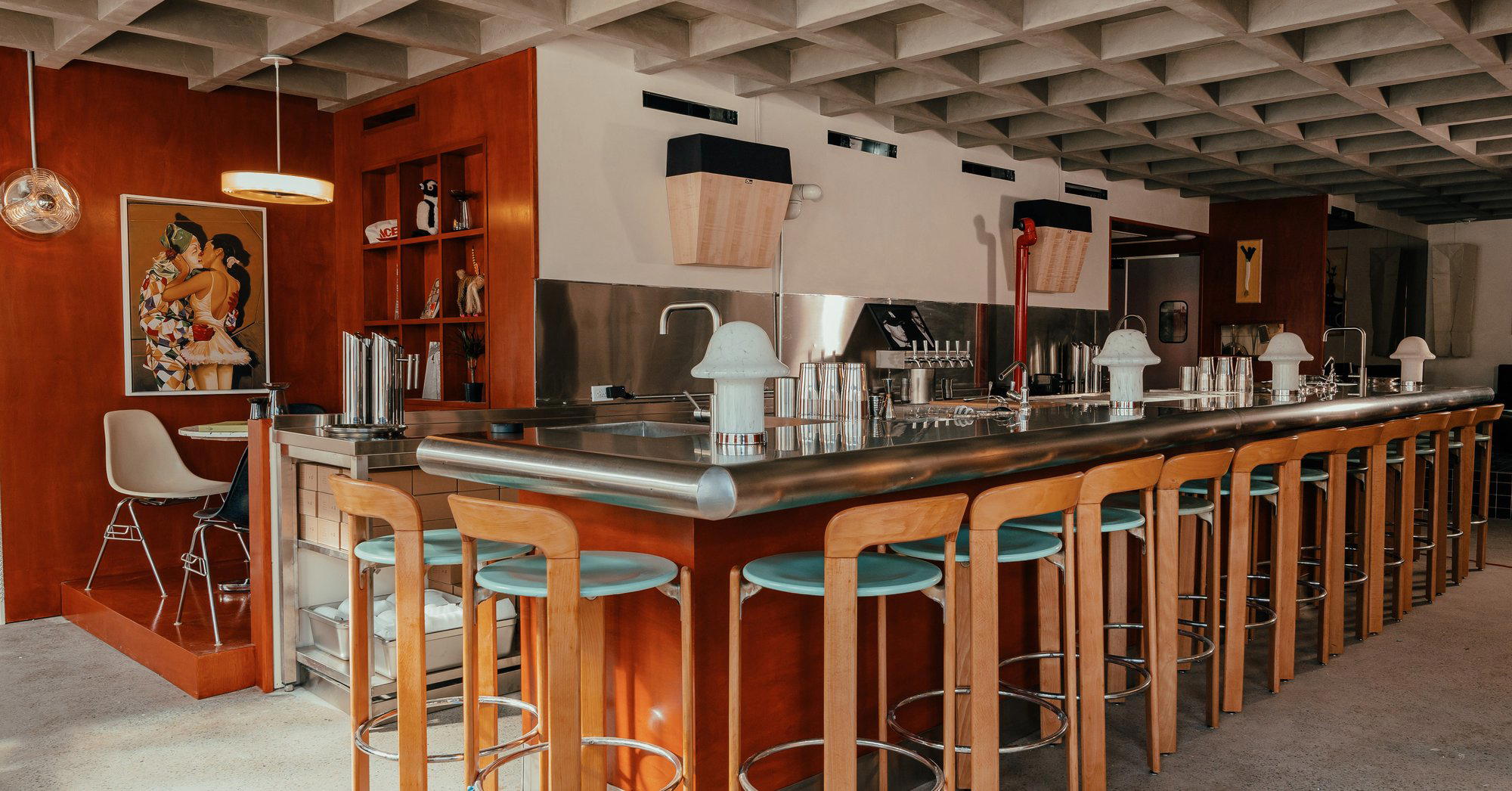
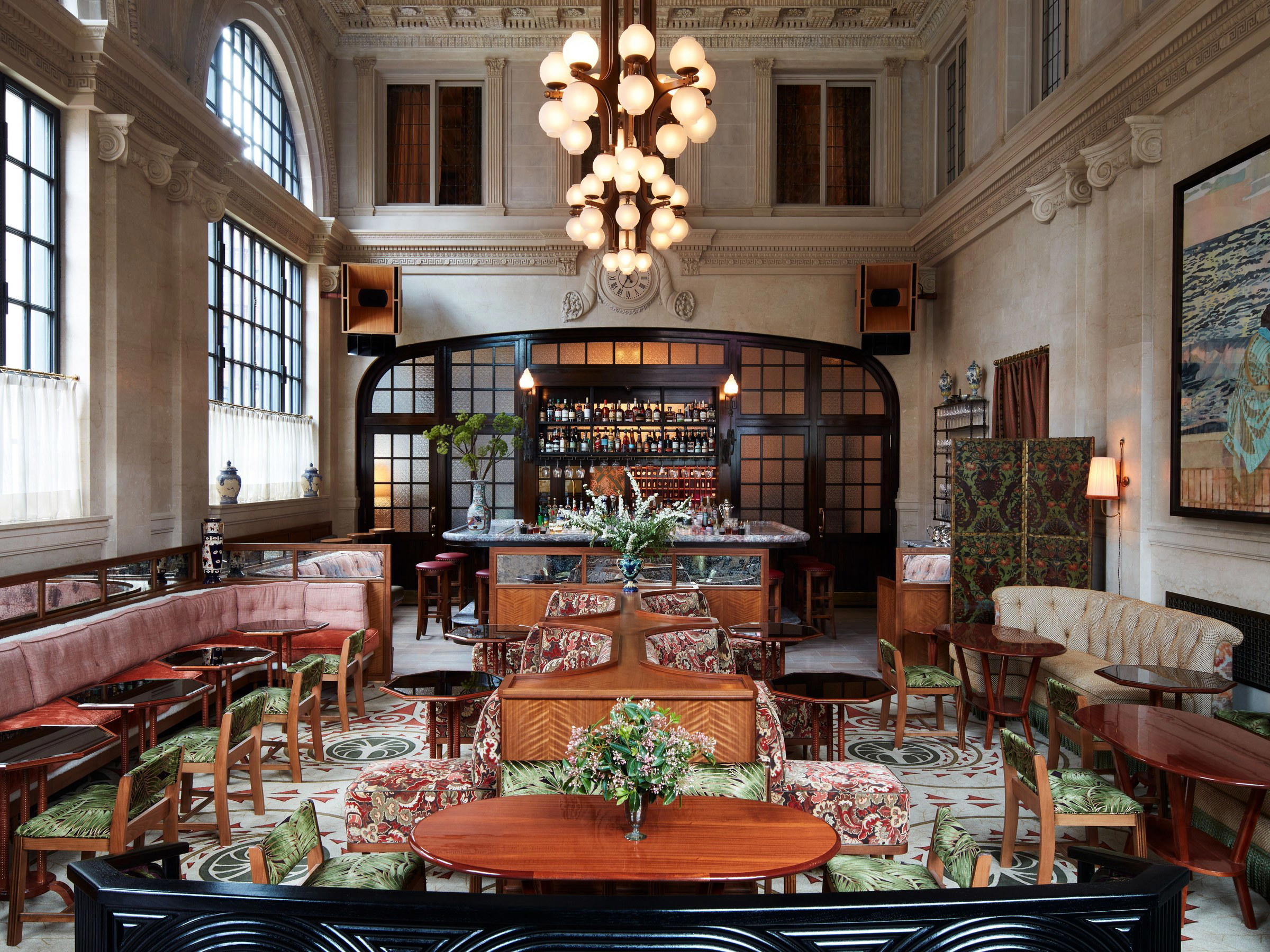
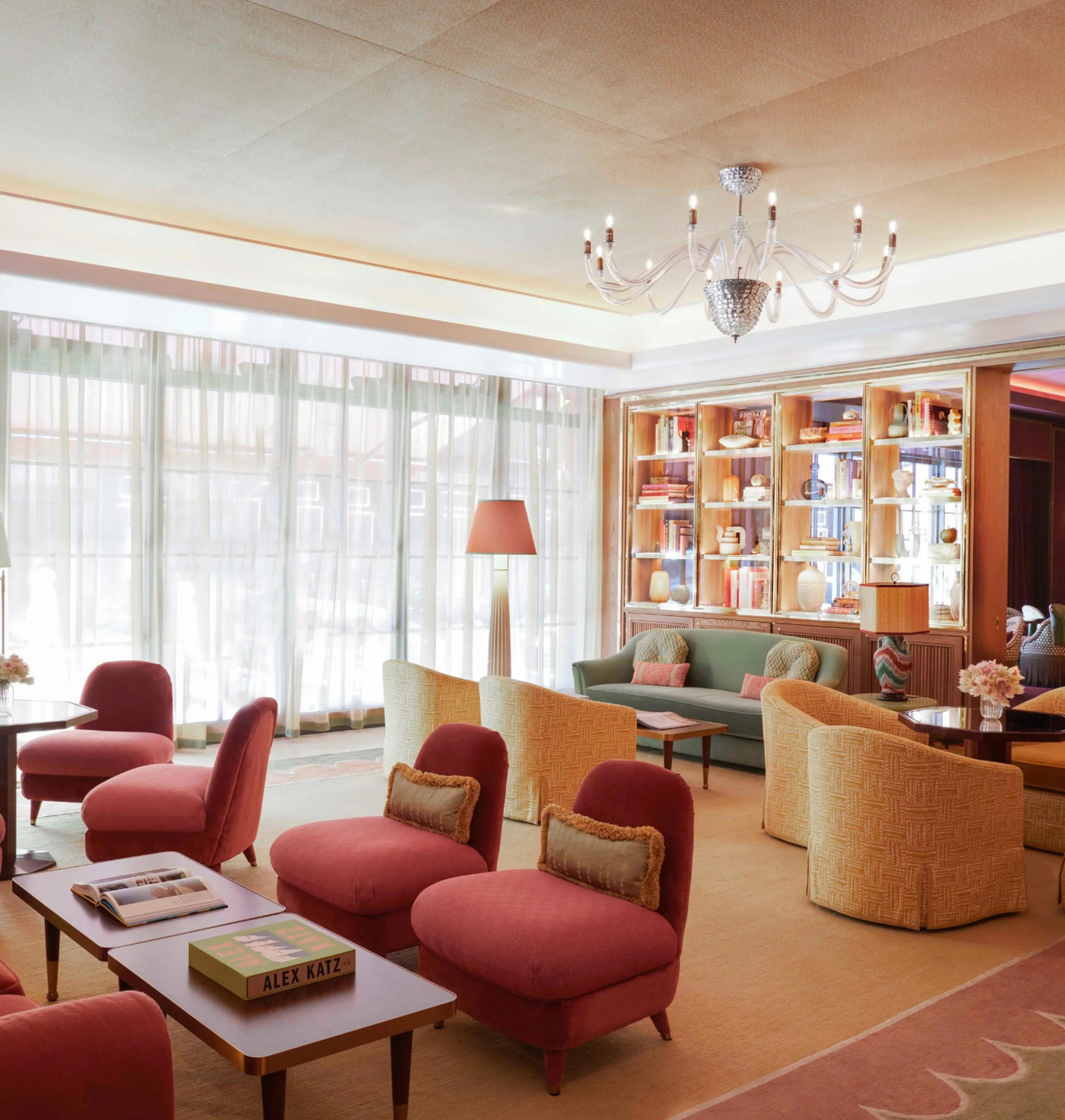
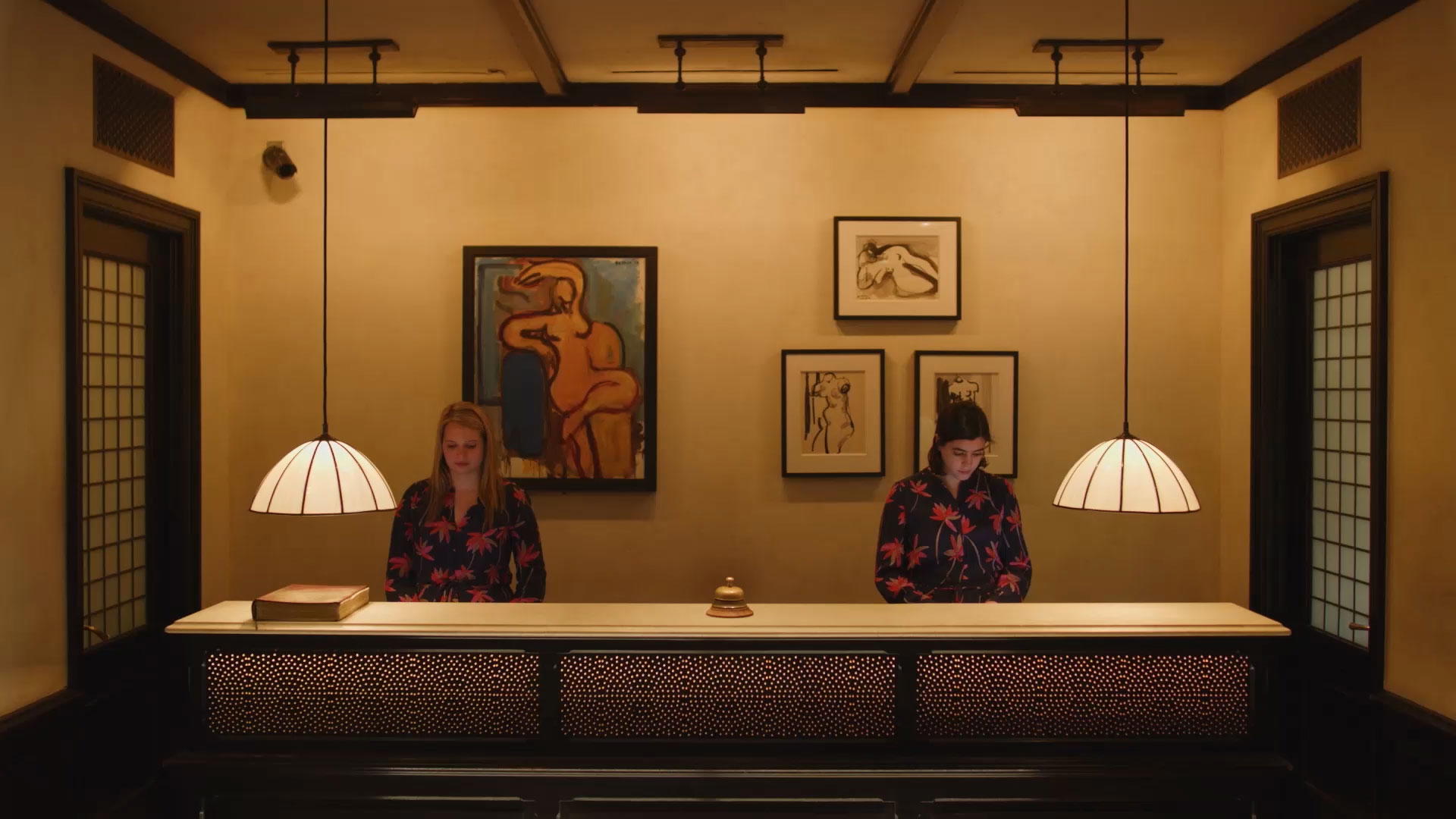
The physical container at Flyfish Club is the clearest statement of its positioning. Private dining clubs at this tier use interior architecture to do work that traditional restaurants leave to kitchen reputation. Where Eleven Madison Park or Per Se occupy spaces with Midtown institutional gravity, Flyfish Club's design language reads as somewhere between a high-end social club and a curated gallery environment. The space is built to signal that the membership fee purchases more than a meal: it purchases a room worth returning to.
That architectural ambition places Flyfish Club in conversation with a small group of American restaurants and dining environments that have made the room itself a core part of the offering. Alinea in Chicago manipulates the physical experience of dining through set design and spatial progression. Lazy Bear in San Francisco uses a communal loft format to reframe the social contract of fine dining. Flyfish Club's approach is less theatrical and more club-like: the design is intended to create a room that members feel ownership over, rather than one that performs for them on a single visit.
For a format that relies on repeat visits from a fixed membership base rather than a rotating door of first-timers, that distinction matters. The room has to earn continued presence, not just initial impression. That is a harder architectural brief than building a dining room designed to photograph well on a single occasion.
Where It Sits in New York's Seafood Hierarchy
New York's premium seafood dining has historically been anchored by a handful of long-running French-influenced institutions. Le Bernardin remains the reference point for classical technique applied to fish and shellfish at the highest level. The Japanese side of the market, represented most clearly by Masa, has established a separate lineage where the fish itself, its sourcing and temperature and cut, is the primary focus rather than sauce or preparation complexity. Flyfish Club occupies a position adjacent to the Japanese lineage while operating through a membership mechanism that removes it from direct comparison with either tradition's conventional format.
The sushi and seafood orientation places it closer to the omakase tier in terms of product sourcing expectations, but the club format means the kitchen serves a known, returning audience rather than a nightly cross-section of first-time visitors. That changes what the kitchen can assume about its guests' familiarity, which in turn changes how the menu can be structured over time. It is a dynamic that premium dining formats elsewhere, including Single Thread Farm in Healdsburg and The French Laundry in Napa, have explored through tasting menu evolution, though neither uses the membership model to achieve it.
The New York Private Club Context
Flyfish Club arrived during a period when private membership clubs were expanding rapidly across Manhattan, driven partly by post-pandemic demand for controlled social environments and partly by a broader cultural appetite for curated access over open availability. That context shaped how the club was received and how it positions itself: as a social infrastructure play as much as a dining one.
The comparison set for this model reaches beyond New York. Providence in Los Angeles and Atomix in New York both operate within the reservation model at premium price points, and both represent what the open-access version of serious seafood and contemporary fine dining looks like. Flyfish Club's membership format is, in effect, a bet that a segment of that audience prefers access restriction and spatial ownership to the democratic-but-competitive booking system that governs the rest of the tier. Globally, the private dining club model has proven viable at venues like Alain Ducasse's Louis XV in Monte Carlo and the prix-fixe institutions of Paris, including Alléno Paris au Pavillon Ledoyen, though neither uses the explicit membership model in the same way.
Planning a Visit
Access to Flyfish Club requires membership, which positions it outside the standard reservation channels used for the rest of New York's premium dining tier. Prospective members should approach the club directly for current membership availability and fee structures, as these details are not publicly listed. For context on where Flyfish Club sits within the broader New York dining scene, our full New York City restaurants guide covers the open-access tier in detail. Those planning a wider New York stay can also reference our New York City hotels guide, our bars guide, and our experiences guide for a fuller picture of the city's premium options. Wine-focused travelers can find additional context in our New York City wineries guide. The club's sushi and seafood orientation means dress expectations align with the top end of New York's smart-casual to formal dining spectrum, though specific dress code requirements should be confirmed at the membership stage.
How Flyfish Club New York City compares with similar nearby venues.
| Venue | Cuisine | Price |
|---|---|---|
| Flyfish Club | sushi/seafood | Not listed |
| Bar Goto | Cocktails - Japanese | Not listed |
| Kisa | Korean | Not listed |
| Prune | French Bistro | Not listed |
| MayRee | Thai | $$ |
Continue exploring
More in New York City
Restaurants in New York City
Browse all →
Bars in New York City
Browse all →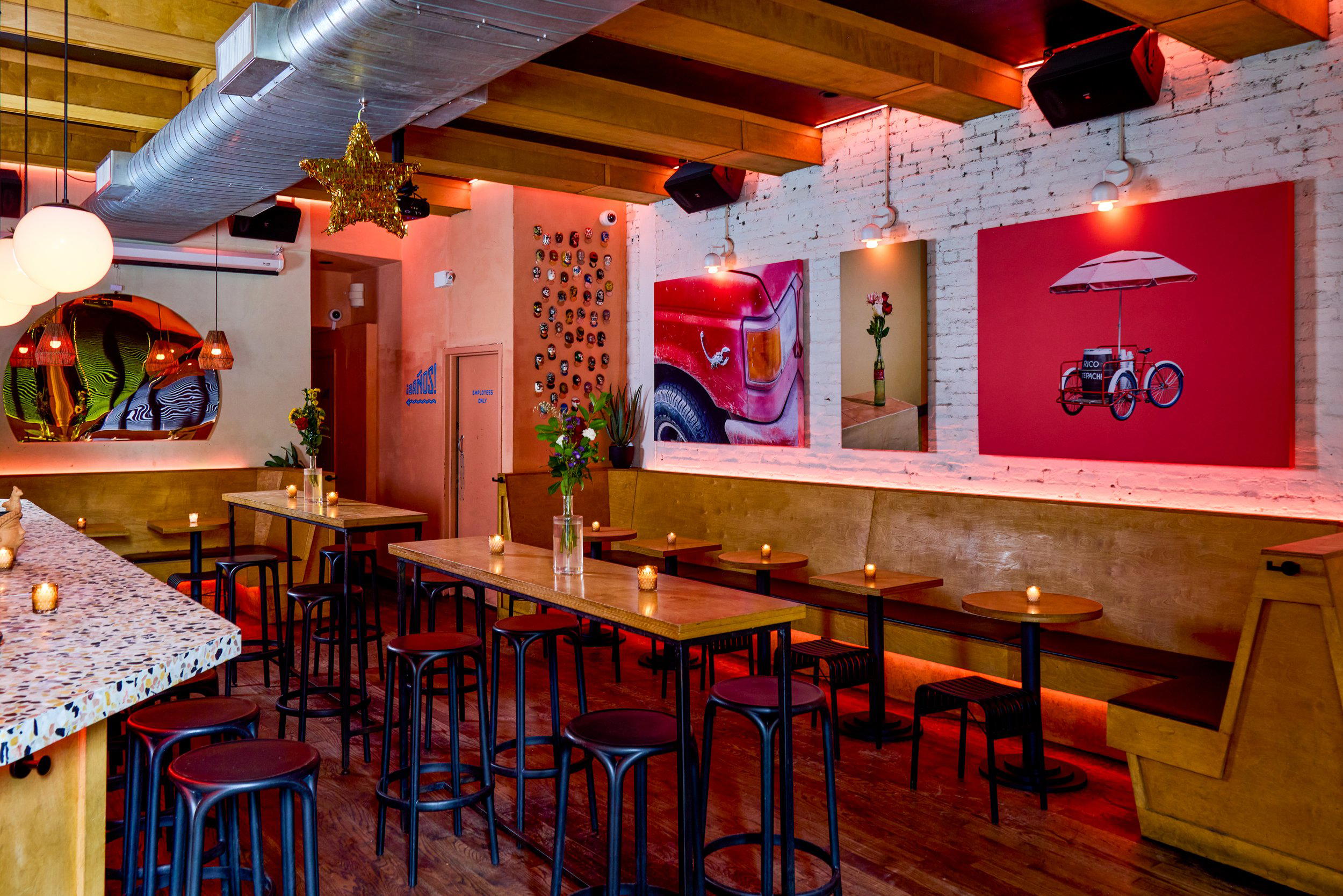
Hotels in New York City
Browse all →




At a Glance
- Modern
- Elegant
- Sophisticated
- Trendy
- Date Night
- Special Occasion
- Business Dinner
- Private Dining
- Chefs Counter
- Craft Cocktails
Current opening hours
- Monday
- Closed
- Tuesday
- 11:30 AM–1 AM
- Wednesday
- 11:30 AM–1 AM
- Thursday
- 11:30 AM–1 AM
- Friday
- 11:30 AM–1 AM
- Saturday
- 5 PM–1 AM
- Sunday
- Closed
Hours can change for holidays and private events. Last verified .
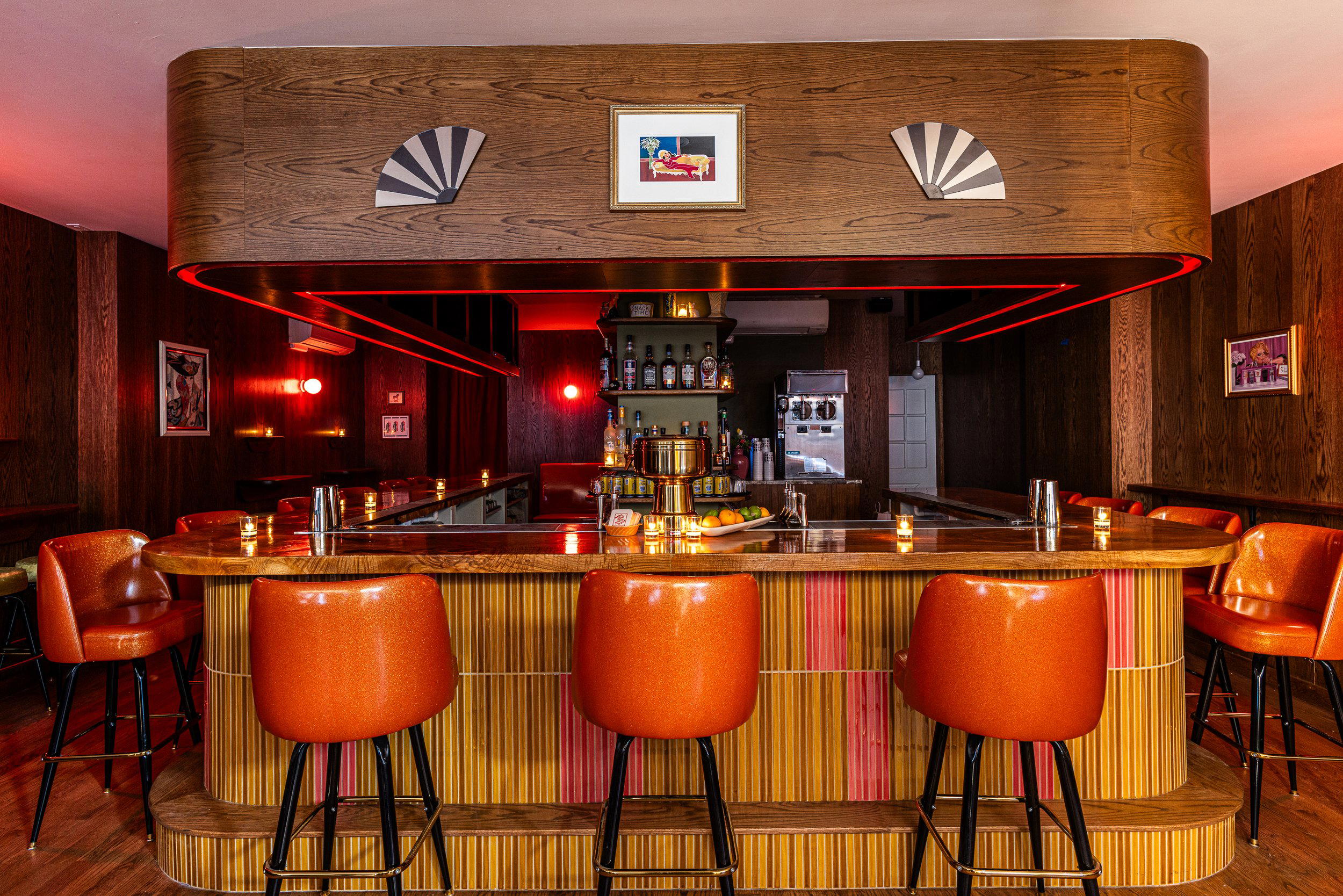
Sophisticated under-the-sea-inspired setting with lively, colorful, and unfussy atmosphere, modern design, plush seating in the speakeasy lounge, and intimate omakase counter.
Know Before You Go
- Getting there
- 141 E Houston St, New York, NY 10002