Fishbone's West
Our verdict
Fishbone's West at 29244 Northwestern Hwy has been a fixture of Southfield's dining scene, anchoring the stretch of Northwestern Highway where suburban Michigan trades strip-mall habit for something with more kitchen ambition. The restaurant draws on the Detroit-area tradition of serious seafood dining outside the city core, placing it in a category where sourcing discipline and plate integrity matter more than downtown zip codes.

Pearl is the En Primeur Club membership app — saves, bookings, and concierge access live there. Same editors, same standards.
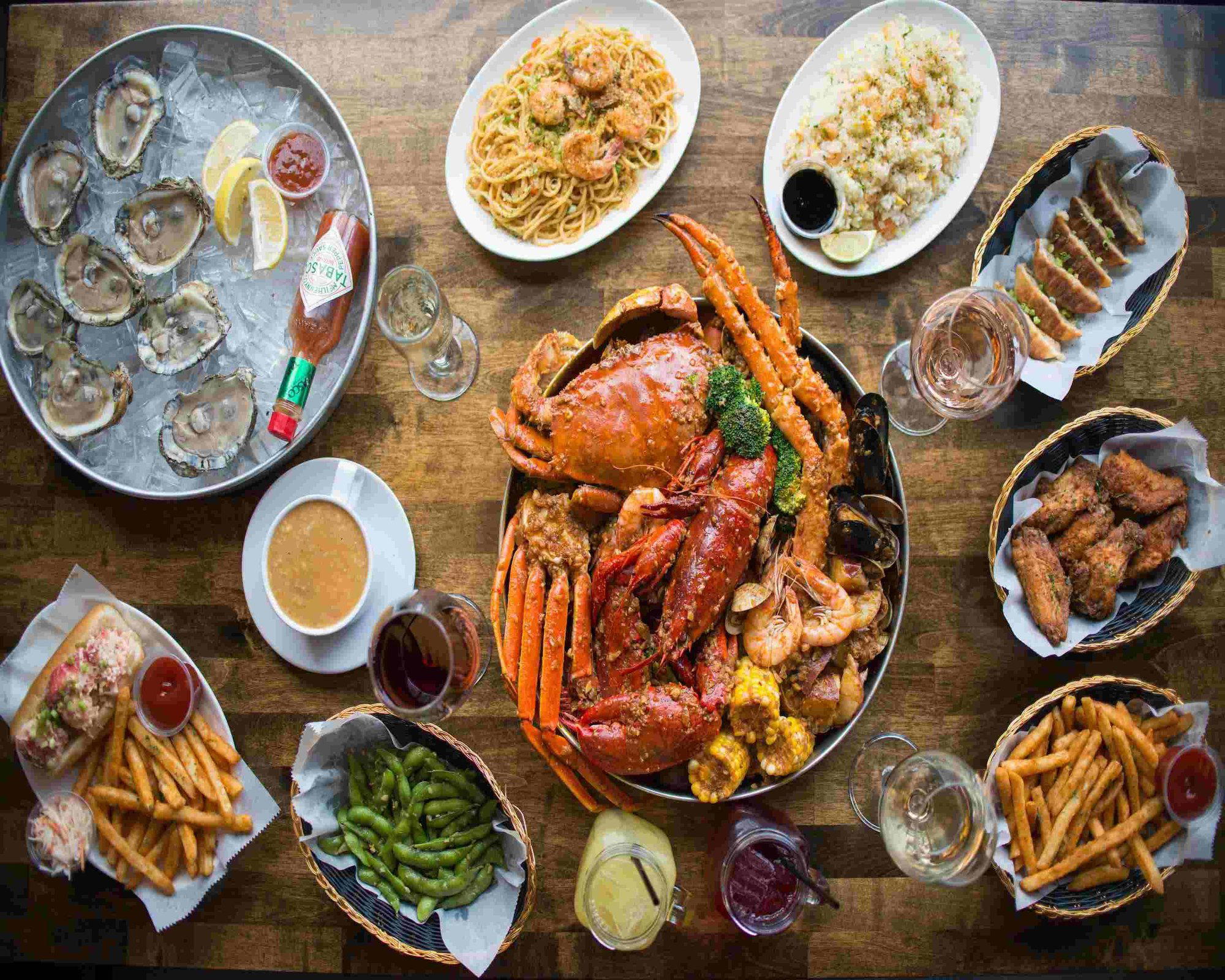
The menu
What to order
- Pasta Orleans
- Gumbo Ya-Ya
- Alligator Voodoo
- Crawfish Étouffée
- Jambalaya
Northwestern Highway and the Suburban Seafood Tradition
Detroit's suburban dining corridor along Northwestern Highway has always operated on its own logic. Southfield, which sits roughly ten miles northwest of downtown Detroit, developed a restaurant culture in the 1980s and 1990s that was less dependent on foot traffic and more dependent on destination loyalty. Diners drove for a specific kitchen, a specific dish, a specific room. Fishbone's West, at 29244 Northwestern Hwy, belongs to that tradition: a seafood-focused restaurant in a market where serious fish cookery has historically required either a drive to the city or a compromise in quality. It occupies the space between those two options, serving a part of metropolitan Detroit that has long supported restaurants willing to take sourcing and preparation seriously.
The broader pattern here matters. Across American cities with strong suburban business districts, seafood restaurants have had to work harder to establish credibility than their urban counterparts. The default assumption is that fish of any real quality flows toward dense urban restaurant districts first. Suburban operators who have built reputations for seafood have typically done so by investing in supply-chain relationships that urban restaurants take for granted, and by building a local audience that returns with frequency rather than novelty. That dynamic shapes how Fishbone's West fits into the Southfield dining conversation. For a fuller picture of where it sits among the area's options, see our full Southfield restaurants guide.
Sourcing in the Great Lakes Region: What the Geography Means
Seafood sourcing in the Midwest carries a specific set of pressures. Unlike coastal markets where proximity to fishing ports compresses the supply chain, Michigan kitchens working with ocean fish depend on the speed and reliability of refrigerated distribution networks running from the coasts inward. The quality gap between a mediocre and a disciplined supplier is measurable on the plate in ways that can be obscured in coastal cities by the general abundance of fresh product. In Detroit's metro area, restaurants that take sourcing seriously tend to be visible about it, because the supply-chain discipline required is genuinely harder to maintain.
There is also the question of what the Great Lakes region itself produces. Freshwater species, including whitefish, walleye, and perch, have supported Michigan's fish cookery for generations. The state's culinary identity has deep ties to lake fish prepared simply, and that tradition sits alongside the broader American appetite for Atlantic and Gulf seafood. A restaurant in Southfield with seafood as a primary focus is operating within both registers simultaneously: the regional freshwater tradition and the national sourcing infrastructure for ocean fish. That dual positioning is its own form of editorial claim about what the kitchen believes it can execute consistently.
The sourcing conversation among American restaurants has sharpened considerably over the past decade. Properties like Blue Hill at Stone Barns in Tarrytown and Single Thread Farm in Healdsburg have built entire identities around supply-chain transparency, treating provenance as the menu's organizing principle. At the other end of the price tier, seafood-focused restaurants across American mid-market dining have had to respond to a better-educated diner who reads menus more carefully than they did fifteen years ago. Oyster Oyster in Washington, D.C. represents a different approach, centering sustainability as structural commitment rather than marketing language. Fishbone's West operates in a different register from those properties, but the sourcing conversation they have normalized has raised expectations at every price point.
The Room and the Register
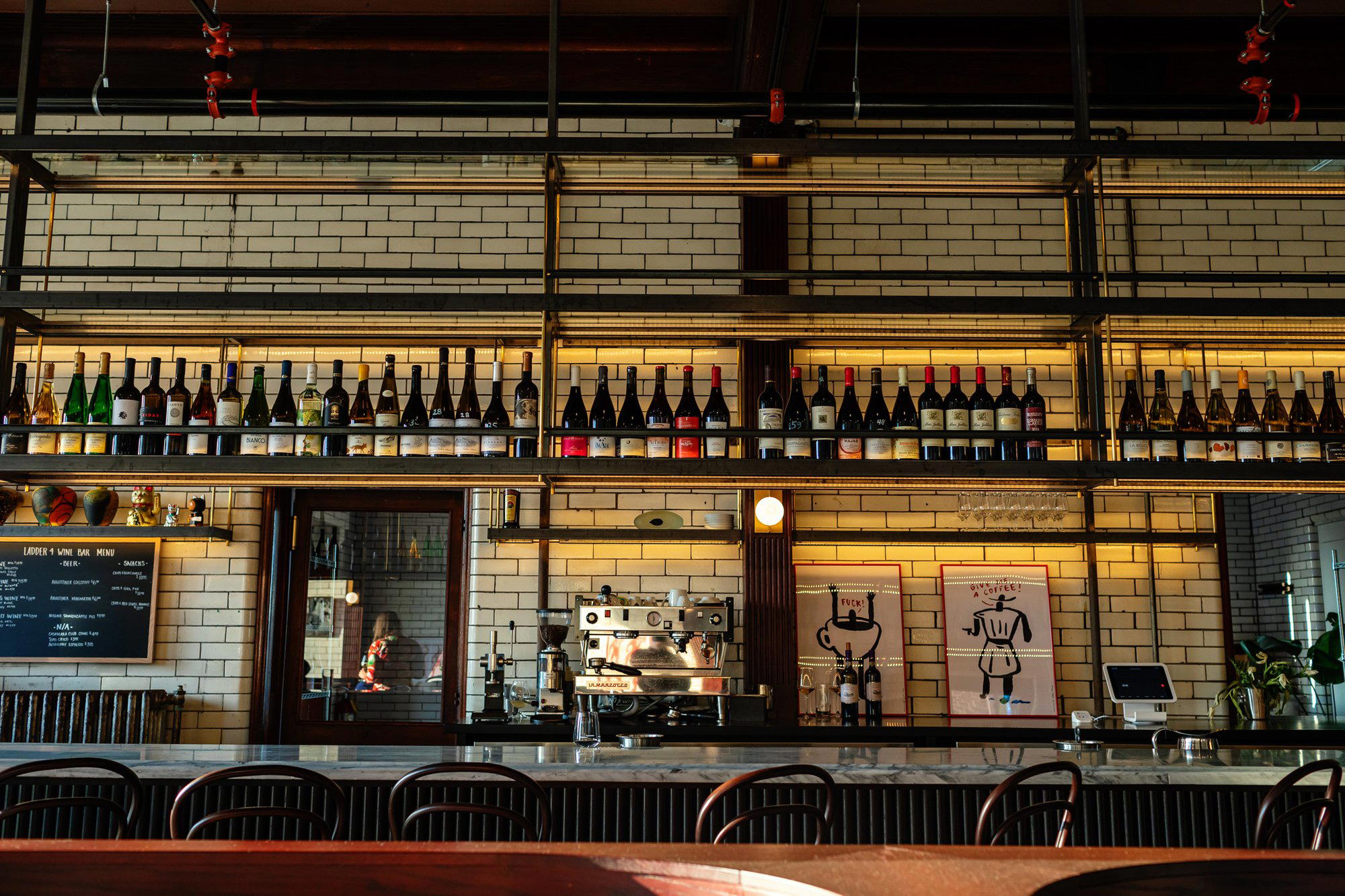
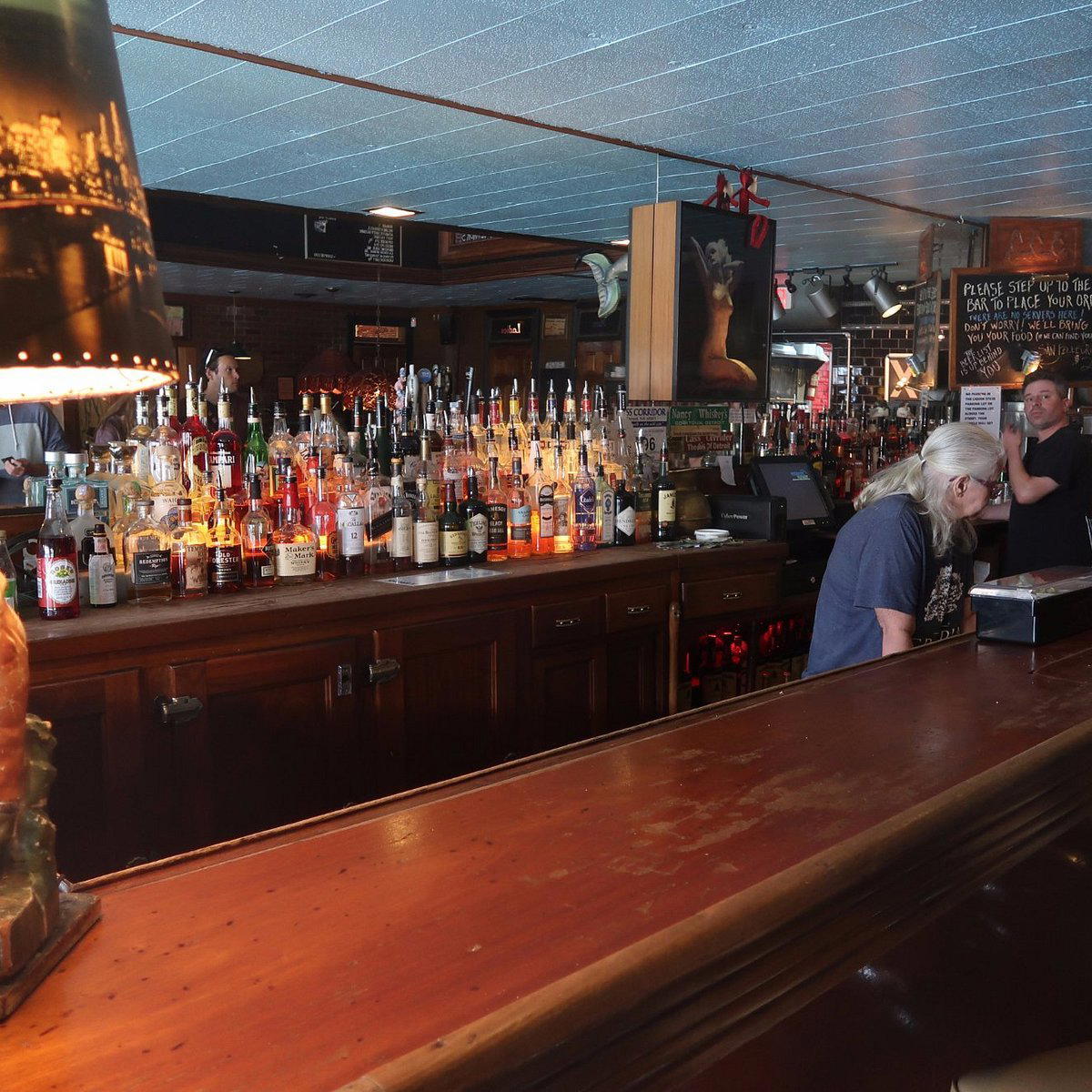
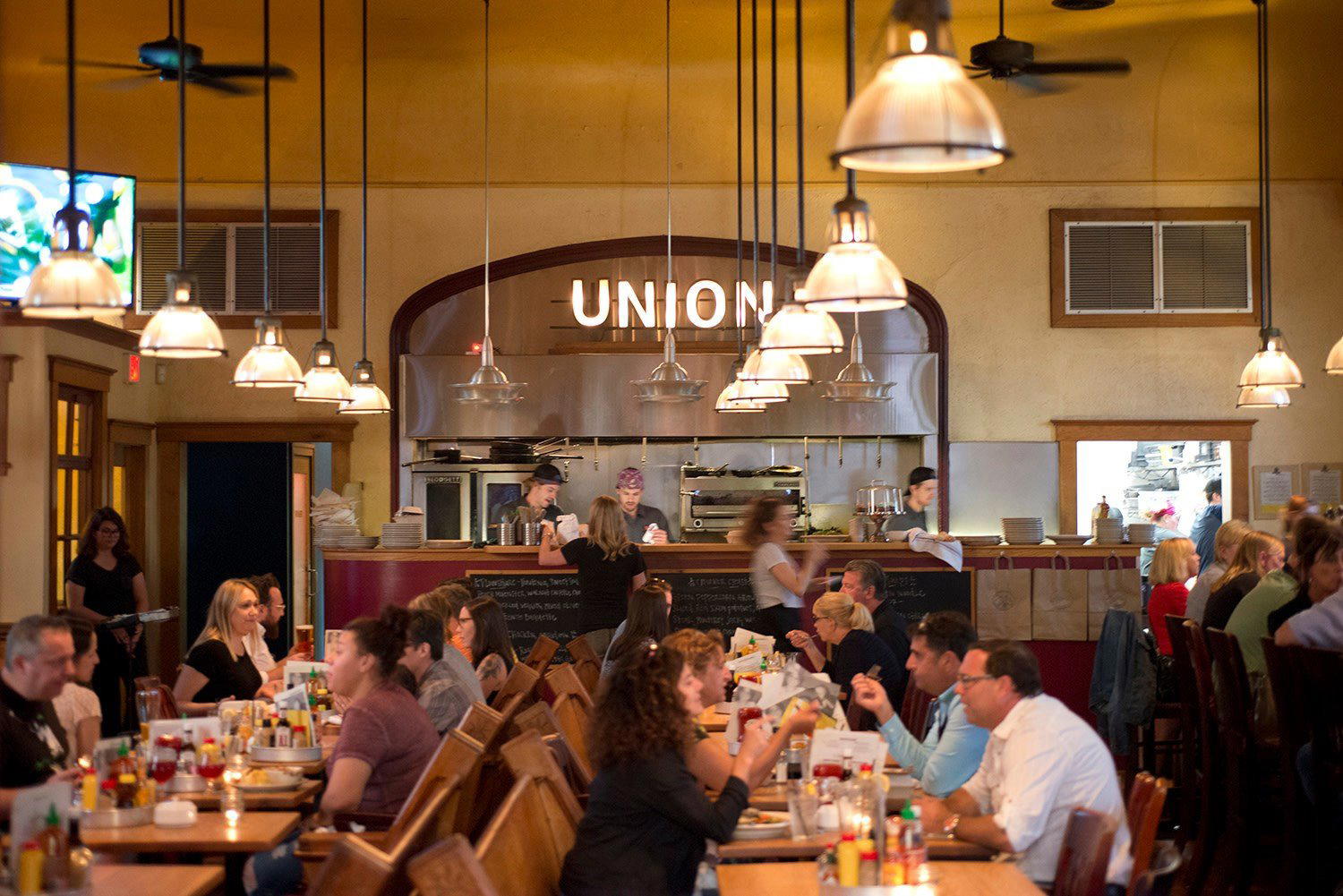
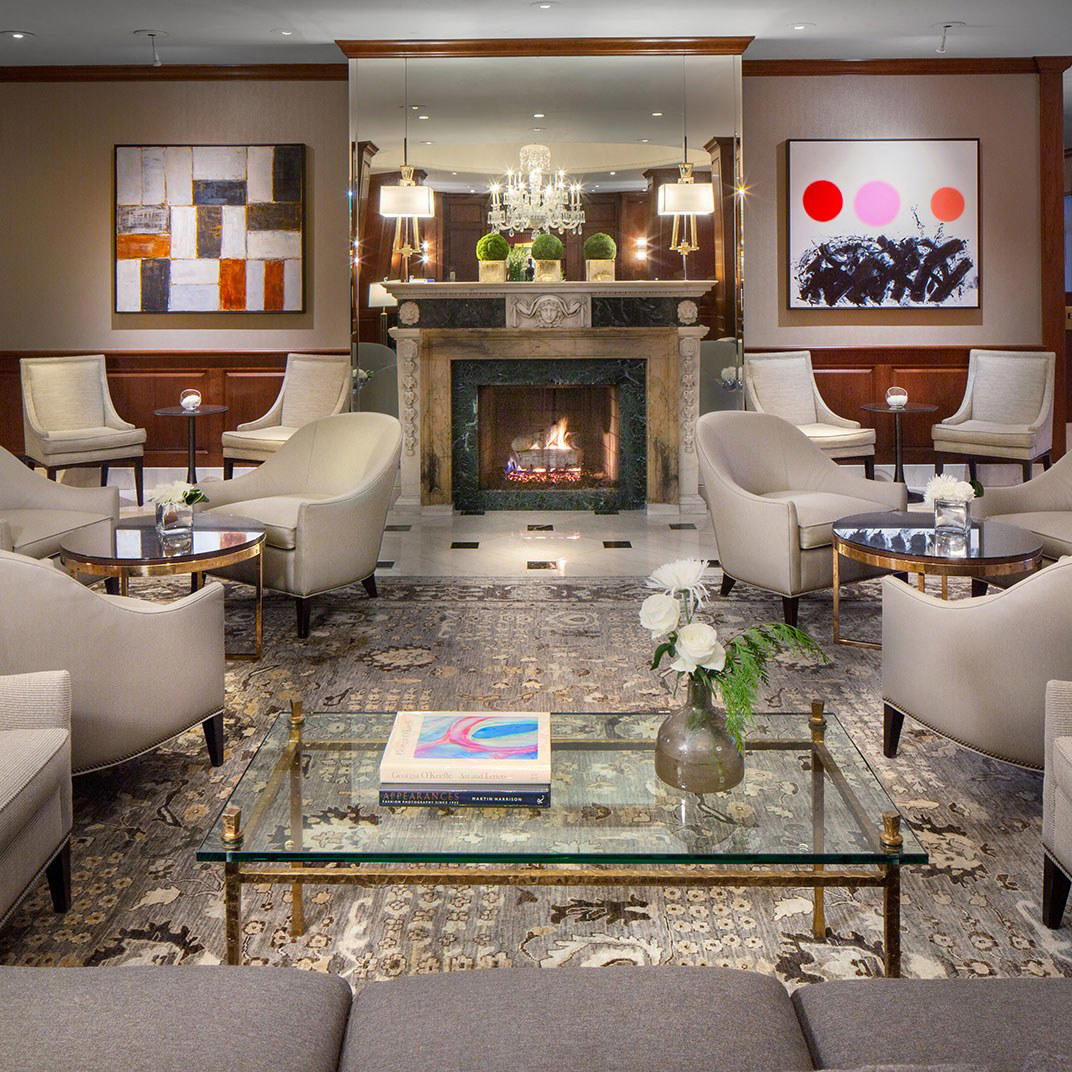
Seafood restaurants at the suburban mid-market level in American dining occupy a particular atmosphere: they tend to run warmer and louder than their fine-dining counterparts, with a generosity of portion and a broadness of menu that reflects the diversity of demand in a room that includes business dinners, family celebrations, and regular weeknight traffic. The design language in these spaces usually signals comfort over minimalism. That is not a criticism. It reflects a deliberate calibration to the actual composition of the dining room, which in Southfield skews toward a professional, established local clientele that has been eating here for years.
The comparison set for understanding this register is not Le Bernardin in New York City or Providence in Los Angeles, which operate at price points and formality levels that represent a distinct tier of American seafood dining. Fishbone's West sits in the category of American seafood restaurants that serve broad, ingredient-driven menus to regulars who are not primarily interested in formality but who do expect quality. Restaurants like Emeril's in New Orleans have demonstrated that this register, when executed with discipline, builds the kind of long-term local loyalty that outlasts trend cycles.
Where It Fits in the Metro Detroit Conversation
Metropolitan Detroit's restaurant geography has always had a complicated relationship between city and suburb. The concentration of wealth in Oakland County communities like Southfield, Troy, and Birmingham created a suburban dining market with genuine purchasing power and appetite for quality, even as Detroit's own restaurant renaissance drew critical attention inward. Southfield specifically developed a dense restaurant corridor that serves a disproportionately large professional population relative to its residential density, and Fishbone's West has been part of that fabric.
The editorial question worth asking is what a seafood restaurant operating in this context has to do to maintain relevance across multiple decades. The answer is usually not novelty. It is consistency of sourcing, consistency of execution, and a room that earns return visits rather than first-timer curiosity. That model differs substantially from the approach at tasting-menu destinations like Lazy Bear in San Francisco, Smyth in Chicago, or Atomix in New York City, which are built on the logic of singular, unrepeatable experiences. The suburban American seafood restaurant survives, instead, by being the place people already know. Comparable durability appears in properties like Bacchanalia in Atlanta and Frasca Food and Wine in Boulder, which have built long-term relevance in mid-sized American cities through kitchen consistency and community integration rather than media cycles.
The ingredient-sourcing angle that defines serious seafood cooking is also the axis on which restaurants like this one earn or lose local trust over time. Diners in established suburban markets are often better calibrated to quality variation than the first-time visitor, precisely because they have eaten at the same restaurant dozens of times. That scrutiny is its own form of quality control.
Planning Your Visit
Fishbone's West is located at 29244 Northwestern Hwy in Southfield, Michigan 48034, on a stretch of road that is accessible by car and surrounded by ample parking typical of the suburban commercial corridor. For current hours, pricing, and reservation availability, direct contact with the restaurant or a current search is advisable, as specific operational details are subject to change. Visitors traveling from downtown Detroit should allow for Northwestern Highway traffic, which can run heavy during evening rush. The restaurant draws a cross-section of the Southfield professional community, making weekday evenings reliably active and weekends typically busier. Those prioritizing a quieter experience may find early-week seatings more accommodating.
For context on how Fishbone's West relates to ingredient-driven seafood programs at the higher end of the national spectrum, the work being done at ITAMAE in Miami, The Wolf's Tailor in Denver, The Inn at Little Washington, and Atelier Moessmer Norbert Niederkofler in Brunico offers useful reference points for how sourcing philosophy plays out across price tiers and geographies.
Frequently asked questions
Is Fishbone's West suitable for children?
Southfield's Northwestern Highway corridor runs heavily toward family dining, and mid-market seafood restaurants in this tier of the metro Detroit market routinely accommodate children. Fishbone's West sits at 29244 Northwestern Hwy in a car-accessible suburban setting that supports exactly that kind of mixed-group visit.
Is Fishbone's West better for a quiet night or a lively one?
Seafood restaurants positioned along active suburban corridors like Northwestern Highway in Southfield tend to run with a consistent ambient energy, particularly during weekend service. The Fishbone's name carries community recognition across metro Detroit, which typically translates to a fuller room rather than a hushed one. If a quieter setting is the priority, an early weekday reservation is the more reliable approach.
How does Fishbone's West relate to the original Fishbone's Rhythm Kitchen Cafe in Detroit?
The Fishbone's name in metro Detroit is closely associated with Fishbone's Rhythm Kitchen Cafe, a Cajun and Creole-influenced restaurant that built a following in the city proper. Fishbone's West on Northwestern Hwy in Southfield represents the brand's reach into Oakland County's suburban dining corridor, roughly ten miles northwest of Detroit's core.
What's the best thing to order at Fishbone's West?
Current menu data is not available for Fishbone's West, so naming a specific dish would be speculative. The restaurant's seafood positioning within the Fishbone's brand tradition, which has roots in Cajun and Creole-influenced cooking in metro Detroit, suggests that Gulf-style preparations have historically anchored the menu. Confirming current offerings directly with the restaurant at 29244 Northwestern Hwy, Southfield is the practical step before visiting.
Quick Comparison
Comparable venues nearby, for context on price, style, and recognition.
| Venue | Cuisine | Price | Notes |
|---|---|---|---|
| Fishbone's WestThis venue — the venue you are viewing | New Orleans Creole & Cajun with Asian Fusion | $30–50 | Not listed |
| Red Crab Juicy Seafood | Cajun Seafood Boil | $20–30 | Sterling Heights |
| Fishbone's St. Clair Shores | New Orleans Seafood & Steaks with Sushi | $30–50 | St. Clair Shores |
| Mink Detroit | Modern Seafood Raw Bar | $50–100 | Corktown |
| Ostrea | Modern American Seafood | $30–50 | Financial District |
| Terra Kitchen & Cocktails | New American Fusion | $30–50 | Downtown Birmingham |
Continue exploring
More in Southfield
Restaurants in Southfield
All restaurants in Southfield →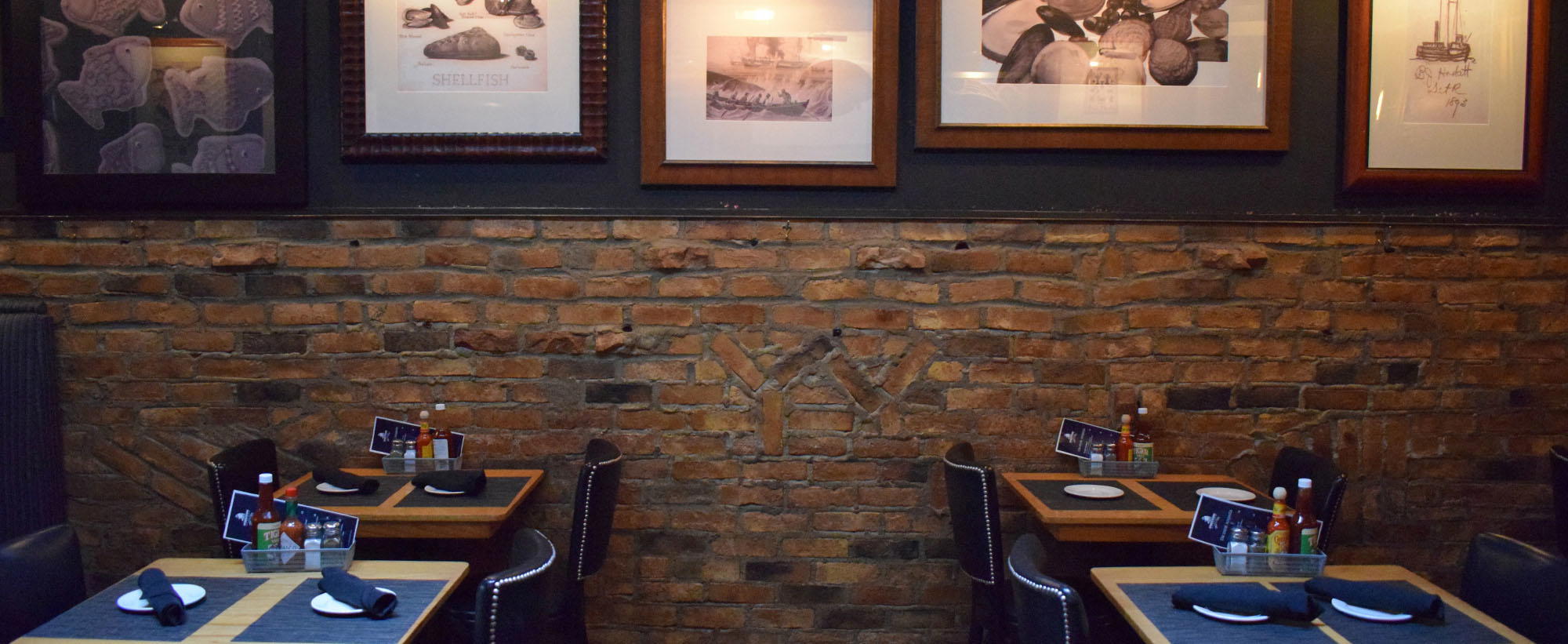
Bars in Southfield
Browse all →
Details
- Lively
- Classic
- Energetic
- Group Dining
- Casual Hangout
- Family
- Celebration
- Standalone
- Beer Program
- A La Carte
- Cocktails
- Beer
- Pescatarian Friendly
Current opening hours
- Monday
- 11:30 AM–10 PM
- Tuesday
- 11:30 AM–10 PM
- Wednesday
- 11:30 AM–10 PM
- Thursday
- 11:30 AM–10 PM
- Friday
- 11:30 AM–10:30 PM
- Saturday
- 11:30 AM–10:30 PM
- Sunday
- 11:30 AM–10 PM
Hours can change for holidays and private events. Last verified .
Casual dining atmosphere with friendly, attentive service; energetic and welcoming environment celebrating Louisiana culture.