Firehouse Restaurant
Firehouse Restaurant occupies a converted fire station on NE Dekum Street in Portland's Woodlawn neighborhood, placing it among the Northeast Portland dining corridor that has drawn serious attention over the past decade. The building's original industrial bones set the physical tone, and the surrounding block puts it in close company with the kind of neighborhood-anchored restaurants that define Portland's approach to accessible, ingredient-driven cooking.
Pearl is the En Primeur Club membership app — saves, bookings, and concierge access live there. Same editors, same standards.
- Address
- 711 NE Dekum St, Portland, OR 97211
- Phone
- +1 503 954 1702
- Website
- firehousepdx.com
- Directions
- Get directions
 Saves & bookings on Pearl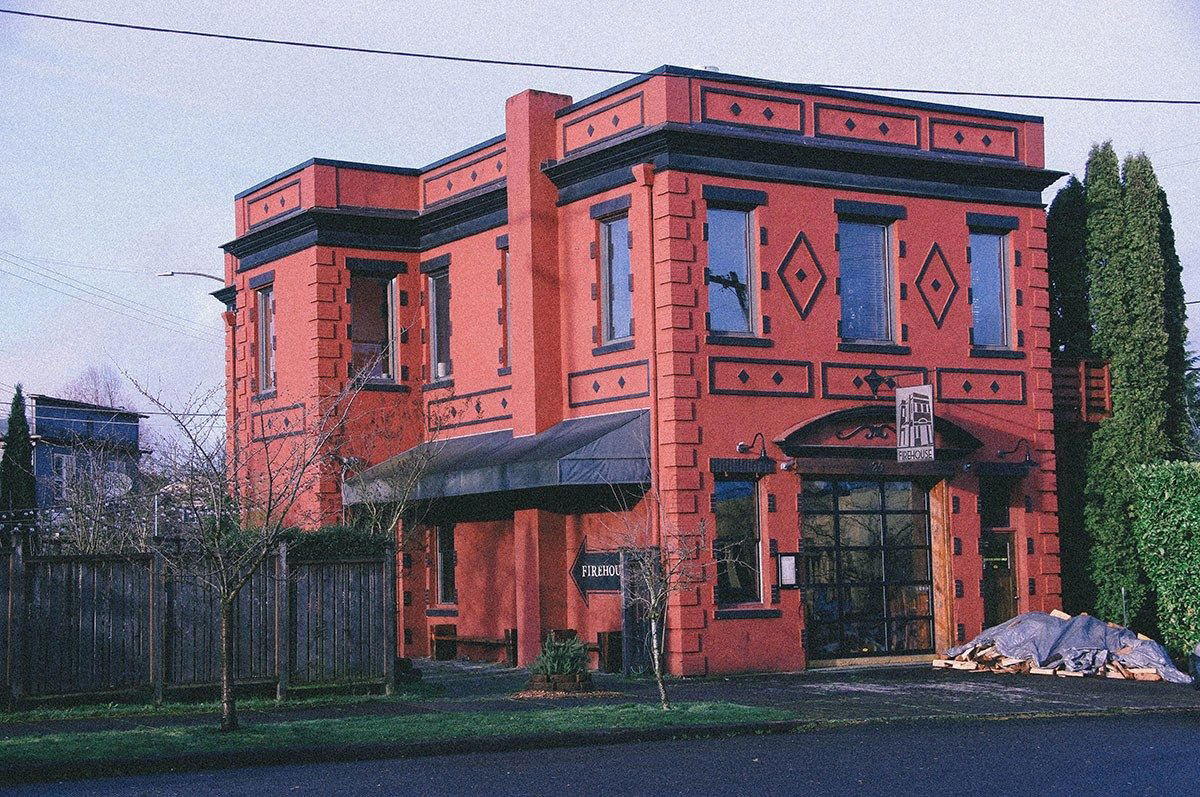
A Building That Does the Work Before the Kitchen Does
Portland's Northeast corridor has spent the better part of a decade accumulating the kind of restaurant density that once belonged exclusively to the Pearl District and downtown. NE Dekum Street sits inside that shift, and Firehouse Restaurant occupies one of the street's most architecturally distinct addresses: a converted fire station at 711 NE Dekum that carries its original identity in the structure itself. High ceilings, wide bays where apparatus once sat, and the kind of spatial generosity that converted industrial buildings tend to inherit, this is a room that was designed for function long before it was designed for dining, and that history is legible in every proportion.
That physical container matters more than it might at a purpose-built restaurant. In a city where the dominant dining format skews toward compact, counter-facing rooms and tightly spaced tables, a converted fire station offers something genuinely different in terms of volume and light. The spatial experience positions Firehouse within a smaller cohort of Portland restaurants where the building itself is part of the editorial argument, venues whose architecture shapes the dining register before a single dish arrives.
Woodlawn and the Northeast Portland Dining Corridor
The neighborhood context is worth understanding before booking. Woodlawn sits north of the denser Alberta Arts District corridor, and NE Dekum Street functions as a quieter, more residential dining strip rather than a destination block in the way that Mississippi Avenue or Division Street operate. That positioning gives Firehouse a neighborhood-restaurant quality that distinguishes it from the more programmatic dining rooms closer to the central city. Guests arriving here are largely doing so with intention; this is not a walk-in-from-the-hotel address.
Portland's approach to neighborhood dining has long favored this kind of embedded, community-anchored model. The restaurants that have built particularly durable reputations in this city, venues like Nostrana (Italian) on the east side, Ken's Artisan Pizza (Pizzeria) in the Kerns neighborhood, or Langbaan (Thai) operating within a smaller footprint, tend to be places that serve a defined local community first and draw a wider audience second. Firehouse sits in that tradition, geographically and in terms of its built-environment identity.
For comparison against Portland's newer generation of destination dining, Berlu (Vietnamese) and Kann (Haitian) represent a more formatted, reservation-driven tier of the city's restaurant scene. Firehouse occupies a different register: more neighborhood in cadence, more architectural in identity, less structured in format.
The Physical Space as a Frame for the Experience
Converted spaces carry their own editorial logic. When a fire station becomes a restaurant, the design challenge is whether to erase the original use or to lean into it, and the more interesting conversions tend toward the latter. A fire station's proportions, the ceiling height that accommodated ladder trucks, the wide-door openings, the functional concrete and brick, create a visual register that most purpose-built dining rooms cannot replicate. These are spaces that were built to house large equipment and large crews, and that scale translates into dining rooms where the noise floor is lower, sight lines are longer, and the experience of being in the room is less compressed.
That spatial quality places Firehouse in a different competitive tier from the intimate counter-dining format that dominates Portland's higher-end dining conversation. Where venues like those at the tasting-menu end of the market use constraint and proximity as design tools, a converted station works with volume and openness. Neither approach is superior; they serve different dining registers and different reader decisions.
Portland in a Wider American Context
It is useful to position Portland's neighborhood dining model against what is happening in peer cities. At the format level, the community-anchored, architecturally distinct restaurant that Firehouse represents has parallels in how cities like San Francisco, New York, and Chicago have absorbed older industrial buildings into their dining fabrics. Lazy Bear in San Francisco and Smyth in Chicago both operate in spaces where the physical container is part of the identity argument, though at a higher price point and with more programmatic formats than a neighborhood restaurant typically sustains.
At the formal end of American dining, venues like Le Bernardin in New York City, The French Laundry in Napa, Providence in Los Angeles, Blue Hill at Stone Barns in Tarrytown, Addison in San Diego, The Inn at Little Washington, Atomix in New York City, Atelier Moessmer Norbert Niederkofler in Brunico, Single Thread Farm in Healdsburg, and Emeril's in New Orleans represent a tier where space, service, and sourcing are all operating at scale. Firehouse does not compete in that tier; it occupies the neighborhood-anchor register where the building's character and community function are the primary value proposition.
Planning a Visit
Firehouse Restaurant sits at 711 NE Dekum Street in Portland's Woodlawn neighborhood, accessible from the central city via the Yellow Line MAX to the Killingsworth station, from which the restaurant is a short distance by bike or rideshare along NE Dekum. Given the residential neighborhood setting and the converted-building format, this is a venue better suited to planning ahead than to spontaneous drop-ins. Visitors who are organizing time across Portland's northeast dining corridor would do well to pair a Firehouse visit with exploration of the broader NE Portland scene; our full Portland restaurants guide maps the city's dining geography in detail.
This is standard practice for any Portland neighborhood restaurant, where hours frequently reflect the rhythm of the local community rather than fixed commercial schedules.
The Quick Read
Comparable venues nearby, for context on price, style, and recognition.
| Venue | Cuisine | Price | Notes |
|---|---|---|---|
| Firehouse RestaurantThis venue — the venue you are viewing | Not listed | $$ | Not listed |
| Caffe Mingo | Nob Hill, Simple Italian Trattoria | $$ | Not listed |
| Cibo | Not listed | $$ | Richmond, Neighborhood Italian with Wood-Fired Pizza |
| Caro Amico Italian Cafe | Lair Hill, Traditional Italian Trattoria | $$ | Not listed |
| Flying Pie Pizzeria | Montavilla, Hand-Tossed Portland Pizza | $$ | Not listed |
| The Star Portland | Pearl, Chicago-Style Deep Dish Pizza | $$ | Not listed |
Continue exploring
More in Portland
Restaurants in Portland
Browse all →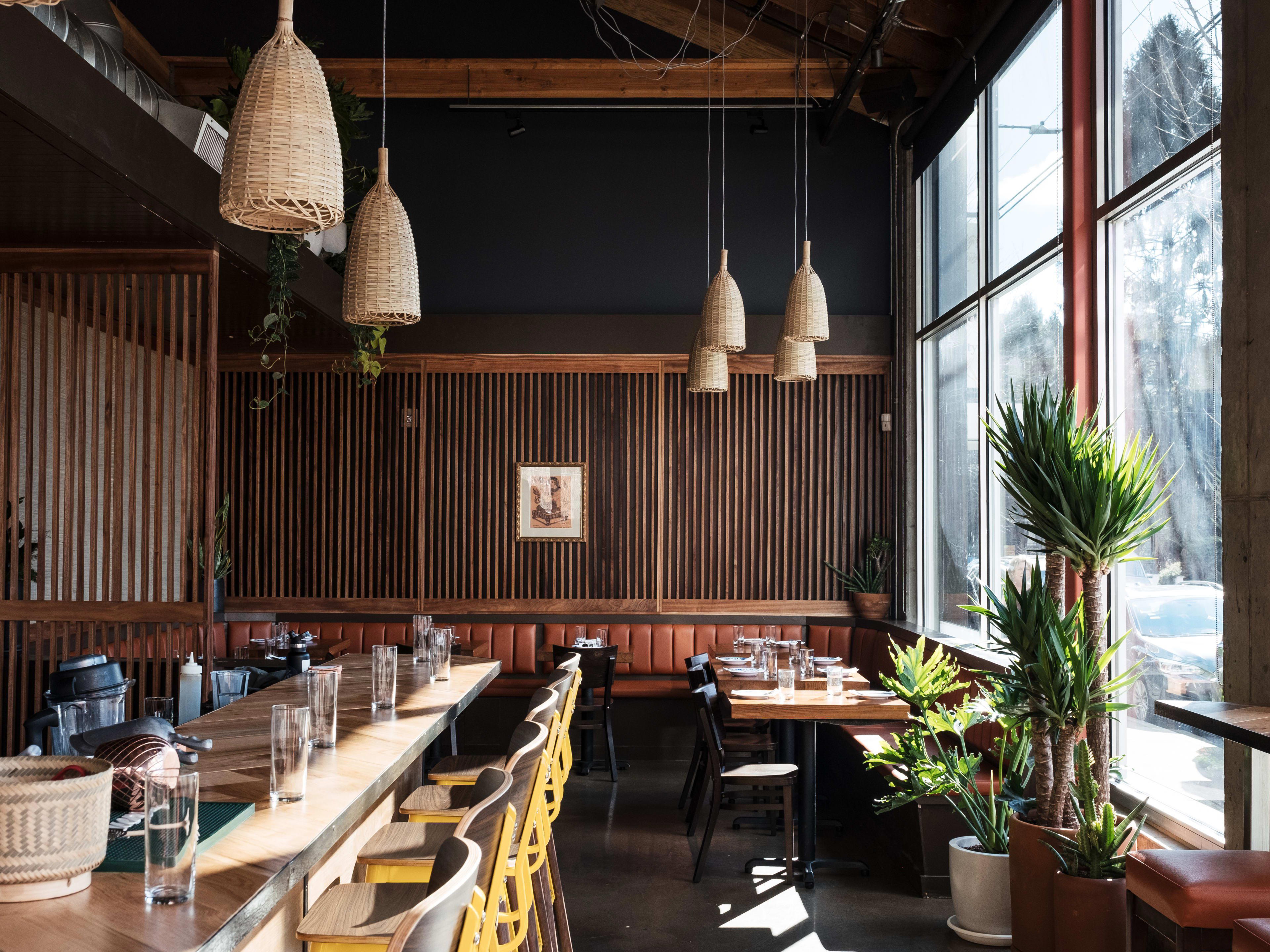
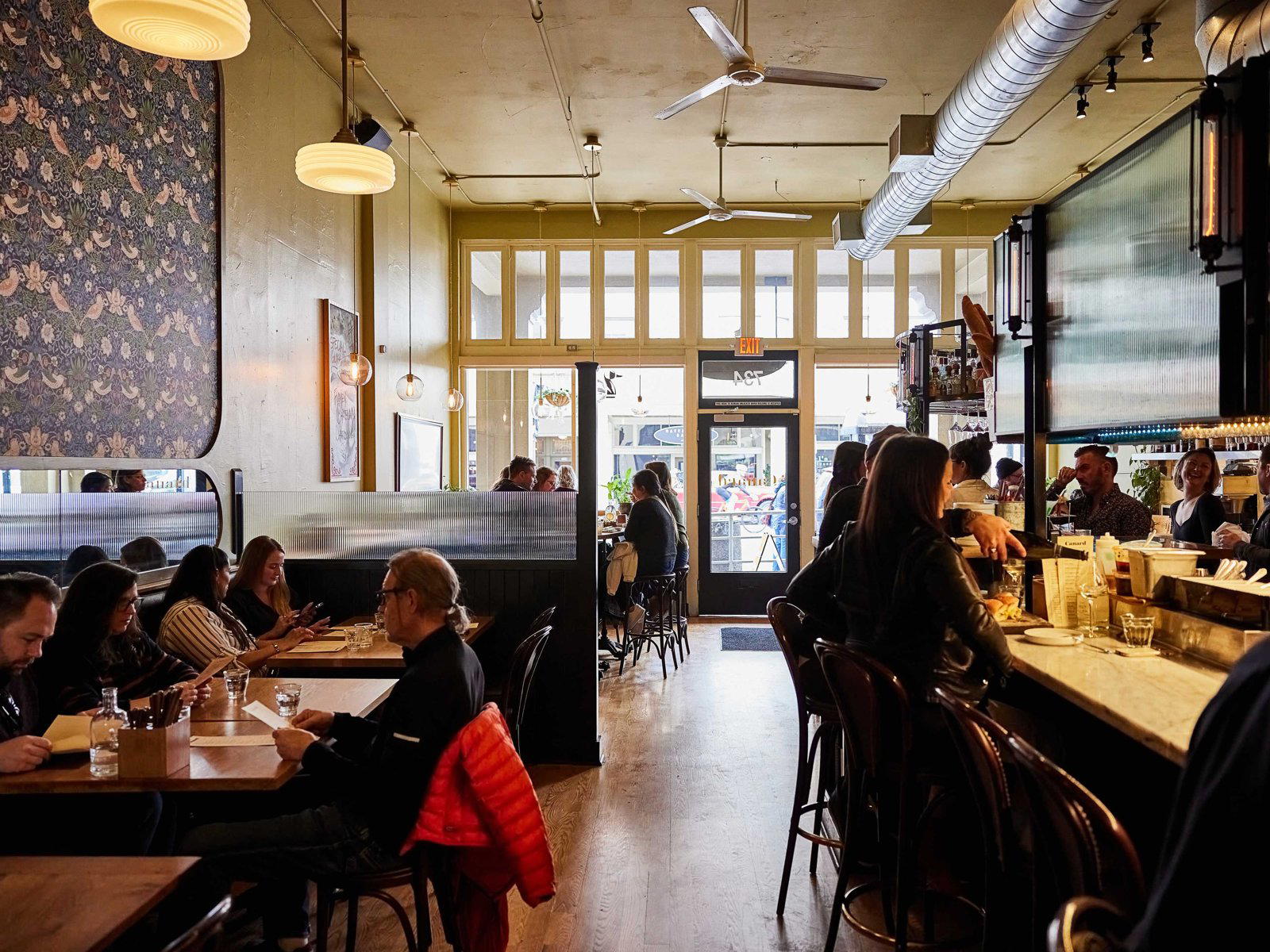
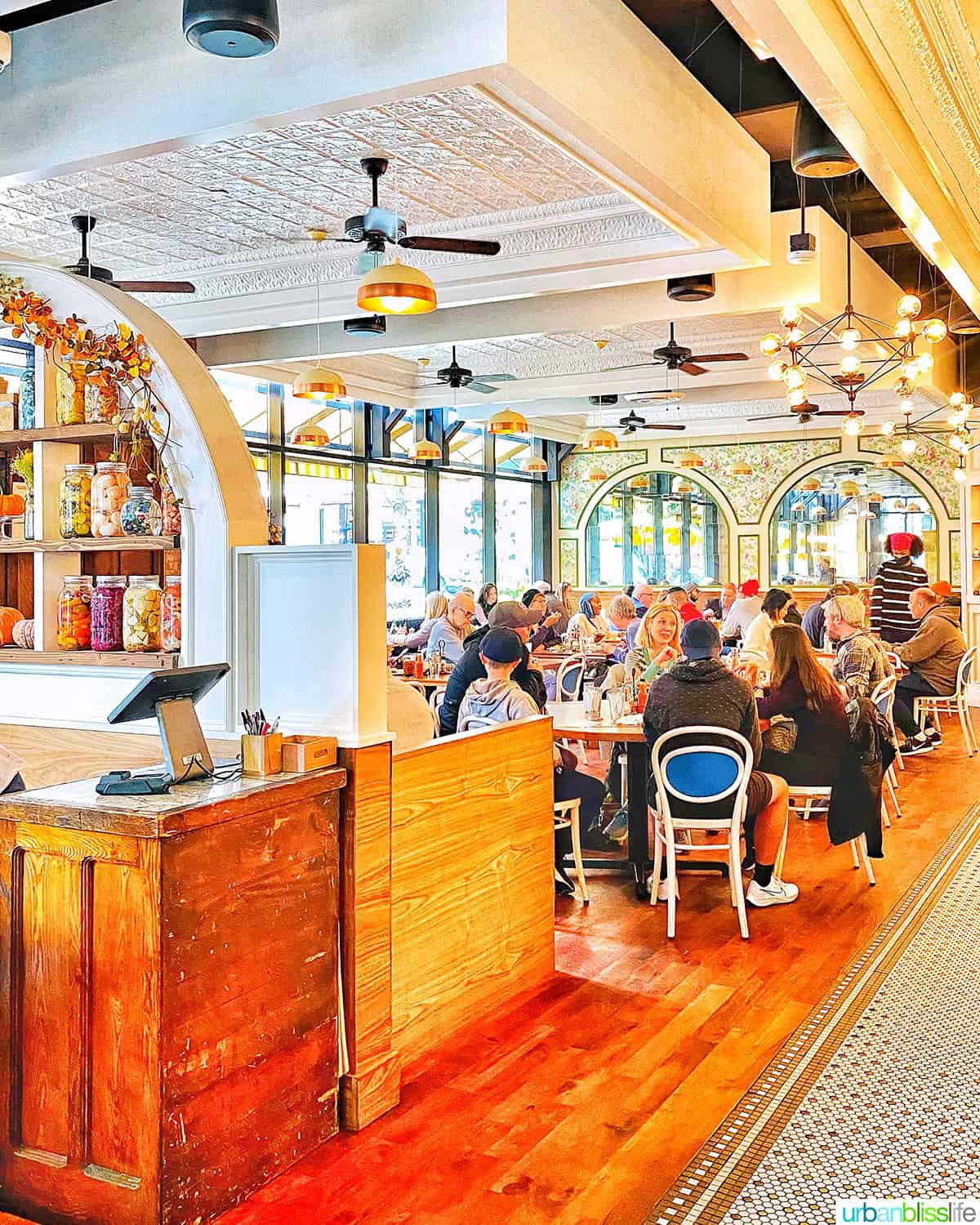
Bars in Portland
Browse all →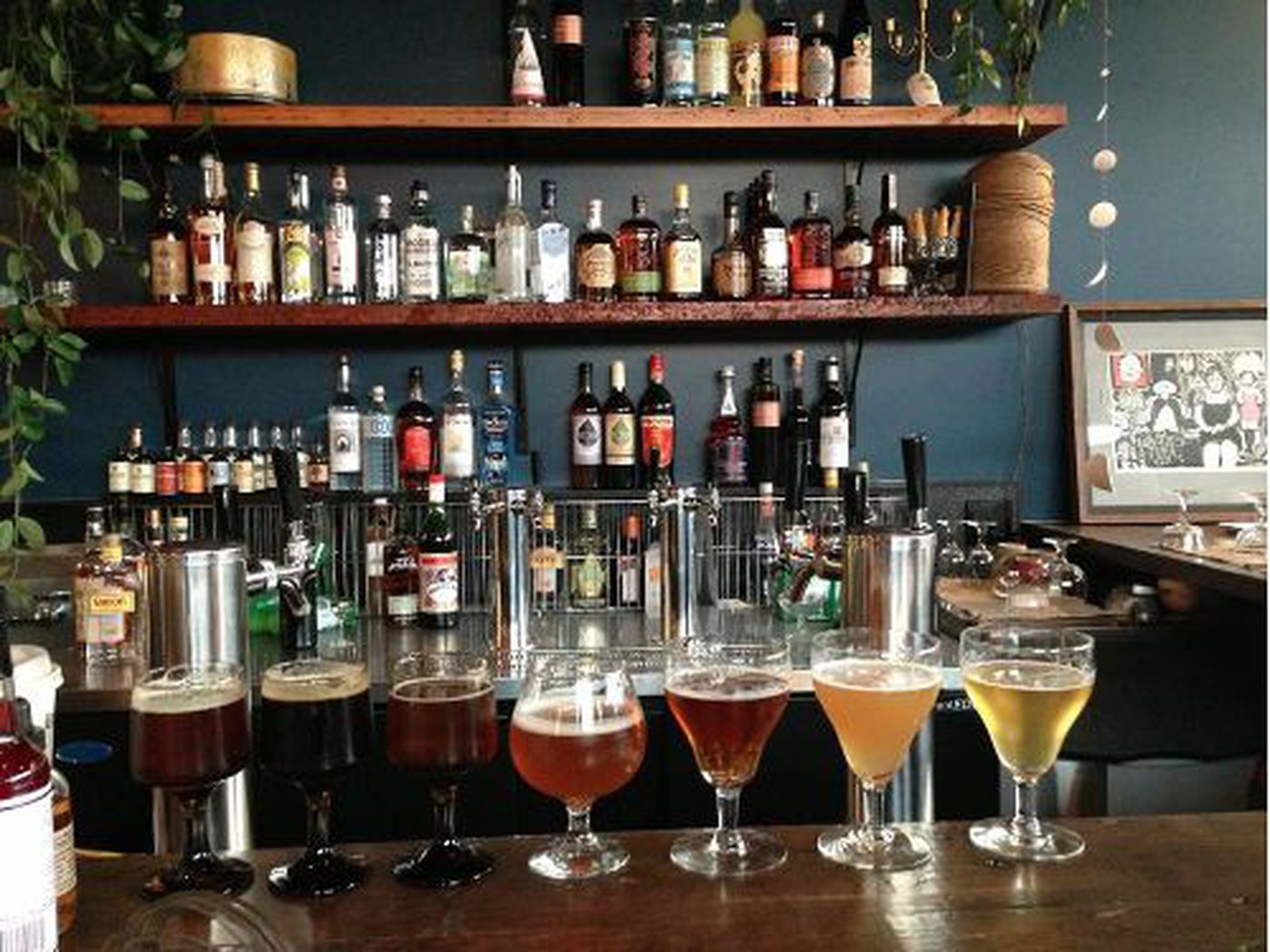
Hotels in Portland
Browse all →
At a Glance
- Cozy
- Rustic
- Historic
- Intimate
- Date Night
- Casual Hangout
- Group Dining
- Historic Building
- Open Kitchen
- Extensive Wine List
- Local Sourcing
Current opening hours
- Monday
- Closed
- Tuesday
- Closed
- Wednesday
- 5–8 PM
- Thursday
- 5–8 PM
- Friday
- 5–9 PM
- Saturday
- 5–9 PM
- Sunday
- 5–8 PM
Hours can change for holidays and private events. Last verified .
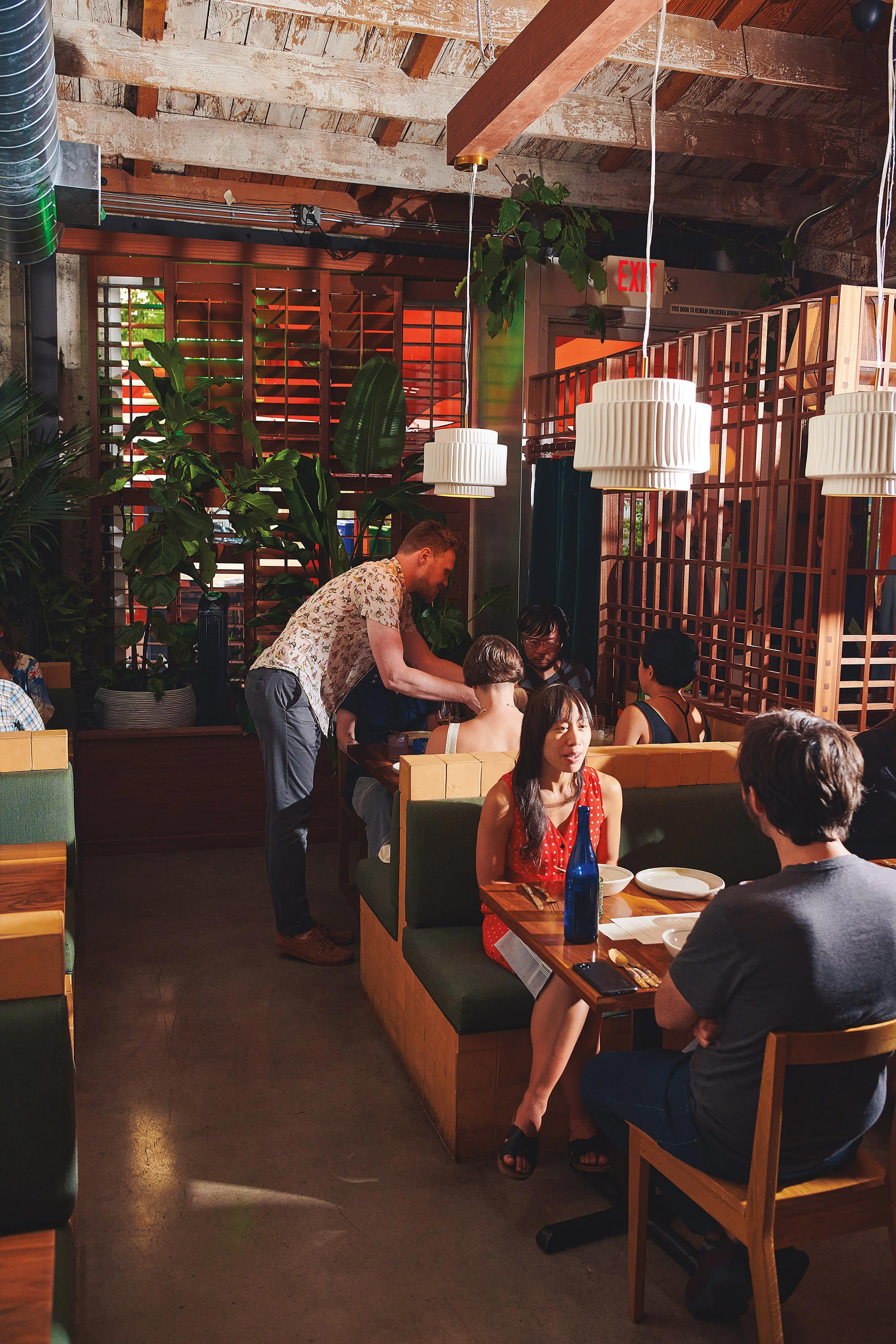
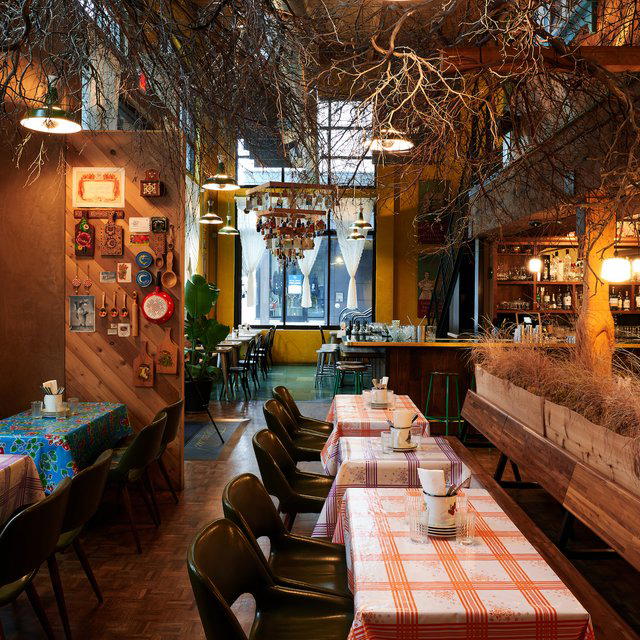
Warm and cozy atmosphere with wood oven smells, brick walls, vintage photos, and a quaint neighborhood feel.