Firehouse Bistro
Our verdict
Firehouse Bistro occupies a storied address at 2991 Woodside Road in Woodside, California, placing it at the quiet intersection of Peninsula dining tradition and the agricultural character that defines this stretch of the Santa Cruz foothills. The bistro format suits a town where dining expectations run toward substance over spectacle, drawing locals who treat the room as a weekly ritual rather than an occasion.

Pearl is the En Primeur Club membership app — saves, bookings, and concierge access live there. Same editors, same standards.
- Address
- 2991 Woodside Rd, Woodside, CA 94062
- Phone
- (650) 851-4988
- Hours
- Mon ClosedTue–Sat 5–9 PMSun Closed
- Website
- woodsidefirehousebistro.com
- Directions
- Get directions
- Booking
- Book on OpenTable
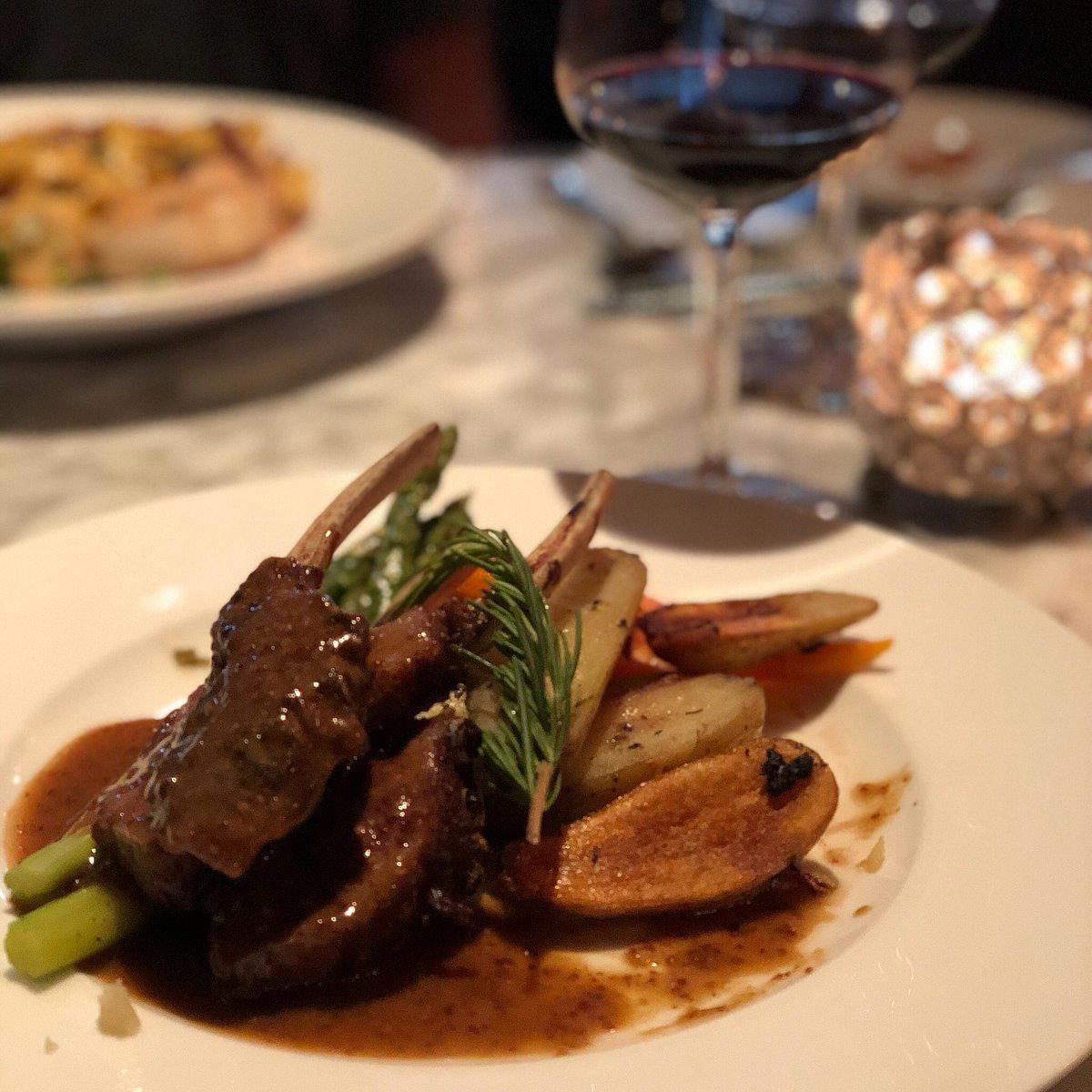
The menu
What to order
- Kurobuta Pork Chop
- Firehouse Burger
Where the Peninsula Pulls Back from the City
Woodside sits at an interesting pressure point in the Bay Area dining map. Close enough to San Francisco and Silicon Valley to absorb their wealth and appetite, it operates at a pace and register that those cities rarely manage. The restaurants here do not compete with destination tasting-menu rooms like Lazy Bear in San Francisco or Single Thread Farm in Healdsburg. They compete for regulars: people who want a reliable room, a kitchen with a point of view, and a setting that earns the drive out of the city. Firehouse Bistro, on Woodside Road, positions itself squarely in that local-anchor tier.
The address itself sets a tone before you walk in. Woodside Road runs through a town that has resisted the commercial density creeping up the Peninsula from Redwood City and Menlo Park. Equestrian properties back up against the foothills. The pace slows visibly once you clear the highway interchange. A bistro format in this context is less a stylistic choice than a cultural one: it signals something approachable, rooted, and repeatable rather than a single-visit event. The bistro tradition, which in its original French form built its identity around affordability, daily rhythm, and a menu that changed with what was available, translates well to a community dining room in a semi-rural California setting.
The Bistro Tradition in a California Context
The word bistro carries freight. In France, it describes a specific social contract: modest prices, a short menu executed with care, and a room designed for return visits rather than first impressions. American restaurants that adopt the name often do so loosely, but the underlying logic survives the translation when a kitchen commits to it. The leading domestic examples of the format share a few traits: they anchor their menus to a defined regional or cultural tradition, they price against neighborhood value rather than destination expectation, and they build a rhythm of regulars rather than a wave of tourists.
In California's Peninsula communities, that tradition finds natural ground. The agricultural belt running from the Bay into the Santa Cruz mountains has supplied serious kitchens since the farm-to-table shift of the 1980s and 1990s, a movement that properties like Blue Hill at Stone Barns in Tarrytown formalized on the East Coast but which California had been practicing informally for decades. A bistro in Woodside sits downstream of that agricultural tradition, even if its menu does not advertise the provenance of every ingredient.
The broader California bistro tier now runs from neighborhood French rooms in San Francisco to wine-country adjuncts in Sonoma and Napa, and the format has proven durable precisely because it does not require the infrastructure of a full tasting-menu program. Venues like The French Laundry in Napa or Addison in San Diego operate at the opposite end of the same dining spectrum: they require advance planning, formal commitment, and a budget that most diners reserve for annual occasions. A bistro earns its place by being the room you go to on a Tuesday without deliberation.
Firehouse Bistro in Woodside's Dining Scene
Woodside's restaurant offering is compact by design. The town's residential character and strict land-use norms keep commercial density low, which means the venues that do operate here carry disproportionate weight as community infrastructure. The Village Pub, positioned at the contemporary end of the local spectrum with a price tier that reflects its Michelin recognition, anchors the upper bracket. Alongside it, Charlie Parker's Diner and The Village Bakery serve the casual-daytime tier. The Mountain House rounds out the options with its own distinct format.
Firehouse Bistro occupies the middle register in this small ecosystem. The bistro format positions it between the destination-level ambition of The Village Pub and the counter-service rhythm of the bakery and diner. That middle ground is often the hardest to hold: a kitchen needs to execute with enough consistency to build regulars while maintaining enough interest to keep those regulars returning. In a town the size of Woodside, word travels quickly in both directions.
The name references the building's history, a common strategy in small American towns where adaptive reuse of civic architecture carries genuine local meaning. A former firehouse converted to a dining room signals community continuity rather than developer speculation, and diners in places like Woodside tend to respond to that kind of rootedness. It is a different signal than, say, the purpose-built dining rooms at Atomix in New York City or Smyth in Chicago, where the architecture is designed to frame a specific dining ideology. Here, the architecture arrives with its own story already written.
How to Approach a Visit
Visiting Firehouse Bistro requires some advance planning in the practical sense specific to Woodside's geography. The town sits off Interstate 280, accessible from both the San Francisco peninsula and the South Bay, but it does not have the walkable density that makes spontaneous dining easy. Most guests arrive by car. Woodside Road itself provides limited on-street parking, and the surrounding residential streets are the practical overflow. For visitors combining the meal with other Peninsula activities, the proximity to the Filoli Estate and the hiking access points into the Purisima Creek Redwoods reserve makes a Woodside stop a logical midday anchor rather than a standalone evening excursion.
That caveat applies broadly to smaller independent bistros, which often adjust seasonally and operate with less published scheduling than larger restaurant groups. For a broader picture of what Woodside's dining scene offers across price points and formats, the full Woodside restaurants guide covers the town's options in more detail.
Context from the wider California dining circuit helps calibrate expectations. Woodside is not competing in the same tier as Providence in Los Angeles or Le Bernardin in New York City, and it should not be evaluated as though it were. A well-run community bistro at this address earns its reputation through repetition, consistency, and the specific kind of local trust that destination restaurants rarely achieve. That is a different, and in its own way more demanding, standard. The comparison points worth considering are regional: how does the room hold up against the better casual options in Palo Alto, Menlo Park, or Los Altos, towns that sit within the same culinary catchment and draw the same Peninsula regulars.
Frequently asked questions
What's the address for Firehouse Bistro?
Firehouse Bistro is located at 2991 Woodside Rd, Woodside, CA 94062, Woodside.
A Pricing-First Comparison
Comparable venues nearby, for context on price, style, and recognition.
| Venue | Cuisine | Price | Awards | Notes |
|---|---|---|---|---|
| Firehouse BistroThis venue — the venue you are viewing | Modern French Bistro | $50–100 | Not listed | Not listed |
| The Mountain House | American Steakhouse with Game Meats | $50–100 | Not listed | Kings Mountain, American Steakhouse with Game Meats |
| The Village Bakery | American Bakery Cafe | $30–50 | Star Wine List · Wine Spectator Best of Award of Excellence | Woodside, American Bakery Cafe |
| The Village Pub | Modern American Gastropub | $100–150 | 1 Michelin Star · Star Wine List | Woodside, Modern American Gastropub |
| Bon Marché Brasserie & Bar | Modern French Brasserie | Not listed | Not listed | South of Market, Modern French Brasserie |
| Bistro Elan | California-French Bistro | $50–100 | Not listed | California Avenue, California-French Bistro |
Continue exploring
More in Woodside
Restaurants in Woodside
Browse all →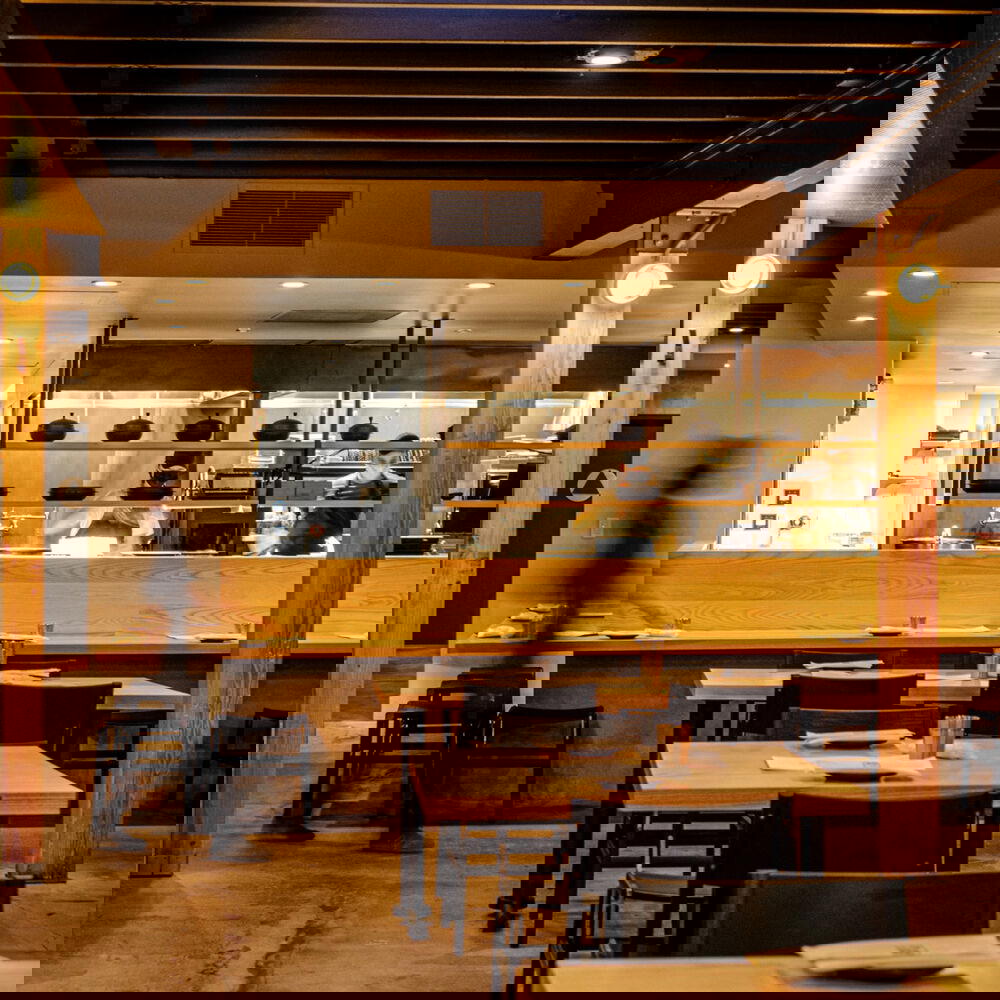
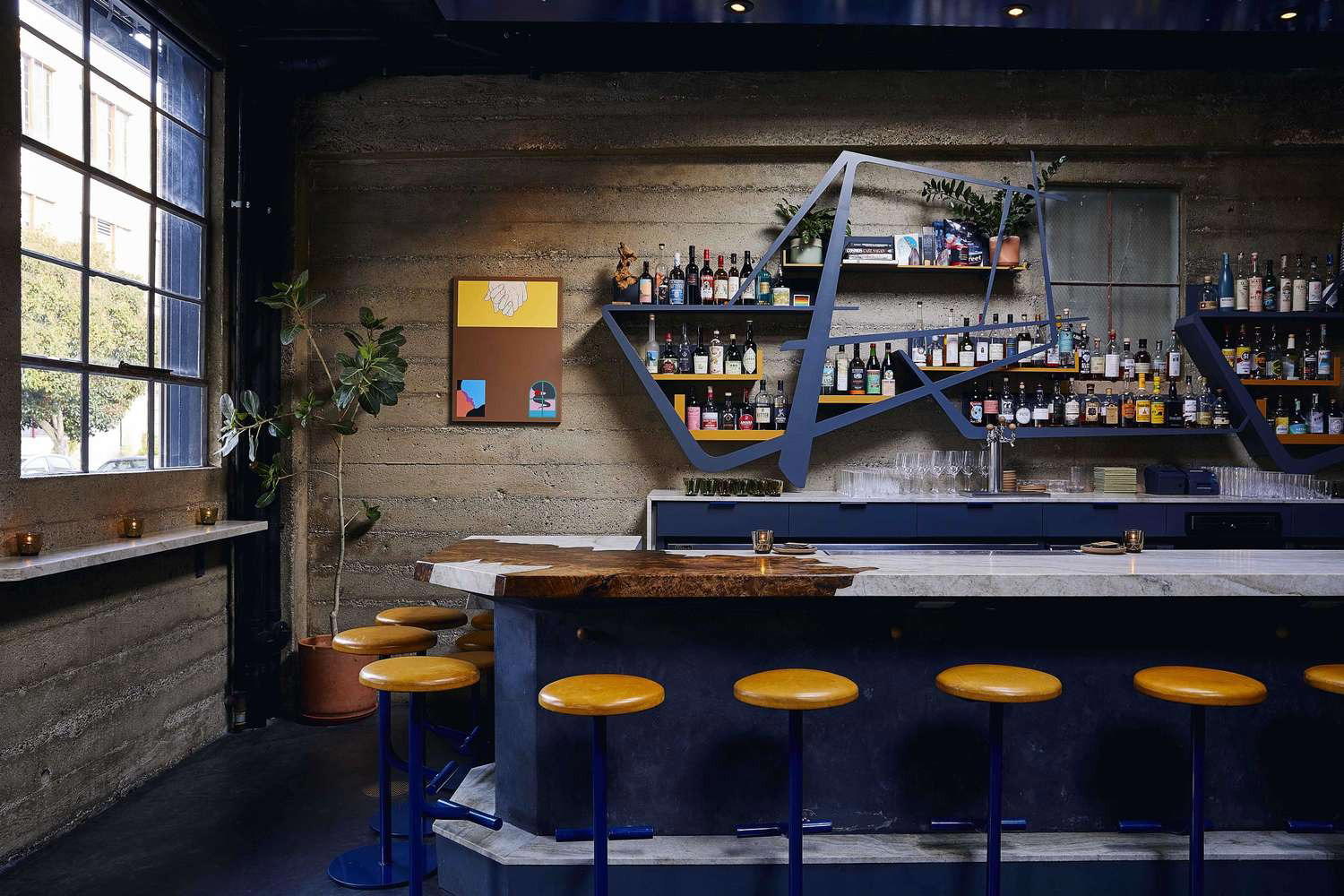
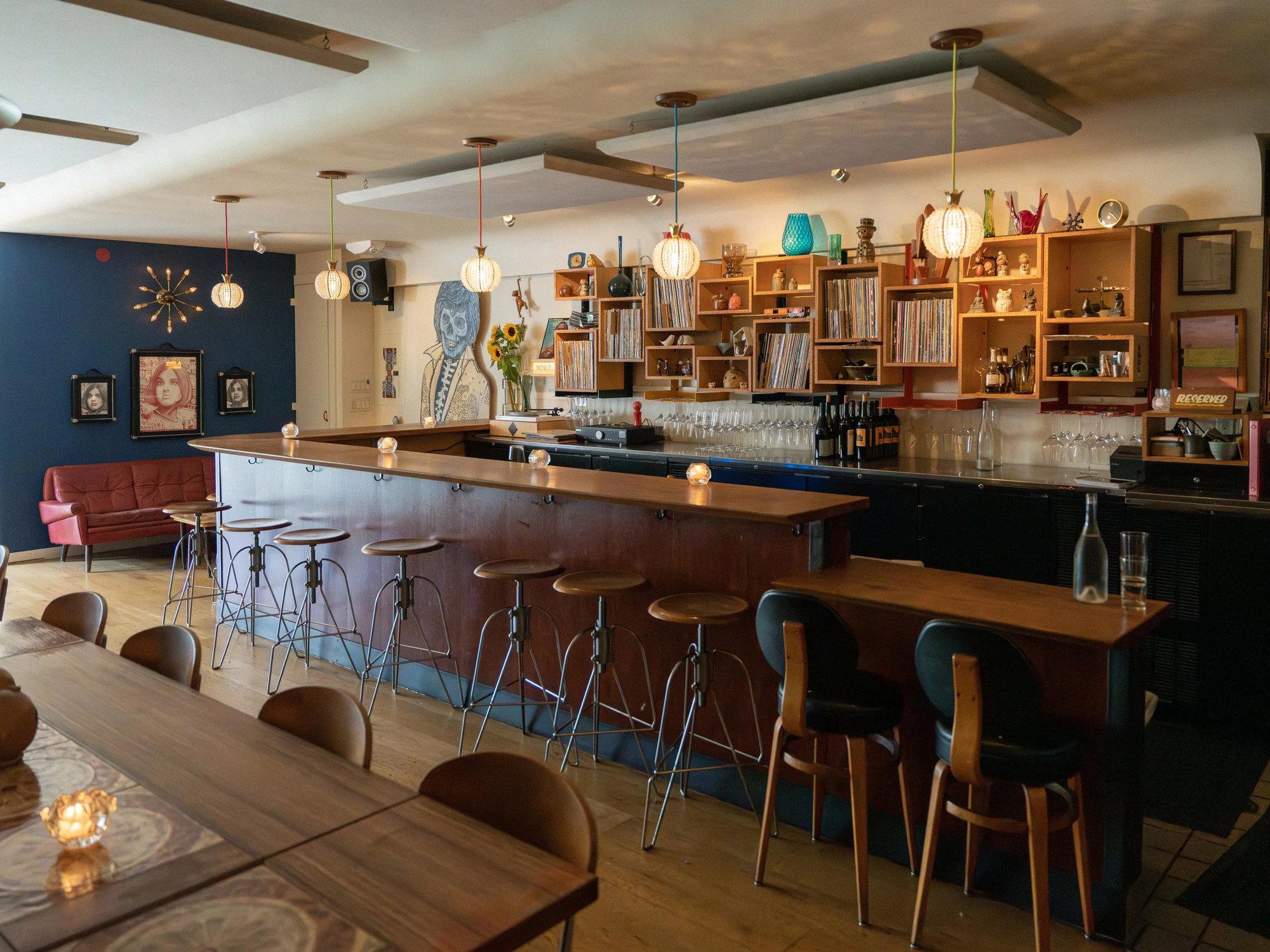
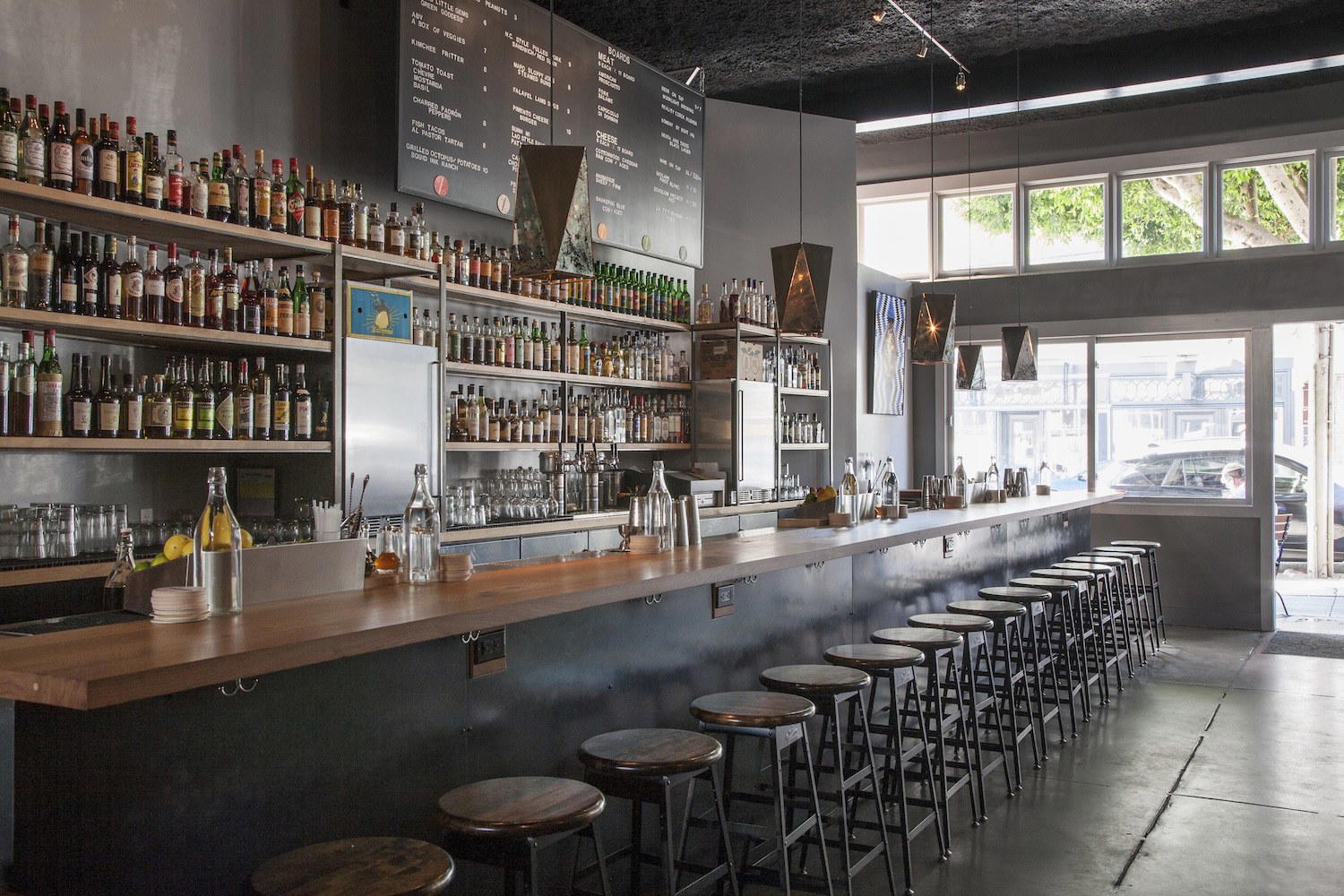
Bars in Woodside
Browse all →
Hotels in Woodside
Browse all →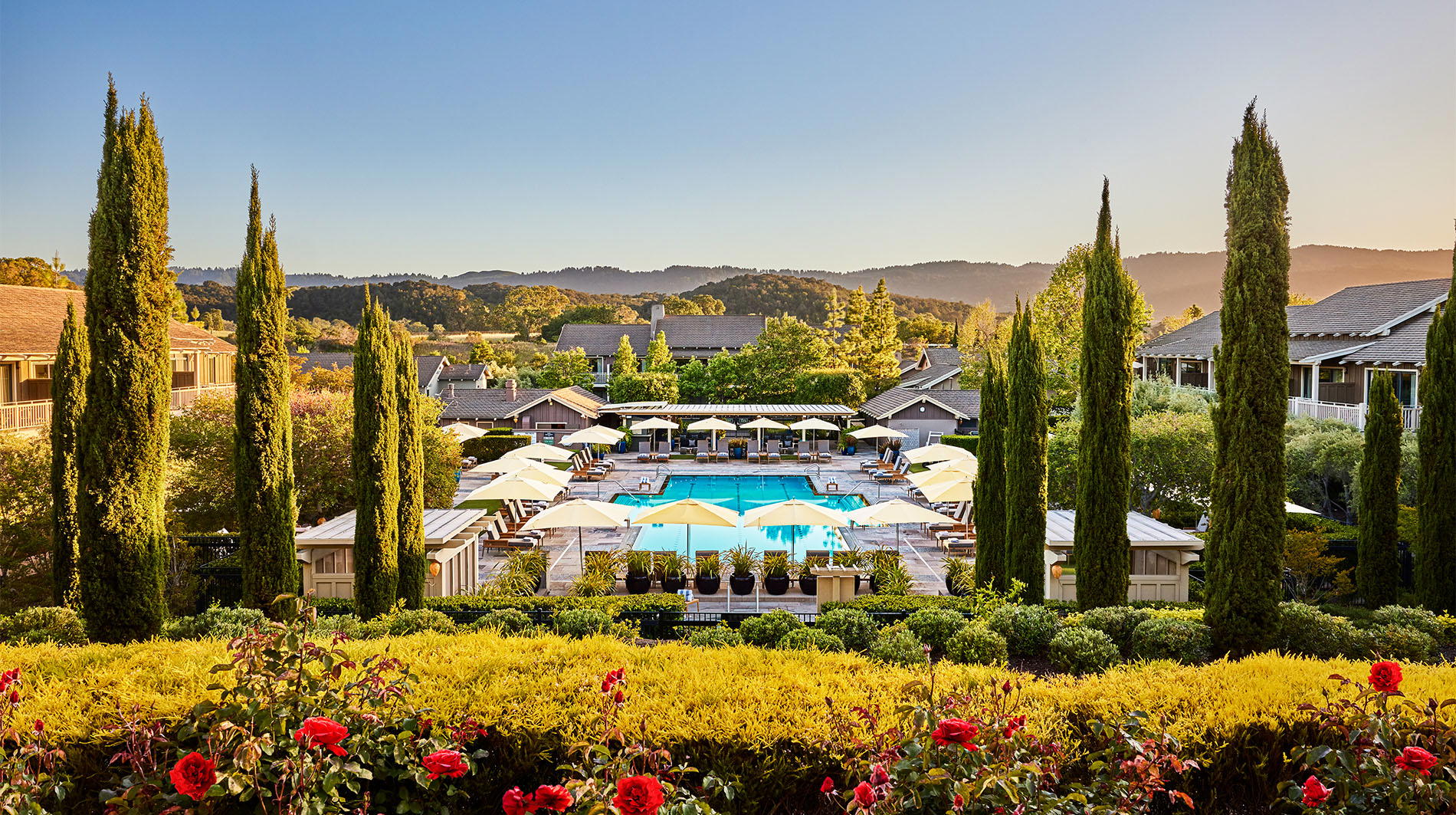
Details
- Romantic
- Cozy
- Intimate
- Date Night
- Special Occasion
- Historic Building
- Open Kitchen
- Extensive Wine List
- A La Carte
Current opening hours
- Monday
- Closed
- Tuesday
- 5–9 PM
- Wednesday
- 5–9 PM
- Thursday
- 5–9 PM
- Friday
- 5–9 PM
- Saturday
- 5–9 PM
- Sunday
- Closed
Hours can change for holidays and private events. Last verified .
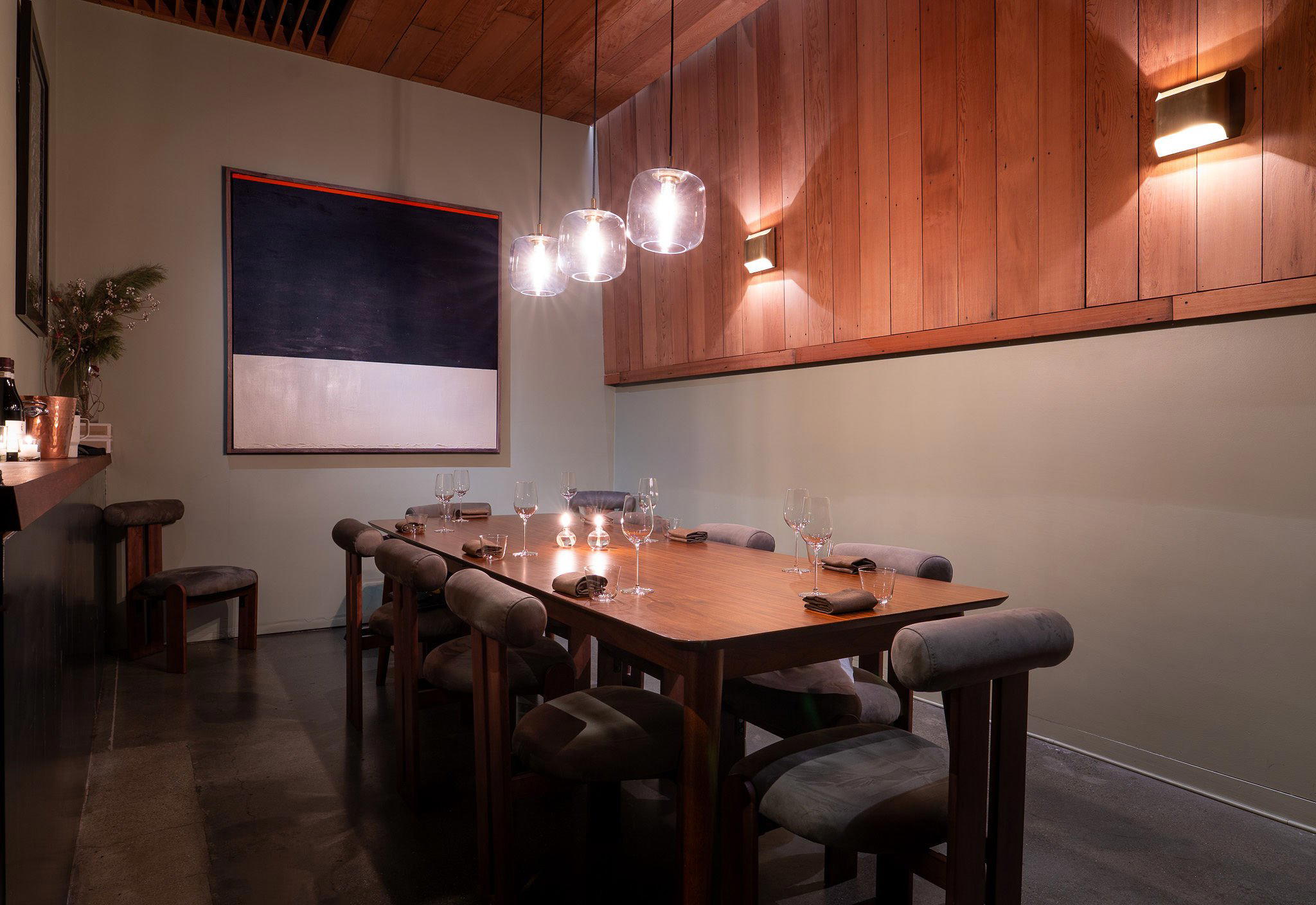
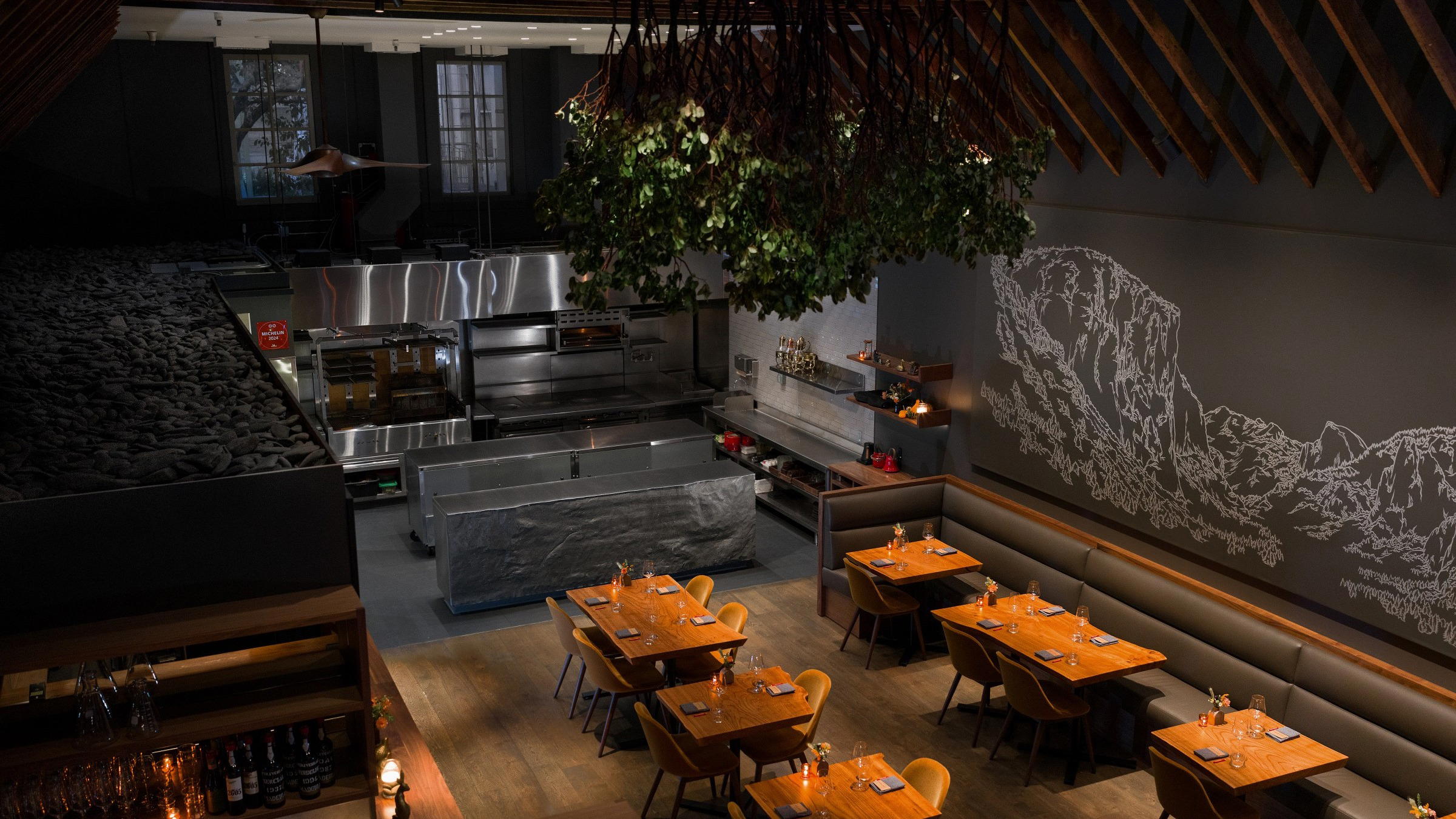
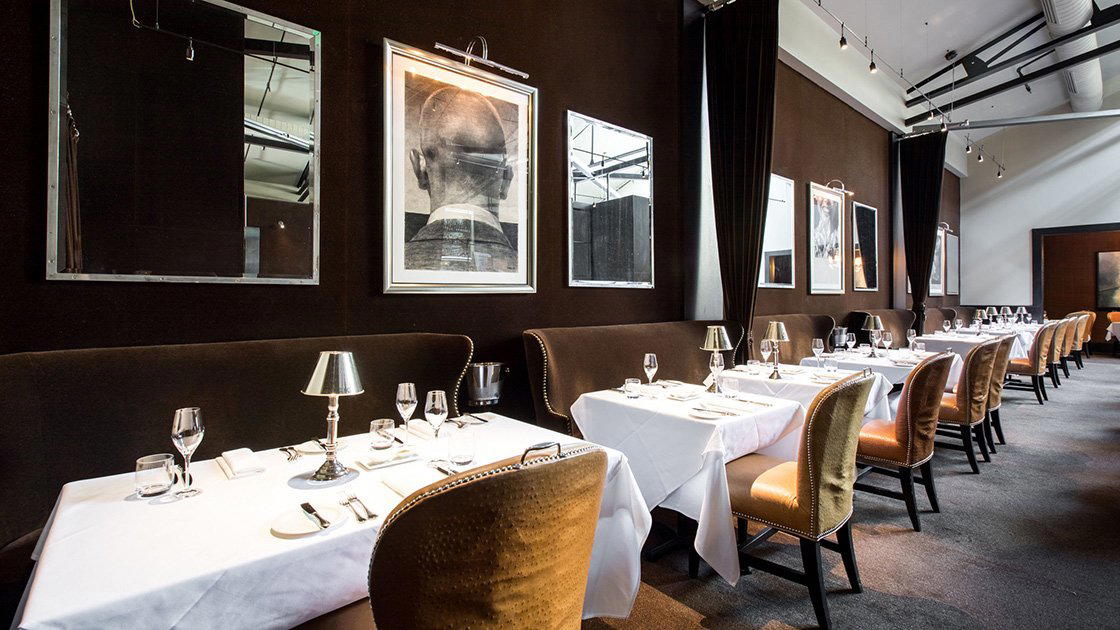
Warm, comforting, cozy, and intimate with a quiet atmosphere ideal for conversation.