Firegrill Ville St-Laurent
Firegrill Ville St-Laurent sits on Boulevard Côte-Vertu Ouest in Saint-Laurent, Quebec, bringing a fire-forward grilling tradition to one of Montreal's most industrially rooted suburbs. The format fits the neighbourhood's no-frills directness: smoke, heat, and protein over ceremony. For those working or living in the Côte-Vertu corridor, it functions as a dependable neighbourhood anchor rather than a destination dining room.
Pearl is the En Primeur Club membership app — saves, bookings, and concierge access live there. Same editors, same standards.
- Address
- 3500 Boulevard Cote Vertu Ouest, Saint-Laurent, Quebec H4R 1P8, Canada
- Phone
- +15148320222
- Website
- firegrill.com
- Directions
- Get directions
 Saves & bookings on Pearl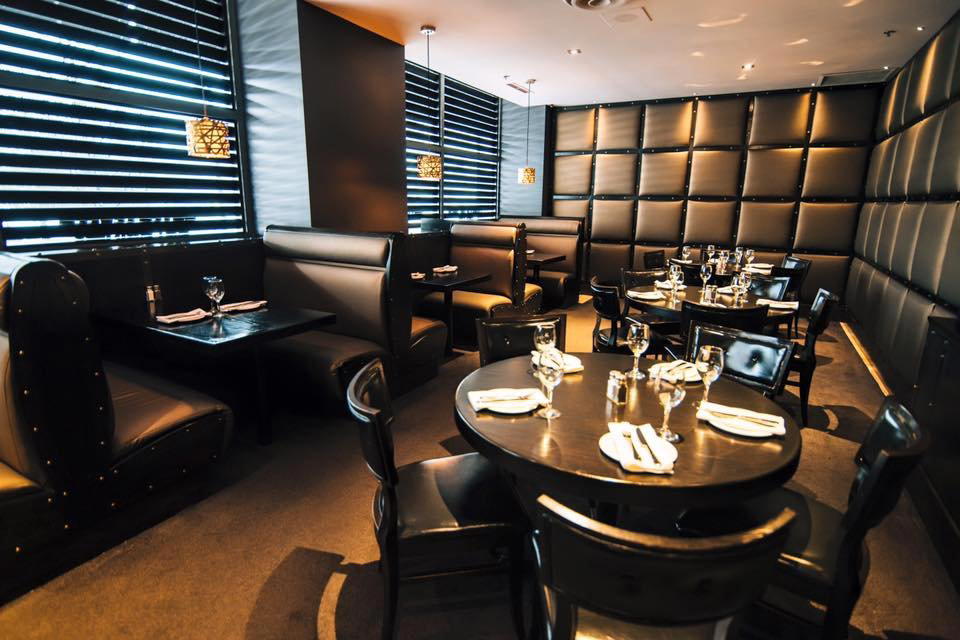
Fire and the Suburb: Grilling Culture in Saint-Laurent
Saint-Laurent is not where most diners look when they think about Montreal's restaurant scene. The borough sits northwest of the island's urban core, shaped more by aerospace manufacturing, warehouse logistics, and mid-century residential grids than by the kind of dense foot traffic that feeds a dining culture. That context matters when reading a place like Firegrill Ville St-Laurent, located at 3500 Boulevard Côte-Vertu Ouest. Restaurants here serve communities, not tourists. They answer to regulars, not to critics passing through on expense accounts.
The broader category Firegrill belongs to, live-fire and charcoal grilling, has deep roots across multiple culinary traditions that converged on North American suburban dining over several decades. Argentinian asado, Brazilian churrasco, Lebanese mashawi, North African mechoui, and the backyard American barbecue tradition all share a common premise: that direct flame applied to good protein produces something no oven or stove can replicate. The Maillard reaction at high heat, the fat rendering into charcoal and returning as smoke, the collagen breakdown in slower cuts. These are not techniques invented by a single culture; they are parallel solutions to the same delicious problem, developed independently across continents and then fused into the fire-grilling vernacular that defines a certain style of mid-market North American restaurant.
Saint-Laurent's population reflects precisely that multicultural layering. The borough has historically absorbed successive waves of immigration, and its restaurant scene has long run parallel to that pattern: Lebanese bakeries, Portuguese chicken counters, South Asian buffets, and Greek grills operating alongside one another on commercial strips. A firegrill operation in this neighbourhood reads less as a trend-chasing concept and more as a continuation of a long local tradition of cooking over flame in communities where shared food culture is less about fashion and more about sustenance and gathering.
What the Format Signals
The word "firegrill" in a restaurant name carries specific expectations. It signals a menu organized around proteins, a cooking method that privileges heat management over sauce complexity, and a dining experience that tends toward the direct and unpretentious. These are not fine-dining rooms; they are places where the smoke smell follows you home and the portions lean generous. In the mid-market tier that occupies this corner of the Canadian dining scene, this format competes with chains but often wins on provenance and cook quality when run well.
Comparing the category to the higher end of Canadian dining helps locate the register. Destination restaurants like Alo in Toronto or Tanière³ in Quebec City operate at the opposite end of the formality and price spectrum. Rurally sourced, hyper-seasonal, multi-course formats built around a single chef's vision represent one pole of Canadian dining ambition. Fire-focused neighbourhood restaurants in working suburbs represent another. Both are legitimate expressions of how Canadians eat, and neither makes the other irrelevant. The same logic applies when looking further afield at places like Eigensinn Farm in Singhampton or the seafood-led precision of Fogo Island Inn Dining Room in Joe Batt's Arm: Canadian dining at its most ambitious is geographically and conceptually diverse, and the neighbourhood grill is as much a part of that picture as any tasting menu counter.
Within Montreal and its suburbs, the comparison set shifts accordingly. The city's dining scene has a well-documented formal tier anchored by restaurants like Jérôme Ferrer - Europea in Montreal, but the everyday dining culture of boroughs like Saint-Laurent runs on a different axis entirely. Proximity to Marché Central, the density of Lebanese and Mediterranean communities along the Côte-Vertu corridor, and the lunchtime demand from the industrial park workforce all shape what a restaurant here needs to be. The firegrill format answers those pressures efficiently.
The Côte-Vertu Corridor as Dining Context
Boulevard Côte-Vertu Ouest is a functional arterial road, not a destination strip. The address at 3500 puts Firegrill in a stretch dominated by big-box retail, service businesses, and the low-rise commercial architecture typical of postwar suburban development. Getting there by public transit is direct via the Côte-Vertu metro station, the western terminus of the orange line, which places the area within reach of central Montreal without requiring a car. That transit access matters for a neighbourhood that can feel car-dependent at street level.
For diners coming from elsewhere in the city, the surrounding area offers little in the way of the bar-hopping or gallery-browsing that might frame a dinner in the Plateau or Mile End. Saint-Laurent is a before-and-after destination: you come, you eat, you leave. That is not a criticism. It is a description of how suburban dining functions in most North American cities, and it is the operating reality for restaurants along this corridor. The audience is largely local, largely repeat, and largely uninterested in the kind of theatrical dining experience that dominates food media coverage. For a broader look at what the area offers, see our full Saint Laurent restaurants guide, which maps the borough's dining options across cuisines and price points. Nearby, Elounda represents the Mediterranean thread running through the neighbourhood's dining fabric.
Planning Your Visit
Given the format and neighbourhood context, walk-in dining is a reasonable expectation during off-peak hours, though busier lunch and dinner services in a neighbourhood with strong local demand may warrant a call ahead. The address at 3500 Boulevard Côte-Vertu Ouest is accessible by car with ample commercial parking typical of the strip, and by metro via the Côte-Vertu station on the orange line. For current hours and reservation availability, contacting the restaurant directly is the most reliable approach.
Price Lens
| Venue | Cuisine | Price | Awards |
|---|---|---|---|
| Firegrill Ville St-LaurentThis venue — the venue you are viewing | Not listed | This venue | Not listed |
| Alo | Contemporary | $$$$ | Michelin 1 Star |
| Sushi Masaki Saito | Sushi, Japanese | $$$$ | Michelin 2 Star |
| The Pine | Chinese | $$$$ | Michelin 1 Star |
| Aburi Hana | Kaiseki, Japanese | $$$$ | Michelin 1 Star |
| AnnaLena | Contemporary | $$$$ | Michelin 1 Star |
Continue exploring
More in Saint Laurent
Restaurants in Saint Laurent
Browse all →
Bars in Saint Laurent
Browse all →
At a Glance
- Classic
- Elegant
- Lively
- Group Dining
- Casual Hangout
- After Work
- Business Dinner
- Open Kitchen
- Beer Program
Current opening hours
- Monday
- 11 AM–10 PM
- Tuesday
- 11 AM–10 PM
- Wednesday
- 11 AM–10 PM
- Thursday
- 11 AM–10 PM
- Friday
- 11 AM–11 PM
- Saturday
- 12–11 PM
- Sunday
- 4–10 PM
Hours can change for holidays and private events. Last verified .
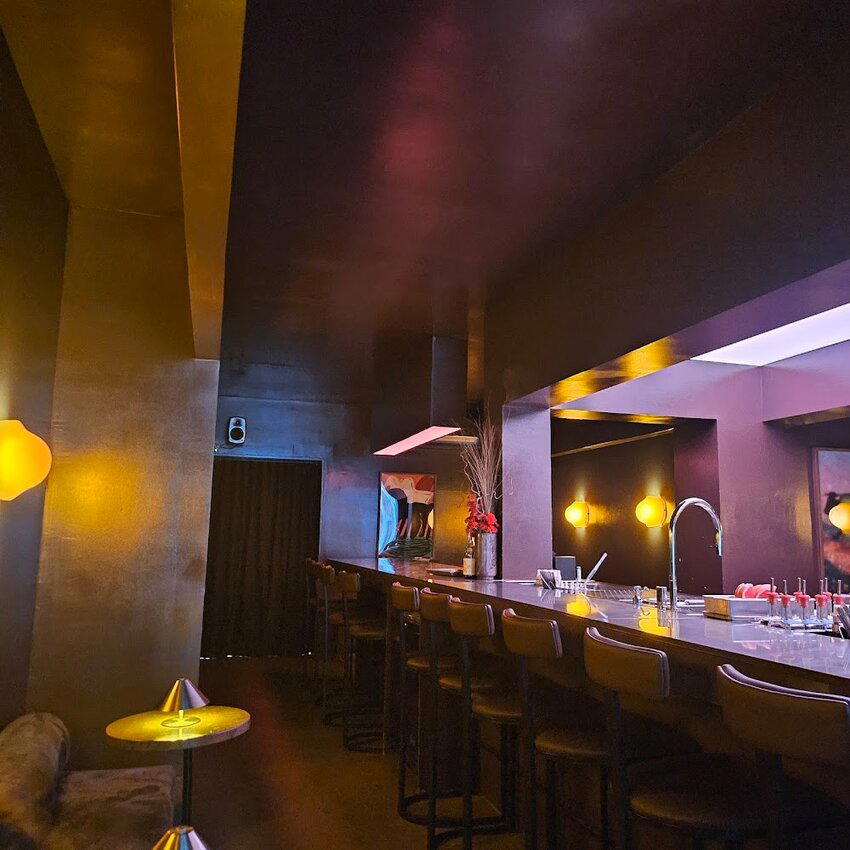
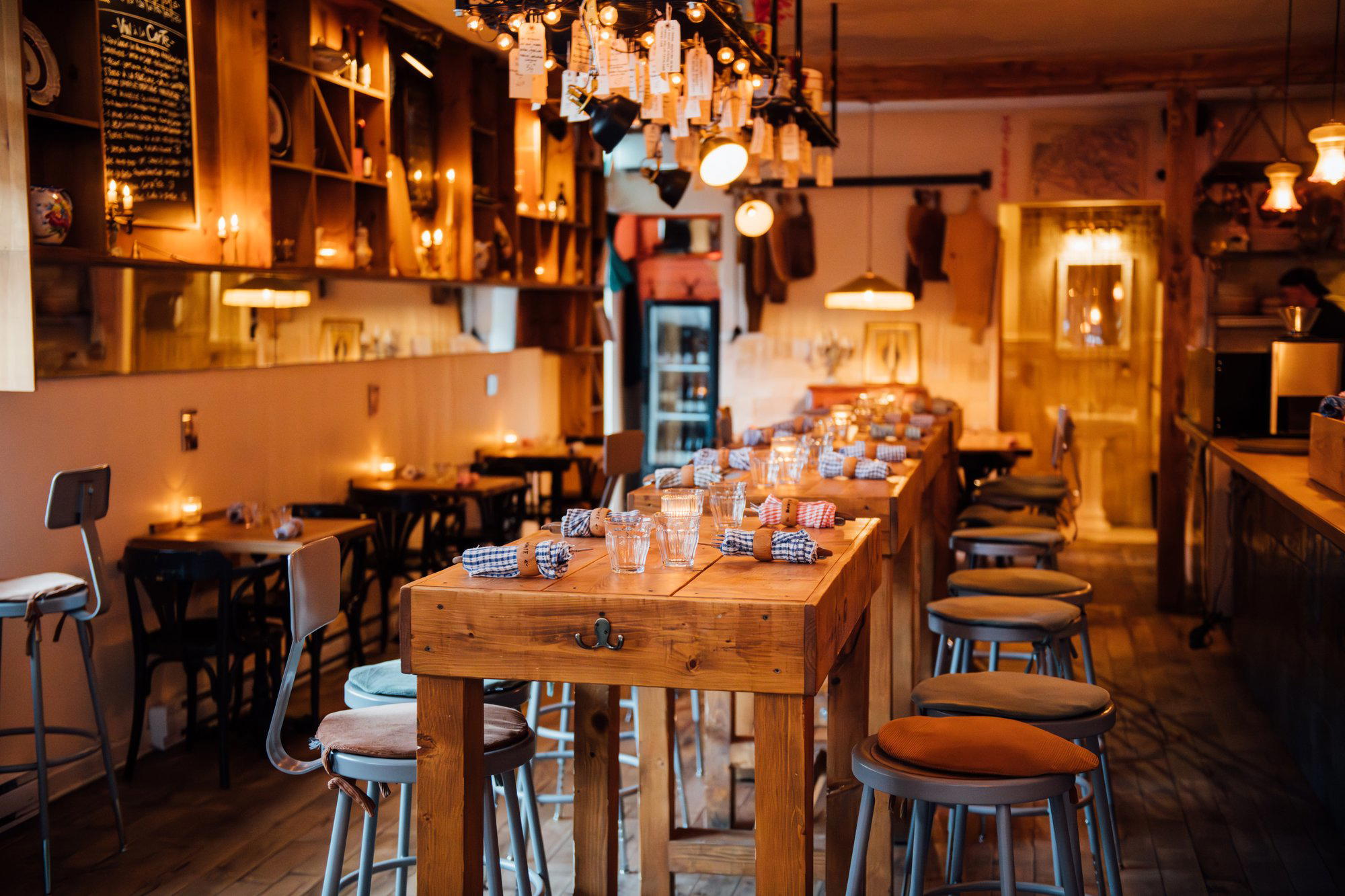
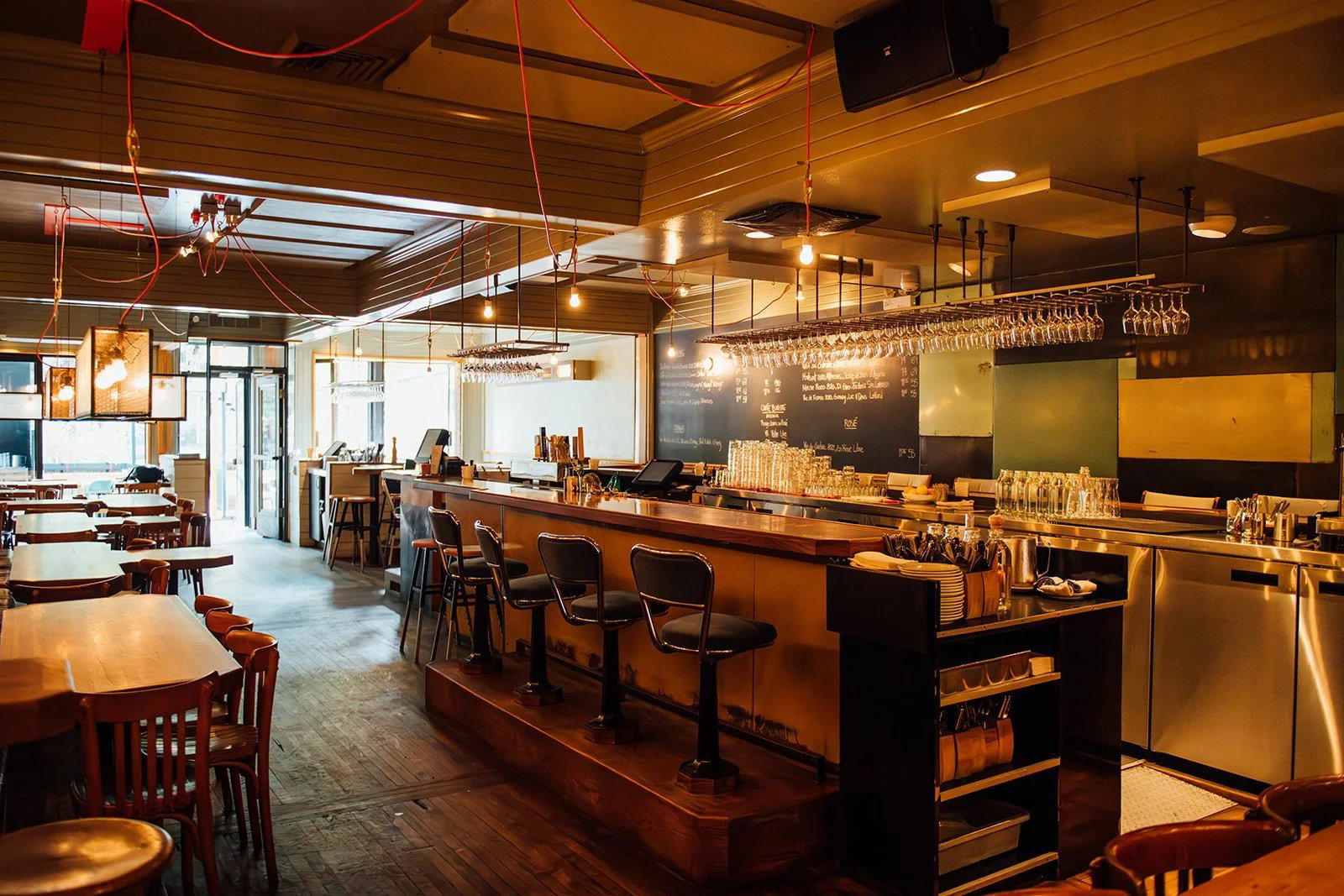
Casual dining atmosphere with an open kitchen where patrons can observe the grilling process; lively bar environment with full bar service.
Know Before You Go
- Getting there
- 3500 Boulevard Cote Vertu Ouest, Saint-Laurent, Quebec H4R 1P8, Canada