Figo Restaurant occupies a Rushcutters Bay address on Bayswater Road that positions it between the harbour-adjacent energy of Potts Point and the quieter residential stretch toward Edgecliff. The room reflects the broader shift in Sydney Italian dining away from red-sauce convention toward a more considered, produce-driven approach. It sits in a neighbourhood where the dining scene has matured considerably over the past decade.
Pearl is the En Primeur Club membership app — saves, bookings, and concierge access live there. Same editors, same standards.
- Address
- 3/56-60A Bayswater Rd, Rushcutters Bay NSW 2011, Australia
- Phone
- +61283239883
- Website
- figorestaurant.com.au
- Directions
- Get directions
 Saves & bookings on Pearl
Rushcutters Bay and the Slow Evolution of Sydney Italian
Sydney's Italian dining scene has undergone a prolonged recalibration. The decade-long drift away from red-checkered-cloth convention toward something more ingredient-focused and regionally specific has reshaped which venues hold attention and which fade into the background. Bayswater Road in Rushcutters Bay sits at an interesting fault line in this shift: close enough to the Kings Cross corridor to carry some of its historical restaurant density, but removed enough to attract a neighbourhood crowd that rewards consistency over novelty. Figo Restaurant, at 3/56-60A Bayswater Road, sits within that context — a street address that has seen multiple dining concepts come and go as the surrounding suburb found its current character.
The broader Rushcutters Bay strip has evolved from a transitional dining zone into a more settled destination, with the marina precinct and the park anchoring a sense of place that pure entertainment precincts rarely achieve. Restaurants here tend to build on repeat custom rather than tourist footfall, which creates different pressures on a kitchen: the menu has to hold up across dozens of visits, not just one.
The Room and What It Signals
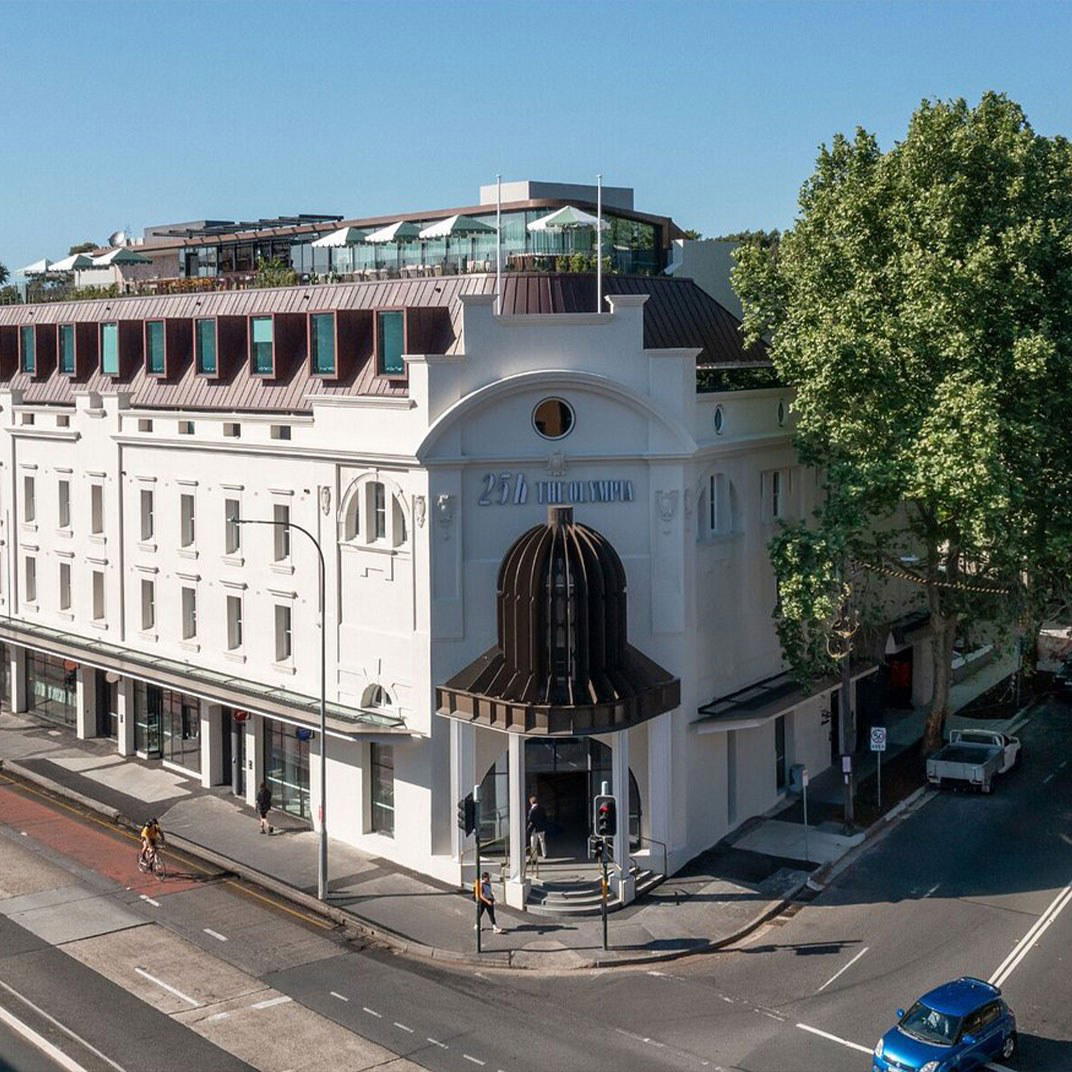
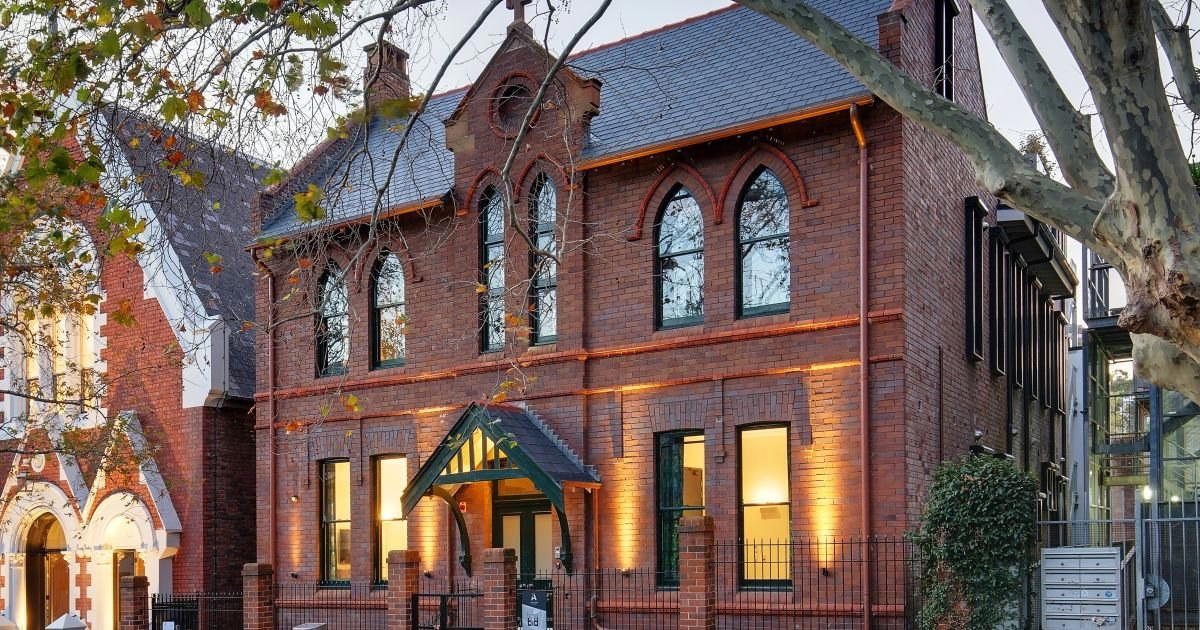
Italian restaurants in Sydney that have survived more than a single market cycle tend to carry visible evidence of their transitions — a dining room that has been reconfigured, a bar area that has expanded, or a format that has shifted from formal to casual as the city's eating habits changed. The Bayswater Road location places Figo in a neighbourhood where that kind of architectural evolution is common: shopfront-style entries, modest frontages, and interiors that do more than the facade suggests. The physical environment of a room that reads as settled rather than freshly opened is itself a signal in a city where restaurant turnover runs high.
Sydney diners have, over the past several years, grown more sophisticated about what they expect from Italian cooking specifically. The influence of operators like 10 William St, which anchored a natural-wine and small-producer Italian model in Paddington, has filtered outward into how a broader audience thinks about Italian food in the city. Closer to Figo's neighbourhood, the 1021 Mediterranean approach demonstrates that Mediterranean-leaning cooking in the inner east can sustain a serious audience without institutional backing.
Where Figo Sits in Sydney's Dining Conversation
Sydney's restaurant hierarchy has never been a single ladder. It is better understood as several parallel tracks running simultaneously: the fine dining tier anchored by places like Rockpool with its long Australian cuisine pedigree; the produce-obsessed mid-tier exemplified by Saint Peter with its seafood focus; and the neighbourhood tier, where reliability and a clear culinary identity matter more than ceremony. Italian restaurants in Sydney overwhelmingly occupy this third tier, and the ones that endure do so because they develop a specific local loyalty rather than chasing a broader critical profile.
The evolution of a venue at Figo's address over time tracks something worth paying attention to: how a restaurant responds to shifts in its immediate catchment. Rushcutters Bay has attracted younger professional residents over the past decade, a demographic that tends to eat out frequently but with an eye on value and authenticity rather than formal occasion dining. A restaurant that has remained in this location across that demographic shift has had to adapt its offer accordingly, whether in format, price positioning, or the kind of Italian cooking it presents.
For comparison, Melbourne venues like Bar Carolina in South Yarra illustrate how the Italian-leaning bar-restaurant format has taken root in Australian cities outside Sydney, often occupying a similar neighbourhood-anchor role. The parallels are instructive: both markets have moved toward a more relaxed, convivial model of Italian dining that deprioritises white tablecloths without abandoning quality of produce or technique.
The Italian Dining Format in Transition
Across Australian cities, Italian restaurants have been the format most visibly caught between two eras. The post-war Italian diaspora built a hospitality culture that dominated suburban dining for decades. That model, generous portions, family-style service, accessible price points, has not disappeared, but it now coexists with a different register: smaller plates, imported regional products, wine lists oriented toward natural and orange wines, and a kitchen sensibility more comfortable with restraint. Hungry Wolfs Italian Restaurant in Newcastle represents how this evolution plays out in secondary cities, while Sydney's inner-east corridor has been one of the primary sites where the newer model has taken hold.
What this means practically for a venue at Figo's address is that the competitive pressure comes from multiple directions: legacy Italian restaurants that retain a loyal older clientele, and newer operators working a more contemporary Italian idiom. Surviving that pressure over multiple years requires a clear identity, a specific cooking style, a wine approach, or a service format that gives returning diners a reason to stay loyal rather than follow a newer opening down the road.
For readers exploring Sydney's broader dining character, the full Sydney restaurants guide maps the city's eating scene across neighbourhoods and price points, with entries ranging from the harbour-adjacent institutions to the kind of mid-scale neighbourhood restaurants that Rushcutters Bay produces. Internationally, the editorial focus on precision-led cooking at venues like Le Bernardin in New York City and Atomix in New York City provides a useful benchmark for how a commitment to culinary identity sustains venues across market cycles, a dynamic that applies equally to a neighbourhood Italian in Sydney's inner east.
Planning a Visit
Figo Restaurant is located at 3/56-60A Bayswater Road, Rushcutters Bay NSW 2011, a short walk from the Rushcutters Bay park and accessible from the Kings Cross and Edgecliff train stations. The Bayswater Road strip is manageable on foot from much of the inner east, and street parking is available on surrounding residential streets depending on time of day. For booking and hours, the most current information is available directly through the restaurant; given the neighbourhood dynamic described above, weekends in particular tend to draw from a wider radius than the immediate catchment. Visitors staying in the inner east who are also considering nearby options might weigh Figo against Bayly's Bistro in Kirribilli or the Bondi-accessible bills in Bondi Beach for a broader picture of Sydney's mid-range dining character.
Continue exploring
More in Sydney
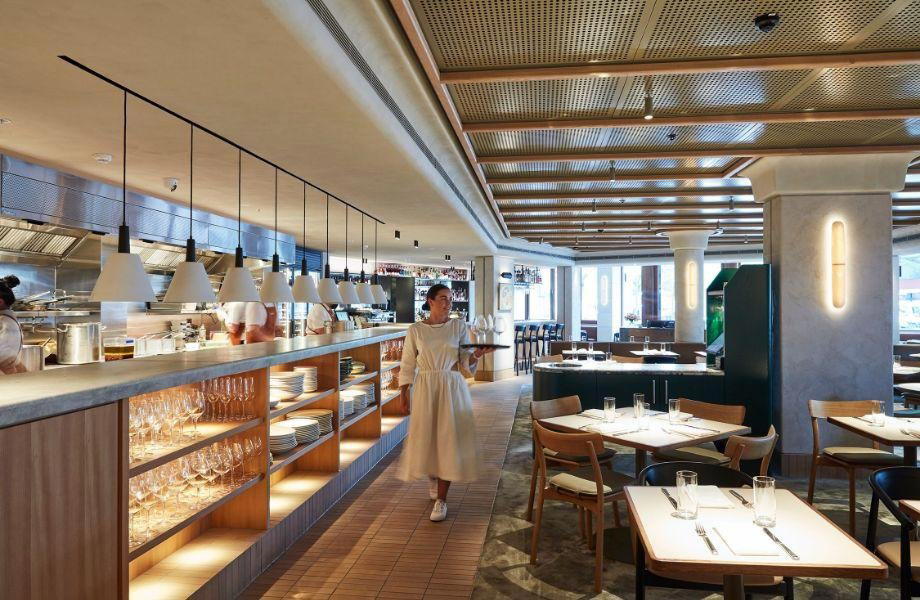
Restaurants in Sydney
Browse all →
Bars in Sydney
Browse all →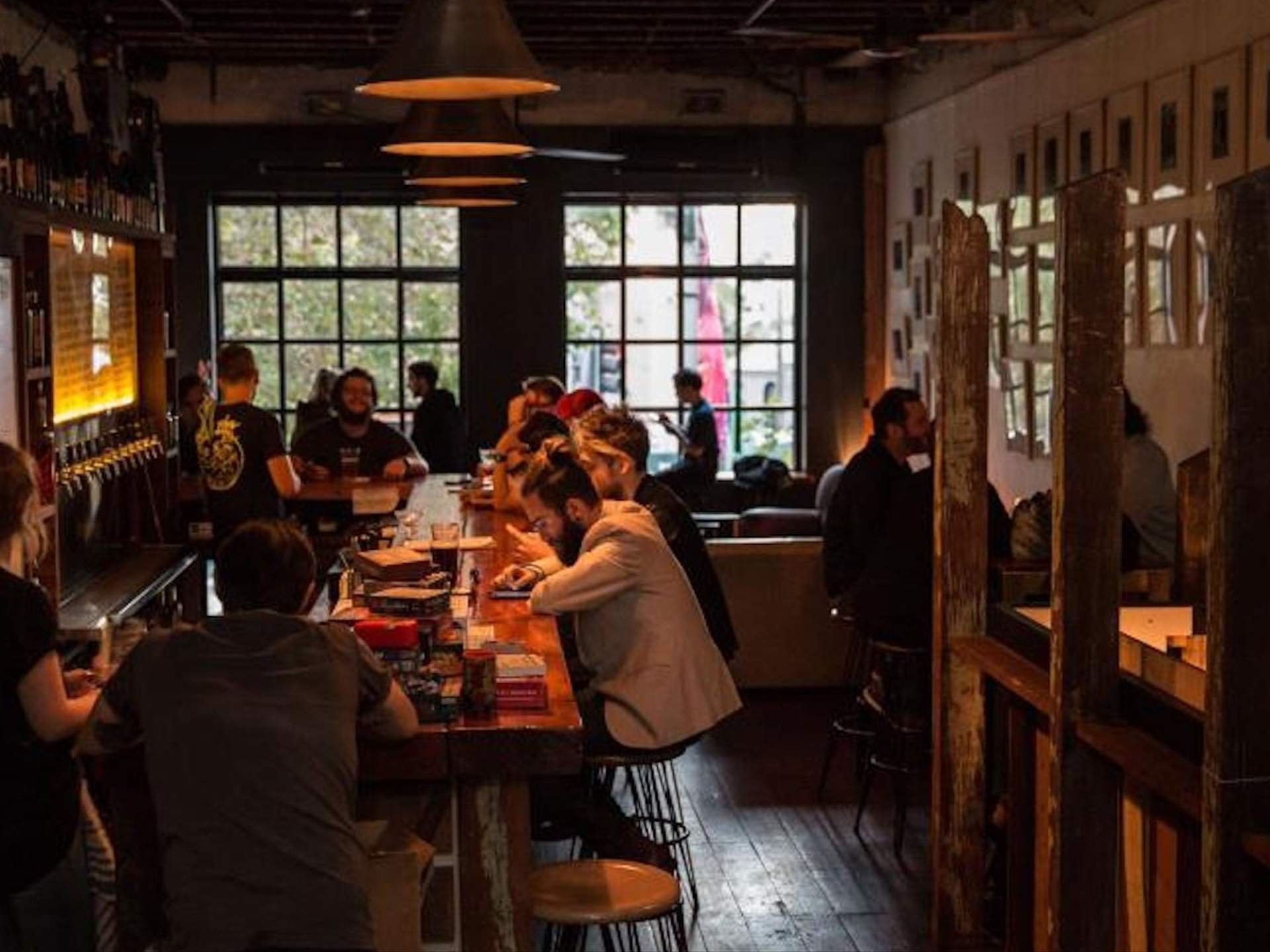
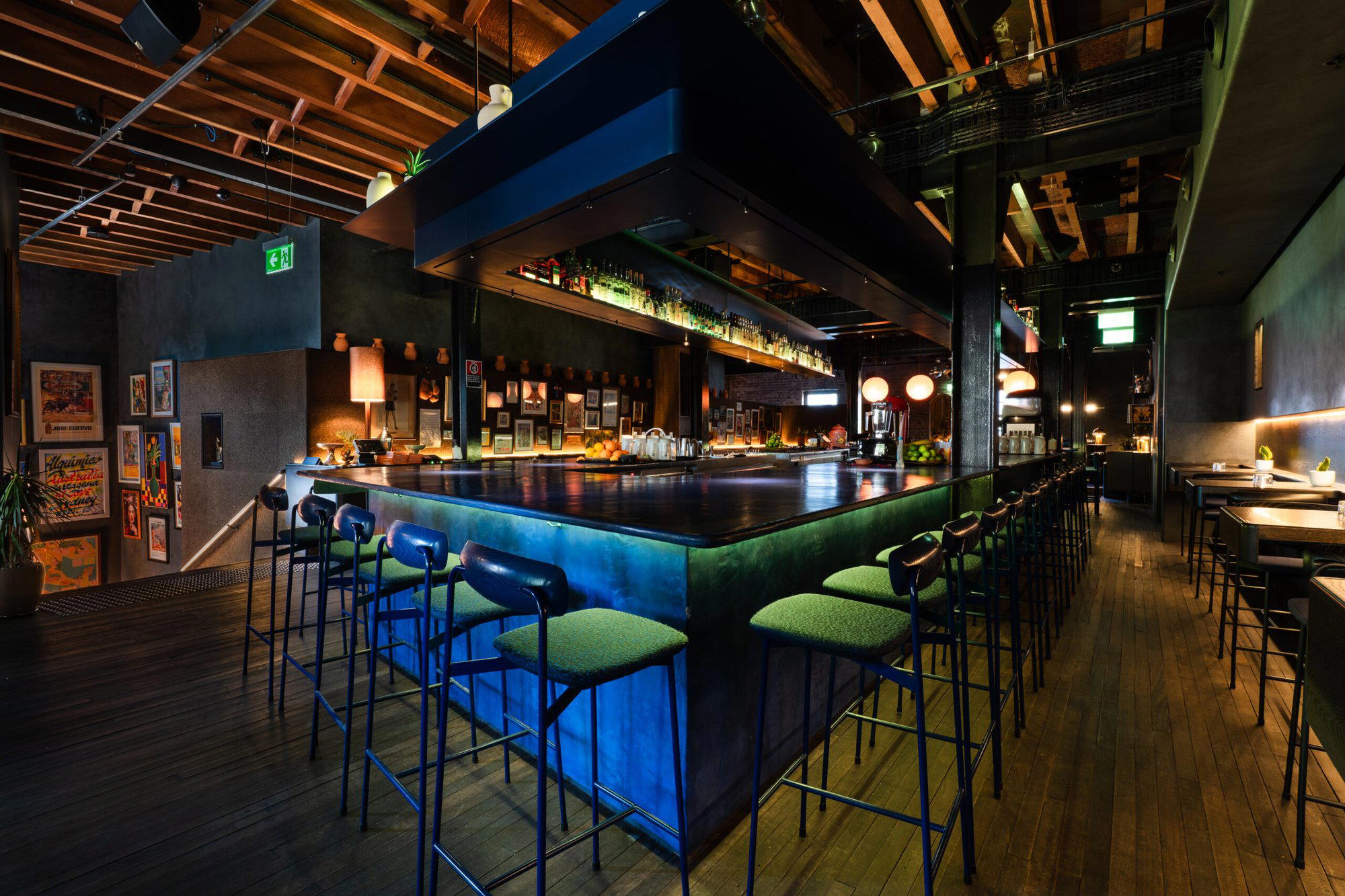
Hotels in Sydney
Browse all →

At a Glance
- Rustic
- Cozy
- Intimate
- Elegant
- Date Night
- Group Dining
- Private Dining
- Extensive Wine List
Current opening hours
- Monday
- 5:30–10 PM
- Tuesday
- 5:30–10 PM
- Wednesday
- 5:30–10 PM
- Thursday
- 12–3 PM, 5:30–10 PM
- Friday
- 12–3 PM, 5:30–11 PM
- Saturday
- 12–3 PM, 5:30–11 PM
- Sunday
- Closed
Hours can change for holidays and private events. Last verified .
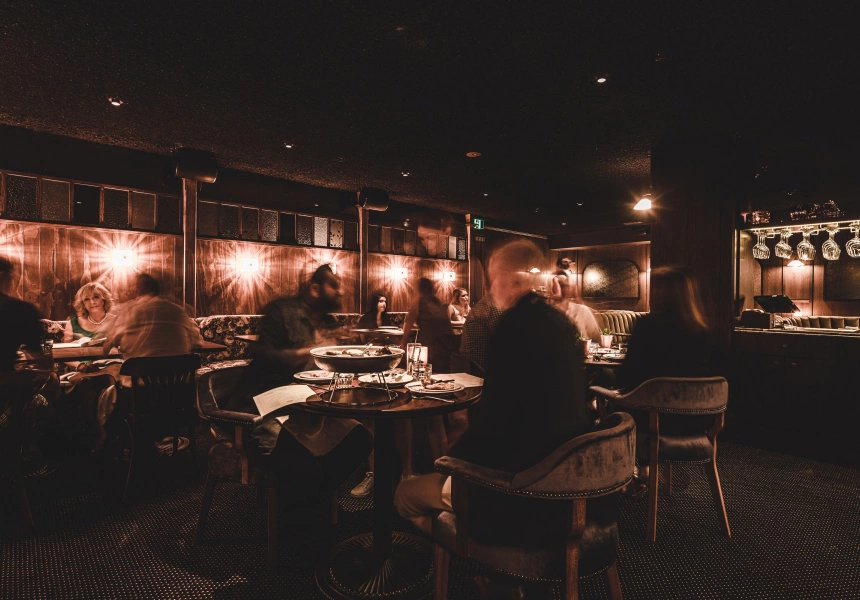
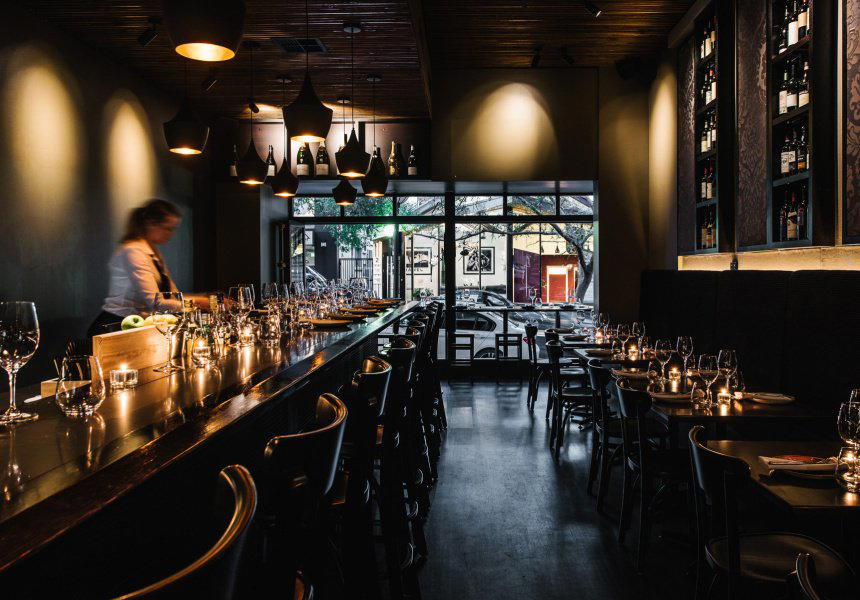
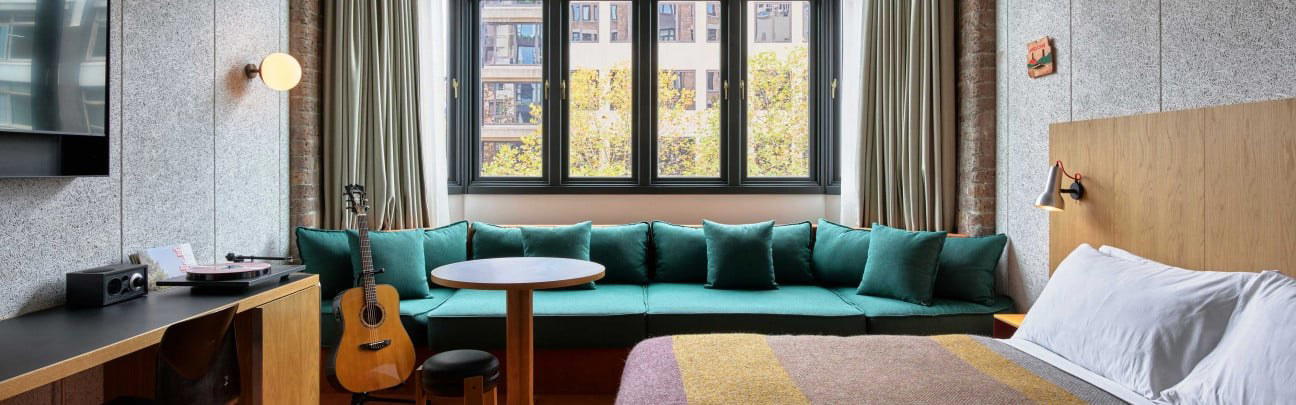
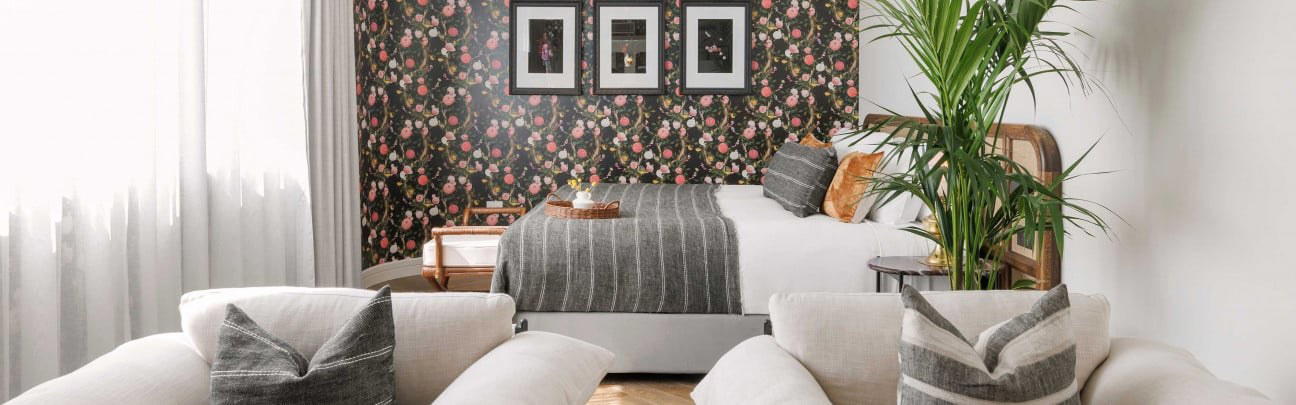
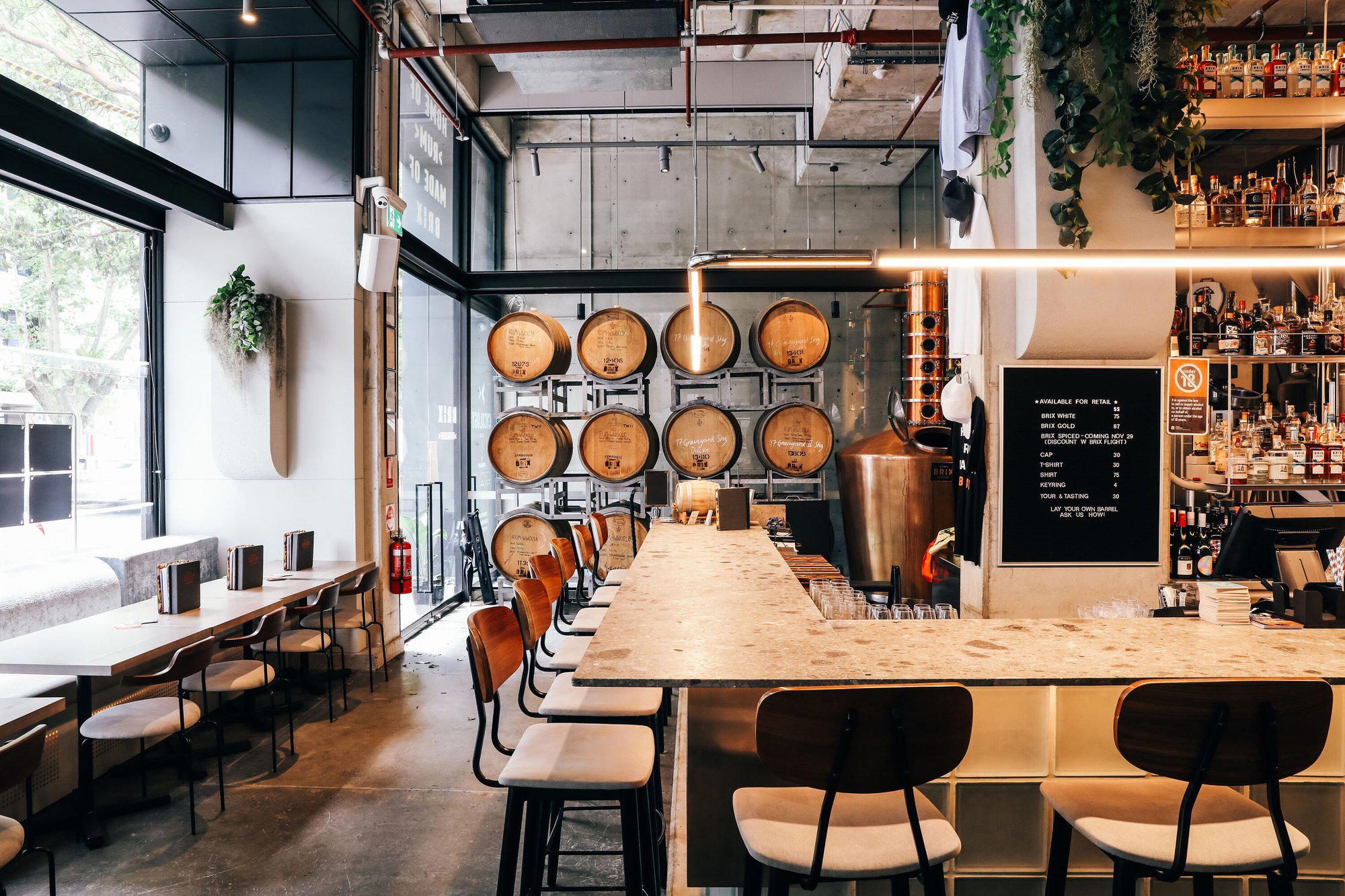
Rustic charm with exposed concrete, dark wooden tables, plush velvet booths, and wine racks, creating a warm, intimate, and sophisticated atmosphere.
Know Before You Go
- Getting there
- 3/56-60A Bayswater Rd, Rushcutters Bay NSW 2011, Australia